
Preferences
Privacy is important to us, so you have the option of disabling certain types of storage that may not be necessary for the basic functioning of the website. Blocking categories may impact your experience on the website. More information

Privacy is important to us, so you have the option of disabling certain types of storage that may not be necessary for the basic functioning of the website. Blocking categories may impact your experience on the website. More information
Comparing keyword rank checking tools on the feature that now decides visibility: whether they also show if AI answers cite you, not just your position.

In short: The best keyword rank checking tool depends on one question most comparisons ignore — do you need positions only, or positions plus AI visibility? For classic rank tracking, Semrush and Ahrefs remain the deepest, AccuRanker the fastest, and Google Search Console the only free source of first-party truth. For 2026, the deciding feature is whether the tool also shows whether you are cited in AI Overviews and assistant answers, because a top-three position now frequently produces no click at all.
Every list of the best keyword rank checking tool options ranks the same eight products on price and keyword limits. That comparison was adequate in 2020. It is now incomplete, because ranking position and search visibility have quietly stopped being the same thing. The measured research is unambiguous about what earns a citation in generative engines: the Princeton-led GEO study found that adding statistics raised generative visibility by roughly 32% and citing sources by roughly 30%, while keyword stuffing reduced it.
Four things: track exact positions daily, segment by location and device, cover competitors, and report AI presence. The first three are commodity features now. The fourth is where tools genuinely differ, and it is the one worth paying for.
| Capability | Why it matters | Commodity in 2026? |
|---|---|---|
| Daily position updates | Catches drops before traffic reflects them | Yes |
| Local and device segmentation | Mobile and desktop SERPs differ materially | Yes |
| Competitor tracking | Distinguishes your decline from a SERP-wide shift | Yes |
| SERP feature detection | Position 1 below an AI Overview is not position 1 | Partially |
| AI citation tracking | Shows whether assistants name you at all | No — the real differentiator |
Semrush and Ahrefs remain the strongest all-in-one platforms; pick Semrush for breadth of tooling and Ahrefs for backlink and content data quality. Both bundle rank tracking into a wider suite, which is why they cost what they cost — you are not buying a rank tracker, you are buying a platform.
Agencies weighing whether to build this stack in-house or delegate it entirely can compare specialists in our roundup of the 10 best seo agencies in France, several of which standardize on one of these platforms.
Yes — Google Search Console, and nothing else comes close. It is free, has no keyword limit, and reports first-party data straight from Google rather than an approximation assembled by a third party.
Two caveats decide whether it is enough for you:
For a single site with no competitive reporting requirement, Search Console plus a spreadsheet genuinely covers it. The moment you need competitor movement or exact positions, you are buying a tool. Our Search Console MCP server makes that free data directly queryable by an AI assistant, which removes most of the spreadsheet work. Teams that need this reporting built and maintained for them typically turn to a specialist; our comparison of the 10 best data analytics agencies in France lists providers who build these dashboards end to end.
Because ranking first no longer guarantees being seen. When an AI Overview or an assistant answers the question in the interface, the user's need is met before any result is clicked. Your position is unchanged; your traffic is not.
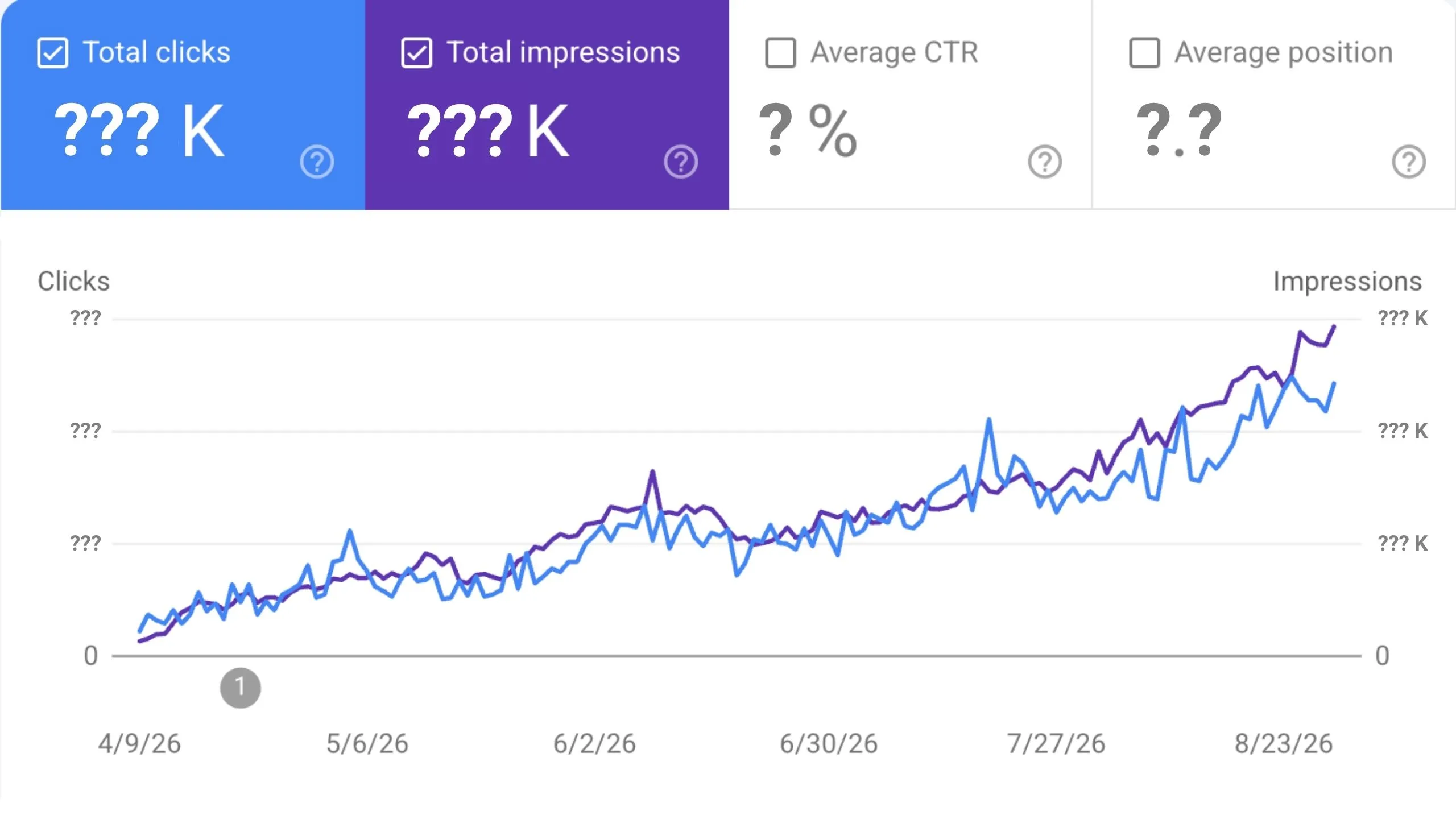
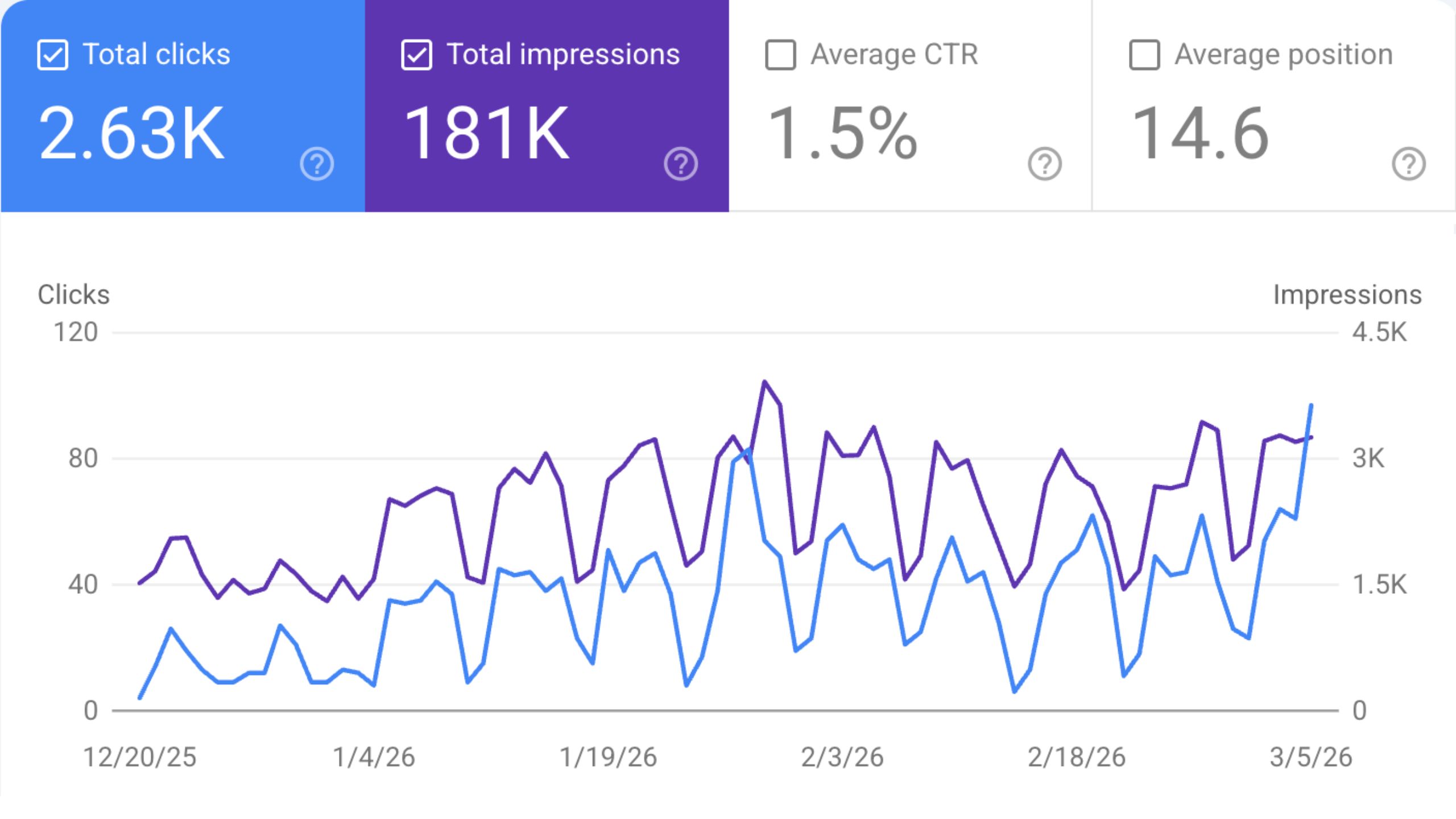
This creates a reporting failure that is easy to miss and expensive to ignore: rankings flat, clicks falling. A tracker that only measures position will show a healthy dashboard through an entire quarter of decline, because the metric it watches genuinely did not move. The missing variable is whether the engines that answered instead of linking mentioned you.
Tracking that requires a different mechanism — querying assistants with a stable panel of prompts and recording which brands and URLs they name. That is the category our AI visibility platform sits in, and you can compare approaches on our tool comparison pages.

Twenty to fifty commercially meaningful terms, tracked daily — not two thousand tracked weekly. Large keyword lists feel thorough and produce dashboards nobody reads. The terms that justify a daily check are the ones tied to revenue: your money pages, your category terms, your brand plus competitor comparisons.
Use Search Console for the long tail, where breadth is free and unlimited, and reserve paid tracking slots for the short list where a two-position move has a budget consequence. This split is what keeps rank tracking costs from scaling with your content output.
Choose Semrush or Ahrefs if you want one platform for everything, AccuRanker if speed and accuracy on positions is the whole job, Search Console if free first-party data is sufficient — and add an AI visibility layer regardless of which you pick. The tool that only reports positions is answering a question that has become half of the real one.
To see both at once — Search Console performance and whether AI engines cite you — start with Sorank.

Google Search Console, and nothing else is close. It is free, has no keyword limit, and reports first-party data from Google itself. The trade-offs are that position is an average rather than an exact rank, and you cannot see competitors.
Twenty to fifty commercially meaningful terms, tracked daily, rather than thousands tracked weekly. Use Search Console for the free unlimited long tail, and reserve paid tracking slots for the terms where a two-position move has a budget consequence.
That pattern is the signature of an AI-answered query. When an AI Overview or an assistant answers in the interface, the user's need is met before any result is clicked, so your position is unchanged while your clicks fall. Tracking AI citations is what closes that reporting gap.
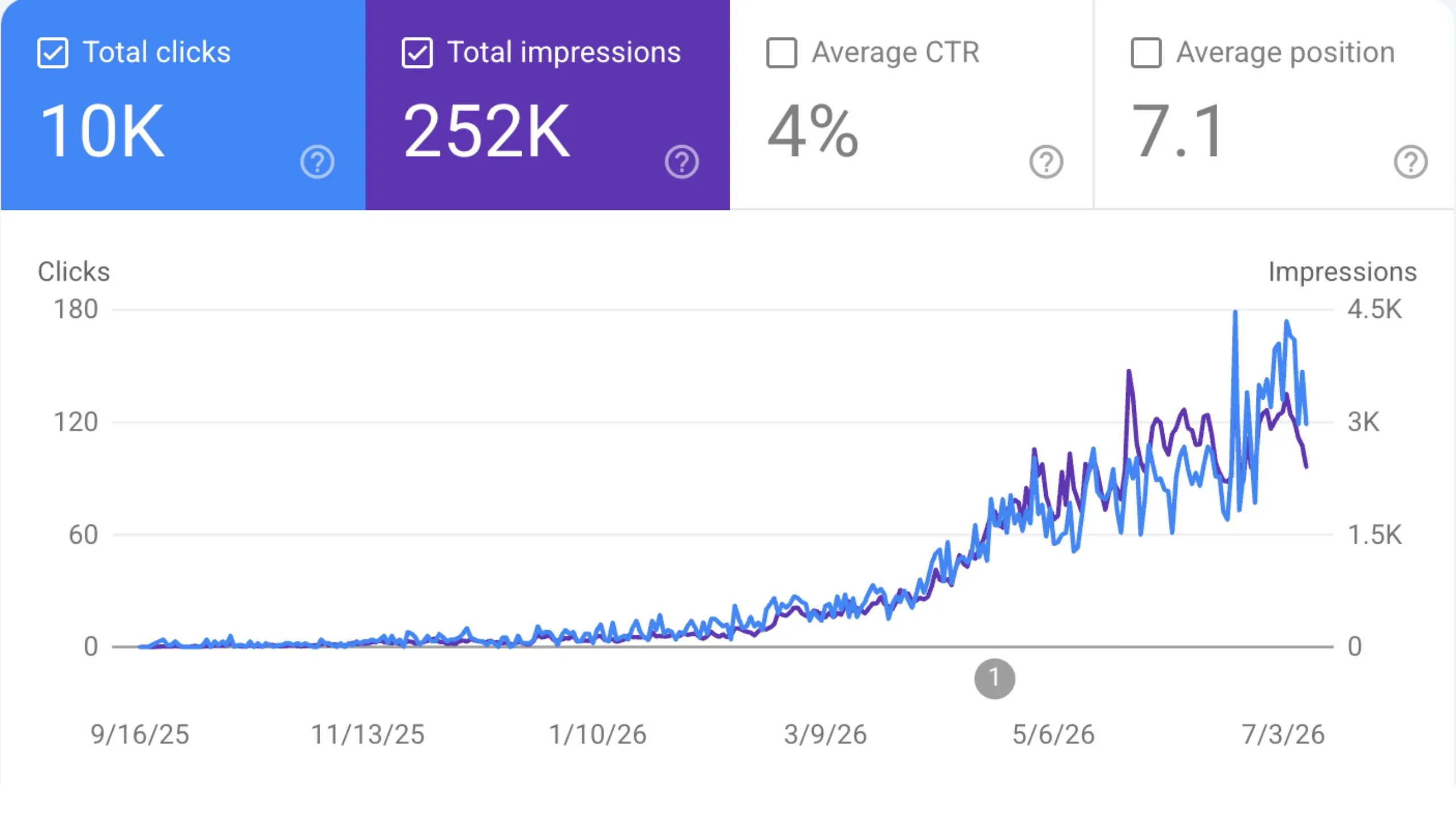
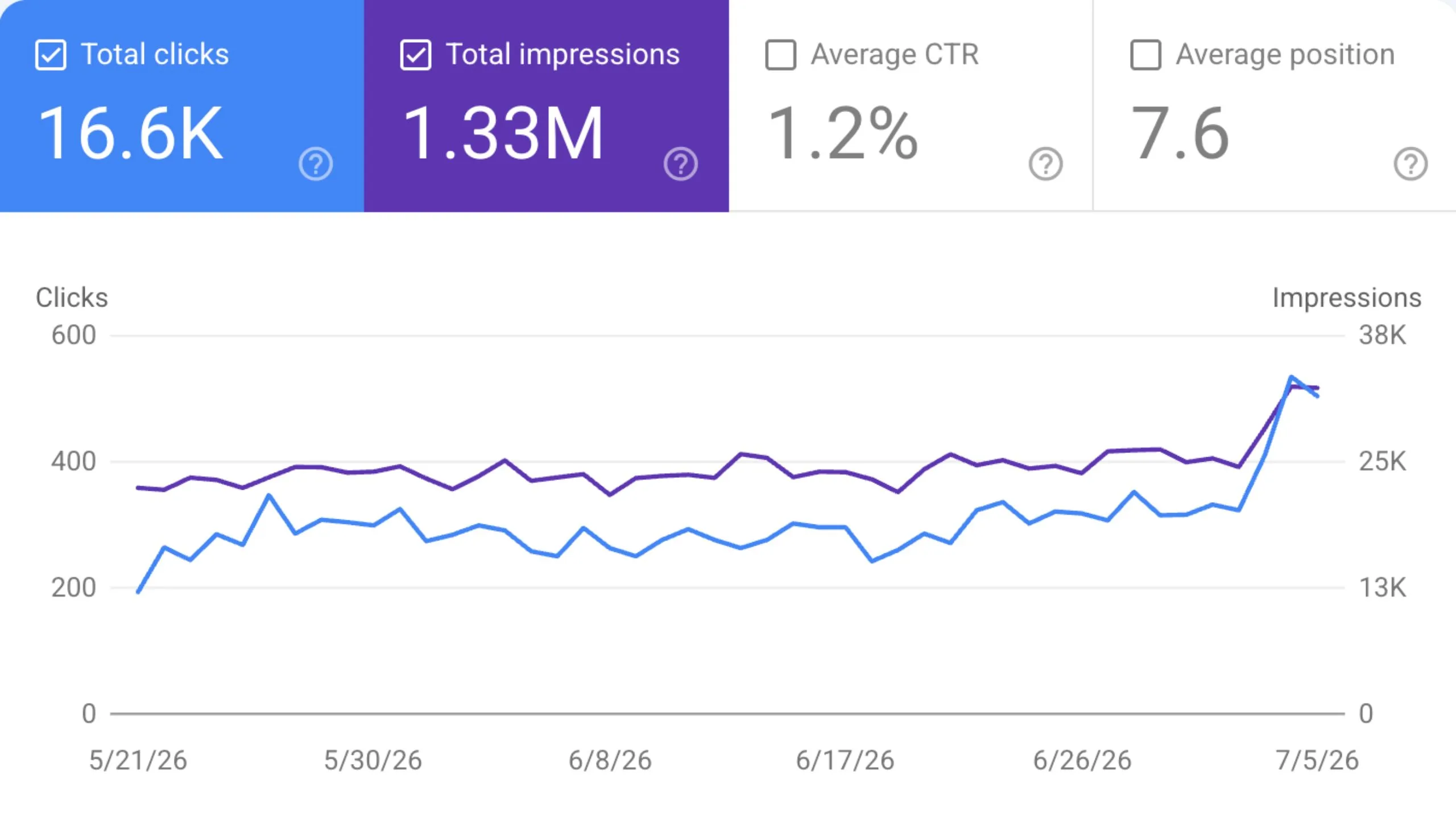
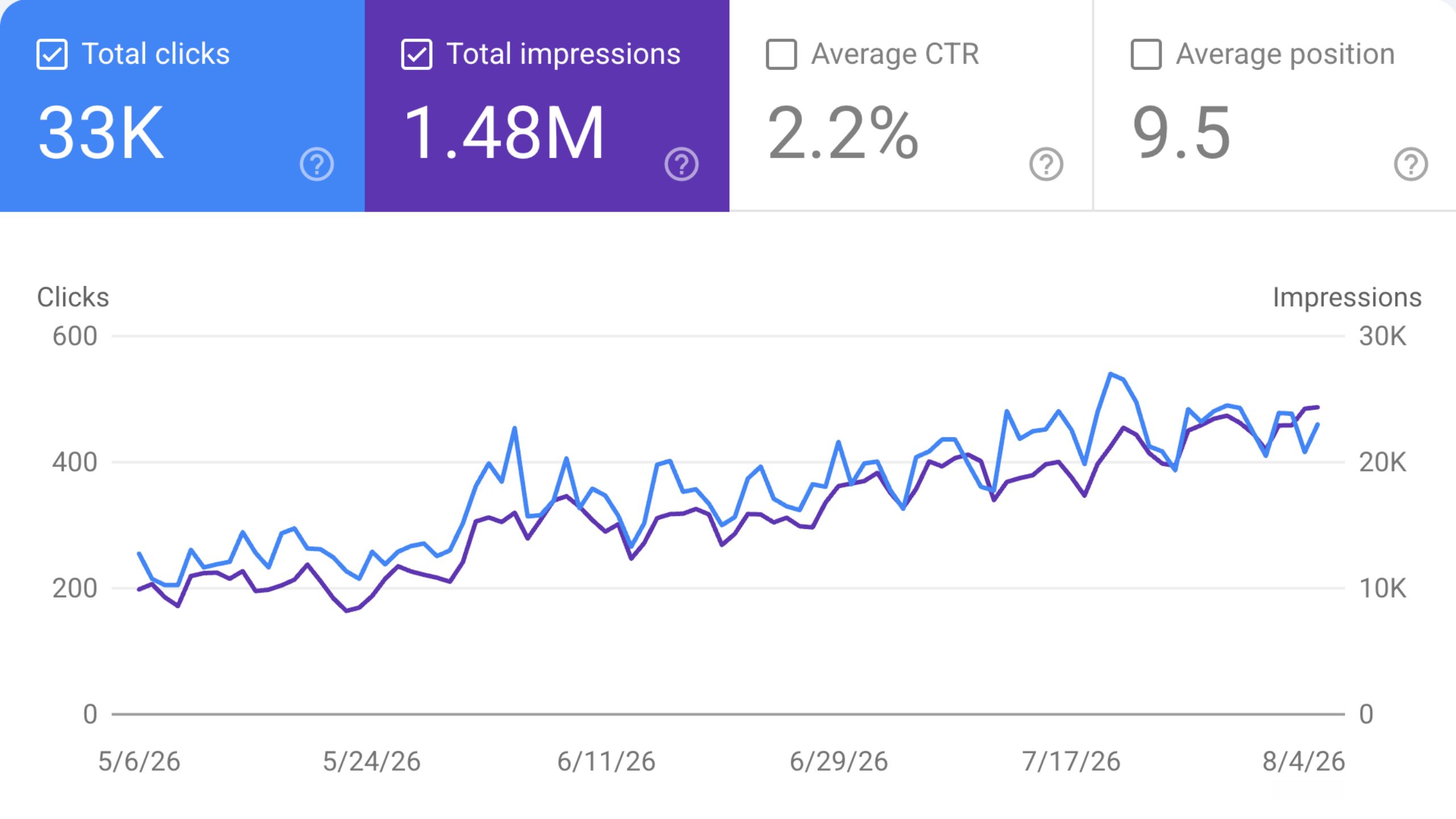
THEY WIN WITH SORANK







.webp)



.webp)
.webp)







.svg)
.svg)