Preferences
Privacy is important to us, so you have the option of disabling certain types of storage that may not be necessary for the basic functioning of the website. Blocking categories may impact your experience on the website. More information

Privacy is important to us, so you have the option of disabling certain types of storage that may not be necessary for the basic functioning of the website. Blocking categories may impact your experience on the website. More information

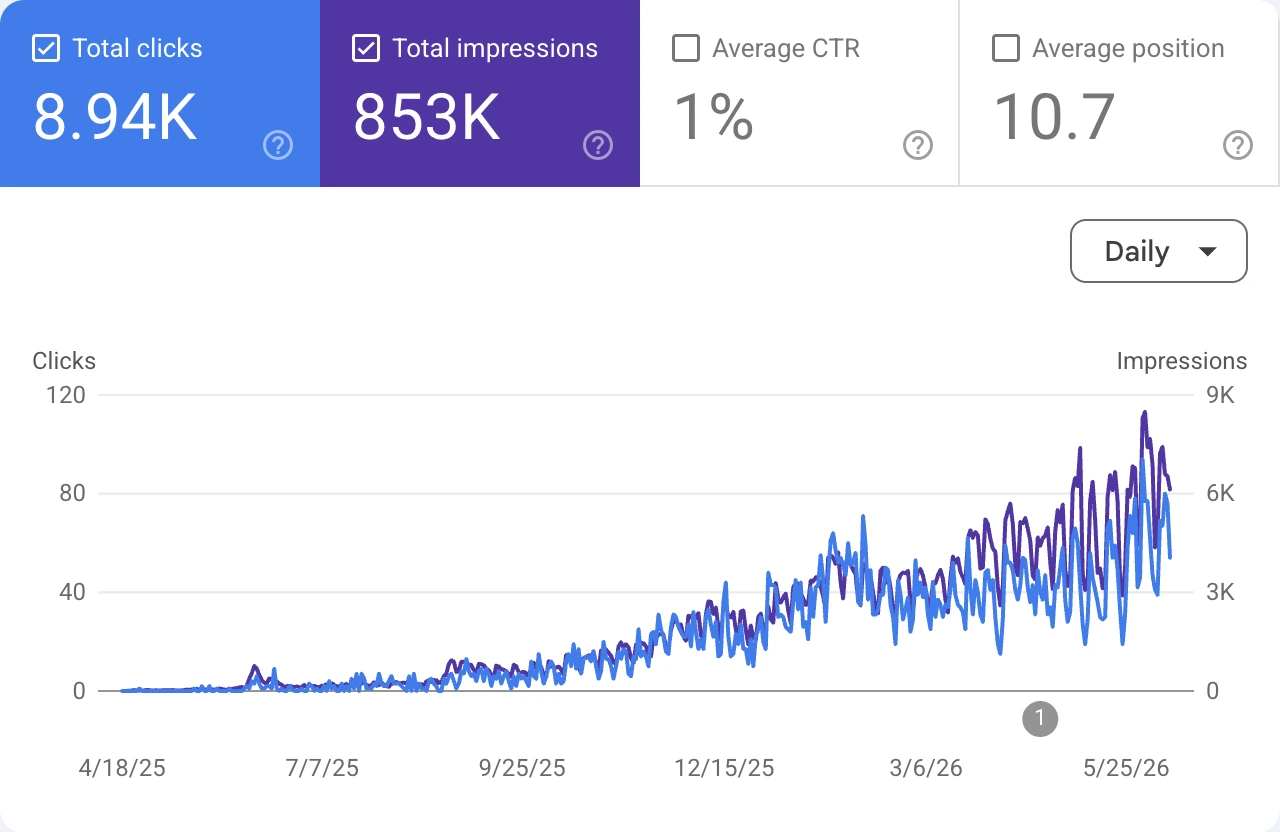
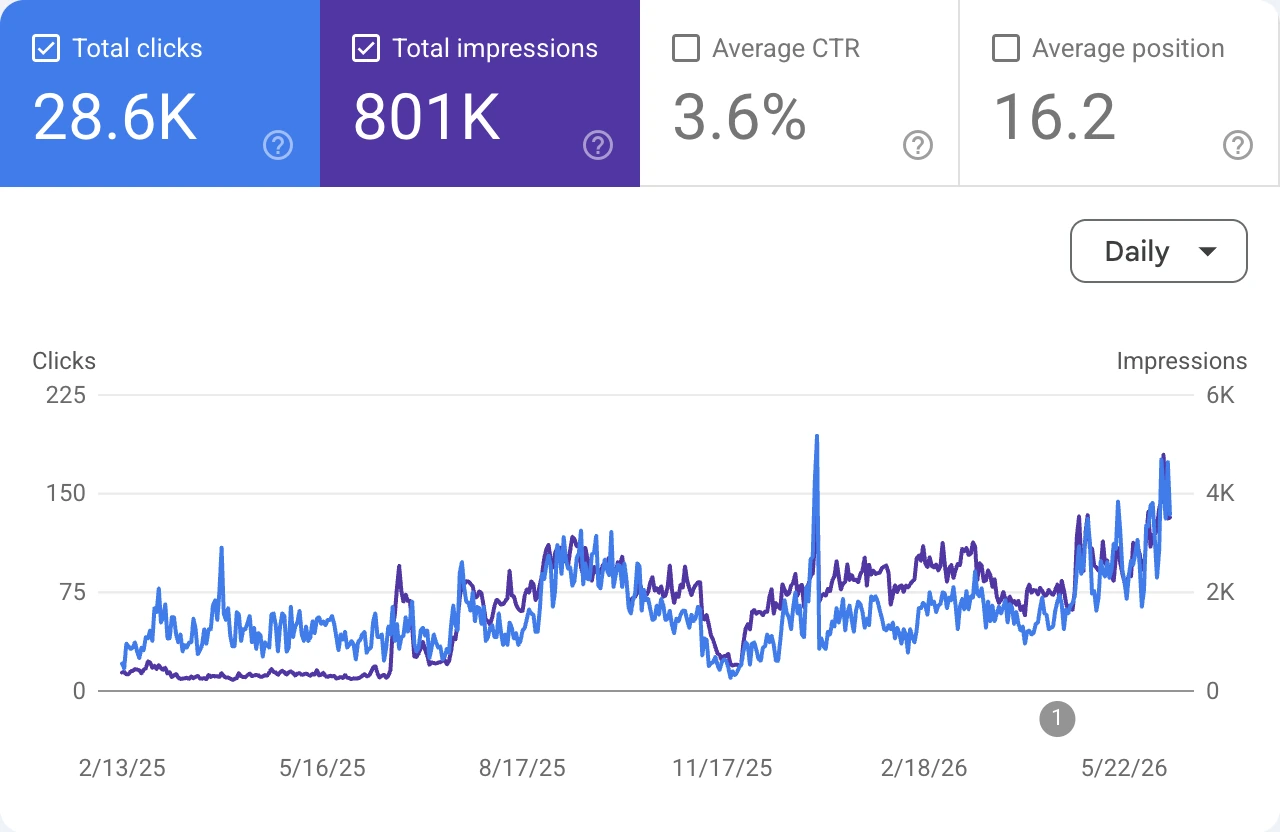
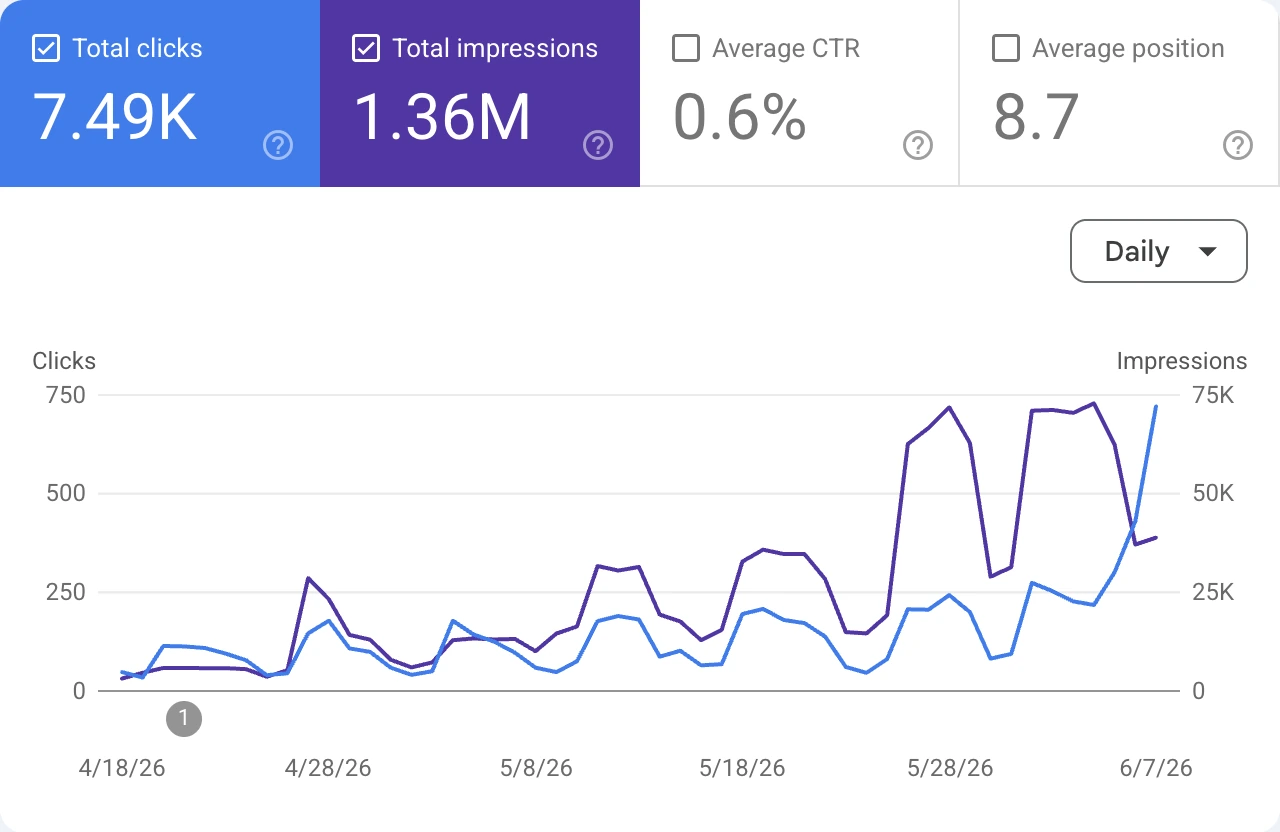
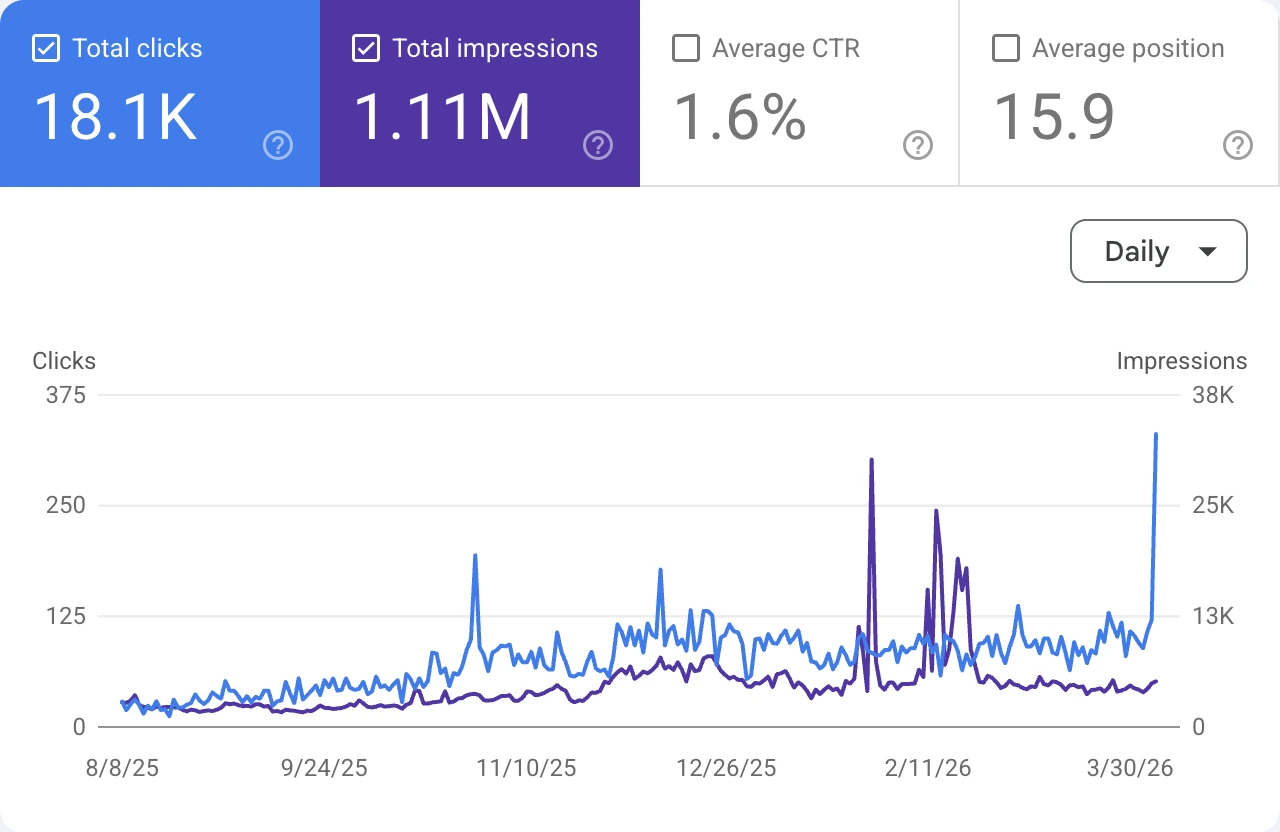
Your page ranks on Google, yet ChatGPT never cites it. One common reason: when someone asks an AI for the best option in your market, the model doesn't run one search. It splits the question into several hidden searches (reviews, comparisons, this year's picks) and picks its sources from those results. Sorank's query fan-out tracker records these real sub-queries every week, model by model, so you write the pages AI is actually looking for.















































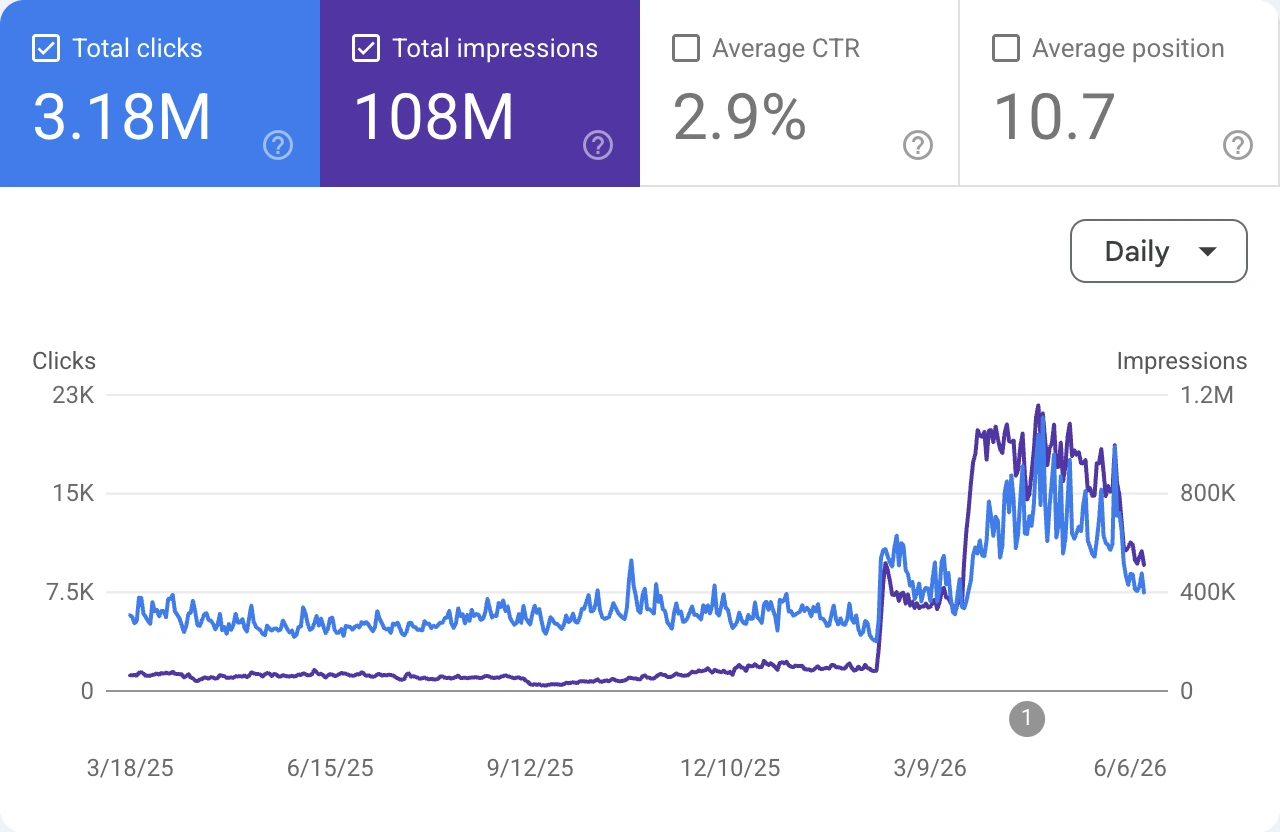
23,340
Articles created
10,041,747
Visits from Google
14,760
Visits from AI
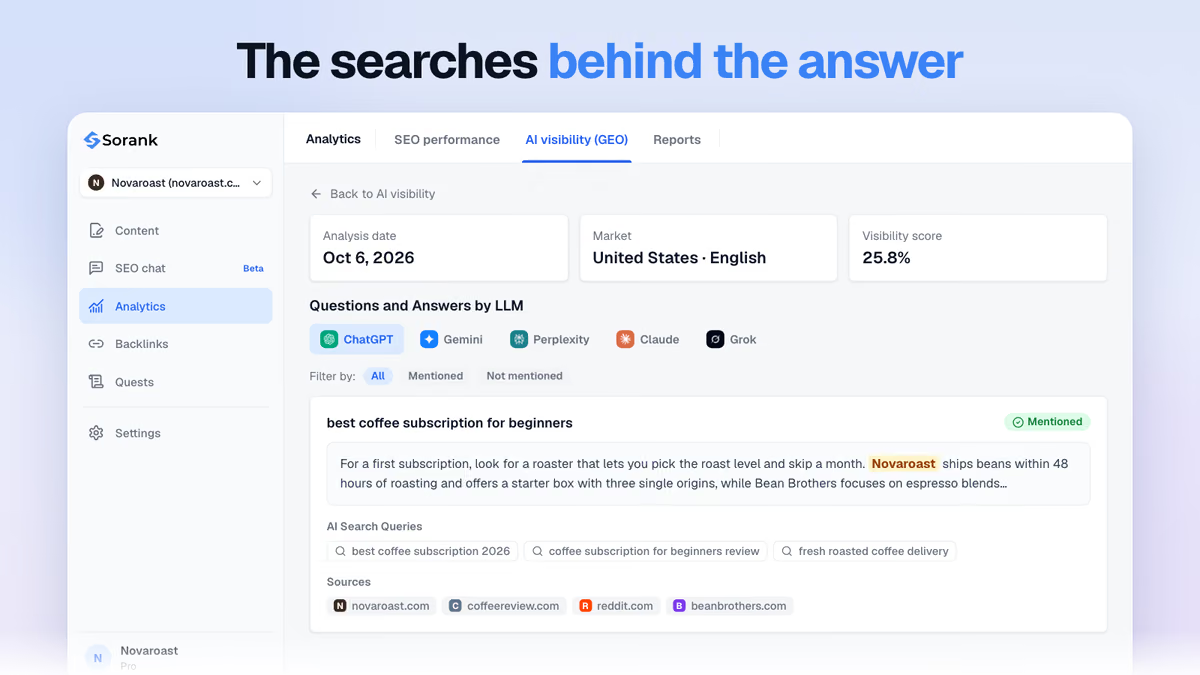
A buyer asks: "What's the best coffee subscription?" The AI doesn't search that sentence. It searches things like "best coffee subscription 2026", "coffee subscription for beginners review" or "fresh roasted coffee delivery", then reads the pages that come up.
These sub-queries are written by the machine. They are often longer and more specific than anything in a keyword tool, and they decide which pages get read and earn AI citations. Without seeing them, you guess which angle to cover, and your best page can rank on Google while ChatGPT never picks it.
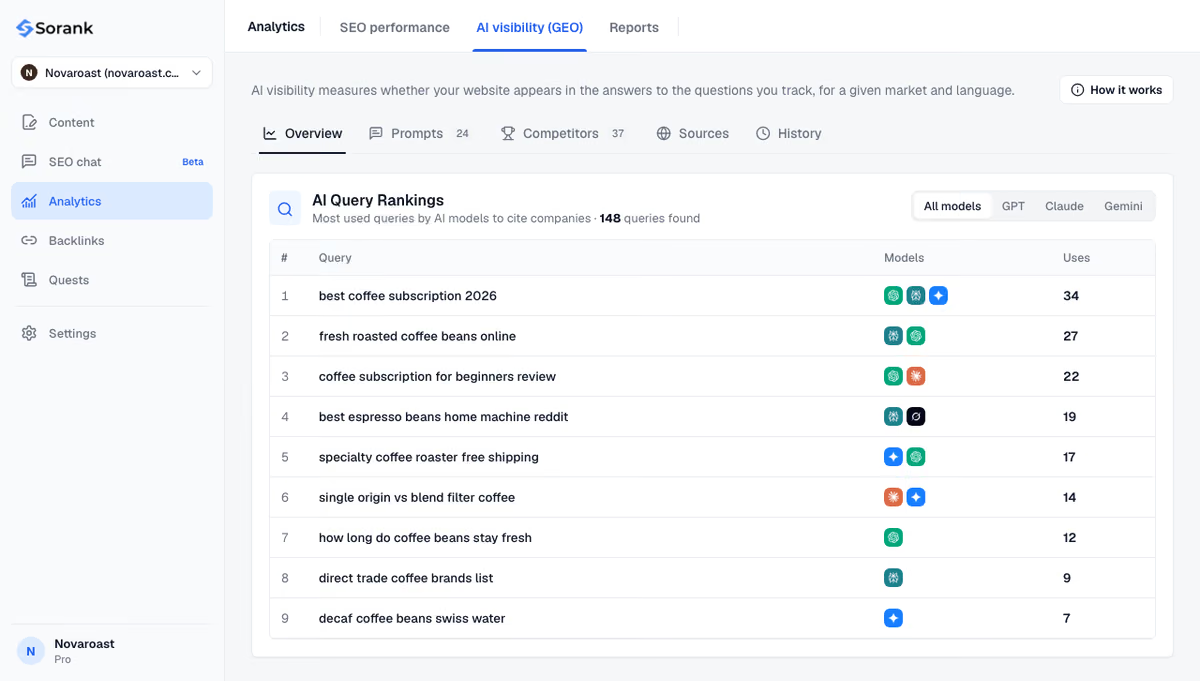
Fan-out generators simulate what an AI might search. Sorank records what it did search. Every week, your tracked prompts are sent to the AIs in your plan: up to five, among ChatGPT, Claude, Gemini, Perplexity and Grok. The sub-queries each model runs are logged and counted, model by model.
The AI query ranking shows which sub-queries come back week after week, how many times each one was used and which AI relies on it most. Filter by model to compare what ChatGPT, Claude or Gemini look for. A one-off snapshot becomes a query fan-out tracker you can act on.
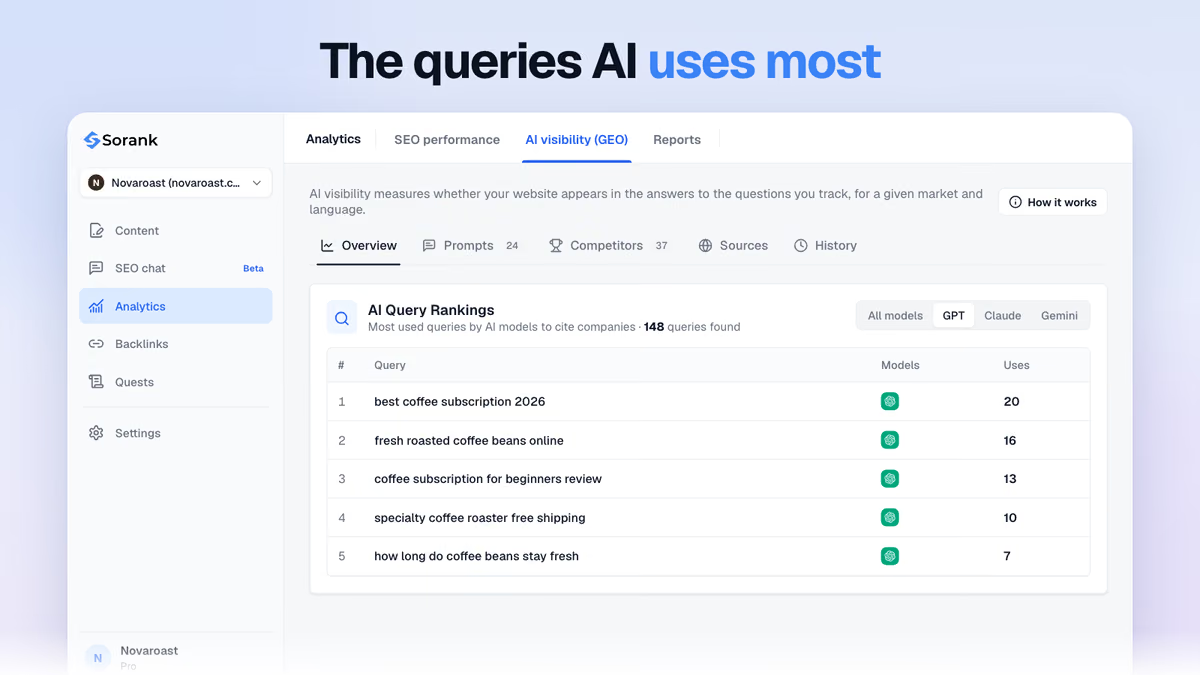
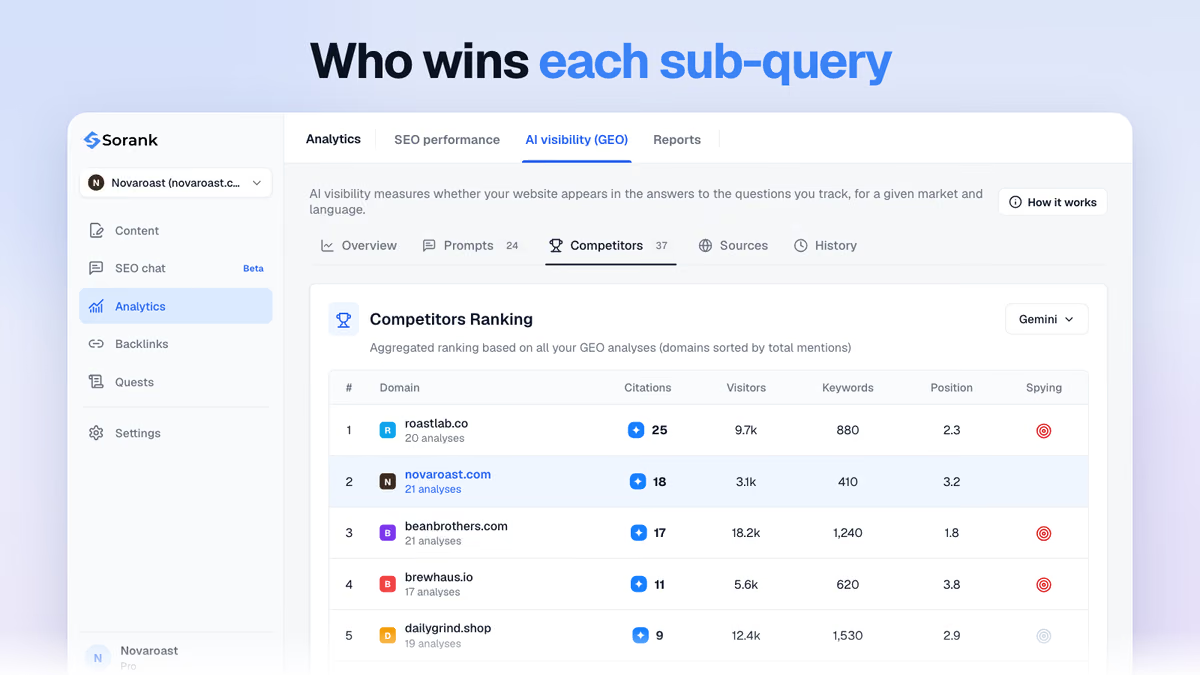
A list of sub-queries only helps if it becomes content. The fan-out keywords Sorank captures feed your keyword research and your topical clusters, where they are checked for cannibalization. They then land in your editorial calendar, ready to be written and published on autopilot.
Next to them, the AI sources view lists the websites the models use as sources when they mention you, and the competitor ranking shows the domains AI cites most in your market. You see the angles you are missing and the sites AI already trusts.
| By hand | Fan-out generators | With Sorank | |
|---|---|---|---|
| What you see | The searches one AI shows you, prompt by prompt | What an AI might search (an estimate) | What AI models did search on your prompts |
| How often | When you find the time | One-off, per run | Every week, automatically |
| AI models | One at a time | Usually one per run | Up to five depending on the plan, counted per model |
| What comes first | Gut feeling | A flat list | Sub-queries ranked by how often AI uses them |
| Next step | Copy into a spreadsheet | Export, then everything is left to do | Sent to your clusters and calendar, cannibalization checked |

Your tracked prompts are grouped by category (understanding, benefits, comparison, quality, selection) and sent to AI every week.

The sub-queries each AI runs are logged and counted, model by model.

The most-used sub-queries feed your clusters and your calendar, ready to become articles.
THEY WIN WITH SORANK
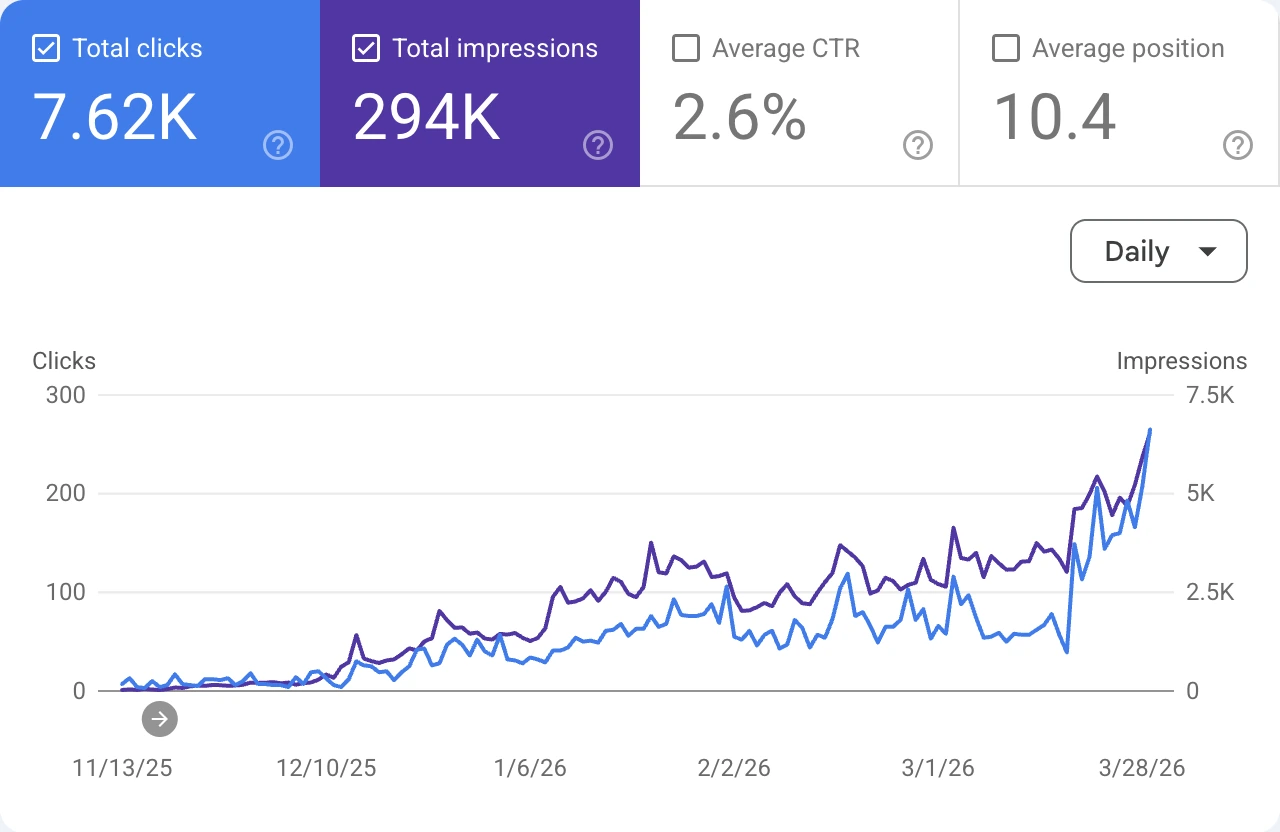
 “I tested Sorank on a real client site and it's insane. It does everything an agency would bill you $1500 a month for. It's going into production on that client now.”
 Guillaume Guersanguersanguillaume.com
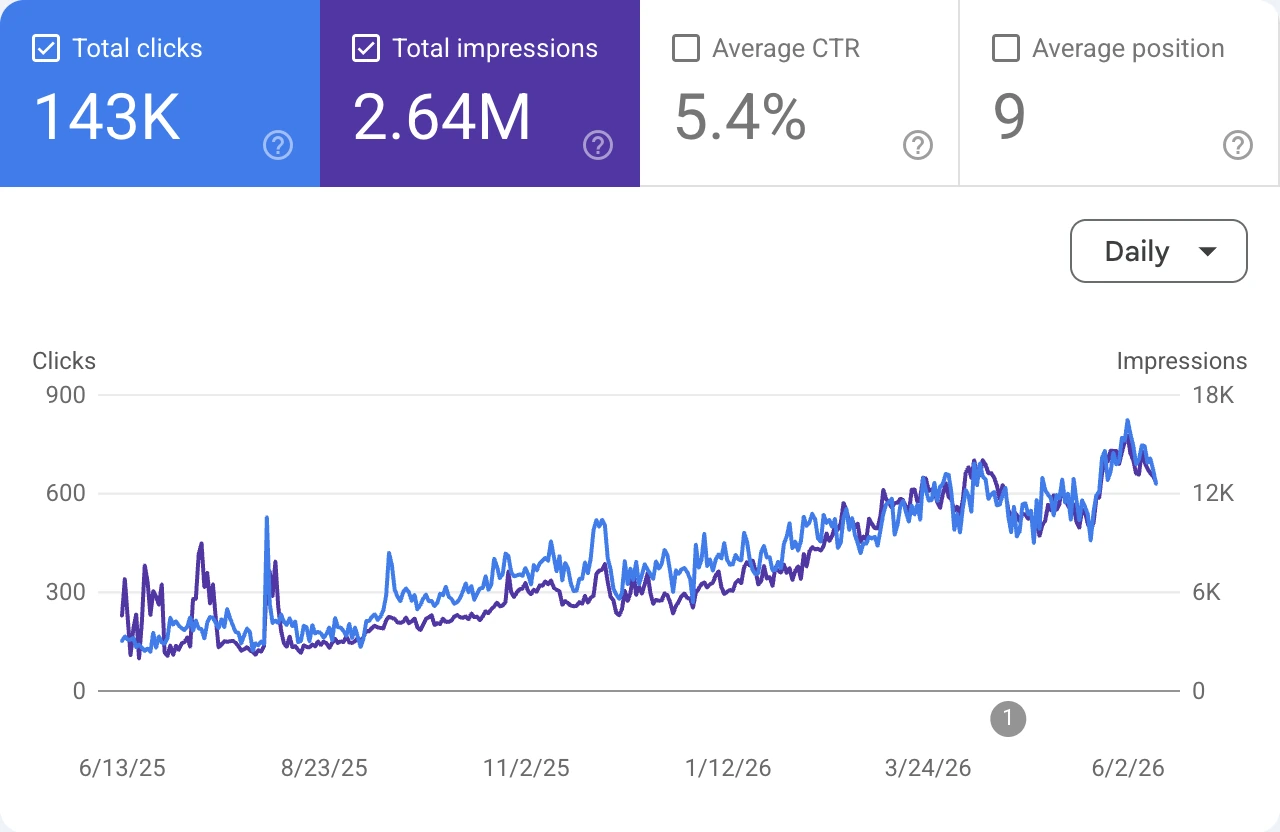
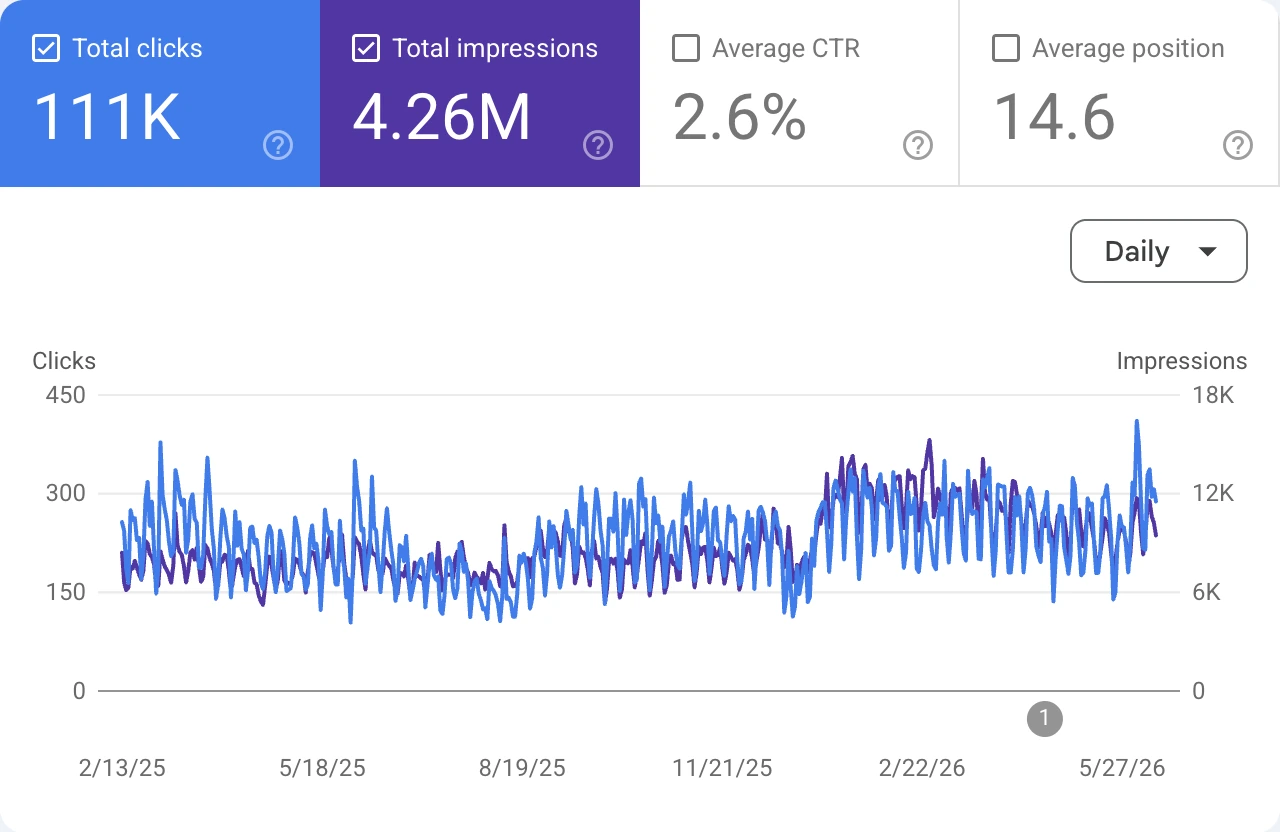
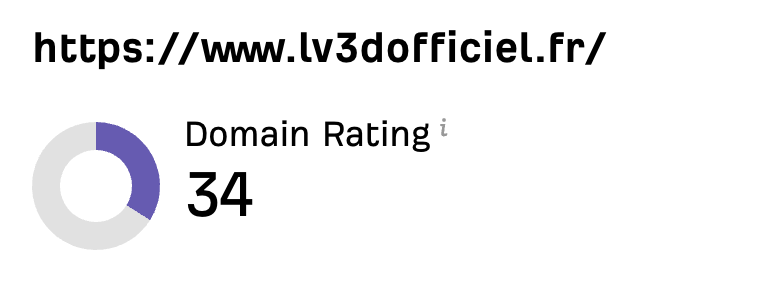
 “I just let the Sorank software do its thing, and now my DR is 25 and my page is ranking higher.”
 Lucas FlandrePodcast Host“Great service, works well for our website and helps us understand how to improve it to rank better on Google and elsewhere. Congrats, keep going, I recommend it.”
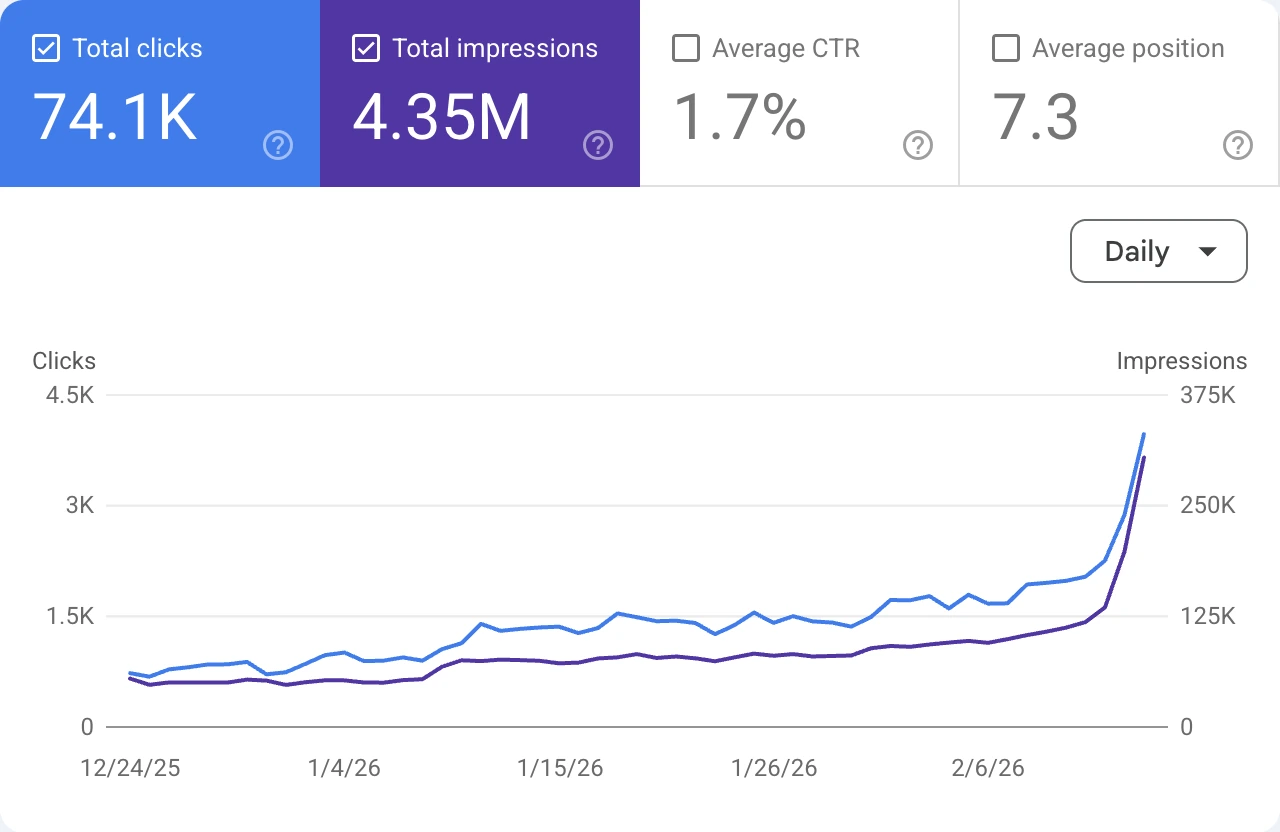
 Hugo T.E-commerce merchant“For 2 years, 100% of my clients came from LinkedIn. Posting daily, commenting, DM follow-ups… totally dependent on the algorithm. I knew I needed to work on SEO but always postponed it: too long, too technical, not my job. With Sorank, I finally took the step. In 4 months, I generate 15 organic leads per month without posting anything. It’s not 50/50 with LinkedIn yet, but I sleep better knowing I now have a second lead source growing on autopilot.”
 Valentin ThomyColdMailing Agency
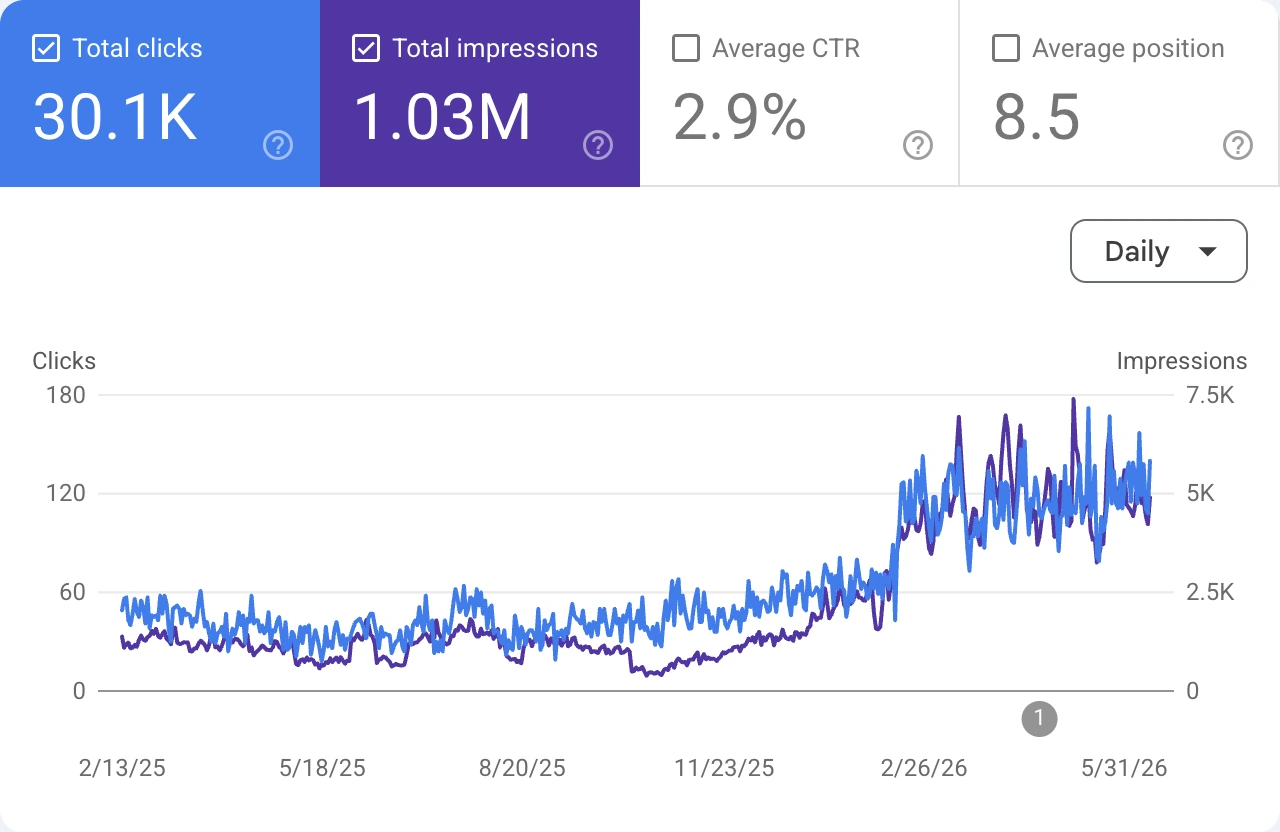
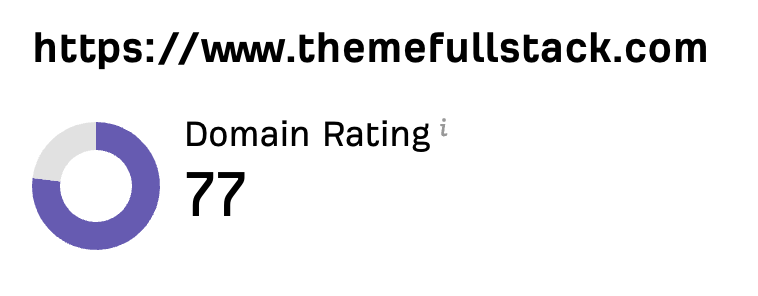 “I’m a developer, not a marketer. My Shopify theme was selling only through word-of-mouth and ads. With Sorank I finally understood how to structure my SEO and write articles to rank. The audit showed my product page was too slow. In 2 months, my organic traffic doubled and I’m starting to appear in ChatGPT answers when people search for Shopify themes. All of that with about 2 hours per week.”
 Thème FullStackthemefullstack.com“Great solution to manage SEO without headaches. Audits are fast, the interface is clear, and you quickly see which actions to implement. It has become an essential tool to track and improve the SEO of my sites. I highly recommend it.”
 XavEntrepreneur“I used Sorank for a client who needed SEO and it clearly made my life easier. I can quickly audit a site, track my projects, and keep a clear overview without multiplying tools. The onboarding is fast and the interface is great.”
 Céline MaurinFreelance CM
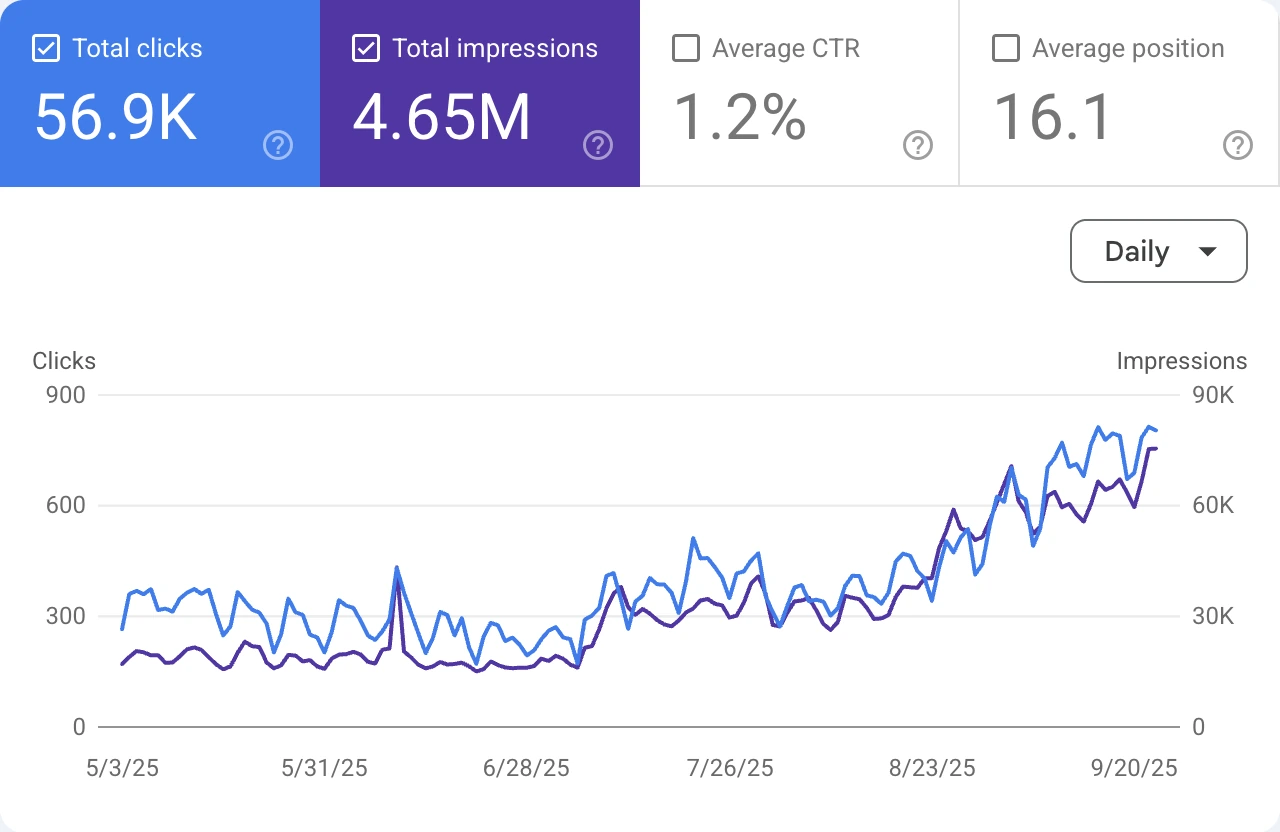
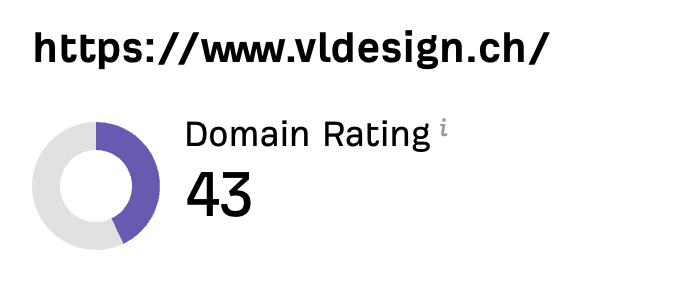 “Blown away by Sorank’s performance. After testing many solutions on the market, I was amazed by how quickly our articles started ranking in the SERP. The results are concrete and much faster than anything we’ve experienced so far. It has been an excellent surprise for our team. We are confidently renewing our trust and highly recommend Sorank to agencies that demand fast and measurable results.”
 Patrick PerretFreelance Webdesign SEO“We are an Ads agency and we wanted to get our SEO back on track once and for all. Sorank gave us a clear view of our site, helped us prioritize optimizations, and properly structure our content. The tool is easy to use, well designed for a team, and very practical for centralizing tracking without having to juggle multiple platforms. A very solid foundation to start fresh with our SEO.”
 Gaspard MadouiAds Agency“I specialized in GEO thanks to Sorank. The GEO Leaderboard allows me to show my clients their position vs competitors on ChatGPT. It’s a real commercial differentiator.”
 MélanieSEO Freelance“I manage our dealership’s website and it had dozens of issues: slow pages, 404 errors, missing tags. We were losing rankings every month without understanding why. The Sorank audit detected everything in 5 minutes. I sent the report to our web provider with the priority fixes. We regained our rankings and traffic picked back up. Perfect for someone non-technical like me!”
 Xavier BreullMarketing Manager“I’m a CMO for a SaaS and I manage acquisition in a very competitive market. We were investing heavily in our product but not working on our SEO. No visibility on our real competitors, no tracking of our presence in AI. Sorank showed us our positioning vs competitors, which keywords to target, and GEO opportunities we had completely ignored!”
 Louis RAPPCMO SaaS
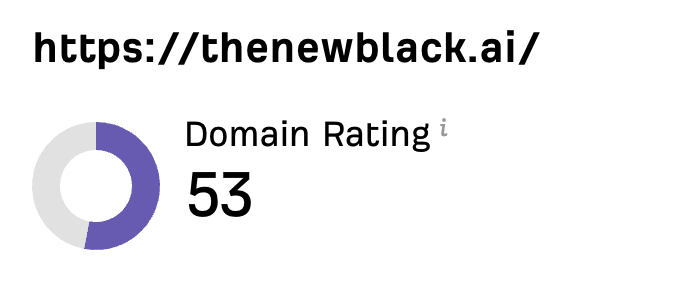 “Very good version 2, I recommend it.”
 Antoine Verhillethenewblack.ai“I was skeptical at first, but this is the best SEO tool I’ve ever used. The interface is clear, audits are fast, and the recommendations are easy to implement. I’ve saved hours and hours managing SEO and tracking performance. I recommend it to all my entrepreneur friends who run an agency or work independently.”
 NoahEntrepreneur
You shouldn't need a full marketing team or expensive tools to grow. Sorank handles your entire SEO and AI visibility, so you save time and money.








Founder’s Note.
I ran my own SEO agency for years. I built Sorank to deliver the same results to every business, at scale.
Everything I know about Google rankings and Generative Engine Optimization (GEO) is coded into this software, and it runs on autopilot for you.
Try for Free
Query fan-out is how the AIs answer: they break one question into several searches, read the results, then write a single answer. Sorank's tracker is built on weekly prompt tracking. Each time a tracked prompt is sent to an AI model, Sorank keeps the final answer and, when the model shows them, the sub-queries it ran to get there, then counts them across weeks and models. These are observed searches, not estimates, which makes them a solid input for GEO (generative engine optimization): you see what AI looks for in your market and which sources it trusts. Sorank covers up to five AIs depending on the plan (ChatGPT, Claude, Gemini, Perplexity and Grok). It does not track Google AI Overviews.
Confirm the demand behind your fan-out keywords with Keyword Research, group them with the Topical Cluster Generator, and turn the best ones into articles with the Blog Article Generator. Check how often AI mentions you with AI Mention Tracking and who it recommends instead with the GEO Leaderboard. New to the topic? Read our definitions of query fan-out, AI grounding and AI citations, or check your site with the free AI Search Visibility Test.
Query fan-out is the technique the AIs use to answer a question: they break it into several related searches (sub-queries), run them, read the results and combine them into one answer. Google uses the term for AI Overviews and AI Mode, and assistants like ChatGPT, Gemini, Claude, Perplexity or Grok do the same when they search the web before answering. That's why a page can rank for your main keyword and still never be read by the AI. Sorank tracks it on up to five AIs depending on the plan, not on Google AI Overviews.
A fan-out keyword is one of the sub-queries an AI model searches before answering a broader question. For "best coffee subscription", it might be "best coffee subscription 2026" or "coffee subscription for beginners review". These keywords show the exact angles AI looks for, which makes them direct content opportunities.
A query fan-out tracker records the sub-queries AI models actually ran on your prompts. A generator, or simulator, uses an AI model to estimate which sub-queries a prompt might trigger. That helps for brainstorming, but the list changes from run to run and isn't what the engines really searched. Sorank is a tracker: it captures sub-queries every week and counts how often each one comes back, per model.
Up to five AIs depending on your plan: ChatGPT, Claude and Gemini are always included, Perplexity and Grok depend on the plan. Sub-queries are counted for each model that shows its searches, and you can filter the ranking by model. Google AI Overviews and AI Mode are not tracked.
Every week. Each weekly analysis sends your tracked prompts to the AI models again and adds the new sub-queries to the counts. AI answers vary from one run to the next, so this regular rhythm shows which queries are stable and which are new, instead of relying on a single snapshot.
Because they're written by machines, not typed by people. They're often long, very specific and too recent to have a measured search volume, so classic keyword databases miss them. That's why Sorank ranks them by how often AI uses them, not by search volume.
Start with the sub-queries AI uses most. Answer them in a focused section of an existing page, or create a dedicated article when the angle is new. In Sorank, they flow into your clusters, get checked for cannibalization and land in your editorial calendar, so writing them can run on autopilot.
No, and no tool can promise that. Which pages AI models cite also depends on how well those pages rank in the results the AI reads and on how closely they answer the query. Fan-out keywords tell you which questions to answer, and Sorank's weekly visibility tracking then shows whether AI starts mentioning you.
We don't. Sorank isn't trying to be another Semrush or Ahrefs. Those tools are built for data, Sorank is built to do the work. Instead of more dashboards to check, it turns SEO and GEO insights into actions: articles written and published, backlinks earned, technical fixes and AI visibility tracking. Less complexity, more results.
From $49/month per website on a yearly plan, with a 3-day free trial and a 90-day money-back guarantee. Every plan includes articles, AI visibility tracking and access to the Backlink Network; higher plans add more articles, more AIs tracked and more backlink credits. No setup fees, no paying for seats you don't use.
THEY TRIED SORANK BEFORE YOU
“I tested Sorank on a real client site and it's insane. It does everything an agency would bill you $1500 a month for. It's going into production on that client now.”Guillaume Guersanguersanguillaume.com“We are an Ads agency and we wanted to get our SEO back on track once and for all. Sorank gave us a clear view of our site, helped us prioritize optimizations, and properly structure our content. The tool is easy to use, well designed for a team, and very practical for centralizing tracking without having to juggle multiple platforms. A very solid foundation to start fresh with our SEO.”Gaspard MadouiAds Agency“I just let the Sorank software do its thing, and now my DR is 25 and my page is ranking higher.”Lucas FlandrePodcast Host“I specialized in GEO thanks to Sorank. The GEO Leaderboard allows me to show my clients their position vs competitors on ChatGPT. It’s a real commercial differentiator.”MélanieSEO Freelance“Great service, works well for our website and helps us understand how to improve it to rank better on Google and elsewhere. Congrats, keep going, I recommend it.”Hugo T.E-commerce merchant