


If your competitors appear in ChatGPT answers but your website does not, the gap is rarely random. ChatGPT relies on a mix of training data, live web browsing, and citation signals to decide which sources to mention. The tool above analyses your domain against the main factors that influence ChatGPT source selection and returns a prioritised diagnosis so you know exactly where to act.
Enter your domain in the field above to run the check.
How ChatGPT selects sources
ChatGPT does not crawl the web in real time for every query the way a search engine does. Its base model was trained on a large corpus of text, and when the browsing plugin or SearchGPT is active, it fetches live pages. In both cases, the signals that push a brand into the answer are similar:
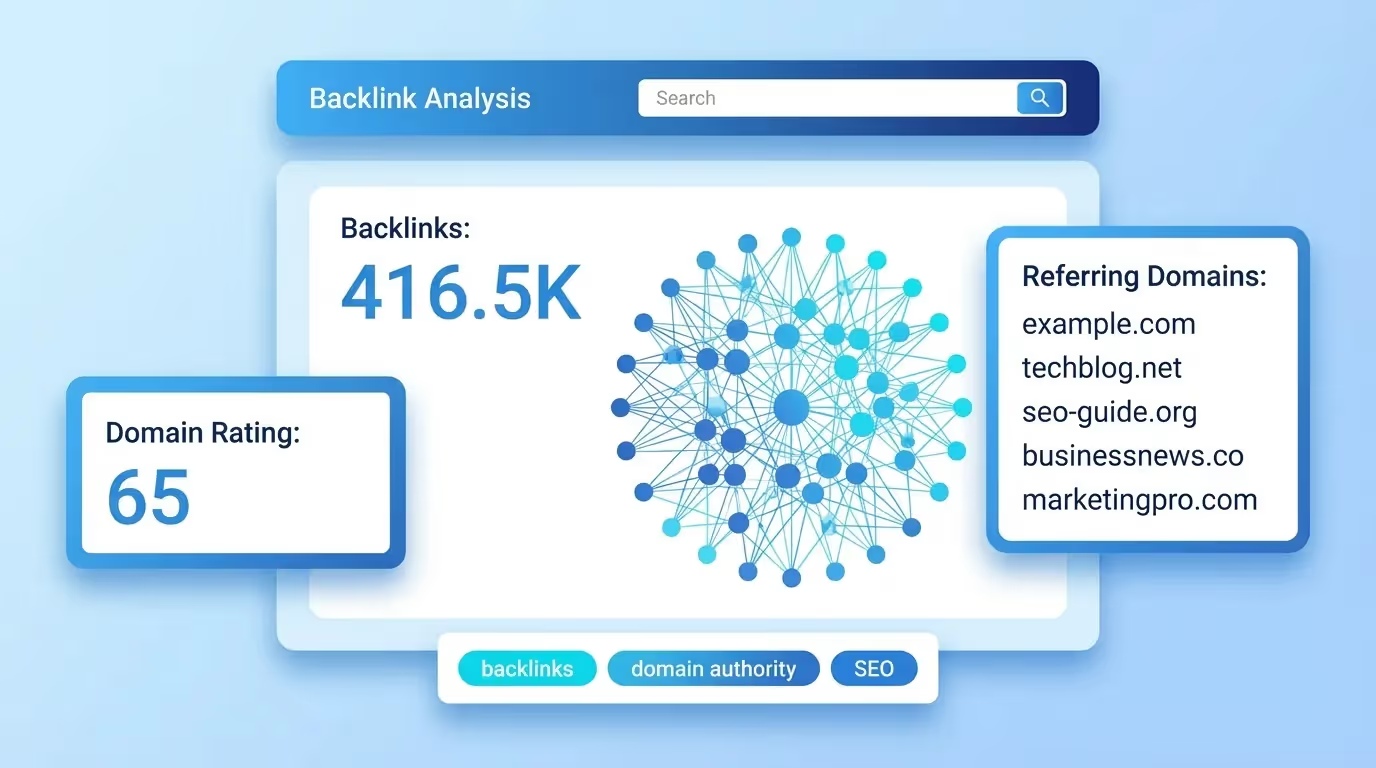
- Authority and trust signals. Backlinks from well-known publications, Wikipedia mentions, presence in structured knowledge bases like Wikidata, and brand search volume all indicate that a domain is a reliable source worth citing.
- Topical clarity. A site that consistently covers a specific subject is more likely to surface than a generalist domain. Thin or ambiguous content confuses language models and reduces citation probability.
- Answer-ready structure. Pages that use clear headings, concise factual statements, and structured data (FAQ, Article, Organization schema) are easier for a language model to parse and quote.
- Crawl access. If your robots.txt blocks GPTBot or OAI-SearchBot, OpenAI's crawlers cannot read your pages. A blocked site cannot be cited from live browsing.
How to read the diagnosis and act
The tool above returns a list of signals ordered by impact. For each signal that shows a gap, here is the recommended action:
- Crawl access blocked. Update your robots.txt to allow GPTBot. Verify with the robots.txt checker that no wildcard rule accidentally covers OpenAI user-agents.
- Low external authority. Publish data-driven studies, secure guest posts on industry media, and aim for a Wikipedia or Wikidata entry. These are the citations ChatGPT trusts most.
- Thin topical coverage. Build a content cluster around your main keyword category. Each page should answer one specific question thoroughly rather than covering many topics superficially.
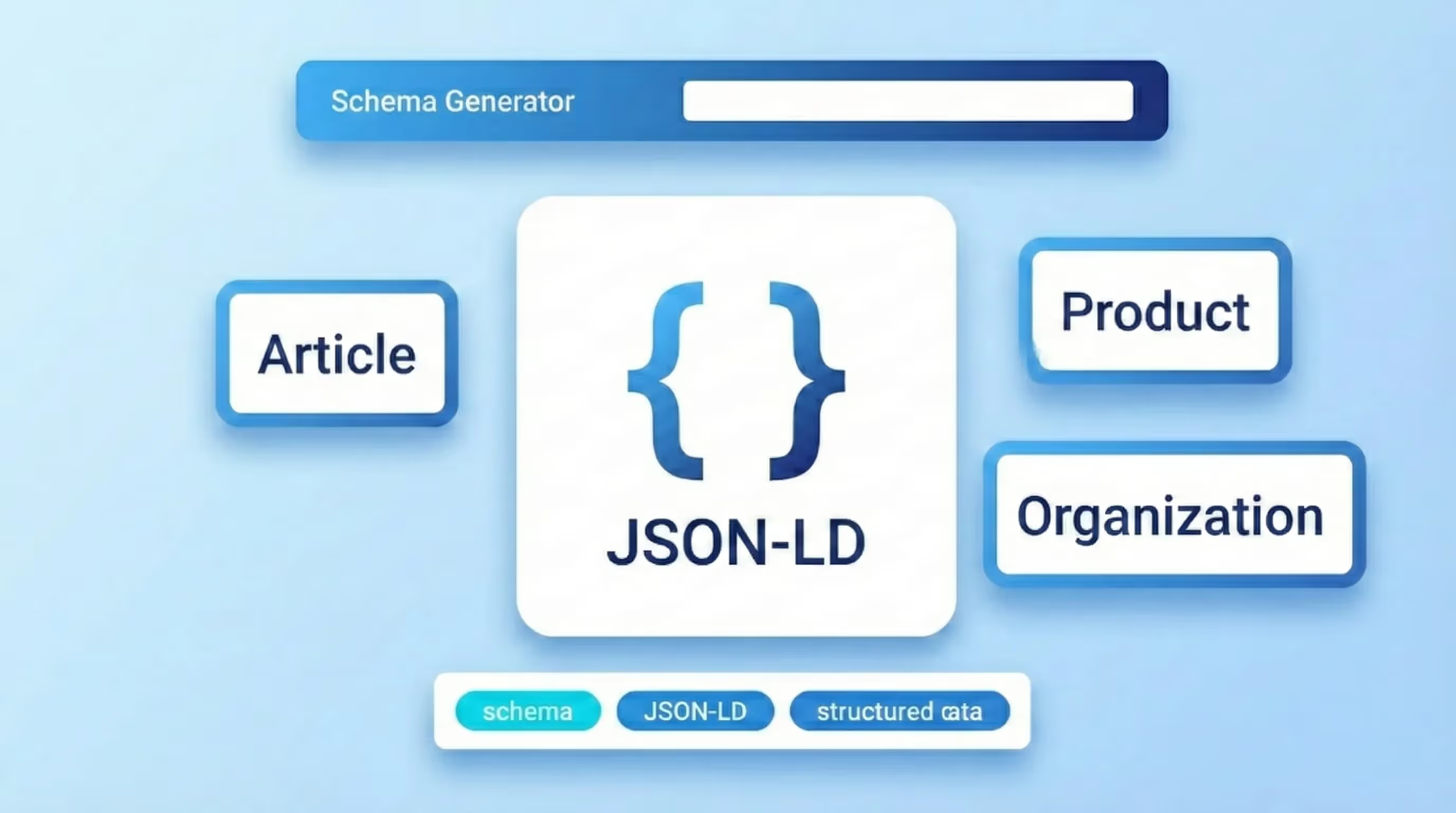
- Missing structured data. Add Organization schema with your official name, logo URL, and social profiles. Add FAQ schema to pages that answer common questions.
- No social proof in public text. Testimonials, case studies, and press mentions published on indexable pages create trust signals the model can encounter during training refreshes.
A benchmark to calibrate urgency
Traffic from AI assistants like ChatGPT and Perplexity converts at roughly 7% according to 2025 studies, compared with 2.6% for average organic traffic. The intent behind an AI-sourced visit is higher: the user already received a curated recommendation before clicking. Every month a brand is absent from ChatGPT answers is a month of high-intent traffic given to competitors. The tool above gives you the fastest path to closing that gap.
For ongoing monitoring of your brand's presence across ChatGPT, Gemini, and Perplexity, Sorank tracks AI citations automatically so you never miss a shift in your AI visibility.