Preferences
Privacy is important to us, so you have the option of disabling certain types of storage that may not be necessary for the basic functioning of the website. Blocking categories may impact your experience on the website. More information
Privacy is important to us, so you have the option of disabling certain types of storage that may not be necessary for the basic functioning of the website. Blocking categories may impact your experience on the website. More information

Learn what newsjacking is, see brand examples that worked and failed, and follow a 7-step method to react to the news fast, earn links and avoid backlash.
In short
Newsjacking is the practice of adding your brand's angle to a breaking news story while people and journalists are still looking for more on it. Done well, it earns coverage, backlinks and search traffic for very little budget. The rules: move early, stay relevant to your expertise, and never touch tragedy.
Want to go further? Ask
Quick quiz
Is SEO right for you, and how should you start?
Sorank matches your answers


Test it for 3 days on your own site and see where you stand on Google, ChatGPT and the other AIs.
Start 3-day free trial3 days free, then stop whenever you want. 90-day results guarantee, conditions apply.
Newsjacking means taking a story that is breaking right now and publishing something useful, funny or expert about it, fast enough to ride the wave of attention. The term was popularized by marketing strategist David Meerman Scott in his 2011 book Newsjacking. His core idea is about timing: you enter the story just after it breaks, but before it has been fully covered by every media outlet.
A simple example. A new privacy law is announced on Monday morning. By Monday noon, a law firm publishes a plain-language guide "What the new law changes for small online shops", sends a three-line comment to five journalists who cover the topic, and posts a short summary on LinkedIn. On Tuesday, journalists writing their follow-up pieces need an expert quote and a clear explainer. The law firm is already there.
That is the whole mechanism. Journalists, AI models and search engines all need fresh, credible material in the first hours of a story. If you supply it, you get quoted, linked and found.
The word is often mixed up with neighbouring practices. They overlap, but they do not ask for the same speed, the same team or the same risk level.
| Tactic | Trigger | Speed needed | Main goal |
|---|---|---|---|
| Newsjacking | An unplanned breaking story | Hours | Coverage, links, search demand |
| Real-time marketing | A live event (match, show, launch) | Minutes | Social reach and brand likability |
| Trend marketing | A slow cultural shift or meme | Days to weeks | Relevance with an audience |
| Digital PR | Your own data, story or campaign | Weeks | Links and mentions in the press |
| Calendar marketing | Known dates (holidays, awards, product launches) | Planned in advance | Seasonal traffic and sales |
In practice, the best teams treat newsjacking as the fast lane of their digital PR strategy for earning links and AI mentions: the same contacts, the same experts, the same assets, used at the speed of the news cycle.
Newsjacking is usually described as a social media trick. For a site that wants traffic, it is more than that. A breaking story creates a sudden burst of searches that no keyword tool has recorded yet. Pages that answer those searches early can rank with little competition, collect links from journalists who cite them, and get pulled into AI answers that search the web live. What you earn is a form of earned media: coverage you did not pay for, and it keeps working after the story fades.
The right moment to newsjack is the gap between "the news is out" and "everyone has said everything". Before that, you have nothing to add. After that, you are noise.
Every story follows roughly the same arc. Knowing it tells you which format to use at each stage.
The life of a news story and where newsjacking fits
Speed matters, but a wrong fact published in the first hour costs more than a correct one published in the third. The Oreo team that produced the most famous newsjack ever (more on it below) said the post was written and approved in under a minute. They also said it took two years of preparation to be able to move that fast. Your goal is not to be first. It is to be early and right.
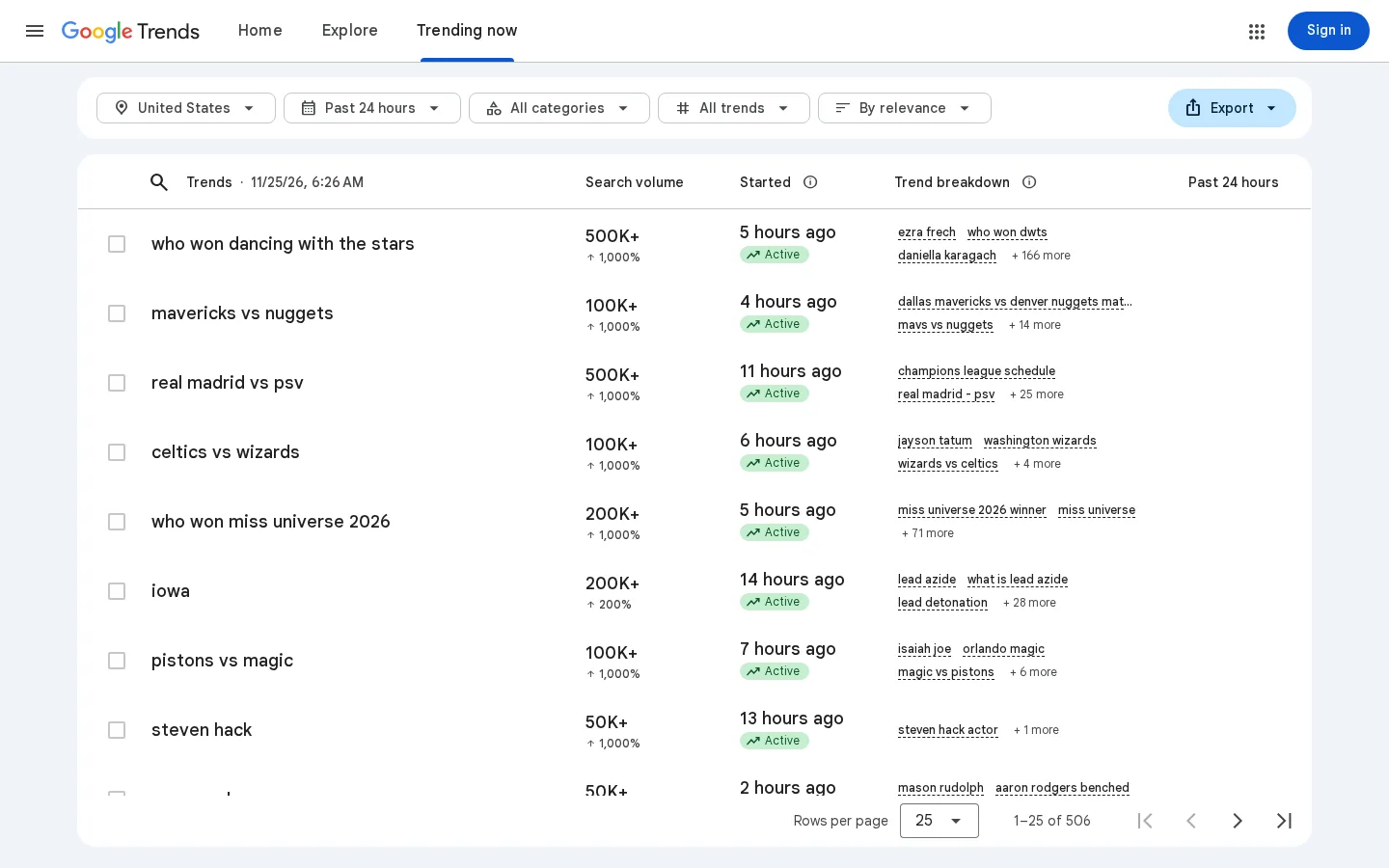
It depends on the type of story. A live event (a final, an awards night) gives you minutes. A business or policy announcement gives you a day or two. A slow-burning story (a new regulation, a big tech change) can stay open for a week, with several waves. Google Trends shows this clearly: each trending search is marked "Active" while it is still searched more than usual, and "Ended" once it returns to normal volume. That status is the simplest public signal that your window is open or closed.

Newsjacking works because it answers a need that already exists: journalists need sources, people need explanations and search engines need fresh pages. You do not create demand. You serve it.
The Muck Rack State of Journalism 2026 survey of more than 1000 journalists, summarized by Matter Communications in April 2026, shows both the opportunity and the problem. Most journalists say some of their stories start from a PR pitch. But half rarely answer pitches, and many rarely receive pitches that match their beat. A newsjack is the most relevant pitch you can send: it lands on a story the journalist is already covering.
What journalists say about pitches
Source: Muck Rack, State of Journalism 2026 (more than 1000 journalists), via Matter Communications, April 2026
When a story breaks, people type new queries: the name of the event, "what does X mean", "X impact on small business", "is X safe". Classic keyword tools show zero volume for these queries because they did not exist last month. That is why a newsjacking page can rank fast: competition has not arrived yet. If you publish an article on a news topic, it may also appear in Google's Top Stories or in Discover. Our guides on getting articles into Google News and Top Stories and on optimizing for Google Discover explain the technical conditions.
A journalist who quotes your expert often links to your explainer or data. Those links come from news sites that rarely link to commercial pages, and they stay after the story fades. Mentions in the press also shape what AI models say about you: ChatGPT, Gemini and Claude search the web for recent topics, and news coverage is a big part of what they read. This is what real-time search and live retrieval mean for your visibility: being cited on a fresh topic is often easier than on a topic that has been covered for ten years.
There is not one way to newsjack, there are six. They differ by speed, effort, risk and SEO value. Most brands should master two or three, not all six.
Principle: a short, witty or helpful post on social media within minutes of a moment. When to use it: live events your audience watches. Pros: cheap, fast, can go viral. Limits: almost no SEO value, high risk of a bad joke, short life. Example: Oreo's "You can still dunk in the dark" during the 2013 Super Bowl blackout.
Principle: you send journalists a short, quotable opinion from a real expert on your team. When to use it: business, legal, tech or health news in your field. Pros: high-authority mentions and links, builds credibility. Limits: needs an expert available within hours and a list of the right journalists. Example: a cybersecurity firm comments on a data breach the day it is announced, explaining what customers should do.
Principle: you add numbers nobody else has, from your product, your customers or a quick survey. When to use it: when the story raises a question that data can answer ("are prices really rising?"). Pros: the strongest link magnet, because journalists must cite the source of a number. Limits: needs clean data and someone who can analyze it fast; never publish personal or client data without consent. Example: a booking platform publishes the change in searches for a city the day after a big event is announced there.
Principle: you publish a clear, structured article that answers the questions people are typing about the story. When to use it: stories that affect your customers in a practical way. Pros: traffic, links and AI citations, and a page that keeps working after the peak. Limits: must be genuinely useful, not a thin rewrite of the news. Example: a payroll software company publishes "New minimum wage: what changes on your payslips" with a calculation example.
Principle: you answer the story with a product, an ad or an offer. When to use it: light, harmless stories where your product fits naturally. Pros: direct sales impact, memorable. Limits: the most likely to look opportunistic. Example: in December 2019, Aviation Gin hired the actress from a much-criticized Peloton ad and released a parody ad within days. Its director said it went from idea to people's feeds in under two days.
Principle: many "news" moments are known in advance: product launches, annual reports, sports finals, rule changes with a set date. You prepare the content before and publish when the news lands. When to use it: always, as the backbone of your program. Pros: low risk, high quality, no rush. Limits: competitors can prepare too. Example: an accounting firm prepares its article on the yearly tax changes and updates the figures the day they are confirmed.
| Type | Speed | Effort | Risk | SEO value | Best for |
|---|---|---|---|---|---|
| Reactive social post | Minutes | Low | High | Low | Consumer brands with a strong voice |
| Expert comment | Hours | Medium | Low | High (links, mentions) | B2B, services, agencies |
| Data newsjack | 1 to 2 days | High | Low | Very high | SaaS, marketplaces, e-commerce |
| SEO explainer page | Hours to 1 day | Medium | Low | High (traffic, AI citations) | Any site with a blog |
| Product or offer response | 1 to 3 days | High | High | Medium | Consumer brands, retail |
| Planned newsjack | Prepared in advance | Medium | Very low | High | Everyone |
Tip
If you have one expert and one writer, start with types 2, 4 and 6. They carry the least risk and bring links and search traffic, not only likes.
The examples that worked share three things: a real link between the brand and the story, a light or useful tone, and a team ready in advance. The failures share one thing: a brand tried to sell something on the back of someone else's pain.
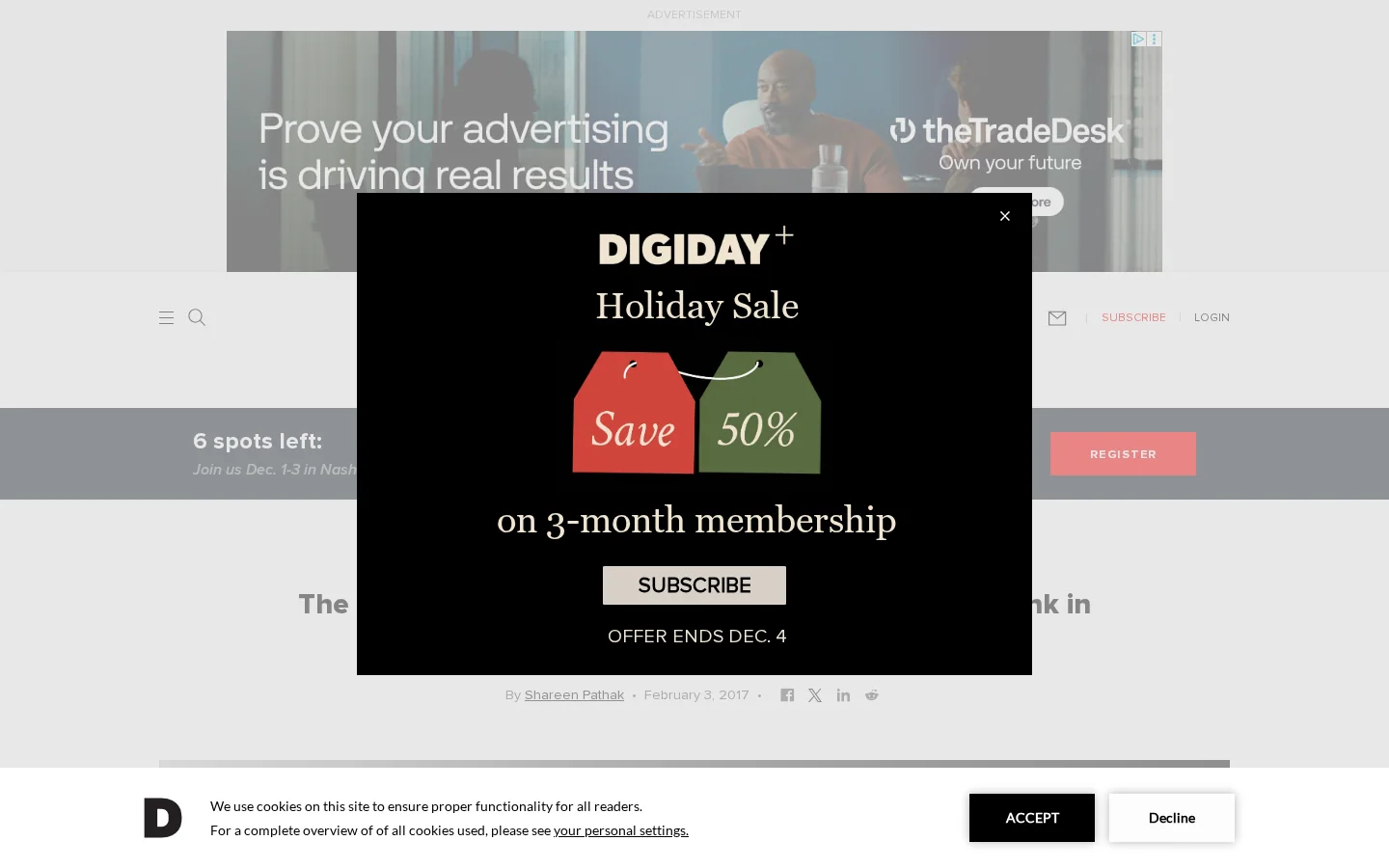
During the 2013 Super Bowl, the stadium lost power for over half an hour. Oreo posted an image of a cookie in the dark with the line "You can still dunk in the dark". According to Digiday's oral history of the tweet (Shareen Pathak, February 2017), it got over 15000 retweets. The lessons are in the details: around ten people from the brand and its agency sat in a "war room" during the game, the person who could approve was in the room, and the groundwork came from the brand's earlier 100th birthday campaign of topical posts. The brand's head of cookies at Kraft said the tweet took two years to make.
A Peloton holiday ad was mocked online for days. Aviation Gin cast the same actress in a short ad where she looked like she needed a drink with friends. It worked because the story was harmless (an ad, not a tragedy), the product fit the joke, and the ad came out while the debate was still hot.
In September 2014, the hashtag #WhyIStayed was trending because survivors of domestic violence were sharing their stories. DiGiorno's account tweeted "#WhyIStayed You had pizza." As ABC7 reported on September 9, 2014, the tweet was deleted and the brand apologized. The brand's apology admitted it had not read what the hashtag was about before posting. A trending hashtag is not a topic until you know why it trends.
During Hurricane Sandy, Gap tweeted to people in the storm's path to stay safe, then added that it would be shopping on its own website. The post was deleted after criticism. Several retailers ran storm "sales" the same week and drew the same reaction. A natural disaster is never a sales hook.
Newsjacking that worked vs newsjacking that backfired
A newsjacking program is a simple routine: watch, filter, find your angle, build the asset, check, publish, measure. Here is the method we recommend, with the settings that make each step fast.
The 7-step newsjacking method
You cannot react to what you do not see. Build a small "radar" and check it at fixed times (for example 8am, noon and 5pm), not all day.
Google Alerts accepts search operators. A precise query avoids a flood of useless alerts:
("minimum wage" OR "payroll tax") (law OR decree OR announcement) -site:yourdomain.com -jobs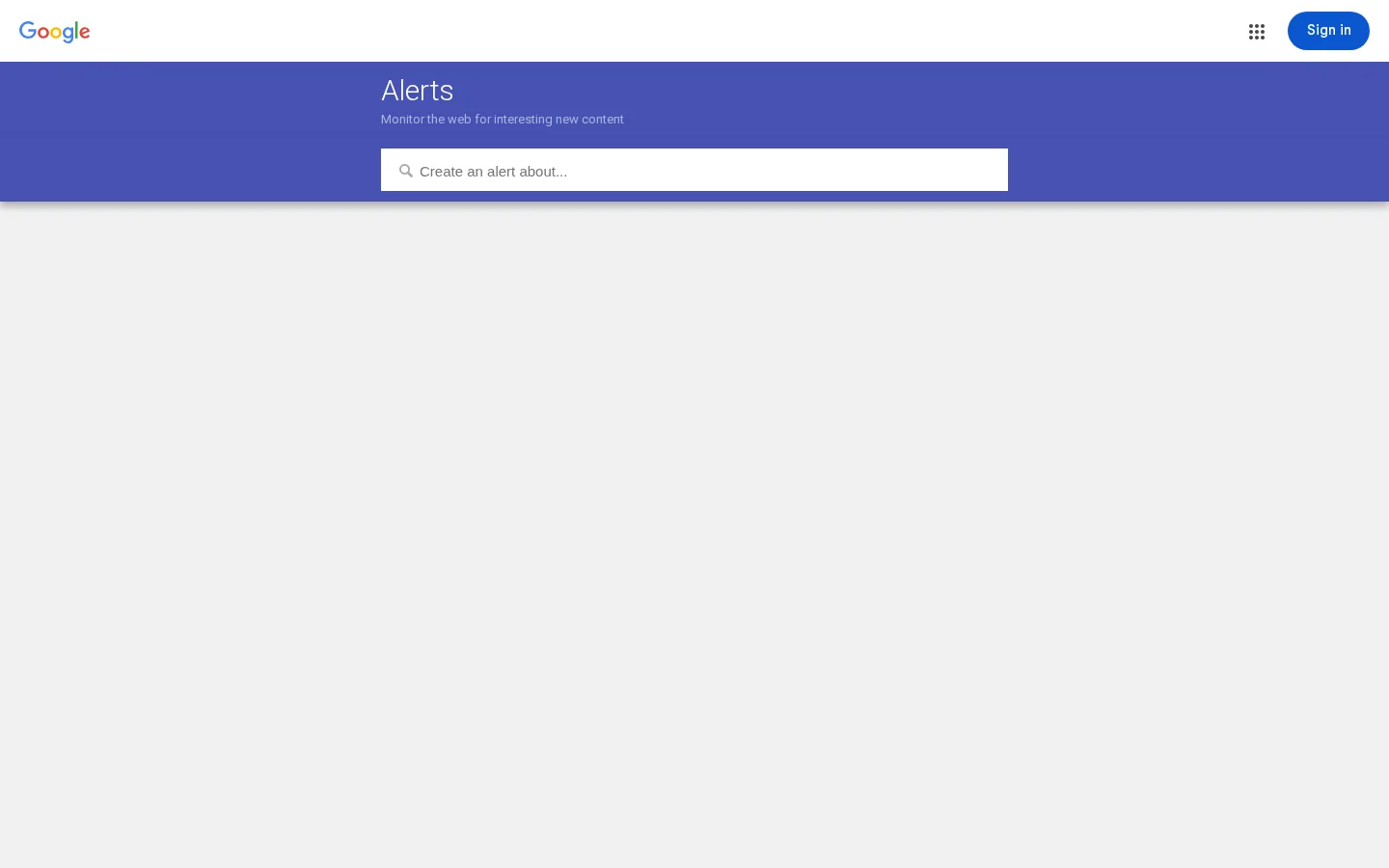
Most stories are not for you. Answer these five questions. If one answer is "no", you skip.
The first reports tell what happened. Your angle tells what it means for a specific group. Four angle patterns work almost every time:
Before writing, type the story into Google and into a few AI models. Note the questions that come back without a good answer. Those gaps are your outline.
Your own site should host the main asset, because that is where links and traffic land. Social posts and pitches then point to it. A good newsjacking explainer has:
Add structured data so search engines read the dates and the author correctly. A minimal example:
<script type="application/ld+json">
{
  "@context": "https://schema.org",
  "@type": "NewsArticle",
  "headline": "New minimum wage: what changes on your payslips",
  "datePublished": "2027-01-15T09:30:00+01:00",
  "dateModified": "2027-01-15T16:10:00+01:00",
  "author": {
    "@type": "Person",
    "name": "Jane Martin",
    "url": "https://www.example.com/team/jane-martin"
  },
  "image": ["https://www.example.com/images/minimum-wage-16x9.jpg"]
}
</script>
Note
Use NewsArticle for a news-style piece and BlogPosting or Article for an evergreen explainer. Only change dateModified when you really change the content.
Speed comes from a short approval chain decided in advance, not from skipping the check. Write down who can approve what, and keep it to one person per level:
Publish on your site, request indexing of the URL in Google Search Console, and add it to your sitemap with a correct lastmod. Then distribute, in this order: journalists who already cover the story, your social accounts, your newsletter, partners who serve the same audience. Your pitch must be shorter than the journalist's patience:
Example of a newsjacking pitch
Subject: Minimum wage rise: what it costs a 10-person shop (calculation)
Hi Sarah, I read your piece this morning on the new minimum wage. We ran the numbers for a typical 10-person retail business: the full calculation is here (link). Our head of payroll, Jane Martin, is available today for a quote or a call. Two sentences you can use right now: "..." Best, Paul
Track the results for a week, then again a month later (see the measurement section below). If the story comes back (a vote, a court ruling, a second wave), update the same URL instead of creating a new one. The page keeps its links and its history.
A newsjack only becomes an SEO asset if the page is fast to index, clearly dated, genuinely useful, and kept up to date. Here are the technical choices that make the difference.
Create a new URL when the story is a distinct event that people search by name ("X fine", "Y acquisition"). Update an existing page when the story is a new chapter of a topic you already cover (a new version of a rule you have explained before). In that case, add a dated section at the top, update the title if the search terms changed, and keep the URL. This builds a page with real content freshness instead of a pile of thin news posts that compete with each other.
For a newsjack, the first 24 hours count most. Make sure that:
lastmod date.Google's guidance is clear about the risk. In its page on creating helpful, reliable, people-first content, Google lists warning signs of "search engine-first" content, including: "Are you writing about things simply because they seem trending and not because you'd write about them otherwise" and "Are you changing the date of pages to make them seem fresh when the content has not substantially changed?". In other words: newsjack only inside your field, and only change dates when you change facts. A site that chases every trend outside its expertise sends the wrong signal.
When someone asks ChatGPT, Gemini or Claude about a recent event, the model searches the web and builds an answer from a few sources. To be one of them:
To see if it worked, track whether AI models mention your brand on the prompts linked to the story. Sorank's AI mention tracking does this for ChatGPT, Gemini and Claude, so you can see whether a newsjack changed how often you are cited.
Most newsjacking disasters come from three causes: the wrong story, the wrong tone, or one person posting alone. A written policy, agreed before you need it, removes most of the risk.
Pre-publication checklist for every newsjack
Never newsjack tragedies, accidents, natural disasters, crimes, wars, deaths, health crises or deeply divisive political moments with a commercial message. If the story affects your customers (a storm closes your stores, a crisis delays deliveries), give useful information and stop there: no discount, no product, no joke.
Big events protect their names and logos. Using the name of a sports competition, a festival or a celebrity in an ad can suggest a partnership that does not exist. Describe the moment in your own words, never use official logos or photos you do not own, and keep celebrity names out of paid ads unless you have their consent. Mocking a competitor is possible, but every claim must be true and provable.
When a serious event happens, check your scheduled posts and emails. A cheerful promotion published automatically during a national tragedy can look like a newsjack even if nobody planned it. Keep one person in charge of pausing the queue.
The mistakes below are the ones we see most. Each one has a simple signal that tells you it is happening, and a simple fix.
What it is: using a trending hashtag based on the words alone. How to spot it: nobody on the team can explain in one sentence why the hashtag trends. How to fix it: read the ten most recent posts using it before writing anything. This is exactly the DiGiorno mistake.
What it is: publishing when every outlet has already covered the story. How to spot it: the trend is "Ended" in Google Trends, and the first page of Google is full of analysis pieces. How to fix it: skip, or only publish if you have a new fact or dataset. Then prepare a template for the next similar story.
What it is: a dental clinic commenting on a football transfer. How to spot it: your expert has no more to say than any reader. How to fix it: only cover stories where you can answer "what does this mean for our customers?". This also protects you from the "trending" warning in Google's helpful content guidance.
What it is: an article that repeats the facts from the first reports. How to spot it: remove your logo, and the page could be on any news site. How to fix it: add one original element (data, calculation, checklist, quote from a named expert), or do not publish.
What it is: relaying a rumour or an early figure that is later corrected. How to spot it: your only source is a social post or a single article that does not link to the original. How to fix it: link to the primary source (official statement, filing, law text). If facts change, update the page with a dated correction at the top.
What it is: a discount, a product push or a joke attached to a disaster. How to spot it: the story would make a reasonable person sad or afraid. How to fix it: the red-level rule: no commercial newsjack. Help if you can, without asking for anything.
What it is: either nobody can approve fast (and the window closes), or one person posts alone (and the mistake goes out). How to spot it: you cannot name the approver for a sensitive story right now. How to fix it: write the green, orange and red levels, with one named approver each and a backup.
What it is: publishing once and never touching the page again. How to spot it: the page still shows "breaking" information weeks later. How to fix it: plan a review a week and a month later. Update the facts, add what happened next, and link the page from your evergreen guides on the topic.
Judge a newsjack on what lasts (links, mentions, rankings, AI citations), not only on likes. Measure twice: after one week and after one month.
| Metric | Where to find it | What it tells you |
|---|---|---|
| New referring domains to the page | Your backlink tool | Whether journalists and sites cited you |
| Press mentions, with or without link | Alerts, media monitoring | Reach and credibility |
| Clicks and impressions on the page | Search Console, Performance report | Whether you captured the search wave |
| Queries that bring visits | Search Console, Queries tab filtered on the page | The real words people used, for the next update |
| Branded searches | Search Console, queries with your brand name | Whether the story made people look for you |
| Mentions in AI answers | AI visibility tracking on story prompts | Whether AI models now cite you on the topic |
| Leads or sign-ups from the page | Your analytics, conversions | Business value |
Links from a newsjack keep their value long after the story. You can check the links a page earned with our free backlink checker. If you want a steady flow of links between two newsjacks, Sorank's natural backlink acquisition builds contextual links from sites in your niche on autopilot, so your authority does not depend on the news cycle.
A newsjacking program before and after you structure it
Newsjacking is not luck. It is a routine. Oreo's team said its famous tweet took two years to prepare, and that preparation is what you can start now.
Between two stories, keep publishing the evergreen content that newsjacking pages link to. If you lack the time, Sorank's AI blog article generator for Google and AI search writes and publishes those articles for you, so your team can keep its energy for the moments when the news calls for a real expert. And when a press release is the right format instead of a newsjack, read what a press release can and cannot do for your rankings.
The best-known example is Oreo's tweet during the 2013 Super Bowl blackout: an image of a cookie in the dark with the line "You can still dunk in the dark", which got over 15000 retweets. Aviation Gin's parody of a criticized Peloton ad in 2019 is another, released within days while the debate was still hot.
Newsjacking is ethical when you add real value to a story that is light or relevant to your expertise, such as an explanation, data or an expert opinion. It becomes unethical when a brand uses tragedies, disasters, violence or personal suffering to sell something. A simple rule: if the story would make a reasonable person sad or afraid, do not attach a commercial message to it.
A breaking story creates new searches that have little competition at first, so a useful explainer page published early can rank quickly and appear in Top Stories or Discover. Journalists who quote your expert or data often link to your page, which brings lasting backlinks. Fresh, well-sourced pages are also more likely to be cited by AI models that search the web live.
We analyse your competitors, your website and your AI visibility to create a tailored content plan for free.
 Website Value Calculator
 Website Accessibility Checker
 Google Analytics Checker
 Duplicate Content Checker
 Mobile-Friendly Test
 Website Speed Test
 Subdomain Finder
 Domain Age Checker
 CMS Detector
 Googlebot Simulator
 Nofollow Link Checker
 Meta Tag Checker
 Keyword Cannibalization Checker
 Keyword Intent Checker
 Keyword Extractor
 Google Ads Cost Calculator
 CPC Calculator
 Local Citation Finder
 Reddit Threads Finder
 Disavow File Generator
 Redirect Generator
 Canonical Tag Generator
 Passive Voice Checker
 Google Location Changer
 Google Review Calculator
 Google Review Link Generator
 Keyword Combiner
 Podcast Show Notes Generator
 AI Content Rewriter
 AI Text Humanizer
 ChatGPT Prompt Generator
 Twitter Thread Generator
 Tweet Generator
 Landing Page Copy Generator
 Google Ads Copy Generator
 Pinterest Pin Description Generator
 Anchor Text Generator
 Social Media Post Generator
 LinkedIn Post Generator
 Free AI Writer
 Review Response Generator
 LSI Keyword Generator
 YouTube Video Ideas Generator
 YouTube Tag Generator
 YouTube Description Generator
 Product Description Generator
 CTA Generator
 Blog Introduction Generator
 Conclusion Generator
 Hook Generator
 AI Content Brief Generator
 FAQ Schema Generator
 AI Blog Post Ideas Generator
 Structured Data Validator (Schema Validator)
 Alt Text Checker
 Internal Link Analyzer
 Backlink Challenge
 AI Meta Description Generator
 AI Blog Title Generator
 Google Indexability Checker
 AI Blog Outline Generator
 UTM Link Builder
 Keyword Clustering Tool
 Canonical Tag Checker
 XML Sitemap Generator
 Broken Link Checker
 AI SEO Title Generator
 Headline Analyzer
 SERP Preview Tool
 Redirect Checker
 Hreflang Tag Generator
 Heading Structure Analyzer
 HTTP Headers Checker
 Favicon Extractor
 SERP CTR Calculator
 SEO vs Paid Search Savings Calculator
 SEO Share of Voice Calculator
 SEO ROI Calculator
 SEO Traffic and Revenue Forecast Calculator
 SEO Budget Calculator
 SEO Break-Even Calculator
 SaaS SEO ROI Calculator
 ROAS Calculator
 Reading Time Calculator
 Ranking Gain Simulator
 Organic Traffic Value Calculator
 Organic Traffic Estimator and Website Traffic Checker
 LTV to CAC Ratio Calculator
 Local SEO ROI Calculator
 Link Building Cost Calculator
 Keyword Value Calculator
 Keyword Opportunity Score Calculator
 Keyword Density Calculator
 GEO ROI Calculator
 GEO Content Investment Calculator
 Ecommerce SEO ROI Calculator
 Customer Lifetime Value Calculator
 Customer Acquisition Cost Calculator
 CTR Calculator
 Cost Per Article Calculator
 Conversion Rate Calculator
 Content Marketing ROI Calculator
 ChatGPT Referral Traffic Estimator
 Bounce Rate Calculator
 Backlink ROI Calculator
 AI Visibility Score Calculator
 AI Traffic Value Calculator
 AI Share of Voice Calculator
 Cost of AI Invisibility Calculator
 AI Citation Rate Calculator
 llms.txt Validator
 AI Overview Checker and AI Overviews Rank Checker
 Robots.txt Checker
 AI SEO Audit
 LLM Readability Checker
 SearchGPT Readiness Checker
 Structured Data LLM Audit
 Website Crawlability AI Audit
 Why ChatGPT Is Not Recommending My Website
 Gemini Ranking Tool
 Perplexity Ranking Checker
 LLM Citation Checker
 Answer Engine Optimization Audit
 GEO Audit
 AI Search Visibility Test
 ChatGPT Visibility Checker
 llms.txt Generator
 URL Extractor
 Webpage to Markdown
 Sitemap Checker
 SERP Volatility Sensor
 Page Size Checker
 Word Counter
 Slug Generator
 Schema Generator
 Robots Generator
 OG Preview
 Meta Tags Generator
 Image Compressor
 Favicon Generator
 On-Page SEO Audit: SEO Checker and SEO Analyzer
 Backlink Analysis Tool
 Keyword Research Tool
 Domain Authority Checker
 “I tested Sorank on a real client site and it's insane. It does everything an agency would bill you $1500 a month for. It's going into production on that client now.”

 Guillaume Guersanguersanguillaume.com“We are an Ads agency and we wanted to get our SEO back on track once and for all. Sorank gave us a clear view of our site, helped us prioritize optimizations, and properly structure our content. The tool is easy to use, well designed for a team, and very practical for centralizing tracking without having to juggle multiple platforms. A very solid foundation to start fresh with our SEO.”
 Gaspard MadouiAds Agency
 “I just let the Sorank software do its thing, and now my DR is 25 and my page is ranking higher.”
 Lucas Flandrefoundertrace.fr“I specialized in GEO thanks to Sorank. The GEO Leaderboard allows me to show my clients their position vs competitors on ChatGPT. It’s a real commercial differentiator.”
 MélanieSEO Freelance“Great service, works well for our website and helps us understand how to improve it to rank better on Google and elsewhere. Congrats, keep going, I recommend it.”
 Hugo T.E-commerce merchant