Preferences
Privacy is important to us, so you have the option of disabling certain types of storage that may not be necessary for the basic functioning of the website. Blocking categories may impact your experience on the website. More information
Privacy is important to us, so you have the option of disabling certain types of storage that may not be necessary for the basic functioning of the website. Blocking categories may impact your experience on the website. More information

Learn the skills, tools and proof points you need to become an SEO consultant, plus how to find your first clients and avoid the costly mistakes.


In short
An SEO consultant finds out why a site gets less organic traffic than it should, then turns the findings into a short list of fixes a client can act on. To become one, you need a working understanding of how search engines crawl, index and rank pages, real proof from actual sites, and a way to sell what you find. Nobody issues an official SEO consultant license, so your proof is your work. Start by auditing a site you can access, then take on paying clients once you can explain every recommendation in plain language.
Want to go further? Ask
Quick quiz
Is SEO right for you, and how should you start?
Sorank matches your answers


Test it for 3 days on your own site and see where you stand on Google, ChatGPT and the other AIs.
Start 3-day free trial3 days free, then stop whenever you want. 90-day results guarantee, conditions apply.
A consultant answers one business question: why does this site get less organic traffic than it should, and which changes fix the biggest problems first? The job has three parts. You diagnose the problem with data, you prescribe a short list of actions in order of impact, and you check that those actions worked. Most of your value sits in the second part. A long list of problems is easy to produce. A list that a busy team can finish in a month is much harder to write.
Diagnosing means you crawl the site, read Search Console, check the pages that matter most to the business, and compare them with the pages that outrank them. Prescribing means you turn each finding into a task with an owner, a rough effort estimate and an expected result. Following up means you track clicks, rankings and conversions for the pages you changed, and you report what happened, including what did not work. A client remembers the follow-up more than the audit.
The buyer is rarely the developer. It is usually a founder, a marketing manager or an ecommerce director who has to justify the budget. Each reader needs a different output. Developers want exact URLs, status codes and the template that causes the problem. The buyer wants a priority list, a timeline and a reason to spend money this quarter. Keep both in the same deliverable, but in separate sections, so each reader can stop after the part meant for them.
| Deliverable | What it contains | Who reads it |
|---|---|---|
| Technical audit | Crawl errors, indexing problems, redirect chains, speed, rendering | Developers and the site owner |
| Keyword and content plan | Topics, search intent, the target page for each query | Content and marketing team |
| Link review | Lost links, risky links, anchor text balance | Founder or marketing lead |
| Monthly report | Clicks, rankings, actions completed, next priorities | The person who approves the budget |
Do not start with tools. Start with how search engines find, store and rank pages, because every tool is only a view on that process. Once you understand the process, the reports make sense, and you can tell a real problem from a warning that does not matter. Most beginners learn in the opposite order, buy a crawler, and then struggle to explain what the numbers mean to a client.
A search engine has to reach a URL (crawling), decide to store it (indexing), and read what is on it, including content that JavaScript loads after the first response (rendering). Google's own SEO Starter Guide begins with the same idea: help Google find and understand your pages before you expect them to rank. If you can explain why a page is missing from Google, step by step, you already have one of the most useful skills in this job.
A keyword is only useful if the page you put it on answers the query the way the searcher expects. A query such as "seo consultant salary" wants a figure and a range, while "seo consultant course" wants a list of programs with prices and durations. Read the top ten results before you write a single recommendation. They show you the format Google has chosen for that query, and copying the format is often faster than arguing with it. For a full method, see our guide on how to do keyword research.
Learn to read the performance report in Search Console. Separate branded queries (the client's name) from non-branded queries (the topics they want to win), and check that the analytics tool counts organic visits the same way Search Console does. A consultant who cannot reconcile two data sources will lose the client's trust in the first meeting, even if the audit itself is right.
The learning order

There is no single route into the job, and each path builds different skills. An in-house SEO role teaches you one site in depth, with its deadlines and its internal politics. An agency gives you many sites and faster feedback, but less say over what gets recommended. Freelancing gives you full control over scope, price and clients, but you carry the sales, the admin and the gaps between projects. For a wider view of the business side, read our agency guide.
| Path | What you learn fastest | What you carry | Good first move |
|---|---|---|---|
| In-house SEO | One site in depth, stakeholders, release cycles | One employer's priorities | Audit your employer's own blog and product pages |
| Agency | Many sites, clients, fast feedback from senior people | Quotas and less control over the work | Ask to sit in on client calls and reports |
| Freelance | Sales, scoping, pricing, delivery | Income risk and admin | Take one small audit for a contact you already know |
First job: agency or freelance?
Example
An in-house marketer audits the company's own blog first, then the product pages, then offers the same review to two local businesses they already know. After three audits, they have real examples to show, and the step into freelancing is small.
You need fewer tools than vendors suggest. Start with the free tools Google provides, then add one crawler and one source of keyword and link data. A paid tool earns its cost when you use it every week, not when it sits in a trial account. Clients rarely care which tool you used. They care whether your findings were correct and whether the fix moved traffic.
Search Console is the closest thing to a source of truth for how Google sees your client's site. Use the performance report to see which queries and pages get impressions and clicks. Use the URL inspection tool to see how Google indexed one specific page. Before you tell a client that a page does not rank because its content is weak, check the indexing report. A noindex tag, a redirect or a blocked resource often explains the problem first, and it is cheaper to fix.
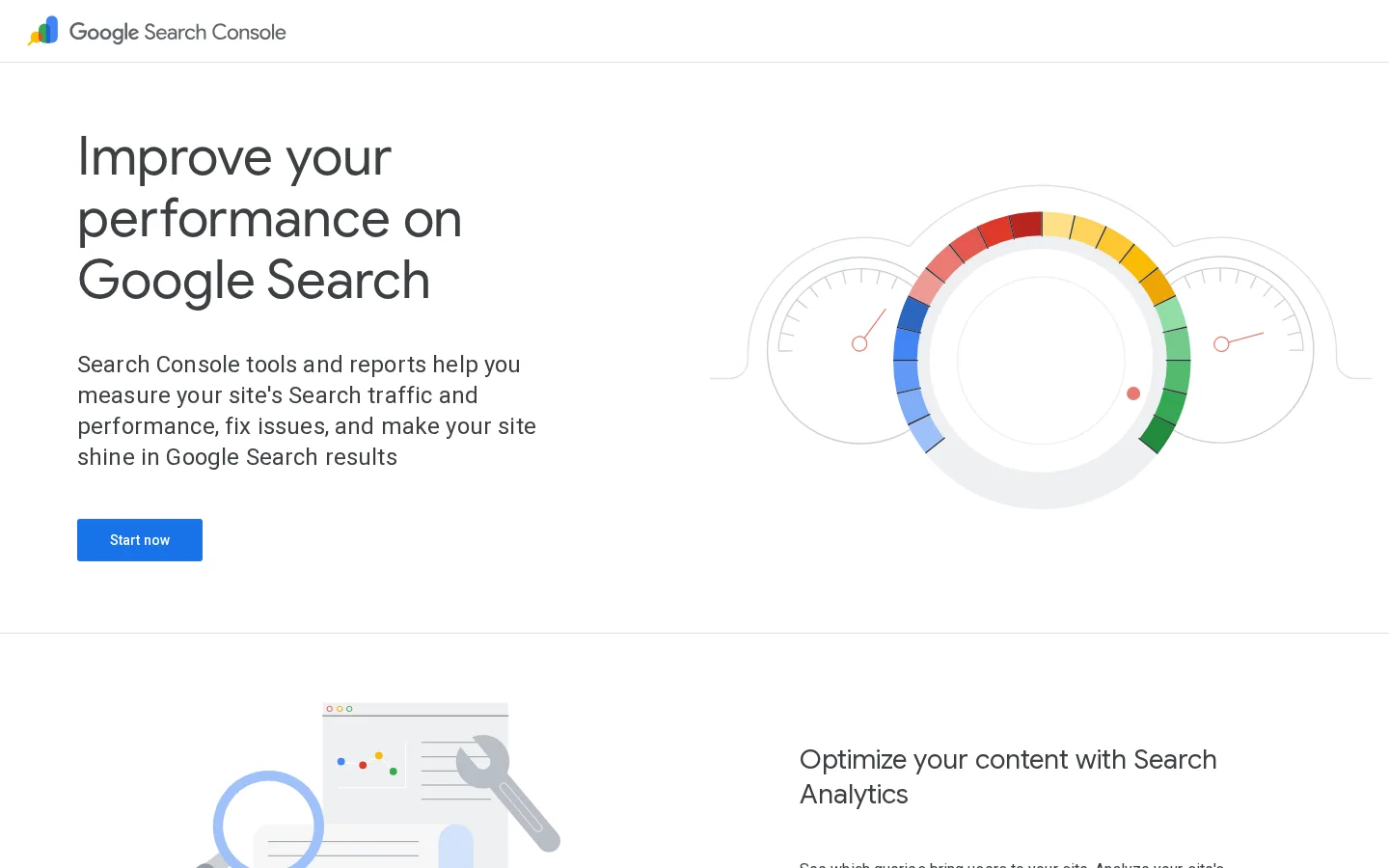
Read the indexing categories slowly. A few errors on pages that bring revenue matter more than a long list of warnings on old archive pages nobody visits.
A desktop crawler reproduces what a search engine sees on a site: status codes, canonical tags, title tags, internal links and redirect chains. Log files show what bots actually request from your server, which is the only way to know whether Googlebot spends its time on the URLs that matter. Use the crawler to find the problems, and use the logs to check how much they cost. For the method, see our guide on log file analysis for SEO.
Tip
Before a full crawl, check one page with the free Internal Link Analyzer from Sorank. It audits the internal links of a single page, a quick way to see how that page is linked from the rest of the site.
When you find an issue, write a filter that finds it again. A search on a crawl export does that in seconds, and it lets you prove the problem to a client. For example, tracking and session parameters often create duplicate pages. To list the URLs that carry them in a crawl export, run this regular expression against the URL column:
\?(utm_[a-z]+|sessionid|sid|ref)=Test it on five URLs before you trust it. A pattern that matches too much will send the client to the wrong fixes, and that mistake is hard to take back.
A portfolio matters more than any certificate. The most convincing proof is a before and after on a site you can show. If you do not have clients yet, audit a site you own, a friend's shop or a public site that you can analyze without access. Be clear in your write-up about what data you could see and what you could not. A consultant who states the limits of an audit looks more credible, not less.
Work in this order: crawl access and indexing first, then status codes and redirects, then on-page basics, then content gaps, and finally links. Problems near the top block everything below them. A page that returns a 404 does not benefit from a better title tag, and a page blocked in robots.txt does not benefit from better internal links until the block is removed. Our full SEO checklist covers each individual check, but run them in this order, not in the order they appear on a page.
Here is a workflow for a first crawl. Crawl the whole site with the default settings, then sort the results by status code. Export the pages that return errors and the redirect chains. Check whether any error sits on a page that brings traffic or links. Only after that, open the content, the title tags and the headings. Many consultants do this in reverse, and they spend two days rewriting titles on pages that return a 404.
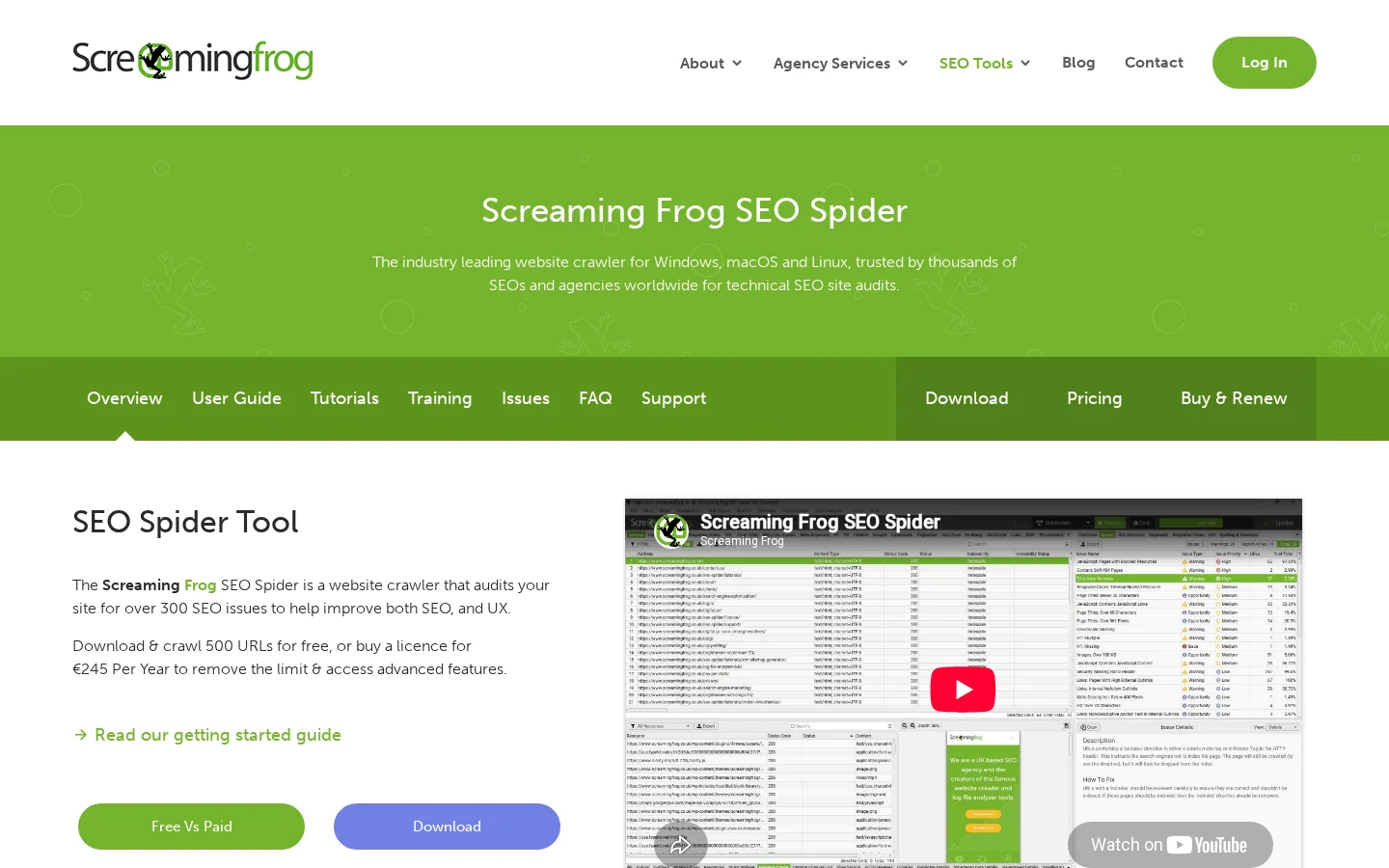
The tool's own site describes it as a website crawler that audits a site for over 300 SEO issues (see the Screaming Frog SEO Spider page). A long list is not the goal. Use the tool to find the handful of issues that change traffic, and be ready to explain why the others can wait.
A good report has three parts: what you found, what it costs in lost visits or revenue, and what to do this month. Put the top five actions on the first page, each with an owner and a date. Keep the appendix for the developers. The full structure is in our SEO audit report template.
Tip
Run Sorank's free On-Page SEO Audit Tool on the client's top landing page before the first call, then confirm each issue it raises on the live page before you discuss it.
You will not find clients by publishing a portfolio and waiting. Each acquisition method has a different speed, cost and risk. Compare them before you choose, then run two at once, not five. Running five half-finished channels means none of them gets the follow-up it needs.
The principle: send a short message to one business with one specific finding, such as a redirect chain on a product category page. When to use it: you have a list of 20 to 50 sites in one niche and a few hours each week. Advantage: it is fast, cheap and easy to measure. Limit: most messages get no reply, so the volume matters. Example: "I checked your category pages and found two redirect chains that send visitors through three hops before they land." A message like that proves you looked, which a generic offer never does.
The principle: ask web designers, developers, accountants and freelance marketers to introduce you when a client asks about organic traffic. When to use it: you have one good past result you can describe in two sentences. Advantage: trust arrives with the introduction. Limit: the start is slow and depends on your network. Example: a web designer who has just launched a site asks you to check the crawl and indexing before the client goes live.
The principle: publish one detailed page for each question a buyer asks before they hire you, such as how an audit works or what a fair scope looks like. When to use it: you have time before you need the money. Advantage: the pages keep working for months. Limit: it is slow and needs regular updates. Example: a page that explains how to compare SEO providers, such as our guide on how to choose an SEO agency, sends buyers who are already close to a decision.
The principle: work with a designer, a copywriter or a paid search agency that serves the same clients and does not sell SEO. When to use it: you can deliver reliably and your work is written up. Advantage: the leads are pre-qualified. Limit: your reputation depends on the partner's work. Example: a copywriter who needs keyword research for a site rebuild refers the client to you for the technical audit.
The principle: be listed where your buyers search, and show a sample audit on your profile. When to use it: you already have one or two case studies. Advantage: the listing works while you sleep. Limit: you control the listing very little, and the ranking rules belong to the platform. Example: if you work alone with several clients, Sorank also has a page on SEO software for freelancers.
| Method | Speed | Cost | Main risk |
|---|---|---|---|
| Direct outreach | Fast | Your time | Low reply rate |
| Referrals | Slow to start | Low | Depends on your network |
| Buyer-question content | Slow | Your time | Needs regular upkeep |
| Partnerships | Medium | Low | Your partner's reputation |
| Directories and profiles | Medium | Low to medium | Little control over the listing |
From first contact to a signed retainer
Consultants get asked for links all the time, and some clients want to buy them. Google's spam policies define link spam as creating links to or from a site primarily to manipulate search rankings. The examples on that page include buying or selling links for ranking purposes, excessive link exchanges made only for cross-linking, and using automated programs or services to create links to your site. Read that page before you put any link tactic in a client plan. Your recommendations are only as safe as the least careful link on the list.
A risky link is one a reader would not expect to see there. Paid placements without a sponsored label, reciprocal swaps arranged only to lift rankings, and links from networks of unrelated sites are the common cases. A link that an editor chose to publish because your page helps their readers is the kind you want. For the wider set of methods, compare our backlink strategies by effort, cost and risk.
Say what you will do: find links through relevant content, original data, reviews and outreach to real editors. Say what you will not do: no link purchases and no automated mass submissions. Put that scope in the contract. A client who asks for a "link package" is asking you to take a risk they will not pay for later, when the rankings drop and nobody remembers who approved the plan.
A link profile that holds up
Warning
Not every reciprocal link is spam, but link exchanges arranged to move rankings are. Before you suggest one, read our guide on backlink exchange and check the link against Google's examples.
Most early mistakes are not technical. They are about scope, evidence and communication. Each one below has a warning sign you can spot in your own work and a fix you can apply the same week.
What it is: a price written before anyone has crawled the site. How to spot it: you agree a number on the first call, then discover in week two that the site has three CMS versions and a staging server that Google can reach. How to fix it: sell a short paid diagnostic first, then price the full work from its findings. The diagnostic protects you and gives the client a result they can judge.
What it is: a spreadsheet of two hundred issues with no order. How to spot it: the client asks which item to do first, and you cannot answer in one sentence. How to fix it: rank each issue by the traffic or revenue at risk and by the effort to fix it, then show only the top five on the first page. Keep the rest in the appendix, marked as later work.
What it is: a guarantee that a keyword will reach a given position. How to spot it: your proposal names a position as the expected result. How to fix it: promise actions, timelines and measured outcomes, such as clicks on the target pages in Search Console. Rankings depend on competitors and on Google, and you do not control either one. A client who hears a guarantee will judge you on it, even though the guarantee was never fair.
What it is: a conclusion drawn from a single tool. How to spot it: your report quotes a score without naming the page or showing the evidence. How to fix it: confirm each issue on the live page and in Search Console before you report it. Tools flag candidates. You decide what is real.
What it is: advice that rests on habit or on a blog post nobody checked. How to spot it: you cannot show the document, test or data behind a claim when the client asks. How to fix it: link to the official documentation where it exists, and keep a short test log of what you changed and what happened. The Google SEO Starter Guide tells site owners to write content that readers will find helpful and reliable. Apply the same test to your own reports: write them so the client can act on them without you in the room.
Before you send a proposal
Pick one site, one tool and one way of finding clients for this month. Keep a log of every recommendation you make, what you expected, what happened and what you would change. Consultants improve through that log more than through any course. If you want structured learning alongside your own practice, compare the best SEO training courses and the best SEO books, then go back to your log and test what you learned on a real page.
If you already run SEO for several clients, Sorank's SEO teams page describes how content, links and AI visibility tracking can be handled in one place. That is useful once the recurring work starts to pile up, and it does not replace the diagnosis and the judgment this job requires.
No official license exists, and most clients do not check for one. They hire you for what you can show: audits you ran, traffic you helped grow and clear reports. Courses can structure your learning, but they do not replace hands-on work on real sites.
It depends on your starting point and how many sites you work on. A motivated beginner can run a useful audit within weeks. Clients trust you after you have followed a project through to measured results, and SEO results take time to appear, so that takes longer.
An agency gives you faster feedback, senior reviewers and a wide range of sites. Going freelance first gives you full control and direct client contact, but you carry the sales and the income gaps yourself. Many consultants work in an agency or in-house for a while, then go independent once they can sell their own work.
We analyse your competitors, your website and your AI visibility to create a tailored content plan for free.
 AI Content Brief Generator
 FAQ Schema Generator
 AI Blog Post Ideas Generator
 Structured Data Validator (Schema Validator)
 Alt Text Checker
 Internal Link Analyzer
 Backlink Challenge
 AI Meta Description Generator
 AI Blog Title Generator
 Google Indexability Checker
 AI Blog Outline Generator
 UTM Link Builder
 Keyword Clustering Tool
 Canonical Tag Checker
 XML Sitemap Generator
 Broken Link Checker
 AI SEO Title Generator
 Headline Analyzer
 SERP Preview Tool
 Redirect Checker
 Hreflang Tag Generator
 Heading Structure Analyzer
 HTTP Headers Checker
 Favicon Extractor
 SERP CTR Calculator
 SEO vs Paid Search Savings Calculator
 SEO Share of Voice Calculator
 SEO ROI Calculator
 SEO Traffic and Revenue Forecast Calculator
 SEO Budget Calculator
 SEO Break-Even Calculator
 SaaS SEO ROI Calculator
 ROAS Calculator
 Reading Time Calculator
 Ranking Gain Simulator
 Organic Traffic Value Calculator
 Organic Traffic Estimator and Website Traffic Checker
 LTV to CAC Ratio Calculator
 Local SEO ROI Calculator
 Link Building Cost Calculator
 Keyword Value Calculator
 Keyword Opportunity Score Calculator
 Keyword Density Calculator
 GEO ROI Calculator
 GEO Content Investment Calculator
 Ecommerce SEO ROI Calculator
 Customer Lifetime Value Calculator
 Customer Acquisition Cost Calculator
 CTR Calculator
 Cost Per Article Calculator
 Conversion Rate Calculator
 Content Marketing ROI Calculator
 ChatGPT Referral Traffic Estimator
 Bounce Rate Calculator
 Backlink ROI Calculator
 AI Visibility Score Calculator
 AI Traffic Value Calculator
 AI Share of Voice Calculator
 Cost of AI Invisibility Calculator
 AI Citation Rate Calculator
 llms.txt Validator
 AI Overview Checker and AI Overviews Rank Checker
 Robots.txt Checker
 AI SEO Audit
 LLM Readability Checker
 SearchGPT Readiness Checker
 Structured Data LLM Audit
 Website Crawlability AI Audit
 Why ChatGPT Is Not Recommending My Website
 Gemini Ranking Tool
 Perplexity Ranking Checker
 LLM Citation Checker
 Answer Engine Optimization Audit
 GEO Audit
 AI Search Visibility Test
 ChatGPT Visibility Checker
 llms.txt Generator
 URL Extractor
 Webpage to Markdown
 Sitemap Checker
 SERP Volatility Sensor
 Page Size Checker
 Word Counter
 Slug Generator
 Schema Generator
 Robots Generator
 OG Preview
 Meta Tags Generator
 Image Compressor
 Favicon Generator
 On-Page SEO Audit: SEO Checker and SEO Analyzer
 Backlink Analysis Tool
 Keyword Research Tool
 Domain Authority Checker
 “I tested Sorank on a real client site and it's insane. It does everything an agency would bill you $1500 a month for. It's going into production on that client now.”

 Guillaume Guersanguersanguillaume.com“We are an Ads agency and we wanted to get our SEO back on track once and for all. Sorank gave us a clear view of our site, helped us prioritize optimizations, and properly structure our content. The tool is easy to use, well designed for a team, and very practical for centralizing tracking without having to juggle multiple platforms. A very solid foundation to start fresh with our SEO.”
 Gaspard MadouiAds Agency
 “I just let the Sorank software do its thing, and now my DR is 25 and my page is ranking higher.”
 Lucas Flandrefoundertrace.fr“I specialized in GEO thanks to Sorank. The GEO Leaderboard allows me to show my clients their position vs competitors on ChatGPT. It’s a real commercial differentiator.”
 MélanieSEO Freelance“Great service, works well for our website and helps us understand how to improve it to rank better on Google and elsewhere. Congrats, keep going, I recommend it.”
 Hugo T.E-commerce merchant