
Preferences
Privacy is important to us, so you have the option of disabling certain types of storage that may not be necessary for the basic functioning of the website. Blocking categories may impact your experience on the website. More information

Privacy is important to us, so you have the option of disabling certain types of storage that may not be necessary for the basic functioning of the website. Blocking categories may impact your experience on the website. More information
Six student blog formats, sorted by what each one gets you: portfolio, campus guide, study notes, career diary, explainer, international student blog.


In short: The student blogs worth copying fall into six types: the study-notes blog, the internship and career diary, the campus-life guide, the project portfolio, the subject-explainer blog and the international-student blog. The best one for you is whichever matches what you want to be found for in two years, because a student blog's real return is not the writing practice — it is owning a searchable page under your own name before you need one.
Most articles listing blog examples for students hand you a pile of names and no way to choose between them. This one is organised the other way round: by what the blog is supposed to achieve. A blog kept to improve your writing looks nothing like a blog kept to land an internship, and confusing the two is why most student blogs are abandoned by the third post. Writing quality itself is a separate skill, and resources like the Purdue Online Writing Lab cover it far better than any blog post can.
There are six recurring formats, and each one pays off differently. Pick by outcome, not by what looks fun to write this week.
| Type | What you publish | What it gets you |
|---|---|---|
| Study-notes blog | Summaries, revision guides, worked problems | Better retention, plus traffic from other students |
| Internship / career diary | Applications, interviews, what the job was really like | Credibility with recruiters; highly relatable content |
| Campus-life guide | Housing, budgets, societies, city guides | The highest search volume of any student format |
| Project portfolio | Write-ups of things you built or researched | The single most useful format for technical fields |
| Subject explainer | Teaching one topic clearly to beginners | Demonstrates mastery better than a transcript does |
| International-student blog | Visas, culture shock, language, logistics | Small but intensely loyal audience |
The project portfolio, without close competition. A recruiter reading "I built X, here is what broke, here is how I fixed it" learns more in ninety seconds than a CV conveys in its entirety. It is also the only format where the blog itself is evidence rather than a claim.
A strong portfolio post has a rigid, boring, effective shape:
Students aiming specifically at a copywriting or content career can study how established teams structure client work; our roundup of the 10 best content and copywriting agencies in France shows the kind of portfolio professionals build once hired.

One clear purpose per post, an answer in the first paragraph, and something only you could have written. The last requirement is the one that decides whether anyone ever reads it. Generic advice already exists in abundance; your specific timetable, your specific rejection email, your specific lab result does not.
Practically, that means:
Long enough to fully answer one question — usually 600 to 1,200 words. Length is not a ranking dial you turn up. Research on reading behaviour from the Nielsen Norman Group has shown for years that people scan web pages rather than read them linearly, which favours clear headings and short paragraphs over sheer volume.
A 700-word post that completely answers "how do I find a flat in second year" beats a 2,500-word post that covers accommodation, budgeting, societies and coursework at once. One question, one post.
On a domain you control, if you can afford roughly the price of a coffee per month. A free subdomain on a platform is fine to start, but you cannot take the URL with you, and the address is what accumulates value over the years.
The practical hierarchy:

By writing for questions people already ask, and by making the page technically visible. The second half is unglamorous and takes about an hour once: a readable URL, a real title, a description, and a page that loads on a phone. Google's own Search Essentials is the complete and free specification for that baseline.
Beyond that, the change worth knowing about in 2026 is that a growing share of questions never reach a results page at all — assistants answer them directly and cite a handful of sources. That rewards pages which answer a specific question cleanly in the opening lines, which is precisely the habit good student bloggers already have. If you want to see how a page reads to a machine, our free Chrome extension shows exactly what an engine can extract, and the GEO and SEO glossary explains the vocabulary without assuming a marketing background. Students weighing a marketing internship can also see how this problem is handled at scale in our comparison of the 10 best seo agencies in France.
Choose your student blog format by the outcome you want — portfolio for jobs, campus guides for audience, explainers for mastery — then publish one focused post a fortnight on a domain you own. The compounding is slow and then sudden: the post you write in first year is often the one that a recruiter, or an AI assistant, surfaces in your final year.
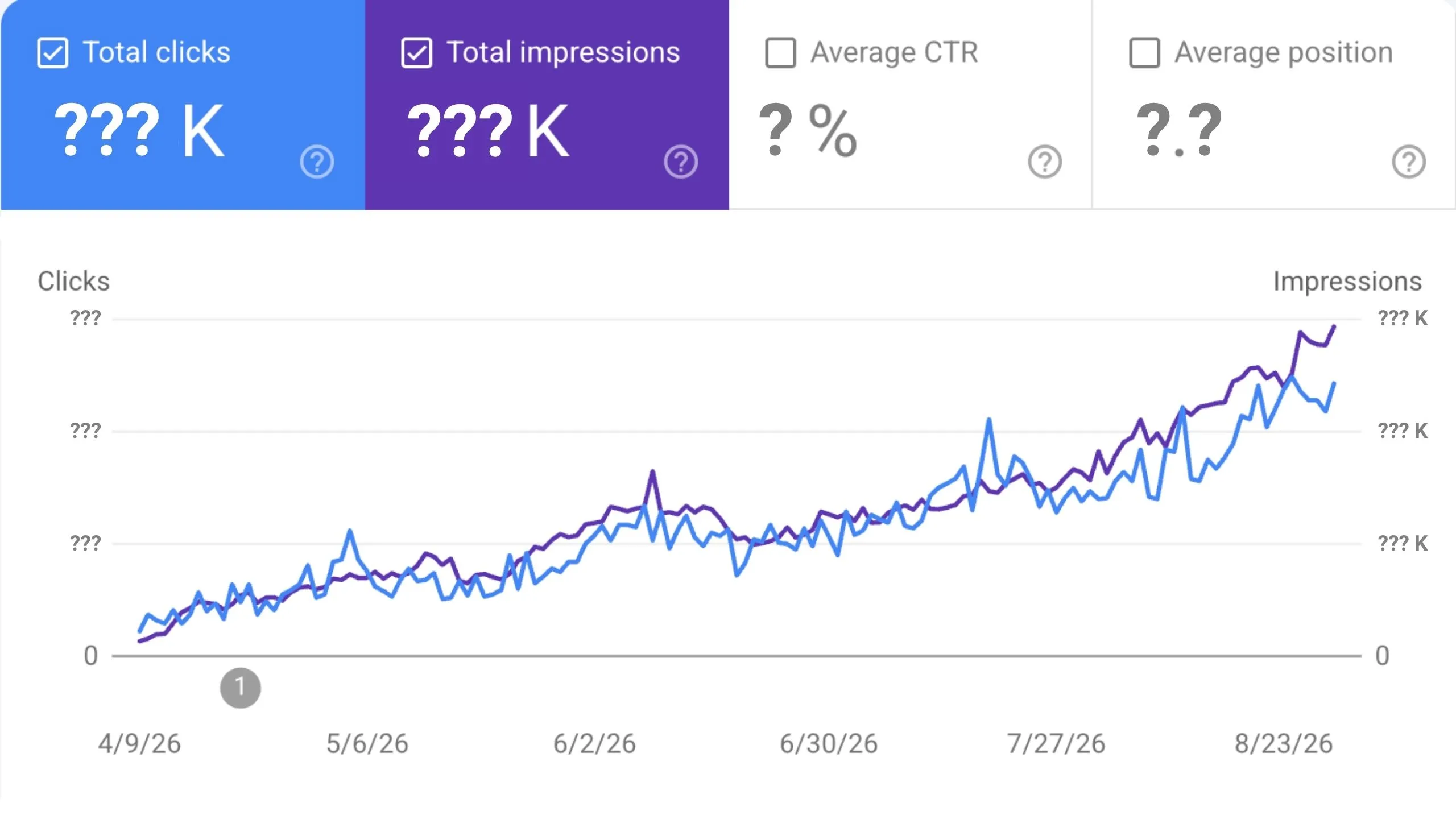
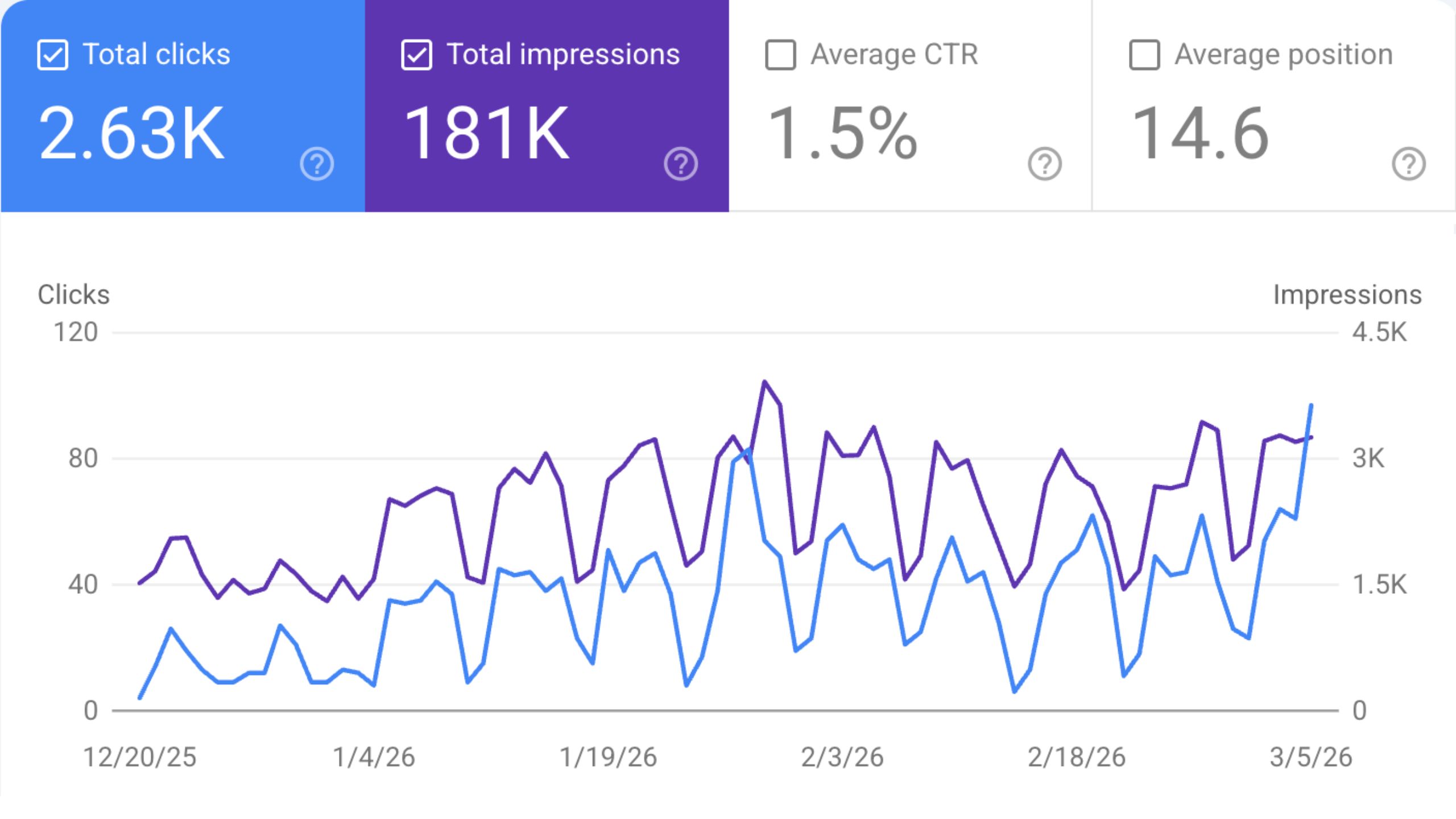
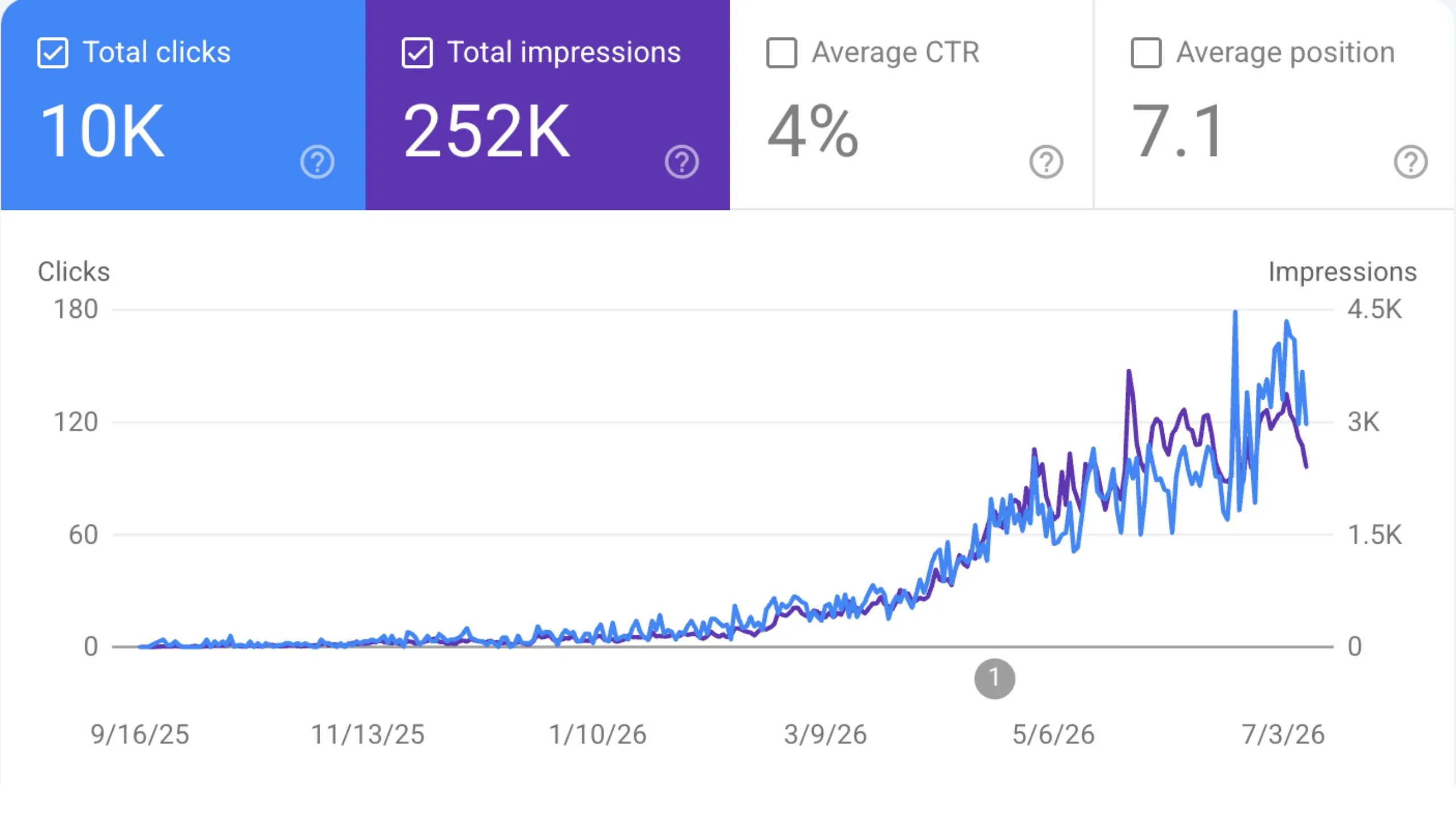
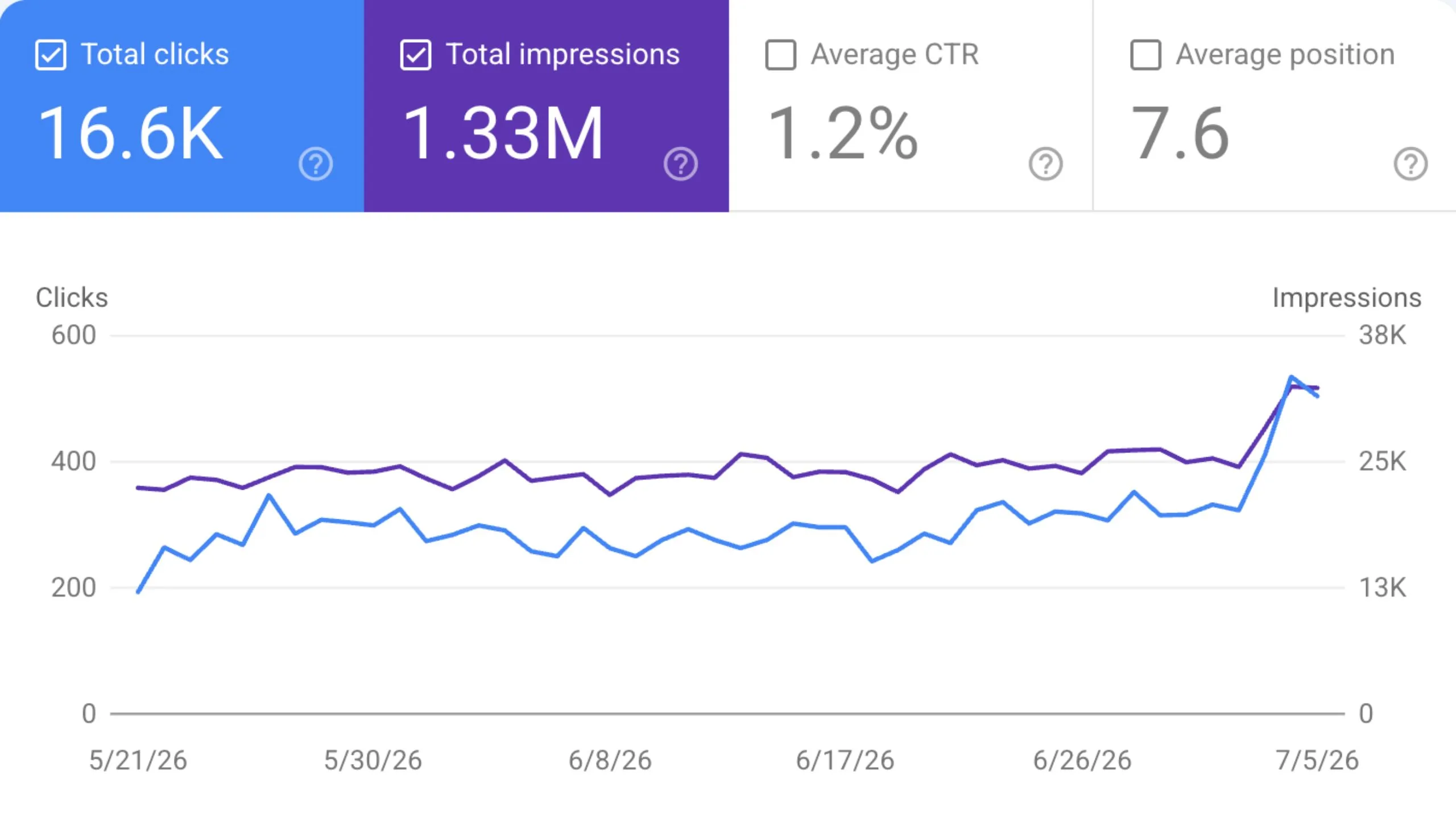
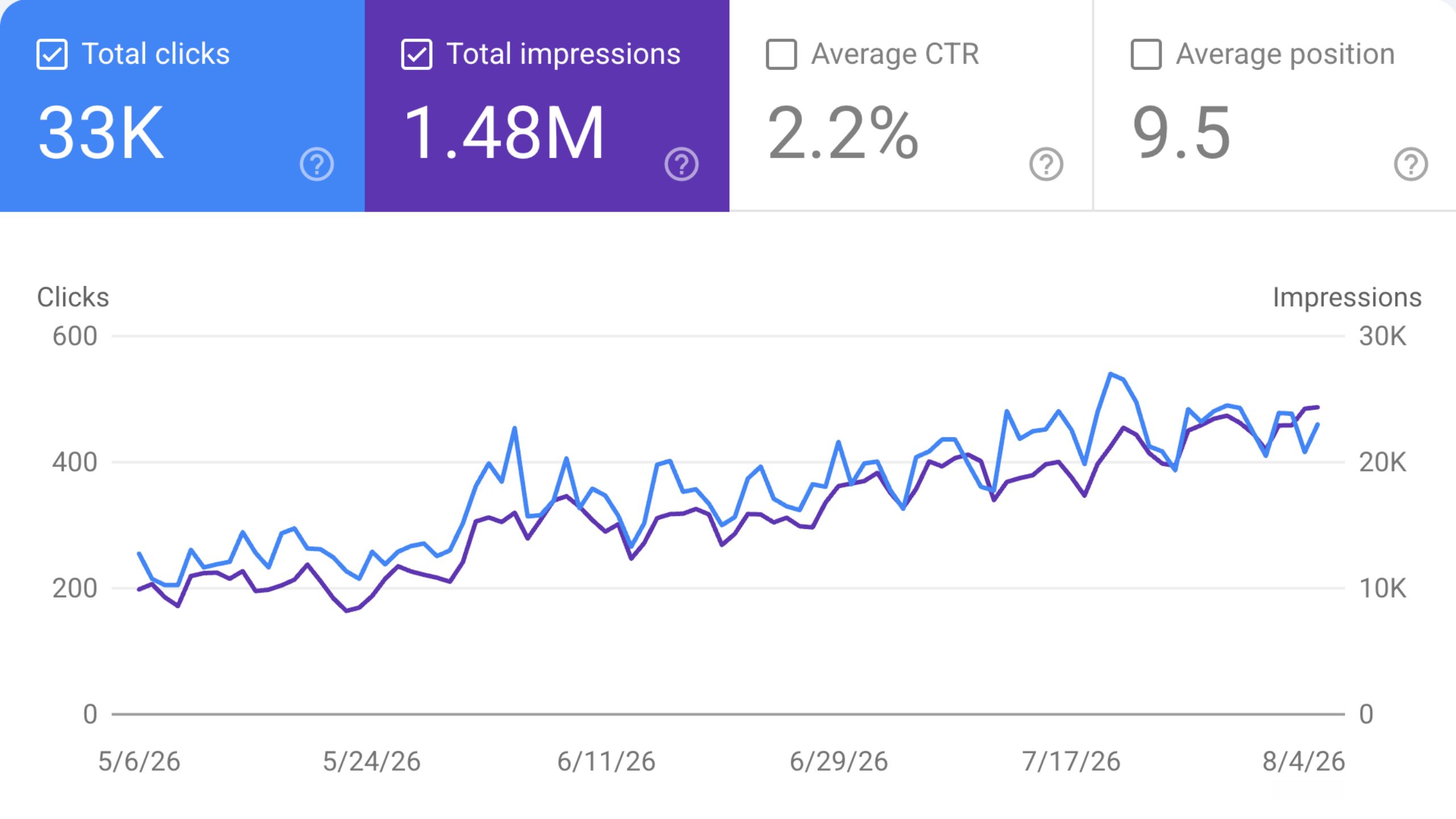
If your blog starts to gain real traffic and you want to understand where it comes from, Sorank connects your Search Console data and shows what is actually working.

Pick by outcome, not by topic appeal. Portfolio write-ups work best for landing jobs, campus-life guides attract the largest student audience, and subject explainers demonstrate mastery better than a transcript. One clear purpose per blog beats a general diary.
Choose one format, pick a platform you can keep (your own domain, GitHub Pages, or Medium to start), and publish one focused post every two weeks. Consistency matters far more than the platform: a published post beats a perfect setup.
Yes, mainly as evidence rather than as a traffic channel. A project write-up under your own name gives recruiters something a CV cannot, and specific first-hand posts are exactly what search engines and AI assistants surface years later.
THEY WIN WITH SORANK






.webp)




.webp)
.webp)









.svg)
.svg)