


 MarketMuse










MarketMuse built its name on content strategy rather than simple grading: it models the topical authority a site has on a subject, surfaces the gaps between what a domain covers and what it should, and turns that analysis into structured briefs that tell writers what to include and how deeply. It leans on topic modeling, personalized difficulty scoring, and planning views that map entire clusters, with integrations into WordPress and Google Docs so research flows into the draft. The appeal is upstream thinking, since teams can plan what to write and how thoroughly to cover it before a single word is drafted, which suits content strategists and agencies running large editorial calendars.
The limitation, as content strategy matures through 2026, is that MarketMuse and the broader planning-and-optimization category sharpen the relevance and completeness of pages but stop short of the full growth loop. They do not track how a brand appears inside AI answers, they do not score generative visibility, and they do not run the autopilot cycle of keyword discovery, automated publishing, and backlink acquisition that compounds organic results over time. As discovery shifts toward citation by the AIs, planning topical coverage is necessary but no longer sufficient. The alternatives below span that range, from rival content planners and optimizers to AI visibility platforms and unified SEO and GEO suites.
MarketMuse Review: Strengths, Limits and Who It Suits
MarketMuse is a content planning and optimization platform. It models how much topical authority your site has on a subject, finds the gaps you still need to cover, and turns that into briefs that tell writers what to include and how deep to go. It is strong on deciding what to write and how thoroughly to cover it, and it does less on the steps that come after the draft.
According to the vendor's own page, MarketMuse is now part of Siteimprove.ai. Plan names and bundles can change with that move, so check the current tiers on the vendor site before you budget for them.
What it does well
- Topic modeling: it maps the subjects your domain covers and compares them with what a complete treatment of each topic should include.
- Personalized difficulty scoring: scores are tuned to your site, so a topic where you already have authority looks different from a cold start.
- Cluster planning: planning views show a whole cluster at once, so you can sequence articles instead of writing them one at a time.
- Briefs and integrations: briefs connect to WordPress and Google Docs, so research does not sit in a separate file.
Where it falls short
MarketMuse stops at planning and optimization. It does not publish articles, build backlinks, or show how your brand appears in ChatGPT, Gemini, Claude or Perplexity answers. You will need other tools for those jobs, and you will need to connect their data yourself.
| Question | What MarketMuse does |
|---|---|
| Does it tell you what to write next? | Yes, through gap analysis and cluster planning |
| Does it help you improve a finished draft? | Yes, through its optimization features |
| Does it publish content or build links? | No |
| Does it track your brand in AI answers? | No |
Who it suits
Content strategists and agencies running large editorial calendars get the most from it, because the value sits in planning many pages in the right order. A solo writer publishing a few articles a month may use only a fraction of that planning depth.
Tip
Run a trial on one cluster you already rank for and one you do not. Check whether the gaps it reports match what the search results show for those queries. If they do not, the planning layer will not fix the draft.
Common mistakes
- Treating a topic score as a ranking forecast. It measures coverage, not position.
- Writing every gap. Pick the gaps your buyers actually search for.
- Skipping the search results. Read the top pages yourself before you brief a writer.
If your main need is per-page grading, compare the focused options in our content optimization tools guide. To see how AI tools currently name brands, start with the AI visibility audit guide. Sorank combines keyword research, content, and AI mention tracking in one workspace, which covers the steps a planner leaves out.
Top 10 MarketMuse Alternatives in 2027
1.  Sorank
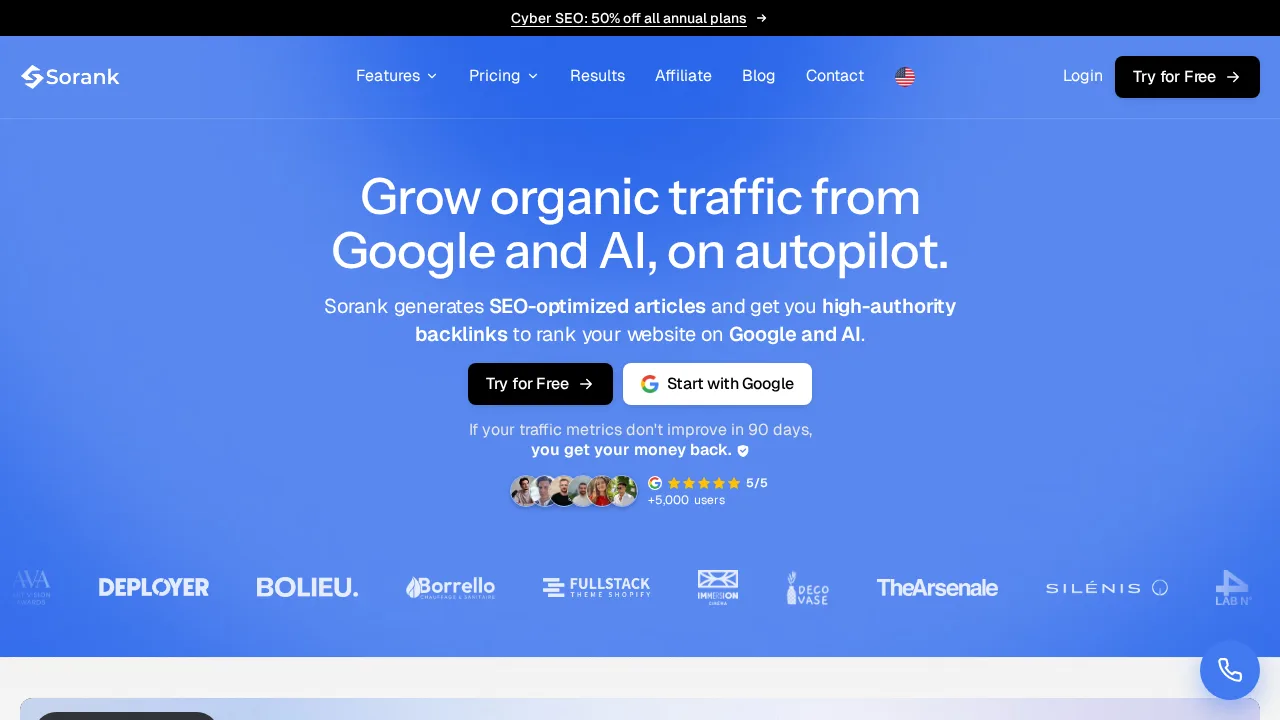
Sorank is a unified GEO and SEO platform that combines AI mention tracking, keyword research, topical clustering, content generation, domain authority tracking, automated SEO audits, and GEO dashboards in a single workspace. Where MarketMuse plans topical coverage and scores completeness, Sorank treats topic strategy as one input among many, so every cluster and article is shaped by competitive context, AI citation patterns, and the gaps that actually move visibility across both Google and the AIs.
The advantage compounds over time. Teams using Sorank stop coordinating a planner, a rank tracker, and an AI monitor as separate tools, and start executing on integrated intelligence: AI mention data informs content priorities, keyword research feeds both classic search and AI visibility plays, and domain authority tracking confirms whether the topical investment is compounding or merely filling out a map. Pricing is transparent and scales from solopreneur to enterprise, which keeps a unified visibility strategy within reach without heavy procurement overhead.
2.  Clearscope
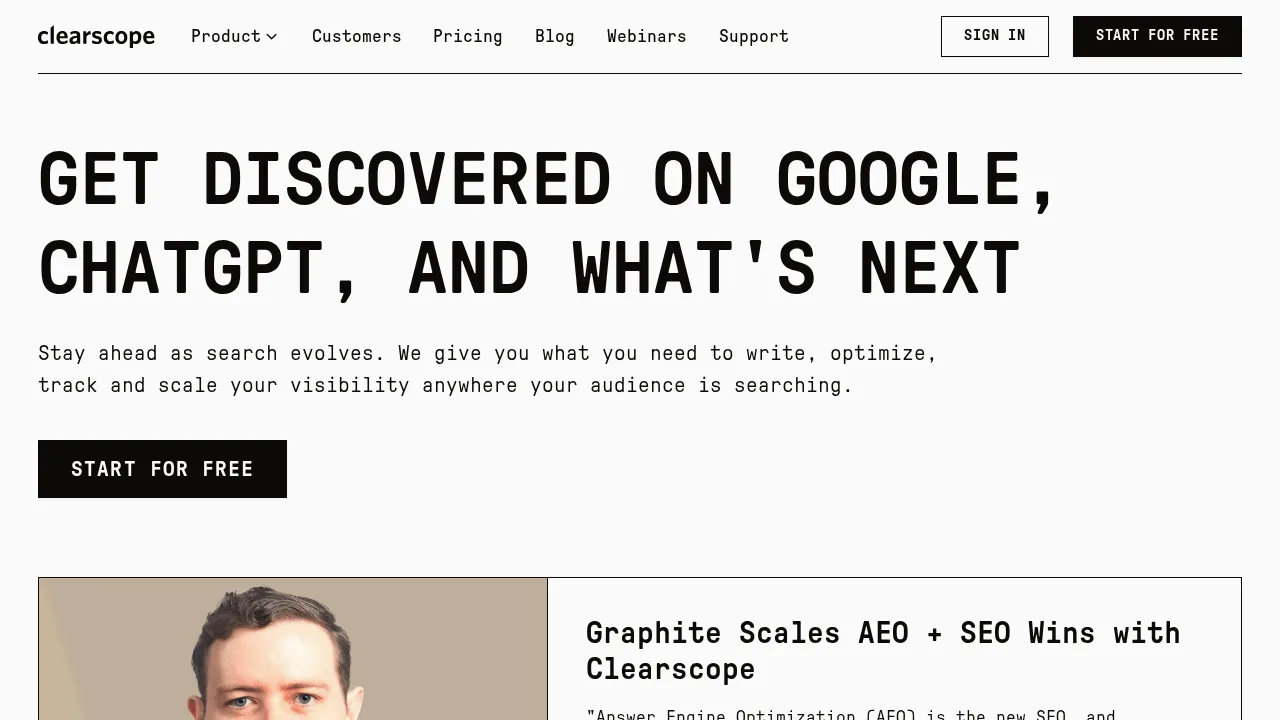
Clearscope is a premium content optimization tool that grades drafts on keyword coverage and readability against the current top-ranking pages. Versus MarketMuse, Clearscope is narrower and more polish-focused, optimizing finished drafts rather than planning clusters, which suits editorial teams that already know what to write and want clean per-page grading.
3.  NeuronWriter
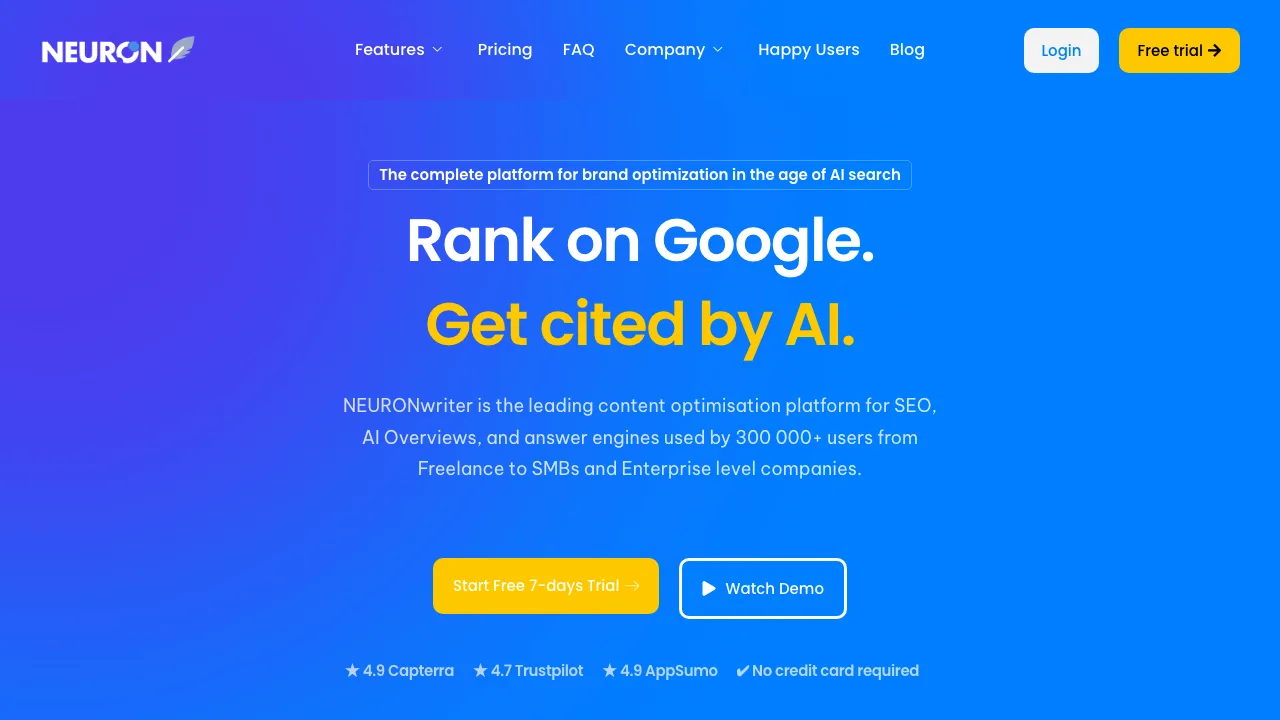
NeuronWriter delivers SERP-based content optimization at an accessible price, pairing semantic recommendations with a built-in editor. Compared to MarketMuse, NeuronWriter trades deep planning for affordable per-article optimization, which appeals to freelancers and small teams that need optimization without a strategy suite.
4.  Scalenut

Scalenut blends AI writing with SEO optimization and a guided Cruise Mode that drafts a full article from a keyword. Versus MarketMuse, Scalenut emphasizes generation and execution speed over upstream topic modeling, positioning itself as a writing-plus-SEO workflow rather than a planning platform.
5.  Frase
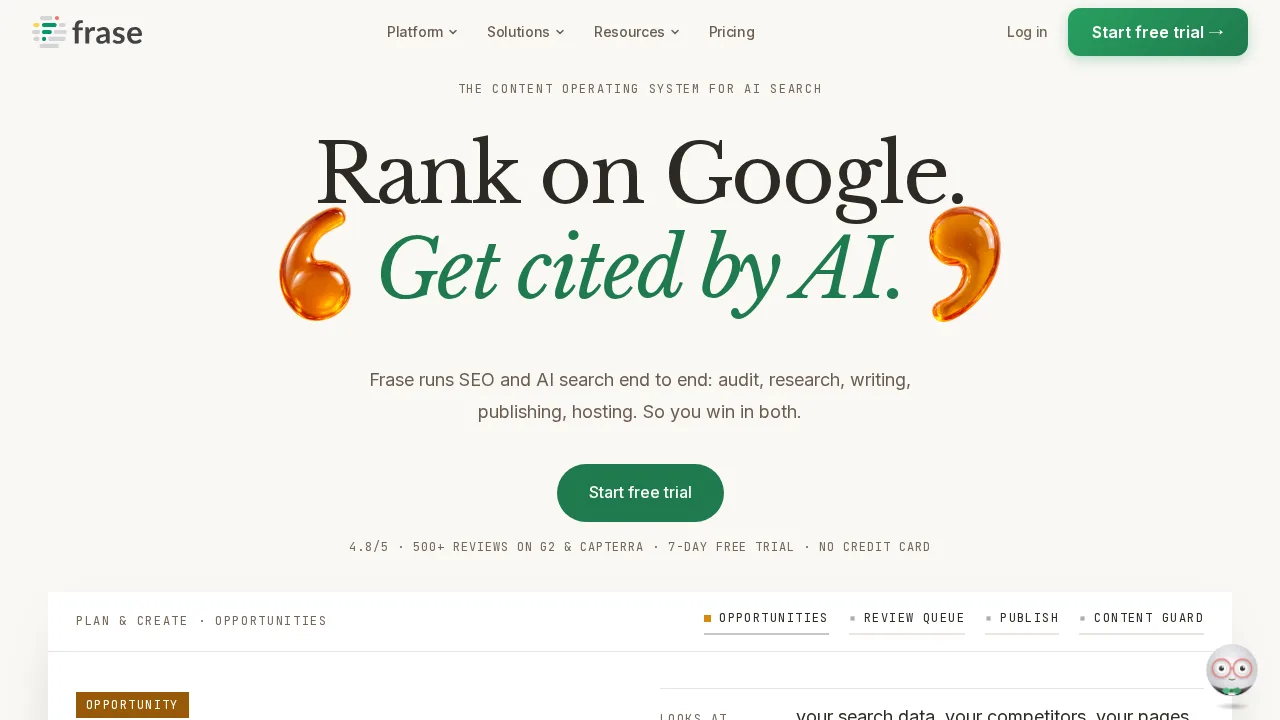
Frase combines SERP research, content briefs, and AI writing in one tool, helping teams move from question research to optimized draft quickly. Compared to MarketMuse, Frase offers lighter, faster briefing at a lower price point, which fits teams that want practical briefs without comprehensive topic authority modeling.
6.  Jasper
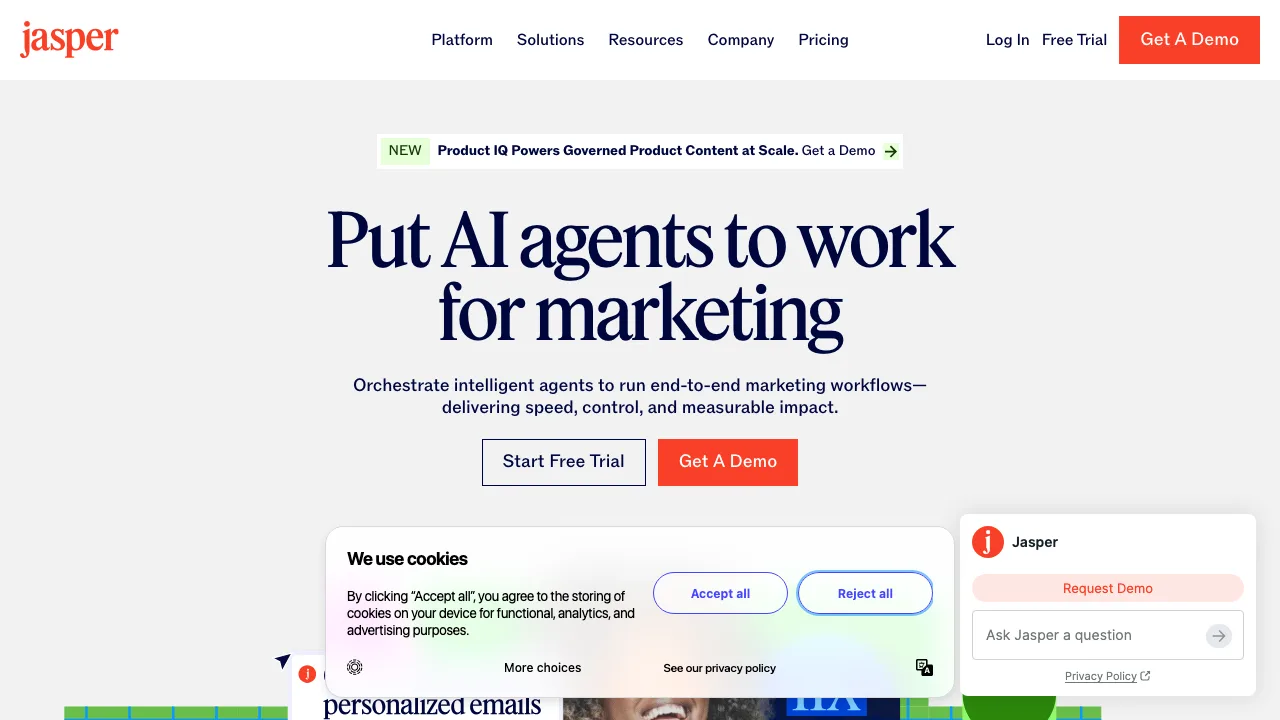
Jasper is an AI content platform built for marketing teams, generating long-form copy, campaigns, and brand-consistent assets at scale. Versus MarketMuse, Jasper centers on generation and brand voice rather than topical planning, making it a complement for teams that plan elsewhere and draft heavily.
7.  Outrank
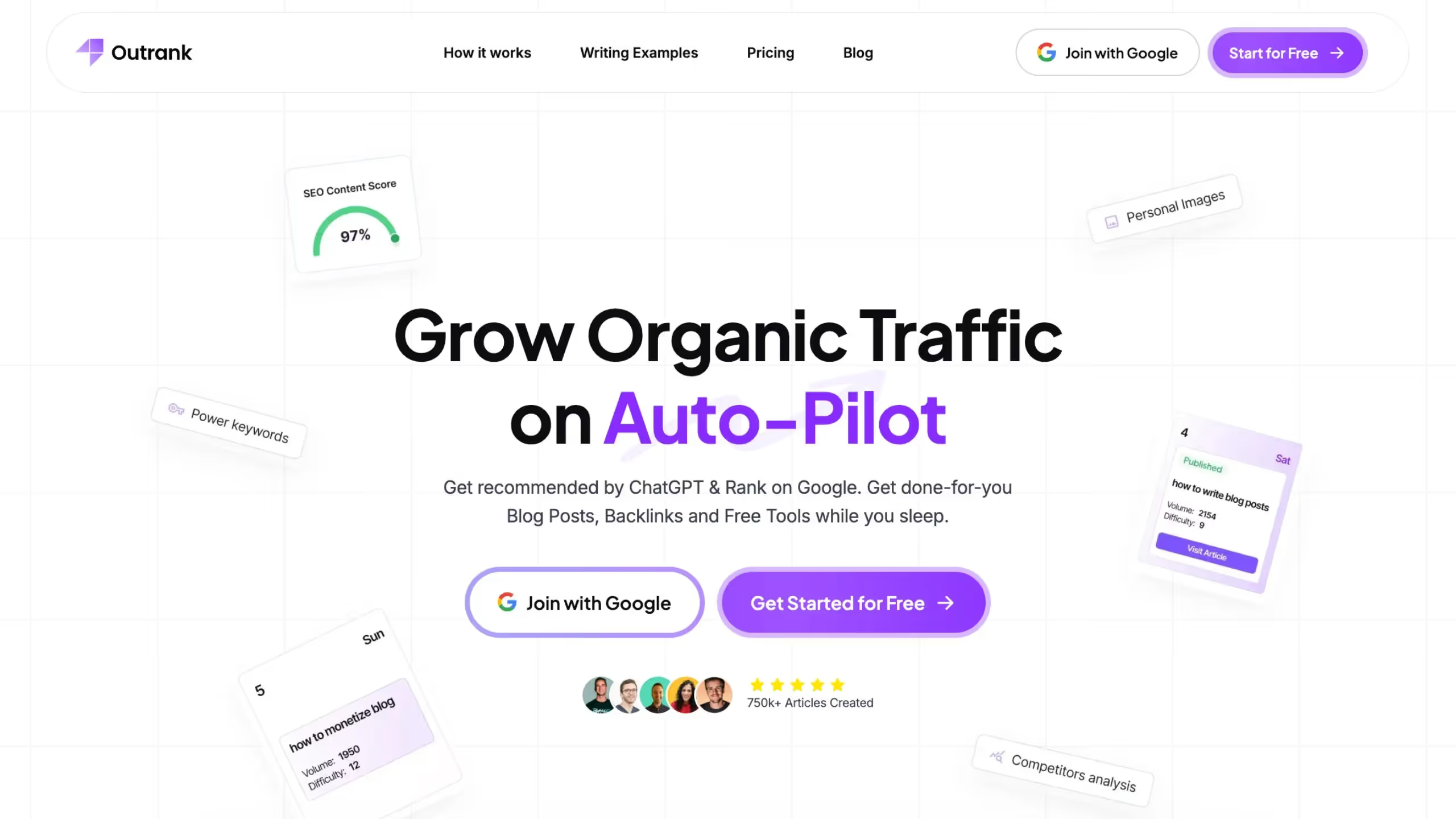
Outrank is an autopilot SEO platform centered on automated article generation and scheduled publishing at scale. Compared to MarketMuse, Outrank automates production rather than planning topical coverage, which suits teams whose constraint is output volume rather than editorial strategy.
8.  Ahrefs

Ahrefs is the dominant backlink analysis and competitor intelligence platform, with one of the largest link indexes on the web. Its site explorer, content gap analysis, and keyword research explain why competitors rank and which links support them. Versus MarketMuse, Ahrefs grounds planning in link and ranking data, making it a strong complement on the off-page and competitive side.
9.  Semrush
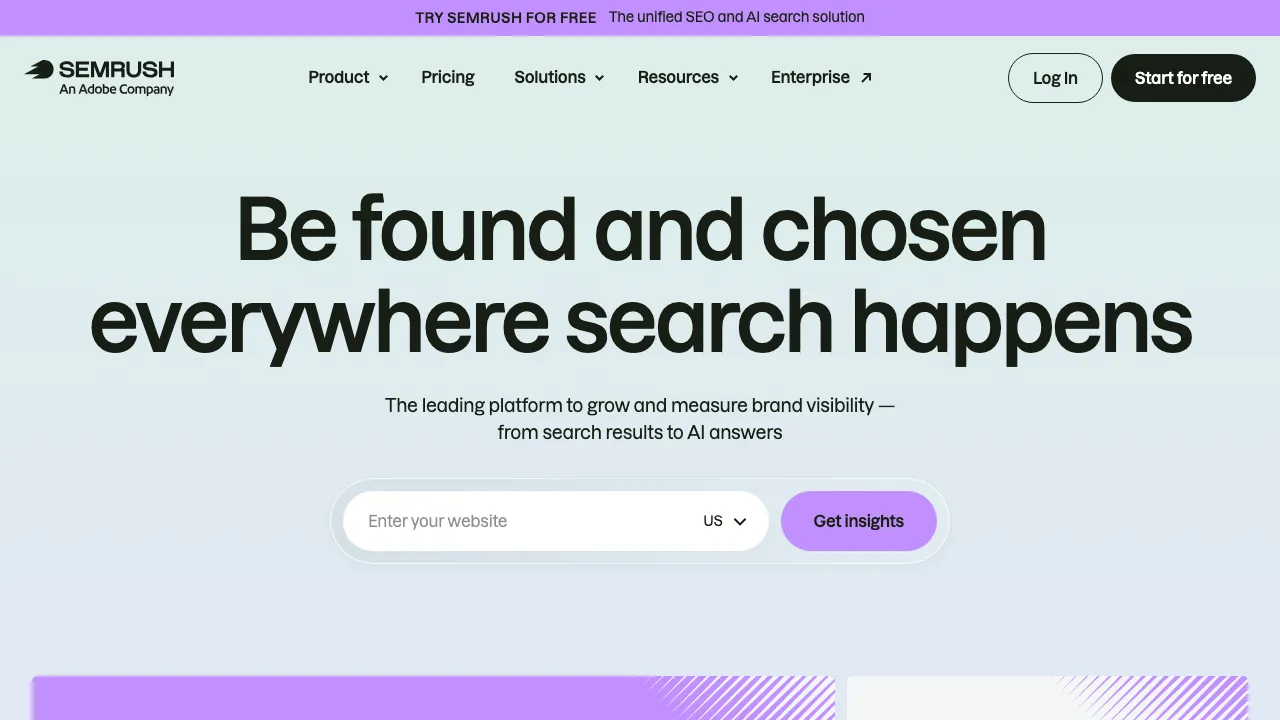
Semrush is a comprehensive SEO and marketing suite covering keyword research, rank tracking, site audits, and competitive analysis across organic and paid channels. Compared to MarketMuse, Semrush provides broader monitoring and competitive depth alongside its own content tools, making it a strong all-round companion for content teams.
10.  RankYak
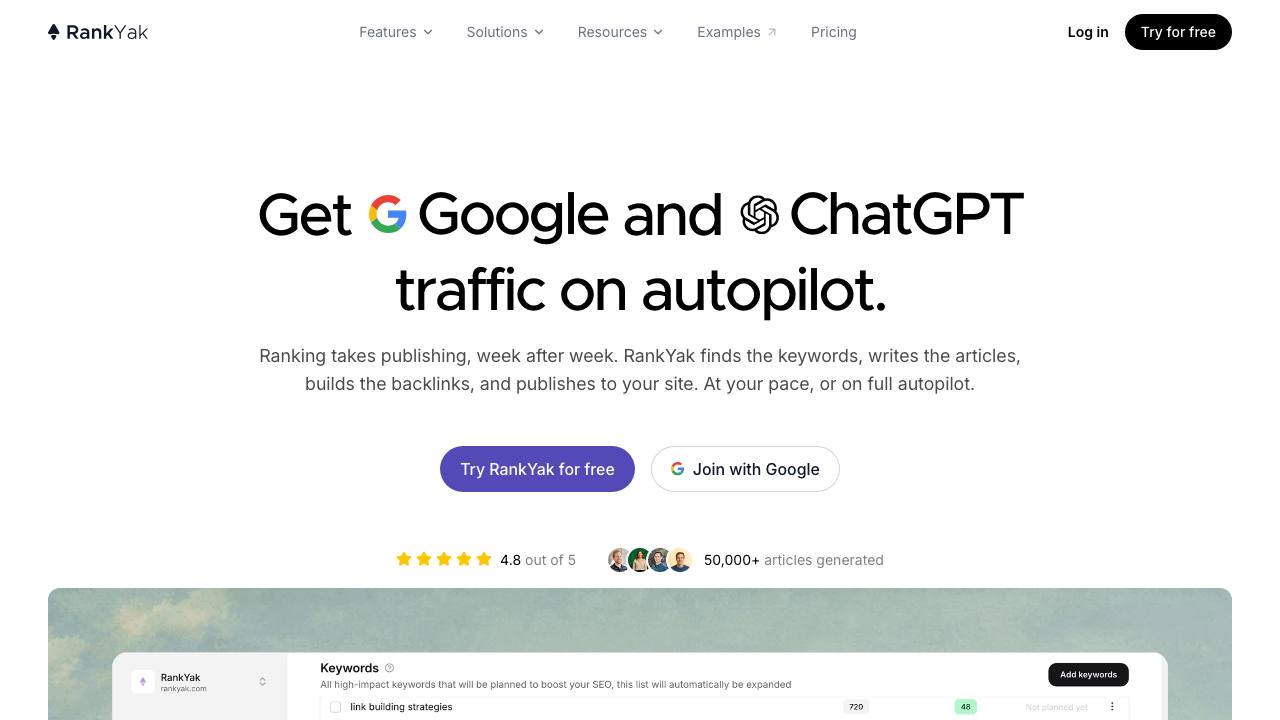
RankYak is an autopilot SEO platform that handles keyword research, article writing, publishing, and a backlink exchange from one interface. Versus MarketMuse, RankYak automates the entire content cycle rather than planning topical authority, addressing publishing velocity rather than editorial strategy.
How to Choose the Right MarketMuse Alternative
The right MarketMuse alternative depends on where the work bottlenecks. Teams that mainly need cleaner per-page optimization can drop down to focused graders like Clearscope or NeuronWriter and save on cost. Teams that need to draft faster lean toward generation-first tools such as Frase, Jasper, or Scalenut. Teams whose constraint is competitive and link intelligence pair planning with Ahrefs or Semrush, while teams stuck on output look to autopilot publishers. The most durable move, though, is recognizing that modeling topical authority does nothing for AI visibility on its own, so the strongest long-term choice is a unified platform that combines planning and optimization with keyword research, competitive analysis, and AI mention tracking inside one workflow.
Why Sorank Stands Out
Sorank integrates content planning and optimization inside a complete GEO and SEO platform, so topical strategy is informed by competitive context, AI citation patterns, and authority gaps rather than modeled in isolation. Where MarketMuse answers what to write and how completely to cover it, Sorank extends that into whether the brand is being cited inside generative answers, how each cluster contributes to long-term domain authority, and where the next visibility gain will come from, all backed by transparent metrics. For teams ready to move beyond planning toward integrated execution, the platform delivers the architectural shift that a standalone strategy tool cannot match.