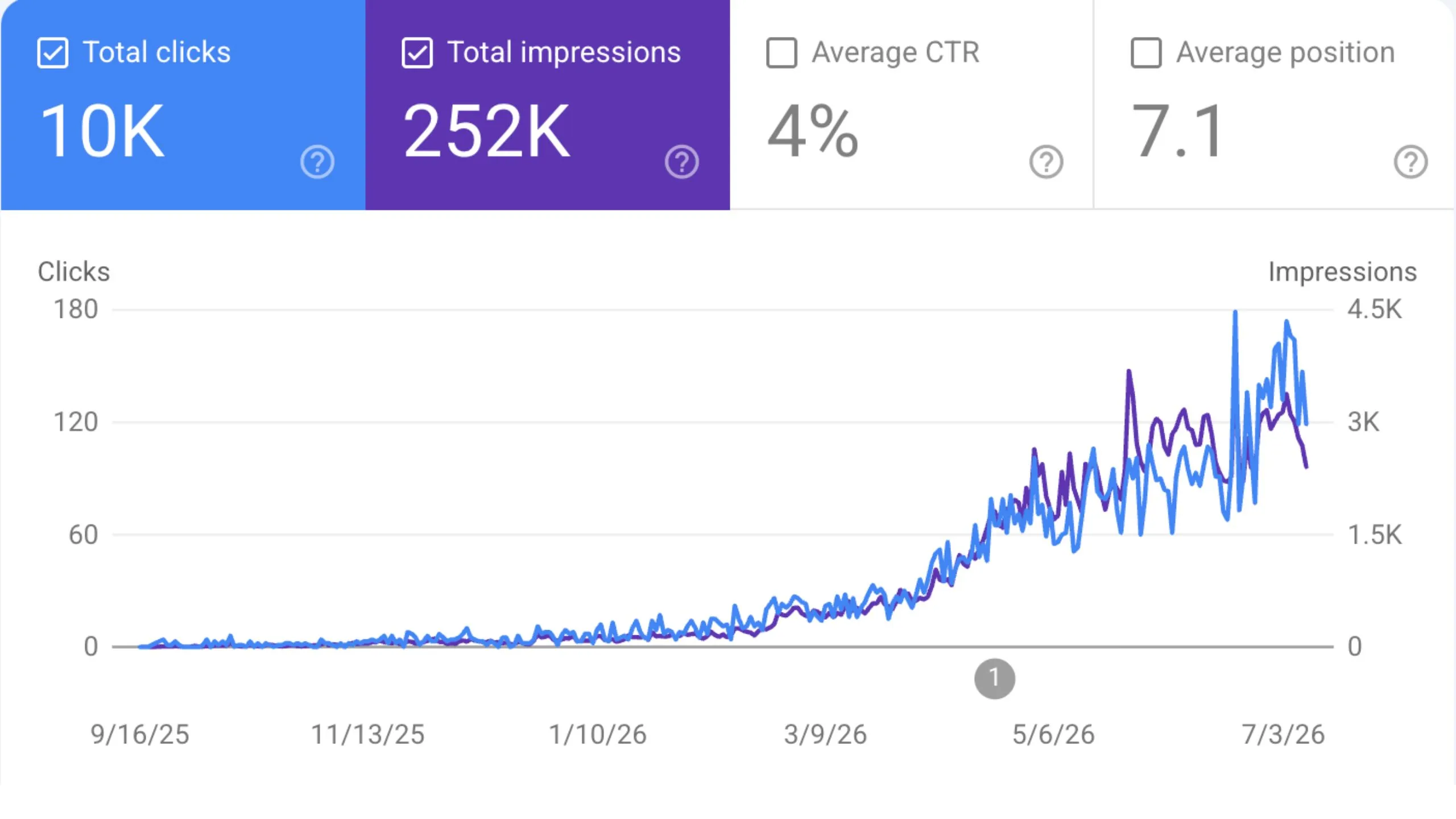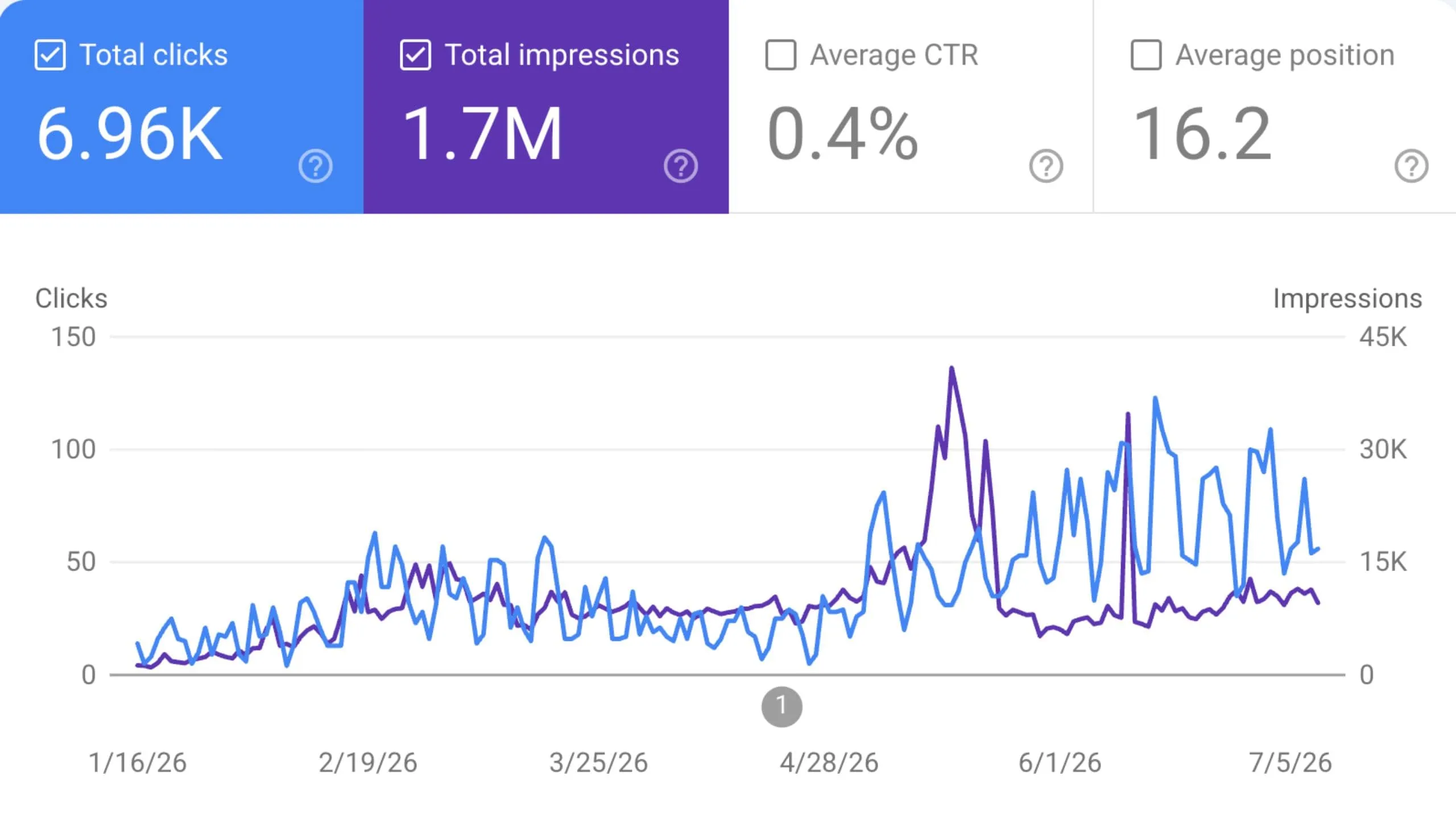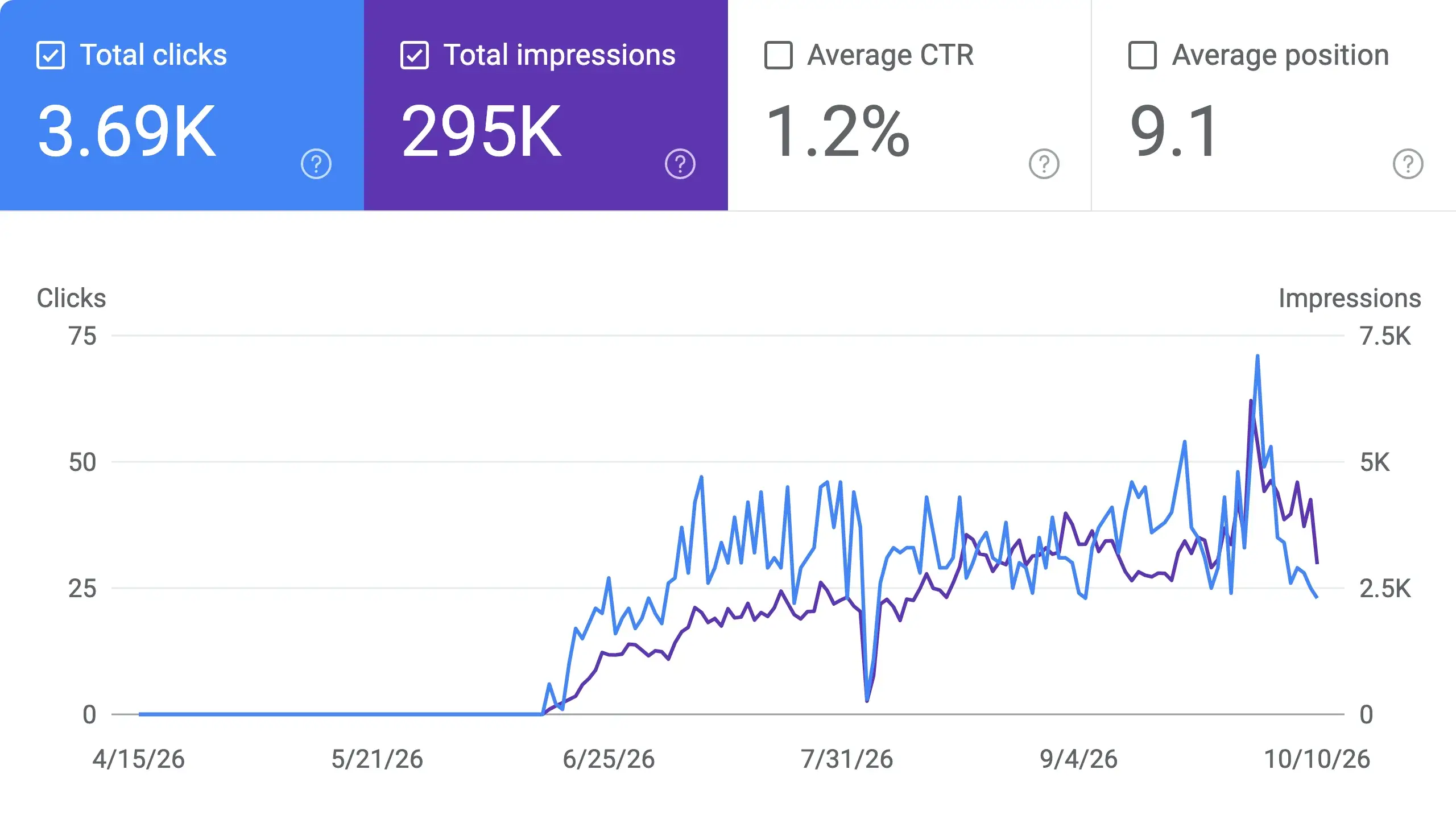












BlogBowl built its reputation as a no-code platform for spinning up SEO-optimized blogs, changelogs, and help centers in minutes, with a built-in newsletter and an open-source codebase that plugs into Framer, Webflow, and custom sites. The pitch resonates with founders and small teams who want a publishing surface live fast without wiring up a headless CMS or hiring a developer. The trade-off, as content tooling matures through 2026, is that a fast publishing layer solves distribution but leaves the harder questions untouched: what to write, which keywords to target, and how to earn visibility in both Google and the AIs that now shape discovery.
Choosing the right BlogBowl alternative is less about how quickly a blog goes live and more about how much strategic intelligence sits behind each published page. A publishing surface gets content online; a research layer decides what deserves to be written; a unified platform connects publishing, research, optimization, and AI visibility in one workflow. The alternatives below span that spectrum, from lightweight publishing and content-generation tools to research-first suites and integrated platforms that treat the blog as one output of a broader visibility strategy rather than the whole story.
Top 10 alternatives to BlogBowl in 2026
1. Sorank
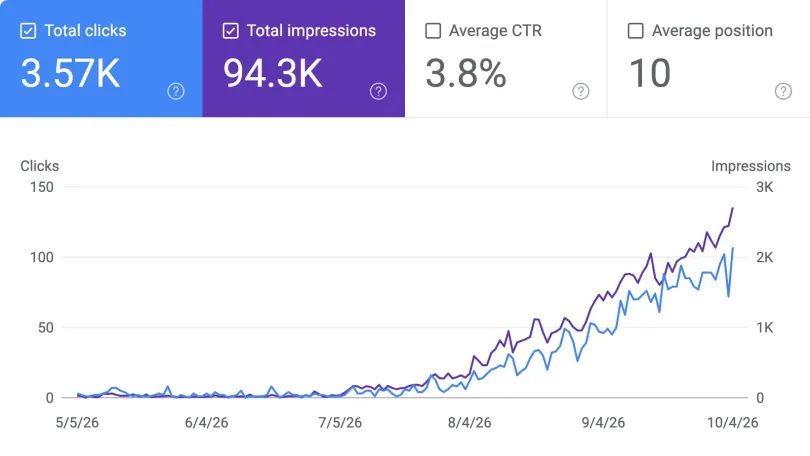
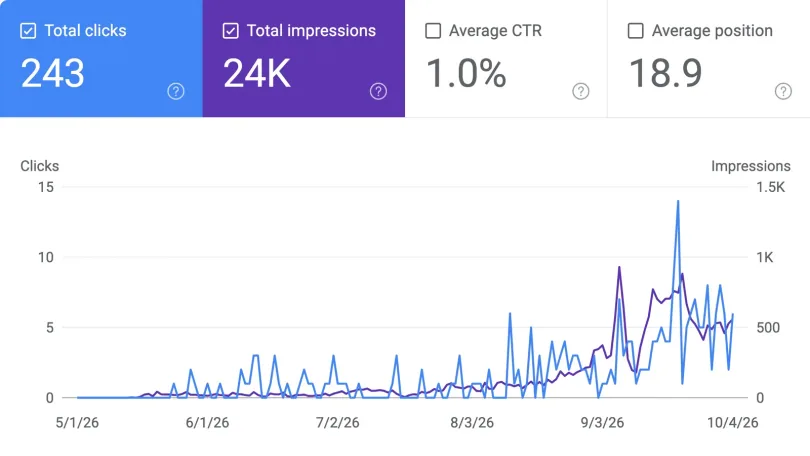
Sorank is a unified GEO and SEO platform that combines AI mention tracking, keyword research, topical clustering, content generation, domain authority tracking, comprehensive SEO audits, and GEO dashboards in one workspace. Where BlogBowl gives teams a fast, no-code surface to publish blogs and help centers, Sorank answers the upstream question of what to publish and why, so every page ships with knowledge of competitive context, search intent, and how the brand already appears across AI assistants.
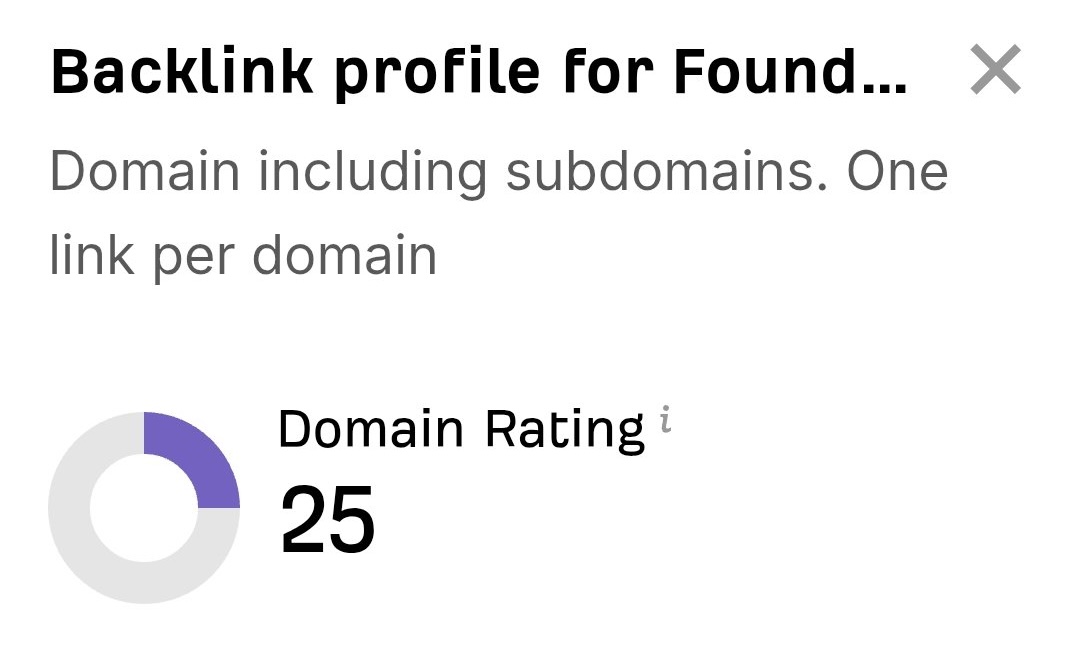
The advantage compounds over time. Teams using Sorank stop juggling a publishing tool, a keyword tool, and a rank tracker, and start executing on integrated intelligence: AI mention data informs content priorities, keyword research feeds both Google and generative visibility plays, and domain authority tracking confirms whether the content is actually moving the needle. Pricing is transparent and scales from solopreneur to enterprise, which makes a complete visibility strategy reachable without enterprise procurement overhead.
2. Outrank
Outrank is an AI-powered SEO content automation platform that handles keyword research, article writing, and auto-publishing on autopilot, with an automated backlink exchange network bolted on. Versus BlogBowl, Outrank focuses on generating and shipping content at volume rather than giving teams a polished publishing surface, which suits operators whose constraint is output rather than design.
3. Rankyak
Rankyak automates the full SEO content pipeline, from keyword discovery to daily article generation and scheduled publishing across integrated CMS platforms. Compared to BlogBowl, Rankyak leans into hands-off automation and content velocity, addressing the production engine rather than the publishing layer that BlogBowl optimizes.
4. Rankloop
Rankloop centers on programmatic SEO and automated link building, helping teams scale content and authority through systematic, repeatable workflows. Versus BlogBowl, Rankloop targets the growth and authority side of the equation rather than the no-code publishing experience, making it complementary for teams that already have a publishing surface in place.
5. Ranklytics
Ranklytics combines content generation with analytics-driven optimization, surfacing which pages and keywords actually drive traffic so teams can double down on what works. Compared to BlogBowl, Ranklytics emphasizes measurement and iteration over fast setup, which fits teams ready to optimize an existing content footprint rather than just launch one.
6. Cuppa AI
Cuppa AI generates SEO-optimized long-form articles with structured outlines, internal linking, and one-click publishing to common CMS platforms. Versus BlogBowl, Cuppa AI addresses the writing and optimization step rather than the publishing infrastructure, pairing naturally with a hosting surface but not replacing the strategic layer.
7. Babylovegrowth
Babylovegrowth combines content generation, backlink building, and AI visibility tracking in one platform, with native monitoring of how the brand surfaces in major language models. Compared to BlogBowl, Babylovegrowth adds the AI mention layer that a pure publishing tool lacks, which matters as generative search becomes a primary discovery channel.
8. AutoRank
AutoRank is an autopilot SEO tool that discovers keywords, writes long-form content, and publishes on a recurring schedule to integrated platforms, optimized for both Google and AI assistants. Versus BlogBowl, AutoRank emphasizes automated content output over the design and structure of the publishing surface, fitting teams that prioritize volume and consistency.
9. Writesonic
Writesonic is a broad AI content generation platform producing marketing copy, landing pages, and blog articles at scale, with templates for nearly every content format. Compared to BlogBowl, Writesonic is wider but shallower on the SEO side, with no native rank tracking, backlink intelligence, or AI mention monitoring, and no dedicated publishing surface.
10. Ahrefs
Ahrefs is the dominant backlink analysis and competitor intelligence platform, with one of the largest link indexes on the web. The site explorer, content gap analysis, and keyword tools are unmatched for understanding why competitors rank. Versus BlogBowl, Ahrefs is research-first rather than a publishing tool, which makes it complementary in many stacks but not a functional replacement for getting content online.
How to choose the right BlogBowl alternative
The right BlogBowl alternative depends on whether the constraint is publishing infrastructure or the strategy that should drive it. Teams that simply need a fast, clean surface for a blog, changelog, or help center will find several no-code options with marginal differences in design and integrations. Teams that have the publishing layer handled but struggle to fill it with content that actually ranks need either a content-generation engine or a research-first suite to decide what deserves to be written. The most efficient long-term move is a unified platform that combines content generation with keyword research, competitive analysis, and AI mention tracking in one workflow, so the publishing surface is fed by strategy rather than guesswork.
The variable many teams miss is generative visibility. A polished blog that ranks on Google still loses ground if the brand never surfaces when buyers ask an AI assistant for recommendations. Publishing speed does nothing for that channel on its own. Platforms that track AI mentions alongside content production make it possible to see whether each page is compounding into real visibility across both classic search and the AIs, rather than just adding pages to a sitemap.
Why Sorank stands out
Sorank integrates content generation inside a complete GEO and SEO platform, so every page is created with knowledge of competitive context, search intent, AI mention patterns, and topical authority gaps. Where BlogBowl solves the no-code publishing problem and stops there, Sorank addresses the strategic question of what to publish, which positions to target, and how each page contributes to long-term domain authority backed by transparent metrics. For teams ready to move beyond a fast publishing surface toward integrated content strategy, the platform delivers the architectural shift that a standalone blog builder cannot match.