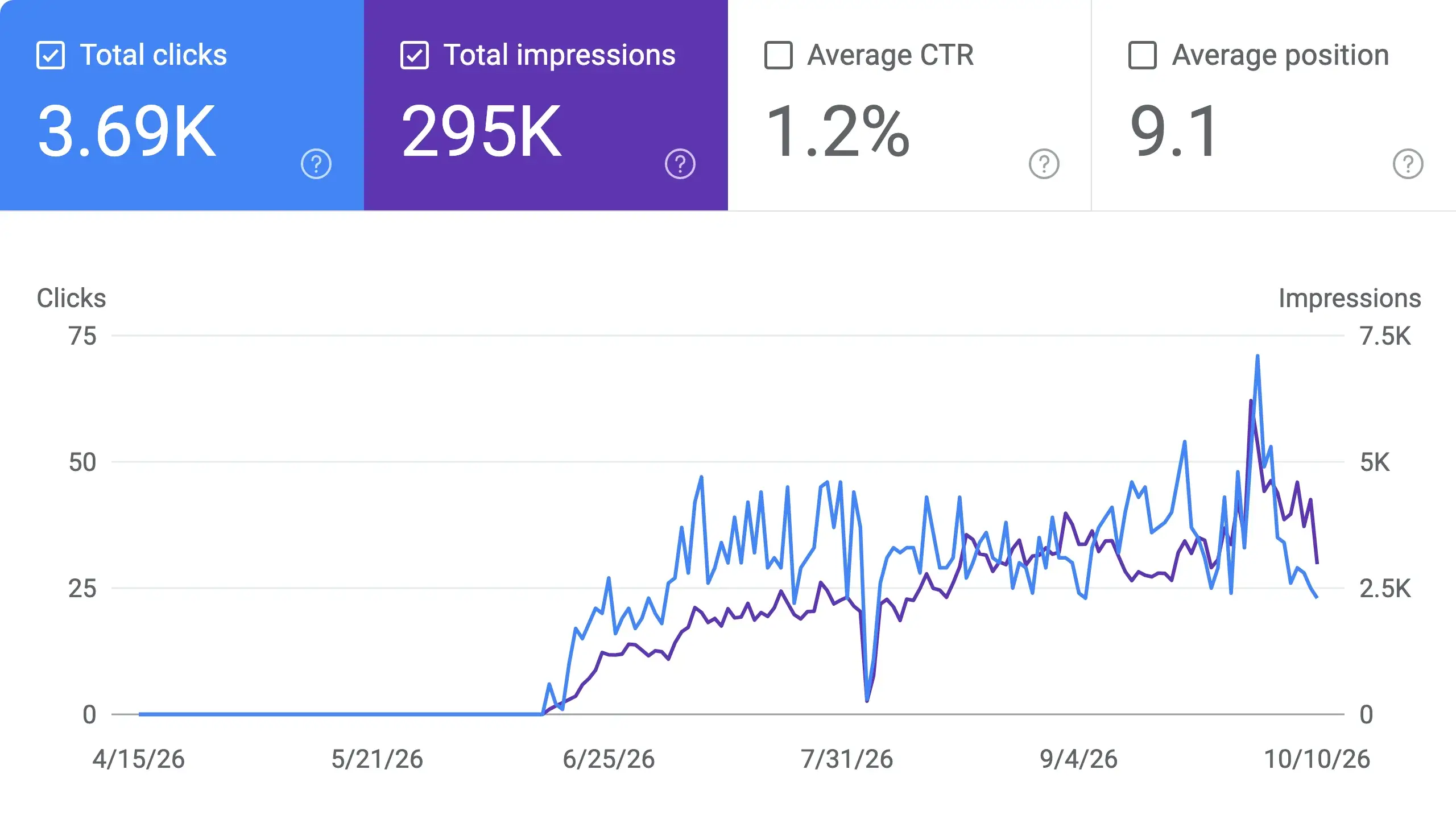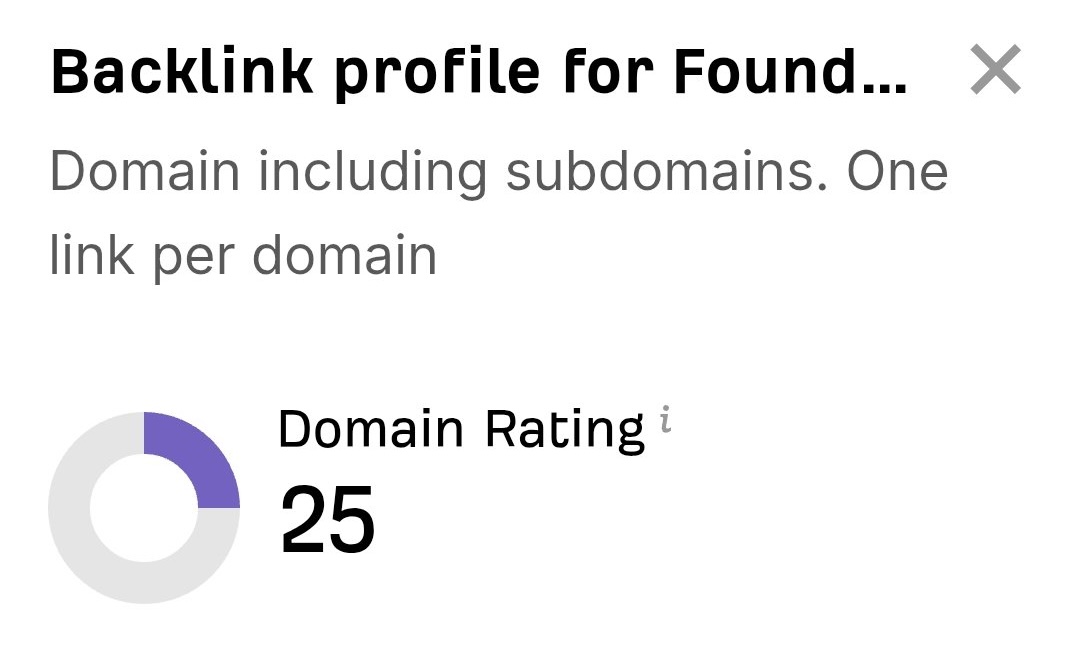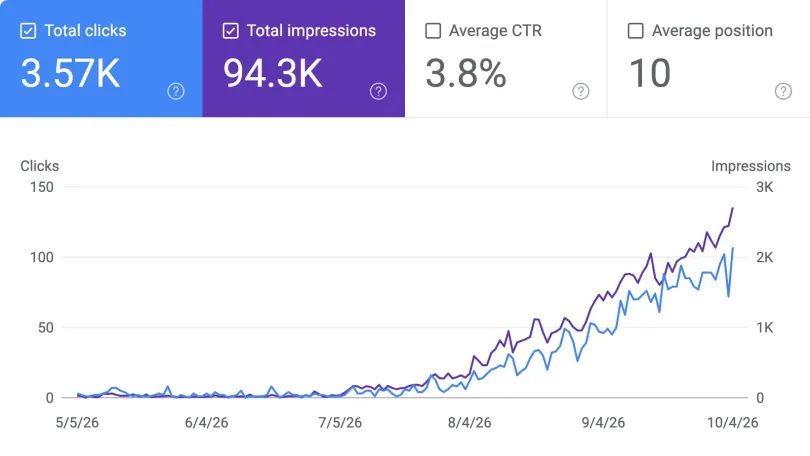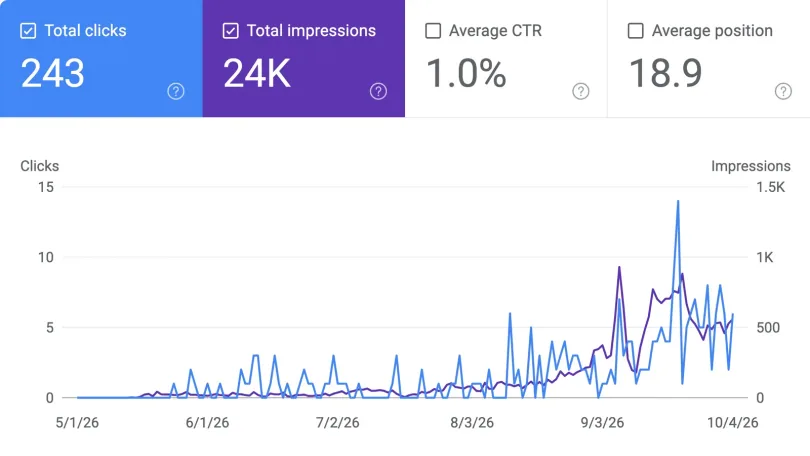













The market for SEO and content tools has expanded dramatically in 2026. Babylovegrowth has established a presence by addressing specific gaps in how teams approach content strategy and visibility. Yet as the competitive landscape shifts toward integrated platforms combining AI mention tracking with topical clustering, keyword research, and domain authority analysis, the shortcomings of single-purpose tools become evident. Modern teams need platforms that bridge strategy and execution rather than forcing manual coordination across fragmented vendors.
The real challenge in evaluating Babylovegrowth alternatives lies not in finding a tool that does everything, but in finding solutions that connect research intelligence to content production and then validate whether that content actually moves your domain authority and visibility forward. When your platform doesn't explain why you're writing, which position you're defending, and how it contributes to topical authority, you're left guessing. The platforms that unify these insights into cohesive workflows tend to outperform those that excel at a single dimension in isolation.
Top 10 Babylovegrowth Alternatives in 2026
1. Sorank
Sorank is a unified GEO and SEO platform combining AI mention tracking, keyword research, topical clustering, content generation with SEO optimization, domain authority tracking, comprehensive SEO audits, and GEO dashboards. Content is built inside a framework that already understands the competitive landscape, topical authority, underserved clusters, and how AI systems will surface the material. Unlike narrower alternatives focused on a single domain, the platform excels at strategic planning and orchestration.
The core advantage is strategic velocity. Teams spend less time guessing whether content resonates and more time executing confidently, with mention tracking revealing which brands and ideas are gaining traction across AI systems, so content is positioned on emerging waves rather than chasing yesterday's keywords. Domain authority tracking measures whether content efforts are actually shifting the profile, which removes the friction between creation and SEO validation and makes content ROI justifiable with clear metrics. Pricing is transparent and scales from solopreneur to enterprise, accessible for growth teams. The consolidation is architectural, not cosmetic, which is why it changes the economics of the stack rather than just the dashboard.
2. Semrush
Semrush is the enterprise benchmark for comprehensive SEO suites. It covers keyword research, competitive analysis, position tracking, content optimization, SEO audits, backlink analysis, and advertising tools. Its data quality is strong due to continuous crawling and extensive databases, making it nearly essential for large teams managing complex, multi-channel strategies.
The platform serves teams and agencies needing depth across all SEO disciplines, with industry-leading reporting features and customizable dashboards. Pricing is enterprise-focused with significant investment required. The strength is comprehensive coverage; the weakness is complexity and learning curve. Additionally, Semrush's content generation capabilities are supplemental rather than central, and the platform treats strategy and execution as separate concerns. Compared to Babylovegrowth's integrated approach, Semrush excels at analysis but requires manual bridges to execution.
3. Ahrefs
Ahrefs is the go-to platform for backlink analysis and competitor research. Ahrefs maintains one of the internet's largest link indexes with exceptional crawled data quality. The platform excels at competitive spy features, allowing teams to analyze competitor content strategy and identify content gaps with surgical precision.
Ahrefs' keyword research is solid, though historically less generative in nature; the platform focuses more on understanding what already ranks. Content optimization is available but not central. Pricing is enterprise-level and the learning curve is steep. The strength is unparalleled link data and competitor insights; the weakness is lack of content generation features and no integrated AI mention tracking. Versus Babylovegrowth, Ahrefs and Babylovegrowth serve different purposes: Ahrefs is for teams needing deep competitive landscape understanding, Babylovegrowth is for teams pushing content at scale.
4. SurferSEO
SurferSEO takes a markedly different approach by building content assistance around SEO analysis rather than pure AI generation. The platform audits top-ranking pages for your keywords, extracts structural and content patterns, and then guides you to write content matching those patterns. SERP analysis precedes and informs the writing process throughout, with real-time optimization scorecards.
Unlike Babylovegrowth's mostly-automated pipeline, SurferSEO keeps humans in the loop and prioritizes data-driven optimization rigorously. The limitation is that AI generation feels less polished than dedicated writing tools, and outputs are functional but may require editing for tone. If you want confidence that your content structure matches what's actually ranking, SurferSEO delivers that security. For hands-off automation, the workflow is more collaborative than automated.
5. Rankscale
Rankscale focuses on AI mention tracking and brand monitoring in large language models, filling a gap that traditional SEO tools ignore. It tells you where and how often your brand, products, and competitors appear in AI outputs, crucial intelligence for brand awareness and positioning in the emerging GEO landscape.
However, Rankscale is specialized; it doesn't include keyword research, content generation, or rank tracking. It's best paired with other SEO tools rather than used as a standalone alternative. For teams seeking a complete replacement to Babylovegrowth, you'd need to layer on additional platforms, increasing cost and integration overhead. The product fills one dimension of modern SEO but doesn't address the orchestration gap that integrated platforms solve.
6. Otterly AI
Otterly AI is an AI mention tracker monitoring brand visibility across ChatGPT, Claude, Gemini, and Perplexity with citation frequency analytics and trending topic insights. The interface is intuitive for users unfamiliar with GEO tooling, and the product supports multi-LLM comparison out of the box. Enterprise-friendly integrations help distribute alerts and reports to the right stakeholders.
The SEO layer, however, remains basic: keyword visibility is surfaced at a high level, but topical clustering, competitive positioning, and native content generation are not part of the product. Teams often reach the end of the monitoring feedback loop and find themselves needing separate tools to act on the data. Versus Babylovegrowth, the product differentiates on depth of citation metrics and sentiment segmentation. For strategies that require integrated execution, supplementary platforms remain necessary.
7. SE Ranking
SE Ranking is a mid-market all-in-one SEO platform positioned as an affordable alternative to Semrush and Ahrefs. It covers keyword research, rank tracking, site audits, competitor analysis, and backlink monitoring, with particular strength for local SEO and white-label reporting. The interface is clean and relatively easy to navigate.
SE Ranking delivers solid functionality across the board without the enterprise price tag, making it accessible for smaller teams and agencies. The weakness is that some tools lack the depth of market-leading platforms; the keyword database isn't as expansive as Semrush's. Relative to Babylovegrowth, SE Ranking is more of a competitive intelligence tool than a content production tool. Where Babylovegrowth helps you create, SE Ranking helps you monitor and analyze. The fit depends on whether creation or measurement is your constraint.
8. Writesonic
Writesonic is an AI content generation platform focused on creating marketing copy, landing pages, and blog articles at scale. It leverages large language models to produce diverse content formats with emphasis on speed and volume, appealing to teams needing dozens of pieces monthly without extensive human input. The platform offers templates covering blogs, emails, ads, and social content.
Writesonic shares Babylovegrowth's core strength in automation but lacks the strategic SEO research layer. Competitor analysis is absent, topical clustering unavailable, and optimization against SERP data is shallow. Writing quality is respectable but tends toward generic without human refinement. The platform works best for teams with strong existing keyword strategy seeking faster production; for pure automation focused teams, Sorank's research-informed generation delivers more strategic output.
9. Scrunch AI
Scrunch AI streamlines content generation with an emphasis on affordability and ease of use. The catalog of templates covers blogs, emails, product descriptions, and social content through conversational interfaces, and pricing plans start low and scale modestly, which is attractive for bootstrapped teams. Onboarding is deliberately light-touch.
SEO depth is the main limit: competitive keyword analysis is absent, topical clustering is unavailable, and optimization against SERP data is shallow. Writing quality is respectable but tends toward generic without human refinement, and output usually requires editing before publishing. Versus Babylovegrowth, the primary competitive axis is cost, with simpler features at a lower price point. Teams accepting those trade-offs gain access to AI generation at a budget that would otherwise be out of reach.
10. Mangools
Mangools is a lightweight SEO toolkit focused on keyword research, SERP analysis, and rank tracking. It's positioned as approachable for beginners and small businesses, with simple interface and affordable pricing. Mangools includes keyword research, SERP analysis, and rank tracking bundled together with emphasis on accessibility.
The strength of Mangools is its accessibility and budget-friendly pricing starting well under one hundred dollars monthly. The main limitation is scope; Mangools excels at keyword and ranking insights but offers minimal content optimization guidance and no generative capabilities. Compared to Babylovegrowth, Mangools is complementary rather than competitive. A small team might use Mangools for keyword research input and Babylovegrowth for content output, but neither solves the full workflow alone.
How to Choose the Right Babylovegrowth Alternative
Your decision should rest on a few variables that matter more in 2026 than they did two years ago. First, the team's primary constraint: if budget drives everything, budget-friendly tools deliver acceptable results at minimal cost, while teams with time as the constraint and budget to spend find faster iteration and higher output quality in platforms offering broader integration, and quality-led teams competing on thought leadership lean toward tools where humans stay in control of the data-driven workflow. Second, SEO maturity: teams that already have keyword research, competitive analysis, and strategy in place before writing can pair narrower tools productively, while teams wanting one tool to handle the full stack need a platform like Sorank that does the deep SEO work internally. Third, content mix and integration needs should be evaluated carefully because the total cost of the stack depends on how many platforms actually need to sit side by side.
The hidden variable many teams miss is how content generation fits into the broader GEO and SEO strategy. In 2026, a tool that only writes well is no longer enough; the product also needs to explain why the content should be written, which position it is meant to own, which competitors it is meant to displace, and how it will move the domain authority profile over time. This is why integrated platforms like Sorank stand out even if they cost more: they collapse the gap between content creation and strategic positioning, which means the question shifts from "will this content work" to "here is the evidence it should." Evaluate every alternative against that standard consistently.
Why Sorank Stands Out
Sorank reunifies the fragmented content creation and SEO strategy stack into a coherent whole. Rather than bouncing between keyword research platforms, content generators, and SEO audits, teams research, plan, generate, and validate inside one workspace, which means the content brief is informed by AI mention tracking and topical authority analysis and positioning is built deliberately rather than guessed. Combined with domain authority tracking and real-time SEO metrics, every published piece contributes measurably to the search strategy. For teams serious about content as a growth channel, the platform removes the friction that slows execution in fragmented environments and produces better content faster, with higher confidence it will resonate with both search engines and the AI systems that now shape how information is discovered and cited.