










ContentForce focuses on a problem most content-heavy sites share: older blog posts lose rankings as search results change, and refreshing them by hand takes hours per article. The platform connects to WordPress, imports your posts, compares them with the pages ranking today on Google and with what AI answers expect, then writes an update or a full new article. Every change goes through a review step before anything touches the live site.
The tool is aimed at individual bloggers, in-house content teams and agencies that maintain hundreds of posts across several WordPress sites. What sets it apart is the editorial safety layer: side-by-side diffs, version history, one-click rollback and read-only review links that you can send to a client or a manager without giving them an account. It runs on Claude and Gemini models, with no API keys to manage.
What ContentForce does
The workflow follows five steps (sync, analyze, refine, review, publish). Features shown on the site in October 2026:
- WordPress sync: connect sites, import posts and keep each update tied to the original WordPress content.
- AI analysis and update plan: live SERP analysis, entities, content gaps, heading fixes and structured improvement suggestions, optimized for Google and for AI answers (AEO and GEO).
- Article creation and refresh: one update credit produces a full new article or a full refresh, from SERP analysis to a publish-ready draft.
- Chat refinements: adjust tone, structure and details in natural language, with optional web research.
- Diff view, version history and rollback: approve each change side by side and restore a previous version if needed.
- Shareable read-only reviews: secure links for stakeholders who need to approve without editing.
- Content calendar and scheduled updates: queue updates, batch them and publish now or later.
- 12 free AI tools without signup: outline, title, headline, meta description, SEO title, paragraph, intro, conclusion and FAQ generators, paragraph and tone rewriters, article summarizer.
ContentForce pricing in 2026
ContentForce uses a credit model and bills in euros. Update credits cover full article creation or refresh; refinement credits cover smaller edits and image generation. Prices read on the pricing page in October 2026:
- Starter: €49 per month. 10 update credits, 40 refinement credits, 3 WordPress sites, email support and standard templates.
- Professional: €129 per month. 35 update credits, 150 refinement credits, 10 WordPress sites, 3 team members, chat support, custom templates, version history, team collaboration and advanced analytics.
- Scale: €299 per month. 100 update credits, 600 refinement credits, unlimited WordPress sites, 10 team members, phone support, white-label option, API access, custom integration and an SLA guarantee.
A yearly billing option advertises a 17% saving, but the yearly amounts are not displayed on the page. All plans include a 7-day free trial, cancellation at any time, payment through Stripe and GDPR compliance. There is no permanent free plan, but the 12 free writing tools can be used without an account.
ContentForce pros and cons
Pros
- Every change is reviewed in a diff, with version history and one-click rollback.
- Live SERP analysis and gap research for each article, with optimization for AI answers.
- Read-only review links make client or manager approval easy.
- Multi-site management from Starter (3 sites) up to unlimited sites on Scale.
- A 7-day free trial and 12 free writing tools.
Cons
- Only WordPress is supported; Shopify, Webflow or other CMS users cannot connect.
- Starter includes 10 update credits a month, so 10 full articles or refreshes.
- Publishing always waits for a manual approval, so the tool does not run on full autopilot.
- No tracking of brand mentions in ChatGPT, Perplexity or Gemini is shown.
- No keyword research, rank tracking or backlink features appear on the site.
The best ContentForce alternatives
1. Sorank
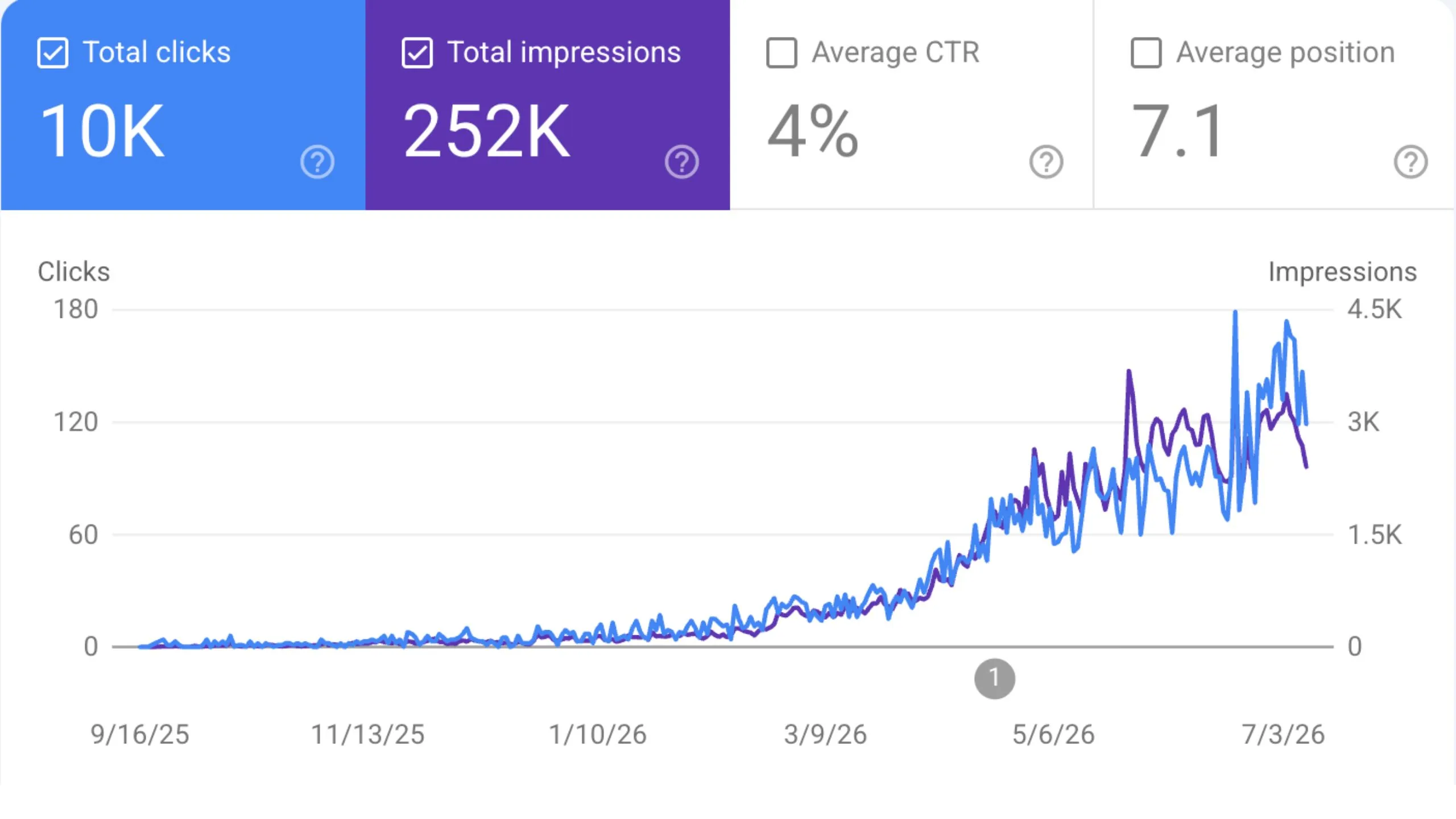
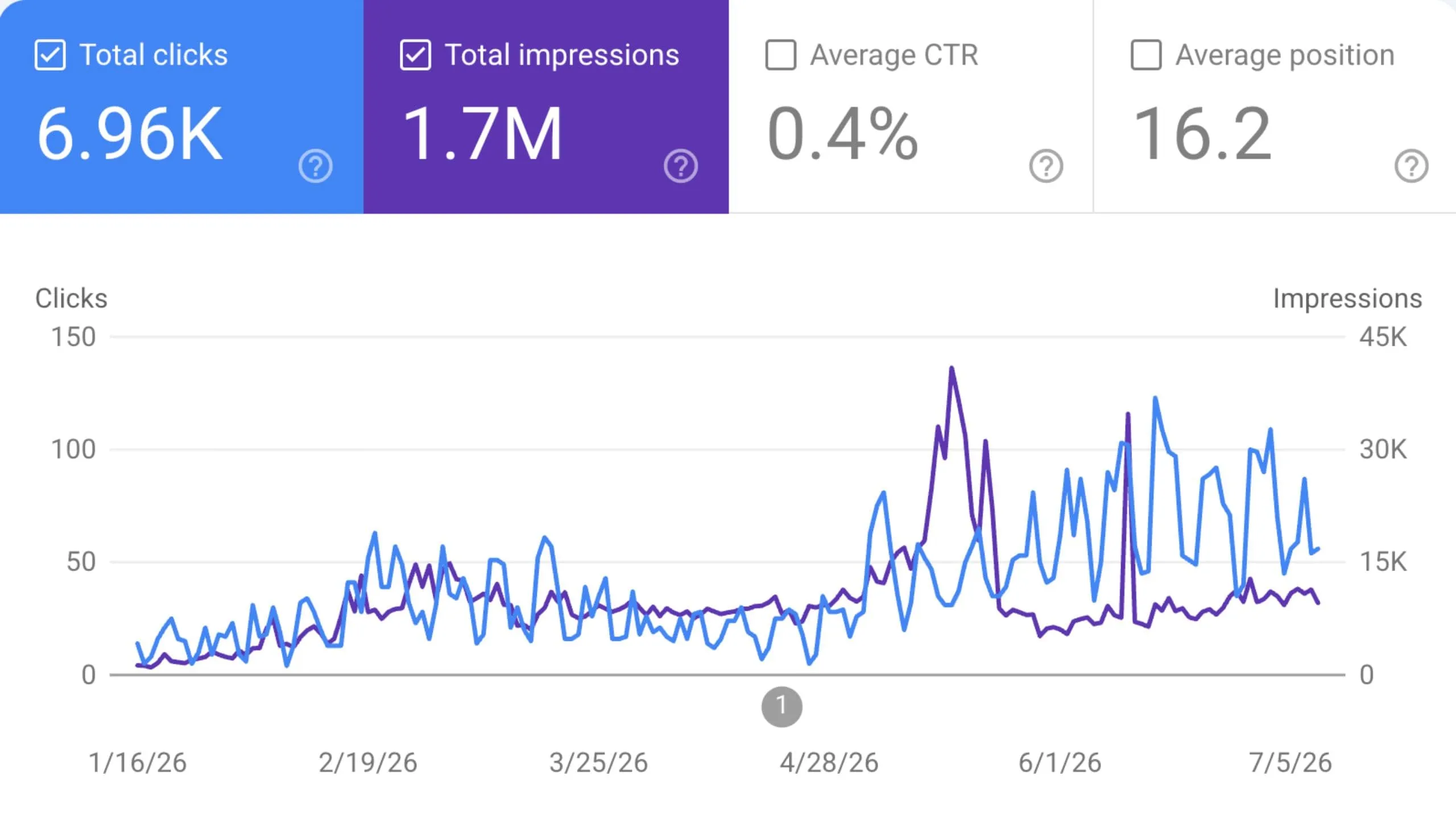
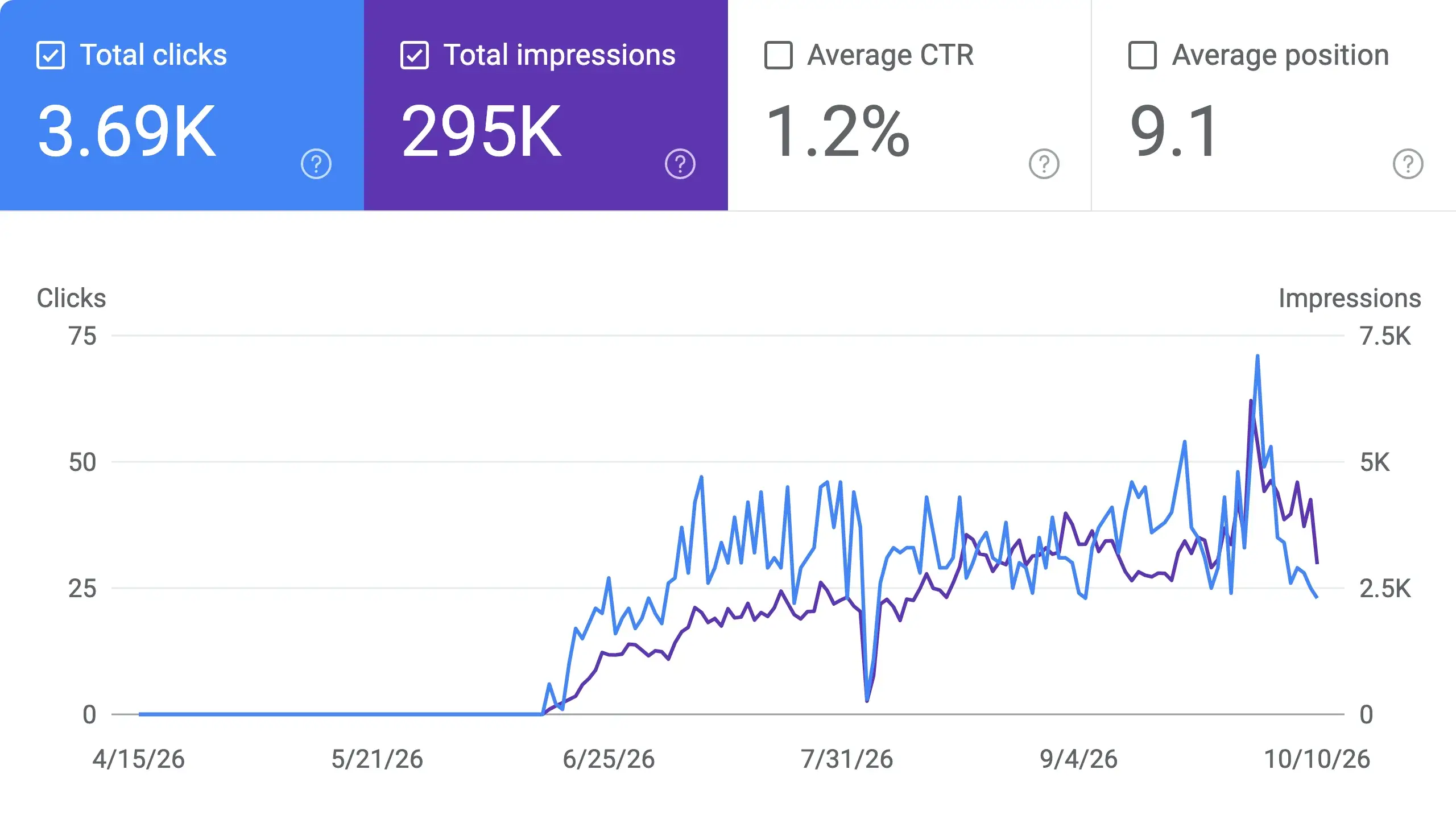
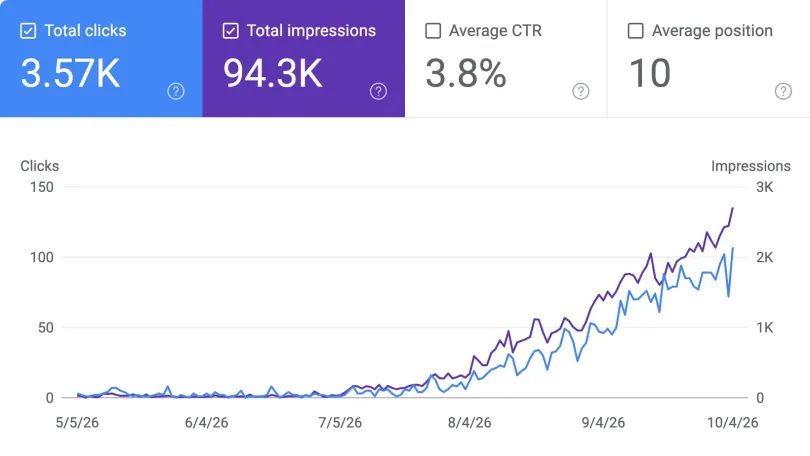
A ContentForce user who wants to go beyond refreshing WordPress posts will find in Sorank an autopilot SEO and GEO software that handles the whole chain: it finds the keywords, builds topic clusters, then writes, illustrates and publishes the articles on more than 10 CMS, including WordPress, Shopify and Webflow, with internal linking, anti-cannibalization and fact checking. Keyword research, search intent and query fan-out are built in, backed by data from thousands of sites and hundreds of millions of keywords. Plans include 20 articles per month on Essential, 60 on Pro and 120 on Business.
Sorank also covers what ContentForce leaves aside. Each week it asks the AI the questions your customers ask (25 prompts on ChatGPT, Claude and Gemini with Essential, 50 with Perplexity and Grok added on Pro, 150 on Business) and shows whether your brand appears, which brands are cited instead and which sources the AI rely on. Backlinks come from a network of direct, one-way links between the sites of more than 5'000 users, with credits earned by hosting links (100 credits per month on Pro, 300 on Business). You also get a unified GEO and SEO dashboard, a weekly read of up to 5 competitors, an MCP connector, white label for agencies, free SEO tools and a free Chrome extension. Pricing: $99, $249 or $499 per month, or $49, $129 and $249 per month on annual billing, with no commitment, a 3-day free trial and a 90-day money-back guarantee.
2. ClickFlow
ClickFlow presents itself as continuous SEO that plans, writes and reports. It is close to ContentForce in spirit, with a strong focus on improving pages that already get traffic.
3. SurferSEO
SurferSEO scores a page against the top results and guides writers on terms, structure and length, and now adds AI visibility features. It suits teams that prefer to keep writing themselves with a live content score.
4. Frase
Frase is an SEO and GEO content platform that builds briefs from search results and helps optimize drafts. It fits writers who want research and outlines before drafting.
5. Clearscope
Clearscope grades content for relevance and coverage and is used by editorial teams with their own writers to keep articles competitive on Google and in AI answers. It suits teams that already have an editing process.
6. Koala AI
Koala AI generates long SEO articles from a keyword and can publish to WordPress. It suits site owners who mostly need new articles rather than a refresh workflow.
How to choose between ContentForce and Sorank
ContentForce is the right fit for a WordPress publisher or agency with a large library of existing posts that wants to refresh them against current search results, keep a human approval on each change and share read-only reviews with clients. The €49 Starter plan covers 10 full updates a month.
Sorank is the better match if your site is not on WordPress, if you want new articles planned and published without approving each one, or if visibility in AI answers and backlinks matter as much as on-page content. Look at your CMS, the number of new articles you need each month, whether you need to know what ChatGPT, Claude or Gemini say about your brand, and whether you want to drive the tool from an assistant through MCP. Results with Sorank generally show after 2 to 4 months, and the 3-day free trial lets you see the workflow on your own site.