










Content Zen describes itself as a content platform built for scale, with one promise: put your content on autopilot. The tool takes a list of keywords, URLs or YouTube videos, writes articles optimized for Google and for AI answers, illustrates them and publishes them on a schedule across one or many websites. A review queue lets you check articles before they go live if you want to keep a hand on quality.
Its audience is clearly volume-driven: agencies producing content for many clients, publishers filling niche sites, and e-commerce teams managing several stores. What distinguishes it from many AI writers is the combination of three elements: training on your existing content library to match your tone, bulk publishing to WordPress, Webflow, Shopify and more than 50 platforms, and a hosted blog option for sites that have no blog yet. Pricing is tied only to the number of articles, with every feature included in every plan.
What Content Zen does
The site groups its features into content generation, scale and hosting. Features visible in October 2026:
- AI article generation in several article types, from keywords, from other URLs or from YouTube videos.
- Brand voice: custom training on your content library, style guidelines for tone and formatting.
- SEO and GEO optimization: keywords, meta tags and structure handled in each article, with models that use real-time data from search results.
- Bulk keyword upload through a CSV file.
- AI images with DALL-E, Flux or GPT Images, with pre-built styles, or stock photos from Unsplash and Pexels.
- YouTube video integration inside articles.
- Scheduler and bulk publishing: specific days, weekly patterns or recurring schedules, across WordPress, Webflow, Shopify and 50+ platforms, with a WordPress auto mode.
- Multi-site management under one user, with a review queue before publishing.
- Hosted blog: a managed blog with custom themes and a built-in CMS, set up in one click.
- Webhook and email notifications for each generated content item.
Content Zen pricing in 2026
Content Zen sells monthly plans by article volume, in US dollars. Prices read on the pricing page in October 2026:
- 20 articles per month: $79 (10 keywords), or $3.95 per article.
- 50 articles per month: $149 (25 keywords).
- 120 articles per month: $299 (75 keywords).
- 250 articles per month: $549 (125 keywords).
- 500 articles per month: $999 (200 keywords).
All plans include image generation, stock images, YouTube integration, multiple article types, the scheduler, multi-domain support, WordPress integration and the webhook. The page promises no hidden fees and cancellation at any time. No free trial, free plan or annual discount is shown on the pricing page.
Content Zen pros and cons
Pros
- The cost per article drops as volume grows, which suits agencies and site networks.
- Brand voice training on your own articles to keep a consistent tone.
- Publishing to WordPress, Webflow, Shopify and many other platforms, plus a hosted blog.
- Several content sources: keywords, existing URLs and YouTube videos.
- Every feature is included in every plan.
Cons
- No free trial is mentioned on the site.
- Keywords come from you: no keyword research, gap analysis or topic cluster planning is shown.
- No tracking of brand mentions in ChatGPT, Perplexity or Gemini.
- No backlink acquisition, SEO audit or rank tracking features.
- No annual billing option is displayed.
The best Content Zen alternatives
1. Sorank
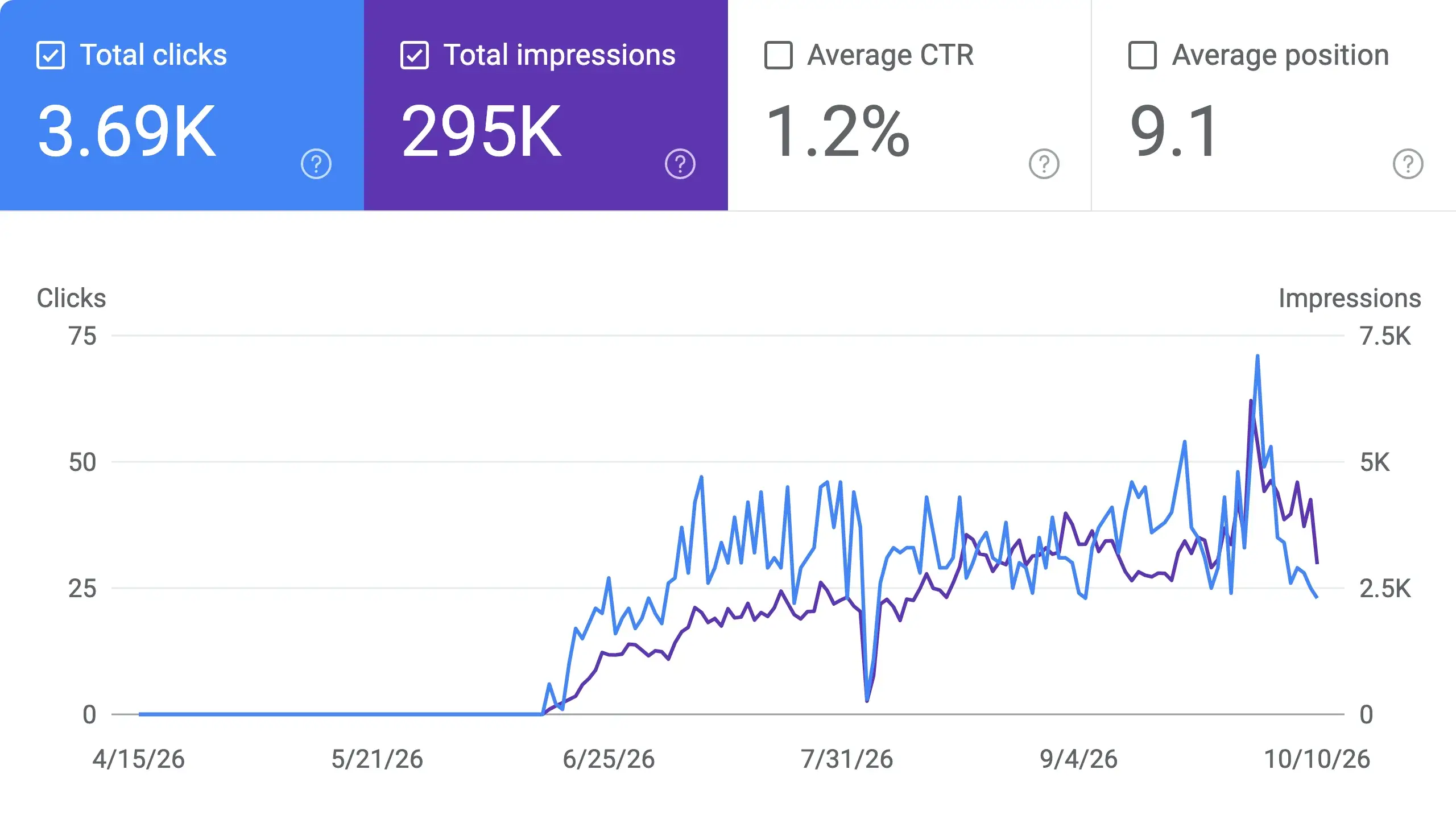
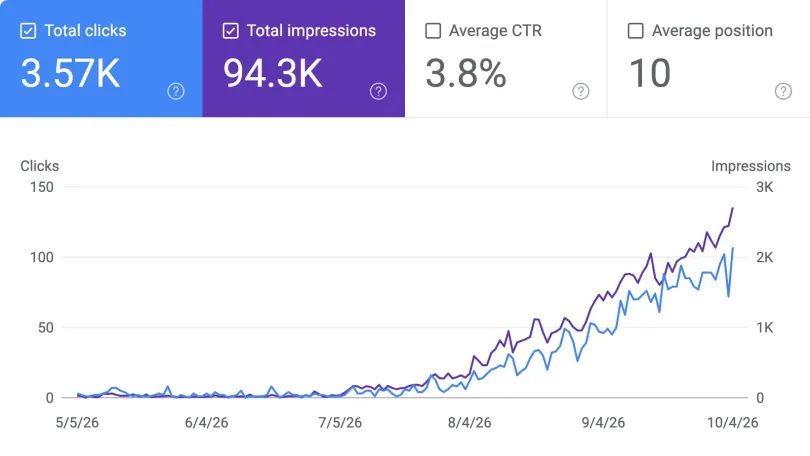
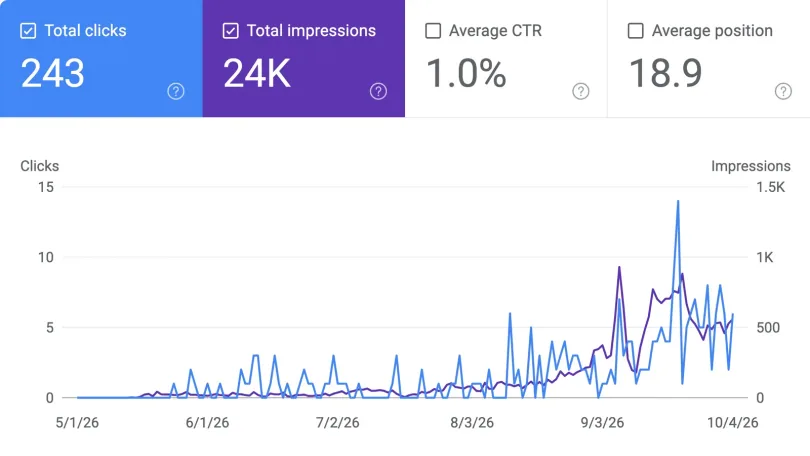
For a Content Zen user who wants the keyword plan built for them, Sorank also handles the work before writing: it finds the keywords, analyzes search intent and the query fan-out of the AI, builds topic clusters, then writes, illustrates and publishes the articles on more than 10 CMS, including WordPress, Shopify and Webflow, with internal linking, anti-cannibalization and fact checking. Its data comes from thousands of sites and hundreds of millions of keywords. Plans include 20 articles per month on Essential, 60 on Pro and 120 on Business.
Sorank also measures what the content produces. Each week it asks the AI the questions your customers ask (25 prompts on ChatGPT, Claude and Gemini with Essential, 50 with Perplexity and Grok added on Pro, 150 on Business) and shows whether your brand is mentioned, which brands are cited instead and which sources the AI use. Backlinks come from a network of direct, one-way links between the sites of more than 5'000 users, using credits earned by hosting links (100 per month on Pro, 300 on Business). You also get a unified GEO and SEO dashboard, a weekly read of up to 5 competitors, an MCP connector, white label, free SEO tools and a free Chrome extension. Pricing: $99, $249 or $499 per month, or $49, $129 and $249 per month on annual billing, no commitment, 3-day free trial and 90-day money-back guarantee.
2. Byword
Byword is an AI article writer designed for SEO at scale, generating large batches of articles from keyword lists. It is the closest match if bulk production is your main goal.
3. Autoblogging
Autoblogging generates articles optimized to rank in one click and can post them to WordPress. It suits site owners who want a straightforward writer with publishing built in.
4. SEO Writing
SEO Writing produces SEO articles in one click and supports bulk generation with automatic posting. It fits niche site builders who work from keyword lists.
5. Outrank
Outrank aims to grow organic traffic on autopilot by publishing articles on a regular schedule. It suits small businesses that want a steady flow of posts with little setup.
6. Machined
Machined automates content clusters: it groups keywords into topics and writes interlinked articles. It is a good pick if you want structured clusters rather than isolated posts.
How to choose between Content Zen and Sorank
Content Zen fits an agency or publisher that already knows which keywords to target, needs dozens or hundreds of articles a month across many sites, and wants the lowest cost per article with brand voice matching. Its hosted blog is also handy for a client site that has no blog yet.
Sorank fits a company that wants the strategy handled too: finding keywords, building clusters, avoiding cannibalization and linking articles together, then checking every week how ChatGPT, Claude and Gemini talk about the brand and earning backlinks through a user network. Compare the number of articles you really need, whether you have a keyword plan already, how much visibility in AI answers matters, and your budget: $99 per month for 20 articles with Sorank Essential, or $49 on annual billing, against $79 for 20 articles with Content Zen. Results with Sorank generally show after 2 to 4 months, and the 3-day free trial lets you test it on your site.