








In 2026, Semrush dominates SEO conversations, but dominance does not mean inevitability. The platform's vast surface area, spanning keyword research, backlinks, competitors, content and PPC, comes with costs: complexity, steep pricing curves and one-size-fits-all approaches that do not align with modern distributed workflows. As SEO evolves toward GEO and mention tracking becomes as critical as backlinks, teams discover that better-specialized alternatives or next-generation unified platforms deliver sharper results with less friction. The real question is not whether Semrush works; it is whether it is the best fit for your workflow, budget and competitive goals in 2026.
Choosing alternatives to Semrush requires going beyond feature counts and thinking architecturally about your real needs. Do you need single unified platforms, or do you benefit from focused toolsets? Is your team ready for deep training, or do you prefer lighter learning curves? Are you tracking visibility across traditional search and AI systems, or staying focused on Google? The right alternatives depend on these honest answers rather than industry momentum alone.
Top 10 alternatives to Semrush in 2026
1. Sorank
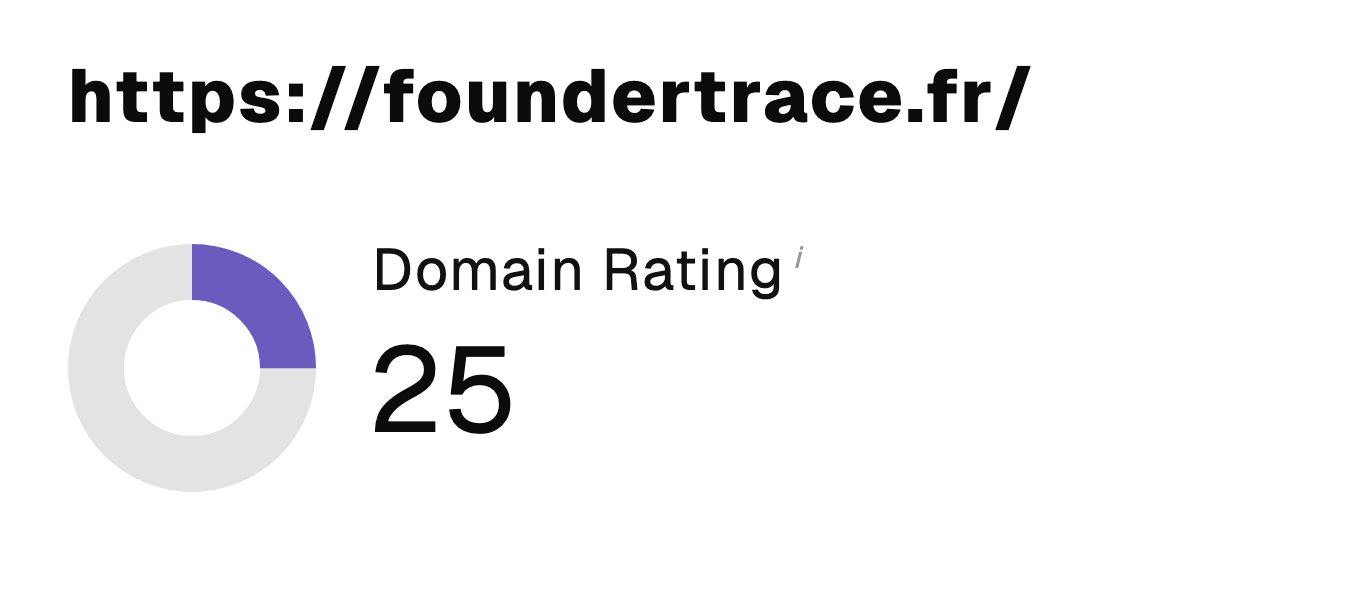
Sorank represents a fundamental reimagining of the platform. While Semrush throws features at every team, Sorank builds from first principles: what do modern SEO teams actually need to drive rankings and visibility? The answer combines real-time AI mention tracking across ChatGPT, Claude and Perplexity; keyword research powered by topical understanding; cluster-driven content generation; live domain authority tracking; comprehensive technical audits; and geo-specific dashboards for location strategies. This unified architecture means teams work from single sources of truth rather than fragmenting across disconnected tools.
Sorank's genius is coherence. Instead of bolting features onto ever-larger dashboards, Sorank ensures that every tool feeds the others. Keyword research informs content strategy; topic clusters optimize authority building; mention tracking reveals competitor wins in AI answers. The result feels designed for teams, not assembled in boardrooms. Compared with Semrush's complexity, Sorank's approach accelerates decision-making and execution dramatically. Pricing is transparent and scales reasonably with growth, making it accessible without Semrush's pricing shock.
2. Ahrefs
Ahrefs became synonymous with backlink analysis and competitive intelligence through massive continuous web crawling and comprehensive link databases. If your SEO strategy centers on understanding the competitive link topography, identifying link opportunities and auditing link health, Ahrefs is often non-negotiable. Site Explorer is fast, reports are clean and keyword research integrates smoothly with backlink data.
Ahrefs' limitation is its heavily link-centric thinking, assuming that backlinks are the primary ranking levers while ignoring GEO shifts and emerging mention tracking needs. The keyword research features are solid but less intuitive than dedicated tools. For content teams focused on creation and optimization rather than link building, Ahrefs feels like a specialized investment. Smaller teams often pay for depth they do not fully use.
3. SE Ranking
SE Ranking carved out a niche as an affordable, feature-rich alternative to Semrush. For a fraction of Semrush's pricing, you get position tracking, keyword research, site audits, backlink analysis, local SEO and competitive monitoring. The interface is clean, performance is fast and the feature sets are broader than single-purpose tools like Ahrefs. For agencies and small businesses, SE Ranking offers surprising value and reasonable breadth.
There are trade-offs in completeness. While SE Ranking covers most bases, each feature is competent rather than best-in-class. Backlink data comes from smaller crawls that potentially miss important context. Keyword research is solid but lacks the volume and nuance of premium platforms. Content optimization guidance is minimal. SE Ranking is an all-rounder that works well for straightforward needs and constrained budgets, though you will outgrow it when demands become more specialized.
4. Mangools
Mangools makes complex keyword data accessible through visual, intuitive formats. The platform distills opportunity clearly with fast SERP analysis, reliable keyword difficulty scoring and a beginner-friendly interface. For teams that want to nail keyword selection without overwhelming complexity, Mangools is a revelation. Pricing is budget-friendly and the product philosophy emphasizes clarity over feature maximization.
Mangools does not try to be Semrush. There is no position tracking, content calendars or PPC management; you are answering one clear question: which keywords should we target? The answers arrive fast and clearly. This focus makes Mangools valuable as a best-in-class stack component, particularly paired with content optimization and position tracking tools. For solo SEOs starting out, Mangools plus SurferSEO can adequately replace Semrush if content optimization is your priority.
5. SurferSEO
SurferSEO transforms content optimization from guesswork to precision through SERP analysis and on-page recommendations. The tool analyzes the top-ranking pages for your target keywords, extracts semantic and structural patterns and generates detailed optimization scorecards for drafts. This data-driven approach ensures content aligns with what Google actually ranks rather than following SEO dogma.
SurferSEO's strength is specificity: you are optimizing a page's ranking probability for a keyword with measurable results. Its limitation is scope; it does not help identify target keywords or how content fits into broader topical authority strategies. SurferSEO works best paired with keyword research tools and broader strategies. Teams using it report faster content wins and higher on-page execution confidence with dramatically more actionable recommendations than the generic guides of Semrush.
6. Nightwatch
Nightwatch specializes in position tracking and local SEO monitoring. The platform tracks keyword rankings across regions and devices in real time, helping teams understand winning and losing positions. The local SEO features are particularly strong with detailed local pack visibility, review management and geographic ranking factor insights.
Nightwatch's focus is both strength and limitation combined. You get excellent position tracking and local insights but no keyword research, backlink analysis or content guidance. The platform does not suggest which keywords to prioritize or how competitors rank above you. You are tracking results, not directing strategy. This works well if keyword selection happens elsewhere and you are primarily monitoring performance and geographic expansion.
7. Writesonic
Writesonic leverages generative AI for high-volume content production, writing blog posts, landing pages, descriptions and social content from simple briefs with real-time Google research built in. For content teams measuring success in weekly article volume, Writesonic dramatically accelerates output. The interface is user-friendly, the pricing accessible relative to human writing costs.
Writesonic's weakness is strategic depth. Generated content is often superficial, lacking the nuance and authority that competitive SEO demands. The structure follows templates rather than topical logic, and editing the output often takes as long as writing from scratch. The platform also lacks keyword strategy, competitive analysis or ranking data integration, so you are generating in a vacuum.
8. Keyword.com
Keyword.com focuses on keyword research with an emphasis on data accuracy by sourcing search volume from Google Trends, Semrush and aggregators to triangulate realistic estimates. For teams skeptical of inflated volume claims from smaller providers, Keyword.com provides transparency with a streamlined interface, mid-tier pricing and solid customer support.
Keyword.com is narrowly focused: it answers "what are the real search volumes?" without providing backlink data, position tracking, content optimization or competitive topography. You are validating keyword opportunity before assigning work, then moving elsewhere for execution. This makes Keyword.com a valuable input layer in custom stacks, particularly for teams wary of inflated metrics from smaller tools.
9. Otterly AI
Otterly AI addresses the critical question of 2026: are AI systems mentioning your brand? The platform tracks mentions across ChatGPT, Claude, Perplexity and other LLMs with real-time alerts and sentiment analysis, filling gaps that Semrush does not address. AI system visibility is now as important as Google rankings for many brands.
Otterly AI is fast and focused with minutes-long setup and accessible pricing. The limitation is the absence of integration; Otterly AI does not connect to content strategy, keyword research or backlink analysis. You are monitoring new visibility channels without improvement guidance. For this reason, Otterly AI works best as a complementary tool layered on broader SEO platforms, particularly for brands concerned with emerging visibility landscapes.
10. Scrunch AI
Scrunch AI monitors your brand's appearance in AI-generated outputs across multiple LLMs with tracking, sentiment analysis and mention-change alerts. Unlike traditional SEO measurement of Google visibility, Scrunch AI captures GEO-era visibility where AI systems increasingly drive user queries. For brands building AI-era strategies, the platform is a revelation.
Scrunch AI is strong in real-time mention tracking with fast alerts and historical data valuable for trend identification. The limitation is context; it does not explain why mentions rise or fall, nor connect visibility to content, backlinks or domain authority. You know about problems; solving them requires other tools. This makes Scrunch AI better as a diagnostic layer in a broader SEO strategy rather than a standalone solution.
How to choose the right alternative to Semrush
The decision tree depends on priorities and constraints. Budget-conscious with straightforward needs? SE Ranking provides surprising value at lower prices. Optimizing for focus and wanting best-in-class specialists? Ahrefs for links plus Mangools for keywords plus SurferSEO for optimization plus Otterly AI for mentions provides control and likely sharper execution than Semrush at comparable costs. Optimizing for coherence and wanting unified platforms built for 2026? Sorank combines everything in an integrated architecture that Semrush's accretion design cannot match.
Why Sorank stands out
Sorank refuses false choices between unified and specialized. The platform is not bloated because it was architected with clarity: every feature serves rankings and visibility. AI mention tracking reveals GEO positioning; keyword research and topic clustering drive content strategy; domain authority tracking and technical audits secure your edge; geo-specific dashboards unlock regional expansion. Unlike the sprawl of Semrush, Sorank's features integrate, which means insights compound. Start a free trial or request a demo to experience how modern SEO architecture simplifies your path to dominance across traditional and emerging channels.