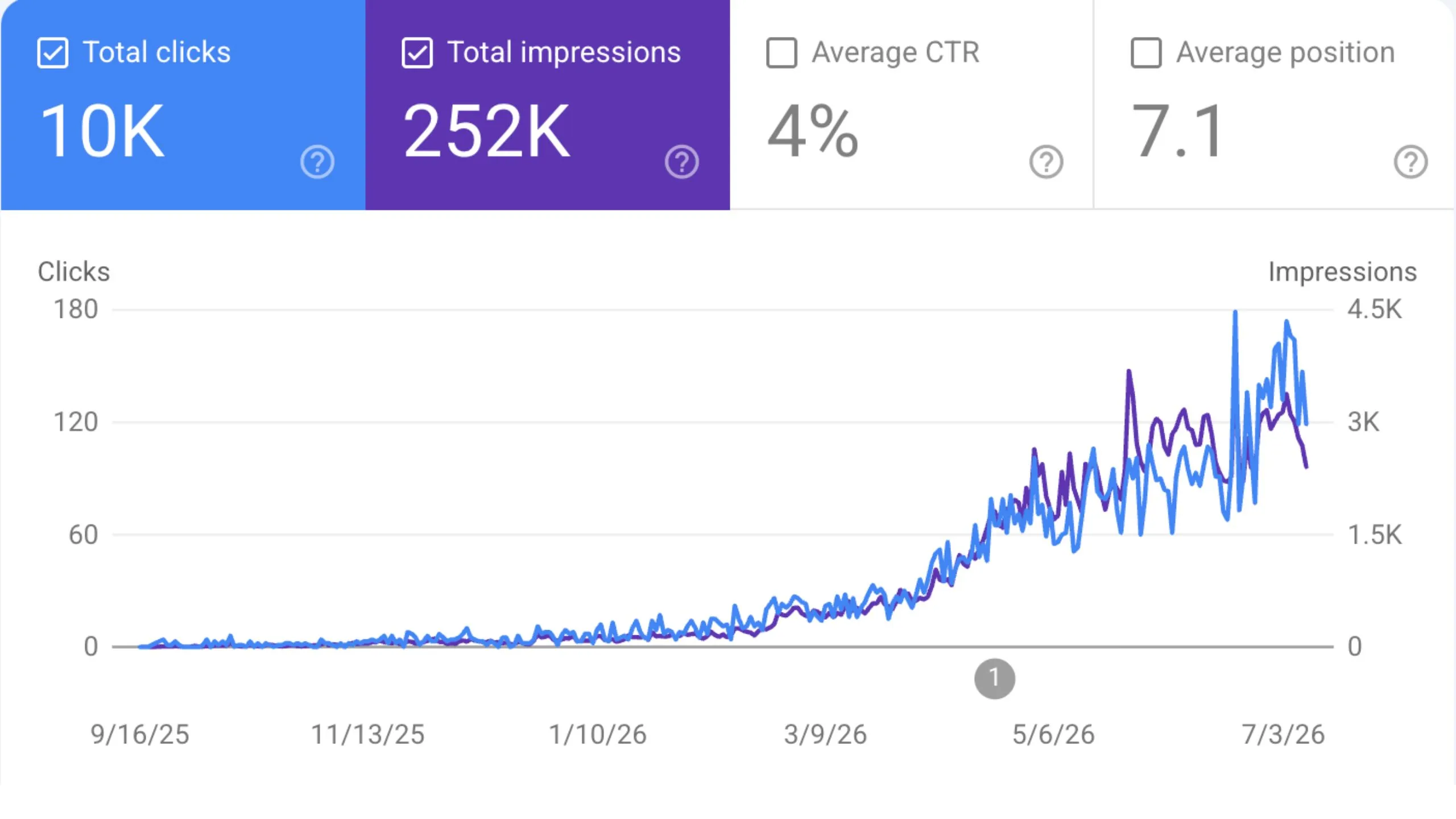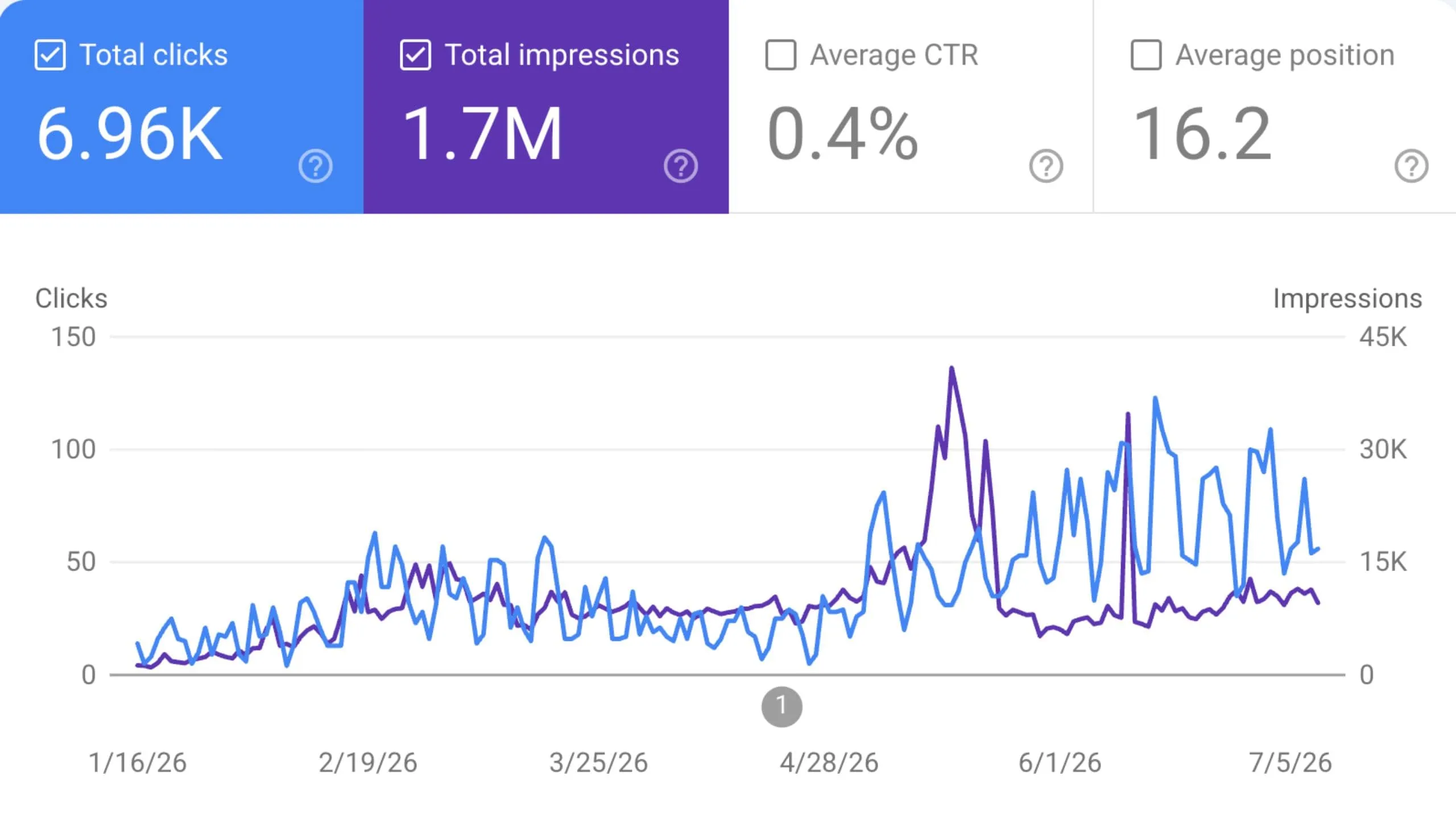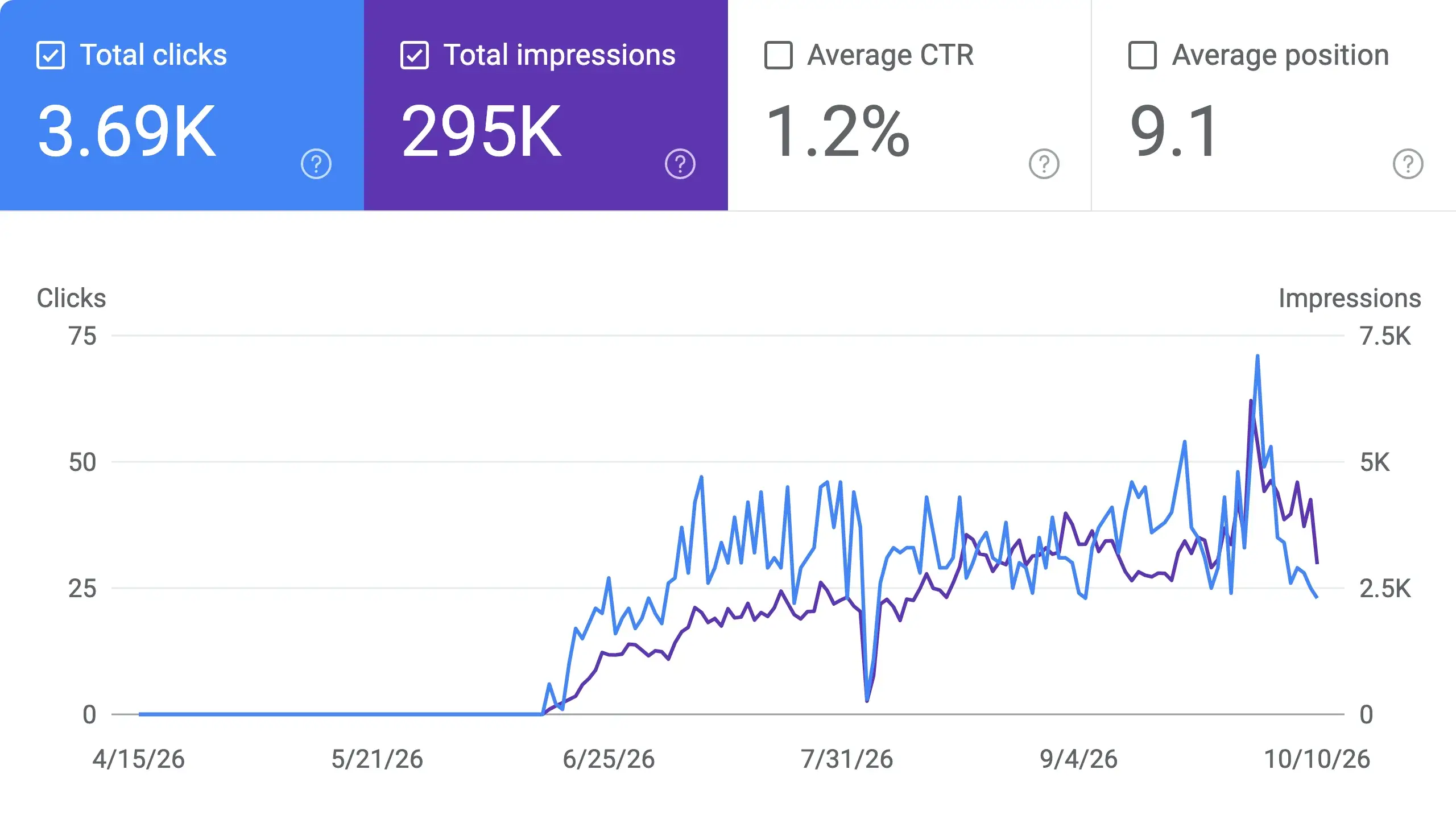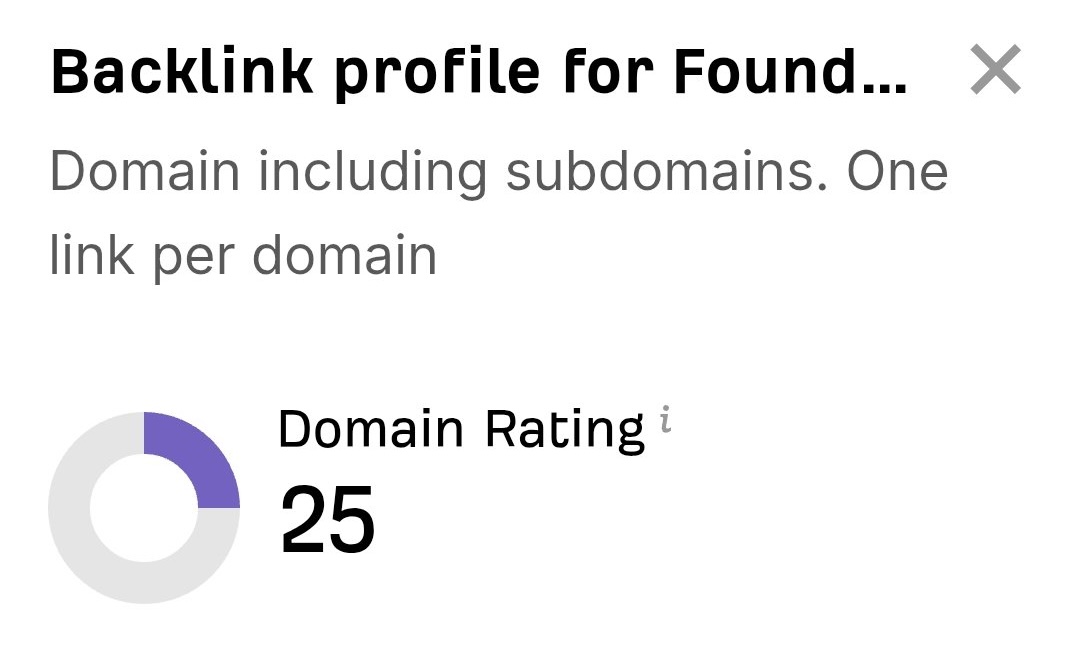














Skoatch built its reputation as an AI content generator that turns almost any input into publishable material. Feed it a keyword, a URL, a PDF, a video, an RSS feed, or a YouTube channel, and it produces articles, images, and quizzes, then pushes them to your site. The one-time credit model appeals to founders and small teams who dislike recurring subscriptions and want to pay only for the content they actually produce. As a French-built tool, it has earned a loyal following among operators who value source flexibility above all else.
The trade-off, as AI content tooling matures through 2026, is that raw generation from any input is no longer a differentiator. Dozens of tools now ingest the same sources and produce the same undifferentiated output, and the easy wins from volume publishing diminish as search engines and the AIs reward topical authority over sheer quantity. Choosing the right Skoatch alternative is less about how many input formats a tool accepts and more about whether it connects content production to strategy, visibility tracking, and long-term authority. The alternatives below span that spectrum, from competing generators to unified platforms that treat content as one signal among many.
Top 10 alternatives to Skoatch in 2026
1. Sorank
Sorank is a unified GEO and SEO platform that combines AI mention tracking, keyword research, topical clustering, content generation, domain authority tracking, comprehensive SEO audits, and GEO dashboards in one workspace. Where Skoatch focuses on turning inputs into published content through a credit model, Sorank extends content generation with competitive intelligence and topical authority analysis, so every piece is created with knowledge of why it should exist and how it contributes to visibility across both Google and the AIs.
The architectural advantage compounds over time. Teams using Sorank stop juggling a generator, a rank tracker, and a separate AI visibility tool, and start executing on integrated intelligence: mention data informs content priorities, keyword research informs both classic and generative search plays, and domain authority tracking validates whether content efforts actually move the needle. Pricing is transparent and scales from solopreneur to enterprise, which makes integrated visibility strategy accessible without procurement overhead.
2. Outrank
Outrank is an AI-powered SEO content automation platform that handles keyword research, article writing, and auto-publishing on a recurring subscription, with an automated backlink exchange network. Versus Skoatch, Outrank trades the one-time credit model for ongoing automation and adds a link-building layer that Skoatch lacks, which fits teams that want hands-off daily publishing rather than pay-per-use generation.
3. Rankyak
Rankyak automates the full SEO content cycle, from keyword research and content planning to article generation and scheduled publishing. Compared to Skoatch, Rankyak leans into the autopilot promise with a structured content calendar, appealing to operators who want a continuous pipeline rather than generating pieces one input at a time.
4. Fonzy
Fonzy is an AI content tool focused on fast generation and simple publishing for founders and small businesses that need volume without complexity. Versus Skoatch, Fonzy keeps the workflow lightweight and approachable, prioritizing speed and ease of use over the wide range of input sources that defines Skoatch.
5. Rankloop
Rankloop combines automated content generation with backlink building, aiming to grow organic traffic through both on-page output and off-page authority. Compared to Skoatch, Rankloop adds the link-building dimension that a pure generator omits, which matters for teams that see authority as the real bottleneck rather than content volume.
6. Babylovegrowth
Babylovegrowth combines content generation, backlink building, and AI visibility tracking in one platform, with native monitoring of how a brand appears in major language models. Versus Skoatch, Babylovegrowth includes the AI mention layer that pure content generators lack, which becomes essential as generative search turns into a primary discovery channel.
7. Cuppa AI
Cuppa AI generates SEO-optimized articles from keywords, URLs, and other sources, with a focus on producing publish-ready long-form content quickly. Compared to Skoatch, Cuppa AI overlaps heavily on the source-to-article workflow, with differentiation mainly in output quality, editing controls, and pricing structure.
8. Soro
Soro is an SEO autopilot that learns brand voice, discovers keywords, writes long-form articles, and publishes daily to integrated CMS platforms, optimized for both Google and ChatGPT visibility. Versus Skoatch, Soro emphasizes brand-voice learning and continuous publishing over Skoatch's input flexibility and one-time credit approach.
9. Writesonic
Writesonic is an AI content generation platform producing marketing copy, landing pages, and blog articles at scale, with templates for nearly every content format. Compared to Skoatch, Writesonic is broader across content types but shallower on SEO depth, with no native rank tracking, backlink intelligence, or AI mention monitoring.
10. Semrush
Semrush is a comprehensive SEO suite covering keyword research, competitor analysis, rank tracking, and site audits, with one of the deepest data sets in the industry. Versus Skoatch, Semrush is research-first rather than content-generation-first, which makes it complementary in many stacks but not a direct replacement for input-driven article production.
How to choose the right alternative to Skoatch
The right Skoatch alternative depends on whether the constraint is still raw content production or has moved to strategy, visibility, and long-term authority. Teams that only need to convert inputs into articles will find close substitutes among competing generators, with differentiation reduced to pricing models, output quality, and supported input sources. Teams that have hit the ceiling of pure generation need to add either authority building from tools with backlink layers or strategic intelligence from research-first platforms. The most efficient long-term move is to a unified platform that combines content generation with keyword research, competitive analysis, and AI mention tracking inside one workflow, which preserves the productivity benefits of automation while adding the strategic depth that a standalone generator cannot deliver.
The hidden variable many teams overlook is how content production connects to measurable visibility. A credit-based generator answers the question of how to produce an article cheaply, but not whether that article earns rankings, citations in AI answers, or durable domain authority. Platforms that track those outcomes alongside production make it far easier to judge whether the content actually compounds or simply adds noise to an already crowded index.
Why Sorank stands out
Sorank integrates content generation inside a complete GEO and SEO platform, so every piece is created with knowledge of competitive context, AI mention patterns, and topical authority gaps. Where Skoatch focuses on the input-to-publication problem and charges per credit, Sorank addresses the strategic question of why each piece should be written, which positions it should target, and how it contributes to long-term authority backed by transparent metrics. For teams ready to move beyond pay-per-article generation toward an integrated content strategy, the platform delivers the architectural shift that standalone AI generators cannot match.