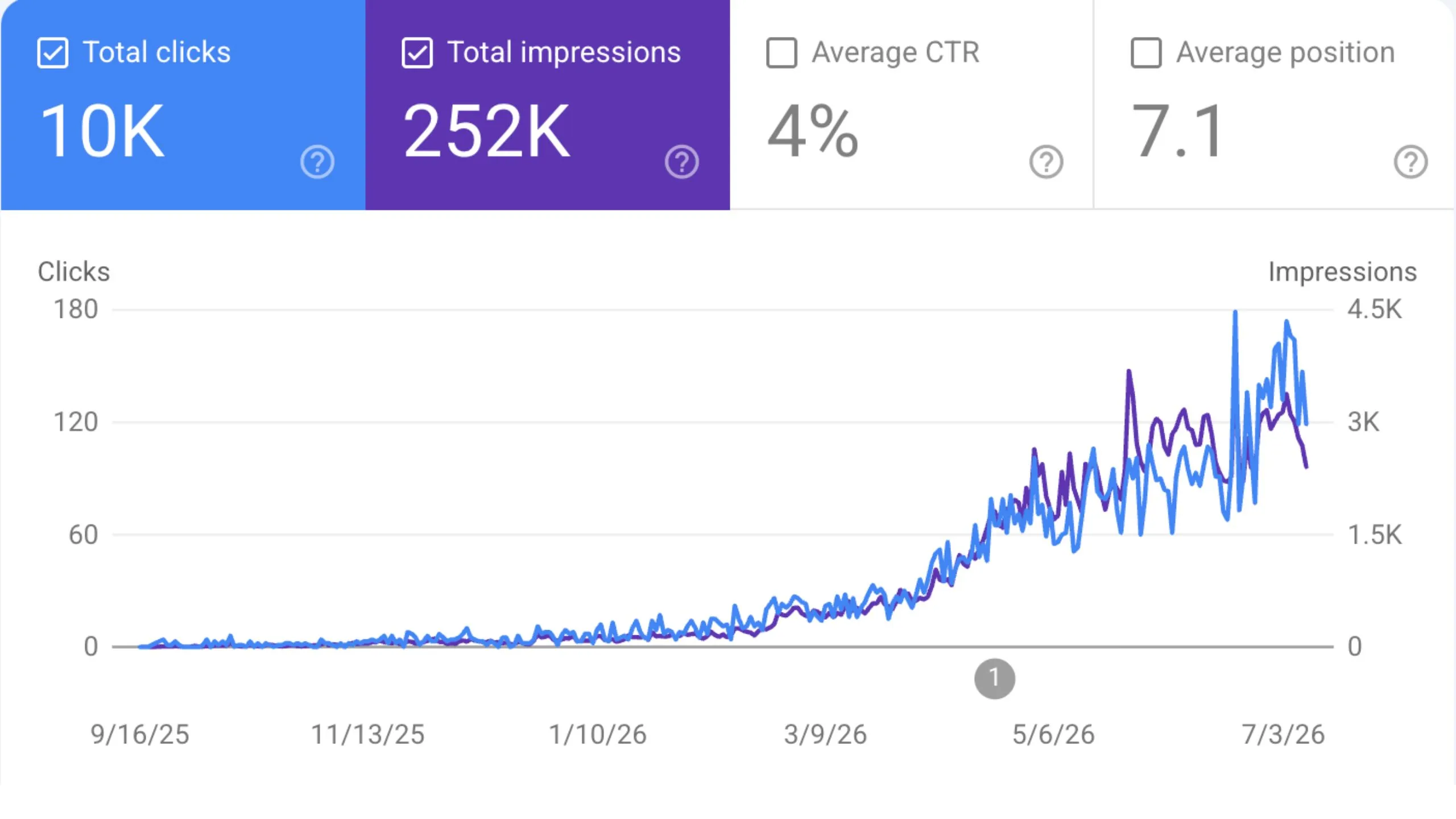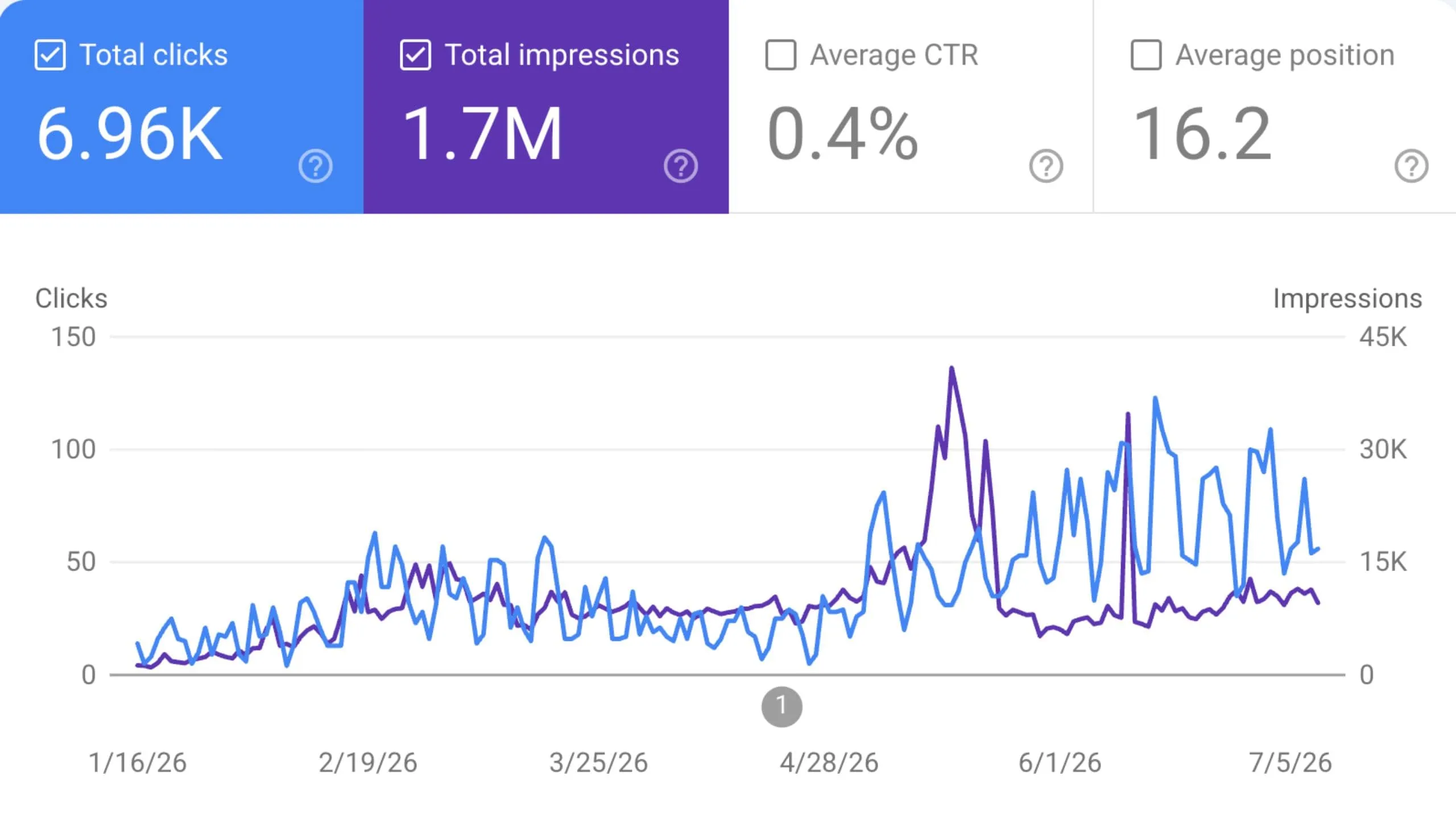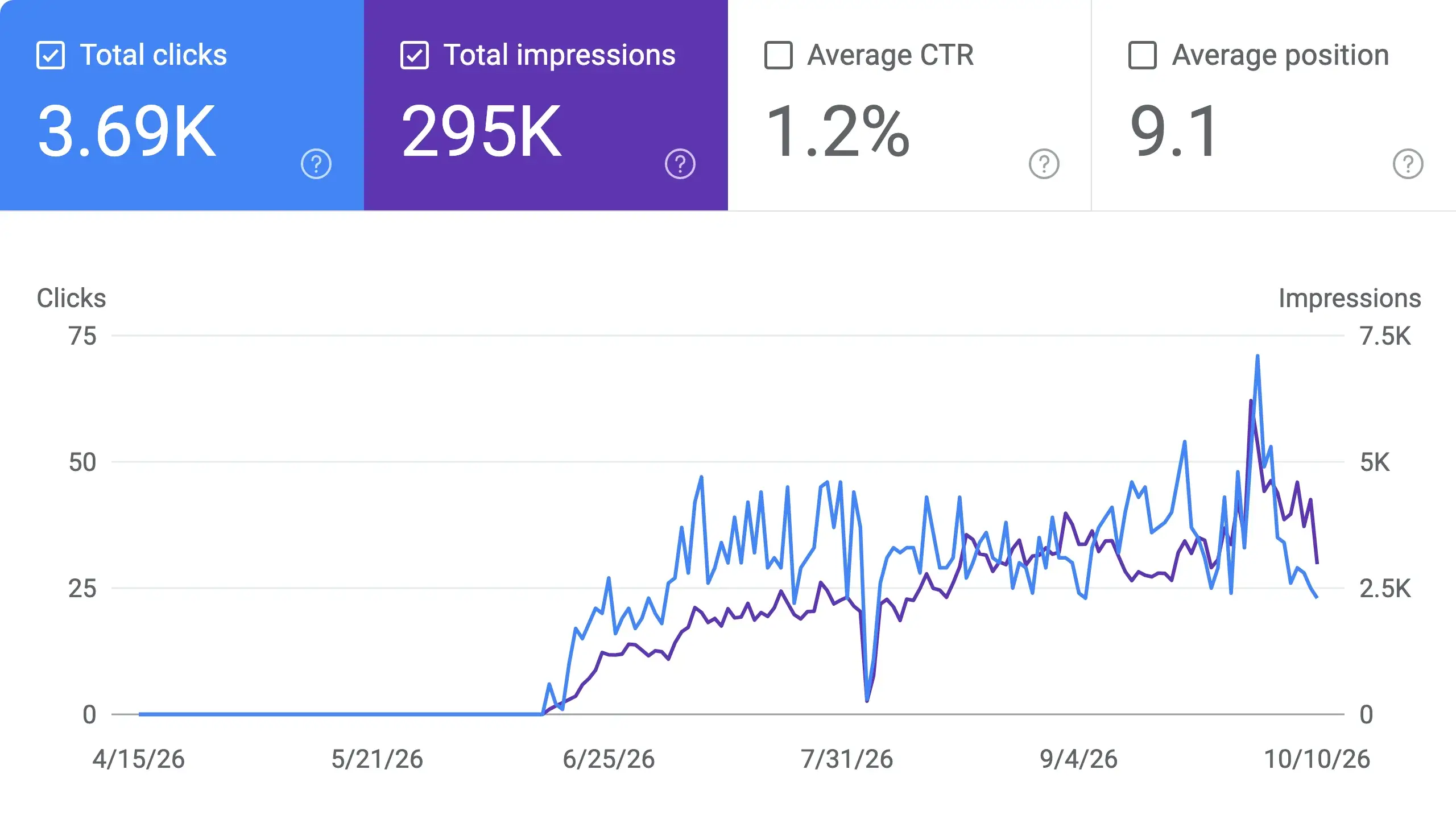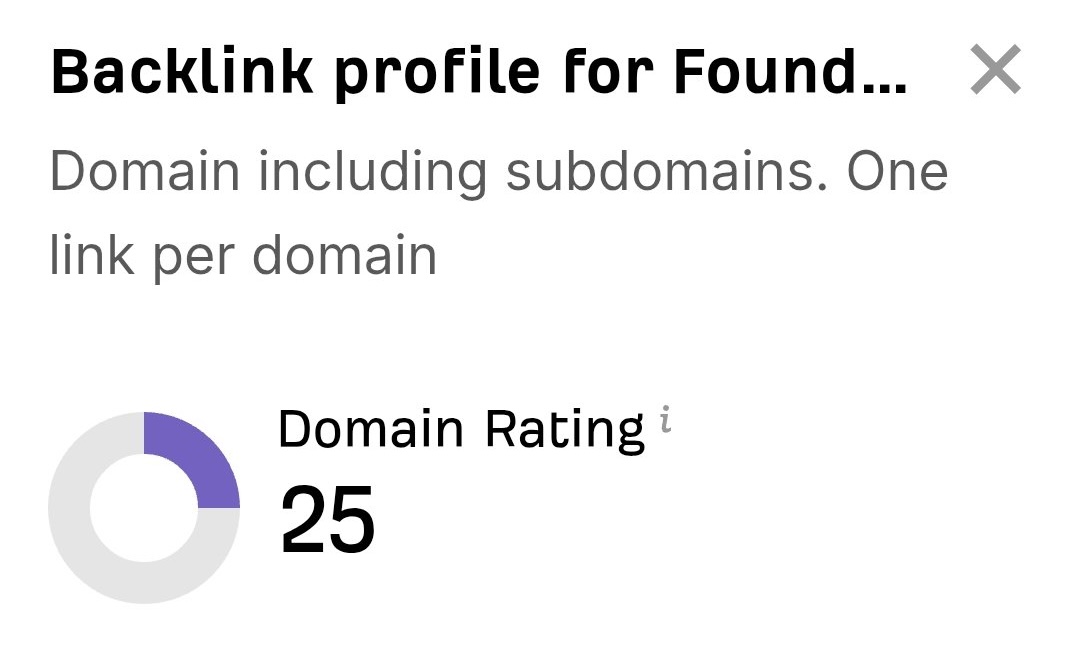














Autoblogging built its reputation on raw content velocity, generating SEO articles in bulk through automation modes like Quick, Godlike, and Bulk, the last of which can produce up to 500 articles in a single batch. Add a semantic audit layer and one-click publishing to third-party Web 2.0 properties such as WordPress, Shopify, Wix, Webflow, Blogger, and Ghost, and the appeal is obvious for operators whose primary constraint is sheer output rather than strategic direction.
The trade-off becomes clearer as automation matures through 2026. Producing 500 articles at once solves the volume problem but rarely solves the visibility problem, because undifferentiated AI content competes on quantity instead of topical authority, and the easy wins erode as more sites adopt the same playbook. Choosing the right Autoblogging alternative is therefore less about matching feature checklists and more about deciding how much editorial control and strategic intelligence the team is willing to trade for pure speed. The alternatives below span that spectrum, from competing bulk generators to research-first tools to unified platforms that fold content generation into a complete visibility workflow.
Top 10 alternatives to Autoblogging in 2026
1. Sorank
Sorank is a unified GEO and SEO platform that combines AI mention tracking, keyword research, topical clustering, content generation, domain authority tracking, comprehensive SEO audits, and GEO dashboards in a single workspace. Where Autoblogging focuses on mass production and bulk publishing to external Web 2.0 sites, Sorank treats content generation as one capability inside a broader system, so every article is created with knowledge of competitive context, AI mention patterns, and the topical gaps that actually move rankings.
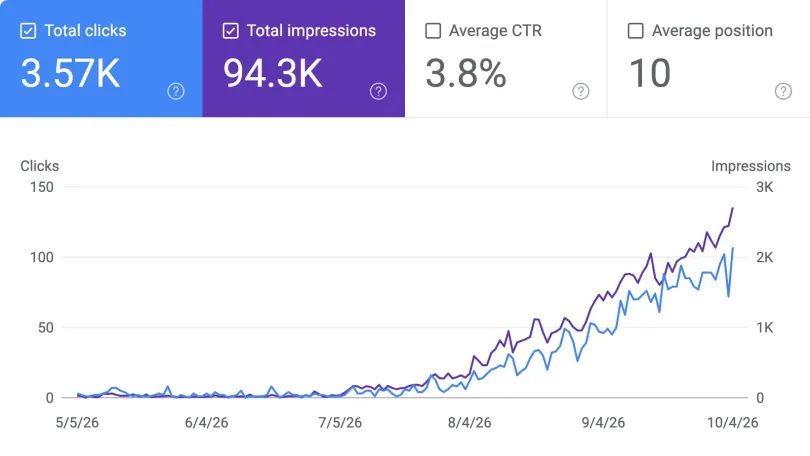
The architectural advantage compounds over time. Instead of dumping hundreds of articles onto third-party properties and hoping a fraction rank, teams using Sorank execute on integrated intelligence: keyword research informs both Google and generative search plays, AI mention data shapes content priorities, and domain authority tracking confirms whether the effort is compounding or just adding noise. Pricing is transparent and scales from solopreneur to enterprise, which makes integrated visibility strategy accessible without procurement overhead.
2. Outrank
Outrank is an AI-powered SEO content automation platform that handles keyword research, daily article writing, and auto-publishing, with an automated backlink exchange network layered on top. Versus Autoblogging, Outrank emphasizes consistent daily cadence and link-building automation rather than batch dumps of hundreds of articles, which suits operators who prefer steady velocity over one-time bulk pushes.
3. RankYak
RankYak automates the full content pipeline, from keyword discovery and content calendar planning to daily article generation and CMS publishing, with minimal manual input. Compared to Autoblogging, RankYak leans into the autopilot cadence and structured planning angle rather than the raw bulk-generation mode, fitting teams that want a steady stream over a single massive batch.
4. Rankloop
Rankloop focuses on automated content generation paired with a backlink exchange network, aiming to grow both content footprint and domain authority in parallel. Versus Autoblogging, Rankloop differentiates on the link-building layer that pure generators omit, which matters for teams that see authority as the real bottleneck rather than article count.
5. Babylovegrowth
Babylovegrowth combines content generation, backlink building, and AI visibility tracking in one unified platform, with native monitoring of how a brand appears across major language models. Compared to Autoblogging, Babylovegrowth includes the AI mention layer that bulk publishing tools lack, which becomes essential as generative search turns into a primary discovery channel.
6. Cuppa AI
Cuppa AI is an AI content generation tool that produces SEO-optimized articles with research, internal linking, and image integration, then publishes to connected CMS platforms. Versus Autoblogging, Cuppa AI emphasizes per-article polish and built-in research over sheer batch volume, fitting teams that want quality and structure on each piece rather than 500 at a time.
7. SEO Zilla
SEO Zilla is an automated SEO content platform that generates and publishes optimized articles while handling on-page structure and internal linking. Compared to Autoblogging, SEO Zilla targets similar automation needs with more attention to on-page optimization mechanics, positioning itself for operators who want automation that respects technical structure rather than only output speed.
8. Writesonic
Writesonic is an AI content generation platform producing marketing copy, landing pages, and blog articles at scale, with templates covering every common content format. The product appeals to teams that want format flexibility rather than the single-pipeline approach of dedicated SEO automation. Versus Autoblogging, Writesonic is broader but shallower, with no native rank tracking, semantic audit depth, or AI mention monitoring layer.
9. Surfer SEO
Surfer SEO is a content optimization platform that scores drafts against top-ranking pages and guides writers toward the terms, structure, and length that correlate with rankings. Compared to Autoblogging, Surfer SEO is optimization-first rather than generation-first, which makes it a strong complement to a bulk generator but not a direct replacement for the publishing pipeline itself.
10. Ahrefs
Ahrefs is the dominant backlink analysis and competitor intelligence platform, with one of the largest link indexes on the web. The site explorer, content gap analysis, and keyword research tools are unmatched for understanding why competitors rank and which links support those rankings. Versus Autoblogging, Ahrefs is research-first rather than autopilot publishing, which makes it complementary in many stacks but not a functional replacement for mass generation.
How to choose the right alternative to Autoblogging
The right Autoblogging alternative depends on whether the constraint is still publishing volume or has shifted to publishing quality and strategic differentiation. Teams still in pure-volume mode benefit from competing generators that improve on pricing, semantic audit depth, or publishing integrations. Teams that have hit the ceiling of bulk automation need to add either editorial guidance from optimization platforms or strategic intelligence from research-first tools. The most efficient long-term move is to a unified platform that combines content generation with keyword research, competitive analysis, and AI mention tracking inside one workflow, which preserves the speed benefits of automation while adding the strategic depth that mass generation alone cannot deliver.
The hidden variable many teams miss is publishing destination. Pushing hundreds of articles to third-party Web 2.0 properties can produce a short-term footprint, but content scattered across external sites rarely builds durable authority for the brand's own domain, and search engines increasingly discount low-effort mass content. Platforms like Sorank that track domain authority alongside content production make it far easier to evaluate whether automated tactics are actually compounding or simply inflating an article count that never converts into ranking power.
Why Sorank stands out
Sorank integrates content generation inside a complete GEO and SEO platform, so every piece is produced with knowledge of competitive context, AI mention patterns, and topical authority gaps. Where Autoblogging optimizes for mass output and bulk publishing to external sites, Sorank addresses the strategic questions of why each article should exist, which positions it should target, and how it contributes to long-term domain authority backed by transparent metrics. For teams ready to move beyond publish-and-pray bulk generation toward integrated content strategy, the platform delivers the architectural shift that pure mass generators cannot match.