









Search Atlas started as an SEO toolkit and now presents itself as an agentic marketing platform. Its Atlas Agent takes a goal written in plain language, turns it into a plan and runs it through specialised skills: technical SEO fixes, content, landing pages, Google and Meta ads, Google Business Profile management and client reporting. It reports back in Slack, Microsoft Teams or ClickUp.
The product targets SEO agencies, in-house marketing teams, consultants and multi-location brands. What sets it apart is OTTO SEO, a pixel installed on any CMS that deploys technical and on-page fixes directly on the live site, checks that they held and lets you roll each change back. The most recent shift is the move to Universal Credits: each plan now comes with one shared monthly budget that every action draws from, from site audits to content generation and AI visibility queries.
What Search Atlas does
Search Atlas groups its features into six routes of work (organic search, AI answers, content and pages, paid ads, local and agency reporting) connected by a loop: connect data, find issues, plan, execute, verify and self-heal. The features visible on its website in October 2026 include:
- OTTO SEO: automatic deployment of technical and on-page fixes (schema, meta tags, alt text, internal links) with approval mode and rollback.
- Site Auditor with a health score from 0 to 1,000, weekly recrawls and email alerts.
- Keyword research on a database of more than 5.2 billion keywords, with intent tags, plus competitor research and rank tracking.
- Topical Maps for content clusters, Content Genius to research, write, illustrate and publish articles, and SCHOLAR to grade drafts on 12 dimensions.
- Publishing to any CMS, including WordPress, Shopify and Webflow, and Website Studio to generate pages.
- LLM Visibility: mentions, citations, sentiment and share of voice in ChatGPT, Gemini and Google AI Mode, with Copilot and Perplexity added on Pro.
- Smart Ads for Google Ads and Meta Ads Studio for Facebook and Instagram creatives.
- GBP Galactic for Google Business Profile posts and review replies, local citations, link building software and press release distribution.
- Report Builder with 40+ data sources, white-label dashboards and client portals, and a free AI visibility check.
Search Atlas pricing in 2026
Search Atlas lists four plans in US dollars, billed monthly. Starter costs $99 per month for one project and one seat, with Atlas Agent, OTTO SEO on one site, Content Genius, CMS publishing, 2,000 tracked keywords and 50,000 Universal Credits, but no LLM visibility queries. Growth costs $199 per month and adds AI visibility in ChatGPT, Gemini and Google AI Mode (100 queries), Meta and Google Ad Studio, 2 projects, 3 seats and 120,000 credits. Pro costs $399 per month and adds Copilot and Perplexity, white-label dashboards and reporting, 4 projects, 5 seats and 400,000 credits.
The Agency plan starts at $999 per month through the sales team, with 10 projects, client portals and unlimited keyword tracking, and Enterprise plans are quoted on request with API access. No annual discount is displayed on the pricing page. Every plan starts with a 7-day free trial and a free 30-minute onboarding session.
Search Atlas pros and cons
Pros
- One login covers SEO, AI visibility, content, ads, local listings and reporting, which can replace several subscriptions.
- OTTO SEO applies technical fixes on the live site without a developer queue, with rollback on every change.
- White-label dashboards, reports and client portals for agencies from the Pro plan.
- Large keyword database with intent tags and built-in rank tracking.
Cons
- The $99 Starter plan includes no AI visibility queries; tracking in AI answers starts at $199 per month.
- The tracked AI platforms are ChatGPT, Gemini, Google AI Mode, Copilot and Perplexity; Claude is not listed.
- Universal Credits are shared across every action, so heavy use of one feature reduces capacity for the others.
- No annual pricing and no MCP connector are presented on the website.
The best Search Atlas alternatives
1. Sorank
Sorank focuses on the part of Search Atlas that matters most to a site that wants organic growth: content on autopilot and visibility in AI answers. It finds keywords, builds topic clusters, writes, illustrates and publishes articles on more than 10 CMS including WordPress, Shopify and Webflow, with internal linking, anti-cannibalization and fact checking. AI tracking is included from the first plan: every week Sorank asks ChatGPT, Claude and Gemini your customers' questions (25 prompts on Essential, 50 prompts with Perplexity and Grok added on Pro, 150 on Business) and shows whether your brand is mentioned, which brands are cited instead and which sources the AI use.
Sorank also gives access to a network of direct, one-way links between the sites of its 5'000+ users, with credits earned by hosting links and spent to receive them (100 credits per month on Pro, 300 on Business). It adds weekly monitoring of up to 5 competitors, a GEO ranking of the domains cited by AI, query fan-out analysis, a unified dashboard (Search Console, Analytics, AI traffic), an MCP connector, a white label for agencies, free SEO tools and a free Chrome extension for on-page audits. Plans cost $99, $249 and $499 per month (20, 60 and 120 articles), or $49, $129 and $249 per month billed annually, with a 3-day free trial and a 90-day money-back guarantee.
2. Semrush
Semrush is a broad SEO and marketing suite with keyword, backlink, competitor and site audit data, plus AI visibility features. It suits teams that want a large research database more than automated execution.
3. SE Ranking
SE Ranking combines rank tracking, site audits, keyword research and AI visibility tracking, with reporting options for agencies. It is often chosen as a lighter all-in-one platform.
4. Alli AI
Alli AI deploys on-page and technical SEO changes across a site through a single code snippet, an approach close to OTTO SEO. It also positions itself on AI search visibility.
5. Ahrefs
Ahrefs is known for its backlink index, keyword research and site explorer, and has added AI marketing features. It fits SEO specialists who want deep data and run the execution themselves.
6. SEOJuice
SEOJuice automates on-page work such as internal linking and meta tags and tracks visibility across search. It is an option for small teams who want automated fixes without a full marketing suite.
How to choose between Search Atlas and Sorank
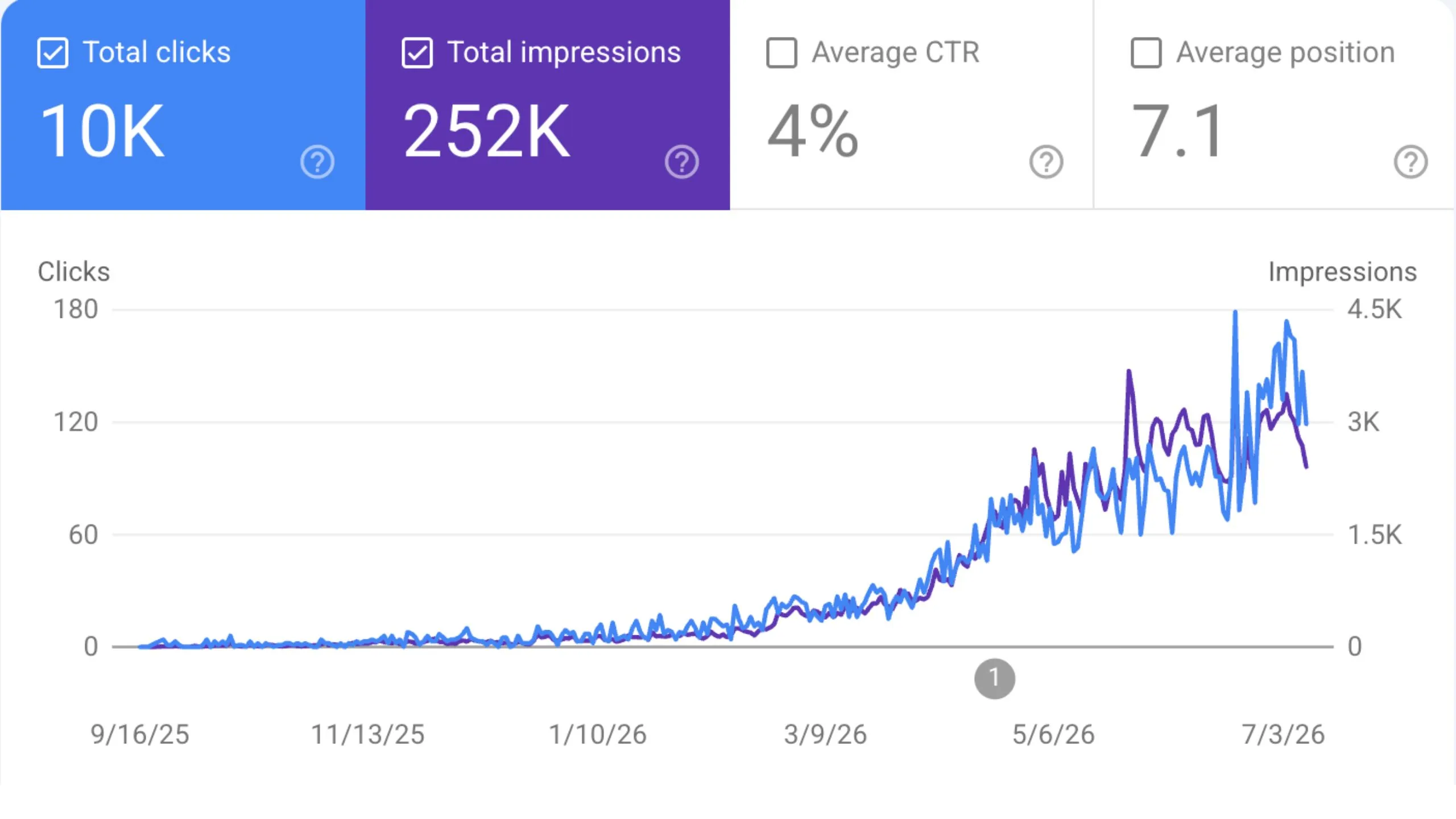
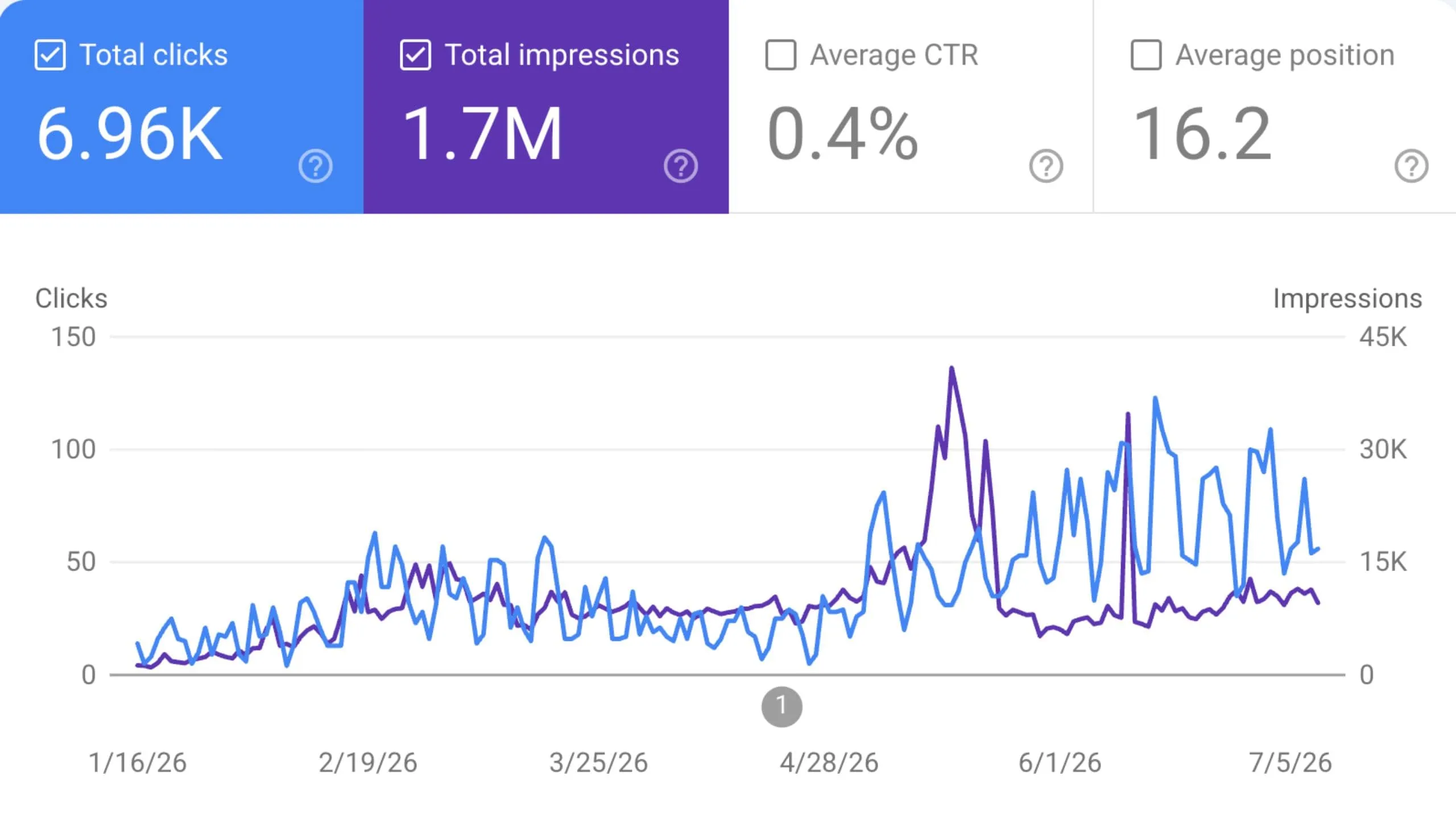
Search Atlas fits agencies and multi-location brands that want one platform for SEO, paid ads, Google Business Profiles and client reporting, and that have the time to configure a wide tool. If you manage many client accounts, need technical fixes deployed through a pixel and plan to sell reports under your own brand, its Pro and Agency plans are built for that.
Sorank fits companies, SaaS and e-commerce sites, and agencies that mainly want articles published every month and proof of their presence in AI answers, without managing a credit budget across channels. AI tracking covers Claude as well as ChatGPT and Gemini from the $99 Essential plan ($49 billed annually), links come through one-way placements in a user network, and the whole tool can be driven from an AI assistant through MCP. Results usually show within 2 to 4 months.