People look for an Exploding Topics alternative for a few common reasons. Some want to spot trends earlier. Some need a cheaper way to check a single keyword. Others want trend data inside a tool they already use for SEO, content or e-commerce. A full trend platform is a paid subscription, and not every team needs a curated list of emerging startups and products.
When you compare options, start with the question you need answered. Do you want to know what is rising across the whole web, what people ask about a niche, or which products and startups are gaining ground? Then check how fresh the data is, which regions and categories it covers, whether you can export it, and what it costs once you use it every week. Free plans are good for testing, but a daily search limit can slow down a team.
The list below mixes free search tools, curated trend libraries, social video listening and broader research products. Each entry says what the tool does, who it suits and what it costs when that is shown on its official site. Where a price is not published, we say so instead of guessing.
Top 10 Exploding Topics Alternatives
1.  Google Trends
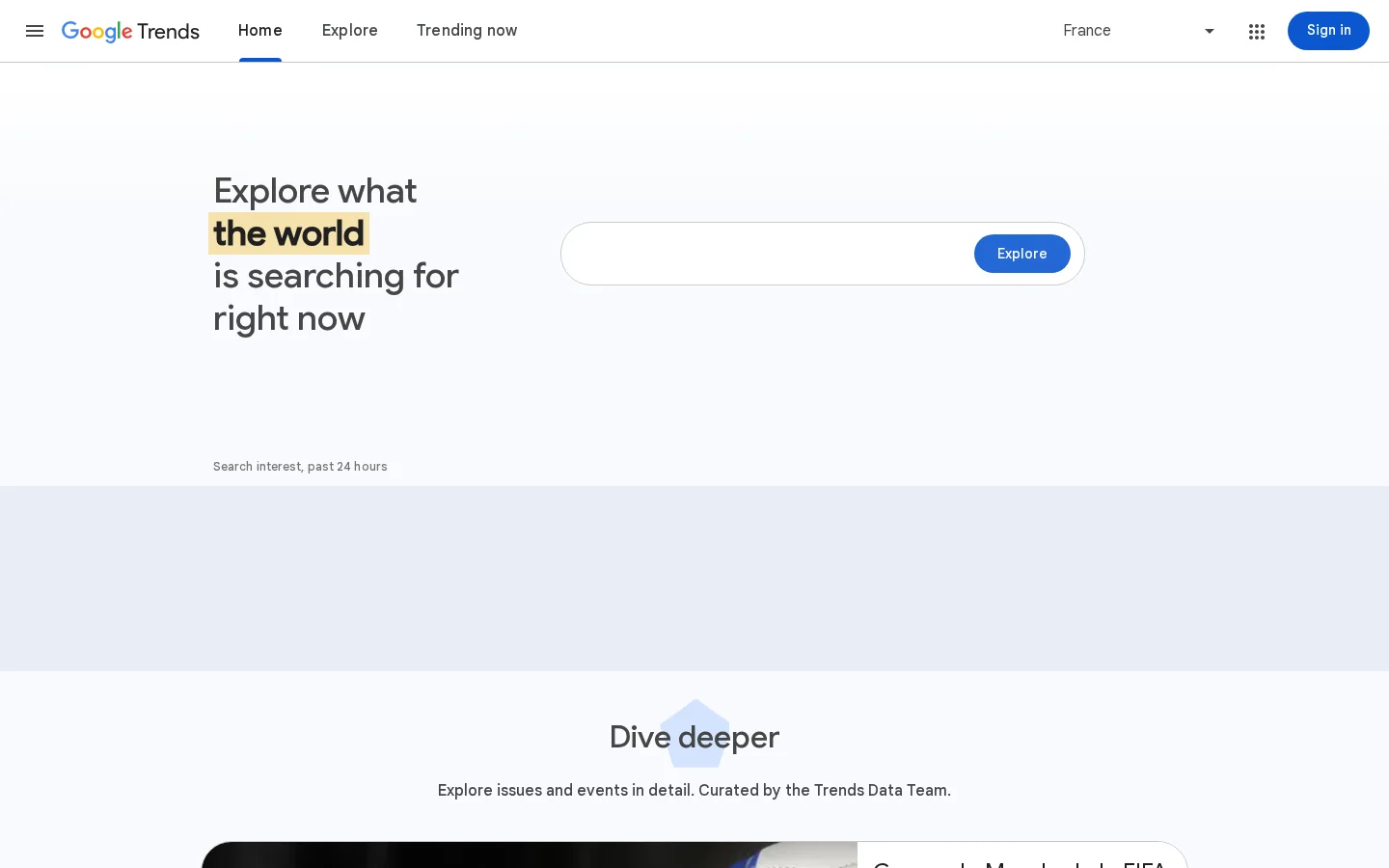
Google Trends shows how search interest for a term changes over time, by region and by category, and it lists what is spiking right now. It is built on Google's own search data, so it reflects what people actually type. It suits anyone who wants to check whether one topic is growing, from SEO writers to founders testing an idea.
Unlike Exploding Topics, Google Trends does not hand you a curated list of emerging topics. You bring the keywords and read the graphs yourself, which takes more time. It is free to use. For a step-by-step walk-through, see how to use Google Trends for SEO.
2.  Treendly
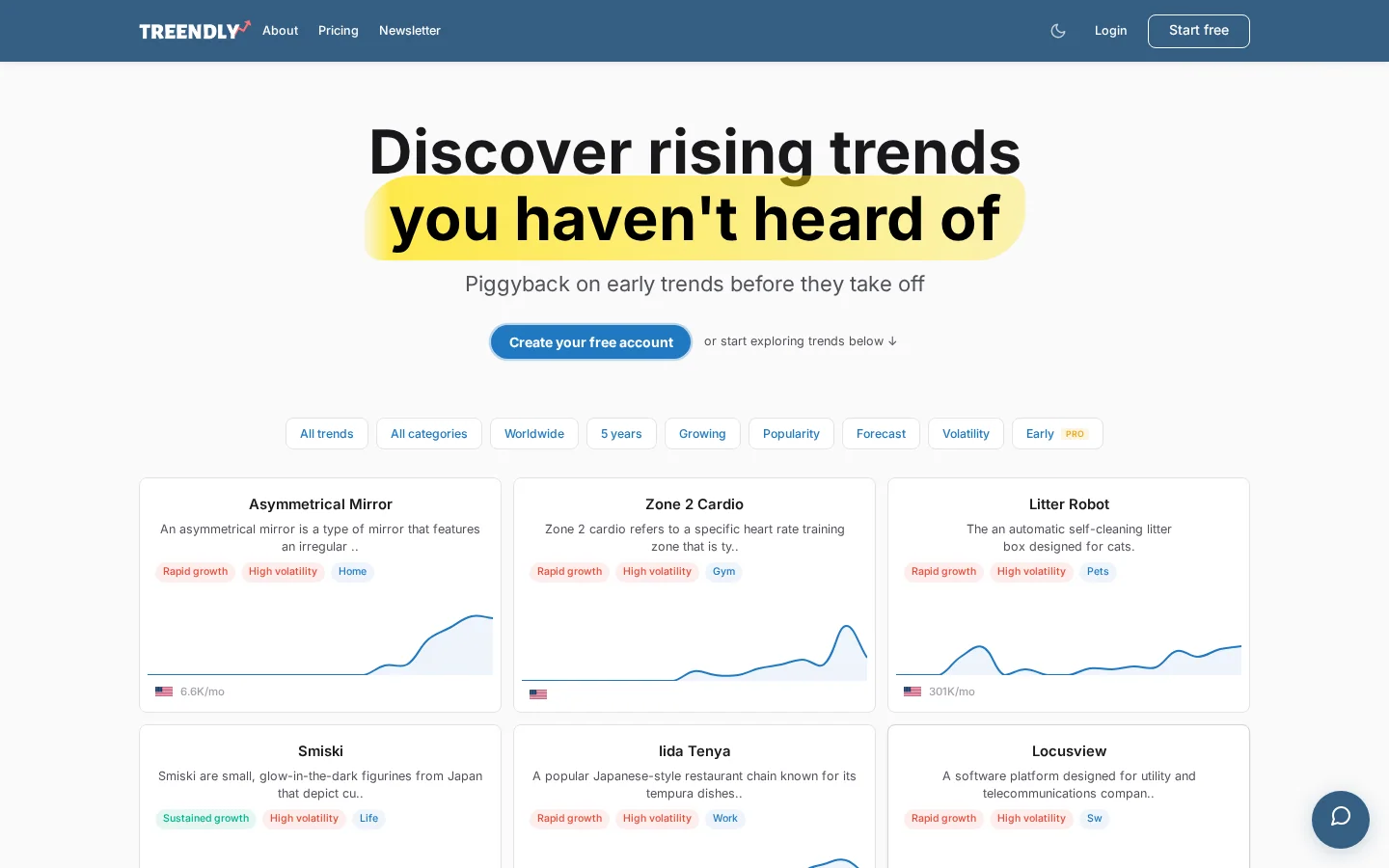
Treendly surfaces rising trends in categories such as health, pets, home and software, with search volume and growth labels next to each one. The site says you can start free with no credit card, and filters for forecasts, volatility and some regions sit behind its paid PRO tier. It suits curious founders, investors and sellers who want a quick scan of what is climbing.
Treendly leans toward consumer topics, so if your work is B2B, check that your niche is covered before you pay. Its library is curated, which makes it easier to read than raw search data. You still need to confirm that the trends you care about appear in it.
3.  Glimpse
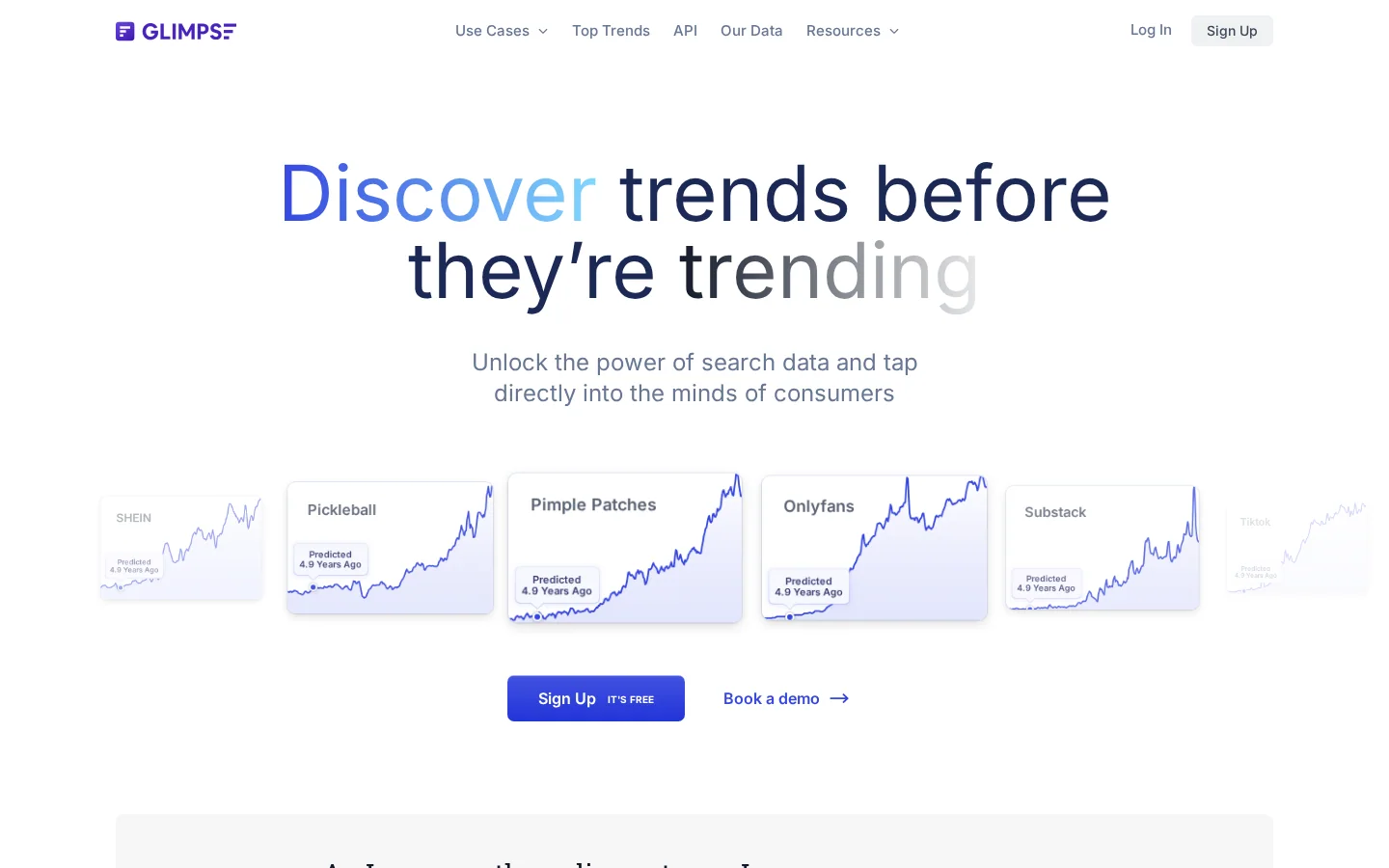
Glimpse analyzes search data to surface emerging trends, with lists updated daily. It shows search volume by keyword and country, along with year-over-year and month-over-month growth. It also shows the channels where people discuss a topic, such as TikTok, Reddit or YouTube, and it can send alerts on keywords you follow. Its audiences include SEO, ecommerce, market research, PR and investing teams.
The homepage invites you to sign up for free, but it does not publish its paid plans. Check the pricing before you plan a budget. Glimpse is a good fit when you want to know where a trend is being talked about, not only how big the search demand is.
4.  Rising Trends
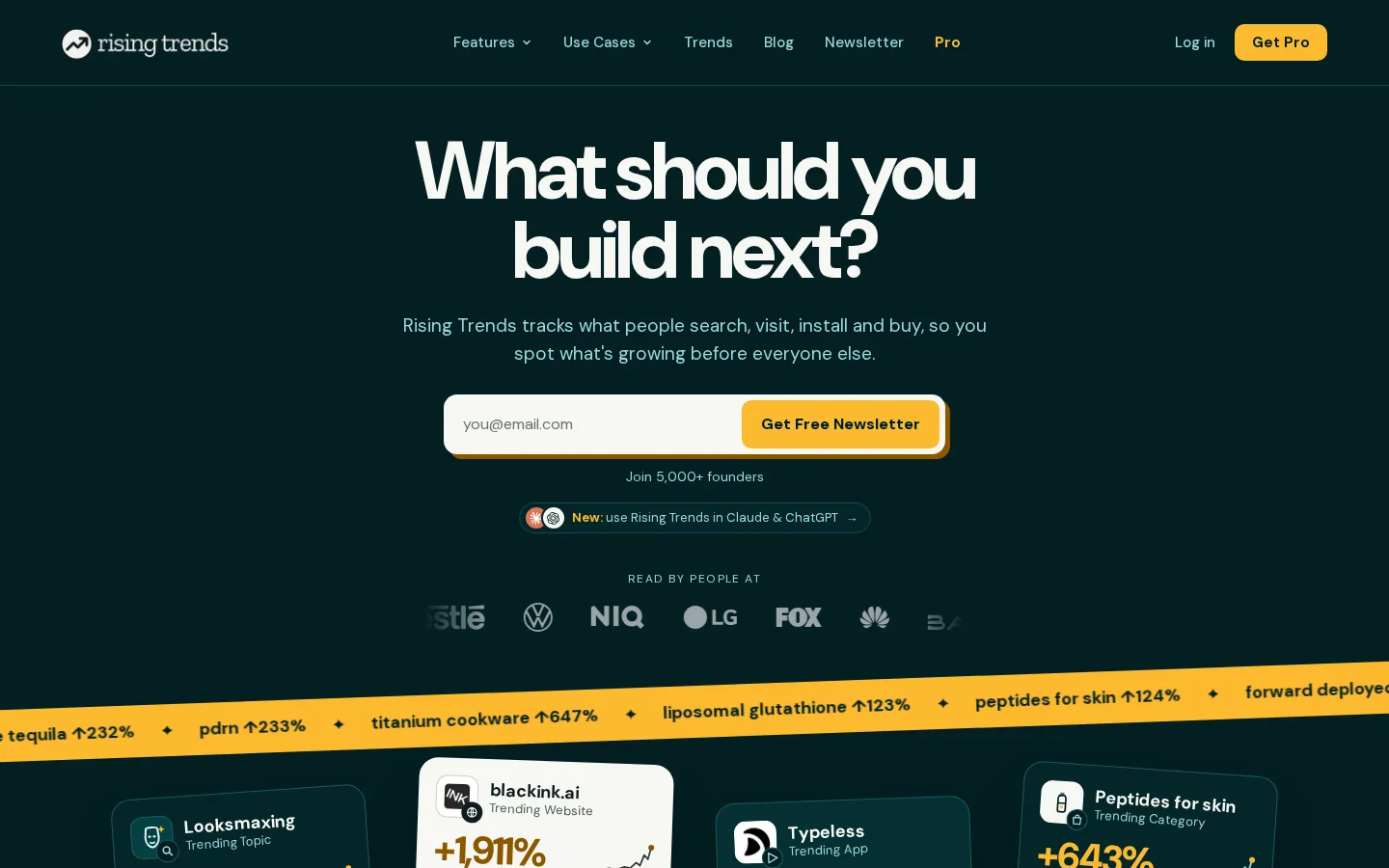
Rising Trends is a discovery tool for founders who want business, product or app ideas. It gathers candidates from sources such as Reddit, Google Trends, Hacker News and newsletters, then checks them against search volume, site traffic, app store installs and e-commerce sales. The database covers trends, websites, apps and e-commerce product categories.
The Pro plan is a one-time payment of $97 for lifetime access, so there is no monthly bill. It also includes API and MCP access. A weekly newsletter is free. Its focus is on business ideas more than marketing research, so it fits founders better than SEO teams.
5.  Answer Socrates

Answer Socrates is a keyword research platform that turns one seed topic into search ideas, question-led queries and organized topic clusters. It also has a Trending Topics view and an LLM Brand Tracker that monitors how AI tools mention a brand. Its pages point to SEO consultants, agency owners, content marketers, bloggers and small businesses.
The free plan is not a trial. It allows 3 searches a day and 500 clustering credits a month. Paid plans start at $19 a month for 100 keyword searches and 3000 cluster credits, and they come with a 7-day money-back guarantee. It is stronger on keyword and topic research than on spotting trends across the whole web.
6.  SaaSy Trends
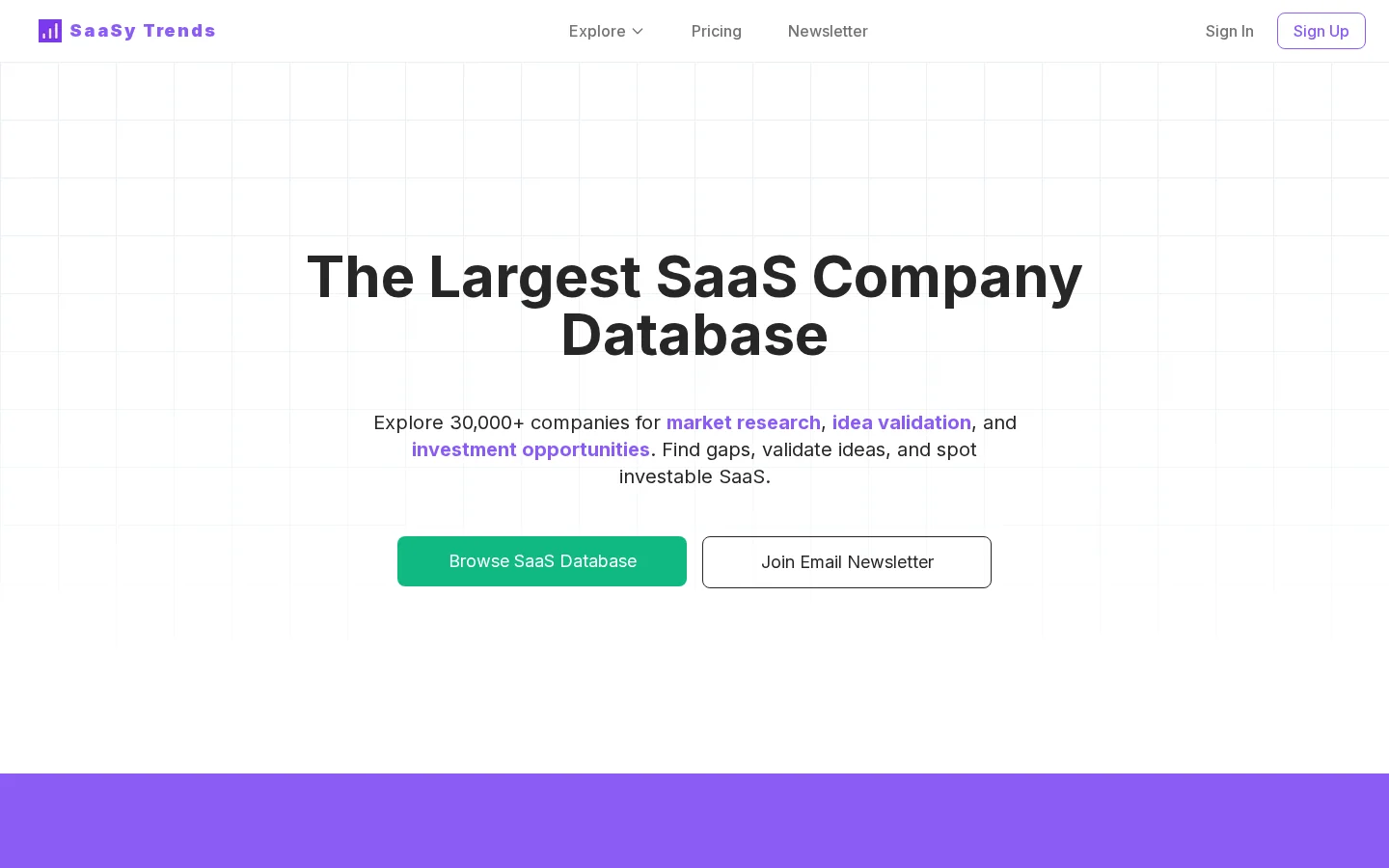
SaaSy Trends is a database that tracks brand volume for more than 30000 SaaS companies across over 2000 categories. It publishes case studies on fast-growing software businesses and offers free tools such as a SaaS idea generator. It suits investors, product managers and founders doing market research on software.
It is a good match for startup trends, which is one part of what Exploding Topics covers. Its scope is SaaS, so consumer topics and physical product trends sit outside it. The newsletter and several tools are free. The homepage does not show prices for paid access, so check the pricing page before you commit.
7.  TrendWatching
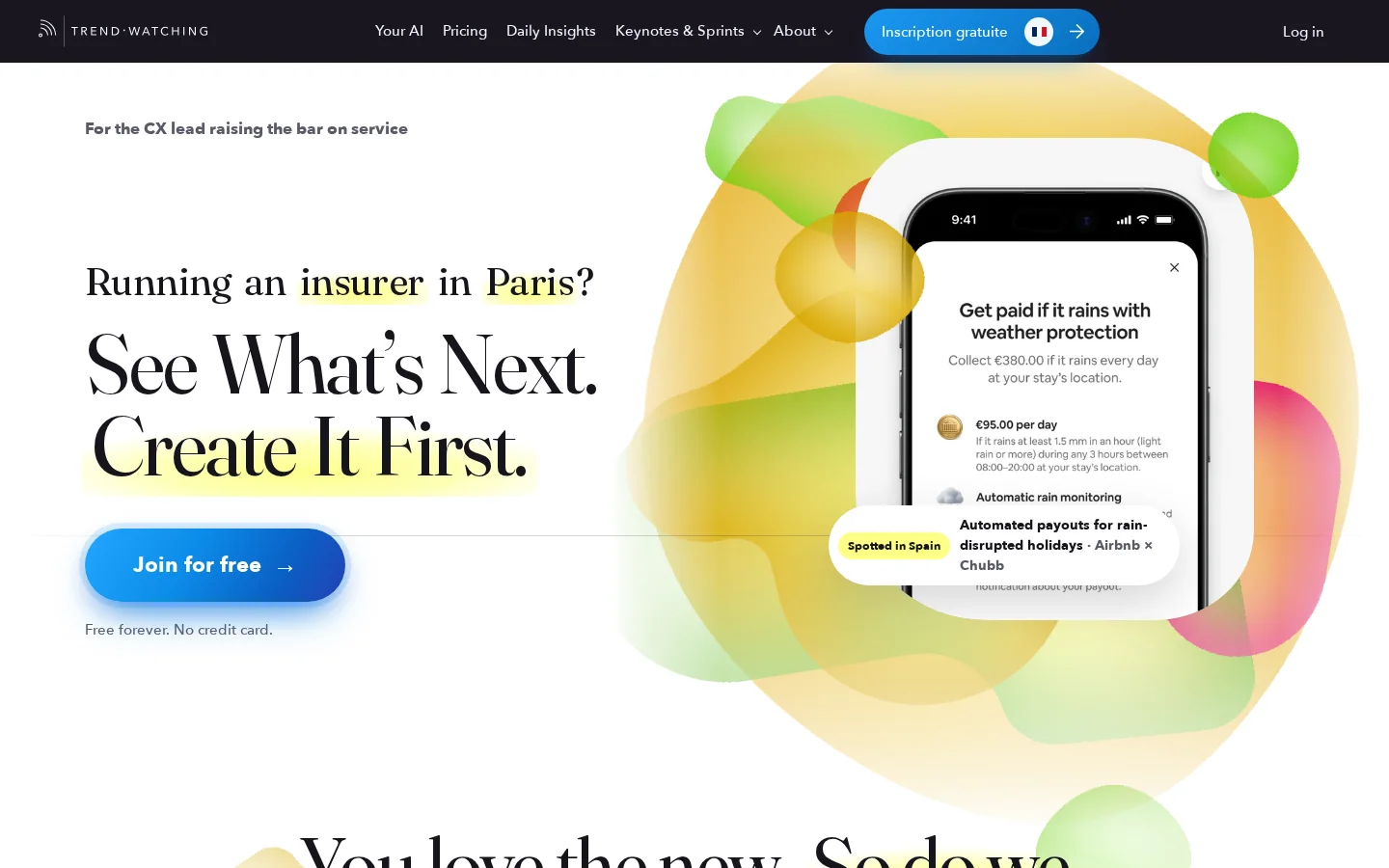
TrendWatching is an independent trend firm founded in Amsterdam in 2002. It spots consumer innovations around the world, explains the trends behind them and helps businesses turn those trends into ideas for their own work. Strategists, marketers, product teams and agencies use it, and its members work in more than 100 countries.
The Seeker plan is free forever with no credit card required. The Pioneer plan is listed at US$990 or €850 a year, and the page shows no price for enterprise access. TrendWatching is a research service for strategy teams more than a self-serve search tool, so it suits slower, deeper planning rather than daily keyword checks.
8.  Virlo
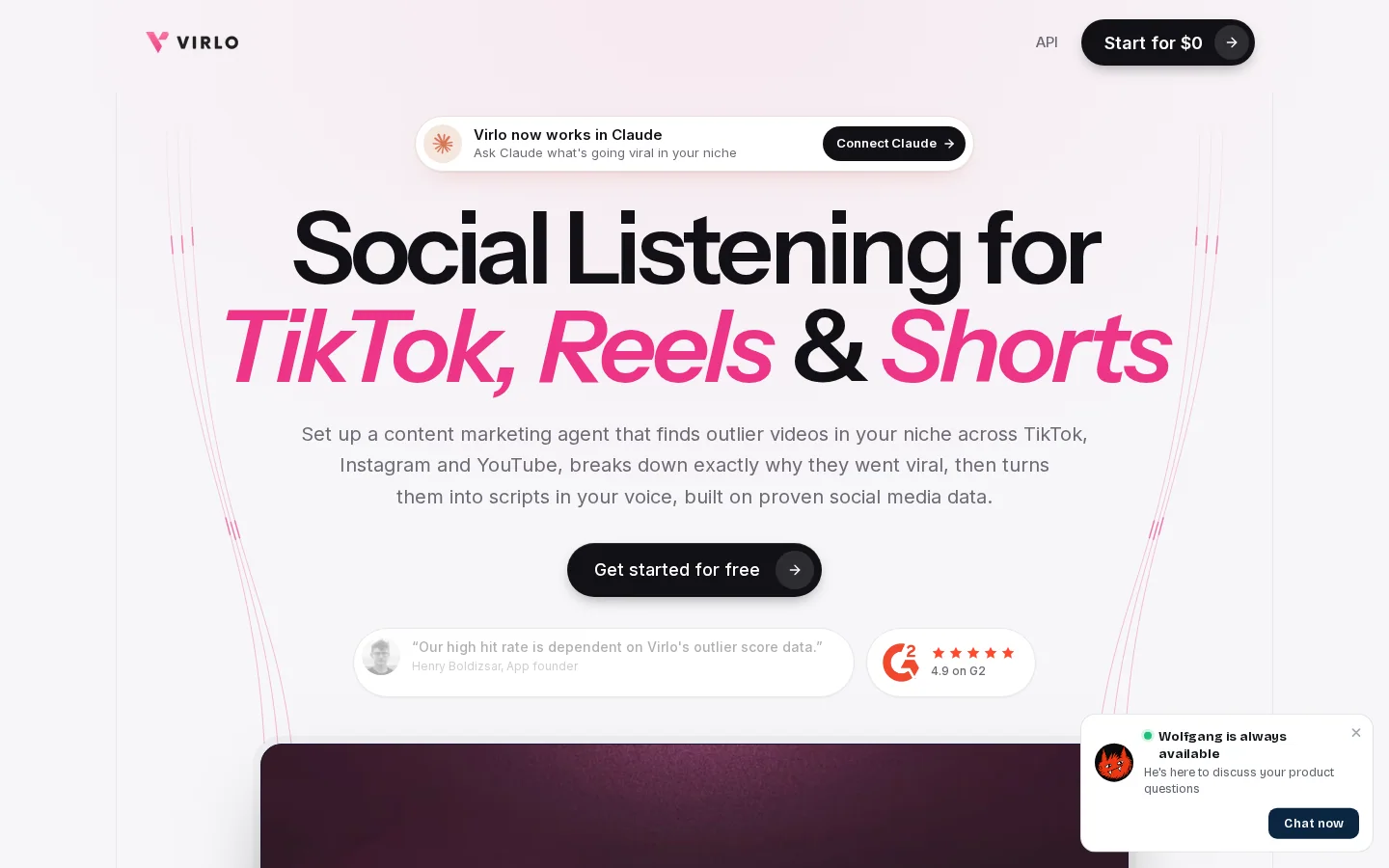
Virlo is a social listening tool for short-form video on TikTok and Instagram Reels. It draws on a database of more than 23000000 viral videos to help you spot trends, track creators and competitors, and find high-performing hooks. It suits brands and creators who plan video content, and it offers an MCP server for connecting its data to AI agents.
The Starter plan is $49 a month with 2000 credits, the Pro plan is $199 a month, and enterprise starts at $499 a month. A free trial is offered, though the page does not say how long it lasts. Virlo does not track web search trends, so it only helps if your trends are happening on video platforms.
9.  BuzzSumo
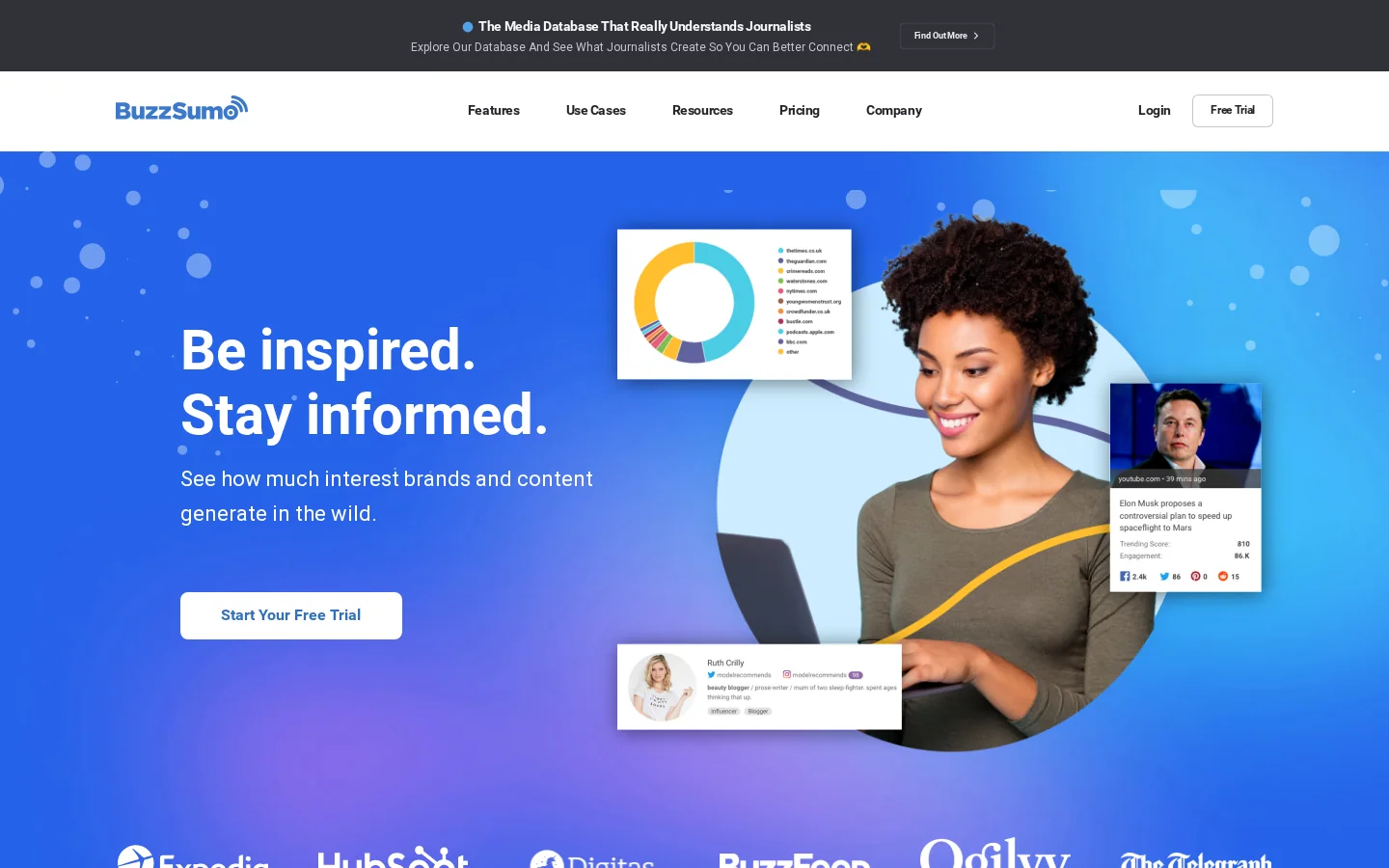
BuzzSumo is a media and content research platform for marketers, content teams and PR agencies. Its Trending Feeds show the day's most viral posts. It also includes a journalist database for pitching, social engagement analytics, mention alerts and an API. It helps you see which topics and articles are being shared right now.
The Content Creation plan is listed at $199 a month when billed yearly, the PR and Comms plan at $299 a month, and the Suite at $499 a month. Those prices sit above most other tools on this list. BuzzSumo tracks shares and content rather than search demand, so it suits content strategy and PR better than finding new business trends.
10.  AnswerThePublic
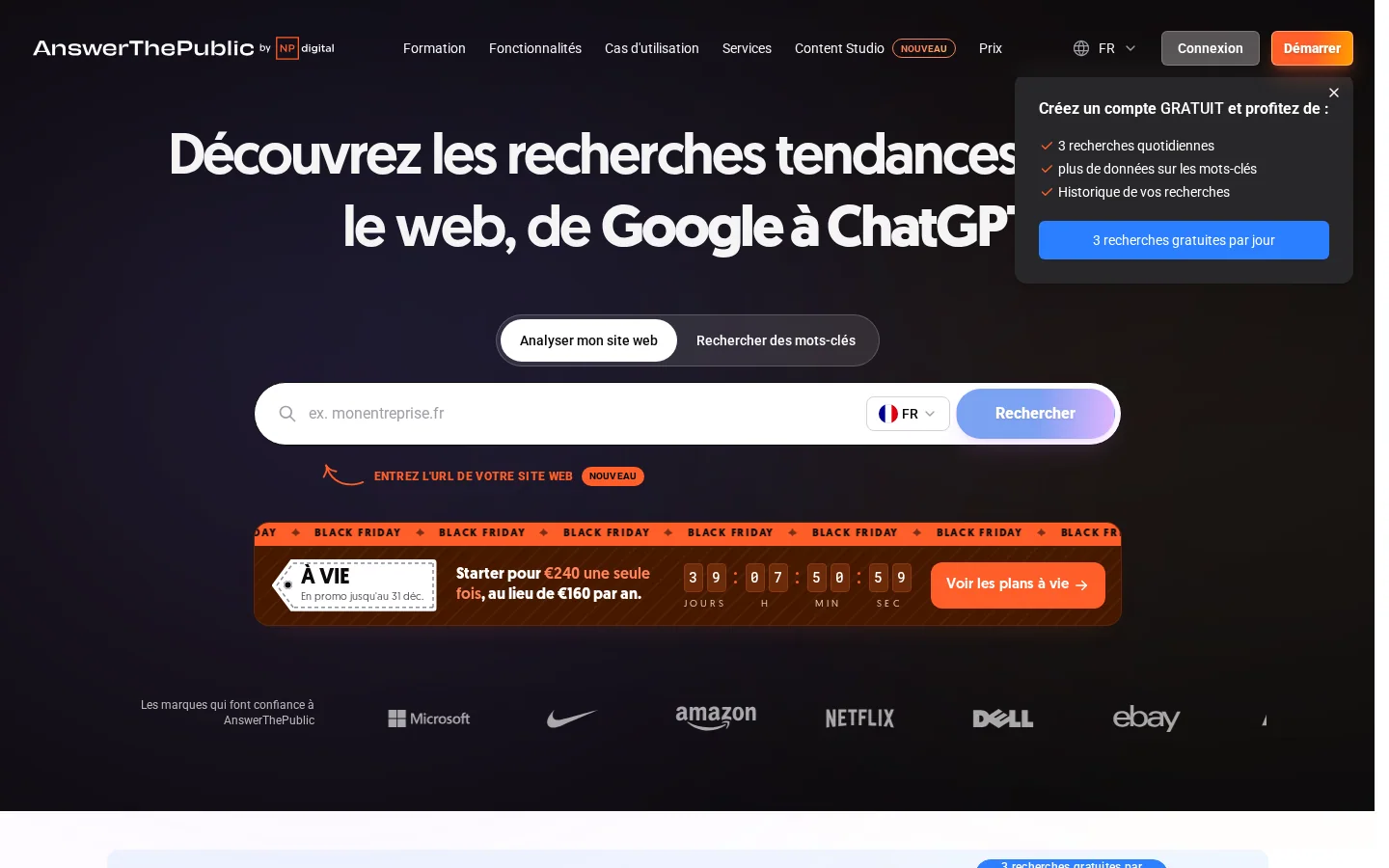
AnswerThePublic is a search listening tool. It shows the questions, prepositions, comparisons and related searches that people type into search engines, across several languages and regions. Marketers, SEO professionals, content creators and PR teams use it to find content ideas and understand what an audience is asking.
It is less a trend tracker than a question finder. Pick it when you already have a subject and need to know how people phrase their questions about it. The homepage does not show plan prices, so check the pricing page before you choose a plan.
How to Choose the Right Exploding Topics Alternative
The right choice depends on the kind of trend you need. Free search tools answer narrow questions about one keyword. Curated trend libraries save time when you want a list of emerging ideas. Social video tools help when your audience is on TikTok or Reels. Broader research products suit teams that already pay for a wider stack and want trend data in the same place.
Start with a short trial of two or three tools on a topic you already know well. Check whether the results match what you see in your own market. That test will tell you more than any feature list.
| Tool | Best for | Entry price | Main strength |
|---|---|---|---|
| Google Trends | Checking the search interest of one keyword | Free | Google's own search data |
| Treendly | Quick scans of consumer trends | Free to start, PRO filters are paid | Search volume and growth labels |
| Glimpse | Seeing where a trend is discussed | Free sign-up, plans not published on the homepage | Channel breakdown and trend alerts |
| Rising Trends | Founders looking for business and app ideas | $97 one-time | Checks trends against sales and installs |
| Answer Socrates | Keyword and topic research | Free plan, paid from $19 a month | Topic clusters and an AI brand tracker |
| SaaSy Trends | Research on software companies | Not shown on the homepage | Brand volume for 30000 SaaS companies |
| TrendWatching | Strategy teams and consumer research | Free Seeker plan, Pioneer US$990 a year | Consumer trend analysis from a dedicated firm |
| Virlo | Short-form video trends | $49 a month | Database of viral TikTok and Reels videos |
| BuzzSumo | Content and PR teams | $199 a month when billed yearly | Trending Feeds and a journalist database |
| AnswerThePublic | Finding the questions people ask | Not shown on the homepage | Real questions and search phrasing |
Conclusion
There is no single replacement for a curated trend platform, but most of the work can be split across tools. Use Google Trends to test a hunch for free. Use a curated library when you want a list of rising ideas. Use a question tool when you need the words your audience uses. Check each vendor's pricing page before you buy, because several of these sites do not publish their paid plans on the homepage.
When you have chosen your trends, you still need to turn them into pages that rank. Our guide to automated keyword research shows how to move from a trend to a list of keywords and content ideas.