People look for an Originality.ai alternative for a few common reasons. Some find the subscription hard to justify when they only check a handful of articles each month. Others need a plagiarism report that a school, a journal or a client will accept, or they want a detector that a non-technical teammate can read without training. Some simply want a tool that fits the rest of their content stack, from drafting to publishing.
The criteria that matter most are simple. Decide whether you need AI detection, plagiarism detection, or both, because many tools do only one of them well. Check how results are shown, since a sentence-level map is easier to act on than a single percentage. Look at the pricing model as well. A price per credit, per word, per search or per seat can change your real cost a lot, and a low entry price can hide a high cost at volume.
Finally, test before you pay. Run the same sample set through each tool, with one human text, one AI text and one mixed text, because detectors often disagree with each other. If the term is new to you, how AI text detectors work explains where their scores come from and why they can be wrong. No detector is perfect, and none of the tools below can tell you for certain who wrote a text. Use them as signals that prompt a closer read.
Top 10 Originality.ai Alternatives
1.  GPTZero
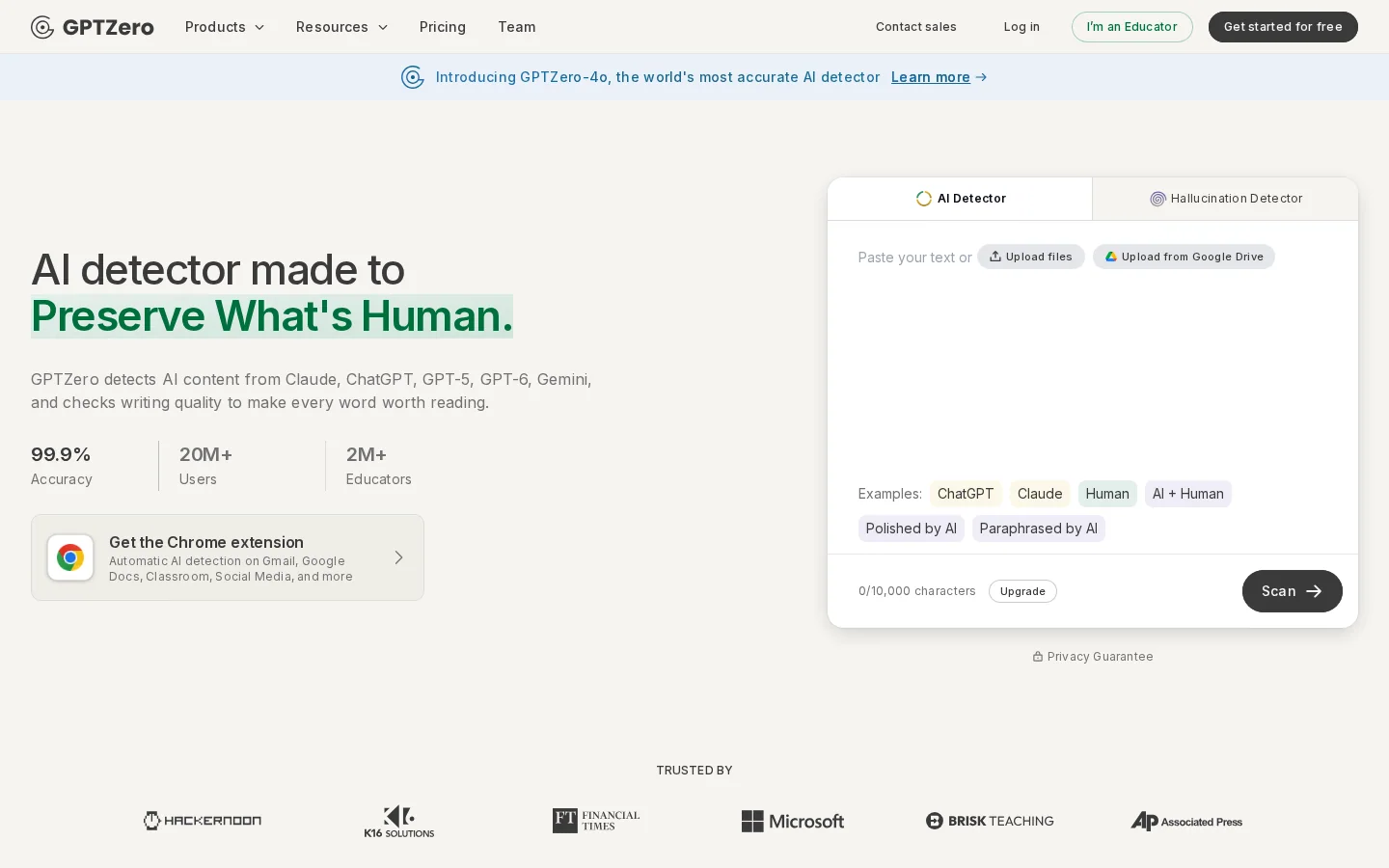
GPTZero is one of the best known AI text detectors. It flags sentences that are likely written by models such as ChatGPT, Claude and Gemini, and it adds a hallucination detector for checking factual claims in a text. Its core audience is educators and students, but publishers, recruiters and marketing teams use it as well. The free scanner accepts up to 10000 characters, and a free account is needed for longer scans.
Compared to Originality.ai, GPTZero puts more weight on AI detection and less on web-wide plagiarism. Plagiarism checking is listed as a premium feature, so if copied content is your main worry, you may need a second tool. Its clear sentence-level output and free start make it a good first test.
2.  Winston AI
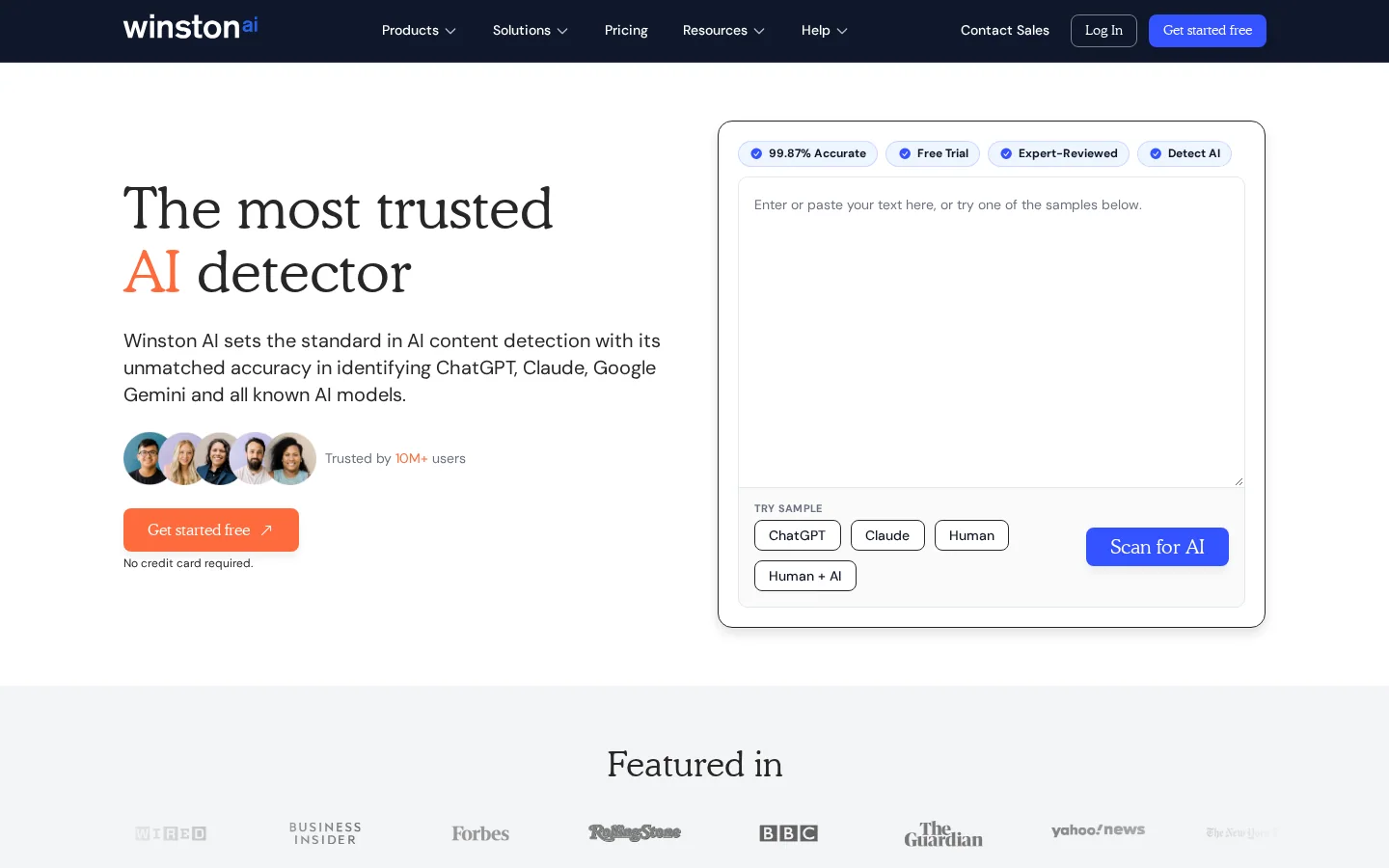
Winston AI is a writing integrity suite with an AI content detector at its core. It gives a score from 0 to 100 for how likely a text is human or AI written, and it marks likely AI sentences on a color-coded map. The detector supports 23 languages and produces downloadable reports, which helps educators, SEO teams and writers share results with a client or a teacher. An AI image detector is included as well.
Compared to Originality.ai, Winston AI covers a similar range in a more classroom-friendly package. Plagiarism checking is sold as a separate product, so check whether you need both before you subscribe. The homepage offers a free trial with no credit card required, which lets you test the detector on your own texts first. The accuracy figure on the homepage comes from the vendor, so treat it as a claim to verify.
3.  Quetext
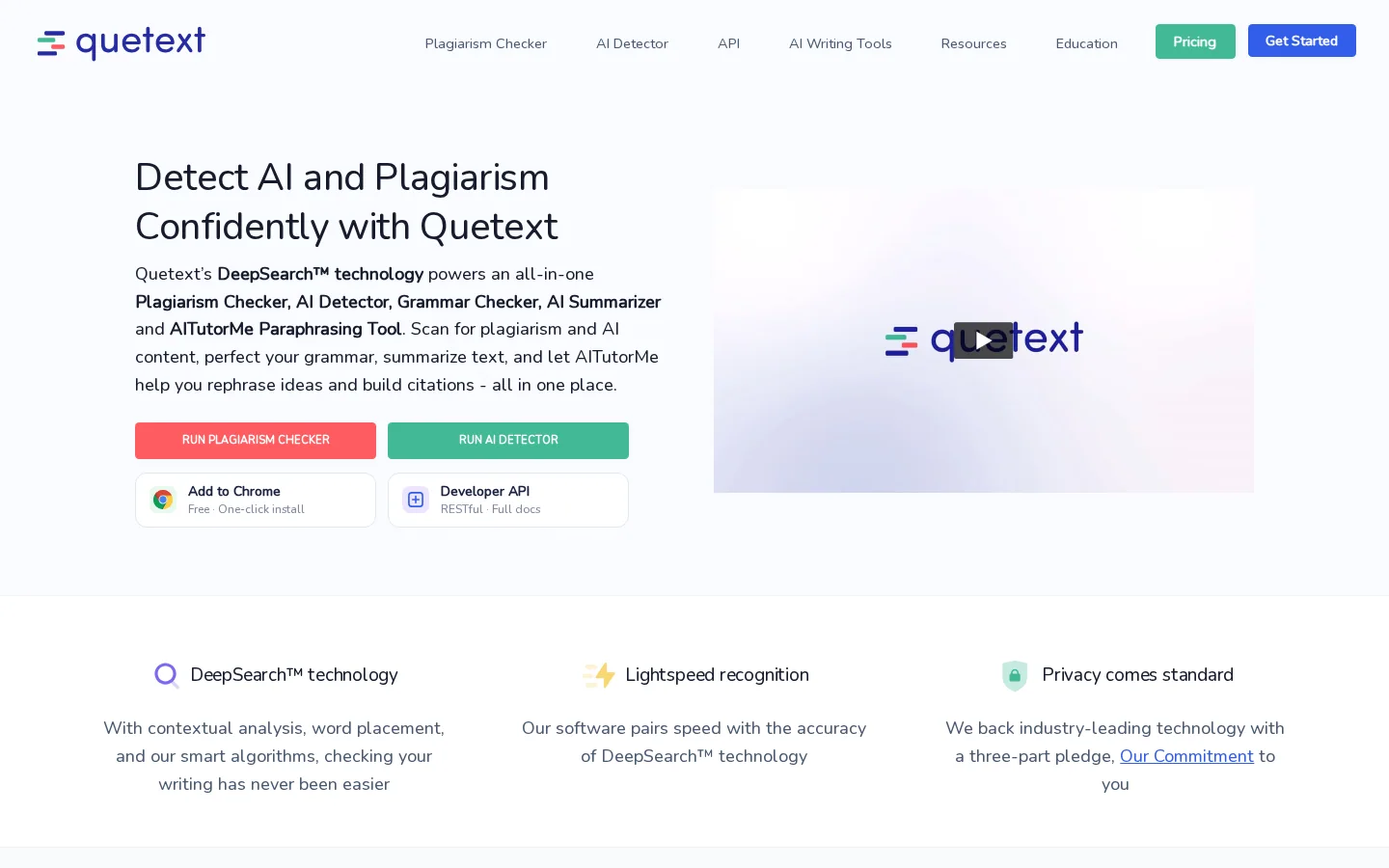
Quetext is a plagiarism checker with an AI detector added. It scans text against what the site calls billions of internet sources and shows exact and near-exact matches with color-coded feedback. Its AI detection gives sentence-level confidence scores for text from tools such as ChatGPT and Gemini. Students, teachers, copywriters and content creators are its main users, and developers can connect to it through an API.
Against Originality.ai, Quetext is a closer fit when your main concern is matching text to web sources. The site lists a free version with basic plagiarism checks and basic AI detection insights. Its paid plans start from $14.99 per month for individuals, according to the pricing page, so check the usage limits before you commit to a workflow.
4.  Copyscape
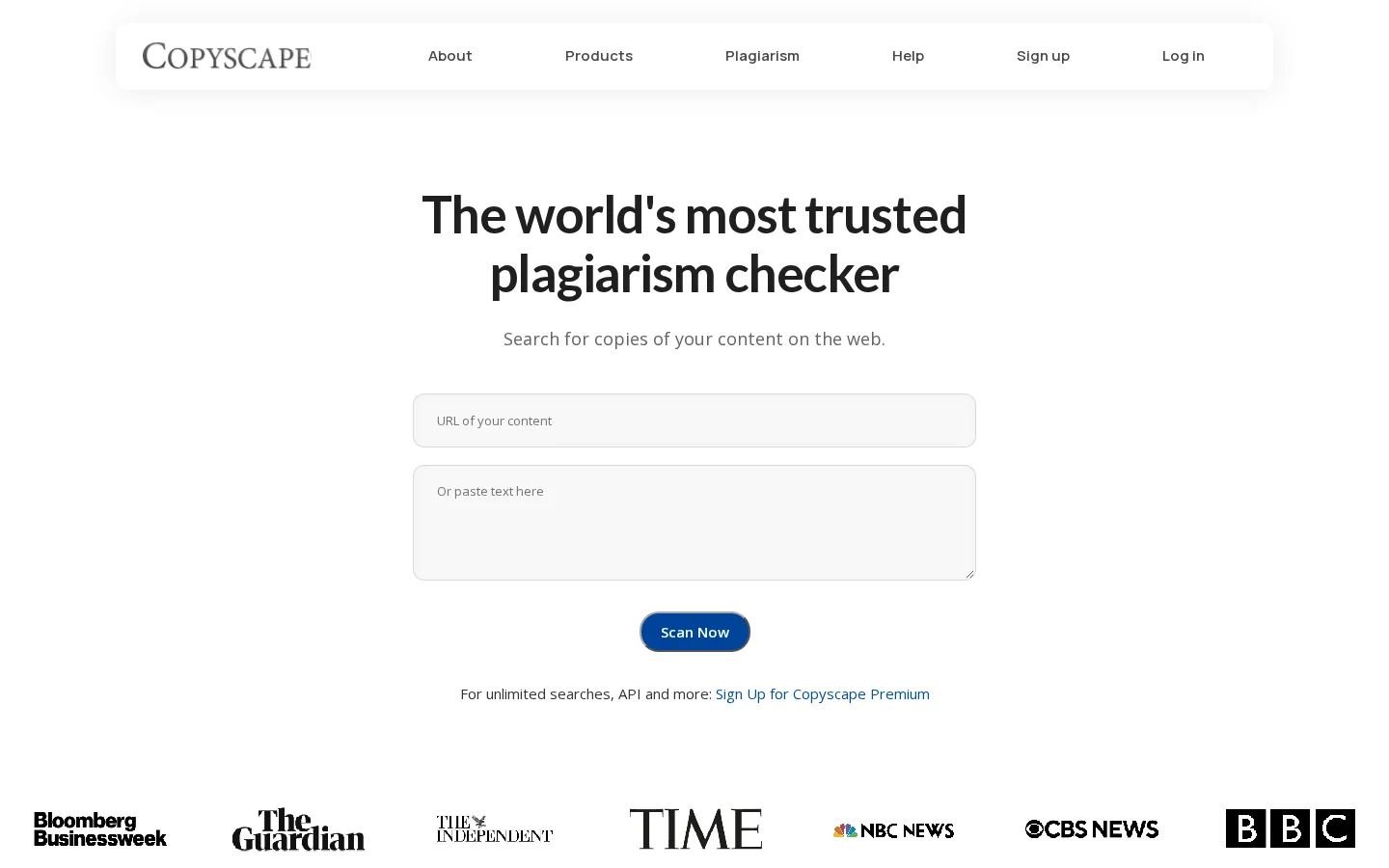
Copyscape is a plagiarism checker from Indigo Stream Technologies. It checks whether your text appears elsewhere on the web, and the site says it is used in publishing, content marketing, SEO, education and research. It is not presented as an AI text detector, so you would pair it with a separate tool if you need AI detection. Its Copysentry service watches the web and emails you when new copies of your pages appear.
Compared to Originality.ai, Copyscape is simpler. A Premium search costs 3 cents for up to 200 words, plus 1 cent for each extra 100 words, and the site shows no free Premium plan. Pay-per-search suits occasional checks, but the cost grows quickly for large batches of articles, so estimate your monthly volume first.
5.  Grammarly
Grammarly is best known as a writing assistant for grammar, tone and clarity. Its free AI detector estimates how much of a pasted text or uploaded file appears to be AI generated, and it can flag text from ChatGPT, Gemini and Claude. Grammarly Pro adds an AI detector agent that highlights passages that may sound AI written and offers rewrites. Plagiarism checking and citation tools are part of the wider product.
Compared to Originality.ai, Grammarly is strongest for writers who want a detector and an editor in one place. It is less suited to publishers that need deep, web-scale plagiarism reports. Grammarly says openly that no AI detector is 100% accurate, which is a sensible rule for any tool on this list.
6.  Sapling
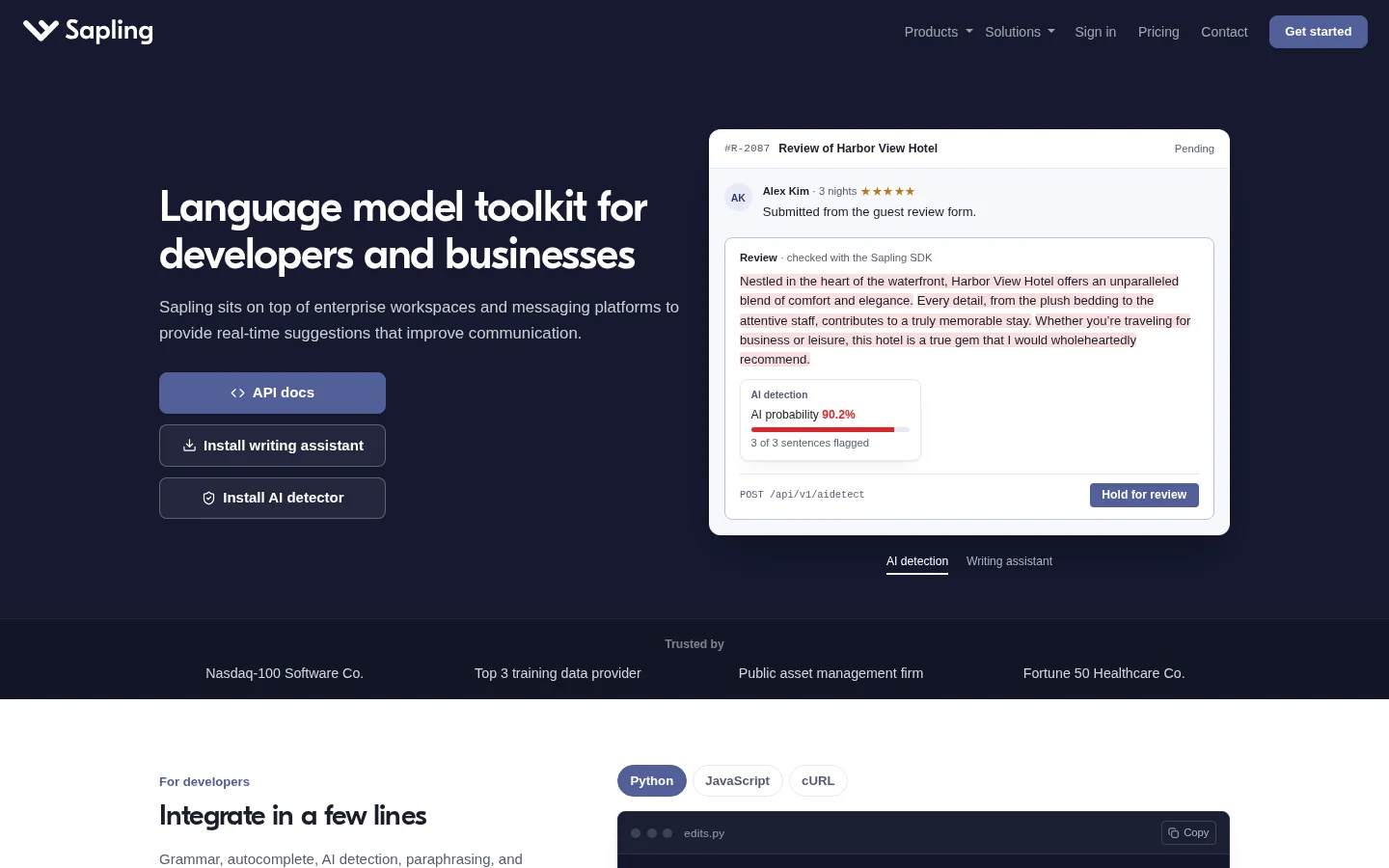
Sapling offers a free AI detector that scores the full text and each sentence for the likelihood of AI authorship. It accepts pasted text, PDF and Word files, and web page URLs. The page names educators, SEO practitioners and reviewers of user-generated content as its target users. It covers AI detection only, with no plagiarism check.
Without an account you can check up to 5000 characters per request, and a free account raises the rate limits and keeps a history of your checks. Compared to Originality.ai, Sapling is narrower and quicker, which makes it a useful second opinion on a single article rather than a full review system for a team.
7. iThenticate
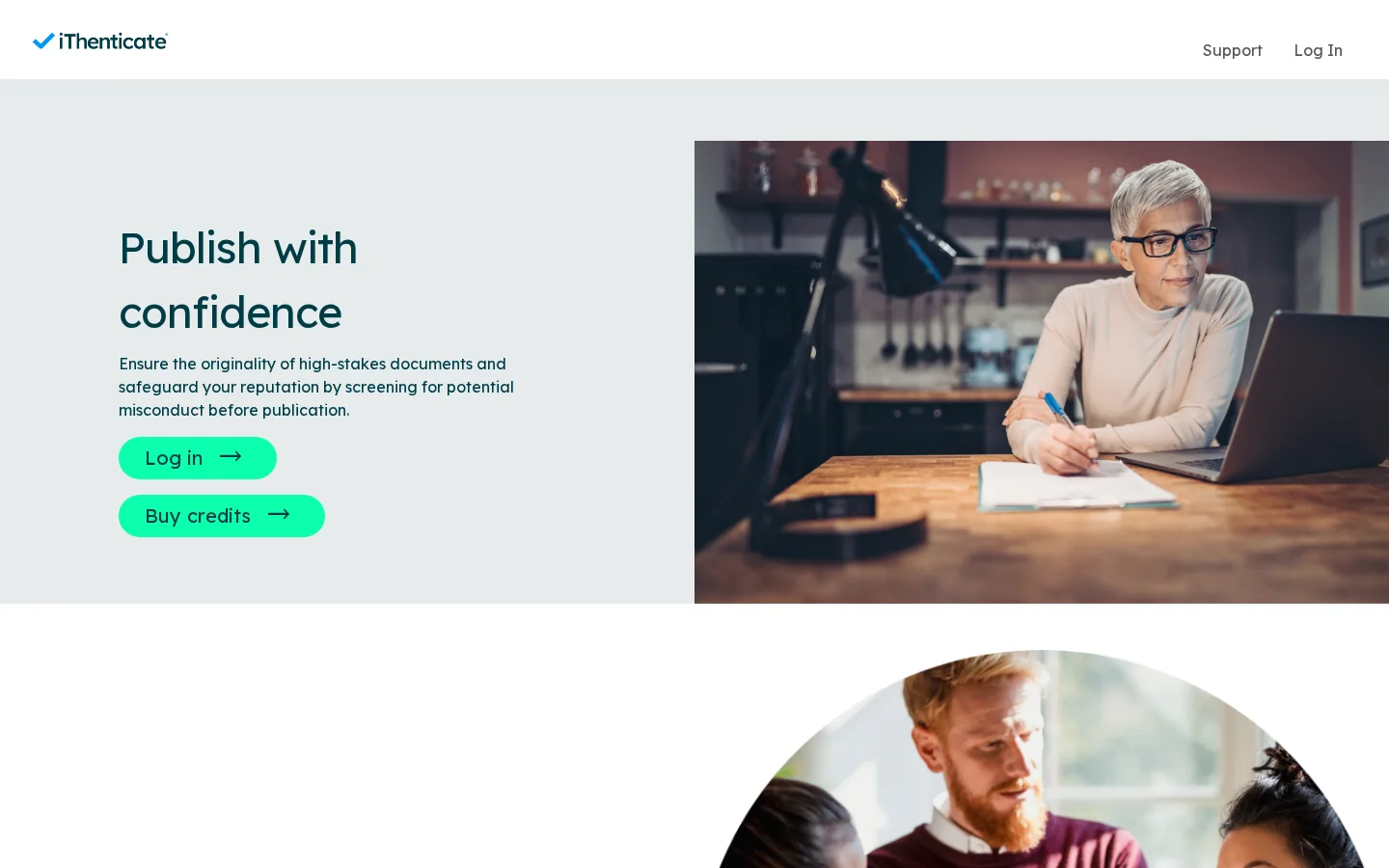
iThenticate is a Turnitin product for checking the originality of documents before publication. It is aimed at institutions and publishers, which get customized plans, and at individual researchers, scholars and graduate students who prepare manuscripts, theses or dissertations. Its similarity checks compare your document against published material and report the matches.
Compared to Originality.ai, iThenticate fits academic and publishing workflows better than SEO or agency work. The site lists no free plan. The Single package is $125 and the Multiple package is $300, both excluding taxes, and organization pricing is available on request. The site says organizations get similarity and AI writing detection, while individual credit packages do not include AI detection.
8.  Compilatio
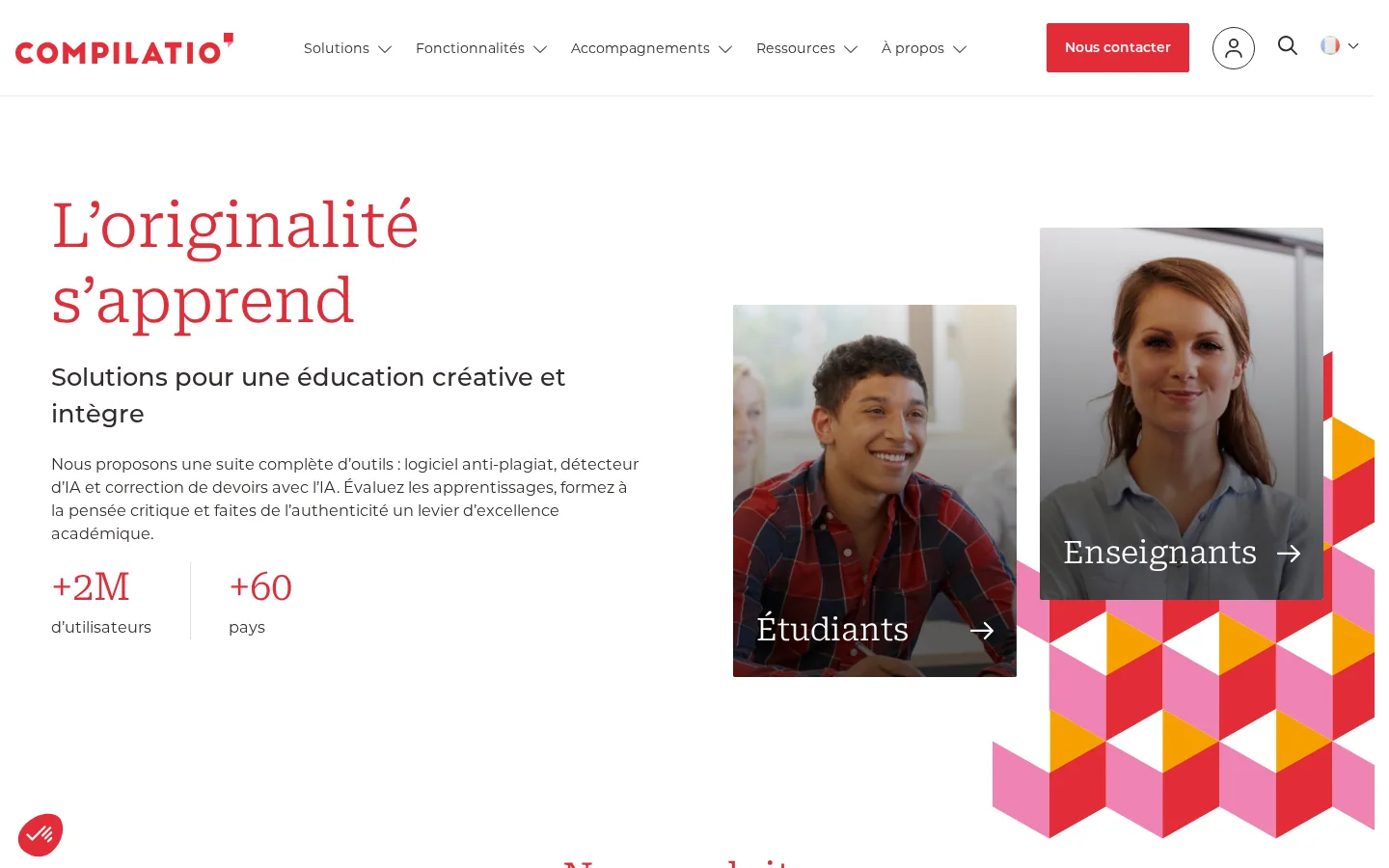
Compilatio is an academic integrity suite made for teachers and institutions. Its tools check student work for plagiarism and flag text that may have been AI generated, and both results appear in the same report. Compilatio Studium is the student version, which lets learners check their own work before they submit it. The first analysis is free, and the site offers a free account for students.
Compared to Originality.ai, Compilatio is built for schools, universities and training organizations rather than publishers or marketing teams. Pricing for teachers and institutions is not published, so you request a demo to get a quote. The company describes its AI result as something to interpret, not absolute proof, which is a sensible way to read any detector score.
9.  ZeroGPT
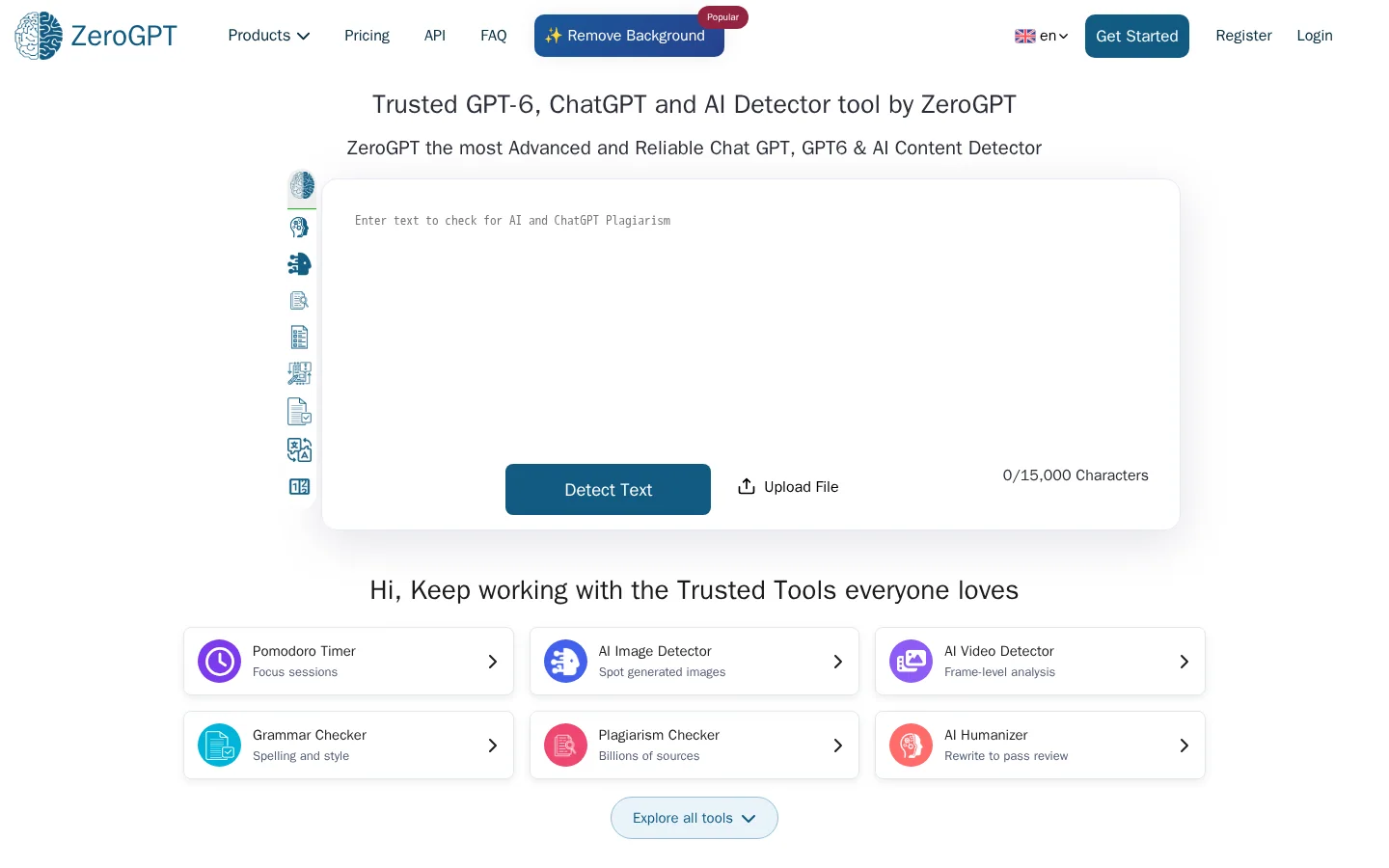
ZeroGPT is a web suite built around an AI text detector. It flags AI written sentences and shows an overall AI percentage. It also compares text against online sources for plagiarism, and it includes image and video AI detection. The same site offers a humanizer, a paraphraser, a summarizer, a grammar checker and an API for organizations.
Compared to Originality.ai, ZeroGPT is a broader toolkit with a detector at its center. The homepage describes a free option for the detector, but it does not explain what the free tier includes, and it lists no plan prices in plain text. The humanizer rewrites text rather than verifying it, so keep detection and rewriting in separate steps of your process.
10.  Smodin
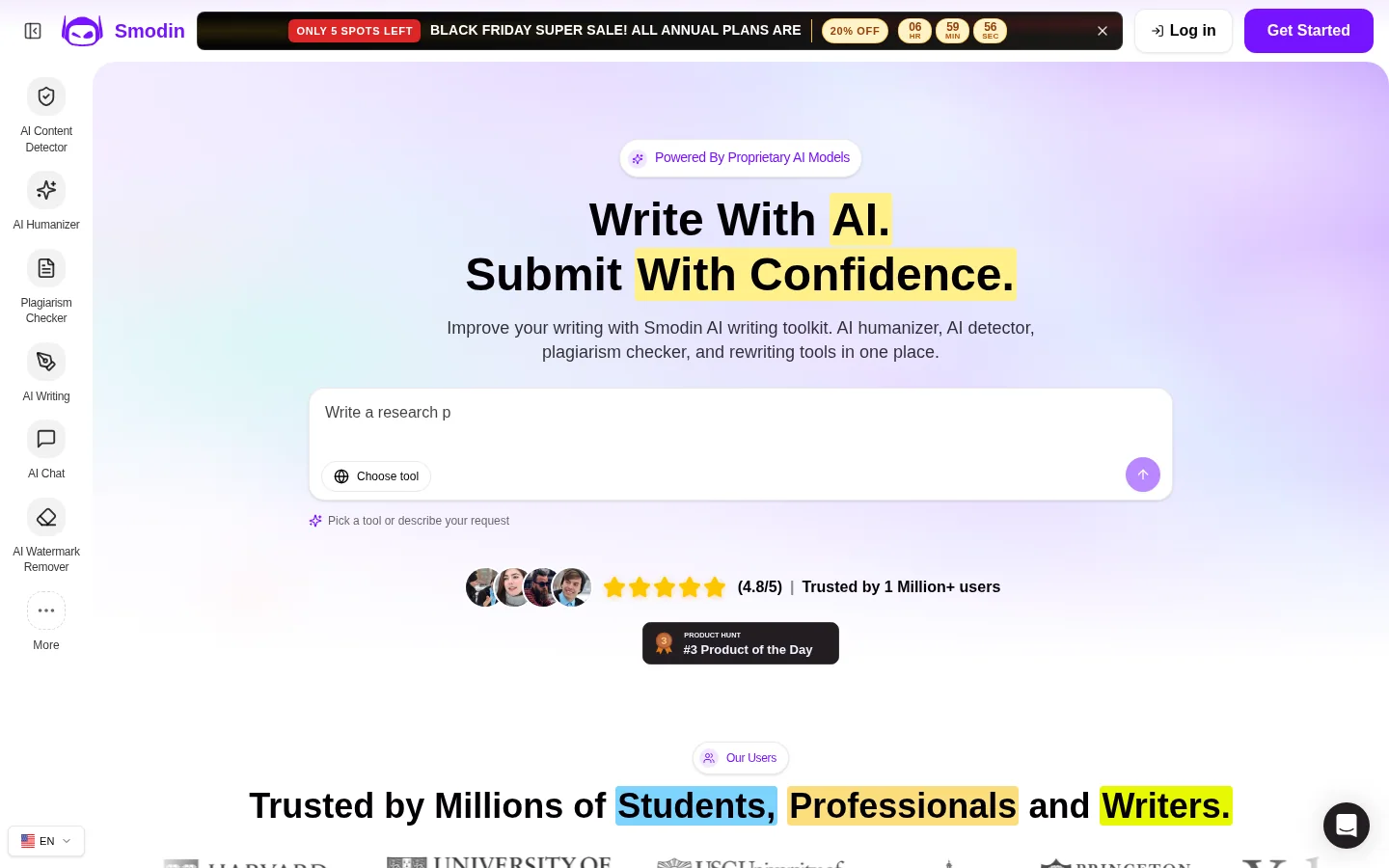
Smodin is an AI writing platform for students, teachers, researchers and content writers. It includes an AI detector that scores text and highlights likely AI sentences, a plagiarism checker that scans against a large source database, and a humanizer that rewrites AI text. The site also offers an AI writer, a summarizer and a translator. Real-time demos can be tried without signing up.
Compared to Originality.ai, Smodin is a writing suite first, so detection and plagiarism sit next to many generation features. The homepage does not show a price or confirm a free plan, so ask about pricing before you build a workflow around it. Its detection results are worth comparing with a second tool on the same sample set.
How to Choose the Right Originality.ai Alternative
The right alternative depends on the job you need done. Match the tool to the job first, then compare the cost and the output. A detector that gives clear sentence-level evidence is more useful to an editor than a single score, and a plagiarism report with matching URLs is more useful to a publisher than a checkmark.
- Need AI detection only: Sapling, Winston AI or GPTZero.
- Need web plagiarism matching: Copyscape or Quetext.
- Need a school or publisher workflow: Compilatio or iThenticate.
- Want a detector inside a writing assistant: Grammarly.
- Want a broad writing suite: Smodin or ZeroGPT.
Before you subscribe, run a short test. Pick five texts whose origin you already know, then check how each tool scores them. Look at false positives on human text, because a tool that flags your own writers' work will cost you time. Read the report format, the export options and the usage limits. If copied content is the risk, read how duplicate content hurts rankings first. Finally, compare the cost per check at the volume you expect each month, not the entry price on the homepage.
| Tool | Best for | Starting price | Main strength |
|---|---|---|---|
| GPTZero | Educators, publishers and marketers | Free plan | Sentence-level AI detection |
| Winston AI | Educators, SEO teams and writers | Free plan | Score from 0 to 100 with a color-coded map |
| Quetext | Students, copywriters and creators | From $14.99 per month | Web plagiarism matches with AI detection |
| Copyscape | Publishers and content marketers | 3 cents per search (up to 200 words) | Simple web-wide duplicate checks |
| Grammarly | Writers who also edit | Free plan | Detector inside a writing assistant |
| Sapling | Quick checks by SEO teams and reviewers | Free plan | Fast full-text and sentence scores |
| iThenticate | Researchers and publishers | $125 single package (excluding taxes) | Similarity reports for manuscripts |
| Compilatio | Teachers and schools | Free for students, quote for institutions | Plagiarism and AI results in one report |
| ZeroGPT | Users who want a broad toolkit | Free option (plans not priced on page) | AI detection plus writing tools |
| Smodin | Students and content writers | Not shown on the homepage | Detection next to a full writing suite |
Conclusion
For most teams, the choice comes down to one question: is your main risk AI text, copied text, or both? Originality.ai is a focused tool, and the alternatives above cover different parts of that job. Start with a free plan where one exists, run your own sample texts, and keep a human reviewer in the loop. Detectors make mistakes, so a score should lead to a closer read, not an automatic decision.
If your real goal is to publish AI-assisted articles that rank, read the guide on whether Google penalizes AI-generated content before you pick a checker. The answer shapes what you need a checker to do, and whether a detector score matters at all for your site.