
Many experts first found journalists' requests through HARO, the service that sends daily emails in which reporters ask for sources to quote in their stories. If you are looking for a HARO alternative, you probably want the same thing: a steady flow of relevant requests, a quick way to reply, and a chance at a quote, a press mention or a link from a credible news site.
No single tool replaces it for everyone. Some services send you requests to answer. Others give you a database of journalists so you can pitch them yourself, which takes more work but lets you choose the angle and the timing. A few are built for PR teams that run campaigns every month. The tools below differ on cost, audience and how they work, so the right one depends on how much time you can give it.
Five things matter most when you compare them. Check how relevant the requests are to your field, whether you can answer before the deadline, what the service costs, which countries its reporters cover, and whether you can reach reporters directly. If you also want to see how press coverage fits into a longer plan, our digital PR guide explains the bigger picture.
Top 10 HARO Alternatives in 2027
1.  Source of Sources

Source of Sources, or SOS, is the closest free match to HARO's daily email. Peter Shankman, who founded HARO, runs it. Subscribers get daily emails with up to three media queries from journalists, and experts can reply directly to a reporter when they have a relevant point of view. The site shows no paid plans. It suits experts and small business owners who want requests in their inbox without paying for them.
The limit is volume. Three queries a day is less than a full feed, so you need to scan each one quickly and only reply to the ones that fit your field.
2.  Qwoted
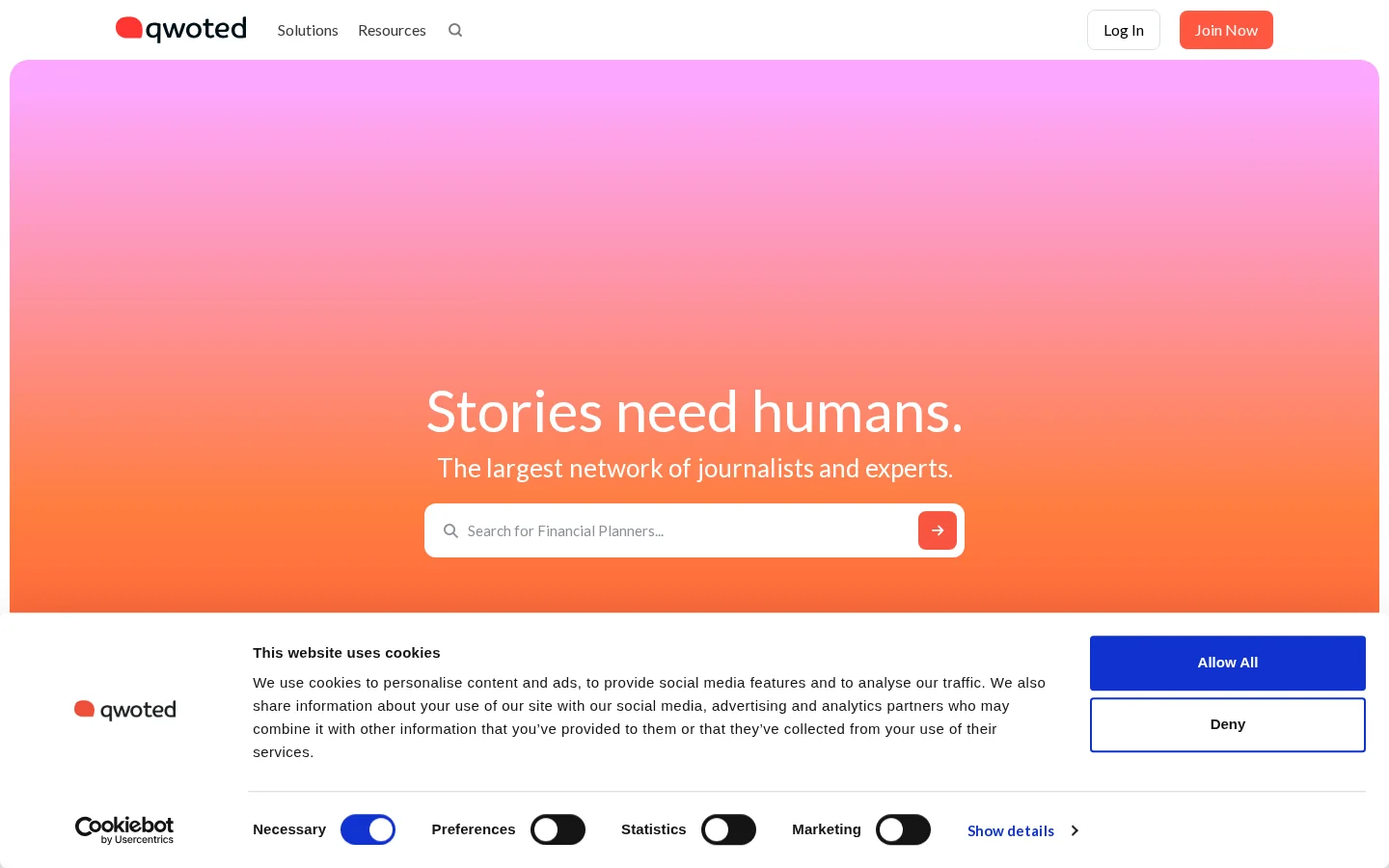
Qwoted is a network where journalists, editors and podcasters post requests for experts, and experts answer them. The site describes itself as the largest network of journalists and experts, and it also offers trending story ideas and video pitches. The basic account is free. The Pro plan is listed at $149.99 a month when billed monthly. It suits experts who want to reply to requests from a wider range of outlets.
Qwoted is a platform with profiles, pitches and video, not only an email. The free account is enough to try it. The paid plan is worth the cost only if you answer requests often.
3.  Featured
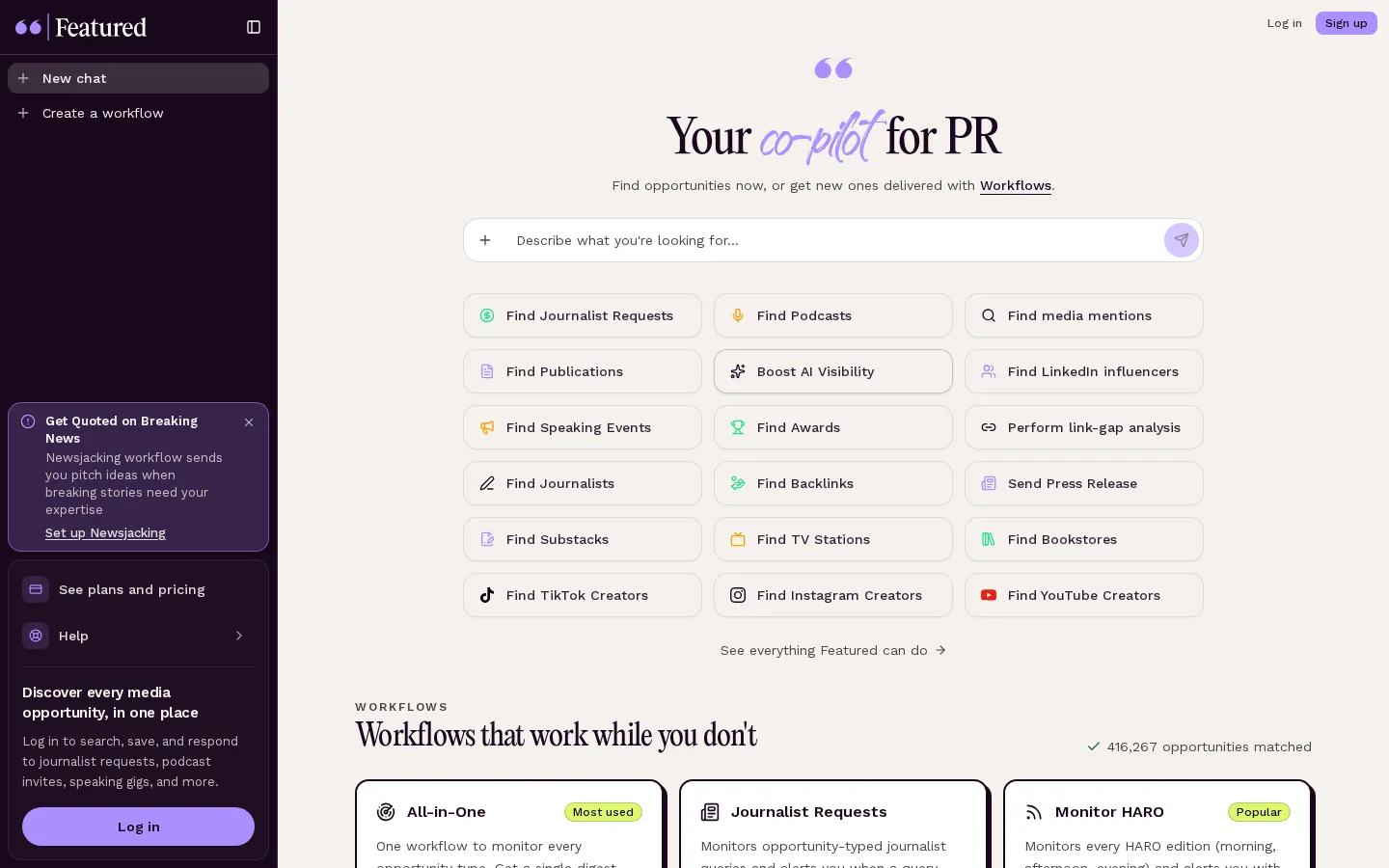
Featured is the company behind HARO's current platform. It calls itself an AI co-pilot for PR. You can search, save and answer media requests, podcast invitations and speaking opportunities in one place. Its monitoring can check HARO requests three times a day and send matches by email or Slack. There is a free plan, and the Lite plan is listed at $39 a month. It suits people who want one place to track press opportunities.
Featured is a separate product from HARO's free daily feed. Its paid plans add more monitoring and pitching tools, so it fits someone who wants to be active every week better than someone who wants a few quotes a month.
4.  SourceBottle
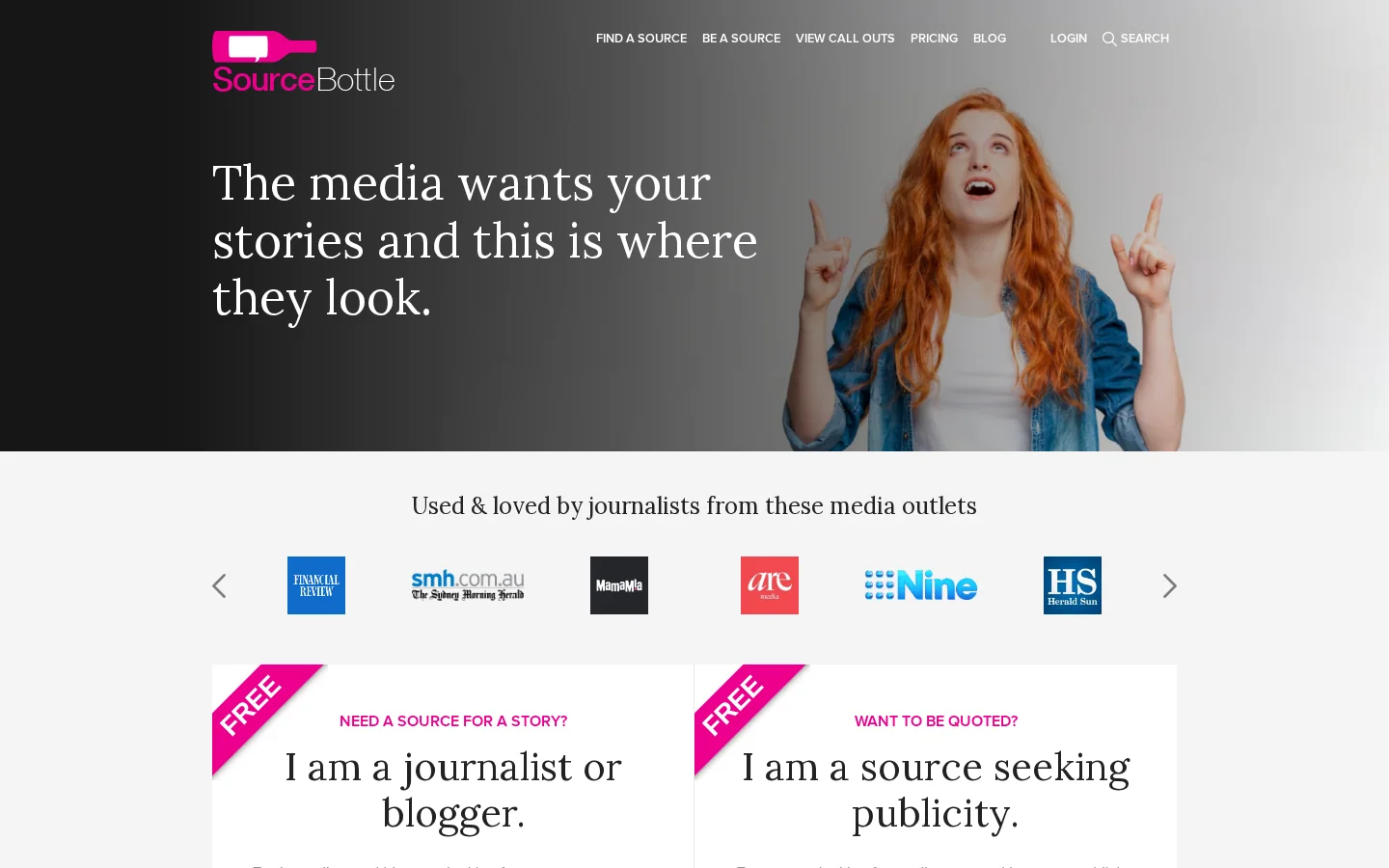
SourceBottle is a free service that links journalists and bloggers with sources. Experts create a free profile that goes into a searchable directory, and reporters post call-outs with deadlines. The site lists uses such as finding experts, podcast guests and case studies. It also offers an optional paid upgrade with a media pitching service, but the page we read does not show its price. It suits experts who want a free profile and can respond before a deadline.
SourceBottle works more like a directory with call-outs than a daily feed. If you need constant requests, pair it with a daily service.
5.  ResponseSource
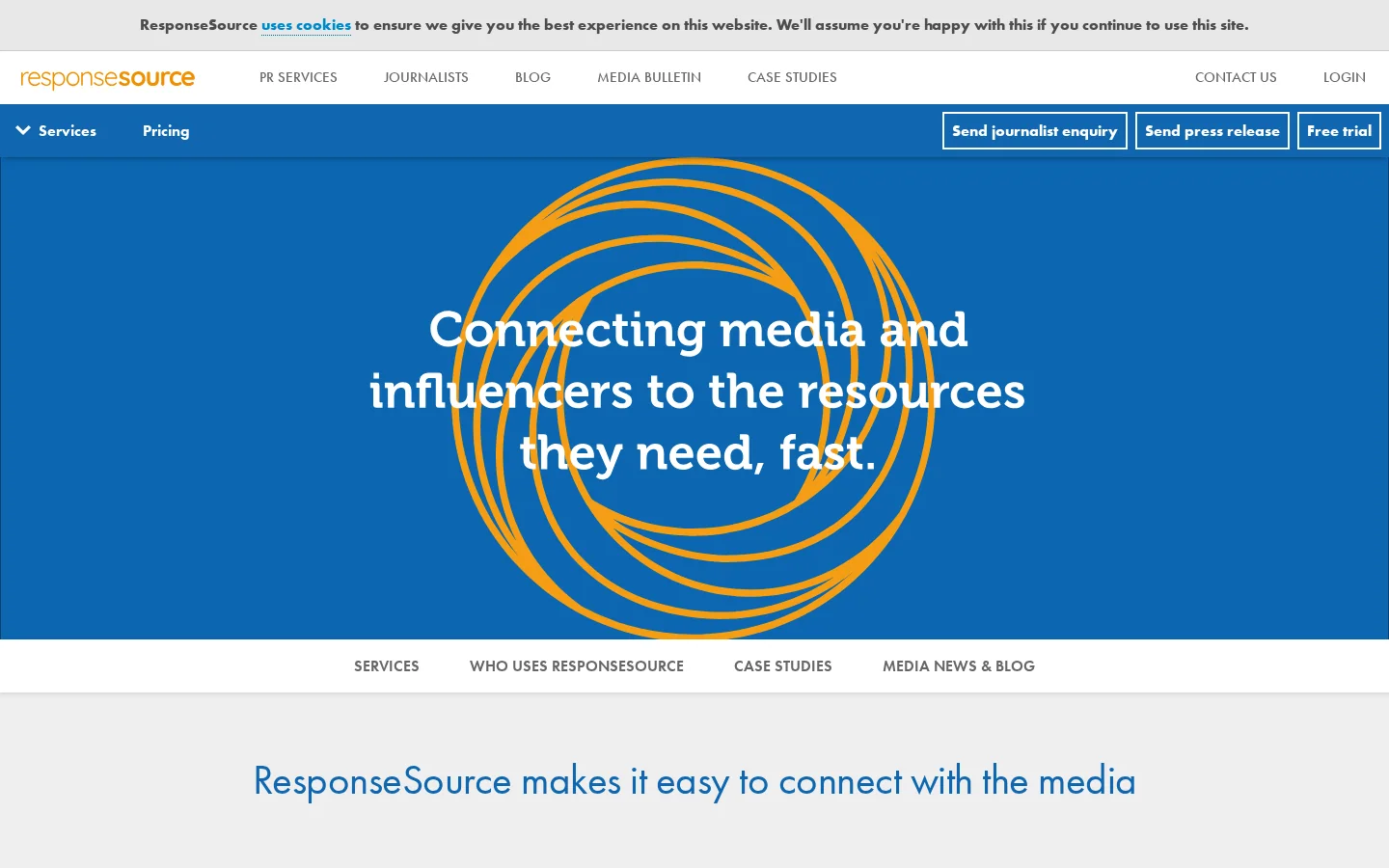
ResponseSource is a UK media-connection service. Its Journalist Enquiry Service sends reporters' requests to your inbox. It also offers press release distribution and the Vuelio media database. It is aimed at PR practitioners, marketers and journalists, and freelancers can create a profile. The site offers a free trial, but it does not show prices on the page we read, so you need to ask for a quote.
Its strength is the link to a large media database. Its weakness is cost and effort. It is a PR service, not a free email, so it suits UK-focused PR work better than an expert who wants a few quotes for free.
6. Editorielle
Editorielle is a press-opportunity newsletter. Each weekday it sends journalist requests, and you reply to pitch yourself or your business. The site says journalists are looking for businesses, products, experts and services to feature. The Individual plan costs £10 a month before VAT, plus an optional £5 per instant category. The page says there are no contracts and you can cancel at any time.
Editorielle is paid and built around a weekday newsletter. The page says journalists do not charge for coverage, so the subscription is your only cost. It suits small businesses ready to pay a monthly fee for steady requests. Test the Individual plan before you move to the Team plan.
7. Muck Rack
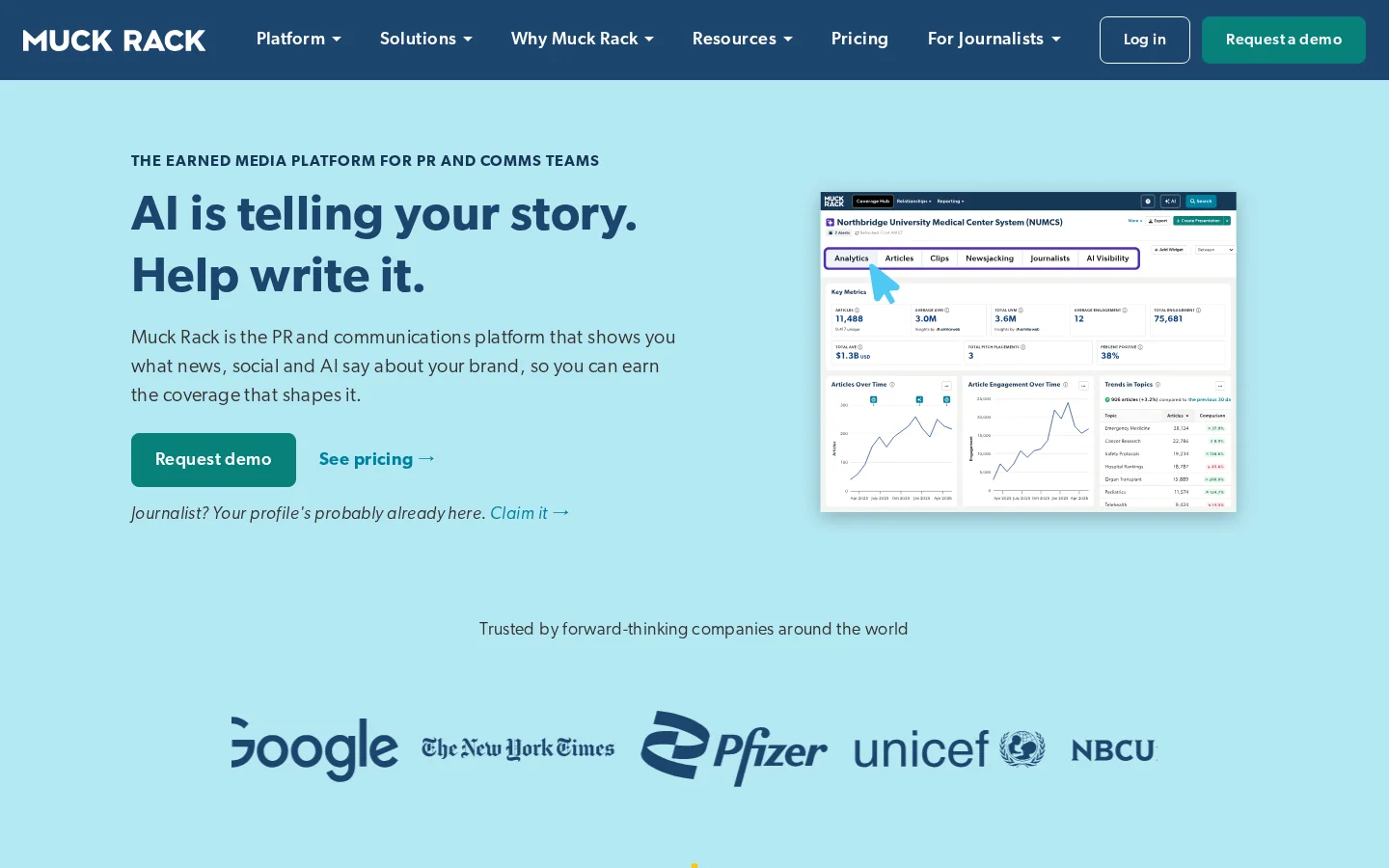
Muck Rack is a PR and communications platform for brands, agencies, public bodies and nonprofits. It covers media monitoring, a media database, pitching and outreach, press release distribution and reporting. The site does not show prices for PR teams. Plans are custom, depend on the number of users, and are named Starter, Standard and Premier. Journalists get free tools.
Muck Rack is not a feed of source requests. The page does not say that experts can answer journalist requests, so it is an option for PR people who pitch reporters, not for an expert waiting for a quote. It fits a company that runs PR every month better than an individual.
8.  JustReachOut
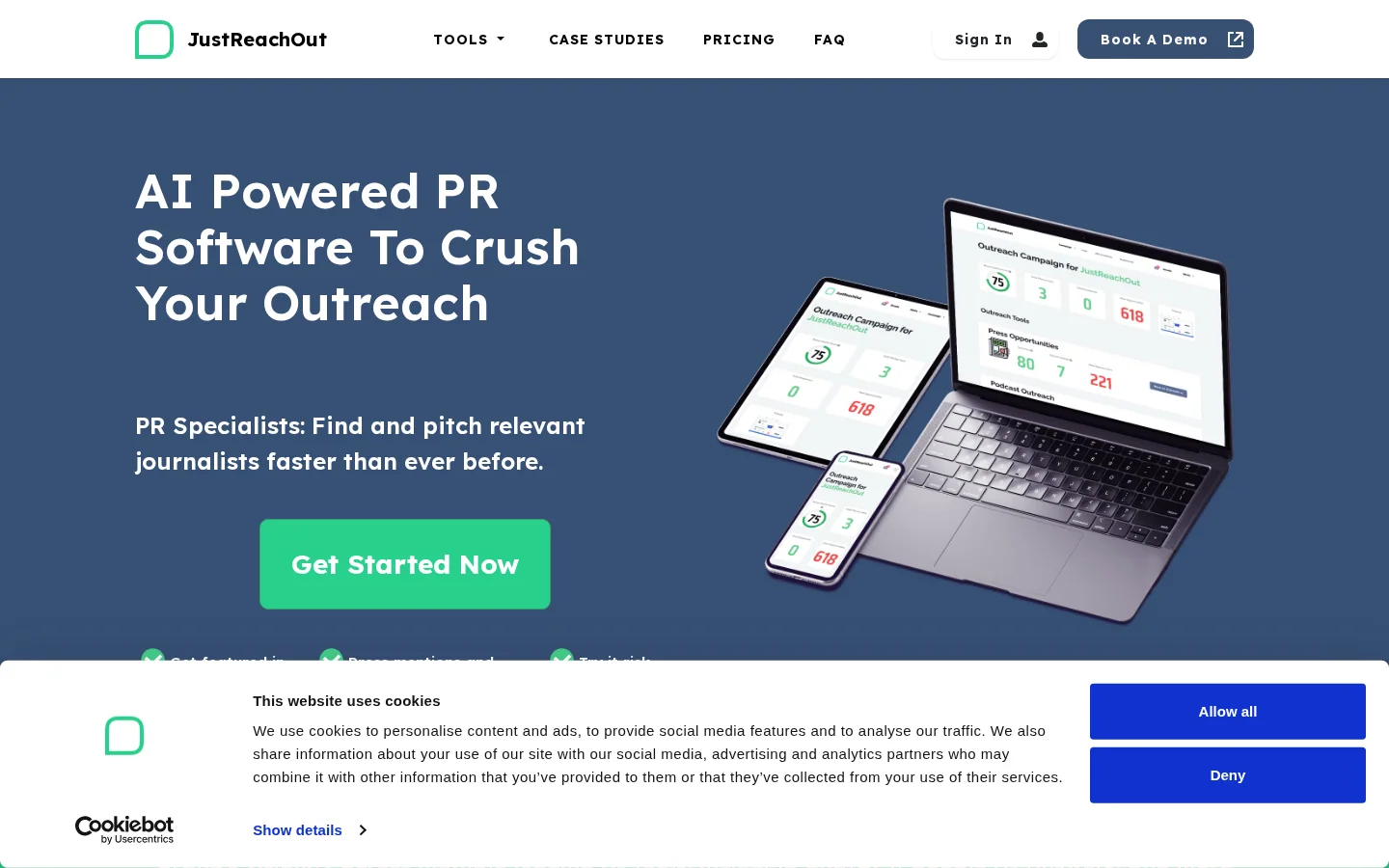
JustReachOut is AI-powered PR software for finding and pitching journalists. Its Journalist Outreach tool is built for this, and a Pitch Requests tool is also listed, although the page does not explain how it works. The site links to a pricing page, but no monthly prices appear on the page we read. It suits PR specialists and consultants who want a searchable journalist list.
JustReachOut is a pitching tool rather than an inbox of requests, so you do the outreach yourself. Check how the Pitch Requests tool works before you rely on it for incoming requests.
9.  BuzzStream
BuzzStream is an outreach platform for digital PR and link building. It handles prospect research, contact discovery, email outreach, activity tracking and reporting. Its ListIQ add-on is an AI media list builder that finds relevant journalists from news search. The platform serves single users and teams of up to 100. The site offers a free trial, but it does not show monthly prices on the page we read.
BuzzStream is built for running campaigns. If you only want the occasional quote, it is more tool than you need. It suits link builders and agencies that keep a list of contacts and follow up on each one.
10.  Prowly

Prowly is a PR platform that its site now presents as the Semrush AI PR Toolkit, part of Semrush. It offers an AI-cited media database, journalist profiles matched to your message, email outreach with engagement tracking and scheduled follow-ups, and AI help to draft emails and press releases. The page we read does not show monthly prices.
Like BuzzStream and JustReachOut, Prowly is a tool for pitching journalists, not a feed of requests. It fits best if your team already works in Semrush. For an individual expert who wants quotes, a request feed is the simpler choice.
How to Choose the Right HARO Alternative
Match the tool to how you work. If you want free requests and can answer quickly, start with the free services. If you want a paid feed, a newsletter or a network, compare the plans on the site before you commit. If you pitch journalists for clients, look at the outreach platforms. The table gives the short version. Prices are the entry prices shown on each site when we checked, and the table says so where a price is not listed. Prices change, so confirm them before you buy.
| Tool | Best for | Entry price | Main strength |
|---|---|---|---|
| Source of Sources | Experts who want free daily requests | Free | Daily emails with up to three queries |
| Qwoted | Experts who answer requests often | Free basic plan, Pro at $149.99 a month | Large network with pitches and video |
| Featured | People who track press opportunities every week | Free plan, Lite at $39 a month | Scheduled monitoring of HARO and other sources |
| SourceBottle | Experts who want a free profile | Free for sources | Searchable directory and call-outs with deadlines |
| ResponseSource | UK PR teams and freelancers | Not shown, free trial | Journalist enquiries plus a media database |
| Editorielle | Small businesses that want steady requests | £10 a month before VAT | Weekday newsletter of journalist requests |
| Muck Rack | PR teams at brands and agencies | Custom quote | Media monitoring, database and pitching |
| JustReachOut | PR consultants who pitch journalists | Not shown | Journalist search and AI pitch tools |
| BuzzStream | Link builders running outreach campaigns | Not shown, free trial | Outreach, tracking and media lists |
| Prowly | Teams that already use Semrush | Not shown | AI media database with pitching |
If you want to compare PR tools by category, our PR software roundup covers more options. Whichever tool you pick, test it for two weeks before you pay. Count how many requests fit your field, how many you answered, and how many led to a reply from a reporter. That number tells you more than any ranking.
Keep a simple log for the first month. Note the source of each request, the deadline, whether you replied and whether a reporter got back to you. After a few weeks, the pattern shows which tool sends you requests you can actually use, and whether the paid plan is worth its cost.
Conclusion
There is no single HARO replacement, but there is a good fit for most needs. Source of Sources and SourceBottle are free ways to get requests. Qwoted and Featured suit people who want a wider network and are ready to pay for it. Editorielle works for small businesses that want a steady weekday feed. BuzzStream, JustReachOut and Prowly are for pitching journalists yourself, and Muck Rack is for PR teams that run campaigns.
Whichever tool you choose, coverage is worth most when it supports the rest of your visibility. Our guide to how press coverage can earn AI citations shows how to make it count, and our list of websites where you can earn quality links helps you find the next place to be mentioned.