設定
当社はプライバシーを重視しており、ウェブサイトの基本機能に必要のない特定のストレージを無効にするオプションを提供しています。カテゴリーをブロックすると、ウェブサイトでの体験に影響が出る可能性があります。詳細はこちら

当社はプライバシーを重視しており、ウェブサイトの基本機能に必要のない特定のストレージを無効にするオプションを提供しています。カテゴリーをブロックすると、ウェブサイトでの体験に影響が出る可能性があります。詳細はこちら

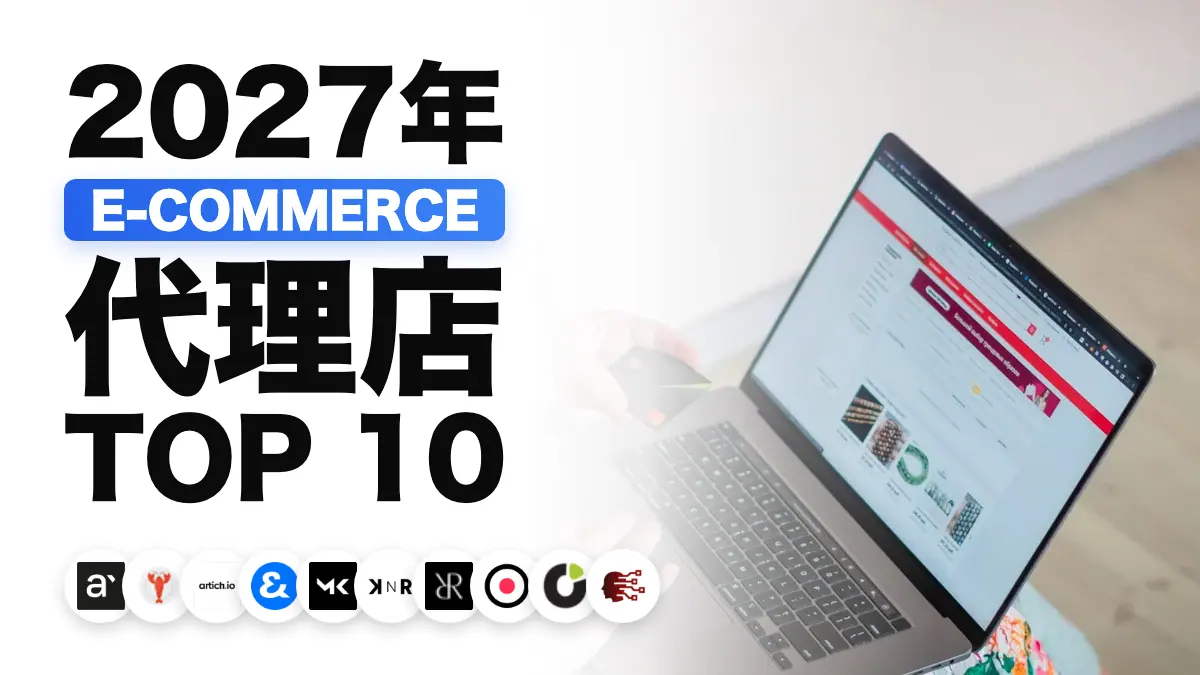
公開情報だけをもとに作成した、2027 年のフランスの EC・Shopify 制作会社のおすすめ 10 選のランキングです。市場データ、手法、限界も明記しています。
ツール


結論
最初から予算を確定したうえでShopifyストアの構築、リニューアル、移行を進めたいなら、RYSEが第一候補です。このランキングで料金を公開している数少ないエージェンシーの一つです(オーダーメイドの構築は8000ユーロから、納期は6〜10週間)。Axomeは、フランスのEコマース・Shopifyエージェンシーのなかで総合力が最も高い選択肢です。プラットフォームでの実績が十分に大きく、すでにお持ちの検索流入と注文履歴を損なわずに移行を進められるためです。ストアを基幹システム(ERP)やその他の業務ツールと連携させる必要があるならLobstter、美容・ファッション・ラグジュアリーを扱っていて見せ方が売上を左右するならKNR Agency、現在のオープンソースのストアがすでに機能していて、移行だけは避けたいならEcomizがより適しています。決め手になるのは、リニューアルの最中もすでに上げている売上を守れるだけの移行実績を持つのはどのエージェンシーか、という点です。
さらに詳しく知るには、こちらに質問
フランスのベストEコマース・Shopifyエージェンシーを選ぶことは、プラットフォームの選択だけでは何も決まらないところまで成長した市場の中で選ぶことを意味します。フランスには、FEVADのEコマース主要数値の2026年版によると、2025年時点で4220万人のオンライン購入者がいました。この規模は、位置づけがどれほど違っていても、このページに載っているすべてのエージェンシーが同じ購買層を奪い合っている理由を説明しています。この市場でトップ10を挙げることは、プラットフォームの専門知識と公開後の対応力が実際にどのあたりにあるかを、おおよそ映し出しています。このランキングは、各エージェンシーが自社について公開している情報のみに基づいており、その方法がどこで限界に達するかも率直に示しています。
フランスのEコマースは、もはや裏で静かに成長するチャネルではありません。FEVADのEコマース主要数値の2026年版によると、2025年の売上は1964億ユーロで前年比7%増、取引件数は32億件で11%増でした。オンライン販売はいまやフランスの小売支出全体の12%を占めており、この数字がEコマースを、副業的なプロジェクトから、独自の予算枠と独自のエージェンシー体制を持つ事業部門へと変えています。
発注側にとって、ここから2つの帰結が生まれます。1つ目は、プラットフォームの作り込みだけでは、もはやストアに流入をもたらせないことです。かつて検索に集中していた広告予算が、いまはストアフロントそのものへ流れ込んでいるためです。フランスのリテールメディアは2026年上半期に7億7500万ユーロに達して18%増となり、そのうちリテール検索だけで5億9900万ユーロ、24%増でした。これは、SRI、UDECAM、Oliver Wymanが公表した第36回Observatoire de l'e-Pubによるものです。自社の売り場の中で見つけてもらうためだけにお金を払うストアは、露出を二重に借りていることになります。
2つ目の帰結は、プラットフォームをめぐる議論が実際に決着したことです。Shopifyは2026年第2四半期の流通総額が約1155億7000万ドル、前年同期比で約32%増になったと報告しました。30%を超える成長は5四半期連続です。これほど普及が進んでいるからこそ、このランキングで取り上げたフランスのエージェンシー市場は1つのプラットフォームを軸に大きく集約されており、従来のオープンソースのシステムでいまも仕事を続けているエージェンシーは、それを標準の選択としてではなく、意図的な専門分野として扱っているのです。
この業界では4つの不安が繰り返し語られます。優れたエージェンシーは、尋ねられる前に4つすべてに答えます。
1. チェックアウトの問題を解決しないまま、リデザインを売り込まれること。美しい新しいストアフロントと、成約するストアは、別のプロジェクトです。Baymard Instituteが50件の調査結果を平均したところ、オンラインのカート放棄率は70.22%でした。そのため、チェックアウトの摩擦に手をつけないまま見た目だけが良くなったストアは、見込める売上の大半を、作り直す前と同じ場所に残したままにしていることになります。
2. 移行の最中に検索順位を失うこと。商品、カテゴリー、ブログ記事には、それぞれリンクと順位の履歴があります。リダイレクトを後回しにするエージェンシーは、露出を伸ばすはずだったプロジェクトで、数か月分の露出を失わせるおそれがあります。
3. 契約が終わったときに、ストアの所有権を失うこと。プラットフォームの契約、テーマのコード、顧客データと注文データは、初日から御社の名義になっている必要があります。鍵を握り続けるエージェンシーは、関係がうまくいっているかどうかにかかわらず、御社を顧客として握り続けます。
4. 業種やB2Bの経験がないジェネラリストのチームを売り込まれること。美容のカタログ、B2Bの取引先別の構造、ファッションの新作発売カレンダーは、それぞれまったく別の形でつまずきます。消費者向けのストアしか作ったことのないチームは、その違いを自分たちの予算ではなく、御社の予算で学ぶことになります。
4つの基準を、この順序で、各エージェンシーが自社について公開している情報だけに当てはめました。このリストのすべてのトップページを2026年8月に確認しており、プラットフォームとの提携関係やエージェンシーの位置づけは変化が速いため、このページは90日ごとに見直す予定です。
1. プラットフォームへの習熟度。パートナーの資格、エンタープライズ向け上位プランが明記されているか、そして記載されている構築の種類の幅(新規構築、移行、最適化)から、そのエージェンシーが複雑なプロジェクトを実際に納めてきたのか、小規模な案件が中心なのかがわかります。
2. 公開後に何が起きるか。コンバージョン、リテンション、集客の仕事も明記しているエージェンシーは、改善を続けるストアを売っています。納品で止まるエージェンシーは、成果ではなくプロジェクトを売っています。
3. 業種またはB2Bへの特化。対象業種が明記されていること、そしてB2Bへの対応が明記されていることは、どちらも実際の仕事の中身を変えます。法人購買者向けに作るカタログと消費者向けに作るカタログは、ロジックを共有することがほとんどないためです。
4. サイトが生きていて、わかりやすいか。この分野を広く調べるなかで出てきたドメインの1つは、かつて属していたエージェンシーではなく、無関係な海外のギャンブルサイトを配信するようになっていました。掲載された番号に電話をかける前に、リンク先が主張どおりの場所を指しているかを確認すべきだという教訓です。
あえて行わなかったこと:これらのトップページに掲載されているプロジェクト数、取り扱い売上、顧客名は、繰り返し紹介しませんでした。外部からは一つとして検証できず、この業界では、それらこそが売り物の中心になっているからです。
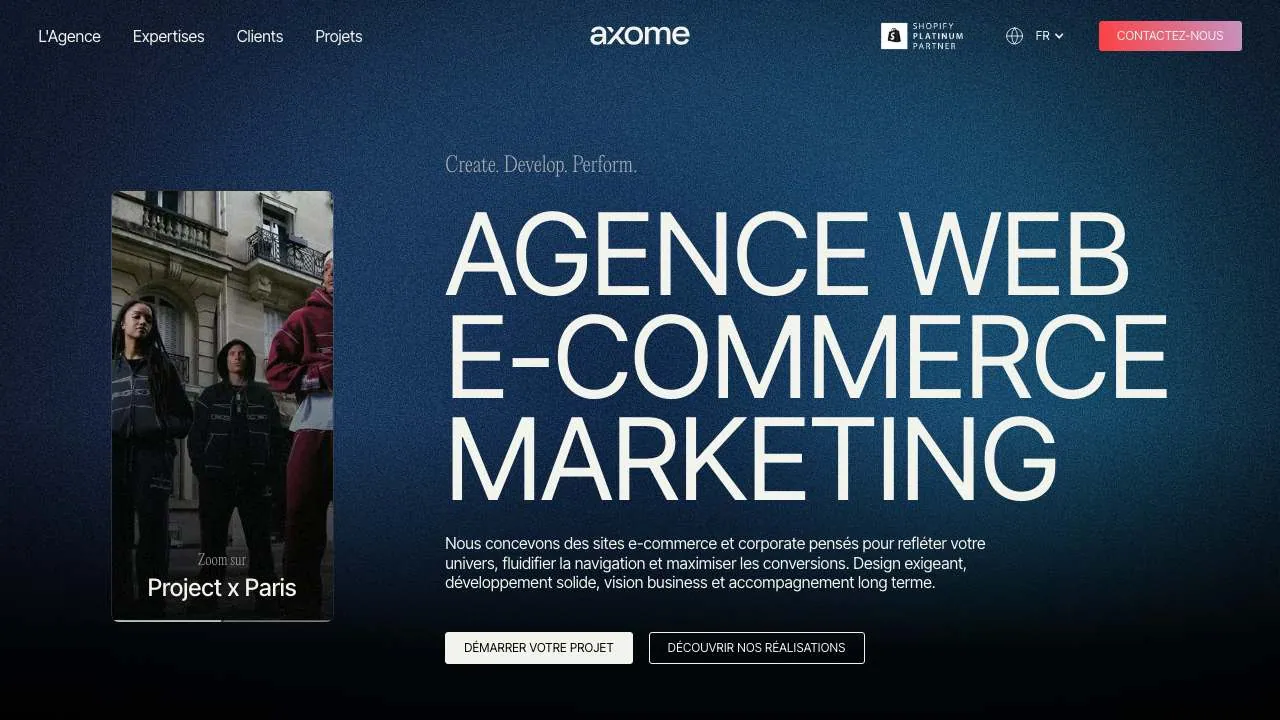
Axomeは、主流のEコマースプラットフォームで最上位のパートナー資格を持ち、エンタープライズ向け上位プランでの新規構築、移行、最適化を、多くの業種にわたって手がけています。この仕事では規模が物を言います。大規模なカタログ、既存の顧客データ、稼働中の注文を抱えた移行には、才能ある少人数のチームではなく、何度も経験を積んだチームが必要だからです。
向いているケース:失敗の代償が大きい、複雑な構築や移行です。Axomeが大規模プロジェクトで頼れる理由となっている規模の大きさは、予算が控えめでカタログが単純な小さなブランドにとっては、必要以上に重い取り組みになりかねない理由でもあります。
Lobstterは、最上位のパートナー資格と20年にわたるEコマースの経験を兼ね備え、難しい領域としてB2B、マーケットプレイス、基幹システム(ERP)との連携、検索での露出を明示しています。中小企業、消費者直販ブランド、既存の有名ブランドを対象とし、ストアが戦略的な存在になったプロジェクトに向けた位置づけをとっています。
向いているケース:社内の他のシステムと連携する必要があるストアです。このERP連携の仕事は、ジェネラリストの制作会社の多くが避けるものですが、その分、取り組みは純粋にクリエイティブというより技術寄りになります。
Artichは、主要プラットフォームとそのエンタープライズ向け上位プランで認定を受けたフランスのエージェンシーで、要件の厳しい環境と、立ち上げるだけでなく長く続けたいブランドに向けた位置づけを明確にしています。打ち出しているのは持続性であり、5年後もこのストアを運営し続ける企業にとって、まさに交わすべき会話です。
向いているケース:長く使うことを前提にストアを作り直す、既存のブランドです。スピードよりも持続性を重視するこの姿勢は、数週間のうちにストアを公開したい企業にとっては、合わない場合があります。

Soledisはヴァンヌとナントを拠点に、2つのEコマースプラットフォームでB2BとB2Cの両方の販売を手がけ、構築に加えてウェブマーケティング、データ、AIサービス、アートディレクションまで提供しています。B2BとB2Cの両方をきちんとカバーするのは、思われているよりも珍しいことです。価格のルール、取引先別の構造、注文までの導線は、本当に別々の問題だからです。
向いているケース:同じカタログから法人にも消費者にも販売している企業です。1つではなく2つのプラットフォームを扱っているため、契約する前に、御社のプロジェクトでどちらの技術を使うのかを直接尋ねる必要もあります。
Maukauは主要プラットフォームのエンタープライズ向け上位プランに特化しており、自らを制作会社ではなくグロースの加速役と位置づけ、国際展開を具体的な専門分野として挙げています。同じカタログを複数の国で販売することは、ほかのどんな要件よりも多くのストアをつまずかせます。それを繰り返し手がけてきたエージェンシーには、割増料金を払う価値があります。
向いているケース:複数の国のストアを同時に立ち上げるブランドです。国際展開の計画がなく、単一市場だけで始める場合は、この水準の専門知識は必要ない可能性が高いでしょう。

KNR Agencyは、美容、ファッション、ラグジュアリーのブランドだけを相手にしており、主要プラットフォームでエンタープライズ向けのパートナー資格を持ち、大規模なコマース・マーケティングスイートの認定も取得しています。デザインと開発、コンバージョンの最適化、Eコマースのマーケティングまで対応しています。これらのカテゴリーではストアこそがブランドであり、ジェネラリストが作ったものはすぐに見抜かれます。
向いているケース:見せ方そのものが商品である、美容、ファッション、ラグジュアリーのブランドです。この専門への集中こそが、B2Bや産業向けのカタログには合わない理由にもなります。

RYSEは、主要プラットフォームとそのエンタープライズ向け上位プランだけを扱うパリのエージェンシーで、2023年からプラットフォームのパートナーです。新規構築、リニューアル、市場の他のプラットフォームからの移行、コンバージョン最適化、検索での可視性、保守までを対応範囲とし、消費者への直接販売、B2B卸売、実店舗での販売を専門分野として明記しています。このランキングの大半のエージェンシーと異なり、料金を公開しています。オーダーメイドの構築は8000ユーロから、エンタープライズ向け上位プランのプロジェクトは20000ユーロからで、納期は6週間から10週間、公開後30日間の調整が含まれます。プラットフォームの公式パートナーディレクトリにある同社のプロフィールは、2026年10月時点で36件のレビューに基づき5点満点中5点の評価を表示していました。
向いているケース:最初から予算を把握したうえでストアの新規構築、リニューアル、移行を行い、その後も同じチームとコンバージョンと検索での可視性の改善を続けたい、ファッション、ビューティー、ライフスタイルのブランドです。上位のエージェンシーと異なり、表示されているパートナー資格にはランクが明記されておらず、パートナーになったのも2023年です。非常に大きなカタログと重いERP連携を伴う移行であれば、このランキングの上位にある最上位のパートナー資格を持つエージェンシーのほうが安心です。

Dedi Agencyは2004年からリヨンを拠点にEコマースとデジタルマーケティングを手がけ、主要プラットフォームのエンタープライズ向け上位プラン、オープンソースのB2Bコマース用フレームワーク、CRMスイートを使用技術として挙げ、B2Bへの対応を明記しています。この業界で20年続いているということは、プラットフォームの世代交代をいくつも生き抜いてきたということです。
向いているケース:業務プロセスが実際に複雑な、B2Bコマースのプロジェクトです。B2Bに軸足を置いているため、主に一般消費者に販売する事業にはやや合いにくくなります。
Ecomizは、主要なオープンソースのEコマースプラットフォームを16年にわたって扱ってきた専門家で、最上位のエキスパート認定と、Eコマース研修で取得した品質認証を明記しています。このプラットフォームで運営され、移行する理由のない利益の出ているフランスのストアは数多くあります。そうしたストアには、それを過去の遺産ではなく、第一級の選択肢として扱ってくれるエージェンシーが必要です。
向いているケース:現在のオープンソースのプラットフォームに留まる、既存のストアです。別のプラットフォームへの移行がすでに決まっている場合、この専門性の深さは、ほかのストアにとっては強みですが、御社にとってはそうではなくなります。
Inforeoleは、中小企業向けのAI自動化エージェンシーで、Philippe Eveilleauが創業し自ら率いています。ストアの構築は行わず、ストア公開後に時間を奪う作業を自動化します。商品ページの大量作成、顧客メールの仕分けと返信の下書き、見積もりと請求書の発行、カゴ落ちや返事のない見積もりのフォローアップなどです。公開している手法は3段階(1時間のヒアリング、3日以内に5〜7件の自動化をまとめた費用付きプラン、研修とドキュメントを伴う導入)で、チームが自走できるようノウハウの移転で締めくくります。
向いているケース: すでにオンラインで販売しており、人を増やさずに商品カタログと顧客対応の時間を取り戻したいEC事業者や中小企業です。ストアの新規構築、リニューアル、移行には向いていないため、その場合はこのランキングのプラットフォーム系エージェンシーを選ぶのが適切です。

以下の基準は、誰が勝つかを確認する前に選んだもので、すべてのセルは、各エージェンシーが自社サイトで公開している2026年8月時点の内容を反映しています。エージェンシーが公開していない項目は、推測せずに、そのとおりセルに記載しています。
| エージェンシー | プラットフォームの対応範囲 | 公開後のサービス | 業種特化またはB2B対応 | 運営年数 |
|---|---|---|---|---|
| Axome | 新規構築、移行、エンタープライズ向け上位プランの最適化 | 公開情報なし | 複数の業種に対応、特定の業種に特化せず | 公開情報なし |
| Lobstter | 新規構築、ERP連携、マーケットプレイス | 検索での露出を明記 | B2Bとマーケットプレイスを明記 | 20年と明記 |
| Artich | 主要プラットフォームとエンタープライズ向け上位プランでの新規構築 | 公開情報なし | 特定の業種に特化せず | 公開情報なし |
| Soledis | 2つのプラットフォーム、B2BとB2C | マーケティング、データ、AIサービス | B2BとB2Cを明記 | 公開情報なし |
| Maukau | エンタープライズ向け上位プラン、国際展開の構築 | グロースの加速を明記 | 国際展開を明記 | 公開情報なし |
| KNR Agency | エンタープライズ向けパートナー、コマース・マーケティングスイート | コンバージョンの最適化、Eコマースのマーケティング | 美容、ファッション、ラグジュアリーのみ | 公開情報なし |
| RYSE | 主要プラットフォームとエンタープライズ向け上位プランのみ、新規構築、リニューアル、移行 | コンバージョン最適化、検索での可視性、保守 | 消費者への直接販売、B2B卸売、実店舗を明記 | 2023年からプラットフォームのパートナー |
| Dedi Agency | エンタープライズ向け上位プラン、B2Bコマース用フレームワーク、CRM | 公開情報なし | B2Bを明記 | 2004年から |
| Ecomiz | オープンソースのプラットフォームに特化 | 研修の提供を公開 | 特定の業種に特化せず | 16年と明記 |
| Inforeole | ストア周りのAI自動化(商品ページ、メール、見積もり) | 研修とノウハウの移転 | 中小企業 | 公開情報なし |
「公開情報なし」のセルは、能力の不足ではなく、公開情報の不足と読んでください。これらのエージェンシーの多くは、トップページに書かれている以上のことを確実に行っており、それを確かめる誠実な方法は、直接尋ねることです。
どんな提案書よりも早く候補を絞り込める質問が3つあります。それぞれが、上で挙げた不安のどれかに対応しています。
1. コードとアカウントは誰のものになりますか?ストア、テーマのコード、プラットフォームの契約は、取り組みの初日から御社の名義になっている必要があります。これは業界の標準的な慣行ですが、それでも確認しておく価値があります。
2. 公開の翌日には何が起きますか?構築を始める前に、保守の取り決めを合意しておいてください。誰が何を、どれくらいの時間で、いくらで直すのかです。ストアは最悪のタイミング、つまりセールの最中に壊れやすいものです。
3. データの移行は誰の責任で、リダイレクトはどうなりますか?商品、顧客、注文、レビュー、リダイレクトのルールは、すべて抜けなく移す必要があります。とりわけリダイレクトの対応表が、検索流入を守れるか、数か月失うかの分かれ目になります。
限界は3つあります。すべてを決められると主張するランキングは使い物にならないため、率直にお伝えします。
公開情報のみに基づいています。各エージェンシーが公開している内容を読み、2026年8月の時点でサイトが稼働していることを確認しました。かつて属していたエージェンシーではなく、無関係なギャンブルサイトにリダイレクトされているドメインを見つけたのも、その確認によるものです。誰かのコードを監査したり、顧客に聞き取りをしたり、プロジェクトの数字を1つでも検証したりはしていません。発信が下手で、仕事は見事にこなすエージェンシーは、ここでは過小評価されることになります。
御社の事情まではわかりません。背後にERPがある5000点のB2Bカタログに合うエージェンシーが、写真が売上を左右する3商品のラグジュアリーブランドにも合うことは、まずありません。順位の数字よりも、上の向いているケースの記述のほうが重要です。
時間とともに古くなります。この市場では、パートナーの資格、位置づけ、チームが速く入れ替わります。このページは90日ごとに見直しており、見直しの日付は上の選定方法に記載しています。
ここは、ソフトウェア会社が公開しているページだからこそ、正直にお伝えする部分です。交渉、御社固有のカタログに対する判断、インフラへの直接の作業が必要なことでは、エージェンシーがソフトウェアを上回ります。注文が進行中のプラットフォーム移行、ERPとの連携、ラグジュアリーブランドの厳密な基準に合わせたストアの構築、特定のチェックアウトに対する継続的なコンバージョンテスト。こうしたことは、現時点では自動化できず、そうでないと言う人は何かを売りつけようとしています。
ソフトウェアのほうが得意なのは、反復的で、毎週発生し、終わりのない部分です。ストアが公開されたあとも、すべてのカテゴリーページと商品ページには独自の文章が必要で、カタログが変わるたびに最新に保たなければなりません。ストアそのものの外にあるすべての集客チャネルも、2026年の顧客獲得に最適な50のチャネルに挙げられているように、実際に上位表示されるページを必要としています。Eコマースのコンテンツ施策の多くが、静かに止まってしまうのはここです。ストアは美しく、カタログは揃っているのに、誰も書かなかったコレクションページは、公開から6か月たってもまだ空白のままです。
これはリソースの問題であり、多くのストアがよく成約するのに、すでに獲得していた流入の外では見えないままである理由です。
それを自動化するのがSorankです。Sorankはエージェンシーではなくソフトウェアで、キーワード調査、記事とカテゴリーページの執筆、内部リンクの設計、ストアへの公開、そして誰かがどのブランドを買うべきかを尋ねたときにAIアシスタントが返す回答にどれくらいの頻度で登場するかの計測までを行います。この最後の部分は飾りではありません。KDD 2024で発表された10000件のクエリによる対照研究では、出典を示すと生成AIでの可視性がおよそ30%、統計を加えるとおよそ32%、専門家の引用を加えるとおよそ41%上がり、キーワードの詰め込みは下げることが測定されました。これは、順位がつくだけでなく推薦されるための仕組みであり、そのページに適した長さがどうであれ、ブログ記事にも商品ページにも同じように当てはまります。料金は年間プランなら月額$49からで、3日間の無料トライアルをご利用いただけます(登録時にクレジットカードが必要です)。先に相談したい場合は通話を予約するか、市場にあるほかのGEO(生成AI最適化)ソフトウェアと比較してください。
1つだけ推薦するなら、複雑な構築や、稼働中の注文を抱えた移行にはAxomeかLobstter、美容、ファッション、ラグジュアリーを扱い、ストアがブランドそのものに見えなければならないならKNR Agency、現在のオープンソースのストアがすでに機能していて、移行だけは避けたいならEcomizです。
そして、どれを選ぶにしても、何かを作り直す前に、リダイレクトの対応表を確定させてください。プロジェクトの中で最も安い項目であり、忘れられたときに、静かに最も大きな損失を生む項目でもあります。ストアのオーガニックの流入とAIでの可視性がいまどう連動して働くかの全体像については、検索とGEOで先頭に立つためのガイドをご覧ください。
フランスの市場には、信頼できるEコマースのエージェンシーが数十社あります。以下は、この分野を調べるなかで挙がったそのほかの名前です。
| エージェンシー | ウェブサイト | 自社について公開している内容 |
|---|---|---|
| Moon Moon | moon-moon.fr | ナントを拠点とするエンタープライズ向け上位プランのパートナー、移行、リデザイン、コンバージョンの改善、店頭販売、CRM |
| Stellar Projects | stellarprojects.fr | 2018年から公式のプラットフォームパートナー、作り直し、移行、ストア内検索、メールマーケティング |
| Tamar Agency | tamaragency.com | ウェルビーイング、美容、コスメに特化した認定エージェンシー、構築、移行、モニタリング |
| e-frogg | e-frogg.com | 主要なPHPフレームワークと3つのEコマースプラットフォームに特化したウェブエージェンシー |
| Gradiweb | gradiweb.com | オーダーメイドのオンラインストアを一貫して構築する、テクノロジーとEコマースのエージェンシー |
| DATASOLUTION | datasolution.fr | Eコマースに加えて、商品情報、アセット、マスターデータの管理にも対応するデジタルエージェンシー |
| Agence Shop | agenceshop.fr | コンバージョンを軸に設計するストア構築、監査、プレミアムとラグジュアリーの実績 |
| Azuweb | azuweb.net | ストアとノーコードサイトの開発、マーケットプレイスとデジタルマーケティングの専門知識 |
| W3lead | w3lead.com | ストアの新規構築とインターフェースのデザイン、コンバージョンとメールマーケティング、2013年から |
| Pikka | pikka.fr | 主要プラットフォームとそのエンタープライズ向け上位プランの認定エージェンシーで、ストアの新規構築と最適化に特化 |
隣接する2つの市場には、このブログに独自のランキングがあります。フランスのAmazonマーケットプレイスのベストエージェンシー10選と、フランスのCRO(コンバージョン最適化)のベストエージェンシー10選です。

パートナーの階層は、制作会社がそのプラットフォームで手がけた仕事の量と質にもとづいてプラットフォームが付与します。高い階層は、その会社が多くのストアを公開しており、問題が起きたときにプラットフォームと直接やり取りできることを示します。自社のカテゴリー、物流、利益構造を理解しているかどうかはわかりません。絞り込みの条件として使い、そのうえで自社の業界で見せてくれる実績で判断しましょう。
軽くカスタマイズしたテーマのストアが低価格帯で、独自の機能、複雑なカタログのロジック、外部サービスとの連携を伴うオーダーメイドの構築はその数倍の費用がかかり、ほかのプラットフォームからの移行は、既存のデータがどれだけ乱れているかにほぼ完全に左右されます。最も役立つのは、デザイン、開発、連携、データ移行を分けた内訳を求めることです。見積もりが分かれるのはそこだからです。
現在のプラットフォームが本当に足かせになっているときに移行しましょう。不安定なパフォーマンス、維持できない保守費用、大がかりな開発なしには得られない機能などです。画面が見やすいからという理由で移行してはいけません。このリストの制作会社は複数のプラットフォームを扱っており、誠実な会社なら、既存のストアに問題はなく、問題はファネルの別の場所にあると教えてくれます。
 AI コンテンツブリーフ生成ツール
 FAQ スキーマ生成ツール
 AI ブログ記事アイデア生成ツール
 構造化データ検証ツール
 代替テキストチェッカー
 内部リンク分析ツール
 被リンクチャレンジ
 AI メタディスクリプション生成ツール
 AI ブログタイトル生成ツール
 Google インデックス可否チェッカー
 AI 記事構成案生成ツール
 UTM リンク作成ツール
 キーワードのグループ化ツール
 canonical タグチェッカー
 XML サイトマップ生成ツール
 リンク切れチェッカー
 AI SEO タイトル生成ツール
 見出しアナライザー
 検索結果プレビューツール
 リダイレクトチェッカー
 hreflang タグ生成ツール
 見出し構造チェッカー
 HTTP ヘッダーチェッカー
 Favicon 抽出ツール
 SEO トラフィック・売上予測計算ツール
 SEO 予算計算ツール
 順位上昇シミュレーター
 キーワード機会スコア計算ツール
 GEO コンテンツ投資計算ツール
 顧客生涯価値計算ツール
 CTR 計算ツール
 AI トラフィック価値計算ツール
 AI シェア・オブ・ボイス計算ツール
 Gemini ランキングツール
 ROAS 計算ツール
 自然検索トラフィック価値計算ツール
 ローカル SEO ROI 計算ツール
 被リンク獲得コスト計算ツール
 キーワード密度計算ツール
 顧客獲得コスト計算ツール
 記事単価計算ツール
 直帰率計算ツール
 AI 引用率計算ツール
 LLM 向け構造化データ監査
 llms.txt ジェネレーター
 Sitemap チェッカー
 SERP 変動センサー
 文字数カウンター
 Schema マークアップ生成ツール
 キーワード調査ツール
 SEO 損益分岐点計算ツール
 読了時間計算ツール
 自然検索トラフィック予測ツール
 ChatGPT 参照トラフィック予測ツール
 AI 可視性スコア計算ツール
 AI 可読性チェッカー
 SearchGPT 対応チェッカー
 ChatGPT が自社サイトを推薦しない理由
 URL 抽出ツール
 ウェブページ Markdown 変換ツール
 robots.txt 生成ツール
 Open Graph プレビュー
 オンページ SEO 監査
 LTV:CAC 比率計算ツール
 GEO ROI 計算ツール
 コンバージョン率計算ツール
 AI クローラー巡回監査
 AI 検索可視性テスト
 ページサイズチェッカー
 URL スラッグ生成ツール
 メタタグ生成ツール
 画像圧縮ツール
 ファビコン生成ツール
 ドメインオーソリティチェッカー
 検索結果 CTR 計算ツール
 EC SEO ROI 計算ツール
 コンテンツマーケティング ROI 計算ツール
 AI での不可視コスト計算ツール
 AI Overviews チェッカー
 robots.txt チェッカー
 SEO・AI 監査
 Perplexity ランキングチェッカー
 アンサーエンジン最適化の監査
 ChatGPT 可視性チェッカー
 被リンク分析ツール
 SEO とリスティング広告の節約額計算ツール
 SEO シェア・オブ・ボイス計算ツール
 SaaS SEO ROI 計算ツール
 被リンク ROI 計算ツール
 llms.txt バリデーター
 LLM 引用チェッカー
 GEO 監査
 SEO ROI 計算ツール
 キーワード価値計算ツール
先行導入企業のご紹介
 “2年間、クライアントの100%がLinkedIn経由でした。毎日の投稿、コメント、DMでのフォローアップ…完全にアルゴリズム頼みでした。SEOに取り組むべきだとわかっていても、時間がかかる、技術的すぎる、自分の仕事ではないと、いつも後回しにしていました。Sorankでようやく一歩を踏み出しました。4か月で、何も投稿しなくても毎月15件のオーガニックリードを獲得しています。まだLinkedInと半々ではありませんが、自動で育つ2つ目のリード源ができたことで安心して眠れるようになりました。”
 Valentin Thomyコールドメール専門エージェンシー“Sorankは、クライアントに提供する成果を大きく変えてくれました。AIが実際に使っているキーワードを特定し、特定の競合が引用される理由を理解し、以前は完全に見落としていたチャンスを見つけられるようになりました。クライアントは、より早い順位上昇、AIの回答での可視性向上、そしてすべての施策のROIがより明確になったことを実感しています。”
 Benjamin Rouxovirank.com
 “私はマーケターではなく開発者です。私のShopifyテーマは口コミと広告だけで売れていました。Sorankのおかげで、SEOの組み立て方と上位表示される記事の書き方がようやくわかりました。監査で商品ページが遅すぎることも判明しました。2か月でオーガニックトラフィックは2倍になり、ShopifyテーマについてChatGPTで検索されたときの回答にも表示され始めています。しかも、週に約2時間の作業だけです。”
 Thème FullStackthemefullstack.com“Sorankのおかげで、私たちのSEOエージェンシーの働き方は大きく変わりました。すべてが一元化・自動化されたため、クライアント1社あたりにかける時間が大幅に減りました。以前は何時間もかかっていた作業が今では数分で終わり、ようやくビジネスの中で働くのではなく、ビジネスそのものに取り組めるようになりました。”
 Océane Bondismaison-leverage.com