設定
当社はプライバシーを重視しており、ウェブサイトの基本機能に必要のない特定のストレージを無効にするオプションを提供しています。カテゴリーをブロックすると、ウェブサイトでの体験に影響が出る可能性があります。詳細はこちら

当社はプライバシーを重視しており、ウェブサイトの基本機能に必要のない特定のストレージを無効にするオプションを提供しています。カテゴリーをブロックすると、ウェブサイトでの体験に影響が出る可能性があります。詳細はこちら

公開情報だけをもとに作成した、2027 年のフランスのデータ・分析会社のおすすめ 10 選のランキングです。手法と限界も明記しています。

ツール


結論
フランスのベストデータ・アナリティクスエージェンシーのなかで、総合力が最も高い選択肢はWoptimoです。同意の取得とサーバーサイドでの収集から、クラウド上のデータエンジニアリングと可視化まで、全体の連鎖を運用しているのは、このリストでこの1社だけだからです。社内の誰もが数字を信じなくなったことが目の前の問題ならTrackAnalyse、本当に必要なのがマーケティング計測ではなく、データウェアハウスと整ったレポートならDeciVisionがより適しています。決め手になるのは、収集に取り組むのか、活用に取り組むのか、その両方なのかです。この連鎖の端を取り違えて買うことが、このカテゴリーで最もよくある間違いだからです。
さらに詳しく知るには、こちらに質問
フランスのベストデータ・アナリティクスエージェンシーを選ぶことは、同じ看板のもとで売られている2つの仕事のどちらかを選ぶことを意味します。数字が正しいことを保証する会社があります。同意、タグ設計、サーバーサイドでの収集です。数字がすでに存在する状態から、企業のデータをモデル、ダッシュボード、意思決定に変える会社もあります。この区別は、理屈の話ではありません。CNILがアクセス計測ツールを同意の対象から除外するのは、厳格な条件を満たす場合に限られます。Cookieは13か月まで、収集したデータの保存は25か月まで、ほかの処理との突き合わせなし、第三者への送信なしです。これを誤った会社は、制裁金のリスクを負うだけでなく、そもそも信頼できなかった数字を御社に渡すことになります。
ディスプレイ広告だけで、フランスで2026年上半期に12億5000万ユーロに達し、デジタル広告市場の19%を占め、前年同期比で10%成長しました。これは、SRI、UDECAM、Oliver Wymanが2026年7月9日に公表した第36回Observatoire de l'e-Pubによるものです。そのお金のどれ一つとして、自分では何も証明してくれません。1ユーロ残らず、タグが正しく作動していること、同意の選択が正しく読み取られていること、そして同じ集計が2回やっても同じ結果になるレポートに依存しています。
10年前、その仕組みは、ページのフッターに置いたスクリプトと、月に1度のエクスポートでした。同意に関するルールが、計算を変えました。訪問者の一部は、まったく計上されず、その割合は無視できるほど小さくありません。1084社のオンライン企業を対象にした査読つきの研究が、2024年2月にAmerican Economic Journal: Economic Policyで公表され、GDPRの同意の要件が施行された後、EUのユーザーについて記録されたウェブサイトのページビューと売上が12%減ったことを、同じ企業を施行前後で比較して測定しました。この差は、訪問者の12%が計測ツールから見えなくなったことを意味します。そのことを示さないダッシュボードは、単に不完全なだけで、購入者がどこが欠けているのかを知ることは、まれです。
このカテゴリーでは4つの不安が繰り返し語られ、それは、購入者が広告代理店に抱く不安とは違います。ここで売られているのは、数字そのものではなく、数字への信頼だからです。
1. 誰も確認していない収集の上に作られたダッシュボード。レポートは、美しくデザインされていても、間違っていることがあります。3週間前に静かに作動しなくなったタグを、見つけてくれるものがないからです。上で述べた差こそが、真剣なエージェンシーが、1枚のグラフを納品する前に、収集を監査する理由です。
2. 静かに免除を失うCookieの設定。CNILがアクセス計測について同意を免除するのは、狭い範囲に限られ、その1つを越えた瞬間、たとえば、生データを25か月を超えて保存したり、匿名のはずのツールにほかの処理との突き合わせを許したりすると、そのツールは対象外になり、サイトは、想定していなかった同意バナーを必要とします。Cookieの扱いを誤ったときに何が懸かっているかは、理論上の話ではありません。CNILは2025年9月1日、Sheinに1億5000万ユーロの制裁金を科しました。その理由の一部は、訪問者が「すべて拒否」をクリックした後も、トラッカーが設置され、読み取られ続けていたことでした。
3. 誰にも知らされないまま、データが欧州連合の外へ出ていくこと。GDPR対応をうたって売られている計測ツールの多くは、いまも、訪問者のIPアドレスとデバイスのフィンガープリントを、EUの外のサーバーへ直接送っています。CNILは、これを是正するために何が必要かを示しています。適切に設定したプロキシによって、訪問者のブラウザと計測サーバーの直接の接続を断ち、識別子を取り除き、インフラをEUの内側に置くことです。データが物理的にどこへ行くのかを答えられないエージェンシーは、自社のツールのドキュメントを読んでいません。
4. 契約が終わったときにすべてを失うこと。アクセス解析、タグ設計、取り組みの途中で構築したウェアハウスは、御社の名義になっている必要があります。アカウントを握っているエージェンシーは、御社の履歴を握っています。
4つの基準を、この順序で、各社が自社について公開している情報だけに当てはめました。このリストのすべてのトップページを2026年8月に確認しており、コンプライアンスを軸にしたカテゴリーでは、主張がウェブサイトのほかの部分より速く古くなるため、このページは90日ごとに見直す予定です。
1. 手法は公開されているか。要件定義からタグ設計、ダッシュボードまで、手順を説明している会社は、それを守らせることができます。営業の会話の中にしか存在しない手法では、それができません。
2. 収集か、活用か。各社が連鎖のどちらの端に実際に取り組んでいるのかを記録しました。数字を正しくすることか、正しい数字を意思決定に変えることです。誤ったほうを買うのが、このカテゴリーで最もよくある間違いであり、さらにダッシュボードを積み上げる前に、御社が使っているキーワード順位チェックツールも、同じ問いに照らして確かめる価値があります。
3. チームに研修を行うか、コンプライアンスをサービスとして明記しているか。タグ設計は、社内の誰も読めなくなった日から劣化し、同意の設定は、免除の対象のままかどうかを誰も確認しなくなった日から劣化します。どちらも、決めつけずに、明示されているかを記録しました。
4. サイトが生きていて、わかりやすいか。このリストのすべてのトップページを2026年8月に確認し、応答しないものがあれば除外するつもりでした。
あえて行わなかったこと:これらのトップページに掲載されている顧客数、プロジェクトの規模、売上の数字は、繰り返し紹介しませんでした。外部からは一つとして検証できず、この業界では、それらこそが売り物の中心になっているからです。
Woptimoは、自らをデータマーケティング、アナリティクス、エンジニアリングのエージェンシーと位置づけています。公開されている対応範囲は、10社のなかで最も広く、サーバーサイドのトラッキングとタグ設計の実装、同意管理と法令遵守、主要なウェアハウス基盤でのクラウドデータエンジニアリング、データの可視化、データに基づくメディアのアクティベーションにわたります。また、顧客が自社のツールで自立できるようにすることを目標として明記しています。
向いているケース:収集、保管、レポートを、3つの別々の契約ではなく、1つのプログラムで作り直す必要がある企業です。その幅の広さは、よく見るべき点でもあります。5つの分野をカバーするエージェンシーには、5つにまたがって引き伸ばされた1人のジェネラリストではなく、それぞれに本当に経験豊富なチームが必要です。
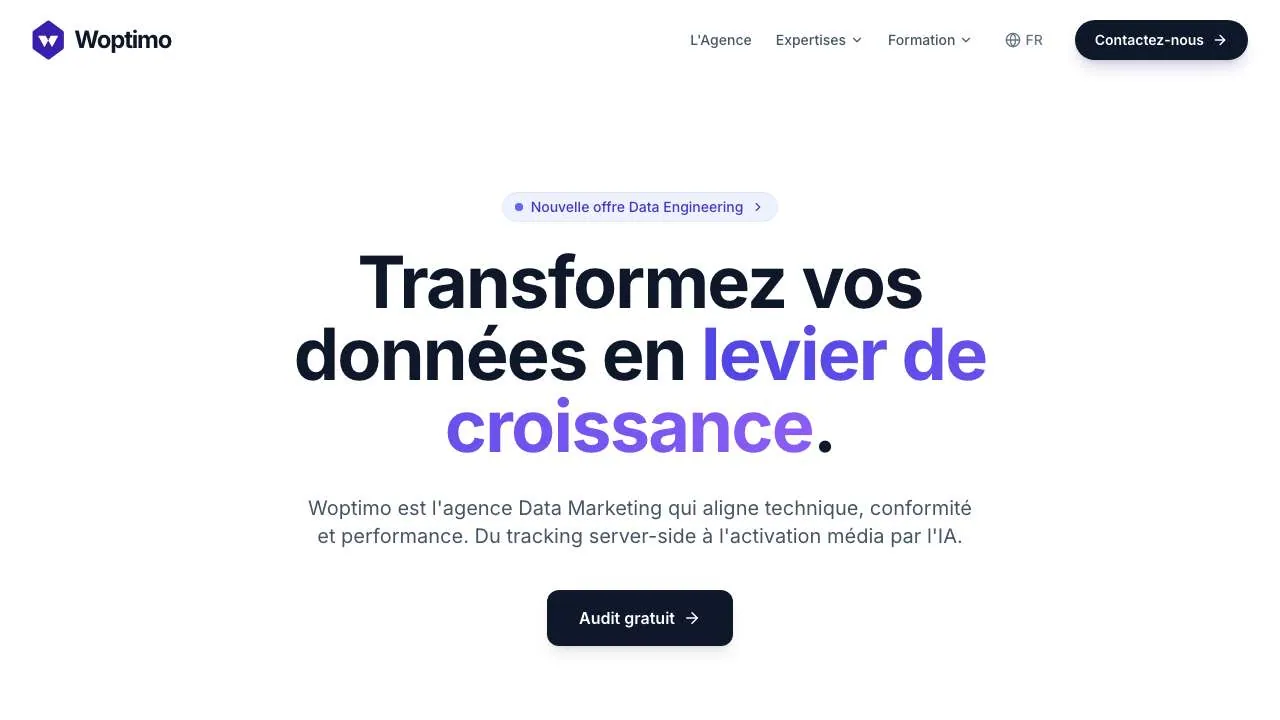
TrackAnalyseは、トラッキングとデータを軸にしたウェブアナリティクスのエージェンシーで、名前の出ているコンサルタントがおり、サービスの一覧は、たいていどこで問題が起きるかのチェックリストのように読めます。サーバーサイドのトラッキング、コンプライアンス、タグ設計、データ分析、コーチングと監査、データの拡充です。
向いているケース:アナリティクスの数字を、社内の誰も信じなくなっている企業です。コーチングの項目は見た目以上に重要です。誰も理解していないタグ設計は、納品された日から腐り始めるためです。ただし、データウェアハウスの作り直しも必要な場合は、Woptimoよりも間口の狭い提供内容です。
Borylは、自社の手法を番号つきの手順として公開しているデータマーケティングのコンサルティング会社です。プロジェクトの要件定義、タグ設計の作成、その実装、ツールの設定、アナリティクスのダッシュボードの作成、そして継続的なコンサルティングという順序です。
向いているケース:初めてきちんと構造化されたアナリティクスの環境を整えるケースです。手順をその順序で公開していることは、取り組みがどう進むかをよく物語っていますが、公開されている範囲はダッシュボードまでで、コンプライアンスや同意の仕事は明記されていません。
Metrixxは、デジタルマーケティング、データ分析、CRMを組み合わせるリヨンのコンサルティング会社で、ウェブアナリティクスを、オーガニック検索、検索広告、ソーシャル広告、リレーションシップマーケティングと並べて扱っています。
向いているケース:データの問いが、実のところメディアの問いである広告主、つまり、次の1ユーロをどのチャネルに使うべきかという問いです。メディアバイイングに近いことは、配分の判断が目的なら役に立ちますが、メディアチーム自身が作った数字を独立して監査してほしい場合には、合いません。
Cartelisは、データとCRMのコンサルティング会社で、公開されている専門分野は、CRMの設計とマーケティングオートメーションから、データエンジニアリング、ビジネスインテリジェンス、ウェブアナリティクス、AIにまで及びます。
向いているケース:顧客データが、あまりにも多くのシステムに同時に散らばっている企業です。顧客データが明言された重心であり、バラバラになったCRMには正しい選択ですが、純粋なウェブのトラッキングの問題には、あまり明白ではありません。
Elevateは、データとAIのプロジェクトで、コンサルティングと実装のあいだに位置づけており、アナリティクス、CRMとデータ基盤の仕事、データガバナンスと法令遵守、メディアミックスの最適化、データの信頼性を、扱うテーマとして挙げています。
向いているケース:基盤を、仕様を定めるだけでなく、実際に構築してもらう必要がある組織です。法令遵守を独立した項目として明記しているのは、このカテゴリーでは良い兆候です。ただし、それが同意とCookieを意味すると決めつける前に、どの法令を対象としているのかを正確に尋ねる価値があります。
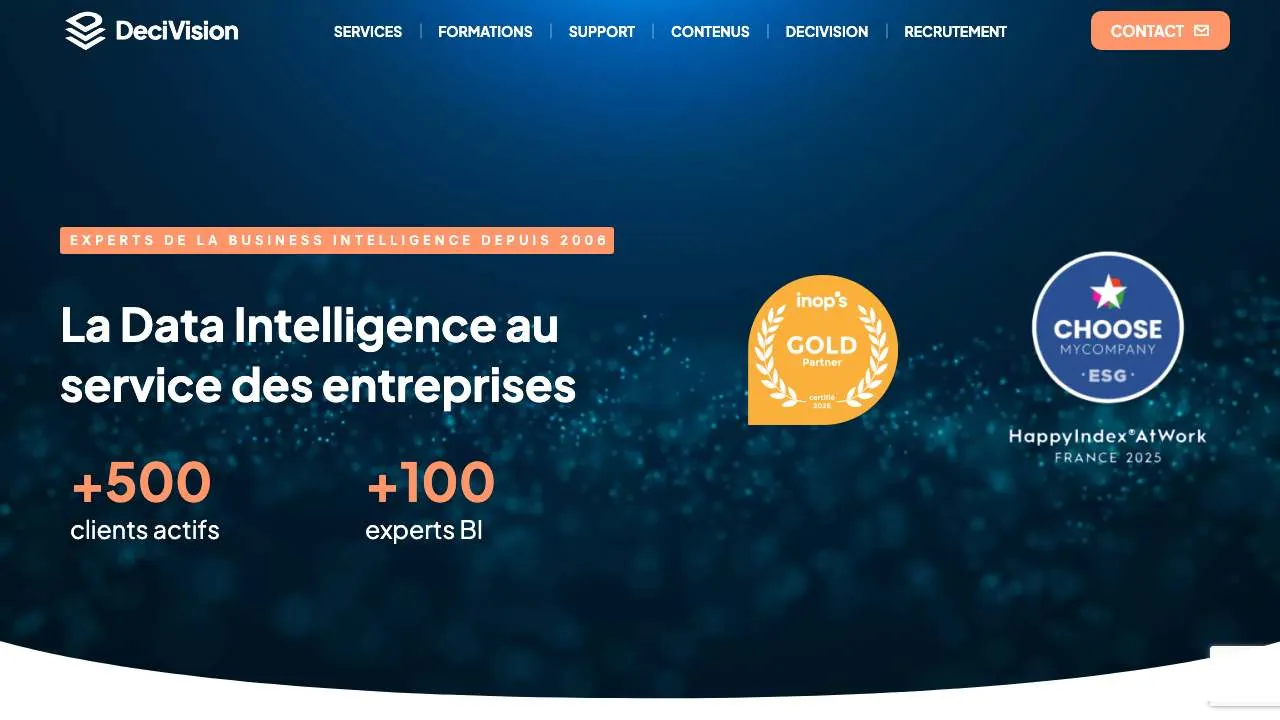
DeciVisionは、2006年からビジネスインテリジェンスという1つのことだけを行ってきました。公開されている提供内容は、アナリティクスとデータの可視化、データ統合、データウェアハウスとクラウド、コンサルティングと研修にわたります。
向いているケース:マーケティング計測ではなく、ウェアハウスと信頼できるレポートを必要とする企業です。単一の分野で20年続けているのは珍しく、マーケティングサービスがまったく付属していない提供内容に表れています。それは、本当の問題が、公開ウェブサイトの同意とタグ設定である場合には、誤った選択になることも意味します。
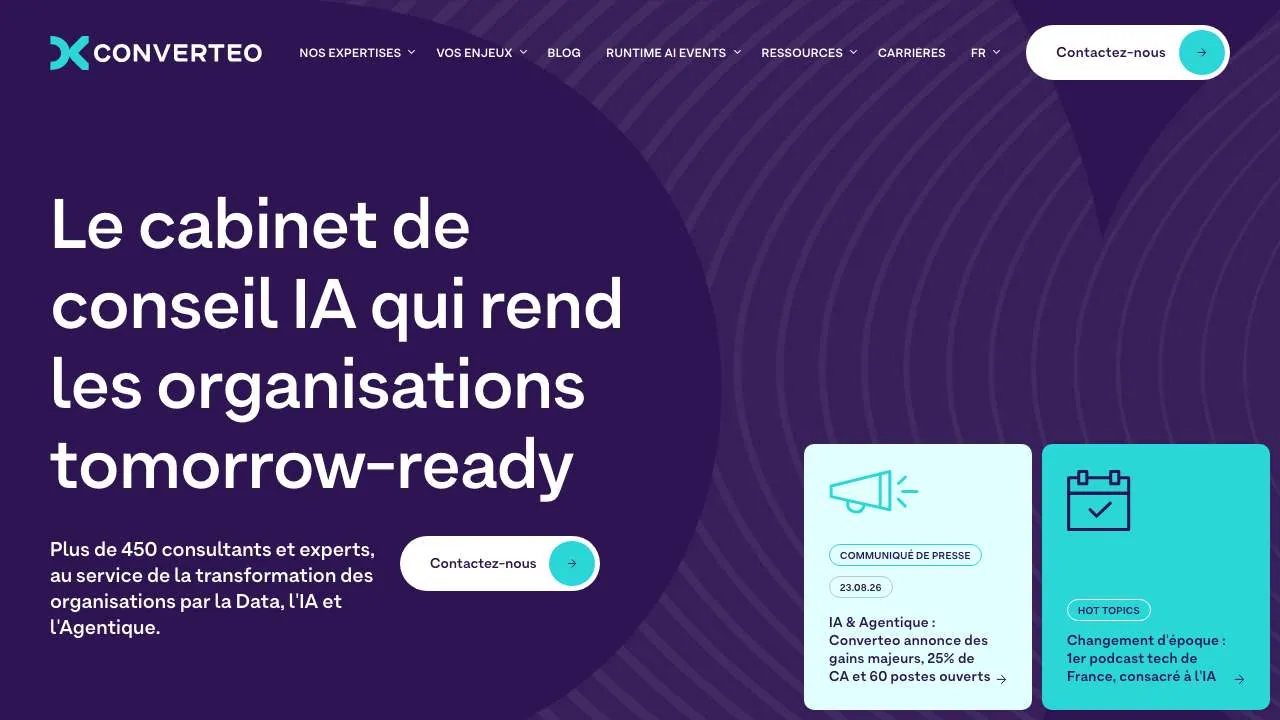
Converteoは、データとAIを通じて、組織、事業部門、業績を変革することに取り組む、データドリブンなコンサルティング会社を自称しており、業界ごと、事業課題ごとに整理されています。
向いているケース:単一のプロジェクトではなく、変革プログラムを進めている大規模な組織です。このリストで最大のコンサルティングの陣容で、それに伴う対応範囲とペースがあり、この規模のコンサルティング会社が、限定的なタグの修正に素早く動くことは、まれです。
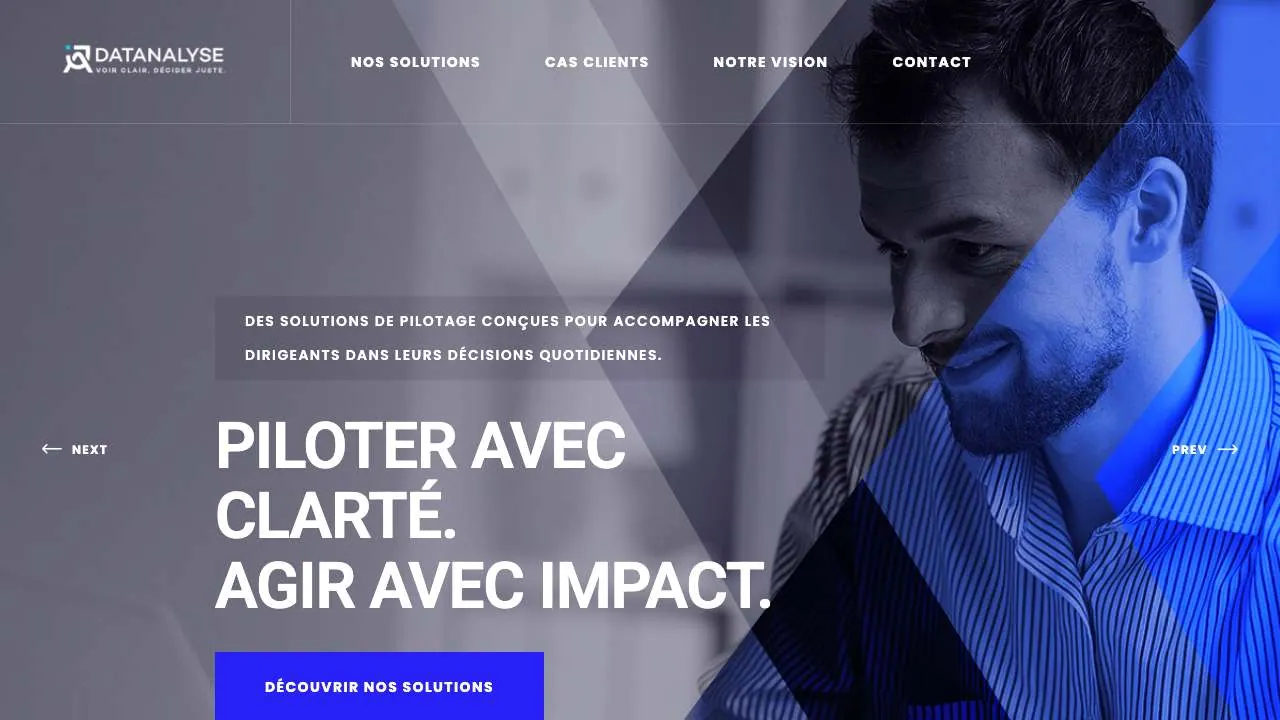
Datanalyseは、マーケティングチームではなく、企業の経営者を対象にしており、ビジネスインテリジェンスとAIのソリューションに基づく、業績の舵取りと意思決定の支援を提供しています。
向いているケース:行動に移せる経営レポートを必要とする、経営陣です。トップページの言葉遣いは、ツールではなく、明快さと意思決定についてのもので、代表取締役にふさわしい語り口です。購入者が、実際にはタグ設計を見たいアナリストである場合には、ミスマッチです。
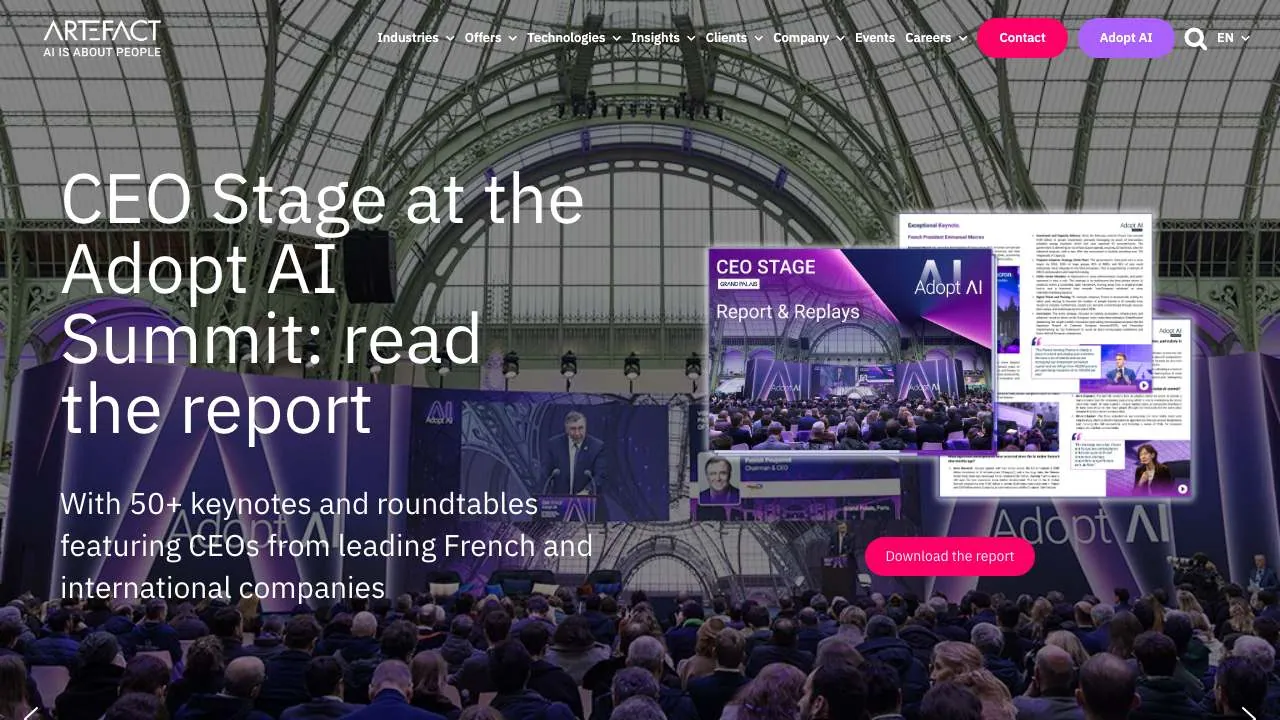
Artefactは、戦略から展開までをカバーする、グローバルなデータとAIのコンサルティング会社で、業界別のAIソリューション、データ基盤、データガバナンス、高度な分析、データマーケティング、顧客体験、デジタルメディアのサービスを手がけています。
向いているケース:同じデータプログラムを、複数の国にまたがって運用する必要がある、国際的なグループです。このページで唯一の国際的な選択肢で、エージェンシーではなくコンサルティング会社として構成されているため、通常は、作業が始まる前の営業サイクルが長くなります。
以下の基準は、誰が勝つかを確認する前に選んだもので、すべてのセルは、各社が自社サイトで公開している2026年8月時点の内容を反映しています。公開していない項目は、推測せずに、そのとおりセルに記載しています。
| 会社 | 対応範囲 | コンプライアンスまたは同意の明記 | チームへの研修またはコーチングの明記 | 公開されている導入の入口 |
|---|---|---|---|---|
| Woptimo | 収集、同意、エンジニアリング、可視化、アクティベーション | あり、同意管理と法令遵守 | 顧客の自立を目標として明記 | 公開情報なし |
| TrackAnalyse | トラッキングと分析 | あり、コンプライアンスを明記 | あり、コーチングを明記 | 監査を提供 |
| Boryl | 要件定義からダッシュボードまで | 公開情報なし | 公開情報なし | 番号つきの手法を公開 |
| Metrixx | アナリティクス、CRM、集客チャネル | 公開情報なし | 公開情報なし | 公開情報なし |
| Cartelis | CRM、データエンジニアリング、ビジネスインテリジェンス | 公開情報なし | 公開情報なし | 公開情報なし |
| Elevate | データ基盤、ガバナンス、メディアミックス | あり、データガバナンスと法令遵守 | 公開情報なし | 公開情報なし |
| DeciVision | ビジネスインテリジェンスとウェアハウスのみ | 公開情報なし | あり、研修を明記 | 公開情報なし |
| Converteo | データとAIの変革コンサルティング | 公開情報なし | 公開情報なし | 公開情報なし |
| Datanalyse | ビジネスインテリジェンスとAIによる意思決定の支援 | 公開情報なし | 公開情報なし | 公開情報なし |
| Artefact | 戦略から展開まで、データとAI | あり、データガバナンスを明記 | 公開情報なし | 公開情報なし |
「公開情報なし」のセルは、能力の不足ではなく、公開情報の不足と読んでください。これらの会社の多くは、トップページで述べていなくても、確実に顧客への研修やコンプライアンスの対応を行っており、それを確かめる誠実な方法は、直接尋ねることです。
どんな提案書よりも早く候補を絞り込める質問が3つあります。それぞれが、上で挙げた不安のどれかに対応しています。
1. タグ設計書は誰のものですか?それは、専門家でない人にも読める、御社の手元にある生きた文書であるべきです。エージェンシー自身のツールの中にしか存在しないなら、御社は自社の計測を借りていることになります。
2. 訪問者が同意を拒否したとき、正確には何が起きますか?その場合に何が収集され、何が収集されないのかを、正確に尋ねてください。誠実な答えには必ず欠落が含まれ、文書化された欠落は、誤差の範囲ではなく、2桁の数字で測られます。同意にかかわらず完全に計測できると主張するエージェンシーは、間違っているか、御社が導入すべきでないものを説明しているかのどちらかです。
3. 半年後に、誰が保守しますか?サイトを変更するたびに、収集のどこかが壊れます。誰が、どれくらいの頻度で確認し、タグが作動しなくなったときのアラートがどのような形になるのかを、事前に合意してください。
限界は3つあります。すべてを決められると主張するランキングは使い物にならないため、率直にお伝えします。
公開情報のみに基づいています。各社が公開している内容を読み、2026年8月の時点でサイトが稼働していることを確認しました。タグ設計を監査したり、顧客に聞き取りをしたり、成果の数字を1つでも検証したりはしていません。発信が下手で、仕事は見事にこなす会社は、ここでは過小評価されることになります。
御社の事情まではわかりません。バラバラになったCRMに合う会社が、1つのサイトで壊れたタグ設計に合うことは、まずありません。順位の数字よりも、上の向いているケースの記述のほうが重要です。
時間とともに古くなります。この市場では位置づけが速く変わり、その運営の前提となるルールも変わります。CNILはCookieについての方針を随時更新しており、いま準拠している設定も、コードが何も変わらないまま古くなることがあります。このページは90日ごとに見直しており、見直しの日付は選定方法に記載しています。
ここは、ソフトウェア会社が公開しているページだからこそ、正直にお伝えする部分です。御社固有の構成に対する判断、プラットフォームとの交渉、インフラの内部での実作業が必要なことでは、データ・アナリティクスのエージェンシーがソフトウェアを上回ります。サイト移行後のタグ設計の作り直し、法務チームを相手にした同意設計の議論、ほかの誰も全体を理解していないCRMとウェアハウスの接続。こうしたことは、現時点では自動化できず、そうでないと言う人は何かを売りつけようとしています。
ただし、そのどの仕事にも見えないものがあります。届かなかったトラフィックです。タグ設計は、どれほどよく作られていても、御社のサイトにたどり着いた訪問者しか計測しません。AIアシスタントに購入の質問をして、御社の名前を教えてもらえなかった、より大きな集団については何も語りません。この死角は、タグを付ける対象がないため、どのダッシュボードにも表れません。
そこに取り組むのがSorankです。Sorankはエージェンシーではなくソフトウェアで、キーワード調査、記事の執筆、内部リンクの設計、サイトへの公開、そしてAIアシスタントが返す回答にどれくらいの頻度で登場するかの計測を行います。これは、ウェブのトラフィックを測るのと同じ考え方を、ほとんどのアナリティクスの環境がまだカバーしていないチャネルに当てはめたものです。すでにGoogle Analyticsを運用しているなら、Google AnalyticsでAIによる引用を計測するためのガイドで、すでにお持ちのツールでそのチャネルを見られるようにする方法がわかります。KDD 2024で発表された10000件のクエリによる対照研究では、出典を示すと生成AIでの可視性がおよそ30%、統計を加えるとおよそ32%、専門家の引用を加えるとおよそ41%上がり、キーワードの詰め込みは下げることが測定されました。料金は年間プランなら月額$49からで、3日間の無料トライアルをご利用いただけます(登録時にクレジットカードが必要です)。先に相談したい場合は、通話を予約するか、市場にあるほかのGEO(生成AI最適化)ソフトウェアと比較してください。
1つだけ推薦するなら、収集、保管、レポートのすべてを同じプログラムで作り直す必要があるときはWoptimo、目の前の問題が、誰も数字を信じていないことならTrackAnalyse、本当に必要なのがマーケティング計測ではなく、ウェアハウスと整ったレポートならDeciVisionです。
そして、ダッシュボードを買う前に、収集を直してください。壊れたタグ設計の上に作られた美しいレポートは、レポートがないよりも悪いものです。人が信じてしまうからです。信頼できるデータの上で、オーガニック検索とAIでの可視性がいまどう連動して働くかの全体像については、検索とGEOで先頭に立つためのガイドをご覧ください。
以下のエージェンシーやコンサルティング会社も、フランスでデータ、トラッキング、アナリティクスに取り組んでおり、多くは集客やCRMのサービスと並行して提供しています。
| 会社 | ウェブサイト | 自社について公開している内容 |
|---|---|---|
| datashake | datashake.fr | 集客サービスと並んで、トラッキングとデータを前面に出すデジタル加速グループ |
| Empirik | empirik.fr | 顧客のデータを意思決定に変えることを軸とし、アナリティクスを明記した実務として持つデジタルマーケティングのエージェンシー |
| PumpUp | pumpup.fr | 認定を受けたデジタルエージェンシー、複数の拠点にまたがる専門家の集団、集客とデータ |
| Junto | junto.fr | 自社のデータ基盤、トラッキング、クリエイティブ戦略を持つグロースマーケティングのエージェンシー |
| Convertix | convertix.fr | サーバーサイドのトラッキングを明記した対応力に含む、リヨンの有料メディアのエージェンシー |
| Analytics.fr | analytics.fr | ウェブアナリティクスの情報源とサービス、収集と分析のツール、ガイド、事例 |
| fifty-five | fifty-five.com | パリに本社を置くデータとマーテックのコンサルティング会社、データ戦略、クラウドとAI、メディアコンサルティング、顧客体験 |
| Ekimetrics | ekimetrics.com | 戦略的な意思決定を構造化するAIソリューション、マーケティング・ミックス・モデリング、マーケティング効果、レベニュー・グロース・マネジメントなど |
| Keyrus | keyrus.com | エンジニアリング、ビジネスコンサルティング、データアーキテクチャ、AIを組み合わせ、データ、意思決定、業務全体でAIを実運用化 |
| TRIMANE | trimane.fr | パリとトゥールーズを拠点とするデータインテリジェンスとAIのコンサルティング会社、ガバナンス、エンジニアリング、データサイエンス、データサービスセンター、研修 |
隣接する2つの市場には、このブログに独自のランキングがあります。これらの会社が計測するトラフィックを、より多くの売上に変えるためのフランスのCRO(コンバージョン最適化)のベストエージェンシー10選と、顧客データを信頼できるようになってから、それに基づいて行動するためのフランスのマーケティングオートメーションのベストエージェンシー10選です。

トラッキング専門の会社は上流、つまりデータの集め方を扱います。タグ設計、サーバーサイドでの収集、同意管理、そしてマーケティングツールの数値が正しいことの確認です。ビジネスインテリジェンスの会社は下流、つまりデータウェアハウス、モデリング、ダッシュボードを扱い、一つの共通の情報源から意思決定ができるようにします。どちらもこのリストに入っています。前者を直す前に後者を買うと、信頼できない数値のとても洗練されたレポートができあがります。
2 つの状況で役立ちます。ブラウザの制限や同意の拒否によってコンバージョンの目に見える割合を失っているとき、そして広告プラットフォームに届く前にサイトから出ていくデータを補ったり管理したりする必要があるときです。ブラウザだけの構成より構築も運用も費用がかかるので、正直な判断基準は、欠けているデータがいま実際に意思決定を変えているかどうかです。
タグ設計とその実装は、関わるツールの数と既存の仕組みの量によって、通常 4〜8 週間です。モデリングとダッシュボードを備えた完全なデータ基盤は、数週間ではなく数か月の話です。2 週間で完全なデータ戦略を提案する会社は、動く仕組みではなく資料を提案しています。
 AI コンテンツブリーフ生成ツール
 FAQ スキーマ生成ツール
 AI ブログ記事アイデア生成ツール
 構造化データ検証ツール
 代替テキストチェッカー
 内部リンク分析ツール
 被リンクチャレンジ
 AI メタディスクリプション生成ツール
 AI ブログタイトル生成ツール
 Google インデックス可否チェッカー
 AI 記事構成案生成ツール
 UTM リンク作成ツール
 キーワードのグループ化ツール
 canonical タグチェッカー
 XML サイトマップ生成ツール
 リンク切れチェッカー
 AI SEO タイトル生成ツール
 見出しアナライザー
 検索結果プレビューツール
 リダイレクトチェッカー
 hreflang タグ生成ツール
 見出し構造チェッカー
 HTTP ヘッダーチェッカー
 Favicon 抽出ツール
 SEO トラフィック・売上予測計算ツール
 SEO 予算計算ツール
 順位上昇シミュレーター
 キーワード機会スコア計算ツール
 GEO コンテンツ投資計算ツール
 顧客生涯価値計算ツール
 CTR 計算ツール
 AI トラフィック価値計算ツール
 AI シェア・オブ・ボイス計算ツール
 Gemini ランキングツール
 ROAS 計算ツール
 自然検索トラフィック価値計算ツール
 ローカル SEO ROI 計算ツール
 被リンク獲得コスト計算ツール
 キーワード密度計算ツール
 顧客獲得コスト計算ツール
 記事単価計算ツール
 直帰率計算ツール
 AI 引用率計算ツール
 LLM 向け構造化データ監査
 llms.txt ジェネレーター
 Sitemap チェッカー
 SERP 変動センサー
 文字数カウンター
 Schema マークアップ生成ツール
 キーワード調査ツール
 SEO 損益分岐点計算ツール
 読了時間計算ツール
 自然検索トラフィック予測ツール
 ChatGPT 参照トラフィック予測ツール
 AI 可視性スコア計算ツール
 AI 可読性チェッカー
 SearchGPT 対応チェッカー
 ChatGPT が自社サイトを推薦しない理由
 URL 抽出ツール
 ウェブページ Markdown 変換ツール
 robots.txt 生成ツール
 Open Graph プレビュー
 オンページ SEO 監査
 LTV:CAC 比率計算ツール
 GEO ROI 計算ツール
 コンバージョン率計算ツール
 AI クローラー巡回監査
 AI 検索可視性テスト
 ページサイズチェッカー
 URL スラッグ生成ツール
 メタタグ生成ツール
 画像圧縮ツール
 ファビコン生成ツール
 ドメインオーソリティチェッカー
 検索結果 CTR 計算ツール
 EC SEO ROI 計算ツール
 コンテンツマーケティング ROI 計算ツール
 AI での不可視コスト計算ツール
 AI Overviews チェッカー
 robots.txt チェッカー
 SEO・AI 監査
 Perplexity ランキングチェッカー
 アンサーエンジン最適化の監査
 ChatGPT 可視性チェッカー
 被リンク分析ツール
 SEO とリスティング広告の節約額計算ツール
 SEO シェア・オブ・ボイス計算ツール
 SaaS SEO ROI 計算ツール
 被リンク ROI 計算ツール
 llms.txt バリデーター
 LLM 引用チェッカー
 GEO 監査
 SEO ROI 計算ツール
 キーワード価値計算ツール
先行導入企業のご紹介
 “2年間、クライアントの100%がLinkedIn経由でした。毎日の投稿、コメント、DMでのフォローアップ…完全にアルゴリズム頼みでした。SEOに取り組むべきだとわかっていても、時間がかかる、技術的すぎる、自分の仕事ではないと、いつも後回しにしていました。Sorankでようやく一歩を踏み出しました。4か月で、何も投稿しなくても毎月15件のオーガニックリードを獲得しています。まだLinkedInと半々ではありませんが、自動で育つ2つ目のリード源ができたことで安心して眠れるようになりました。”
 Valentin Thomyコールドメール専門エージェンシー“Sorankは、クライアントに提供する成果を大きく変えてくれました。AIが実際に使っているキーワードを特定し、特定の競合が引用される理由を理解し、以前は完全に見落としていたチャンスを見つけられるようになりました。クライアントは、より早い順位上昇、AIの回答での可視性向上、そしてすべての施策のROIがより明確になったことを実感しています。”
 Benjamin Rouxovirank.com
 “私はマーケターではなく開発者です。私のShopifyテーマは口コミと広告だけで売れていました。Sorankのおかげで、SEOの組み立て方と上位表示される記事の書き方がようやくわかりました。監査で商品ページが遅すぎることも判明しました。2か月でオーガニックトラフィックは2倍になり、ShopifyテーマについてChatGPTで検索されたときの回答にも表示され始めています。しかも、週に約2時間の作業だけです。”
 Thème FullStackthemefullstack.com“Sorankのおかげで、私たちのSEOエージェンシーの働き方は大きく変わりました。すべてが一元化・自動化されたため、クライアント1社あたりにかける時間が大幅に減りました。以前は何時間もかかっていた作業が今では数分で終わり、ようやくビジネスの中で働くのではなく、ビジネスそのものに取り組めるようになりました。”
 Océane Bondismaison-leverage.com