設定
当社はプライバシーを重視しており、ウェブサイトの基本機能に必要のない特定のストレージを無効にするオプションを提供しています。カテゴリーをブロックすると、ウェブサイトでの体験に影響が出る可能性があります。詳細はこちら

当社はプライバシーを重視しており、ウェブサイトの基本機能に必要のない特定のストレージを無効にするオプションを提供しています。カテゴリーをブロックすると、ウェブサイトでの体験に影響が出る可能性があります。詳細はこちら

2027 年のフランスのグロースマーケティング会社のおすすめ 10 選を、公開された手法、料金、チャネルのカバー範囲でランク付けし、契約前に確認すべきことをまとめました。
ツール


結論
フランスのベストグロースマーケティングエージェンシーのなかで、総合力が最も高い選択肢はJuntoです。広告ネットワークから借りるのではなく、自社で所有するデータ基盤の上で、フルファネルの集客を運用しているためです。公開されたフレームワークの中で、経験豊富な人材による舵取りを求めるならUclic、また別の月額契約に署名するより、明示された価格で、定義された仕事を1つ買いたいならWe Do Growthがより適しています。決め手になるのは、そのエージェンシーが自社の成果を自分で計測しているのか、広告プラットフォームの気まぐれな報告を信じるしかないのかです。
さらに詳しく知るには、こちらに質問
フランスのベストグロースマーケティングエージェンシーを選ぶことは、スタートアップの資金調達のあり方によって形づくられた市場の中で選ぶことを意味します。フランスの公的投資銀行であるBpifranceは、2013年から2023年のあいだに、フランスの500社のスタートアップに直接46億ユーロを投資しました。この10年で、スタートアップが利用できる資金は7倍になりました。成長を追い求めるお金が増えれば、それを実現すると主張するエージェンシーも増えますが、それを証明できるところは少なくなります。このランキングは、各エージェンシーが自社について公開している情報のみに基づいており、その方法がどこで限界に達するかも率直に示しています。
グロースの施策が費用を投じる主なチャネルの1つであるディスプレイ広告は、フランスで2026年上半期に12億5000万ユーロに達し、デジタル広告市場の19%を占め、前年同期比で10%成長しました。この数字は、フランス市場の基準となる計測である、SRI、UDECAM、Oliver Wymanが2026年7月に公表した第36回Observatoire de l'e-Pubによるものです。
発注側にとって、ここから2つの帰結が生まれます。1つ目は、成長しているチャネルは、あらゆる種類の業者を引き寄せることです。2人のコンサルティング会社がグロースエージェンシーに改名する場合から、自前の実験基盤を軸に作られたチームまで含まれるため、看板のラベルからはほとんど何もわかりません。2つ目は、上のBpifranceの数字が、2022年に資金が潤沢だった時代が終わって以降、より選別的になった資金調達の環境を表していることです。つまり、成長の物語ではなく、公開された成果で生き残っているエージェンシーこそが、候補に入れる価値があるということです。
グロースマーケティングは、名前を変えただけの有料メディアを意味するものでは、決してありませんでした。この分野の誠実な姿とは、御社の収益構造に合ったチャネルを選び、素早く学べるだけの実験を行い、きちんと計測し、うまくいかないことは四半期を食いつぶす前にやめることです。1つのエージェンシーが提案する範囲を超えた全体像については、2026年の顧客獲得に最適な50のチャネルの一覧をご覧ください。
4つの不安が繰り返し語られます。優れたエージェンシーは、尋ねられなくても4つすべてに答えます。これを知っておくことで、営業の通話が本当の評価の場に変わります。
1. ユニットエコノミクスが成り立つと誰かが証明する前に、予算を燃やすためにお金を払うこと。回収できないチャネルへのグロース投資は、広告プラットフォームへの補助金です。INSEEは、2018年上半期に設立された企業の69%が、5年後もまだ事業を続けていることを明らかにしました。この割合は、商業では64%に下がり、金融業では77%に上がります。チャネルをやめるよう勧めるのはどんなときかを答えられないグロースエージェンシーは、その存続の問いが御社には当てはまらないかのように、お金を使うよう求めているのです。
2. 実験を売り込まれ、名前を変えた有料メディアを渡されること。この業界で最もよくある失望です。本物のグロースの実務は、新しい用語をまとっただけのメディアプランではなく、文書化されたフレームワーク、テストの頻度、どこに予算を増やすかを決める方法を示せます。
3. 契約が終わったときに、アカウントとデータを失うこと。広告アカウント、アクセス解析、取り組みの途中で構築された自動化はすべて、御社の名義になっている必要があります。計測の層を握っているエージェンシーは、何が本当にうまくいったかについての唯一の証拠を握っています。
4. 売上ではなく、活動を証明するレポート。クリック、インプレッション、リーチは、最も示しやすく、事業とは最も結びつかない数字です。どの指標が重要か、そしてどんな結果が出たら戦略を変える必要があるのかを、事前に合意してください。
4つの基準を、この順序で、各エージェンシーが自社について公開している情報だけに当てはめました。このリストのすべてのトップページを2026年8月に確認しており、エージェンシーの位置づけや所有関係は速く変わるため、このページは90日ごとに見直す予定です。
1. 手法は公開されているか。フレームワーク、段階、期間を説明しているエージェンシーは、それらを守らせることができます。「グロースをハックする」という曖昧な約束では、それができません。
2. 料金は見えるか。この分野ではまれで、あれば強いシグナルです。料金が公開されていることは、終わりの見えない月額契約ではなく、範囲が定義されていることを意味します。
3. チャネルの対応範囲。グロースはポートフォリオの問題です。有料、オーガニック、アウトバウンドのあいだで本当に配分を判断できるエージェンシーは、グロースの言葉で飾った単一のサービスではなく、本物の実務を説明しています。
4. サイトが生きていて、わかりやすいか。調査したリストのすべてのトップページを2026年8月に確認し、名前のあるチームによる、稼働している実務を説明しているものを残しました。
あえて行わなかったこと:これらのトップページに掲載されている生み出した売上、顧客数、成長の倍率は、繰り返し紹介しませんでした。外部からは一つとして検証できず、この分野では特に、それらこそが売り物の中心になっているからです。
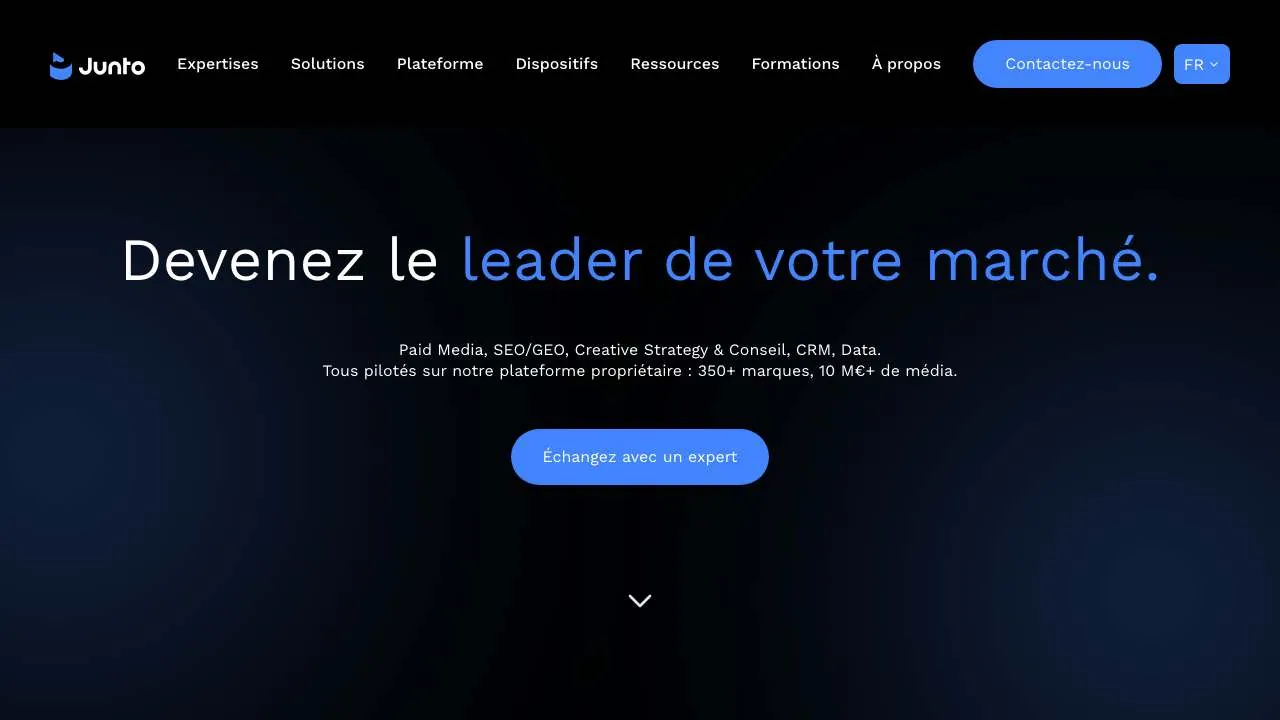
Juntoは、Eコマース、ソフトウェア、リード獲得の企業向けに、有料メディア、オーガニック検索、トラッキングとデータ、クリエイティブ戦略、CRMにまたがるグロースマーケティングと集客を手がけ、自社のデータ基盤を運用していると明記しています。この最後の点が、このページでの差別化要因です。自前の計測の層を持たない実験の施策は、広告プラットフォームが気まぐれに報告する内容に左右されます。
向いているケース:メディア費が大きく、計測が結果を左右する企業です。データの層を自社で持つのは、構築と維持に費用がかかり、有料チャネルに費用をかけ始めたばかりの企業にこの提供内容が合わない理由でもあります。
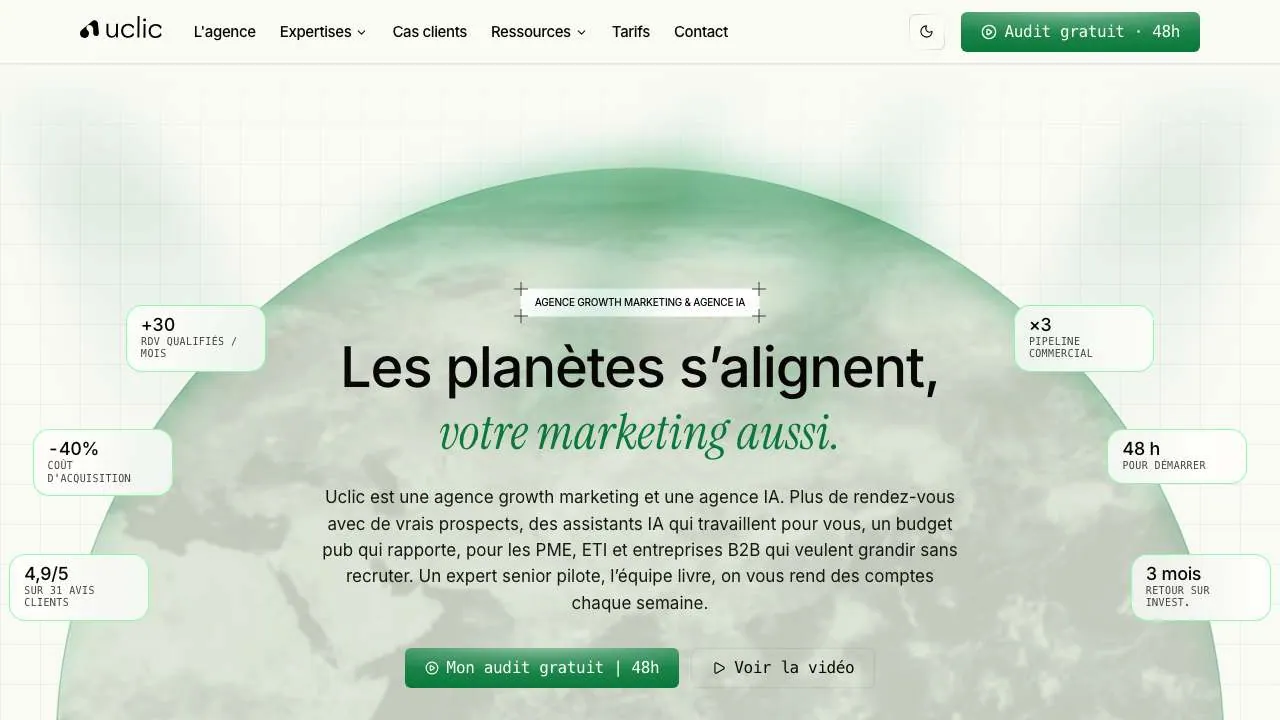
Uclicは、自らを中堅企業とB2B企業向けのグロースマーケティングとAIのエージェンシーと位置づけ、経験豊富な人材による舵取り、チャネルごとの専門家、制作現場のAIアシスタントという3本柱で構成され、監査、設計、チーム編成、実行からなる90日間のフレームワークを明示しています。料金も公開し、無料のスタートも提供しており、この市場では注目に値するほど珍しいことです。
向いているケース:若手のアカウントチームではなく、経験豊富な人材を求める既存のB2B企業です。90日間のフレームワークは、確認する価値のある約束です。最初のサイクルで、合意した数字が動かなかった場合、91日目に何が起きるのかを尋ねてください。
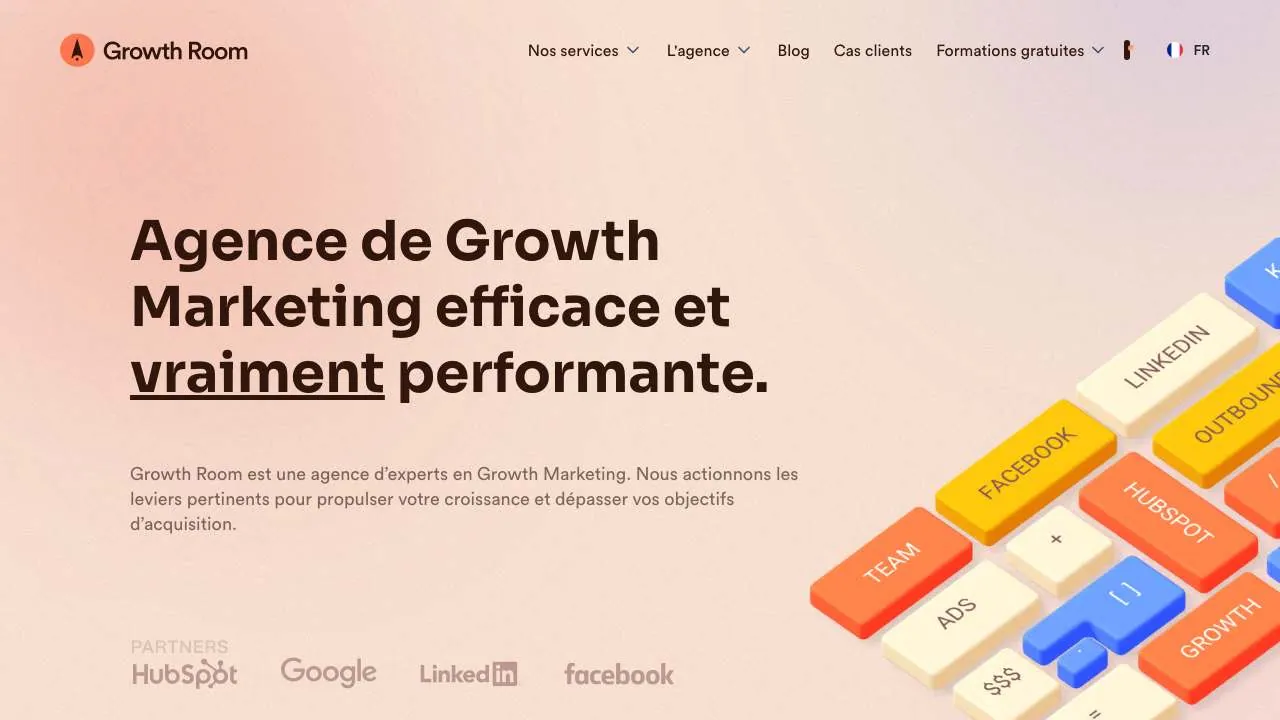
Growth Roomは、サイトの冒頭で、ターゲット、オーディエンスが広いのか特定の層なのか、そして目的という3つの質問を投げかけ、それに合う集客戦略を提案します。処方する前に診断するのは正しい順序で、その診断を営業の通話に取っておかず、トップページに載せていることは、取り組みがどう運営されるかをうかがわせる、妥当な目安です。
向いているケース:自社の市場が実際にどのチャネルにあるのか、まだわかっていない企業です。チャネルをすでに把握していて、実行だけを素早く求めている場合には、この開かれた診断はあまり合いません。
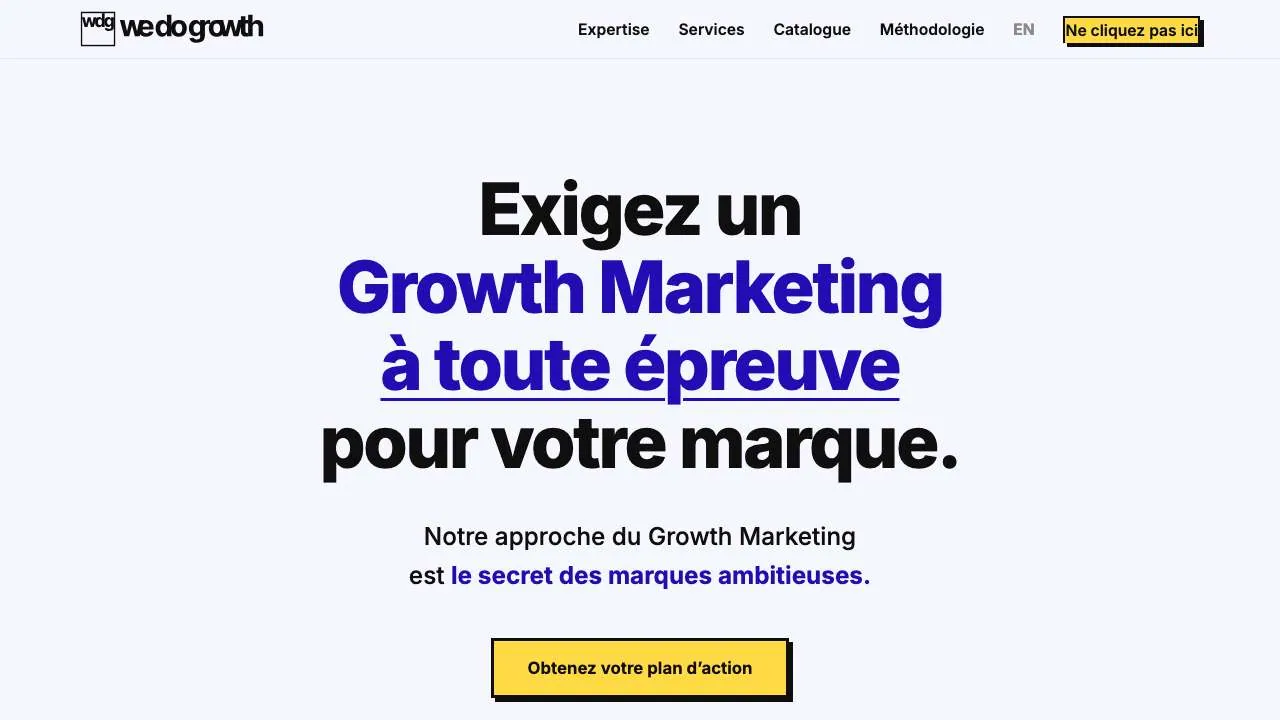
We Do Growthは2016年から活動しており、この分野のほかのほぼどこもしていないことをしています。サービスのカタログを料金つきで公開し、短期集中のミッションと、より長期の複利型の成長の取り組みを並べ、自社の手法を科学的な方法論と説明しています。定義された成果物を、わかっている価格で買えることは、グロースの取り組みから曖昧さの大半を取り除きます。
向いているケース:月額契約ではなく、特定の仕事を買いたい企業です。公開されたカタログは、間口が狭いことでもあります。御社の問題が掲載されたサービスに当てはまらない場合は、掲げられた価格ではなく、個別の見積もりになることを想定してください。
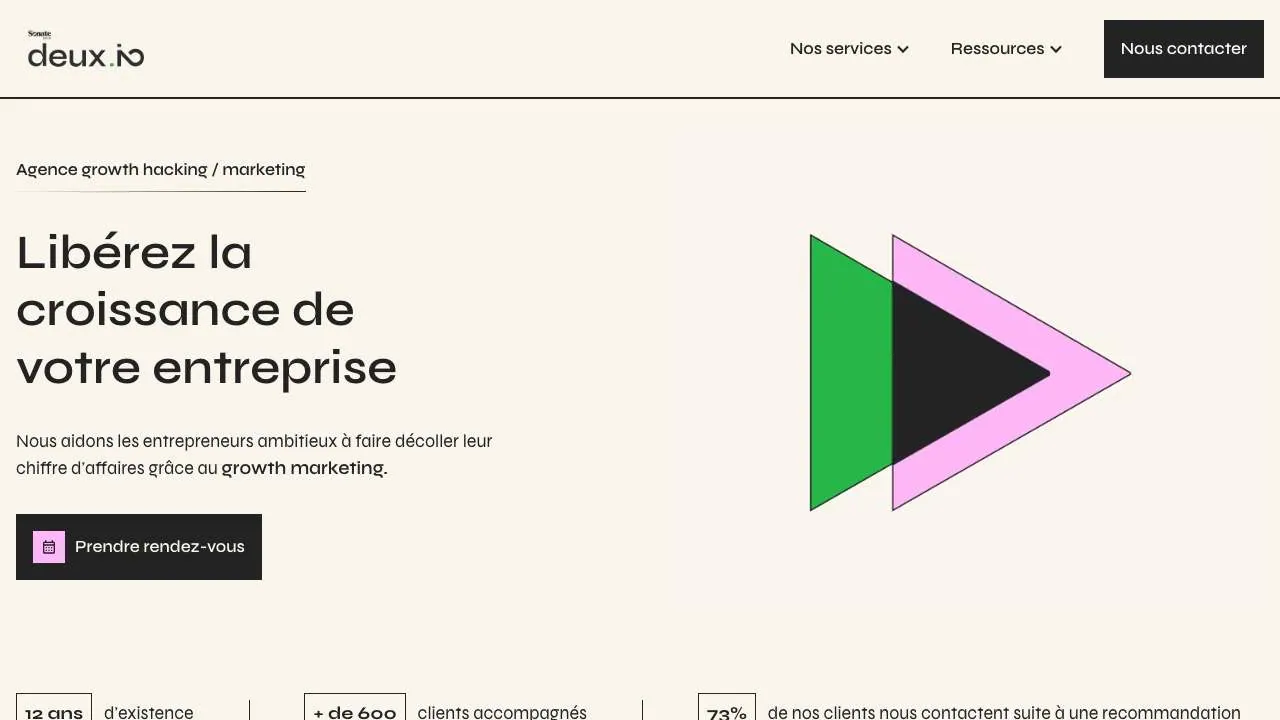
Deux.ioは2012年から活動しており、真剣に受け止める価値のある手法を明記しています。新しい手法を、顧客に向けて大規模に展開する前に、自社のツールで試すというものです。対応範囲は、オーガニック検索、検索広告、ソーシャル広告、営業開拓、グロース運用にまたがり、素早い反復を仕事のリズムとして掲げています。
向いているケース:未検証の施策の最初の実験台になりたくない企業です。先に社内で試すということは、どの施策が最初に御社に届くかは、必ずしも御社の市場ではなく、エージェンシー自身のプロダクトが決めることも意味します。
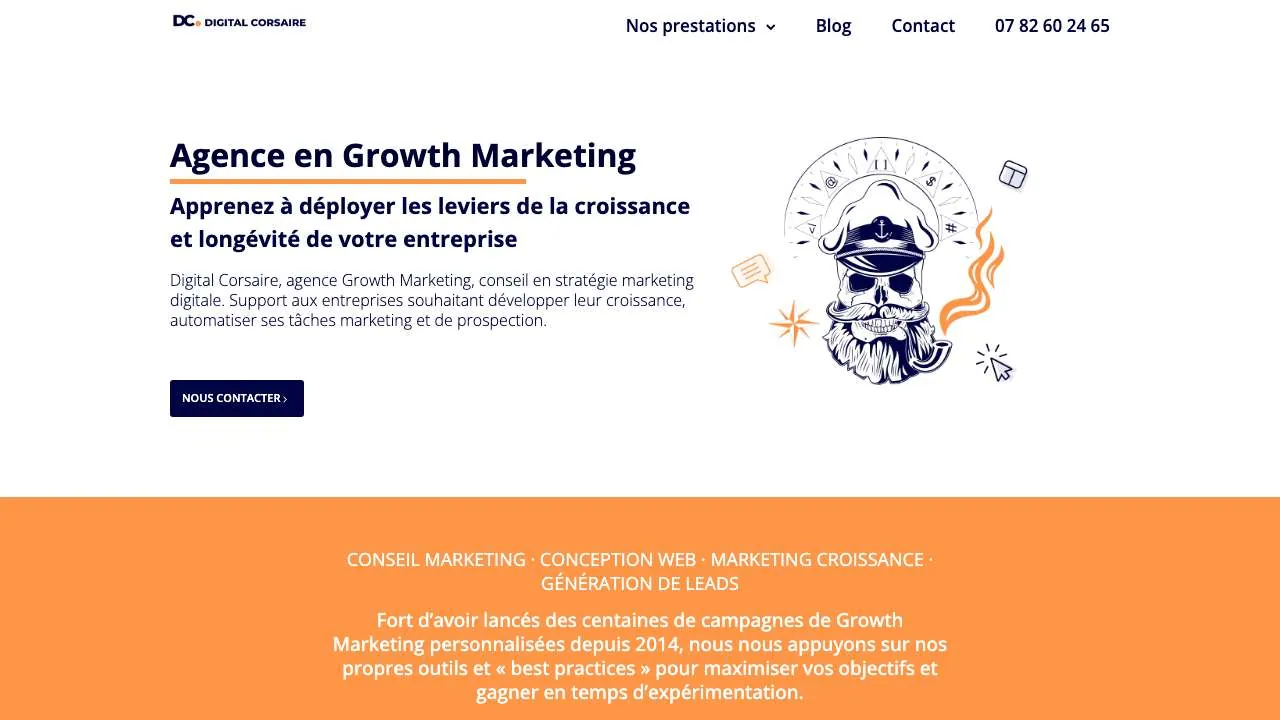
Digital Corsaireは2014年からグロースマーケティングを手がけ、マーケティングのコンサルティング、ウェブデザイン、グロースマーケティング、リード獲得を組み合わせており、素早い立ち上げに重点を置くと明記しています。ウェブデザインの力を社内に持っていることは、思われているより重要です。グロースの実験は、現在のサイトにできることの限界に、絶えずぶつかるからです。
向いているケース:キャンペーンと同じ速さで、ウェブサイトを変更する必要が出てくる企業です。ウェブデザインをグロースとセットにするということは、エージェンシーが自分の宿題を自分で採点することも意味します。サイトの変更が、動かそうとしていた数字を本当に動かしたと、誰が認めるのかを尋ねてください。
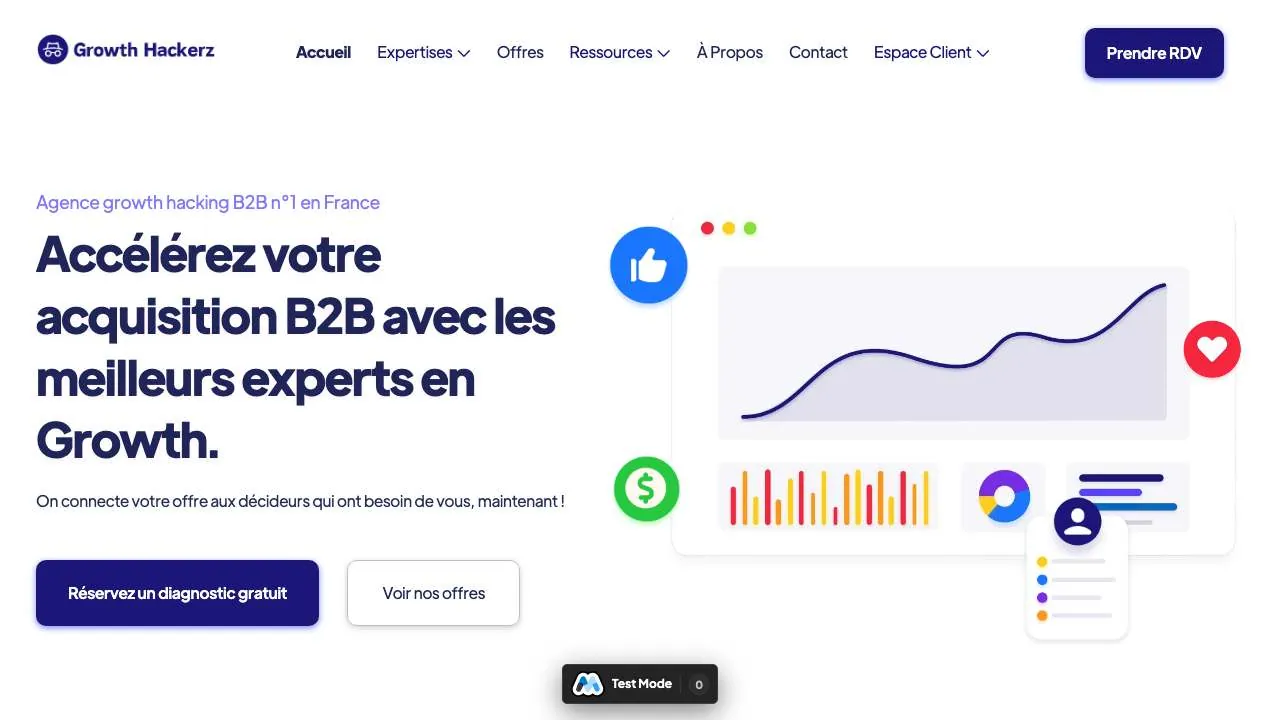
Growth HackerzはB2Bの集客に集中しており、質の高いリードを生み出すために、インバウンドとアウトバウンドを組み合わせる手法を掲げ、連携しているパートナーツールを挙げています。この組み合わせは、B2Bにとって正しいものです。インバウンドが需要を作り、アウトバウンドが、放っておいても御社を見つけない市場の部分に届くからです。
向いているケース:需要の創出と直接のアプローチの両方が必要なB2B企業です。B2Bに特化していることは、アウトバウンドの営業開拓がほとんど当てはまらない、消費者向けブランドにとっては本当の限界です。
Bulldozerは、AIで強化された経験豊富なマーケティングの専門家を提供し、御社の組織に入り込んで、リードから売上まで集客を運用します。対象はスケールアップ企業、中堅企業、大手顧客です。このモデルは、エージェンシーの月額契約よりも、人材を組織に常駐させる形に近く、チームがあり、それを置き換えるのではなく強化したい企業に合っています。
向いているケース:経験豊富な人材による補強を必要とする、社内のマーケティングチームがある企業です。チームがまったくない場合、常駐型は誤ったモデルです。経験豊富な人材が入り込む先がないからです。

Stepwardは、起業家とスタートアップ向けのB2Bグロースエージェンシーで、グロースマーケティングを、アウトバウンドの営業開拓、個別に設計した戦略、自動化と組み合わせ、5段階の進め方を公開しています。スタートアップには両方が必要です。インバウンドの需要だけで事業を支えるには、まだ足りないことがほとんどだからです。
向いているケース:刈り取れる需要がまだ確立されていない、初期段階の企業です。同じスタートアップへの特化は、確立したブランドを持つスケールアップ企業にとっては、この提供内容をすぐに超えてしまう可能性が高いことも意味します。
WebConversionは、対応範囲を、このページで最もわかりやすい言葉で示しています。すべてがB2Bで、すべてが顧客の獲得とB2Bのリード獲得です。その範囲の外のものをすべて断ることは、発注側にとって本当の強みです。あらゆる会話が、重要な唯一の問いから逸れないことを意味するからです。
向いているケース:消費者向けの雑音のない業者を求める、B2B企業です。この範囲の狭さこそが、B2Cのブランドが、このページのほかを探すべき理由でもあります。

以下の基準は、誰が勝つかを確認する前に選んだもので、すべてのセルは、各エージェンシーが自社サイトで公開している2026年8月時点の内容を反映しています。エージェンシーが公開していない項目は、推測せずに、そのとおりセルに記載しています。
| エージェンシー | チャネルの対応範囲 | 公開されている料金 | 明記された手法またはフレームワーク | 主な対象層 |
|---|---|---|---|---|
| Junto | 有料、オーガニック、トラッキング、データ、クリエイティブ、CRM | 公開情報なし | 自社のデータ基盤を明記 | 確立したメディア費を持つ企業 |
| Uclic | マルチチャネル、制作現場のAI | あり、公開 | あり、90日間のフレームワーク | 中堅企業とB2B企業 |
| Growth Room | 診断によって選択 | 公開情報なし | あり、戦略の前に診断 | チャネルに迷っている企業 |
| We Do Growth | 詳細は公開情報なし | あり、サービスのカタログ | あり、科学的な方法論を明記 | 定義されたミッションを買う企業 |
| Deux.io | オーガニック、有料、ソーシャル、営業開拓、グロース運用 | 公開情報なし | あり、顧客への展開前に社内でテスト | 実証済みの施策を求める企業 |
| Digital Corsaire | マーケティング、ウェブデザイン、グロース、リード獲得 | 公開情報なし | 公開情報なし | サイトの変更も必要な企業 |
| Growth Hackerz | インバウンドとアウトバウンド、B2B | 公開情報なし | 公開情報なし | B2Bのリード獲得 |
| Bulldozer | リードから売上まで | 公開情報なし | 公開情報なし | 社内にチームがある企業 |
| Stepward | グロースとアウトバウンドの営業開拓 | 公開情報なし | あり、5段階の進め方 | 初期段階のスタートアップ |
| WebConversion | B2Bの顧客獲得のみ | 公開情報なし | 公開情報なし | B2B、消費者向けの仕事はなし |
「公開情報なし」のセルは、能力の不足ではなく、公開情報の不足と読んでください。これらのエージェンシーの多くは、公開していなくても、確実に体系的な手法を運用しており、それを確かめる誠実な方法は、尋ねることです。
どんな提案書よりも早く候補を絞り込める質問が3つあります。それぞれが、上で挙げた不安のどれかに対応しています。
1. 最初の実験は何で、失敗したときの費用はいくらですか?良い答えは、小さく、速く、具体的です。悪い答えは、最初の本当のテストを先送りする、半年分のロードマップです。
2. アカウントとツールは誰が持ちますか?広告アカウント、アクセス解析、自動化は、御社の名義になっているべきです。そうでなければ、御社が離れる日に、学習の蓄積はエージェンシーの手元に残ります。
3. どんなときに、私たちに「やめるべきだ」と言いますか?直接尋ねてください。自社が運用しているチャネルを削減するよう勧めるシナリオを挙げられないエージェンシーは、成長ではなく、活動を売っています。
限界は3つあります。すべてを決められると主張するランキングは使い物にならないため、率直にお伝えします。
公開情報のみに基づいています。各エージェンシーが公開している内容を読み、2026年8月の時点でサイトが稼働していることを確認しました。仕事の中身を監査したり、顧客に聞き取りをしたり、売上の数字を1つでも検証したりはしていません。発信が下手で、仕事は見事にこなすエージェンシーは、ここでは過小評価されることになります。
御社の事情まではわかりません。周囲に、Bpifranceが支援する46億ユーロの資本が巡っている企業に合うエージェンシーが、最初の有料チャネルを試す、自己資金で回しているチームにも合うことは、まずありません。順位の数字よりも、上の向いているケースの記述のほうが重要です。
時間とともに古くなります。この市場では、所有関係、位置づけ、料金が速く変わり、今日公開されている価格が、次のトップページのリニューアルでなくなることもあります。このページは90日ごとに見直しており、見直しの日付は選定方法に記載しています。
ここは、ソフトウェア会社が公開しているページだからこそ、正直にお伝えする部分です。交渉、御社固有の事業に対する判断、どこで費用を削るかのその場の決断が必要なことでは、エージェンシーがソフトウェアを上回ります。まだ試されたことのない市場を読むこと、財務チームを相手にチャネルの配分を議論すること、月末のレポートが気づく前に、静かに予算を燃やしているキャンペーンを見つけること。こうしたことは、現時点では自動化できず、そうでないと言う人は何かを売りつけようとしています。
ソフトウェアのほうが得意なのは、反復的で、毎週発生し、終わりのない部分です。このページのすべてのグロースの計画は、結局のところ、キャンペーンが終わったあとも働き続けるコンテンツに依存しています。ページは、書かれ、公開され、内部リンクが張られ、最新の状態に保たれ続けなければならず、そうでなければ、施策全体が、価格が上がる一方のチャネルに依存したままになります。そのコンテンツに課している基準については、記事の適切な長さについての解説をご覧ください。
これはリソースの問題であり、多くの企業が、グロースの専門知識に対価を払いながら、オーガニックの側で実行しきれない理由です。
それを自動化するのがSorankです。Sorankはエージェンシーではなくソフトウェアで、キーワード調査、記事の執筆、内部リンクの設計、サイトへの公開、そしてAIアシスタントが返す回答にどれくらいの頻度で登場するかの計測までを行います。この最後の部分は飾りではありません。KDD 2024で発表された10000件のクエリによる対照研究では、出典を示すと生成AIでの可視性がおよそ30%、統計を加えるとおよそ32%、専門家の引用を加えるとおよそ41%上がり、キーワードの詰め込みは下げることが測定されました。これは、順位がつくだけでなく、引用されるための仕組みです。料金は年間プランなら月額$49からで、3日間の無料トライアルをご利用いただけます(登録時にクレジットカードが必要です)。先に相談したい場合は、通話を予約してください。
1つだけ推薦するなら、すでに費用が大きく、計測が制約になっているときはJunto、定義されたフレームワークのもとで経験豊富な人材を求める既存のB2B企業にはUclic、また別の月額契約に署名するより、公開された価格で特定の仕事を買いたいときはWe Do Growthです。
そして、最初の請求書の前に、最初の実験を合意してください。戦略の文書から始まるグロースの取り組みは、戦略の文書で終わりがちです。グロースエージェンシーがすでに配分を判断しているはずのチャネルについては、2026年の顧客獲得に最適な50のチャネルの一覧をご覧ください。
フランスのグロース市場は、10社よりはるかに大きなものです。以下は、この分野を調べるなかで挙がったそのほかの名前です。
| エージェンシー | ウェブサイト | 自社について公開している内容 |
|---|---|---|
| GrowthYouNeed | growthyouneed.com | パリのStation Fを拠点とする、グロースハッキングとデジタル戦略のエージェンシー、AIを活用した広告キャンペーン |
| We Growth | wegrowth.io | スタートアップの世界で培った手法で、スタートアップの成長を加速するデジタルエージェンシー |
| PumpUp | pumpup.fr | 認定を受けたデジタルエージェンシー、複数の拠点にまたがる専門家の集団、集客とデータ |
| Spaag | spaag.fr | B2BとB2Cに対応する、戦略的な助言から実務の実行までを手がけるグロースマーケティングのコンサルティング会社 |
| Hackceleration | hackceleration.com | AI、自動化、グロースを軸にした、エージェンシー、研修、ラボ、コミュニティ |
| Hooq | hooq.fr | スタートアップ、小規模事業、オンラインストア向けの集客戦略 |
| Inbound Value | inboundvalue.com | 営業開拓ではなくマーケティングによって、質の高い商談を生み出すコンテンツ戦略のエージェンシー |
| Daware | daware.io | オーガニック検索、検索広告、ソーシャル広告、ウェブ解析にまたがるトラフィックの獲得 |
| Panja | panja.io | モンペリエを拠点とするフルファネルのグロースマーケティングエージェンシー、Eコマースの集客、CRO、リテンションをひとつのサブスクリプションで提供 |
| Rerow | rerow.fr | B2B向けの外部委託型ゴートゥーマーケットチーム、アウトバウンド、RevOpsとCRM、有料広告、コンテンツでパイプラインを創出 |
隣接する2つの市場には、このブログに独自のランキングがあります。グロースへの投資だけでは解決できない導線の部分に向けたフランスのCRO(コンバージョン最適化)のベストエージェンシー10選と、特定の1社に依存せずに構築する計測に向けたフランスのデータ分析のベストエージェンシー10選です。

集客を固定の計画ではなく、一連の実験として運用します。チャネルやメッセージについて仮説を立て、低コストで試し、うまくいくものを残し、そうでないものをやめます。実際には、有料メディア、自然検索、アウトバウンドの営業、ランディングページ、測定を、次に何を試すかを決める人がまとめ上げます。肝心なのは個々のチャネルではなく、優先順位づけです。
はい。このリストのいくつかの会社は、スタートアップではなく、すでに確立した中堅企業を対象にしています。手法はそのまま通用し、変わるのはペースと、失敗した実験への許容度です。既存の顧客基盤がある会社は、継続と、すでに知っている人々の再活性化で最も早く成果を出すことがよくあります。地味な仕事ですが、優れたグロースのチームならそれでも推奨します。
多くはチームと業務範囲をカバーする月額の顧問料で、立ち上げのフェーズを別に請求することもあり、価格を公開している会社もいくつかあります。2 つの点に注意しましょう。メディア予算が含まれるのか別なのか、そして契約中に使ったツールが契約後も自社で使えるのかです。実験が資産になるのは、その結果と仕組みが自社に残る場合だけです。
 AI コンテンツブリーフ生成ツール
 FAQ スキーマ生成ツール
 AI ブログ記事アイデア生成ツール
 構造化データ検証ツール
 代替テキストチェッカー
 内部リンク分析ツール
 被リンクチャレンジ
 AI メタディスクリプション生成ツール
 AI ブログタイトル生成ツール
 Google インデックス可否チェッカー
 AI 記事構成案生成ツール
 UTM リンク作成ツール
 キーワードのグループ化ツール
 canonical タグチェッカー
 XML サイトマップ生成ツール
 リンク切れチェッカー
 AI SEO タイトル生成ツール
 見出しアナライザー
 検索結果プレビューツール
 リダイレクトチェッカー
 hreflang タグ生成ツール
 見出し構造チェッカー
 HTTP ヘッダーチェッカー
 Favicon 抽出ツール
 SEO トラフィック・売上予測計算ツール
 SEO 予算計算ツール
 順位上昇シミュレーター
 キーワード機会スコア計算ツール
 GEO コンテンツ投資計算ツール
 顧客生涯価値計算ツール
 CTR 計算ツール
 AI トラフィック価値計算ツール
 AI シェア・オブ・ボイス計算ツール
 Gemini ランキングツール
 ROAS 計算ツール
 自然検索トラフィック価値計算ツール
 ローカル SEO ROI 計算ツール
 被リンク獲得コスト計算ツール
 キーワード密度計算ツール
 顧客獲得コスト計算ツール
 記事単価計算ツール
 直帰率計算ツール
 AI 引用率計算ツール
 LLM 向け構造化データ監査
 llms.txt ジェネレーター
 Sitemap チェッカー
 SERP 変動センサー
 文字数カウンター
 Schema マークアップ生成ツール
 キーワード調査ツール
 SEO 損益分岐点計算ツール
 読了時間計算ツール
 自然検索トラフィック予測ツール
 ChatGPT 参照トラフィック予測ツール
 AI 可視性スコア計算ツール
 AI 可読性チェッカー
 SearchGPT 対応チェッカー
 ChatGPT が自社サイトを推薦しない理由
 URL 抽出ツール
 ウェブページ Markdown 変換ツール
 robots.txt 生成ツール
 Open Graph プレビュー
 オンページ SEO 監査
 LTV:CAC 比率計算ツール
 GEO ROI 計算ツール
 コンバージョン率計算ツール
 AI クローラー巡回監査
 AI 検索可視性テスト
 ページサイズチェッカー
 URL スラッグ生成ツール
 メタタグ生成ツール
 画像圧縮ツール
 ファビコン生成ツール
 ドメインオーソリティチェッカー
 検索結果 CTR 計算ツール
 EC SEO ROI 計算ツール
 コンテンツマーケティング ROI 計算ツール
 AI での不可視コスト計算ツール
 AI Overviews チェッカー
 robots.txt チェッカー
 SEO・AI 監査
 Perplexity ランキングチェッカー
 アンサーエンジン最適化の監査
 ChatGPT 可視性チェッカー
 被リンク分析ツール
 SEO とリスティング広告の節約額計算ツール
 SEO シェア・オブ・ボイス計算ツール
 SaaS SEO ROI 計算ツール
 被リンク ROI 計算ツール
 llms.txt バリデーター
 LLM 引用チェッカー
 GEO 監査
 SEO ROI 計算ツール
 キーワード価値計算ツール
先行導入企業のご紹介
 “2年間、クライアントの100%がLinkedIn経由でした。毎日の投稿、コメント、DMでのフォローアップ…完全にアルゴリズム頼みでした。SEOに取り組むべきだとわかっていても、時間がかかる、技術的すぎる、自分の仕事ではないと、いつも後回しにしていました。Sorankでようやく一歩を踏み出しました。4か月で、何も投稿しなくても毎月15件のオーガニックリードを獲得しています。まだLinkedInと半々ではありませんが、自動で育つ2つ目のリード源ができたことで安心して眠れるようになりました。”
 Valentin Thomyコールドメール専門エージェンシー“Sorankは、クライアントに提供する成果を大きく変えてくれました。AIが実際に使っているキーワードを特定し、特定の競合が引用される理由を理解し、以前は完全に見落としていたチャンスを見つけられるようになりました。クライアントは、より早い順位上昇、AIの回答での可視性向上、そしてすべての施策のROIがより明確になったことを実感しています。”
 Benjamin Rouxovirank.com
 “私はマーケターではなく開発者です。私のShopifyテーマは口コミと広告だけで売れていました。Sorankのおかげで、SEOの組み立て方と上位表示される記事の書き方がようやくわかりました。監査で商品ページが遅すぎることも判明しました。2か月でオーガニックトラフィックは2倍になり、ShopifyテーマについてChatGPTで検索されたときの回答にも表示され始めています。しかも、週に約2時間の作業だけです。”
 Thème FullStackthemefullstack.com“Sorankのおかげで、私たちのSEOエージェンシーの働き方は大きく変わりました。すべてが一元化・自動化されたため、クライアント1社あたりにかける時間が大幅に減りました。以前は何時間もかかっていた作業が今では数分で終わり、ようやくビジネスの中で働くのではなく、ビジネスそのものに取り組めるようになりました。”
 Océane Bondismaison-leverage.com