Preferences
Privacy is important to us, so you have the option of disabling certain types of storage that may not be necessary for the basic functioning of the website. Blocking categories may impact your experience on the website. More information

Privacy is important to us, so you have the option of disabling certain types of storage that may not be necessary for the basic functioning of the website. Blocking categories may impact your experience on the website. More information
50 proven customer acquisition channels for 2026, from SEO and cold email to partnerships, communities and paid ads, with costs and best use case for each.
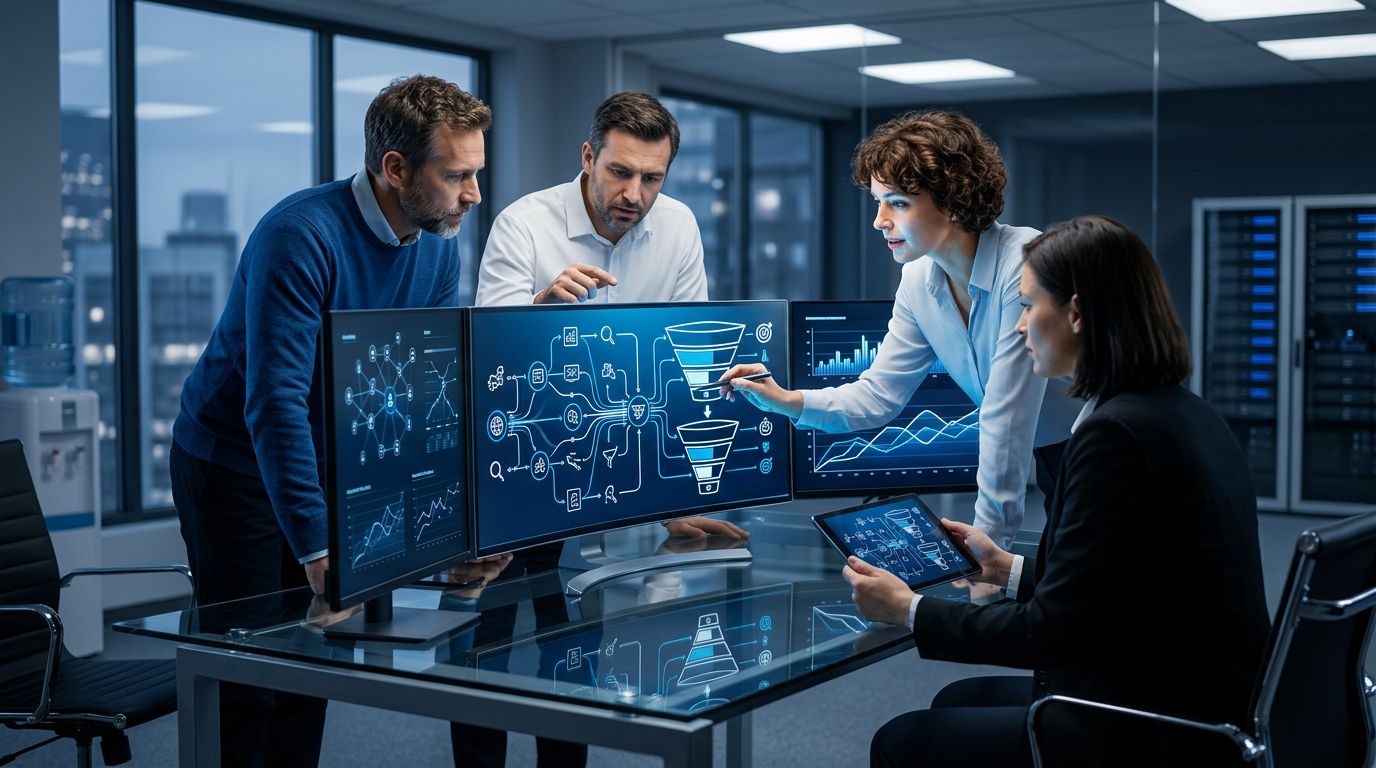

The Ultimate Guide to Growing Your Business with Proven Acquisition Strategies
Customer acquisition is the lifeblood of any growing business. In 2026, the landscape has transformed radically with AI-powered tools, evolving consumer behavior, and new platforms redefining how businesses attract and convert prospects into paying customers.
The global affiliate marketing industry alone has exceeded 20 billion dollars, while customer acquisition costs have risen approximately 60% over the past decade. This means businesses must be smarter, more strategic, and more diversified in their growth approach.
This comprehensive guide details the 50 most effective customer acquisition channels for 2026, organized in strategic categories. Whether you're a startup seeking product-market fit or an established company looking to scale, you'll find actionable insights for every stage of your growth journey.
Key statistics shaping acquisition in 2026: AI-powered solutions can increase conversion rates by up to 30% in sectors like e-commerce. Companies using predictive analytics achieve 73% faster decision-making and 2.9x higher campaign performance. Inbound-focused companies reduce cost per lead by 61% compared to outbound models.
Organic acquisition compounds over time and typically offers the lowest customer acquisition cost (CAC) once content is ranked. These channels build lasting authority and generate sustained traffic without ongoing advertising spend.
Overview: SEO remains the foundation of organic customer acquisition. By optimizing your website for search engines, you attract high-intent visitors actively seeking the solutions you offer.
Why it works in 2026: Despite AI disruptions, Google still processes billions of searches daily. SEO offers compounding returns, well-optimized content continues to perform for years without ongoing advertising spend.
Key strategies: Build content clusters around purchase-intent keywords. Update content quarterly based on conversion dips. Use long-tail keywords for higher conversion rates. Optimize for Core Web Vitals and mobile-first indexing.
Ideal for: B2B SaaS, E-commerce, Professional Services, Media Businesses
CAC Benchmark: €200-500 for B2B | €50-150 for B2C
Overview: Strategic content marketing educates your audience, builds trust, and guides prospects throughout the buying journey. It's the engine that powers SEO and positions your brand as an industry authority.
Why it works in 2026: 89% of marketers now use generative AI tools for content creation, for topic brainstorming (62%), material synthesis (53%), and first-draft writing (44%). This allows scaling content production while maintaining quality.
Key strategies: Create pillar content with supporting articles. Target both informational and transactional keywords. Repurpose content across multiple formats. Use AI for volume; keep humans for brand voice.
Ideal for: SaaS Companies, Professional Services, E-commerce, Education
Overview: GEO is the practice of optimizing your content to appear in AI-powered search results and LLM responses from tools like ChatGPT, Claude, Perplexity, and Google's AI Overviews.
Why it works in 2026: AI-mediated customer interactions bypass traditional touchpoints. Forward-thinking brands optimize for AI browsers as additional acquisition channels, not as threats.
Key strategies: Structure content with clear, factual statements that AI can cite. Build thematic authority through comprehensive content. Ensure technical SEO fundamentals are solid. Monitor AI bot visits to your content.
Ideal for: Tech B2B, SaaS, Professional Services, Publishers
Overview: YouTube is the world's second-largest search engine. Video content creates deeper connections with prospects and captures 70% of affiliate-generated video consumption.
Why it works in 2026: Long-form video builds trust through detailed explanations and demonstrations. YouTube videos rank in Google search results, offering dual visibility. Video content has higher engagement and retention rates.
Key strategies: Create tutorials, product reviews, and thought leadership content. Optimize titles, descriptions, and tags for search. Use timestamps and chapters for better user experience. Include clear CTAs and links in descriptions.
Ideal for: E-commerce, SaaS, Education, Consumer Products
Overview: Podcasting creates intimate connections with audiences and positions your brand as an industry opinion leader. It's a powerful owned media channel with loyal, engaged listeners.
Why it works in 2026: Podcast listeners are highly engaged and often affluent decision-makers. The format allows deep dives into subjects that build trust. Guest appearances expand reach through established audiences.
Key strategies: Launch your own show or appear as a guest on relevant podcasts. Repurpose audio into blog posts, social clips, and newsletters. Build an email list from podcast listeners. Use podcast advertising for targeted reach.
Ideal for: B2B Services, SaaS, Professional Services, Personal Brands
Overview: Contributing content to authoritative publications creates backlinks, brand awareness, and positions you as an expert in your field.
Why it works in 2026: High-quality backlinks remain crucial for SEO. Guest articles on respected sites drive referral traffic from engaged readers. Digital PR generates brand mentions that influence AI search results.
Key strategies: Target publications your ideal customers read. Provide real value rather than promotional content. Build relationships with editors for ongoing opportunities. Track backlink acquisition and referral traffic.
Ideal for: B2B SaaS, Professional Services, Startups, Personal Brands
Overview: Q&A platforms and forums are where potential customers actively seek advice and solutions. Providing valuable answers positions your brand as helpful and trustworthy.
Why it works in 2026: Reddit and Quora content increasingly appears in search results. These platforms have highly engaged users with specific problems to solve. Authentic participation builds trust in ways advertising cannot.
Key strategies: Answer questions thoroughly and authentically. Link to your content only when truly relevant. Build a reputation through consistent, valuable contributions. Monitor trending topics in your industry.
Ideal for: SaaS, Tech Products, Consumer Products, Professional Services
Paid channels deliver immediate, measurable results and enable precise targeting. While costs have risen, AI-powered optimization makes these channels more effective than ever when managed strategically.
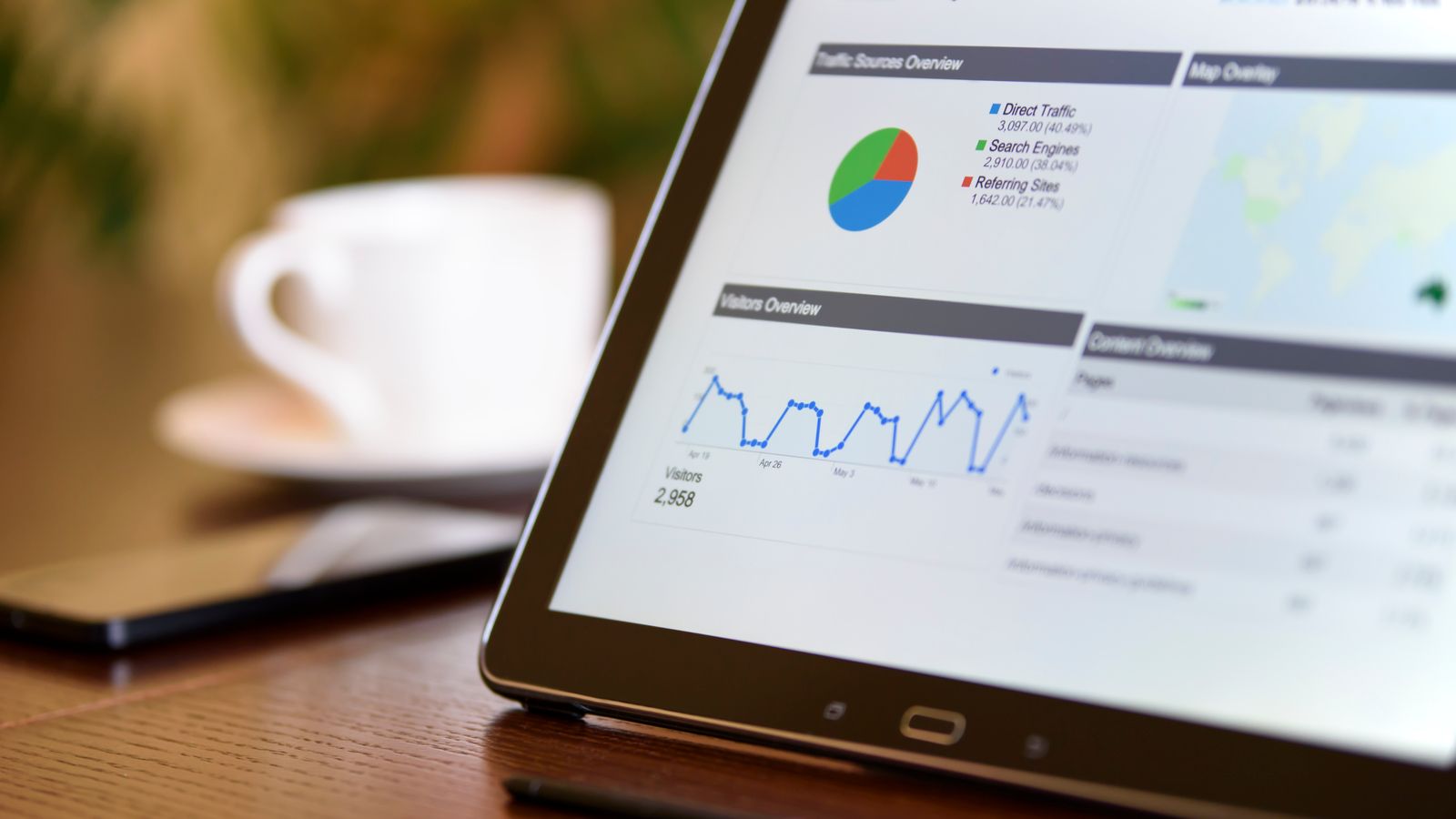
Overview: Google search ads capture high-intent users actively seeking solutions. With advertising revenue projected at 340 billion dollars by 2027, Google remains the dominant paid acquisition channel.
Why it works in 2026: Intent-based targeting captures users when they're ready to buy. Advanced AI bidding strategies automatically optimize for conversions. Responsive search ads test multiple variations to find winning combinations.
Key strategies: Focus on bottom-of-funnel keywords like 'best [solution] for [use case]'. Use negative keywords to eliminate wasted spend. Implement conversion tracking for optimization. Continuously test landing pages.
Ideal for: E-commerce, SaaS, Local Services, Professional Services
CAC Benchmark: €50-200 for B2C | €100-500 for B2B
Overview: Performance Max uses AI to optimize campaigns across all Google properties, Search, Display, YouTube, Gmail, and Maps, from a single campaign.
Why it works in 2026: AI-driven campaigns show average conversion increases of 18% and cost per acquisition reductions of 12% compared to traditional management. Autonomous optimization reduces manual oversight requirements.
Key strategies: Provide high-quality creative assets in multiple formats. Set clear conversion goals and values. Use audience signals to guide AI targeting. Monitor performance by asset group.
Ideal for: E-commerce, Lead Generation, App Installs
Overview: Meta's advertising platform offers unmatched targeting capabilities based on demographics, interests, behaviors, and lookalike audiences.
Why it works in 2026: Despite iOS tracking changes, Meta's AI adapted with improved modeling. Advantage+ campaigns automate targeting and creative optimization. The platform remains essential for DTC brands and B2C acquisition.
Key strategies: Use broad targeting with Advantage+ shopping campaigns. Create diverse creative variations for AI testing. Implement the Conversions API for better tracking. Build custom audiences from customer data. Running these campaigns well at scale is a specialized skill; the 10 best meta ads agencies in France compares agencies that manage Advantage+ setups and creative testing full time.
Ideal for: E-commerce, DTC Brands, Apps, Consumer Products
Overview: LinkedIn offers precise B2B targeting by job title, company, industry, and seniority. With over 1.2 billion members, it provides direct access to decision-makers.
Why it works in 2026: 86% of B2B marketers use LinkedIn for digital marketing, and nearly half say it's their most valuable platform. Targeting precision is unmatched for reaching specific professional audiences.
Key strategies: Target by function and seniority to reach decision-makers. Use Sponsored Content for awareness and Document Ads for lead generation. Retarget website visitors with Message Ads. Test lead generation forms vs. landing pages.
Ideal for: B2B SaaS, Professional Services, Enterprise Sales, HR Tech
CAC Benchmark: €300-800 for B2B leads
Overview: TikTok's explosive growth made it a major acquisition channel, particularly for younger demographics. The platform's algorithm excels at content discovery.
Why it works in 2026: Short-form video captures attention and drives impulse purchases. TikTok Shop created a seamless commerce experience. The platform reaches audiences traditional channels miss.
Key strategies: Create native-feeling content that blends with organic posts. Partner with TikTok creators for authenticity. Use Spark Ads to boost top-performing organic content. Test TikTok Shop for direct commerce.
Ideal for: DTC Brands, Beauty, Fashion, Consumer Products, Apps
Overview: YouTube offers multiple ad formats, from skippable in-stream ads to bumper ads, reaching users during relaxed viewing moments with high attention.
Why it works in 2026: Video ads create emotional connections and effectively demonstrate products. YouTube's targeting includes affinity audiences and custom intent segments. Connected TV viewing expanded reach to living room screens.
Key strategies: Hook viewers in the first 5 seconds before they skip. Use custom intent audiences based on search behavior. Create different ad lengths for different objectives. Retarget viewers who watched substantial portions.
Ideal for: Brand Awareness, E-commerce, Apps, Subscription Services
Overview: Programmatic buying uses AI to purchase display inventory across thousands of websites in real-time, optimizing for your specific objectives.
Why it works in 2026: Autonomous AI manages campaigns end-to-end with minimal human oversight. Real-time optimization maximizes ROAS across digital channels. Connected TV expansion brings programmatic to streaming audiences.
Key strategies: Use DSPs with strong brand safety controls. Layer contextual targeting with audience data. Test CTV for top-funnel awareness. Implement view-through conversion tracking.
Ideal for: Enterprise Brands, E-commerce, Brand Awareness Campaigns
Overview: Native ads match the look and feel of editorial content, appearing on premium publisher sites via platforms like Taboola, Outbrain, and similar networks.
Why it works in 2026: Native ads avoid banner blindness by blending with content. They reach users in content consumption mode rather than search mode. Cost per click is often lower than search advertising.
Key strategies: Create genuinely valuable content, not just advertorials. Aggressively test multiple headlines and images. Target by topic and publisher quality. Optimize landing pages for editorial traffic expectations.
Ideal for: Content Marketing, Lead Generation, Brand Awareness
Overview: Retargeting shows ads to users who've already interacted with your brand, keeping you top-of-mind and nurturing them toward conversion.
Why it works in 2026: Retargeted users are 70% more likely to convert. First-party data strategies adapted to cookie deprecation. Sequential messaging effectively guides prospects through the funnel.
Key strategies: Segment audiences by behavior and intent level. Use frequency caps to prevent ad fatigue. Create sequential ad narratives. Exclude recent converters from campaigns.
Ideal for: E-commerce, SaaS, High-Consideration Purchases
Overview: Audio advertising reaches users during moments when visual ads cannot, commutes, workouts, work. Spotify and podcast networks offer targeted audio placements.
Why it works in 2026: Audio ads have high completion rates with no skip option on many placements. Podcast host-read ads feel like trusted recommendations. Targeting includes music preferences and listening context.
Key strategies: Keep messages concise and memorable. Use podcast host-read ads for authenticity. Target by genre, mood, and activity context. Include clear verbal CTAs with memorable URLs.
Ideal for: Brand Awareness, Apps, Subscription Services, DTC Brands
Overview: Pinterest is a visual discovery platform where users actively plan purchases. Ads blend naturally with organic pins and reach users in a planning mindset.
Why it works in 2026: Pinterest users are in buying mode, planning projects, events, and purchases. Visual search technology matches products to user interests. Less competition than Meta for many categories.
Key strategies: Create visually stunning and aspirational pins. Target by interests, keywords, and audience lists. Use shopping catalogs for automated product ads. Test Idea Pins for engagement.
Ideal for: Home Décor, Fashion, Food, DIY, Wedding Industry
Overview: Microsoft Advertising reaches users on Bing, Yahoo, and partner networks. Often overlooked, it offers lower CPCs and an older, more affluent demographic.
Why it works in 2026: Less competition means lower cost per clicks. LinkedIn targeting integration for B2B. Strong performance for desktop and enterprise audiences. Easy import from Google Ads campaigns.
Key strategies: Import proven Google campaigns as a starting point. Use LinkedIn profile targeting for B2B. Test shopping campaigns for e-commerce. Monitor separately from Google for optimization.
Ideal for: B2B, Professional Services, Finance, Healthcare
Overview: CTV brings digital targeting to television, serving ads on streaming platforms like Roku, Hulu, and YouTube TV with measurable performance.
Why it works in 2026: Cord-cutting transferred audiences to streaming. Digital targeting precision meets TV's brand-building power. QR codes enable direct response from TV screens. Measurement capabilities continue improving.
Key strategies: Use high-quality video creative designed for big screens. Include QR codes for immediate action. Target by viewing behavior and demographics. Measure with lift studies and multi-device attribution.
Ideal for: Brand Awareness, DTC Brands, Apps, Subscription Services
Social media evolved beyond broadcasting to community building. The most effective brands in 2026 create participatory experiences that transform customers into advocates.
Overview: LinkedIn organic content reaches professional audiences without advertising spend. Employee advocacy and thought leadership generate significant reach and engagement.
Why it works in 2026: LinkedIn has over 1.77 billion monthly visits. B2B buyers research suppliers on LinkedIn before contacting sales. Employee personal posts often outperform company pages.
Key strategies: Activate leaders and employees as content creators. Share original insights and perspectives, not just links. Consistently engage in industry conversations. Build a following before you need to sell.
Ideal for: B2B SaaS, Professional Services, Recruiting, Enterprise Sales
Overview: Instagram remains essential for visual brands, with Reels driving discovery and Stories maintaining daily engagement with followers.
Why it works in 2026: Reels reach beyond your follower base through algorithmic discovery. Instagram Shopping enables direct commerce. Stories provide daily touchpoints with engaged followers.
Key strategies: Prioritize Reels for reach and growth. Use Stories for engagement and behind-the-scenes content. Leverage user-generated content for authenticity. Optimize your profile for conversions.
Ideal for: Fashion, Beauty, Food, Travel, Lifestyle Brands
Overview: TikTok's algorithm democratizes content discovery, giving unknown creators the chance to go viral. Authentic, entertaining content beats polished productions.
Why it works in 2026: The algorithm rewards engaging content regardless of follower count. TikTok Shop creates seamless commerce experiences. By 2026, live commerce sales from platforms like TikTok represent over 5% of all e-commerce sales in North America.
Key strategies: Post consistently and adopt trends quickly. Create native content that doesn't look like advertising. Use TikTok Shop for direct sales. Partner with creators for authentic reach.
Ideal for: Consumer Products, Beauty, Fashion, Entertainment, Apps
Overview: Twitter/X remains relevant for real-time conversations, customer service, and reaching journalists, influencers, and industry professionals.
Why it works in 2026: Real-time nature enables quick trend participation. Strong for B2B and tech industry audiences. Customer service interactions are highly visible. Opinion leaders generate significant organic reach.
Key strategies: Authentically engage in industry conversations. Respond quickly to mentions and customer issues. Share insights and add value to discussions. Build relationships with influential accounts.
Ideal for: Tech, Media, B2B, Professional Services, News
Overview: Brand communities create spaces for customers and prospects to connect, learn, and engage with your brand at a deeper level.
Why it works in 2026: Community-driven acquisition combines trust and retention simultaneously. 'Superfans' generate word-of-mouth and organic growth. First-party data collection becomes easier in owned communities.
Key strategies: Provide real value beyond your product. Facilitate connections between members. Create exclusive content and early access opportunities. Empower community leaders as advocates.
Ideal for: SaaS, Education, Professional Services, DTC Brands
Overview: UGC involves customers creating content with your brand. This content feels authentic and outperforms brand-created content in many contexts.
Why it works in 2026: The UGC market reached 7.6 billion dollars in 2025, up 69% year-over-year. UGC rates of €150-212 provide owned content assets deployable on paid ads, landing pages, and email campaigns. Higher click-through rates because content feels authentic.
Key strategies: Create brand hashtag challenges. Repurpose customer content with permission. Commission UGC creators for consistent content. Use UGC in paid ads and landing pages.
Ideal for: E-commerce, DTC Brands, Beauty, Fashion, Consumer Products
Overview: WhatsApp Business and similar messaging platforms enable direct, personalized communication with prospects and customers at scale.
Why it works in 2026: 68% of digital consumers expect real-time interaction before making a purchase. Open rates far exceed email. Conversational commerce shortens the distance between discovery and purchase.
Key strategies: Use WhatsApp Business for transactional messages and support. Create broadcast lists for announcements and promotions. Implement chatbots for common requests. Integrate with CRM for personalization.
Ideal for: E-commerce, Local Businesses, Service Providers, International Markets
Overview: Live shopping combines entertainment and e-commerce, allowing real-time product demonstrations and immediate purchases via platforms like TikTok Live and Instagram Live.
Why it works in 2026: Live commerce creates urgency and authentic engagement. Real-time Q&A overcomes purchase objections. Exclusive live offers generate immediate conversions.
Key strategies: Partner with affiliates who host livestreams. Provide exclusive discount codes during streams. Use post-event chatbots to re-engage drop-offs. Track CAC, payback period, and LTV from live sessions.
Ideal for: Fashion, Beauty, Consumer Electronics, Food
Overview: New social platforms regularly emerge, offering first-mover advantages for brands willing to experiment.
Why it works in 2026: Less competition on newer platforms. Content increasingly consumed within social platforms without visiting websites. Algorithms favor active users on emerging platforms.
Key strategies: Test new platforms early while maintaining focus on core channels. Efficiently repurpose content across platforms. Monitor audience migration patterns. Create platform-native content.
Ideal for: Early Adopter Brands, Media Companies, Influencer-Heavy Industries
Owned channels like email remain among the tools with the highest acquisition and retention ROI. They provide direct communication without dependence on platform algorithms.
Overview: Email marketing reaches prospects directly in their inbox, enabling personalized nurturing sequences, announcements, and promotional campaigns.
Why it works in 2026: Email maintains a 2.8% conversion rate for B2C and 2.4% for B2B, among the highest of all channels. AI personalization enables micro-segmented targeting at scale. Owned channel unaffected by social algorithm changes.
Key strategies: Create segmented lists based on behavior and intent. Use AI to optimize send times and subject lines. Build automated nurturing sequences for different buying stages. Personalize beyond first name, use behavioral triggers. For this, you can hire an Email Marketing Agency.
Ideal for: E-commerce, SaaS, B2B Services, Media
CAC Benchmark: €10-50 per customer acquired
Overview: Sponsoring popular newsletters places your brand in front of engaged, organized audiences who trust the newsletter creator.
Why it works in 2026: Newsletter audiences are highly engaged subscribers. Endorsement from trusted creators carries weight. Topic-based targeting and audience alignment is precise.
Key strategies: Partner with newsletters your audience already reads. Create personalized copy that matches the newsletter's voice. Follow up with UTM parameters and dedicated landing pages. Test multiple newsletters to find top performers.
Ideal for: B2B SaaS, Professional Tools, Developer Products
Overview: SMS delivers urgent messages with near-100% open rates. Ideal for promotions, abandoned carts, and transactional updates.
Why it works in 2026: SMS open rates exceed 95%, eclipsing email. Messages are read within minutes of receipt. Direct, personal channel that cuts through digital noise.
Key strategies: Get explicit consent and respect preferences. Keep messages concise with clear CTAs. Use only for high-value communications to avoid fatigue. Integrate with email for coordinated campaigns.
Ideal for: E-commerce, Restaurants, Local Services, Event Promotions
Overview: Web and mobile push notifications reach users even when they're not actively engaged with your site or app.
Why it works in 2026: Immediate delivery to device screens. No competition in the email inbox. Highly effective for urgent offers and updates.
Key strategies: Personalize based on user behavior and preferences. Use sparingly to maintain engagement. Segment by engagement level and interests. Test timing for optimal response rates.
Ideal for: Apps, News/Media, E-commerce, SaaS
Overview: Physical direct mail stands out in a digital world. Strategic direct mail campaigns create memorable touchpoints that digital cannot replicate.
Why it works in 2026: Less competition in physical mailboxes than email inboxes. Tangible items create lasting impressions. Integration with digital tracking enables measurement.
Key strategies: Target high-value prospects where digital touchpoints have stalled. Use variable printing for personalization. Include QR codes for easy digital conversion tracking. Integrate with digital retargeting.
Ideal for: High-Value B2B, Real Estate, Financial Services, Luxury Brands
Overview: Strategic gifts create memorable experiences and open doors with prospects who ignore traditional approaches.
Why it works in 2026: The corporate gifting market is projected to reach 312 billion dollars by end of 2025. Gifts exploit psychological reciprocity. Cuts through digital noise and demonstrates genuine interest.
Key strategies: Personalize gifts based on prospect research. Use for key accounts and stalled opportunities. Track gift acceptance and subsequent engagement. Choose memorable and useful items rather than branded swag.
Ideal for: Enterprise Sales, High-ACV SaaS, Professional Services
Partnership-driven acquisition leverages others' audiences and credibility. These channels offer performance-based models that align costs with results.
Overview: Affiliate marketing partners with content creators, influencers, and publishers who promote your products for a commission on sales or leads.
Why it works in 2026: The global affiliate marketing industry approaches 20 billion dollars and is projected to reach nearly 28 billion by 2027. Performance-based means you only pay for results. Affiliates provide trusted third-party endorsements.
Key strategies: Recruit affiliates aligned with your audience. Provide quality creative assets and product information. Use tiered commission structures to incentivize performance. Monitor brand consistency and fraud.
Ideal for: E-commerce, SaaS, Financial Services, Education
Overview: Influencer partnerships leverage creators' authentic relationships with their audiences to drive awareness and conversions.
Why it works in 2026: 88% of buyers purchase based on influencer suggestions. Affiliate and influence channels have converged. Performance-driven influencer marketing tracks revenue, not just reach. Micro-influencers often outperform celebrities for conversion.
Key strategies: Partner with creators whose audience matches your ICP. Use hybrid payment models (flat fee + performance bonus). Track both brand and conversion metrics. Build long-term relationships rather than one-off posts.
Ideal for: DTC Brands, Beauty, Fashion, Consumer Products, Apps
Overview: Referral programs incentivize existing customers to recommend your product to their network, creating a sustainable growth loop.
Why it works in 2026: Referred customers have higher LTV and retention rates. Trust transfer from personal recommendations converts at higher rates. Cost-effective when structured correctly.
Key strategies: Make sharing easy with pre-written messages. Reward both referrer and referred. Trigger referral asks at moments of delight. Test different incentive structures.
Ideal for: SaaS, Subscription Services, E-commerce, Apps
Overview: Partnering with complementary brands lets you reach their audience while they reach yours, multiplying exposure without proportional cost.
Why it works in 2026: Access to established, trusted audiences. Shared content creation reduces costs. Joint promotions create urgency and exclusivity. Builds credibility through association.
Key strategies: Partner with brands serving the same audience with non-competing products. Co-create valuable content like webinars, guides, or research. Cross-promote to each other's lists and audiences. Track attribution carefully.
Ideal for: B2B SaaS, Professional Services, E-commerce
Overview: Channel programs enable partners to sell your product to their customers, extending your reach through established relationships.
Why it works in 2026: Partners bring existing customer relationships. Reduces direct sales costs in complex markets. Enables geographic and vertical expansion. Partners add value through services and support.
Key strategies: Provide complete partner enablement. Create clear deal registration and protection policies. Offer marketing support and co-sell assistance. Use partner portals for efficient collaboration.
Ideal for: Enterprise Software, Hardware, IT Services
Overview: Being listed in platform marketplaces (Shopify App Store, Salesforce AppExchange, etc.) gives access to users actively seeking solutions.
Why it works in 2026: Users have high intent when browsing marketplaces. Platform approval provides credibility. Integration reduces friction for adoption. Reviews create social proof.
Key strategies: Optimize marketplace listings for search. Encourage reviews from satisfied customers. Create exceptional onboarding experiences. Respond quickly to user questions.
Ideal for: SaaS, Apps, Plugins, Developer Tools
In-person and virtual events create high-value interactions that digital channels struggle to replicate. They build relationships and accelerate trust.

Overview: Exhibiting at or attending major industry events puts you in front of concentrated audiences of potential buyers and partners.
Why it works in 2026: Face-to-face interactions build trust faster than digital. Decision-makers attend events to discover solutions. Networking opportunities extend beyond trade show floors.
Key strategies: Select events where your ICP concentrates. Schedule meetings with target accounts before the event. Create memorable booth experiences. Follow up immediately with leads.
Ideal for: Enterprise B2B, Manufacturing, Healthcare, Technology
Overview: Webinars provide educational value while capturing qualified leads who demonstrated interest in the topic by registering.
Why it works in 2026: Lower cost than physical events. Participants self-qualify by topic interest. On-demand replays extend reach. Co-hosted webinars multiply audience access.
Key strategies: Provide authentic educational value rather than product pitches. Partner with complementary brands for co-hosted events. Promote through multiple channels. Nurture registrants and attendees differently.
Ideal for: B2B SaaS, Professional Services, Education, Finance
Overview: Hosting your own events, user conferences, meetups, or dinners, creates exclusive experiences that deepen relationships and attract prospects.
Why it works in 2026: Controlled environment showcasing your brand. Customer speakers provide powerful testimonials. Creates content for marketing across all channels. Prospects see successful customers firsthand.
Key strategies: Feature customer success stories. Invite prospects to attend with customers. Create networking opportunities. Capture content for post-event marketing.
Ideal for: SaaS, Enterprise Technology, Professional Services
Overview: Speaking at conferences and events positions your team as opinion leaders and reaches audiences in educational contexts.
Why it works in 2026: Stage presence establishes authority. Audience has dedicated attention. Post-event content extends reach. Networking opportunities with attendees and fellow speakers.
Key strategies: Submit proposals to relevant conferences. Create presentations that educate, not sell. Share insights authentically and engage Q&A. Follow up with participants who connect.
Ideal for: B2B Services, Consulting, Technology, Professional Services
Outbound channels place your message directly in front of ideal customers. When precisely targeted and effectively personalized, they remain highly effective for B2B acquisition.
Overview: Strategic cold email reaches decision-makers directly with personalized messages demonstrating understanding of their challenges.
Why it works in 2026: AI enables hyper-personalization at scale. Multi-step sequences nurture interest over time. Direct line to decision-makers bypassing gatekeepers. Highly measurable and optimizable.
Key strategies: Research prospects deeply for personalization. Keep messages concise with clear value propositions. Use multi-touch sequences with varied approaches. Track response rates and continuously optimize. For teams that prefer to outsource this entirely, the 10 best cold email agencies in France compares specialists who handle sequencing and deliverability at scale.
Ideal for: B2B SaaS, Professional Services, Enterprise Sales
Overview: LinkedIn messaging reaches professionals in a business context, making it effective for relationship-building and B2B prospecting.
Why it works in 2026: Users are in a professional mindset. Profile information enables personalization. Connection-first approach builds relationships. Combined with content, builds trust before pitching.
Key strategies: Build your personal brand alongside prospecting. Engage with prospect content before contacting them. Authentically personalize connection requests. Provide value before asking for meetings.
Ideal for: B2B Services, Recruiting, Enterprise Sales, Consulting
Overview: ABM treats individual target accounts as single markets, coordinating personalized campaigns across multiple channels to engage buying committees.
Why it works in 2026: Concentrates resources on higher-value opportunities. Aligns marketing and sales around common targets. Personalization increases engagement rates. Measurable impact on pipeline and revenue.
Key strategies: Select accounts based on fit and purchase likelihood. Map buying committees and stakeholders. Coordinate personalized touchpoints across all channels. Track account engagement and progression.
Ideal for: Enterprise B2B, High-ACV SaaS, Complex Sales
Overview: Dedicated sales development reps perform outbound prospecting to generate qualified meetings for salespeople.
Why it works in 2026: Human touch builds relationships at scale. SDRs qualify leads before salesperson involvement. Multi-channel approach (phone, email, social) maximizes contact rates. AI tools enhance SDR productivity.
Key strategies: Provide comprehensive training and enablement. Use AI tools for research and personalization. Implement clear qualification criteria. Track and continuously optimize metrics.
Ideal for: B2B SaaS, Enterprise Sales, Professional Services
Overview: AI-powered chatbots engage website visitors 24/7, qualifying leads, answering questions, and booking meetings without human intervention.
Why it works in 2026: Gartner predicts conversational AI will reduce global customer service labor costs by 80 billion dollars by 2026 while improving customer satisfaction by 25%. Instant response times meet buyer expectations. AI conversations increasingly feel natural. Effectively qualifies and routes leads.
Key strategies: Design conversation flows for common visitor intents. Integrate with CRM for personalization. Offer seamless handoff to humans if needed. Continuously improve based on conversation data.
Ideal for: SaaS, E-commerce, Professional Services, Lead Generation
The best-performing companies in 2026 don't pursue every channel, they build coordinated acquisition systems. Coordinating that many levers is often exactly what a dedicated growth team is built for; the 10 best growth agencies in France profiles agencies built for this kind of cross-channel orchestration. Here's how to apply what you've learned:
Prioritizing fewer channels lets teams execute consistently, optimize performance, and avoid spreading resources too thin. Master one channel before adding another.
80% of results come from 20% of effort. Identify which channels deliver the highest-quality customers at sustainable costs, and double down on those.
Aim for a 3:1 LTV-to-CAC ratio. This leaves room for overhead, one-time expenses, and healthy margins before you're spending as much to acquire a customer as you'll earn from them.
Content, SEO, and community channels require patience but deliver compounding returns over time. Balance fast-gain paid channels with long-term organic investments.
AI improves customer acquisition by automating lead scoring, personalizing outreach at scale, predicting optimal engagement moments, and extracting actionable insights. But maintain human oversight for strategy and brand voice.
Track CAC, CLV, conversion rates by channel, pipeline velocity, win rates, and channel-specific ROI. These metrics provide insight into acquisition efficiency and highlight which channels are profitable.
Brands that win in 2026 don't chase the latest growth hacks, they build sustainable, customer-centric acquisition systems that create value at every touchpoint.
Ready to grow your customer acquisition? Start by auditing your current channels against this list, identify gaps and opportunities, then build your systematic growth approach.
THEY WIN WITH SORANK






.webp)