設定
当社はプライバシーを重視しており、ウェブサイトの基本機能に必要のない特定のストレージを無効にするオプションを提供しています。カテゴリーをブロックすると、ウェブサイトでの体験に影響が出る可能性があります。詳細はこちら

当社はプライバシーを重視しており、ウェブサイトの基本機能に必要のない特定のストレージを無効にするオプションを提供しています。カテゴリーをブロックすると、ウェブサイトでの体験に影響が出る可能性があります。詳細はこちら

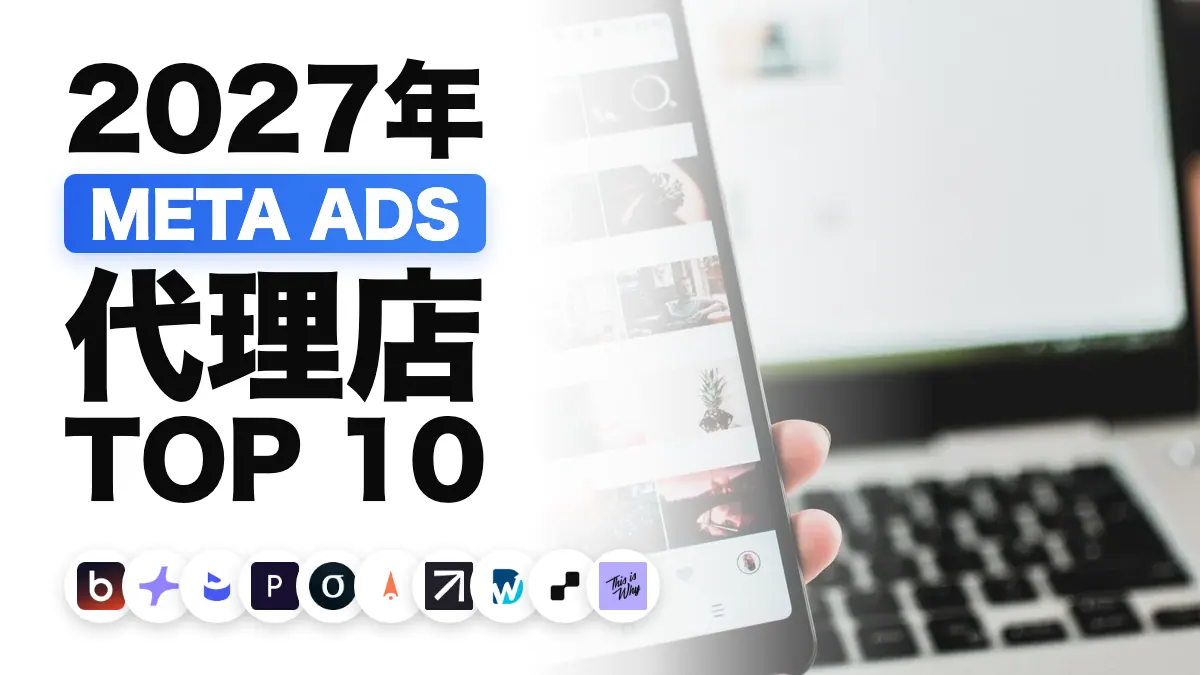
2027 年のフランスの Meta 広告運用会社のおすすめ 10 選のランキング:クリエイティブの制作、同意拒否後のトラッキング、そして広告アカウントの所有者について解説します。
ツール


要点
フランスのMeta広告エージェンシーの中で総合力が最も高いのはBlinkedです。広告を1項目として扱う総合型のエージェンシーではなく、検索広告、ソーシャル広告、プログラマティック広告にまたがる本格的なメディア専門会社として運営されているためです。ネットショップの足かせがメディアバイイングではなくクリエイティブそのものにある場合はBen&Vic、アカウントで独立した計測を何より重視するならJuntoが適しています。決め手になる基準は、多くの場合、メディアバイイングの上手さではありません。プラットフォーム自身のアルゴリズムが、すでにその大半を担っているからです。重要なのは、新しいクリエイティブを継続的に供給でき、訪問者が同意を拒否した後でもコンバージョンを正確に読み取れるのは誰か、という点です。
さらに詳しく知るには、こちらに質問
フランスのMeta広告エージェンシーおすすめ10選を選ぶことは、高騰が続き、しかも透明性が低下し続けているプラットフォームの委託先を選ぶことを意味します。Metaは2026年第2四半期だけで広告収益59363百万ドルを報告し、前年同期比27%増となりました。その成長の大半は、在庫そのものが増えたからではなく、広告主が同じ在庫に対してより多く支払った結果です。これほどの規模のプラットフォームでは、トップ10は市場を抜ける近道です。フランスのデジタル系エージェンシーのほとんどすべてがソーシャル広告の運用を掲げる一方で、クリエイティブを制作し、数字を正しく読み取れることを証明できるのは、ごく一部だからです。
ソーシャル広告は現在、フランスのデジタル広告の主要分野の中で最も急成長しています。2026年上半期だけで22.2億ユーロに達し、市場の33%を占め、前年同期比16%増と、他のどの主要フォーマットよりも速く伸びています。この数値は、フランス市場の基準となる計測である、SRI、UDECAM、Oliver Wymanが2026年7月に公表した第36回Observatoire de l'e-Pubによるもので、この成長のうち41%を動画が占めています。
買い手にとって、ここから2つの帰結が導かれます。1つ目は、これがオークションであるという点です。売り手の数が増えないまま年16%拡大するオークションは、個々のエージェンシーがアカウントで何をしようと、参加者全員にとってコストが上がっていきます。2つ目は、Meta自身の決算がプラットフォーム側の圧力を裏付けている点です。同グループの広告収益自体が2026年第2四半期に前年同期比27%増となっており、これはオークションの売り手側から見た同じ話です。
ここでは、ソーシャル広告が悪いチャネルだと言っているわけではありません。運用するエージェンシーには、仕事が1つではなく2つあると言っているのです。今日のメディアをうまく買うこと、そしてオークションが混み合うたびに価値が下がることのない資産を築くことです。このリストの候補のうち、2つ目の仕事に触れているところはほとんどありません。
このプラットフォームでは4つの不安が繰り返し挙がります。検索系のエージェンシーに対して買い手が抱く不安とは別物です。それを知っておくことが、提案を聞くだけの場を本当の評価に変えます。
1. エージェンシー自身が実際には見えていない数字に対して支払うこと。 同意の拒否とAppleのトラッキング規則により、エージェンシーであるかどうかを問わず、あらゆる広告主が計測できる範囲が狭まっています。Northwestern、Columbia、UCLAの研究者によるMarketing Science Instituteのワーキングペーパーは、AppleのApp Tracking Transparency導入後、コンバージョン最適化されたMetaのキャンペーンでクリック率が37%低下し、Meta広告への依存度が最も高い企業では収益が39.4%減少したと測定しました。それでも欠けのないきれいな数字を報告するエージェンシーは、差を隠しているのです。
2. メディアバイヤーを売り込まれたのに、テンプレートを使う新人が担当すること。 このプラットフォームで成果を出すアカウント構成は、通常、講座で学んだ人ではなく、何百ものキャンペーンが失敗するのを見てきた人が作ります。契約前に、提案を担当した人ではなく、日々アカウントを運用する人は誰かを尋ねてください。
3. 予算が尽きる前にクリエイティブが尽きること。 ソーシャル広告は、新しい動画や画像のバリエーションを絶えず供給しなければ劣化します。同じ視聴者が数日のうちに同じ広告を何度も目にするためです。クリエイティブをすべてクライアントが用意することを前提にするエージェンシーは、仕事の中で最も難しい部分をクライアント自身に任せていることになります。
4. 自社のものではない同意の問題を引き継ぐこと。 CNILは、2026年1月に公表された決定で、ある企業に350万ユーロの制裁金を科しました。有効な同意なしに、1050万件を超える顧客の連絡先を、ターゲティング広告のためにソーシャルネットワークへ送信したためです。制裁金を支払ったのは広告主であり、プラットフォームではありません。クライアントに代わってオーディエンスのマッチングやトラッキングピクセルを設定するエージェンシーは、クライアントの名義でコンプライアンス上の判断を下しています。クライアントは、実行前にそれが正確に何であるかを把握しておくべきです。
4つの基準を、この順序で、各エージェンシーが自ら公開している情報だけに適用しました。このリストのすべてのトップページを2026年8月に確認しており、この業界ではポジショニングの変化が他の多くの業界より速いため、このページは90日ごとに見直す予定です。
1. クリエイティブ制作。 エージェンシーが広告クリエイティブを自ら制作すると明記しているか、クライアントの用意を前提としているか。このプラットフォームでは、メディアバイイングそのもの以上に、これが本業に近い仕事です。
2. 明示されたトラッキング能力。 サーバーサイドトラッキング、独自のデータレイヤー、または明示された計測手法。「データドリブン」という漠然とした言及とは区別します。
3. メディアの比重。 エージェンシーがメディア専門会社として運営されているか、他の10のサービスの中の1行としてソーシャル広告を提供しているか。
4. サイトが稼働していて、分かりやすいか。 この業界は、これまで確認したどの業界よりも元データが雑多でした。多数の総合型の地域エージェンシーが、ソーシャル広告を専門領域としてではなく、1つの箇条書きとして挙げているだけだったためです。
あえて行わなかったこと: これらのトップページに掲載されている運用予算額、広告費用対効果の主張、顧客数は転載していません。いずれも外部から検証できず、この業界では最も水増ししやすい数字だからです。
Blinkedは、検索広告、ソーシャル広告、プログラマティック広告にまたがるメディアコンサルティングおよび運用のエージェンシーで、入口として無料診断を提供しています。総合型ではなくメディア専門会社であることは、このプラットフォームで最も重要です。日々複数のチャネルでメディアを買っている人は、アカウント構成が失敗するパターンの大半をすでに見ているからです。
こんな広告主におすすめ: 予算が十分に大きく、専門的なメディアの知見が元を取れる広告主。無料診断は営業手段でもあります。また、純粋なメディア専門会社は、コンテンツを軸にしたエージェンシーに比べ、独自のクリエイティブ制作に割く力が小さい場合があります。含まれていると決めてかかる前に、メディアバイイングの裏にどのような制作体制があるのかを具体的に尋ねてください。

Ben&Vicは、成長中のネットショップ向けに、ペイドメディアをクリエイティブ戦略やクリエイターコンテンツと並べて運用しており、事業分析から統合的な広告戦略、ローンチ、最適化までの流れを明示しています。クリエイティブの仕事を、任意のオプションではなく契約範囲の一部として挙げていることは、このカテゴリーで最も有用な指標です。
こんな広告主におすすめ: 制約になっているのがメディアバイイングではなく広告クリエイティブであるネットショップ。クリエイターコンテンツや商品動画を軸にしたエージェンシーは、営業サイクルが長いBtoBのアカウントには向きません。そうした案件では、お客様の声スタイルの動画は調達しにくく、説得力も弱くなるためです。
Juntoは、ネット小売、ソフトウェア、リード獲得を行う企業向けに、ペイドメディア、自然検索、トラッキングとデータ、クリエイティブ戦略、顧客関係管理を手がけ、独自のデータ基盤を運用していると明示しています。プラットフォーム自身のレポートが構造的に楽観的になるチャネルでは、独立した計測レイヤーは贅沢品ではありません。
こんな広告主におすすめ: チャネルが実際に何を生み出したのかを独立した視点で見たい広告主。独自のデータ基盤は、クライアントもその中身を見られる場合にのみ、お金を払う価値があります。契約終了後もレポートと元データにアクセスできるかどうかを、事前に確認してください。
Pickersは、2016年から、検索広告、自然検索と生成AI検索、ソーシャル広告、コンテンツ制作にまたがるデジタル集客を手がけています。ここでもコンテンツ制作の項目が重要です。新しいクリエイティブを安定して供給できないソーシャル広告のアカウントは、予測どおりに劣化します。それを社内で制作できるエージェンシーは、できないところとは別の提案です。
こんな広告主におすすめ: 検索広告とソーシャル広告を1つのチームに任せたい広告主。これだけ多くのチャネルを同時に扱うと、どちらにも本当の専門家がつかないこともあります。ソーシャル広告の担当が具体的に誰で、実際にどれだけの時間を割いているのかを尋ねる価値があります。
Orixa Mediaは、自然検索、検索広告、ソーシャル広告を専門とするメディア・検索エージェンシーで、メディアチャネルを別々に運用するのではなく統合することを主張しています。その主張は正しいものの、実行されることはまれです。広告、検索結果、ソーシャルの投稿を目にするのは同じ人であり、それらを無関係な3つの予算として扱えば、同じ顧客の獲得に二重に支払うことになります。
こんな広告主におすすめ: 複数のチャネルを運用しているものの、それらが現状では連携していない広告主。1つのチームの下でチャネルを統合することが強みになるのは、そのチームが各チャネル個別にも本当に熟練している場合に限られます。チャネル間の調整だけが得意なのでは意味がありません。
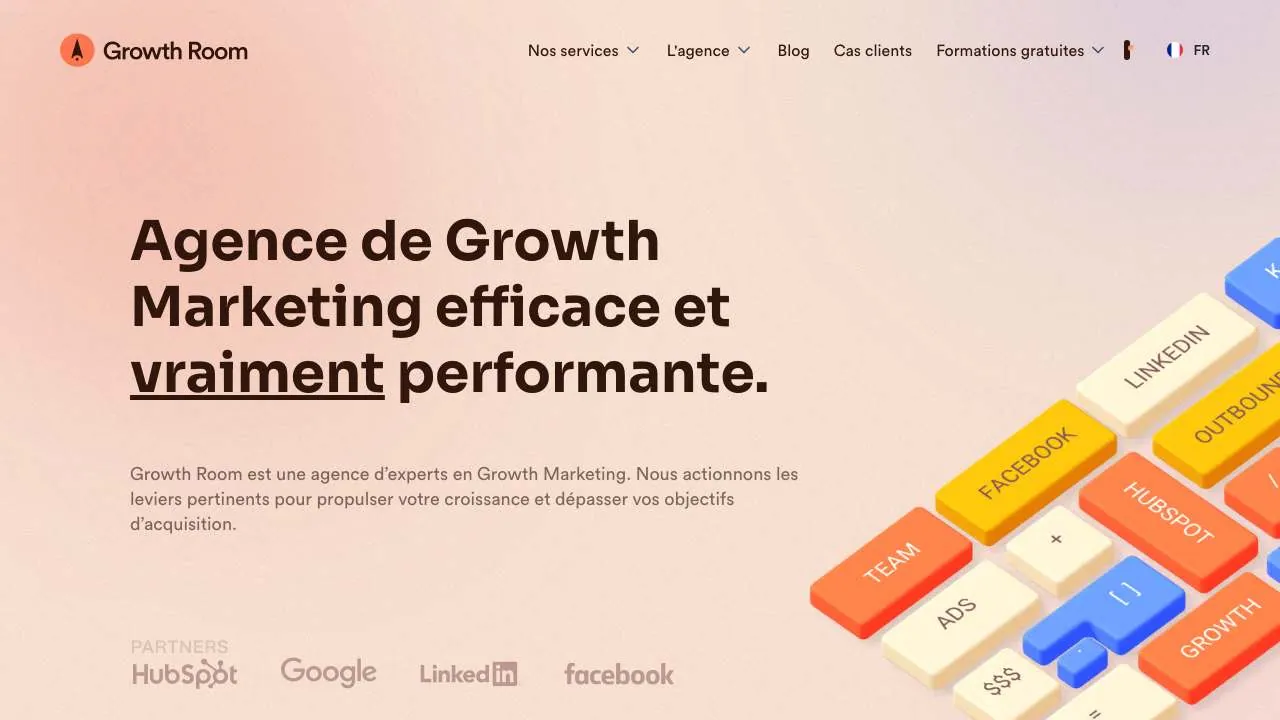
Growth Roomは、集客戦略を提案する前に、ターゲット、オーディエンス、目的の3つについて質問することから始めます。このチャネルが自社の商品に有効かどうかをまだ証明できていない企業にとっては、別のチャネルのほうが向いていると率直に言ってくれるエージェンシーは、どのみち喜んで予算を使うエージェンシーより価値があります。
こんな広告主におすすめ: ソーシャル広告が自社のチャネルだとまだ確信できていない企業。診断を先に行うアプローチは、最初のキャンペーンが公開されるまでに時間がかかります。事業が慎重なテストではなく、速くて安価なテストを必要としていた場合、これは現実的なコストです。
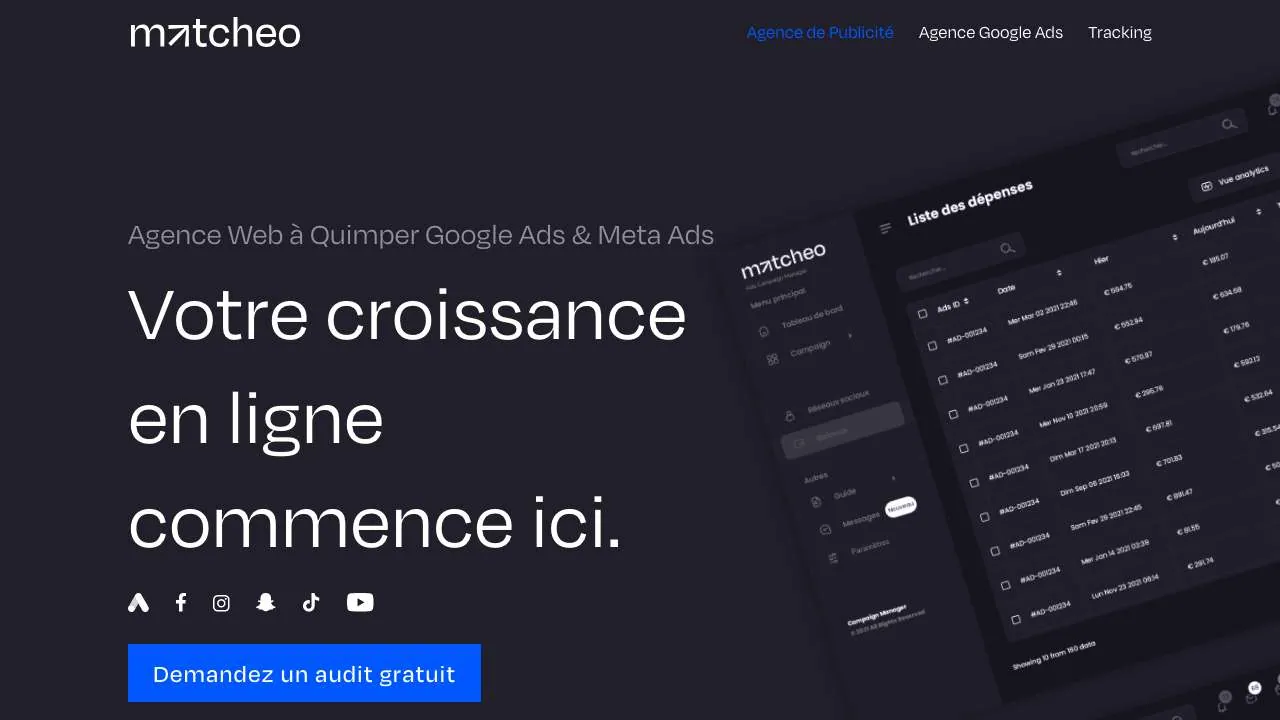
Matcheoは、ブルターニュにあるウェブエージェンシーで、検索広告とソーシャル広告を手がけ、ブリーフィング、トラッキング、制作、ローンチ、最適化という名前付きの段階でプロセスを公開しています。クリエイティブがまだ作られる前にトラッキングを2番目に置くのは正しい順序であり、これほどはっきり打ち出している会社はほとんどありません。
こんな広告主におすすめ: 広告とランディングページをまとめて任せたい小規模な広告主。地域のウェブエージェンシーのソーシャル広告部門は、工程の順序がどれだけ整っていても、専門会社が抱える運用アカウントの数や、それに伴うパターン認識には及ばない可能性が高いでしょう。
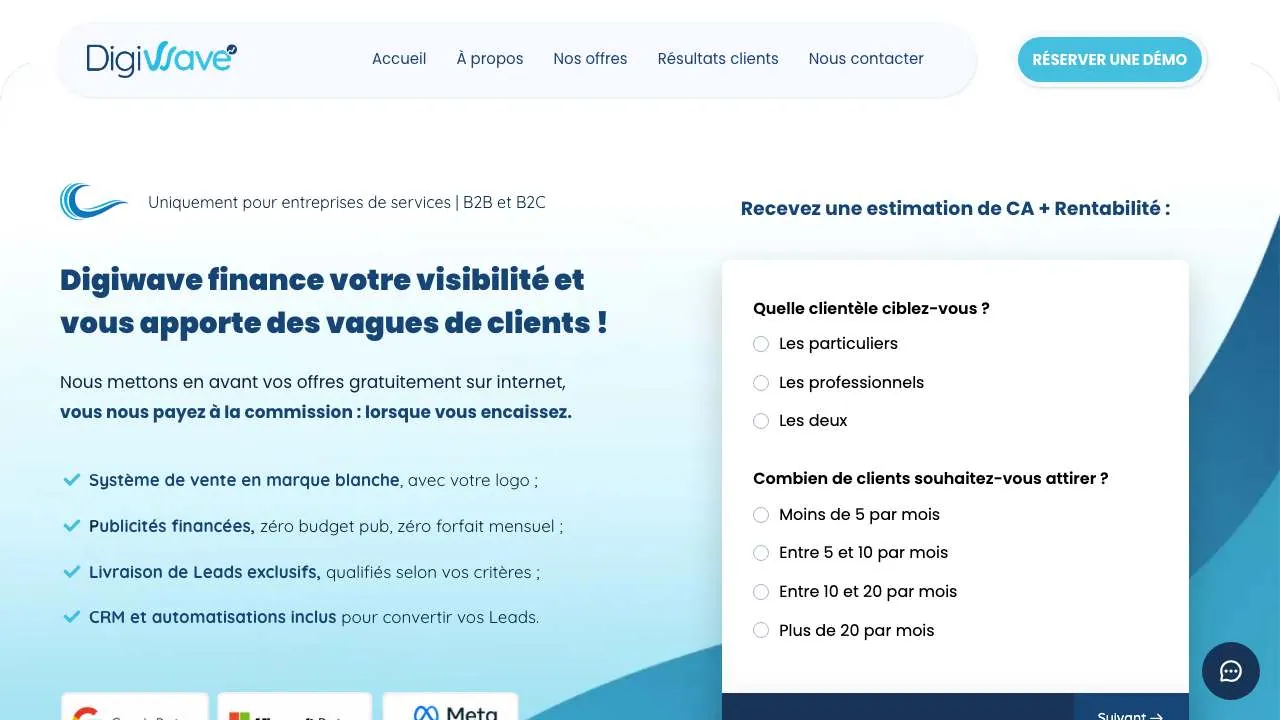
Digiwaveは珍しいモデルで運用しています。主要プラットフォームにわたる広告予算を自社で立て替え、独占的なリードを納品し、キャンペーンではなく顧客に対して報酬を受け取ります。これは広告主からエージェンシーへリスクを移すもので、めったにないため、関係が終わった日にリードの流れがどうなるのかも含めて、詳しく検討する価値があります。
こんな広告主におすすめ: 自分でメディアを買う資金が手元にない段階で、リードを必要としている企業。成果報酬にすると、キャンペーンとオーディエンスを誰が管理するかが変わります。直接メディアを買うより単純に安くなると決めてかかるのではなく、このモデルは注意深く読む価値があります。
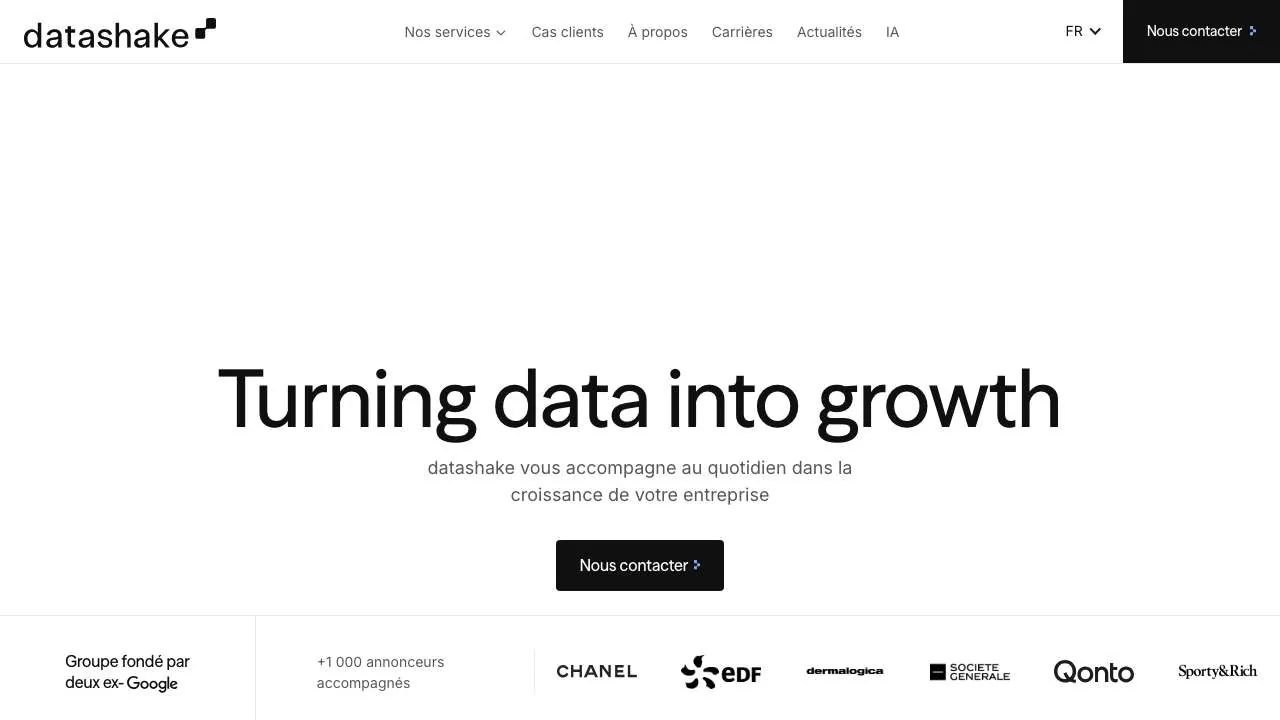
datashakeは、検索広告とソーシャル広告、自然検索と生成AI検索、AIクリエイティブスタジオ、メール配信、データとトラッキングを網羅するデジタル加速グループです。トラッキングの部門の隣にクリエイティブスタジオがあるのは、このチャネルが必要とするまさにその組み合わせであり、1つの会社の中に両方を本当に持つエージェンシーはほとんどありません。
こんな広告主におすすめ: 報告される成果が、銀行口座の入金と合わなくなってきた広告主。これだけ多くの分野を扱うグループでも、ソーシャル広告については、社内の別の場所からの更新を中継するだけの総合アカウントマネージャーではなく、実在する名指しの窓口が必要です。
This is Why Agencyは、サヴォワにあるデジタルエージェンシーで、自然検索、検索広告、ソーシャル広告、ウェブサイト制作、グロースマーケティングを手がけ、観光と山岳関連の事業を専門としていると明示しています。季節性の強い事業では、1年のすべてが少数の予約シーズンで決まるため、業界の知識がいつも以上に重要です。
こんな広告主におすすめ: 季節変動の大きい観光、宿泊、山岳関連の事業。同じ業界への特化は、観光以外のあらゆる事業には不向きであることも意味します。スキーリゾートと予約シーズンを軸に築かれた季節性の知見は、通年型の小売やソフトウェア事業には応用できないためです。

以下の基準は、どのエージェンシーが勝つかを確認する前に選びました。各セルは、2026年8月時点で各エージェンシーが自社サイトで公開している内容を反映しています。エージェンシーが何かを公開していない場合は、推測せず、その旨をセルに記しています。
| エージェンシー | 対応範囲 | クリエイティブ制作の明記 | トラッキングまたは計測の明記 | 公開されている入口 |
|---|---|---|---|---|
| Blinked | 検索広告、ソーシャル広告、プログラマティック広告 | 記載なし | 記載なし | 無料診断 |
| Ben&Vic | ペイドメディア、クリエイティブ戦略、クリエイターコンテンツ | あり(クリエイティブ戦略とクリエイターコンテンツ) | 記載なし | 記載なし |
| Junto | ペイドメディア、自然検索、トラッキング、データ、CRM | あり(クリエイティブ戦略) | あり(独自のデータ基盤) | 記載なし |
| Pickers | 検索広告、自然検索と生成AI検索、ソーシャル | あり(コンテンツ制作) | 記載なし | 記載なし |
| Orixa Media | 自然検索、検索広告、ソーシャル広告 | 記載なし | 記載なし | 記載なし |
| Growth Room | 複数チャネルにわたる集客戦略 | 記載なし | 記載なし | 診断のための通話 |
| Matcheo | 検索広告、ソーシャル広告 | あり(制作の段階を明記) | あり(トラッキングの段階を明記) | プロセスの各段階を公開 |
| Digiwave | 主要プラットフォームにわたるペイドメディア | 記載なし | 記載なし | 納品した顧客に対する成果報酬 |
| datashake | 検索広告、ソーシャル広告、自然検索と生成AI検索、データ | あり(AIクリエイティブスタジオ) | あり(トラッキングとデータを明記) | 記載なし |
| This is Why Agency | 自然検索、検索広告、ソーシャル、ウェブ、グロース | 記載なし | 記載なし | 記載なし |
「記載なし」のセルは、能力の欠如ではなく、公開情報の欠如として読んでください。これらのエージェンシーの中には、トップページに書いていなくても、クリエイティブを制作したり、サーバーサイドトラッキングを運用したりしているところが間違いなくあります。確かめる誠実な方法は、直接尋ねることです。
どんな提案書よりも早く候補を絞り込める質問が3つあり、それぞれが上で挙げた不安のいずれかに対応しています。
1. 毎月の新規クリエイティブは何本で、誰が制作するのか? 数字を契約書に明記してもらいましょう。ほとんどのアカウントを3か月目までに静かに駄目にするのは、メディアバイイングの腕前ではなく、クリエイティブの疲弊です。
2. トラッキングはサーバーサイドか。ピクセルと、それが構築するオーディエンスは誰のものか? 訪問者が同意を拒否したとき、コンバージョン計測がどうなるのか、そしてそのギャップがないふりをするのではなく、エージェンシーがそれにどう対処するのかを尋ねてください。
3. 日々アカウントを実際に運用するのは誰か? 提案を担当した人だけでなく、その人にも契約前に会わせてもらいましょう。この業界では、両者の差が失望の最大の原因です。
限界を3つ、率直に述べます。すべてを決着させると主張するランキングは使い物にならないからです。
公開情報だけに基づいています。 各エージェンシーが公開している内容を読み、2026年8月にサイトが稼働していることを確認しました。キャンペーンを1件も監査せず、クライアントに取材もせず、広告費用対効果の数字も検証していません。情報発信が下手でメディアバイイングが見事なエージェンシーは、ここでは過小評価されます。
ご自身の状況までは分かりません。 成長中のネットショップに合うエージェンシーが、季節性の強い観光事業や、BtoBのリード獲得アカウントにも合うことはまれです。順位の数字よりも、上のこんな広告主におすすめの項目のほうが重要です。
時間とともに古くなり、その下にある規則はさらに速く変わります。 Metaは2025年10月から、欧州連合全域での政治広告、選挙広告、社会問題広告の配信を停止しました。政治広告の透明性とターゲティングに関するEUの新規制の施行を理由としており、このプラットフォームで許可される内容がいかに速く変わりうるかを思い起こさせます。このページは90日ごとに見直され、見直し日は上の調査方法に記載しています。
ここは正直にお話しする部分です。ソフトウェア会社が公開しているページですので。メディアの交渉、特定のクリエイティブの判断、広告アカウントでの手作業を要することはすべて、エージェンシーのほうがソフトウェアより優れています。 アカウント停止後のキャンペーン構成の再構築、クライアントの経営陣と議論を尽くしたクリエイティブのブリーフ、同意管理プラットフォームが壊したトラッキング設定の修正。これらはどれも現在は自動化できず、そうでないと主張する人は何かを売りつけようとしています。
ソフトウェアのほうが得意なのは、反復的で、毎週発生し、毎年高くなるオークションに左右されない部分です。ソーシャル広告には、誰にも直せない構造的な性質が1つあります。それはオークションであり、毎年より多くの広告主が参入し、注目の価格は上がり続けるだけだということです。長続きする広告主は、オークションにかけられないものを並行して築いている人たちです。買い手が尋ねる疑問に答えるページ、検索で見つかり、ブランドを選ぶ前に人々が質問するAIアシスタントにますます引用されるページです。どのチャネルがそうした投資に値するかをより広く見るには、2026年の顧客獲得に最適なチャネル50選をご覧ください。
それを自動化するのがSorankです。Sorankはエージェンシーではなくソフトウェアです。キーワード調査、記事の執筆、内部リンク、サイトへの公開、そしてAIアシスタントが返す回答にどれくらいの頻度で登場しているかの追跡を、その引用が実際に得られる長さで行います。その点は記事の長さはどのくらいが適切かで取り上げています。最後の部分は飾りではありません。KDD 2024で発表された、10000件のクエリを使った対照研究では、情報源を引用すると生成AIでの可視性がおよそ30%、統計を加えるとおよそ32%、専門家の引用を加えるとおよそ41%上がり、キーワードの詰め込みは逆に下げることが測定されました。料金は年間プランなら月額$49からで、3日間の無料トライアルがあり、登録時にカードが必要です。まず話して決めたい場合は、通話を予約してください。
1つだけ推薦するなら、予算が専門のメディアエージェンシーを正当化できるならBlinked、アカウントの足かせがクリエイティブならBen&Vic、このチャネルが自社の商品に合うかどうかがまだはっきりしないならGrowth Roomです。
そして、予算を増やす前にトラッキングを直してください。不完全なデータで最適化しているアカウントは、キャンペーン構成を誰がどういじっても、より多く使い、学ぶことはより少なくなります。
以下のエージェンシーも、より広い事業の一部として、フランスでソーシャル広告のキャンペーンを運用しています。
| エージェンシー | ウェブサイト | 自社について公開している内容 |
|---|---|---|
| Eskimoz | eskimoz.fr | 自然検索に加え、ペイドメディア、プログラマティック、リテールメディアを扱う検索集客エージェンシー |
| Noiise | noiise.com | 検索広告、ソーシャル広告、検索、サイト制作を扱う大手デジタルエージェンシー |
| Optimize 360 | optimize360.fr | フランスとスイスを拠点に、検索、広告、ソーシャルを扱うデジタル可視性エージェンシー |
| deux.io | deux.io | 検索や見込み客開拓と並行してソーシャル広告を運用するパリのグロースエージェンシー |
| Yateo | yateo.com | 有料チャネル全体にわたるコンサルティング、デザイン、集客を扱うデジタルグロースエージェンシー |
| Bydev | bydev.fr | サイト制作と、主要プラットフォームでのペイド集客を組み合わせるデジタルエージェンシー |
| GrowthYouNeed | growthyouneed.com | AIを活用した広告キャンペーンを運用する、グロースハッキングとデジタル戦略のエージェンシー |
| Agence 90 | agence90.fr | 検索広告、ソーシャル広告、検索、マーケットプレイスを扱うデジタルマーケティングエージェンシー |
| Impulse Analytics | impulse-analytics.com | ペイドメディア、コンテンツ、SEO、データを組み合わせるデジタルパフォーマンスエージェンシー |
| Ouest Digital | ouest.digital | ナント近郊のサン=テルブランを拠点に、コミュニティマネジメント、ソーシャル広告、コンテンツ制作を扱うソーシャルメディアエージェンシー |
隣接する2つのチャネルには、このブログに独自のランキングがあります。予算には検索のほうが合う場合はフランスのGoogle広告(SEA)エージェンシーおすすめ10選、これらのプラットフォームのオーガニックな側面もペイドの側面と同じくらい重要な場合はフランスのソーシャルメディアエージェンシーおすすめ10選をご覧ください。

3 つのモデルがあります。月額の固定料金、広告費に対する割合、またはその組み合わせで、クリエイティブの制作は通常別料金です。広告費に対する割合はシンプルですが、うまく使うことより多く使うことに報いる仕組みです。どのモデルを選ぶにせよ、予算を半分にしたら料金はどうなるかを確認しましょう。その答えで、関係が本当はどう組み立てられているかがわかります。
以前ほどではなく、その差は本物です。同意の拒否やブラウザの制限によって、ブラウザだけではコンバージョンの一部がプラットフォームに届かなくなっています。サーバーサイドのトラッキングとプラットフォームのコンバージョン API が、選択肢ではなく標準の手法になったのはそのためです。プラットフォームが報告するコンバージョンと自社の数値には差が出ると考え、その差がどのくらいで、なぜなのかを代理店に確認しましょう。
キャンペーンが学習フェーズを抜け、少なくとも 1 か月は中断せずに配信を続けられるだけの額です。それは万能の数字ではなく、自社のカテゴリーでのコンバージョン 1 件あたりの費用によって決まります。そのしきい値を下回ると、アルゴリズムは十分なシグナルを集められず、成果はばらばらに見え、このチャネルはうまくいかないというよくある結論になってしまいます。
 AI コンテンツブリーフ生成ツール
 FAQ スキーマ生成ツール
 AI ブログ記事アイデア生成ツール
 構造化データ検証ツール
 代替テキストチェッカー
 内部リンク分析ツール
 被リンクチャレンジ
 AI メタディスクリプション生成ツール
 AI ブログタイトル生成ツール
 Google インデックス可否チェッカー
 AI 記事構成案生成ツール
 UTM リンク作成ツール
 キーワードのグループ化ツール
 canonical タグチェッカー
 XML サイトマップ生成ツール
 リンク切れチェッカー
 AI SEO タイトル生成ツール
 見出しアナライザー
 検索結果プレビューツール
 リダイレクトチェッカー
 hreflang タグ生成ツール
 見出し構造チェッカー
 HTTP ヘッダーチェッカー
 Favicon 抽出ツール
 SEO トラフィック・売上予測計算ツール
 SEO 予算計算ツール
 順位上昇シミュレーター
 キーワード機会スコア計算ツール
 GEO コンテンツ投資計算ツール
 顧客生涯価値計算ツール
 CTR 計算ツール
 AI トラフィック価値計算ツール
 AI シェア・オブ・ボイス計算ツール
 Gemini ランキングツール
 ROAS 計算ツール
 自然検索トラフィック価値計算ツール
 ローカル SEO ROI 計算ツール
 被リンク獲得コスト計算ツール
 キーワード密度計算ツール
 顧客獲得コスト計算ツール
 記事単価計算ツール
 直帰率計算ツール
 AI 引用率計算ツール
 LLM 向け構造化データ監査
 llms.txt ジェネレーター
 Sitemap チェッカー
 SERP 変動センサー
 文字数カウンター
 Schema マークアップ生成ツール
 キーワード調査ツール
 SEO 損益分岐点計算ツール
 読了時間計算ツール
 自然検索トラフィック予測ツール
 ChatGPT 参照トラフィック予測ツール
 AI 可視性スコア計算ツール
 AI 可読性チェッカー
 SearchGPT 対応チェッカー
 ChatGPT が自社サイトを推薦しない理由
 URL 抽出ツール
 ウェブページ Markdown 変換ツール
 robots.txt 生成ツール
 Open Graph プレビュー
 オンページ SEO 監査
 LTV:CAC 比率計算ツール
 GEO ROI 計算ツール
 コンバージョン率計算ツール
 AI クローラー巡回監査
 AI 検索可視性テスト
 ページサイズチェッカー
 URL スラッグ生成ツール
 メタタグ生成ツール
 画像圧縮ツール
 ファビコン生成ツール
 ドメインオーソリティチェッカー
 検索結果 CTR 計算ツール
 EC SEO ROI 計算ツール
 コンテンツマーケティング ROI 計算ツール
 AI での不可視コスト計算ツール
 AI Overviews チェッカー
 robots.txt チェッカー
 SEO・AI 監査
 Perplexity ランキングチェッカー
 アンサーエンジン最適化の監査
 ChatGPT 可視性チェッカー
 被リンク分析ツール
 SEO とリスティング広告の節約額計算ツール
 SEO シェア・オブ・ボイス計算ツール
 SaaS SEO ROI 計算ツール
 被リンク ROI 計算ツール
 llms.txt バリデーター
 LLM 引用チェッカー
 GEO 監査
 SEO ROI 計算ツール
 キーワード価値計算ツール
先行導入企業のご紹介
 “2年間、クライアントの100%がLinkedIn経由でした。毎日の投稿、コメント、DMでのフォローアップ…完全にアルゴリズム頼みでした。SEOに取り組むべきだとわかっていても、時間がかかる、技術的すぎる、自分の仕事ではないと、いつも後回しにしていました。Sorankでようやく一歩を踏み出しました。4か月で、何も投稿しなくても毎月15件のオーガニックリードを獲得しています。まだLinkedInと半々ではありませんが、自動で育つ2つ目のリード源ができたことで安心して眠れるようになりました。”
 Valentin Thomyコールドメール専門エージェンシー“Sorankは、クライアントに提供する成果を大きく変えてくれました。AIが実際に使っているキーワードを特定し、特定の競合が引用される理由を理解し、以前は完全に見落としていたチャンスを見つけられるようになりました。クライアントは、より早い順位上昇、AIの回答での可視性向上、そしてすべての施策のROIがより明確になったことを実感しています。”
 Benjamin Rouxovirank.com
 “私はマーケターではなく開発者です。私のShopifyテーマは口コミと広告だけで売れていました。Sorankのおかげで、SEOの組み立て方と上位表示される記事の書き方がようやくわかりました。監査で商品ページが遅すぎることも判明しました。2か月でオーガニックトラフィックは2倍になり、ShopifyテーマについてChatGPTで検索されたときの回答にも表示され始めています。しかも、週に約2時間の作業だけです。”
 Thème FullStackthemefullstack.com“Sorankのおかげで、私たちのSEOエージェンシーの働き方は大きく変わりました。すべてが一元化・自動化されたため、クライアント1社あたりにかける時間が大幅に減りました。以前は何時間もかかっていた作業が今では数分で終わり、ようやくビジネスの中で働くのではなく、ビジネスそのものに取り組めるようになりました。”
 Océane Bondismaison-leverage.com