設定
当社はプライバシーを重視しており、ウェブサイトの基本機能に必要のない特定のストレージを無効にするオプションを提供しています。カテゴリーをブロックすると、ウェブサイトでの体験に影響が出る可能性があります。詳細はこちら

当社はプライバシーを重視しており、ウェブサイトの基本機能に必要のない特定のストレージを無効にするオプションを提供しています。カテゴリーをブロックすると、ウェブサイトでの体験に影響が出る可能性があります。詳細はこちら

理想的な記事の長さはありません。上位表示されているページを基準にし、その中央値に合わせ、各セクションが単独で成り立つよう構成しましょう。その方法を紹介します。

ツール


要点
万能の理想的な記事の長さはありません。確実な方法は、狙うキーワードですでに上位表示されている上位3〜5ページを調べ、その中央値に合わせるか、わずかに上回ることです。大まかな出発点としては、単純な情報提供の回答なら300語が下限、商業的な話題の大半は750〜1,200語でカバーでき、1,500語以上が正当化されるのは、そのクエリの実際の検索結果がすでに長い場合だけです。語数は、話題を網羅した結果であって、達成すべき目標ではありません。
さらに詳しく知るには、こちらに質問
記事の長さはどのくらいが適切かという問いは、あまりにも頻繁に数字で答えられていますが、その数字は、共通点のないクエリをまたいで平均されたものであるため、たいてい間違っています。Googleは語数のガイドラインを公開したことがなく、Search Essentialsのドキュメントにも、長さに関する要件はいっさい書かれていません。代わりに存在するのは、方法です。
狙うクエリで現在上位表示されているページの、長さの中央値か、それをわずかに上回る長さです。これが機能するのは、実際の検索結果が、その特定のクエリで、検索エンジンがすでに満足のいく回答とみなしているものを直接示しているからです。これは、トピックごと、言語ごと、市場ごとに適応する、唯一の長さの基準です。
手順は10分ほどで済みます。
毎月何十本もの記事でこの基準の調査を行うチームは、それを完全に任せることがよくあります。この工程を大規模に運用している会社を紹介している、フランスのSEOエージェンシーベスト10の比較をご覧ください。
ほとんどの話題では750〜1,200語ですが、この範囲はクエリと合わせて見て初めて意味を持ちます。これらの区分は現場の経験則で、調査を行う前の計画に役立ちます。
| 長さ | 評価 | 一般的な用途 |
|---|---|---|
| 300語未満 | 競争するには薄すぎることが多い | 定義、ニュースの短報 |
| 300〜750 | 単純な情報提供のクエリには十分 | ひとつの質問への回答、FAQ |
| 750〜1,500 | 無理なく作業できる範囲 | ほとんどのガイドや商業的な話題 |
| 1,500〜2,500 | SERPがすでに長い場合に正当化される | 競争の激しいガイド、比較 |
| 2,500以上 | 本物の柱となるコンテンツの場合のみ | 決定版のリファレンス、独自の調査 |

いいえ。相関は本物ですが、因果関係はありません。調査では、平均すると、長いページのほうが上位に表示されるという結果が繰り返し出ており、広く引用される数字(最適値とされる約2,450語)も、まさにこの種の相関分析から来ています。
交絡要因は単純です。包括的な話題は、長い記事とリンクの両方を引き寄せ、競争の激しいクエリは、長い文章を書く本格的なパブリッシャーを引き寄せます。長さは、質と権威性に付随するだけで、それらを生み出すわけではありません。700語の記事を2,450語に水増ししても、網羅性も、リンクも、上位表示される理由も増えません。増えるのは、語数だけです。
逆の誤りのほうが、より有害で、実際にははるかによく見られます。上位表示されている長い記事を、短く書き直したものに置き換えることです。これは順位を失う最も確実な方法のひとつで、順位をもたらした網羅性こそが削られるからです。この誤りを避けるために執筆を外部に任せるチームは、書き始める前に競合の長さを調査する専門会社を比較したフランスのコンテンツ・コピーライティングエージェンシーベスト10のまとめを参考にできます。
書いた量よりはるかに少ない量です。これは、簡潔さではなく、構造化を支持する根拠です。Nielsen Norman Groupの長年の研究では、ユーザーはウェブページを順番に読むのではなく、パターンに沿ってざっと目を通すことが示されており、その行動は変わっていません。
実践的な対応は、書く量を減らすことではなく、長いページを流し読みしやすくすることです。質問の形の見出し、各セクションの最初の2文に置く答え、短い段落、比較できるものすべてに使う表。よく構造化された2,000語の記事は、文字だらけの800語の記事よりも使いやすいものです。
長さは、構造よりもはるかに重要度が低くなります。AIは、ページではなく文章のまとまり(パッセージ)を抽出するからです。質問に答えるアシスタントは、セクション、段落、表の1行といったかたまりを取り出して、引用したり言い換えたりします。競争の単位は、ドキュメントではなく、パッセージです。
それにより、「十分な長さ」の意味が変わります。セクション同士が互いに依存している(「上で見たように」)3,000語の記事は、単独では意味をなさず、したがって使えないかたまりしか生みません。すべてのセクションが、それぞれの見出しに完全に答えている900語の記事なら、独立して引用できるパッセージが6つ得られます。
そこから導かれるルールは、具体的です。

ペナルティを引き起こす語数の基準はありません。Googleのスパムポリシーが対象とするのは、付加価値のないコンテンツ、つまり大量生産された、重複した、目的のないページであり、短いページではありません。質問に正確かつ完全に答える200語のページは薄いコンテンツではなく、すでに上位表示されている内容を言い換えただけの2,000語のページのほうが、実際の問題に近いのです。
有用な判断基準は、現在の検索結果にないものがそのページに含まれているかどうかです。独自のデータ、一次体験、専門家の見解、誰も作っていない比較などです。順位と引用の両方を決めるのはこの違いであり、長さとは関係がありません。
上位表示されている上位3〜5ページを調べ、その中央値に合わせ、水増しではなく本当の網羅性を加え、そのうえで、すべてのセクションが自分の問いに完全に答えるように記事を構造化しましょう。長さは、話題を適切に網羅した結果としてついてくるものです。数字を追いかけると、誰も満足させず、何にも引用されない、膨れ上がった記事ができあがります。
公開する前に、ページの構造がAIにどう読まれるかを確認するには、無料のChrome拡張機能をお試しいただくか、Sorankで引用されやすさを継続的に追跡してください。

通常は 750〜1,200 語ですが、その範囲はクエリと合わせて初めて意味を持ちます。キーワードで上位表示されている 3〜5 ページを基準にし、その中央値に合わせましょう。テーマ、言語、市場ごとに調整される長さの目安は、実際の検索結果だけです。
相関は本物ですが、因果関係はありません。網羅的なテーマは長い記事とリンクの両方を集めるため、長さは質や権威性を生むのではなく、それに伴って現れるものです。700 語の記事を 2,450 語に水増ししても、増えるのは語数で、カバー範囲ではありません。
いいえ。Google のスパムに関するポリシーが対象にしているのは、短いコンテンツではなく付加価値のないコンテンツです。質問に完全に答える 200 語のページは問題ありません。すでに上位にある内容を言い直すだけの 2,000 語のページのほうが、実際の問題に近いのです。
 AI コンテンツブリーフ生成ツール
 FAQ スキーマ生成ツール
 AI ブログ記事アイデア生成ツール
 構造化データ検証ツール
 代替テキストチェッカー
 内部リンク分析ツール
 被リンクチャレンジ
 AI メタディスクリプション生成ツール
 AI ブログタイトル生成ツール
 Google インデックス可否チェッカー
 AI 記事構成案生成ツール
 UTM リンク作成ツール
 キーワードのグループ化ツール
 canonical タグチェッカー
 XML サイトマップ生成ツール
 リンク切れチェッカー
 AI SEO タイトル生成ツール
 見出しアナライザー
 検索結果プレビューツール
 リダイレクトチェッカー
 hreflang タグ生成ツール
 見出し構造チェッカー
 HTTP ヘッダーチェッカー
 Favicon 抽出ツール
 SEO トラフィック・売上予測計算ツール
 SEO 予算計算ツール
 順位上昇シミュレーター
 キーワード機会スコア計算ツール
 GEO コンテンツ投資計算ツール
 顧客生涯価値計算ツール
 CTR 計算ツール
 AI トラフィック価値計算ツール
 AI シェア・オブ・ボイス計算ツール
 Gemini ランキングツール
 ROAS 計算ツール
 自然検索トラフィック価値計算ツール
 ローカル SEO ROI 計算ツール
 被リンク獲得コスト計算ツール
 キーワード密度計算ツール
 顧客獲得コスト計算ツール
 記事単価計算ツール
 直帰率計算ツール
 AI 引用率計算ツール
 LLM 向け構造化データ監査
 llms.txt ジェネレーター
 Sitemap チェッカー
 SERP 変動センサー
 文字数カウンター
 Schema マークアップ生成ツール
 キーワード調査ツール
 SEO 損益分岐点計算ツール
 読了時間計算ツール
 自然検索トラフィック予測ツール
 ChatGPT 参照トラフィック予測ツール
 AI 可視性スコア計算ツール
 AI 可読性チェッカー
 SearchGPT 対応チェッカー
 ChatGPT が自社サイトを推薦しない理由
 URL 抽出ツール
 ウェブページ Markdown 変換ツール
 robots.txt 生成ツール
 Open Graph プレビュー
 オンページ SEO 監査
 LTV:CAC 比率計算ツール
 GEO ROI 計算ツール
 コンバージョン率計算ツール
 AI クローラー巡回監査
 AI 検索可視性テスト
 ページサイズチェッカー
 URL スラッグ生成ツール
 メタタグ生成ツール
 画像圧縮ツール
 ファビコン生成ツール
 ドメインオーソリティチェッカー
 検索結果 CTR 計算ツール
 EC SEO ROI 計算ツール
 コンテンツマーケティング ROI 計算ツール
 AI での不可視コスト計算ツール
 AI Overviews チェッカー
 robots.txt チェッカー
 SEO・AI 監査
 Perplexity ランキングチェッカー
 アンサーエンジン最適化の監査
 ChatGPT 可視性チェッカー
 被リンク分析ツール
 SEO とリスティング広告の節約額計算ツール
 SEO シェア・オブ・ボイス計算ツール
 SaaS SEO ROI 計算ツール
 被リンク ROI 計算ツール
 llms.txt バリデーター
 LLM 引用チェッカー
 GEO 監査
 SEO ROI 計算ツール
 キーワード価値計算ツール
先行導入企業のご紹介
 “2年間、クライアントの100%がLinkedIn経由でした。毎日の投稿、コメント、DMでのフォローアップ…完全にアルゴリズム頼みでした。SEOに取り組むべきだとわかっていても、時間がかかる、技術的すぎる、自分の仕事ではないと、いつも後回しにしていました。Sorankでようやく一歩を踏み出しました。4か月で、何も投稿しなくても毎月15件のオーガニックリードを獲得しています。まだLinkedInと半々ではありませんが、自動で育つ2つ目のリード源ができたことで安心して眠れるようになりました。”
 Valentin Thomyコールドメール専門エージェンシー“Sorankは、クライアントに提供する成果を大きく変えてくれました。AIが実際に使っているキーワードを特定し、特定の競合が引用される理由を理解し、以前は完全に見落としていたチャンスを見つけられるようになりました。クライアントは、より早い順位上昇、AIの回答での可視性向上、そしてすべての施策のROIがより明確になったことを実感しています。”
 Benjamin Rouxovirank.com
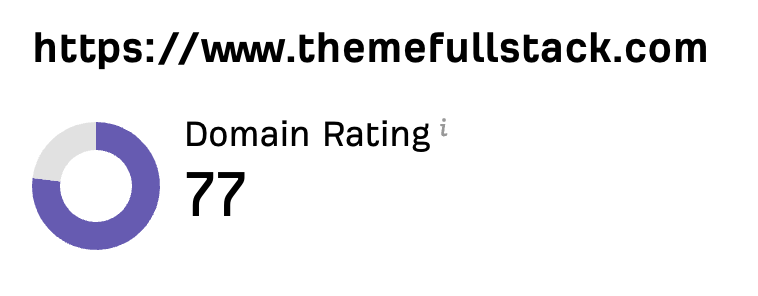 “私はマーケターではなく開発者です。私のShopifyテーマは口コミと広告だけで売れていました。Sorankのおかげで、SEOの組み立て方と上位表示される記事の書き方がようやくわかりました。監査で商品ページが遅すぎることも判明しました。2か月でオーガニックトラフィックは2倍になり、ShopifyテーマについてChatGPTで検索されたときの回答にも表示され始めています。しかも、週に約2時間の作業だけです。”
 Thème FullStackthemefullstack.com“Sorankのおかげで、私たちのSEOエージェンシーの働き方は大きく変わりました。すべてが一元化・自動化されたため、クライアント1社あたりにかける時間が大幅に減りました。以前は何時間もかかっていた作業が今では数分で終わり、ようやくビジネスの中で働くのではなく、ビジネスそのものに取り組めるようになりました。”
 Océane Bondismaison-leverage.com