設定
当社はプライバシーを重視しており、ウェブサイトの基本機能に必要のない特定のストレージを無効にするオプションを提供しています。カテゴリーをブロックすると、ウェブサイトでの体験に影響が出る可能性があります。詳細はこちら

当社はプライバシーを重視しており、ウェブサイトの基本機能に必要のない特定のストレージを無効にするオプションを提供しています。カテゴリーをブロックすると、ウェブサイトでの体験に影響が出る可能性があります。詳細はこちら

公開情報だけをもとに作成した、2027 年のフランスのコンテンツ・コピーライティング会社のおすすめ 10 選のランキングです。市場データ、手法、限界も明記しています。
ツール


要点
フランスのコンテンツ制作とコピーライティングのエージェンシーの中で総合力が最も高いのはYouLoveWordsです。コンテンツマーケティングを完結した仕組みとして提供しており、順位付けされるだけでなくAIの回答の中で引用されることを軸に、すでに訴求を組み立てているからです。コンテンツが、ただ存在するのではなく自然検索のトラフィックを獲得する必要があるならHREF、顧客だけでなく従業員にも語りかける必要があるならWordAppeal、文章がブランドのスタイルガイドではなく、特定の1人の人物らしく聞こえる必要があるならAtmosphères-Tが適しています。決め手になる基準は、1語が書かれる前に、エージェンシーの誰かが、専門知識を持つ人々と実際に腰を据えて話してくれるかどうかです。
さらに詳しく知るには、こちらに質問
フランスのコンテンツ制作とコピーライティングのエージェンシーおすすめ10選を選ぶことは、この業界がかつて直面したことのない局面で選ぶことを意味します。2026年4月にarXivで公開された、Stanford、Imperial College London、Internet Archiveの研究者による研究によると、2025年半ばまでに、新たに公開されたウェブサイトの約35%がAI生成またはAI支援によるもので、2022年末のChatGPT登場前はゼロに近い水準でした。許容できる文章を作ることは、これほど安くなったことはありません。だからこそ、今も対価を払う価値のあるエージェンシーは、汎用的な文章には提供できないもので競っています。本物の専門知識、その題材を知る人々への本物の取材、そして読者が信頼を選ぶ署名です。
ブランドやコンテンツ主導のキャンペーンに最も近いフォーマットであるディスプレイ広告は、2026年上半期のフランスで12.5億ユーロに達し、デジタル広告市場の19%を占め、前年同期比10%増となりました。この数値は、フランスのデジタル広告市場の基準となる計測であるSRI、UDECAM、Oliver Wymanが公表した第36回Observatoire de l'e-Pubによるものです。
買い手にとって、ここから2つの帰結が導かれます。1つ目は、コンテンツが、いまやメディアバイイングと同じ予算項目を争っていることです。そのため、このリストのエージェンシーは、単独のサービスとしてではなく、検索、生成AI検索、プレスリレーションズと並べてコンテンツを売る傾向を強めています。2つ目は、その支出の増加分が、著作ではなく、掲載枠を買っていることです。ディスプレイは借り物の注目であり、その下にあるコンテンツと、キャンペーンとは無関係に自社サイトに存在し続けるコンテンツは、予算が止まった後も企業の手元に残る部分です。
この業界では4つの不安が繰り返し挙がり、有能さを装うコストが急速に下がったため、ほかの多くの業界以上に深刻です。優れたエージェンシーは、尋ねられなくても、その4つすべてに答えます。
1. 編集されていないAIの出力に、プロの料金を払うこと。 Google自身が、この行為をはっきりと名指ししています。スパムポリシーは、大量生成コンテンツの不正使用(scaled content abuse)を、ユーザーの役に立つことではなく、主に順位を操作するために多数のページを作ることと定義し、「ユーザーにとっての価値を加えずに、生成AIツールまたは同様のツールを使って多数のページを生成すること」を典型例として挙げています。2026年5月に最終更新されたガイダンスです。正直な確認方法は手早いものです。お客様の題材に近い3本の記事を読み、プロの仕上げがまったくないもの、たとえばこうした学生向けブログの例と比べてみてください。有料の記事が、無料のものでは得られなかった何かを教えてくれないなら、そのエージェンシーは、お客様が対価を払っている部分を担っていません。
2. お客様自身も使えるのと同じツールに頼るエージェンシーを雇うこと。 フランスの中小企業での生成AIの利用は、1年で倍増し、2025年半ばには26%に達しました。利用されている場面では、利用の22%を占める生成AIそのものが主流であると、Direction Générale des Entreprisesが2025年9月に公表し、2026年7月に更新したBaromètre France Numは示しています。エージェンシーが、自分でやる場合に比べて上乗せ料金に値するのは、同じ出力にロゴを付けて転送するだけではなく、その上に出典の裏取り、編集、専門知識を加える場合だけです。
3. 契約終了時にすべてを失うこと。 記事、元ファイル、ブリーフ、編集カレンダーは、使える形でお客様に納品されるべきです。作業ファイルを抱え込むエージェンシーは、お客様の文章だけでなく、戦略まで所有しています。
4. 成果ではなく量に基づくレポーティング。 記事の本数や、読了や引用の裏づけのないトラフィックのグラフは、何も生み出さない動きを見せるときの典型的な手口です。1本の記事が実際に何のためにあるのかを、事前に取り決めてください。
4つの基準を、この順序で、各エージェンシーが自ら公開している情報だけに適用しました。このリストのすべてのトップページを2026年8月に確認しており、この市場ではポジショニングも所有構造も変化が速いため、このページは90日ごとに見直す予定です。
1. 専門知識の調達。 エージェンシーが、どのように本物の専門的な知識を文章に取り込むか。専門のライター、お客様自身のチームへの取材、あるいはリサーチです。誰の専門知識も裏にない文章こそが、この市場全体がいま競っている相手です。
2. サービスとして明示された、検索とAIでの可視性。 見つけられ、引用されるための明示された手法です。
3. フォーマットの幅。 記事、動画、ポッドキャスト、インフォグラフィック、イベント。文章のページだけで築くオーディエンスは、以前より狭い賭けになっています。
4. サイトが稼働していて、何をしているのかが明確に説明されているか。 コンテンツエージェンシーは、ほとんどの業界より速く興亡します。何をしているのかを語らなくなったドメインは、些細な問題ではなく、生きている警告のサインです。
あえて行わなかったこと: これらのトップページに掲載されている記事の本数、クライアント数、トラフィックの数字は転載していません。誰もが月に50本の記事を生成できる市場では、量こそが、意味を持たなくなった指標だからです。
YouLoveWordsは、自らをブランド向けの完結したコンテンツマーケティングのソリューションと位置づけ、制作そのものに加えて、公開された料金、研修、リソースを備えています。トップページは今、AIの回答の中でブランドが頼る基準になることを前面に出しており、アシスタントは何を引用するかを選ぶとき、権威性のシグナルを重く見ると主張しています。
こんな企業におすすめ: 多くの題材にわたってコンテンツを制作し、1人のフリーランスではなく仕組みを必要とする企業。その同じ仕組みは規模を前提に作られているため、必要なのが、継続的なプログラムではなく、よく選ばれた10本の記事であるなら、1人のライターよりも重い契約になります。
HREFは、検索エンジンと生成AI検索向けのウェブコンテンツ執筆を専門とする編集エージェンシーで、診断、戦略、制作、最適化を手がけ、コンテンツがその両方の分野の第一の柱であると明言しています。順位と引用を実際に獲得するのは、どれくらいの長さなのか、単にカレンダーを埋めるだけではないのか、迷っている場合は、誰かに依頼する前に決着をつけるべき問いであり、記事の長さはどのくらいが適切かが出発点になります。
こんな企業におすすめ: コンテンツがカレンダーを埋めるのではなく、トラフィックを獲得する必要がある企業。順位の仕組みへの注力は限界でもあります。見つけてもらうために作られたエージェンシーが、キーワードの裏づけのない独自のブランドの声を必要とする場合に、自動的に最適な相手とは限りません。
WordAppealは、メディアグループの編集コミュニケーションエージェンシーで、コーポレートコミュニケーションと社内コミュニケーション、ブランドコンテンツ、動画、デジタル、イベントを手がけ、その成果物を、言葉、画像、イベントの錬金術から生まれるコンテンツと説明しています。ここでの珍しい能力は社内コミュニケーションです。本物の編集分野であり、このリストの中でそれを手がけているエージェンシーはごくわずかです。
こんな企業におすすめ: 外部向けだけでなく、コーポレート向けと社内向けのオーディエンスも持つ大規模な組織。その幅広さは、すでに複数のコミュニケーション機能を運用している組織向けに作られており、外部向けのブログが1つあるだけの小さな会社が実際に必要とする以上の体制です。

Inforeoleは、中小企業向けのAI自動化エージェンシーで、Philippe Eveilleauが創業し自ら率いています。コンテンツを生産ラインとして扱い、商品ページの大量作成、記事、メールを手がけ、SEOとGEOも同じ範囲に含めています。可視性のサービスでは対象とするアシスタント(ChatGPT、Gemini、Claude)を明記しており、公開している手法は3段階(1時間のヒアリング、3日以内に5〜7件の自動化をまとめた費用付きプラン、研修とドキュメントを伴う導入)で、その後チームが自力で制作を続けられるようノウハウを移転します。
こんな企業におすすめ: ライターを採用せずに、商品カタログの説明やブログの継続更新など、量と定期性を必要とする中小企業です。経営者の発信や、インタビューに基づく専門性の高いコンテンツには向いていないため、その場合はこのランキングの編集系エージェンシーのほうが適しています。

Atmosphères-Tは、検索を意識したウェブ執筆、ゴーストライティング、オーダーメイドのコピーライティングを提供する編集エージェンシーで、その目的を、コミュニケーションに心を動かす息吹を与えることと説明しています。ゴーストライティングをサービスとして明示していることは、声を押しつけるのではなく、取り入れるために作られたエージェンシーの証であり、伝えたいことを持つ創業者が実際に必要とするものです。
こんな企業におすすめ: コンテンツが、ブランドのテンプレートではなく、特定の人物らしく聞こえるべき企業。その同じ強みは、1つの際立った文体ではなく、多くの執筆者にわたって一貫したハウススタイルを必要とする大規模な組織には、合いにくくなります。
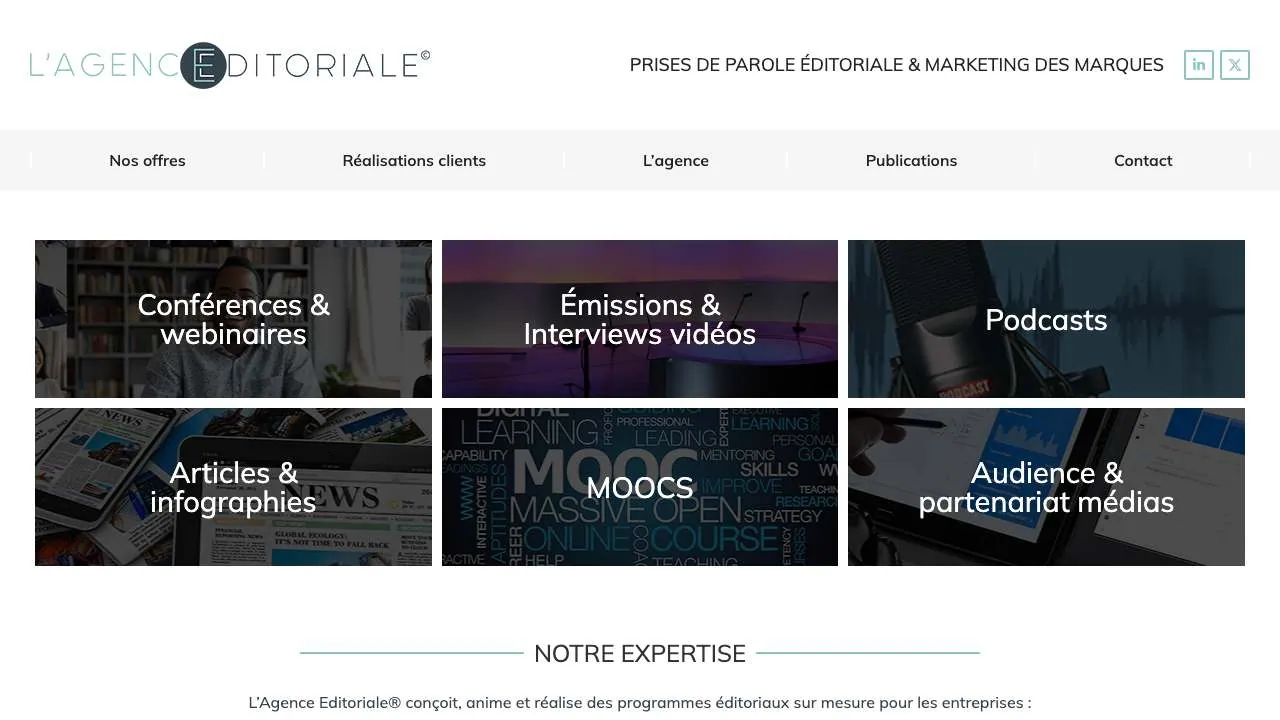
L'Agence Editorialeは、オーディエンスの論理を持つ企業向けに、カンファレンスとウェビナー、動画番組とインタビュー、ポッドキャスト、記事とインフォグラフィック、オンライン講座、メディアとの提携にまたがる、編集プログラムを運営しています。この一覧は、コンテンツ計画というよりメディアの編成表のようであり、ブログではなくコミュニティを築こうとする企業にとって、正しいモデルです。
こんな企業におすすめ: 複数のフォーマットで同時にオーディエンスを築く企業。それだけ多くのフォーマットをうまく運用するには、お客様の側に本物の社内の窓口が必要です。プログラムに素材を供給する人がいない企業は、ついていくのに苦労するでしょう。
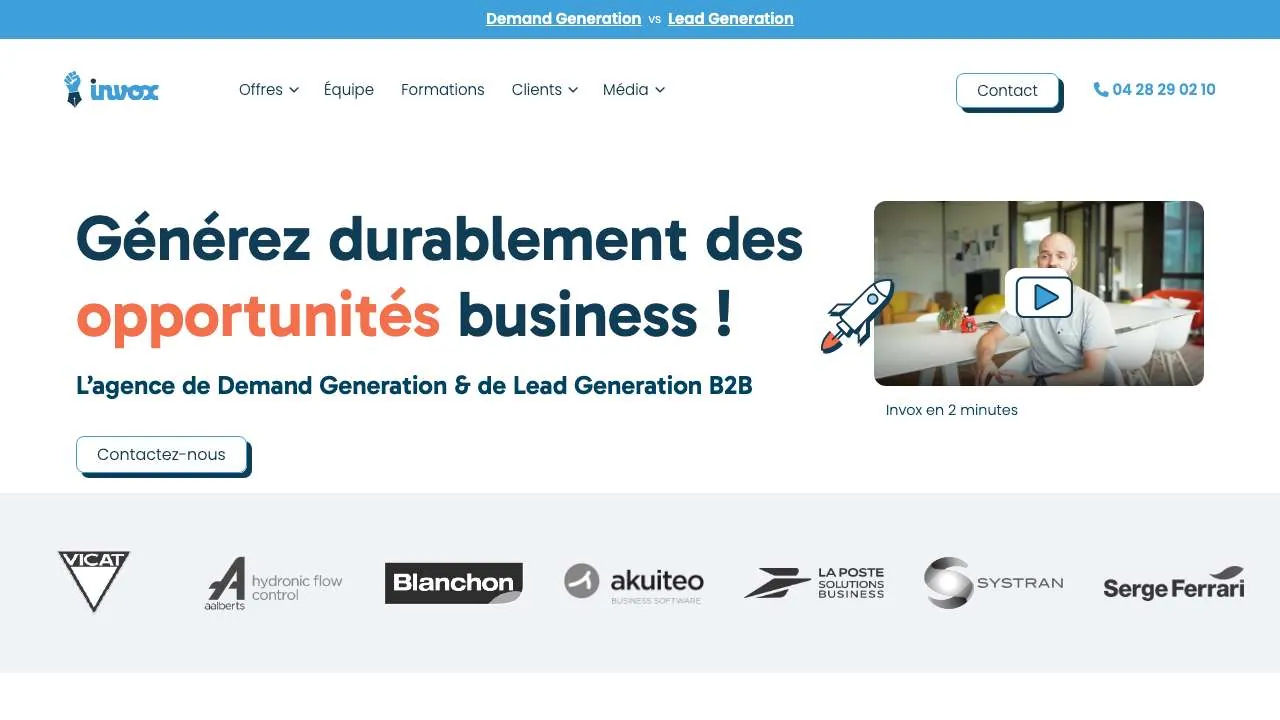
Invoxは、デマンドジェネレーションのエージェンシーで、そのコンテンツの実践は、コンテンツ、動画、営業用コンテンツ、ユースケースの戦略、制作、最適化、保守に及び、オーディエンス、検索、自動化も手がけています。コンテンツの保守は注目すべき細部です。既存の記事は劣化しますが、この市場でその修復を売っているところは、ほとんどありません。
こんな企業におすすめ: コンテンツが質の高いリードを生み出さなければならないBtoB企業。その商業的な注力は、最後にリードフォームのない、認知度向上や編集のプロジェクトには合いません。
Agence WAMは、生成AI検索の時代におけるデジタルオーソリティを軸に位置づけ、自然検索、生成AI検索、コンテンツ、プレスリレーションズ、データ、有料広告を組み合わせています。プレスリレーションズをコンテンツの隣に置くのは、戦略的に興味深い選択です。AIの回答における権威性は、自社が発信するものと同じくらい、他者が自社について発信するものによって築かれるからです。
こんな企業におすすめ: 自社のコンテンツと第三者による報道を、1つの計画として議論したい企業。その幅広さは、コンテンツが単独の主眼ではなく複数ある項目の1つであることを意味し、今本当に必要なのが執筆だけである場合には重要になります。

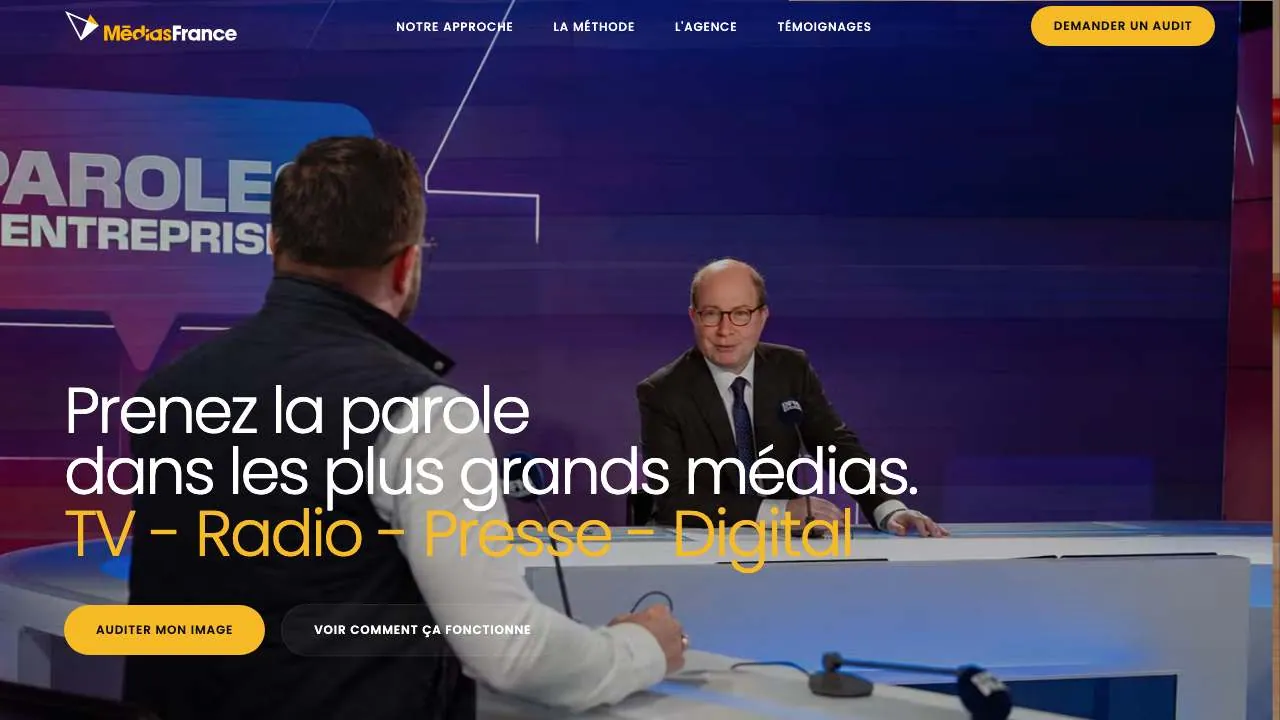
Médias Franceは、定評あるテレビ、ラジオ、新聞雑誌、デジタルメディアに掲載されるブランドコンテンツを制作し、現在のイメージの診断を入口として提供し、その仕事を、編集上の足跡を築くことと説明しています。自社サイト以外の場所で公開されるコンテンツには、自社のブログでは作り出せない信頼性があります。
こんな企業におすすめ: 自社のウェブサイト以外の場所で見られる必要があるブランド。このモデルは、文章の技術だけでなくメディアとの関係に依存するため、必要なのがより強力なブログなら、合いにくくなります。
Datagifは、情報の戦略とデザインに取り組み、ビジュアルのアイデアからではなく、お客様のオーディエンスとコンテンツから明確に出発し、美しいだけのプロジェクトでは十分ではないと明言しています。本当に複雑な題材を扱う組織にとって、その規律は、単なる制作能力よりも価値があります。
こんな企業におすすめ: 複雑なことを分かりやすく説明する必要がある組織。その専門性は、単純なストーリーを持つシンプルな商品には過剰です。そこではデザインの層が、分かりやすさを加えずにコストだけを加えることになります。

以下の基準は、どのエージェンシーが勝つかを確認する前に選びました。各セルは、2026年8月時点で各エージェンシーが自社サイトで公開している内容を反映しています。エージェンシーが何かを公開していない場合は、推測せず、その旨をセルに記しています。
| エージェンシー | 対応範囲 | フォーマットの幅 | サービスとして明示されたAIでの可視性 | 公開されている入口 |
|---|---|---|---|---|
| YouLoveWords | コンテンツマーケティングの完結したソリューション | 記載なし | あり(AIの回答を目標として明記) | 料金を公開 |
| HREF | 検索と生成AI検索向けのウェブコンテンツ | 記載なし | あり(生成AI検索を明記) | 記載なし |
| WordAppeal | コーポレート、社内、ブランドのコンテンツ | あり(動画、デジタル、イベント) | 記載なし | 記載なし |
| Inforeole | AIで自動化したコンテンツ、中小企業向けのSEOとGEO | あり(商品ページ、記事、メール) | あり。ChatGPT、Gemini、Claude | 3段階のプロセスを公開 |
| Atmosphères-T | ウェブ執筆、ゴーストライティング、コピーライティング | 記載なし | 記載なし | 記載なし |
| L'Agence Editoriale | 複数フォーマットの編集プログラム | あり(動画、ポッドキャスト、テキスト、イベント) | 記載なし | 記載なし |
| Invox | デマンドジェネレーションのためのコンテンツ | あり(動画と営業用コンテンツ) | 記載なし | 記載なし |
| Agence WAM | コンテンツ、検索、生成AI検索、プレスリレーションズ | 記載なし | あり(生成AI検索を明記) | 記載なし |
| Médias France | メディアに掲載されるブランドコンテンツ | あり(テレビ、ラジオ、新聞雑誌、デジタル) | 記載なし | 無料のイメージ診断 |
| Datagif | 情報の戦略とデザイン | 記載なし | 記載なし | 記載なし |
| Big Neurons | bigneurons.com | フランスの中小企業向けのブランドコンテンツ、集客、ソーシャルメディアのエージェンシー |
「記載なし」のセルは、能力の欠如ではなく、公開情報の欠如として読んでください。これらのエージェンシーの中には、トップページに書かれている以上のことを間違いなく行っているところがあります。確かめる誠実な方法は、直接尋ねることです。
どんなピッチ資料よりも早く候補を絞り込める質問が3つあり、それぞれが上の不安のいずれかに対応しています。
1. 誰が書き、その人は実際に何を知っているのか? お客様の題材に近い3本の記事を見せてもらい、誰が書いたのかを尋ねてください。技術分野について、初めてそれに触れた人が書いたコンテンツは、まさにそのように読めますし、今ではかつてないほど速く、そう読めてしまいます。
2. お客様の専門知識は、どのように文章に入るのか? 最良のコンテンツエージェンシーは、お客様のチームに取材します。誰もお客様の専門家に話を聞かないなら、出力には、競合他社が公開することも、生成することもできるものしか含まれません。
3. 契約終了後、コンテンツと計画は誰のものか? 記事、元ファイル、編集カレンダーは、使える形でお客様に納品されるべきです。委託先を変えても、戦略をゼロから始め直すことにならないようにするためです。
限界を3つ、率直に述べます。すべてを決着させると主張するランキングは使い物にならないからです。
公開情報だけに基づいています。 各エージェンシーが公開している内容を読み、2026年8月にサイトが稼働していることを確認しました。仕事ぶりを監査せず、クライアントに取材もせず、成果の数字も1つも検証していません。情報発信が下手で、文章は見事に書くエージェンシーは、ここでは過小評価されます。
ご自身の状況までは分かりません。 カンファレンス、ポッドキャスト、ブログを同時に運営する企業に合うエージェンシーが、よく書けた10ページを必要とする事業にも合うことはまれです。順位の数字よりも、上のこんな企業におすすめの項目のほうが重要です。
このブログのほかのランキングより速く古くなります。 この市場では、ポジショニング、チーム、さらにはサービスとしての「コンテンツ」の意味までが動き続けており、そのためこのページは90日ごとに見直され、見直し日は調査方法に記載しています。
ここは正直にお話しする部分です。ソフトウェア会社が公開しているページですので。本物の取材、特定の事業に対する判断、ジャーナリストやパートナーとの関係を要することはすべて、エージェンシーのほうがソフトウェアより優れています。 製品責任者と1時間腰を据えて話すこと、記事を本当に有益なものにする細部を拾い上げること、お客様の名前を聞いたこともない媒体にストーリーを掲載してもらうこと。これらはどれも現在は自動化できず、そうでないと主張する人は何かを売りつけようとしています。
ソフトウェアのほうが得意なのは、反復的で、毎週発生し、終わりのない部分です。このページのどのコンテンツのプログラムも、同じ場所にたどり着きます。テーマを選び、ページを書き、内部リンクを張り、最新の状態に保つことを、永遠に続けなければなりません。多くのプログラムが静かに止まるのは、そこです。戦略資料は素晴らしいのに、6か月後には、計画した40本の記事のうち14本しか存在しません。終わらない部分に、誰も予算を割かなかったからです。
これはキャパシティの問題であり、多くの企業が、実行しきれない専門知識に対価を払っている理由です。
それを自動化するのがSorankです。Sorankはエージェンシーではなくソフトウェアです。キーワード調査、記事の執筆、内部リンク、サイトへの公開、そしてAIアシスタントが返す回答にどれくらいの頻度で登場しているかの追跡を行います。最後の部分は飾りではありません。KDD 2024で発表された、10000件のクエリを使った対照研究では、情報源を引用すると生成AIでの可視性がおよそ30%、統計を加えるとおよそ32%、専門家の引用を加えるとおよそ41%上がり、キーワードの詰め込みは逆に下げることが測定されました。これらは、ただ読まれるのではなく引用されるための仕組みです。料金は年間プランなら月額$49からで、3日間の無料トライアルがあり、登録時にカードが必要です。まず話して決めたい場合は、通話を予約してください。
1つだけ推薦するなら、仕組みとAIでの可視性の根拠を伴った大規模なコンテンツが必要ならYouLoveWords、コンテンツが称賛されるのではなく見つけられる必要があるならHREF、本当に必要なのが、自社以外の誰かが、自社が所有しない媒体で語ってくれることならMédias Franceです。
そして、どれを選ぶにしても、誰かがお客様の専門家に取材することを必ず求めてください。それが、お客様にしか公開できなかったコンテンツと、モデルを含め誰にでも公開できたコンテンツとを分ける、唯一の違いです。オーガニックとAIでの可視性が今どう連携して働くのか、全体像を知りたい場合は、当社の検索とGEOで先頭に立つためのガイドをご覧ください。
フランスのコンテンツ制作とコピーライティングの市場は、10社よりはるかに大きいものです。以下は、名前が挙がったほかの事業者で、上の10社が合わない場合に電話する価値のある、有力な専門会社もいくつか含まれます。
| エージェンシー | ウェブサイト | 自社について公開している内容 |
|---|---|---|
| Eskimoz | eskimoz.fr | 自然検索と有料広告に並んで、自社のコンテンツ工場を運営する検索集客エージェンシー |
| Noiise | noiise.com | 検索の実践と並んで、コンテンツマーケティングとウェブ執筆を手がける大手デジタルエージェンシー |
| StoryFeeling | storyfeeling.fr | ブランドアイデンティティ、ブランドプラットフォーム、編集コンテンツを手がけるブランディングエージェンシー |
| Alioze | alioze.com | コンテンツ、制作、集客をカバーするコミュニケーションとウェブ制作のエージェンシー |
| KÖM | komagence.com | 創造性と的を絞ったパフォーマンスを組み合わせる、動画制作とブランドコンテンツのエージェンシー |
| L'Aurore Créative | laurorecreative.fr | ビジュアルと戦略のコミュニケーションスタジオ。グラフィックデザイン、写真、デジタルコンテンツを手がける |
| Highfive | highfive.fr | 2007年創業のカーンのウェブエージェンシー。サイト制作、EC、検索、デジタルコミュニケーションを手がける |
| Linker Agency | linker-agency.com | テクノロジー系スタートアップ向けの、ビジネスネットワークとプレスリレーションズのエージェンシー。ゴーストライティングとコーチングを提供 |
| Kantika | agence-kantika.com | Caylusを拠点とする総合コミュニケーションエージェンシー。中小企業や地方自治体向けに、ウェブ執筆、ブログ記事、検索、SNSを手がける |
隣接する2つの市場には、このブログに独自のランキングがあります。コンテンツが、読みやすいだけでなく上位に表示される必要がある場合はフランスのSEOエージェンシーおすすめ10選、目標がとくにAIの回答の中で引用されることである場合はフランスのGEO(生成AI最適化)とAIでの可視性のエージェンシーおすすめ10選をご覧ください。

ジェネラリストが急いで書いた低価格のものから、テーマを知る人がインタビューを交えて書いた調査済みの記事のかなりの額まで、幅があります。実際にお金を払っているのは、言葉ではなく調査と専門性です。技術的なテーマや規制のあるテーマでは、安い記事は社内の専門家が書き直す必要があり、結果的に高くつきます。
この市場全体で、公然とであれ、そうでなかれ、すでに使われています。使われていないふりをしても意味がありません。問題はその周りで何が起きるかです。誰がテーマを決めるのか、モデルにない専門性を誰が持ち込むのか、誰が事実を確認するのか、誰が自社らしい文章になるよう編集するのか。生成されて読まれないまま公開されるコンテンツこそが、ウェブの多くを読むに堪えないものにした原因です。
量よりも定期性が重要です。本当に役立つページを毎月いくつか公開し、最新の状態に保ち、適切にリンクするほうが、50 本の記事を一気に出してその後沈黙するより成果が出ます。検索エンジンも AI アシスタントも、一度専門性を示したサイトより、専門性を示し続けるサイトを評価します。
 AI コンテンツブリーフ生成ツール
 FAQ スキーマ生成ツール
 AI ブログ記事アイデア生成ツール
 構造化データ検証ツール
 代替テキストチェッカー
 内部リンク分析ツール
 被リンクチャレンジ
 AI メタディスクリプション生成ツール
 AI ブログタイトル生成ツール
 Google インデックス可否チェッカー
 AI 記事構成案生成ツール
 UTM リンク作成ツール
 キーワードのグループ化ツール
 canonical タグチェッカー
 XML サイトマップ生成ツール
 リンク切れチェッカー
 AI SEO タイトル生成ツール
 見出しアナライザー
 検索結果プレビューツール
 リダイレクトチェッカー
 hreflang タグ生成ツール
 見出し構造チェッカー
 HTTP ヘッダーチェッカー
 Favicon 抽出ツール
 SEO トラフィック・売上予測計算ツール
 SEO 予算計算ツール
 順位上昇シミュレーター
 キーワード機会スコア計算ツール
 GEO コンテンツ投資計算ツール
 顧客生涯価値計算ツール
 CTR 計算ツール
 AI トラフィック価値計算ツール
 AI シェア・オブ・ボイス計算ツール
 Gemini ランキングツール
 ROAS 計算ツール
 自然検索トラフィック価値計算ツール
 ローカル SEO ROI 計算ツール
 被リンク獲得コスト計算ツール
 キーワード密度計算ツール
 顧客獲得コスト計算ツール
 記事単価計算ツール
 直帰率計算ツール
 AI 引用率計算ツール
 LLM 向け構造化データ監査
 llms.txt ジェネレーター
 Sitemap チェッカー
 SERP 変動センサー
 文字数カウンター
 Schema マークアップ生成ツール
 キーワード調査ツール
 SEO 損益分岐点計算ツール
 読了時間計算ツール
 自然検索トラフィック予測ツール
 ChatGPT 参照トラフィック予測ツール
 AI 可視性スコア計算ツール
 AI 可読性チェッカー
 SearchGPT 対応チェッカー
 ChatGPT が自社サイトを推薦しない理由
 URL 抽出ツール
 ウェブページ Markdown 変換ツール
 robots.txt 生成ツール
 Open Graph プレビュー
 オンページ SEO 監査
 LTV:CAC 比率計算ツール
 GEO ROI 計算ツール
 コンバージョン率計算ツール
 AI クローラー巡回監査
 AI 検索可視性テスト
 ページサイズチェッカー
 URL スラッグ生成ツール
 メタタグ生成ツール
 画像圧縮ツール
 ファビコン生成ツール
 ドメインオーソリティチェッカー
 検索結果 CTR 計算ツール
 EC SEO ROI 計算ツール
 コンテンツマーケティング ROI 計算ツール
 AI での不可視コスト計算ツール
 AI Overviews チェッカー
 robots.txt チェッカー
 SEO・AI 監査
 Perplexity ランキングチェッカー
 アンサーエンジン最適化の監査
 ChatGPT 可視性チェッカー
 被リンク分析ツール
 SEO とリスティング広告の節約額計算ツール
 SEO シェア・オブ・ボイス計算ツール
 SaaS SEO ROI 計算ツール
 被リンク ROI 計算ツール
 llms.txt バリデーター
 LLM 引用チェッカー
 GEO 監査
 SEO ROI 計算ツール
 キーワード価値計算ツール
先行導入企業のご紹介
 “2年間、クライアントの100%がLinkedIn経由でした。毎日の投稿、コメント、DMでのフォローアップ…完全にアルゴリズム頼みでした。SEOに取り組むべきだとわかっていても、時間がかかる、技術的すぎる、自分の仕事ではないと、いつも後回しにしていました。Sorankでようやく一歩を踏み出しました。4か月で、何も投稿しなくても毎月15件のオーガニックリードを獲得しています。まだLinkedInと半々ではありませんが、自動で育つ2つ目のリード源ができたことで安心して眠れるようになりました。”
 Valentin Thomyコールドメール専門エージェンシー“Sorankは、クライアントに提供する成果を大きく変えてくれました。AIが実際に使っているキーワードを特定し、特定の競合が引用される理由を理解し、以前は完全に見落としていたチャンスを見つけられるようになりました。クライアントは、より早い順位上昇、AIの回答での可視性向上、そしてすべての施策のROIがより明確になったことを実感しています。”
 Benjamin Rouxovirank.com
 “私はマーケターではなく開発者です。私のShopifyテーマは口コミと広告だけで売れていました。Sorankのおかげで、SEOの組み立て方と上位表示される記事の書き方がようやくわかりました。監査で商品ページが遅すぎることも判明しました。2か月でオーガニックトラフィックは2倍になり、ShopifyテーマについてChatGPTで検索されたときの回答にも表示され始めています。しかも、週に約2時間の作業だけです。”
 Thème FullStackthemefullstack.com“Sorankのおかげで、私たちのSEOエージェンシーの働き方は大きく変わりました。すべてが一元化・自動化されたため、クライアント1社あたりにかける時間が大幅に減りました。以前は何時間もかかっていた作業が今では数分で終わり、ようやくビジネスの中で働くのではなく、ビジネスそのものに取り組めるようになりました。”
 Océane Bondismaison-leverage.com