設定
当社はプライバシーを重視しており、ウェブサイトの基本機能に必要のない特定のストレージを無効にするオプションを提供しています。カテゴリーをブロックすると、ウェブサイトでの体験に影響が出る可能性があります。詳細はこちら

当社はプライバシーを重視しており、ウェブサイトの基本機能に必要のない特定のストレージを無効にするオプションを提供しています。カテゴリーをブロックすると、ウェブサイトでの体験に影響が出る可能性があります。詳細はこちら

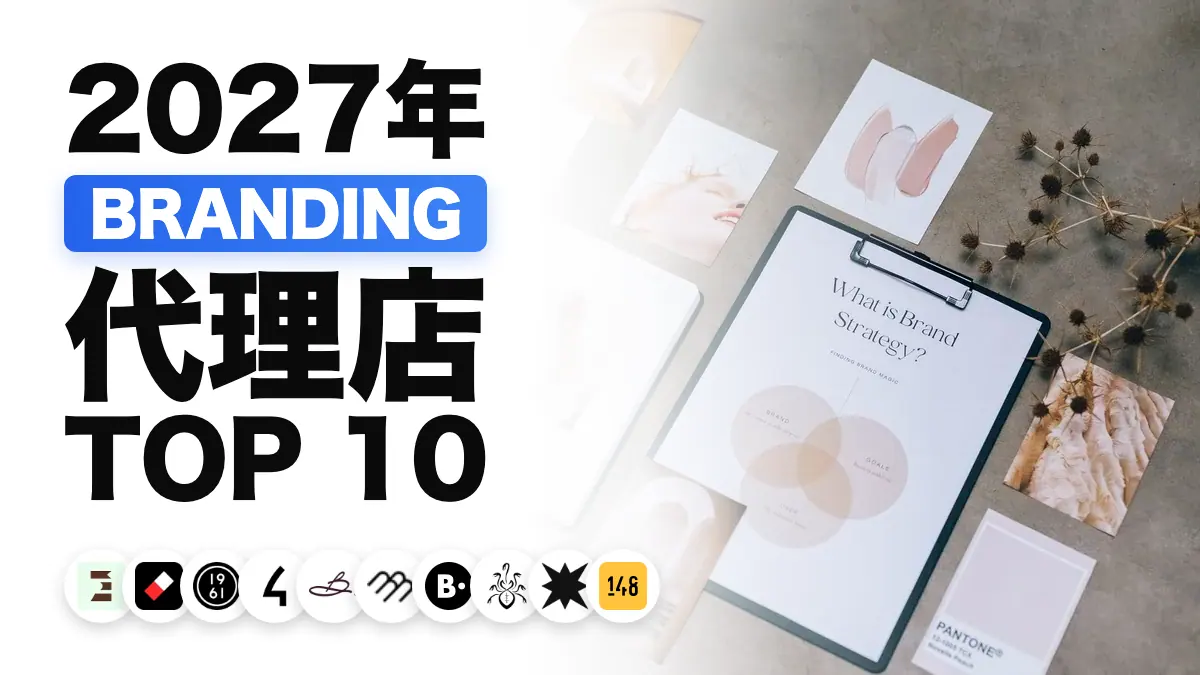
公開データだけをもとに作成した、2027 年のフランスのブランディング会社のおすすめ 10 選のランキングです。市場の数値、手法、限界も明記しています。
ツール


結論
Studio Eliasは、ブランドプラットフォームからウェブサイトまで一貫してブランドを築きたい経営者向けに、私たちのランキングで首位です。Graphéineは、フランスのベストブランディングエージェンシーの中で、総合力の高いもう一つの選択肢です。ロゴマークだけを納品して言葉を他の誰かに任せるのではなく、言語面のアイデンティティを視覚面と同じ真剣さで扱っているためです。大規模な組織で複数のブランドを揃えるならLonsdale、何かを描く前にポジショニングを決める必要があるならBeTrue、販売する商品がボトルに入っているならBlackthorns Studioがより適しています。決め手になるのは、そのエージェンシーが、ブランドをマークにするのと同じくらい説得力をもって、言葉にできるかどうかです。
さらに詳しく知るには、こちらに質問
フランスのベストブランディングエージェンシーを選ぶことは、現在、記録上ほとんど例のない速さでブランドが出願されている市場で選ぶことを意味します。INPIは、2025年にフランスで103645件の商標出願を記録し、前年比で14.1%増加しました。これは、同機関が追跡している工業所有権のどのカテゴリーよりも強い伸びです。これらの出願の1件1件が、名前を法的に守れるものにしようとしている、どこかの企業であり、それはブランディングの法的な半分にすぎず、説得力を生む半分ではありません。このランキングは、各エージェンシーが自社について公開している情報のみに基づいており、その方法がどこまでしか通用しないかも率直に示しています。
フランスにおけるブランド価値は、現在、数千億単位で測られており、アイデンティティのプロジェクトにかかる数千単位の費用では測れません。Kantarが公表した、Kantar BrandZ Top 50 Most Valuable French Brands 2025のランキングは、同国の最大50ブランドの価値の合計を5070億ドルとしており、2023年から20%増加しています。Louis Vuitton単独で1120億ドル、Hermèsは1090億ドルと評価されています。Kantarは、この数字を、財務実績と、160を超えるカテゴリーにわたる131000人を超える回答者から集めたブランドエクイティ調査を組み合わせた3段階の方法で算出しており、数字だけでなく、その方法も公開しています。
次のLouis Vuittonを築こうとしているわけではない発注側にとっては、2つの帰結があります。1つ目は、ブランドエクイティは複利で積み上がることです。上位50ブランド全体で2年間に20%上昇したということは、うまく決めたアイデンティティは、請求書を支払った後も長く価値を生み続け、まずく決めたものは、同じくらい長くコストをかけ続けるということです。2つ目は、完成したアイデンティティを人々の目の前に届けるために使われる予算も増えていることです。ブランドが存在した後にそれを運ぶチャネルであるディスプレイ広告は、2026年7月にSRI、UDECAM、Oliver Wymanが公表した第36回Observatoire de l'e-Pubによると、2026年上半期にフランスで12億5000万ユーロに達し、デジタル市場の19%を占め、10%成長しています。
その価値のどれも、マークだけで保証されるものではありません。ロゴは、ブランドの目に見える最も小さな一部にすぎません。Kantarが実際に値付けしているのは、マークの背後にある論理であり、その論理こそが、ブランディングエージェンシーが対価を得て築くものです。
この業界では4つの不安が繰り返し出てきます。優れたエージェンシーは、尋ねられる前に4つすべてに答えます。
1. 誰も説明できない印象的なロゴに対価を払うこと。典型的な失望です。プレゼンテーションでは自信に満ちて見えるマークが、営業チームがなぜそれが選ばれたのかを説明しなければならなくなった途端に、何の意味も持たなくなります。短い文章で言い表せないブランドは、まだ完成していません。ブランドストーリーがオンラインで注目を得るために、通常どれだけの分量を必要とするのかを知るには、記事の長さはどのくらいが適切かをご覧ください。
2. 関係が終わったときに、ファイルを失うこと。元データ、フォントのライセンス、プロジェクトの外にいる人が実際に従えるガイドライン文書は、御社自身のチームがスタジオに再び連絡しなくても使える形式で、御社と一緒に渡される必要があります。
3. レターヘッドの上でしか通用しないシステム。アイデンティティは今や、アプリのアイコンの大きさでも、縦型動画でも、パッケージでも、アシスタントが生成する文章の回答の中でも機能しなければなりません。名刺のために作られたシステムは、それほど幅広いフォーマットには耐えられません。
4. 自分以外のあらゆる人に説明されること。ほとんどの創業者は、自社のウェブサイトが、オンラインでのブランドの評判を形作っていると考えています。言語と市場をまたいで、大規模言語モデルがブランドの評判の情報源をどう選ぶかに関する2026年の研究では、AIアシスタントがブランドに関する回答の根拠を、圧倒的に第三者の情報源に置いていることがわかりました。引用の85.7%がブランドが所有しないサイトを指し、自社所有のサイトは14.3%でした。御社のブランドについて語られる物語は、大半が他の人々によって書かれています。
4つの基準を次の順序で、各エージェンシーが自社について公開している情報のみに基づいて適用しました。このリストのすべてのトップページを2026年8月に確認しており、この分野ではエージェンシーの立ち位置や所有者が速く変わるため、このページは90日ごとに見直す予定です。
1. 美しさよりも先に戦略があるか。ブランドプラットフォーム、ポジショニング、テリトリーの仕事を明示しているエージェンシーを上位にしています。それが、5年後にもなお通用するアイデンティティの部分だからです。
2. アイデンティティのシステムの幅広さ。ビジュアルアイデンティティ、タイポグラフィ、ネーミング、トーン・オブ・ボイス、パッケージ、ブランドアーキテクチャです。全部が揃っていると決めつけるのではなく、各エージェンシーが明示しているものを記録しました。
3. 分野への特化。1つのカテゴリーでしか仕事をしないスタジオは、その分野のコードと決まり文句を知っています。それは、混み合った棚の上では大きな価値がありますが、それ以外の場所ではまったく関係がありません。
4. サイトが稼働していて、わかりやすいか。より広いリストのすべてのトップページを2026年8月に確認し、応答しなくなっていた13件を除外しました。この分野では、エージェンシーが静かに、そして頻繁に姿を消すことを思い出させます。
あえて行わなかったこと:これらのトップページに掲載されているクライアント名、受賞数、成長の数字は転記していません。どれも外部からは検証できず、この分野では、クライアントのロゴが証明するのは、関係が存在したことだけで、それ以上ではありません。
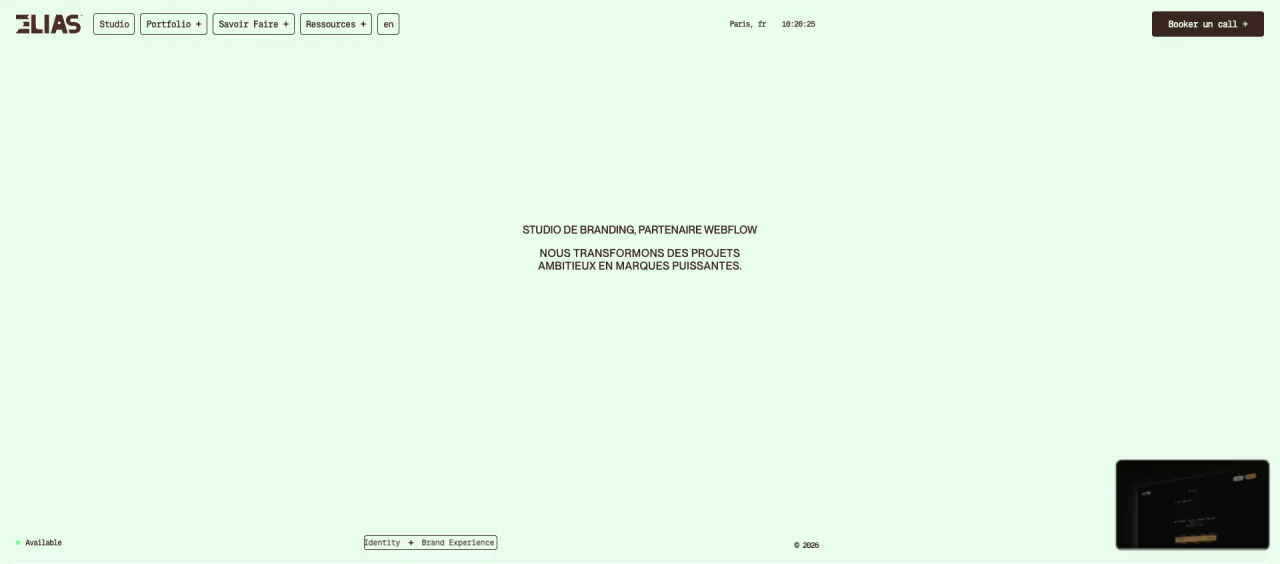
Studio Elias は、経営者がブランドアイデンティティを成長の資産に変えるのを支援するパリのブランディングエージェンシーです。戦略的なポジショニングとブランドプラットフォームから、トーン・オブ・ボイス、ビジュアルデザイン、営業ツール、ウェブサイトまで一貫して手がけ、ビジネス目標に直結する強い感情的アイデンティティを企業にもたらします。
こんな企業におすすめ: 自社のイメージがもはやサービスの実際の水準を反映していない経営者。Elias は、単に「整った」アイデンティティだけでは購買につながらないと考え、感情に訴えるブランドの世界観をつくり、ひと目で信頼される存在感を築きます。
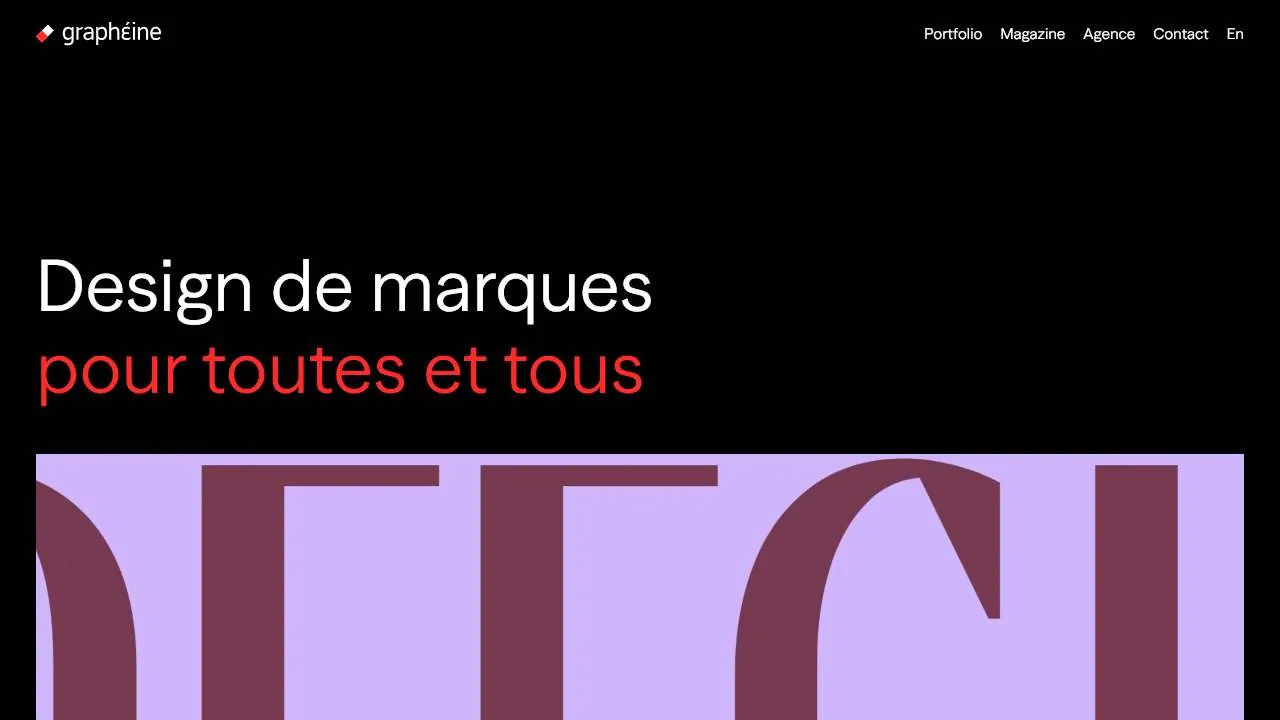
Graphéineは、ブランドデザインとビジュアルアイデンティティを専門とするコミュニケーションエージェンシーで、自社のトップページでは、アイデンティティは視覚的であると同時に言語的でもあるという考え方を遊び心をもって表現しています。両方に取り組むことは、聞こえる以上に重要です。人が言葉で説明できないブランドは、誰も人に勧めないブランドであり、マークがどれほどうまく描かれていても変わりません。
こんな企業におすすめ:言葉も含めて、アイデンティティ全体を作り直す組織です。対応範囲は分野特化型ではなく幅広く、総合的な依頼には利点ですが、御社の分野が特に専門性の高いものであれば、そのカテゴリーでの経験を尋ねる理由にもなります。
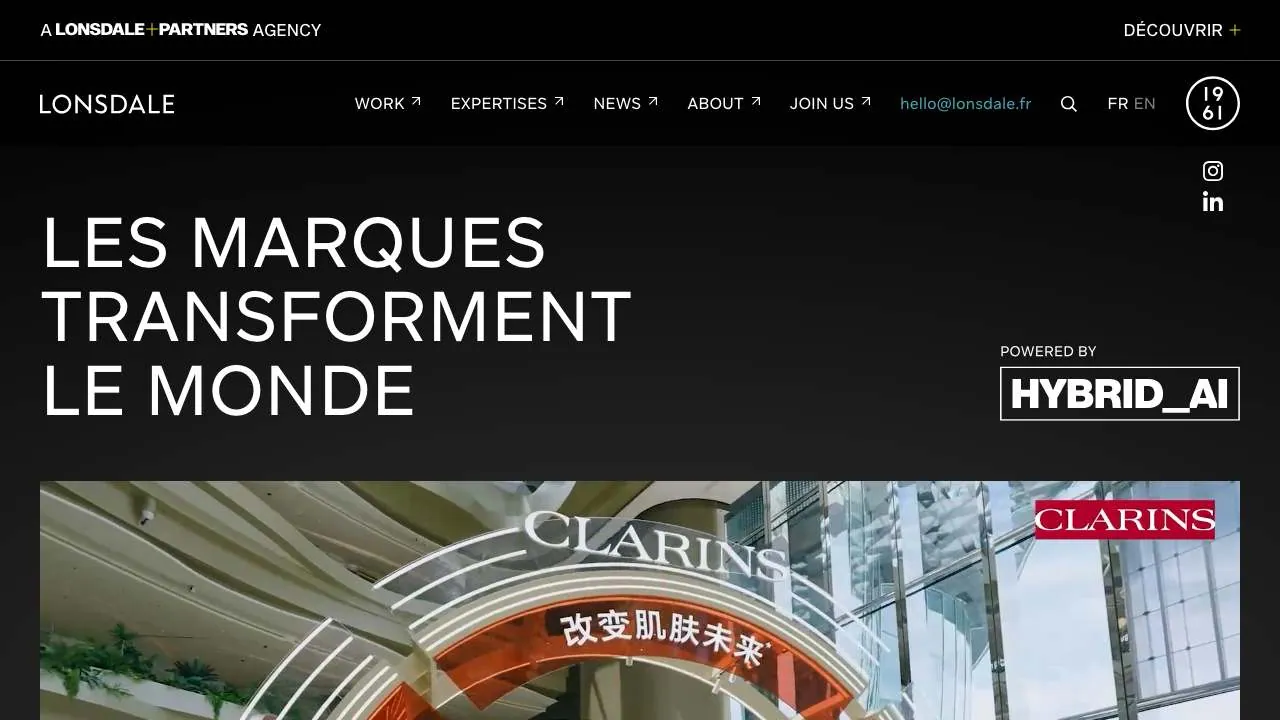
Lonsdaleは、ブランドが世界を変えるという考えのもとで活動するグローバルなブランドデザインのエージェンシーを名乗り、名前の付いた専門分野と、公開されている相当な数の実績を持っています。このページで最大の組織であり、複数のブランドと複数の市場を持つグループが、そのすべてにわたってアイデンティティを一貫させる必要があるときに求めるものです。
こんな企業におすすめ:揃える必要のある複数のブランドを持つ大規模な組織です。同じ規模の大きさは、1つの商品と厳しい予算しかない、創業者1人のブランドには合いません。そうした場合は、より小さなスタジオのほうが、そのプロジェクトに多くの注意を払ってくれます。
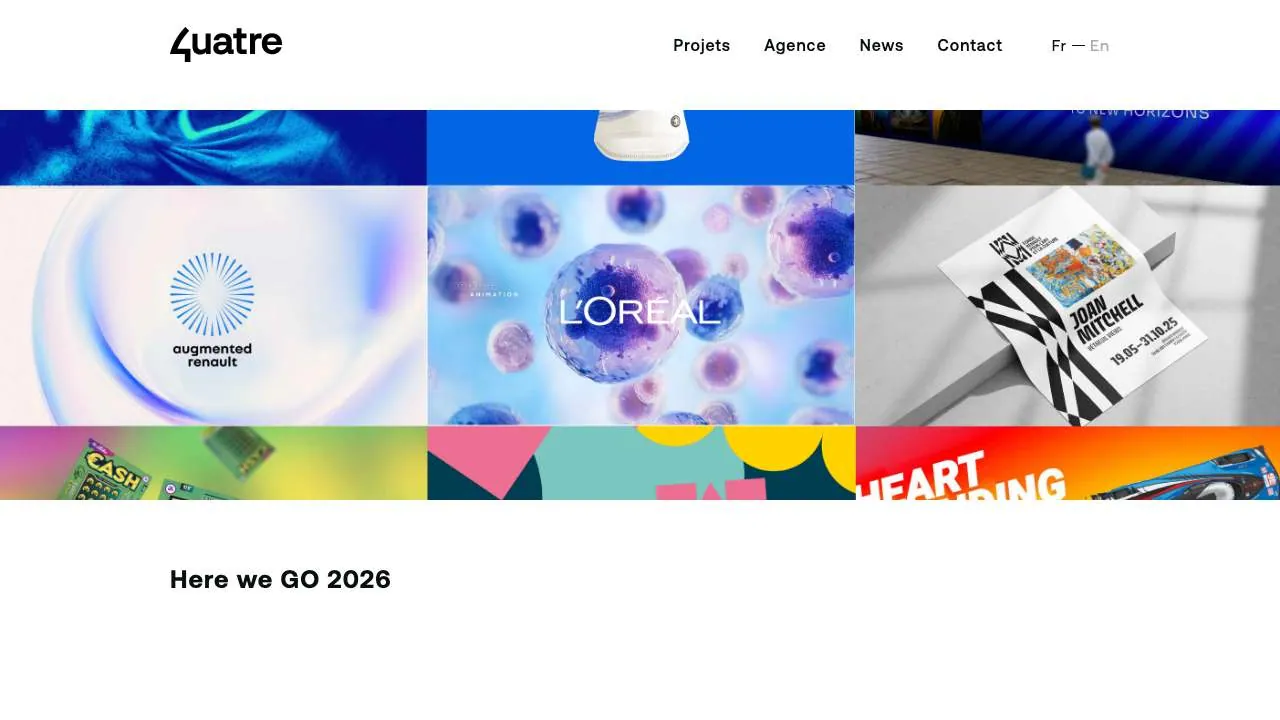
4uatreは、ポジティブ・ブランディング、ポップカルチャー、クリエイティブのプロセスと自ら呼ぶものに取り組む独立系のブランディングエージェンシーで、よく知られた消費者向けブランドの実績を持っています。差別化要因は文化的な切り口です。単に認知されるだけでなく、会話の一部になりたいブランドには、依頼書ではなく文化を読み取れる人が必要です。
こんな企業におすすめ:文化的な現在性を保つ必要のある消費者向けブランドです。その文化への注力は、すぐに古くなりかねません。今年の流行の参照を超えて長持ちしなければならないアイデンティティを、エージェンシーがどう考えているかを尋ねてください。
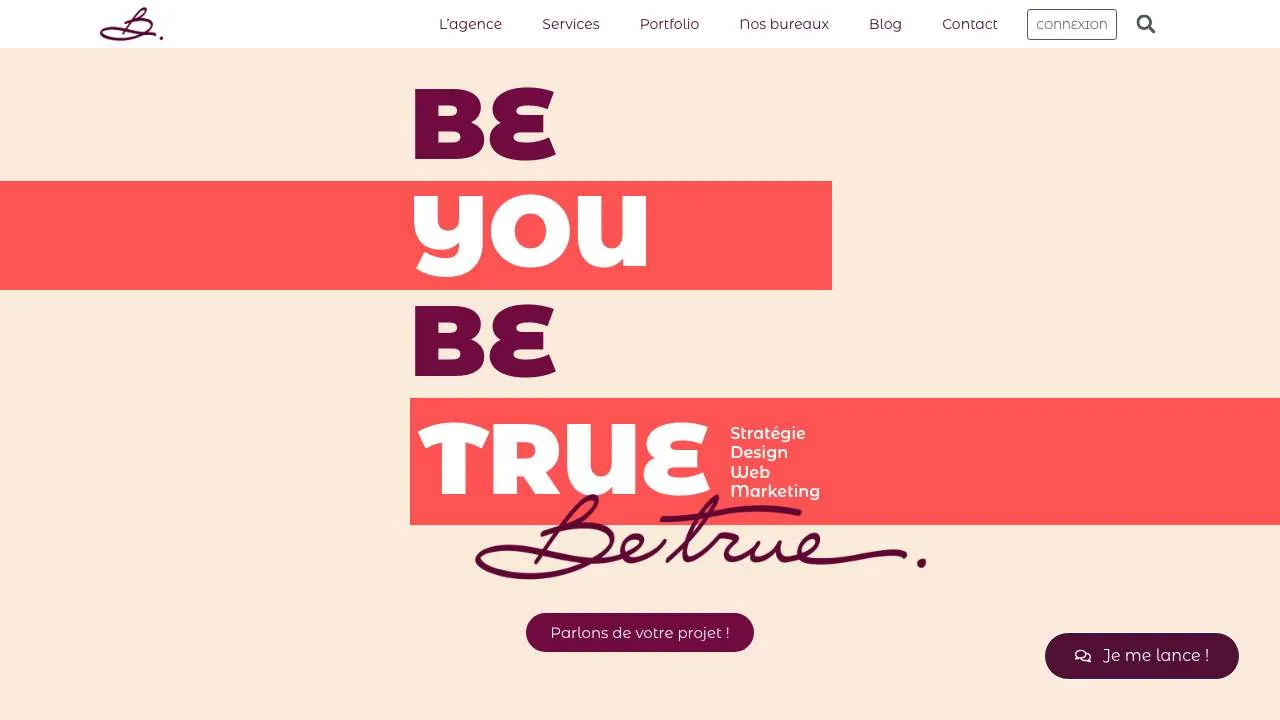
BeTrueは、ブランド戦略、ブランドプラットフォーム、ビジュアルアイデンティティを専門とするブランディングエージェンシーで、認知、差別化、持続的な成長を加速させるために、ブランドを新たに作り、あるいは作り直し、ポジティブなブランドへの注力を明言しています。アイデンティティよりも先にプラットフォームから始めることは、企業が実際に運営できるブランドを生み出す順序です。
こんな企業におすすめ:何かをデザインする前に、ポジショニングを固める必要がある企業です。この順序は、ムードボードから始めるスタジオよりも、最初のビジュアルに到達するまでに時間がかかります。立ち上げの日程が厳しい場合は、知っておく価値があります。
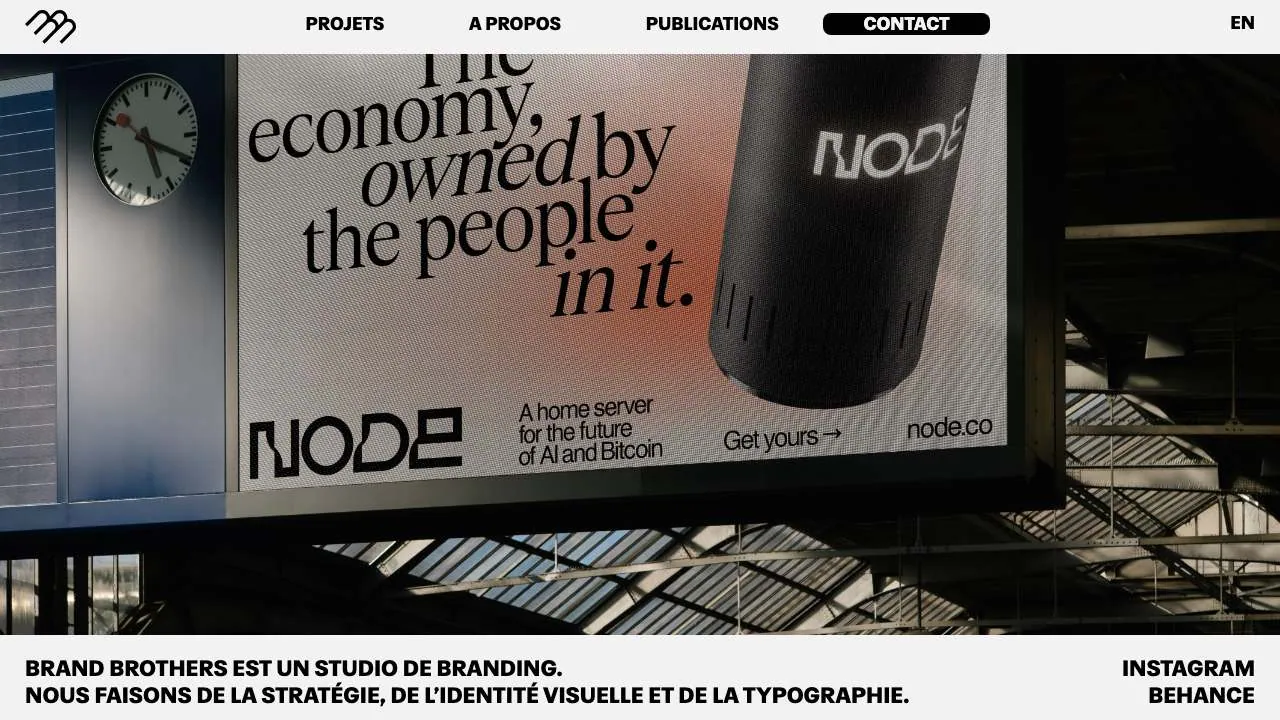
Brand Brothersは、2010年から、戦略、ビジュアルアイデンティティ、タイポグラフィ、ブランディングに取り組んでいるグラフィックデザインスタジオです。タイポグラフィを独立した専門分野として明示していることが、ここでのシグナルです。ほとんどのアイデンティティは、実際には書体でできており、それを真剣に扱うスタジオは、5年後にも正しく見えるシステムを生み出します。
こんな企業におすすめ:流行ではなく、職人技の上に築かれたアイデンティティを求める企業です。その代わりに、このリストの大手の名前に比べてスタジオの規模は小さくなります。展開が一度に多くの市場にまたがる場合は、確認する価値があります。
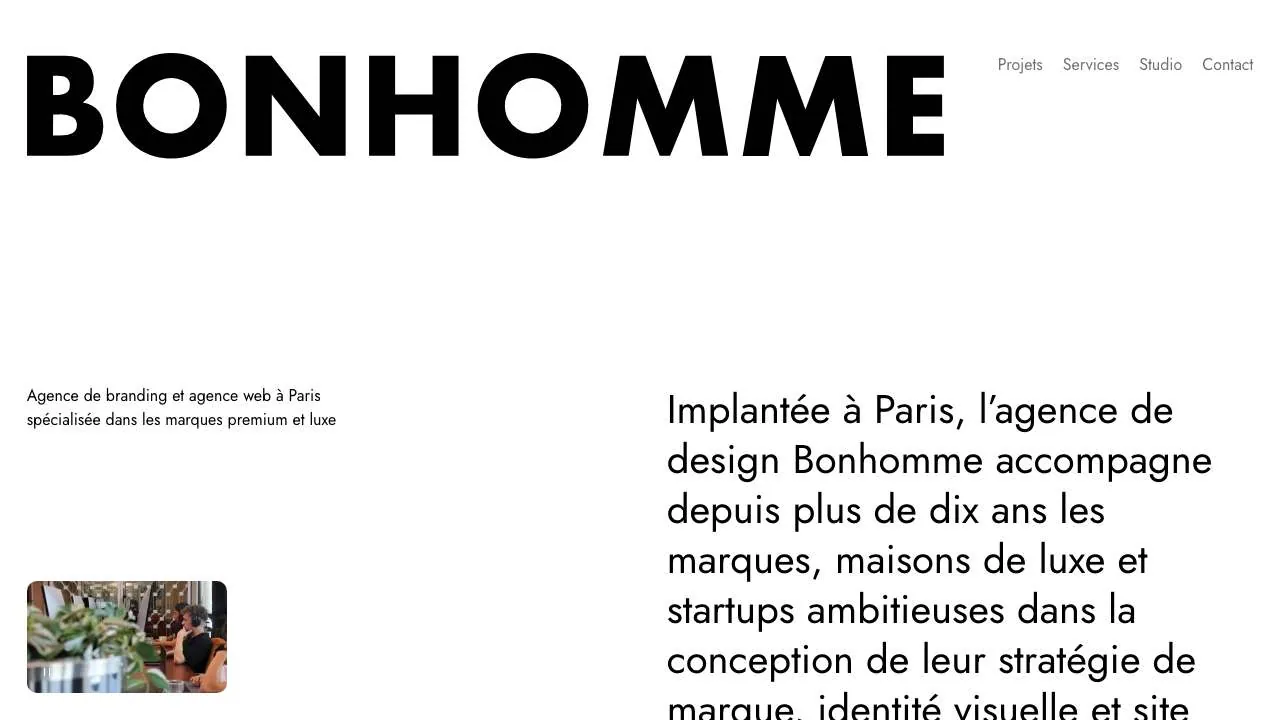
Bonhomme Parisは、プレミアムとラグジュアリーを専門とするパリのデザインスタジオで、歴史あるメゾン、ブランド、スタートアップ向けに、ブランディング、ビジュアルアイデンティティ、インターフェースデザイン、ハイエンドなウェブサイト制作を手がけています。ラグジュアリーには、抑制と仕上げに関する独自のルールがあり、その分野で絶えず仕事をしているスタジオこそが、それを正しく身につけています。
こんな企業におすすめ:仕上げそのものがメッセージとなる、プレミアムとラグジュアリーのポジショニングです。この特化は、抑制が求められておらず、個々の作品の磨き込みよりも制作の量が重要な、マス市場向けのブランドには合いません。
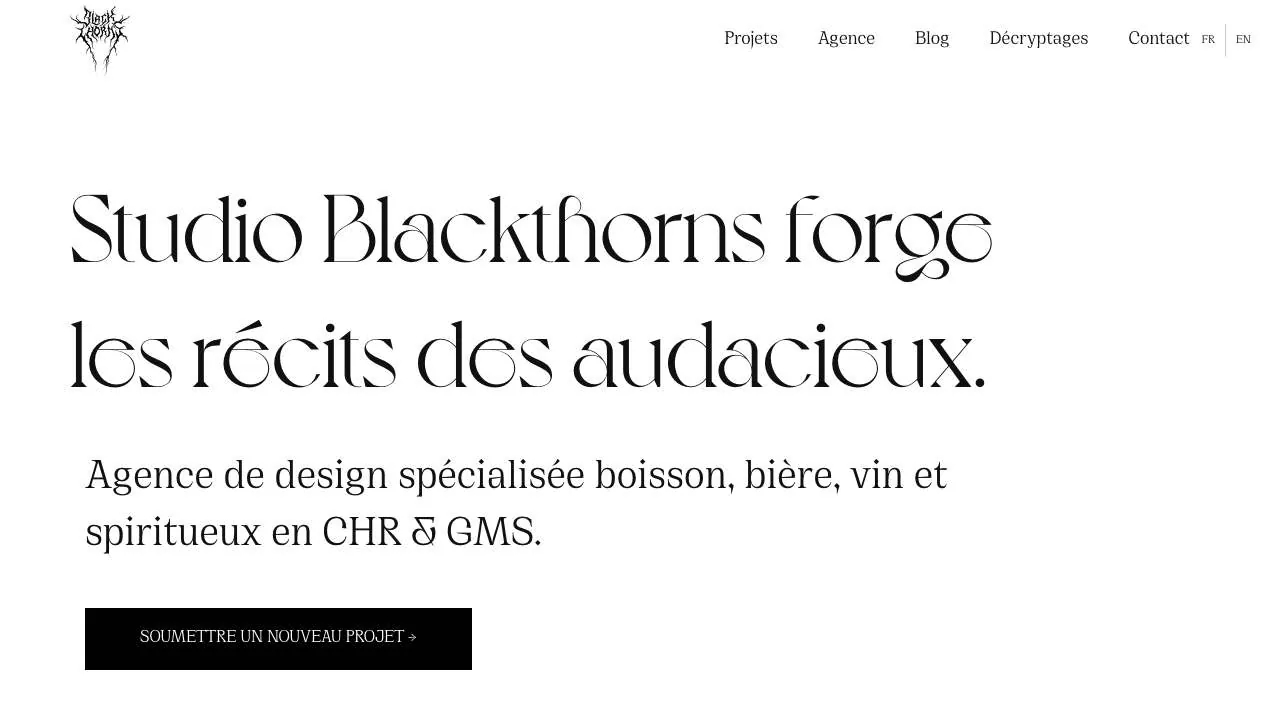
Blackthorns Studioは、ビール、ワイン、スピリッツなどの飲料を専門とするデザインエージェンシーで、戦略、ブランドアイデンティティ、ブランディング、パッケージデザインを手がけています。このカテゴリーのパッケージは、部外者には読み違えられるコードをめぐる棚の上での戦いであり、それだけを手がけるスタジオは、最初からそれを熟知しています。
こんな企業におすすめ:ボトルが主要な媒体となる飲料ブランドです。この絞り込みは、まさに限界でもあります。飲料以外での関連性は明示されていないため、ボトルや缶で売られていないものについては、他を探してください。
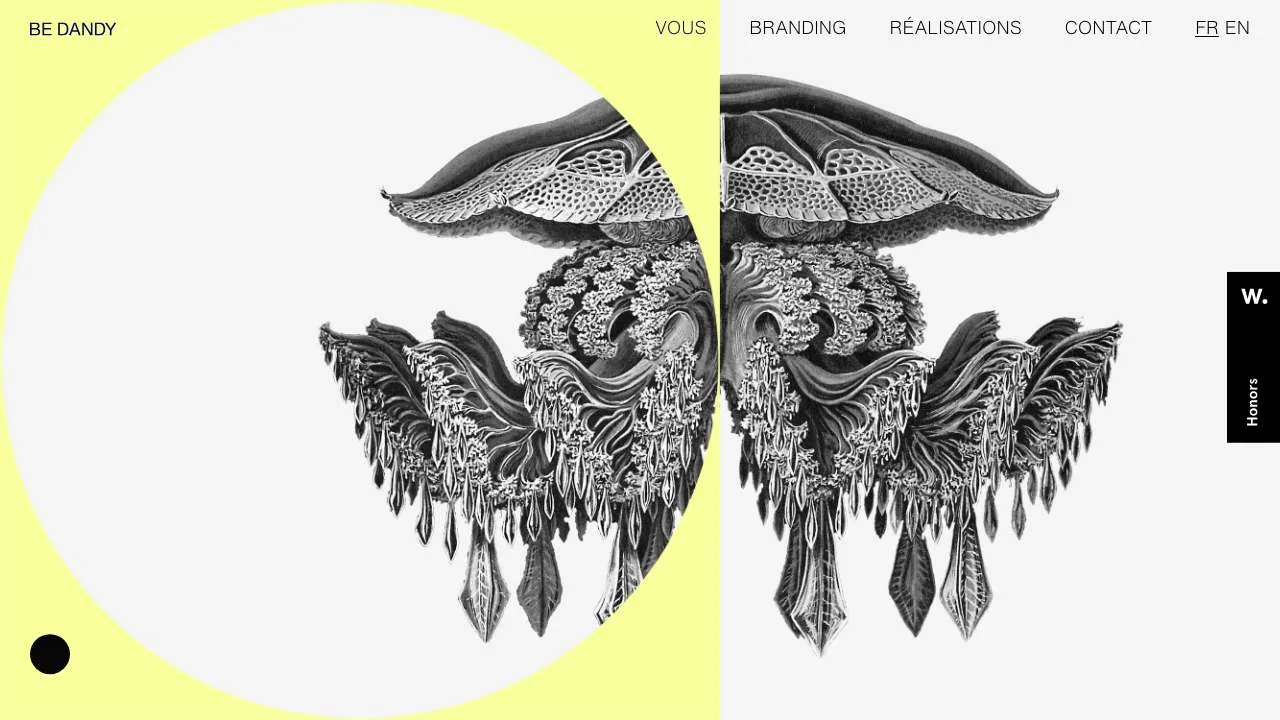
Be Dandyは、戦略、デザイン、ブランドアーキテクチャの支援を提供しており、成果物のリストではなく、企業が自社のブランドで抱えている課題を軸に提供内容を組み立てています。過小評価されているのはブランドアーキテクチャです。複数の商品とサブブランドを持つ企業は、たいていデザインの問題が起きるずっと前から、アーキテクチャの問題を抱えています。
こんな企業におすすめ:ブランドとサブブランドの構成が、筋の通らないものになってしまった企業です。この捉え方は、企業がすでに何かがおかしいと気づいていることを前提としているため、白紙の状態から始める新規事業には、出発点として弱くなります。
148は、ブランディング、デジタル、イベントにわたるB2Bコミュニケーションに取り組む、パリのコレクティブ型エージェンシーです。B2Bのブランディングは独自の専門分野です。オーディエンスはより少なく、より情報に通じており、感心させるのがより難しく、アイデンティティは、広告の中と同じくらい頻繁に、スライド資料の中でも機能しなければなりません。
こんな企業におすすめ:ブランドが営業の場面で機能する必要のあるB2B企業です。B2Bへの注力は、大規模に感情的な認知を築こうとしている消費者向けブランドにとって、自然な選択ではないことを意味します。
以下の基準は、誰が勝つかを確認する前に選んだもので、すべてのセルは、2026年8月時点で各エージェンシーが自社サイトで公開している内容を反映しています。エージェンシーが公開していない項目は、推測せずに、セルにその旨を記しています。
| エージェンシー | 対応範囲 | 戦略の仕事の明記 | 分野への特化 | 公開されている入口の提供内容 |
|---|---|---|---|---|
| Studio Elias | ブランドプラットフォーム、アイデンティティ、ウェブサイト | あり | 特化なし | 非公開 |
| Graphéine | ビジュアルと言語のアイデンティティ | 非公開 | 特化なし | 非公開 |
| Lonsdale | グローバルなブランドデザイン、複数ブランドの統合 | 非公開 | 特化なし | 実績を公開 |
| 4uatre | ブランディング、ポップカルチャー、クリエイティブのプロセス | 非公開 | 消費者向けブランド | 実績を公開 |
| BeTrue | 戦略、プラットフォーム、ビジュアルアイデンティティ | あり | 特化なし | 非公開 |
| Brand Brothers | 戦略、アイデンティティ、タイポグラフィ | あり | 特化なし | 非公開 |
| Bonhomme Paris | ブランディング、アイデンティティ、インターフェース、ウェブ | 非公開 | プレミアムとラグジュアリー | 非公開 |
| Blackthorns Studio | 戦略、アイデンティティ、パッケージ | あり | 飲料 | 非公開 |
| Be Dandy | 戦略、デザイン、ブランドアーキテクチャ | あり | 特化なし | 非公開 |
| 148 | ブランディング、デジタル、イベント | 非公開 | B2B | 非公開 |
「非公開」と書かれたセルは、能力の不足ではなく、公開情報の不足と読んでください。これらのエージェンシーの中には、トップページで述べていなくても、名前の付いた戦略の案件を手がけているところが間違いなく複数あります。確かめる確実な方法は、直接尋ねることです。
3つの質問が、そのアイデンティティが御社の組織の現場に触れても生き残れるかどうかを決めます。
1. 具体的に何が、どの形式で納品されるのか。元データ、フォントとそのライセンス、プロジェクトの外にいる人が従えるガイドライン文書、そして御社のチームが毎週使うテンプレートです。プレゼンテーション資料として納品されたアイデンティティは、アイデンティティではありません。
2. 書体のライセンスを所有しているのは誰か。カスタムフォントやライセンス付きのフォントには、それぞれ独自の条件があり、ユーザーごと、あるいは年ごとに課されることもあります。展開の前に確認してください。請求書が届いてからでは遅いのです。
3. 展開は含まれているか。新しいアイデンティティをウェブサイト、パッケージ、文書、SNSアカウントに適用する作業は、作ること自体よりも大きいことが少なくありません。範囲に含めるか、明確に除外するかを、書面で取り決めてください。
3つの限界を率直に述べます。すべてを決着させると主張するランキングは、使い物にならないからです。
公開情報のみに基づいています。各エージェンシーが公開している内容を読み、2026年8月にサイトが稼働していることを確認しました。その仕事の監査も、クライアントへの取材も、成果の数字の検証も、1件も行っていません。発信は下手でも、成果は見事に出しているスタジオは、ここでは過小評価されます。
御社の状況を知ることはできません。12のサブブランドを揃える企業に適したエージェンシーが、1つの商品と強い直感を持つ創業者に適していることはまれです。上のこんな企業におすすめの記述のほうが、順位の数字よりも重要です。
時間とともに古くなります。この市場では、所有者、立ち位置、チームが速く変わり、より広い調査から、サイトが応答しなくなった13のエージェンシーが今年外れました。このページは90日ごとに見直しており、見直しの日付は方法論に明記しています。
ソフトウェア会社が公開しているページとしては、ここが率直な部分です。判断、交渉、そして実際に描ける手を必要とするあらゆることにおいて、エージェンシーはソフトウェアに勝ります。ブランドが何を意味すべきかを決めること、その決定を経営陣に対して擁護すること、10年後にも正しく見える書体を選ぶこと。これらはどれも今日、自動化できません。そうでないと主張する人は、何かを売りつけようとしています。
ソフトウェアのほうが得意なのは、アイデンティティが納品された後に、決して止まらない部分です。ブランドは、認識されるのと同じくらい頻繁に、見つけられる必要があります。そして、見つけてもらうことは、立ち上げキャンペーンがカバーするよりも多くのチャネルにわたる、毎週の仕事です。その検索が、検索結果のページを越えて今どこで起きているのかについては、2026年版 顧客獲得に最適なチャネル50選をご覧ください。ほとんどのアイデンティティのプロジェクトは、力強く終わり、まさにこの部分で静かに停滞します。監査は納品され、ガイドラインは素晴らしいのに、6か月後も、ブランドは最初に載ったページの外に存在感を持てていないのです。
それを自動化するのがSorankです。これはエージェンシーではなくソフトウェアで、キーワード調査、記事の執筆、内部リンク、御社のサイトへの公開、そしてAIアシスタントが返す回答にどれくらいの頻度で登場するかの追跡を行います。最後の部分は、ブランドにとって飾りではありません。AIの推薦システムにおける既存の有力ブランドの優位性に関する2026年の研究では、よく知られたブランドは、競合する商品の仕様が同一の場合に100%の確率で推薦されることがわかりました。そしてこの優位性は、星評価がわずか0.1上回る競合の前では消えてしまいます。10000件のクエリを対象にKDD 2024で発表された別の対照研究では、出典を引用すると生成AIでの可視性がおよそ30%、統計を加えるとおよそ32%、専門家の引用を加えるとおよそ41%上がることが測定されました。知名度は扉を開きますが、扉が開いた後にアシスタントに引用され続けるのは、言及と裏付けのおかげです。料金は年間プランなら月額$49からで、3日間の無料トライアルをご利用いただけます(登録時にクレジットカードが必要です)。まず話し合ってから決めたい場合は、通話を予約してください。
1つだけ推薦するなら、ブランドプラットフォームからウェブサイトまで一貫して築くならStudio Elias、言葉がマークと同じくらい重要な完全なアイデンティティならGraphéine、ポジショニングこそが本当の課題ならBeTrue、ボトルに入ったものを販売するならBlackthorns Studioです。
そして、最初の打ち合わせには、依頼書ではなく、決断を持ち込んでください。ブランディングエージェンシーは、立ち位置を表現するのは非常に得意ですが、その立ち位置を代わりに選ぶことはできません。
フランスには、この分野で並外れて層の厚い人材がそろっています。以下は、この分野の調査で名前が挙がったその他のエージェンシーです。
| エージェンシー | ウェブサイト | 自社について公開している内容 |
|---|---|---|
| Landor | landor.com | 国際的なブランド専門会社で、コンサルティング、デザイン、体験を手がけ、フランスにも拠点がある |
| StoryFeeling | storyfeeling.fr | ブランドアイデンティティとブランドプラットフォームに取り組むブランディングエージェンシー |
| Idetop | idetop.com | ブランドテリトリー、クリエイティブ |
| Gemeos | gemeosagency.com | ブランディング、ノーコードのサイト、検索、コンバージョンを手がけるデザインとテクノロジーのエージェンシー |
| customR | customr.fr | ブランドのポジショニング、ブランディング、SNS、コンテンツを手がけるデジタルコミュニケーションのエージェンシー |
| Radis Noir | radisnoir.com | 2003年から、科学分野と公的機関向けのコミュニケーション、ウェブサイト、ビジュアルアイデンティティ、検索を手がける |
| Les Causantes | lescausantes.com | ケア分野のブランド向けエージェンシーで、際立ったテリトリー、信頼できる裏付け、メディア向けのクリエイティブを手がける |
| Parady | parady.fr | ブランド戦略とクリエイティブディレクションを組み合わせる独立系のクリエイティブ事務所 |
| LORD | callmelord.com | 戦略からデザイン、ウェブまで踏み込んだブランディングを手がける国際的なブランディングとウェブのエージェンシー |
| LaPetiteGrosse | lapetitegrosse.com | ブランディング、キャンペーン、ブランドコンテンツを手がけるパリのコミュニケーションエージェンシーで、社内に制作スタジオを持つ |
隣接する2つの市場については、このブログに独自のランキングがあります:フランスのベストウェブサイト制作エージェンシー10選と、フランスのベストSNSエージェンシー10選です。アイデンティティそのものが決まり、人々の目に触れる場所に置く段階になったときに役立ちます。

ロゴは一つの資産です。ブランドアイデンティティは、そのロゴが属する体系です。タイポグラフィ、色、写真やイラスト、レイアウトのルール、トーン、そしてデザイナーに会ったことのない人でも一貫して使えるようにするガイドラインです。ロゴだけを買うから、気に入ったマークはあるのに、まるで 4 つの別々の組織から出てきたようなコミュニケーションになってしまう会社が多いのです。
成果物が大きく異なるため、費用の幅も非常に大きくなります。ガイドラインの資料が付いた小さな会社のビジュアルアイデンティティと、ポジショニングの調査、ネーミング、アイデンティティ、パッケージ、あらゆる接点への展開までを含む完全なブランドプラットフォームでは、まったく違います。各レベルに何が含まれるのか、特に既存の制作物への展開が見積もりに含まれるのか、後から請求されるのかを確認しましょう。
戦略の作業を含むビジュアルアイデンティティで 2〜4 か月、ネーミング、調査、パッケージが範囲に入るとさらに長く、承認に複数の委員会が関わる大きな組織ではさらに長くなります。時間がかかるのは、デザインであることはまれです。時間がかかるのは決定です。
 AI コンテンツブリーフ生成ツール
 FAQ スキーマ生成ツール
 AI ブログ記事アイデア生成ツール
 構造化データ検証ツール
 代替テキストチェッカー
 内部リンク分析ツール
 被リンクチャレンジ
 AI メタディスクリプション生成ツール
 AI ブログタイトル生成ツール
 Google インデックス可否チェッカー
 AI 記事構成案生成ツール
 UTM リンク作成ツール
 キーワードのグループ化ツール
 canonical タグチェッカー
 XML サイトマップ生成ツール
 リンク切れチェッカー
 AI SEO タイトル生成ツール
 見出しアナライザー
 検索結果プレビューツール
 リダイレクトチェッカー
 hreflang タグ生成ツール
 見出し構造チェッカー
 HTTP ヘッダーチェッカー
 Favicon 抽出ツール
 SEO トラフィック・売上予測計算ツール
 SEO 予算計算ツール
 順位上昇シミュレーター
 キーワード機会スコア計算ツール
 GEO コンテンツ投資計算ツール
 顧客生涯価値計算ツール
 CTR 計算ツール
 AI トラフィック価値計算ツール
 AI シェア・オブ・ボイス計算ツール
 Gemini ランキングツール
 ROAS 計算ツール
 自然検索トラフィック価値計算ツール
 ローカル SEO ROI 計算ツール
 被リンク獲得コスト計算ツール
 キーワード密度計算ツール
 顧客獲得コスト計算ツール
 記事単価計算ツール
 直帰率計算ツール
 AI 引用率計算ツール
 LLM 向け構造化データ監査
 llms.txt ジェネレーター
 Sitemap チェッカー
 SERP 変動センサー
 文字数カウンター
 Schema マークアップ生成ツール
 キーワード調査ツール
 SEO 損益分岐点計算ツール
 読了時間計算ツール
 自然検索トラフィック予測ツール
 ChatGPT 参照トラフィック予測ツール
 AI 可視性スコア計算ツール
 AI 可読性チェッカー
 SearchGPT 対応チェッカー
 ChatGPT が自社サイトを推薦しない理由
 URL 抽出ツール
 ウェブページ Markdown 変換ツール
 robots.txt 生成ツール
 Open Graph プレビュー
 オンページ SEO 監査
 LTV:CAC 比率計算ツール
 GEO ROI 計算ツール
 コンバージョン率計算ツール
 AI クローラー巡回監査
 AI 検索可視性テスト
 ページサイズチェッカー
 URL スラッグ生成ツール
 メタタグ生成ツール
 画像圧縮ツール
 ファビコン生成ツール
 ドメインオーソリティチェッカー
 検索結果 CTR 計算ツール
 EC SEO ROI 計算ツール
 コンテンツマーケティング ROI 計算ツール
 AI での不可視コスト計算ツール
 AI Overviews チェッカー
 robots.txt チェッカー
 SEO・AI 監査
 Perplexity ランキングチェッカー
 アンサーエンジン最適化の監査
 ChatGPT 可視性チェッカー
 被リンク分析ツール
 SEO とリスティング広告の節約額計算ツール
 SEO シェア・オブ・ボイス計算ツール
 SaaS SEO ROI 計算ツール
 被リンク ROI 計算ツール
 llms.txt バリデーター
 LLM 引用チェッカー
 GEO 監査
 SEO ROI 計算ツール
 キーワード価値計算ツール
先行導入企業のご紹介
 “2年間、クライアントの100%がLinkedIn経由でした。毎日の投稿、コメント、DMでのフォローアップ…完全にアルゴリズム頼みでした。SEOに取り組むべきだとわかっていても、時間がかかる、技術的すぎる、自分の仕事ではないと、いつも後回しにしていました。Sorankでようやく一歩を踏み出しました。4か月で、何も投稿しなくても毎月15件のオーガニックリードを獲得しています。まだLinkedInと半々ではありませんが、自動で育つ2つ目のリード源ができたことで安心して眠れるようになりました。”
 Valentin Thomyコールドメール専門エージェンシー“Sorankは、クライアントに提供する成果を大きく変えてくれました。AIが実際に使っているキーワードを特定し、特定の競合が引用される理由を理解し、以前は完全に見落としていたチャンスを見つけられるようになりました。クライアントは、より早い順位上昇、AIの回答での可視性向上、そしてすべての施策のROIがより明確になったことを実感しています。”
 Benjamin Rouxovirank.com
 “私はマーケターではなく開発者です。私のShopifyテーマは口コミと広告だけで売れていました。Sorankのおかげで、SEOの組み立て方と上位表示される記事の書き方がようやくわかりました。監査で商品ページが遅すぎることも判明しました。2か月でオーガニックトラフィックは2倍になり、ShopifyテーマについてChatGPTで検索されたときの回答にも表示され始めています。しかも、週に約2時間の作業だけです。”
 Thème FullStackthemefullstack.com“Sorankのおかげで、私たちのSEOエージェンシーの働き方は大きく変わりました。すべてが一元化・自動化されたため、クライアント1社あたりにかける時間が大幅に減りました。以前は何時間もかかっていた作業が今では数分で終わり、ようやくビジネスの中で働くのではなく、ビジネスそのものに取り組めるようになりました。”
 Océane Bondismaison-leverage.com