





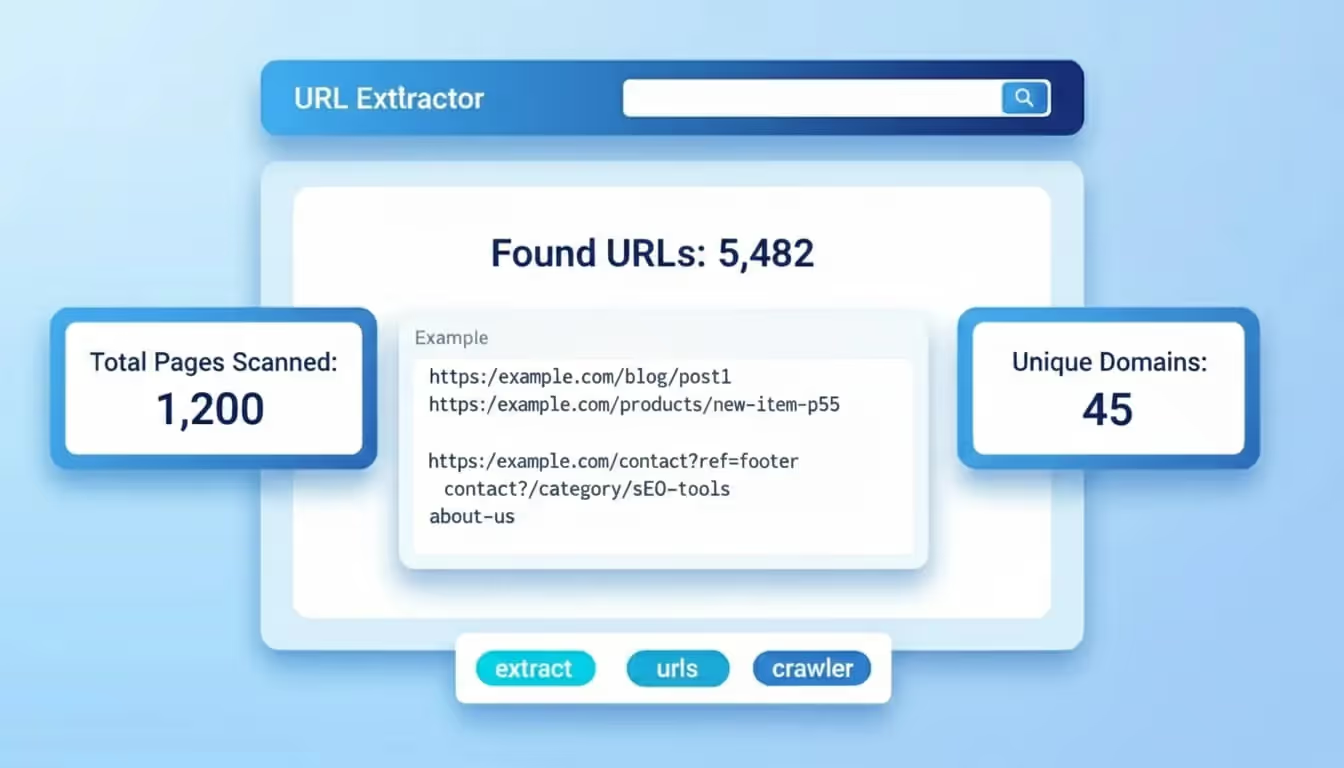
כל קישור בעמוד אינטרנט מספר סיפור על מבנה האתר, על הקשרים בין התכנים ועל אסטרטגיית ה-SEO. בין שאתם בודקים את הקישורים הפנימיים באתר שלכם, מנתחים את מבנה הקישורים של מתחרה או נערכים להעברת תוכן, חילוץ כל הכתובות מעמוד הוא הצעד הראשון והחיוני.
מחלץ כתובות ה-URL של Sorank שולף כל קישור מכל עמוד אינטרנט תוך שניות, ממיין אותם לפי סוג ונותן לכם תמונה מלאה של פרופיל הקישורים של העמוד.
למה חילוץ כתובות חשוב ל-SEO
קישורים הם רקמת החיבור של הרשת, וההבנה של אופן פעולתם באתר שלכם משפיעה ישירות על הביצועים שלכם במנועי החיפוש. חילוץ כתובות ממלא כמה תפקידי SEO קריטיים:
- בדיקת קישורים פנימיים: הקישורים הפנימיים היוצאים מעמוד קובעים כיצד עוצמת הקישורים זורמת באתר שלכם. חילוץ הכתובות חושף אם העמודים החשובים ביותר שלכם מקבלים מספיק קישורים פנימיים, או שעוצמת הקישורים מתבזבזת על עמודים בעלי ערך נמוך.
- איתור קישורים שבורים: קישורים מתים מתסכלים את הגולשים ומבזבזים תקציב סריקה. חילוץ כל הכתובות מהעמודים המרכזיים מאפשר לכם לבדוק כל אחת מהן באופן שיטתי ולאתר שגיאות 404, שרשראות הפניות או תקלות שרת.
- ניתוח מתחרים: חילוץ כתובות מעמודי מתחרים חושף את אסטרטגיית הקישורים שלהם: לאילו מקורות חיצוניים הם מפנים, כיצד הם בונים את הניווט הפנימי ואילו עמודים הם מתעדפים.
- תכנון העברת תוכן: לפני העברת אתר אתם זקוקים למלאי מלא של כל כתובת שמוזכרת בכל העמודים, כדי לבנות מפות הפניה מדויקות ולמנוע קישורים שבורים.
- ניתוח טקסט העוגן: טקסט העוגן שבו משתמשים הקישורים הפנימיים משדר אותות רלוונטיות למנועי החיפוש. חילוץ הכתובות יחד עם העוגנים שלהן עוזר לכם לייעל את האותות האלה למילות המפתח שאתם מכוונים אליהן.
הכרת סוגי הקישורים
לא כל הקישורים נושאים את אותו משקל ולא כולם משרתים את אותה מטרה. מחלץ כתובות ה-URL ממיין את הקישורים כדי לעזור לכם להבין את תפקידם:
- קישורים פנימיים: קישורים שמפנים לעמודים אחרים באותו דומיין. זו הדרך העיקרית שבה אתם שולטים באופן שבו מנועי החיפוש מגלים ומתעדפים את התוכן שלכם.
- קישורים חיצוניים: קישורים שמפנים לאתרים אחרים. קישורים יוצאים למקורות סמכותיים יכולים לחזק את אמינות התוכן שלכם, ואילו קישורים חיצוניים רבים מדי או לא רלוונטיים עלולים לדלל את המיקוד של העמוד.
- קישורי עוגן: קישורים שקופצים לחלק מסוים באותו עמוד באמצעות מזהי מקטע (#). הם משפרים את חוויית הגולש ויכולים לייצר sitelinks בתוצאות החיפוש.
- קישורי משאבים: קישורים לתמונות, לגיליונות עיצוב, לסקריפטים ולמשאבים אחרים שאינם עמודים והם חלק מהמבנה הטכני של העמוד.
איך מחלץ כתובות ה-URL עובד
הכלי מבצע ניתוח מעמיק של קוד ה-HTML של העמוד שנבדק כדי לזהות כל קישור:
- ניתוח HTML: המחלץ מאחזר את קוד המקור של העמוד ומנתח את כל תגיות העוגן, ומזהה את מאפיין ה-href, את טקסט העוגן ומאפייני קישור כמו rel=nofollow.
- סיווג כתובות: כל כתובת שחולצה מסווגת כפנימית, חיצונית, עוגן או משאב, לפי הדומיין והפרוטוקול שלה.
- הסרת כפילויות: כתובות כפולות מזוהות ומסומנות, ומראות לכם כמה פעמים אותו יעד מקושר מאותו עמוד.
- נתוני סיכום: הכלי מספק את מספר הקישורים הכולל, את מספר הכתובות הייחודיות, את היחס בין קישורים פנימיים לחיצוניים ומדדים נוספים להערכה מהירה.
שימושים מעשיים
חילוץ כתובות הוא משימת יסוד בתהליכי עבודה רבים ב-SEO:
- בדיקת אתר: חלצו כתובות מהעמודים המובילים שלכם כדי לוודא שהקישורים הפנימיים הקריטיים קיימים ופועלים. שלבו זאת עם כלי סריקה לבדיקת בריאות מקיפה של האתר.
- השבת קישורים: חלצו קישורים חיצוניים מעמודים שמזכירים את המותג שלכם כדי לזהות הזדמנויות לבניית קישורים, במקומות שבהם אתם מוזכרים אך לא מקושרים.
- ניתוח פערי תוכן: בחינה של העמודים הפנימיים שמקושרים מתוכן העוגן המרכזי שלכם מאפשרת לכם לזהות נושאים שחסר להם גיבוי של קישורים פנימיים.
- מיפוי הפניות: במהלך עיצוב מחדש של האתר או העברת דומיין, חלצו את כל הכתובות מכל העמודים כדי ליצור מפת הפניות מלאה שמשמרת את עוצמת הקישורים ואת הגישה של הגולשים.
- מיפוי קישורי מתחרים: חלצו כתובות מעמודי נחיתה של מתחרים כדי לגלות לאילו משאבים, כלים ושותפים הם מפנים, ולחשוף יעדי פנייה אפשריים למאמצי בניית הקישורים שלכם.
המלצות לניתוח קישורים
אחרי שחילצתם את הכתובות מעמוד, פעלו לפי ההנחיות האלה לניתוח יעיל:
- בדקו את היחס בין קישורים פנימיים לחיצוניים: רוב מומחי ה-SEO ממליצים לשמור על שיעור גבוה יותר של קישורים פנימיים כדי להשאיר את עוצמת הקישורים בתוך האתר. עמוד עם 50 קישורים חיצוניים ו-5 קישורים פנימיים עלול להדליף יותר מדי סמכות.
- ודאו שכל הקישורים מחזירים סטטוס 200: כל כתובת שחולצה ומחזירה שגיאת 4xx או 5xx צריכה תיקון מיידי. שרשראות הפניות (כמה הפניות 301 ברצף) צריכות להתקצר לקישור ישיר.
- בדקו את גיוון טקסט העוגן: קישורים פנימיים צריכים להשתמש בטקסט עוגן תיאורי ורלוונטי למילות המפתח, ולא בביטויים כלליים כמו לחצו כאן או קראו עוד.
- עקבו אחר שינויים בקישורים לאורך זמן: חילוץ קבוע של כתובות מהעמודים החשובים עוזר לכם לאתר הסרות קישורים לא מכוונות, קישורים שנשברו בעקבות עדכוני מערכת ניהול תוכן או הוספת קישורים ללא אישור.












.webp)
.webp)










.svg)
.svg)