





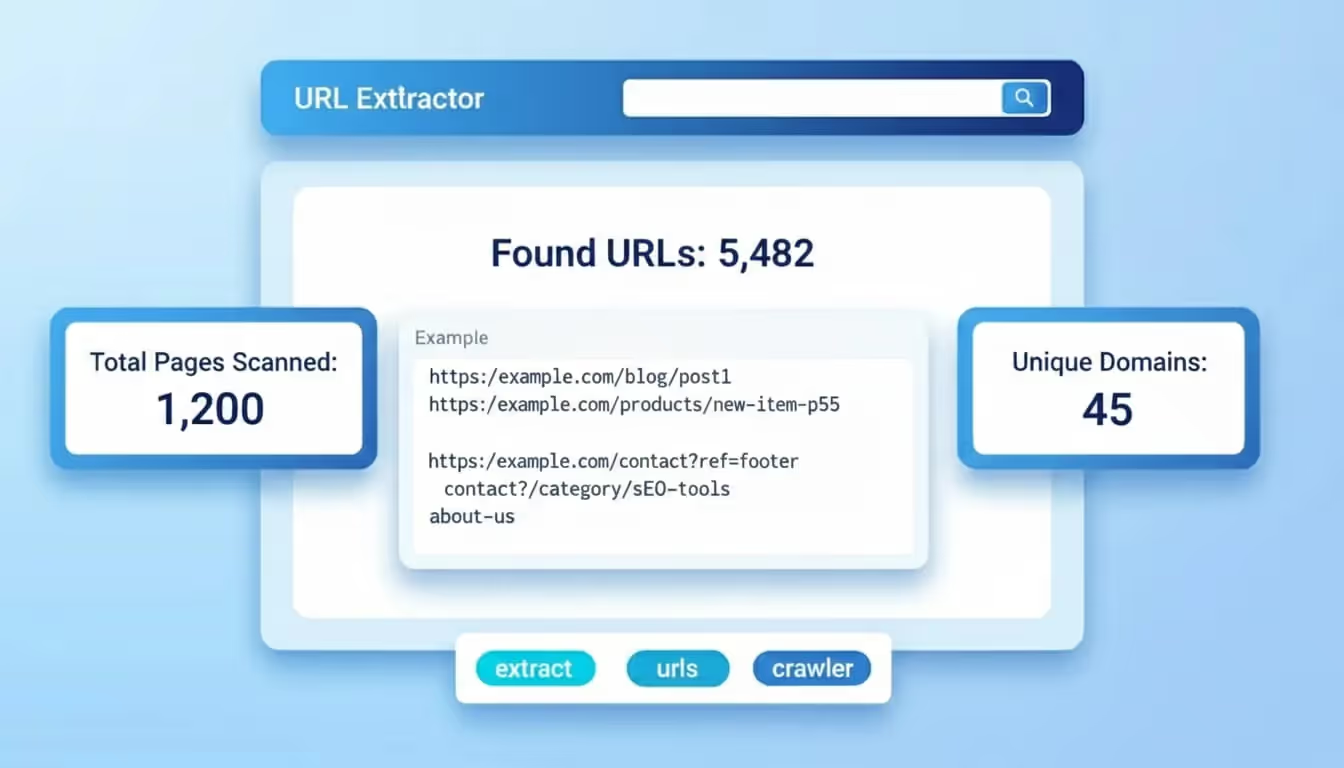
كل رابط في صفحة ويب يروي شيئًا عن بنية الموقع، وعلاقات المحتوى، واستراتيجية السيو. وسواء كنتم تدققون الروابط الداخلية لموقعكم، أو تحللون بنية روابط أحد المنافسين، أو تستعدون لترحيل محتوى، فاستخراج كل الروابط من صفحة ما هو الخطوة الأولى الأساسية.
يسحب مستخرج الروابط من Sorank كل رابط من أي صفحة ويب في ثوانٍ، ويصنّفها بحسب نوعها، ويمنحكم صورة كاملة عن ملف الروابط في الصفحة.
لماذا يهمّ استخراج الروابط في السيو
الروابط هي النسيج الرابط للويب، وفهم طريقة عملها داخل موقعكم يؤثر مباشرة في أدائكم لدى محركات البحث. ويؤدي استخراج الروابط عدة وظائف حاسمة في السيو:
- تدقيق الروابط الداخلية: تحدّد الروابط الداخلية الصادرة من صفحة ما كيفية انتقال قوة الروابط عبر موقعكم. ويكشف استخراج الروابط ما إذا كانت أهم صفحاتكم تتلقى عددًا كافيًا من الروابط الداخلية، أو أن هذه القوة تُهدَر على صفحات قليلة القيمة.
- كشف الروابط المعطوبة: الروابط الميتة تُحبط الزوار وتهدر ميزانية الزحف. وباستخراج كل الروابط من صفحاتكم الرئيسية، يمكنكم فحص كل رابط بشكل منهجي بحثًا عن أخطاء 404، أو سلاسل إعادة توجيه، أو مشكلات في الخادم.
- تحليل المنافسة: يكشف استخراج الروابط من صفحات المنافسين استراتيجيتهم في الربط، والمصادر الخارجية التي يحيلون إليها، وطريقة بناء تصفّحهم الداخلي، والصفحات التي يمنحونها الأولوية.
- التخطيط لترحيل المحتوى: قبل ترحيل موقع، تحتاجون إلى جرد كامل لكل رابط مذكور في جميع الصفحات، لبناء خرائط إعادة توجيه دقيقة ومنع تعفّن الروابط.
- تحليل نص الرابط: يرسل نص الرابط المستخدم في الروابط الداخلية إشارات صلة إلى محركات البحث. واستخراج الروابط مع نصوصها يساعدكم على ضبط هذه الإشارات وفق الكلمات المفتاحية المستهدفة.
فهم أنواع الروابط
لا تحمل كل الروابط الوزن نفسه ولا تؤدي الغرض نفسه. ويصنّف مستخرج الروابط الروابط لمساعدتكم على فهم وظيفتها:
- الروابط الداخلية: روابط تشير إلى صفحات أخرى في النطاق نفسه. وهي وسيلتكم الأولى للتحكم في كيفية اكتشاف محركات البحث لمحتواكم وترتيب أولوياته.
- الروابط الخارجية: روابط تشير إلى مواقع أخرى. والروابط الصادرة نحو مصادر موثوقة تدعم مصداقية محتواكم، بينما قد تُضعف الروابط الخارجية المفرطة أو غير ذات الصلة تركيز صفحتكم.
- روابط التثبيت: روابط تنقل إلى قسم محدد داخل الصفحة نفسها عبر معرّفات الأجزاء (#). وهي تحسّن تجربة الزائر وقد تولّد روابط فرعية في نتائج البحث.
- روابط الموارد: روابط نحو الصور وملفات التنسيق والبرامج النصية وغيرها من الموارد غير الصفحات، وهي جزء من البنية التقنية للصفحة.
كيف يعمل مستخرج الروابط
تجري الأداة تحليلًا دقيقًا لشيفرة HTML الخاصة بالصفحة المستهدفة لتحديد كل رابط:
- تحليل HTML: يجلب المستخرج شيفرة HTML المصدرية للصفحة ويحلل كل وسوم الروابط، محددًا خاصية href ونص الرابط وخصائصه مثل rel=nofollow.
- تصنيف الروابط: يُصنّف كل رابط مستخرج بوصفه داخليًا أو خارجيًا أو رابط تثبيت أو رابط مورد، بحسب نطاقه وبروتوكوله.
- إزالة التكرار: تُحدّد الروابط المكررة ويُشار إليها، فتعرفون كم مرة جرى الربط بالوجهة نفسها من صفحة واحدة.
- إحصاءات موجزة: تعرض الأداة عدد الروابط الإجمالي، والروابط الفريدة، ونسبة الداخلي إلى الخارجي، ومؤشرات أخرى لتقييم سريع.
حالات استخدام عملية
استخراج الروابط مهمة تأسيسية في كثير من مسارات عمل السيو:
- تدقيق الموقع: استخرجوا الروابط من أفضل صفحاتكم للتأكد من وجود الروابط الداخلية الحيوية وعملها. واجمعوا ذلك مع أداة زحف للحصول على فحص شامل لصحة الموقع.
- استرداد الروابط: استخرجوا الروابط الخارجية من الصفحات التي تذكر علامتكم لتحديد فرص بناء روابط حيث تُذكرون من دون رابط.
- تحليل فجوات المحتوى: بفحص الصفحات الداخلية المرتبطة بمحتواكم الأساسي، يمكنكم تحديد المواضيع التي تفتقر إلى دعم كافٍ من الروابط الداخلية.
- خرائط إعادة التوجيه: أثناء إعادة تصميم موقع أو ترحيل نطاق، استخرجوا كل الروابط من كل صفحة لإنشاء خريطة إعادة توجيه كاملة تحافظ على قوة الروابط وعلى وصول الزوار.
- تحليل روابط المنافسين: استخرجوا الروابط من صفحات هبوط المنافسين لاكتشاف الموارد والأدوات والشركاء الذين يحيلون إليهم، فتظهر لكم أهداف محتملة للتواصل في بناء روابطكم.
أفضل الممارسات في تحليل الروابط
بعد استخراج الروابط من صفحة ما، اتبعوا هذه الإرشادات لتحليل فعّال:
- تحققوا من نسبة الداخلي إلى الخارجي: ينصح معظم خبراء السيو بالحفاظ على نسبة أعلى من الروابط الداخلية لإبقاء قوة الروابط داخل موقعكم. فالصفحة التي تضم 50 رابطًا خارجيًا و5 روابط داخلية قد تسرّب قدرًا كبيرًا من السلطة.
- تأكدوا من أن كل الروابط تعيد الحالة 200: أي رابط مستخرج يعيد خطأ 4xx أو 5xx يجب إصلاحه فورًا. أما سلاسل إعادة التوجيه (عدة 301) فينبغي تبسيطها إلى روابط مباشرة.
- راجعوا تنوّع نصوص الروابط: ينبغي أن تستخدم الروابط الداخلية نصوصًا وصفية وثيقة الصلة بالكلمات المفتاحية، بدل عبارات عامة مثل انقر هنا أو اقرأ المزيد.
- راقبوا تغيّر الروابط مع الوقت: استخراج الروابط بانتظام من الصفحات المهمة يساعدكم على رصد الحذف غير المقصود للروابط، أو الروابط المعطوبة بعد تحديثات نظام إدارة المحتوى، أو الروابط المضافة دون إذن.












.webp)
.webp)










.svg)
.svg)