





تحسين محركات التوليد (GEO) هو تخصص جعل محتواكم مرئيا وقابلا للاستشهاد وجديرا بالثقة داخل الإجابات التي تنتجها أنظمة الذكاء الاصطناعي مثل Google AI Overviews وChatGPT وPerplexity وGemini. وعلى عكس SEO الكلاسيكي الذي يستهدف قائمة مرتبة من الروابط الزرقاء، يستهدف GEO الإجابة المركبة نفسها. تجري الأداة أعلاه تدقيقا استدلاليا شاملا لعنوان URL أو نطاق، وتنتج تقريرا مقيما مع خطة عمل مرتبة حسب الأولوية.
الصقوا عنوان URL الخاص بكم في الأداة أعلاه لبدء تدقيق GEO المجاني.
ما الذي يقيمه التدقيق
GEO تخصص متعدد الأبعاد. ويقيم التدقيق المجالات التالية:
- تغطية المحتوى. هل تعالج الصفحة موضوعا بعمق كاف ليعتبرها الذكاء الاصطناعي مرجعا موثوقا؟ يفحص التدقيق العمق الموضوعي، وتوافق السؤال والجواب، وتغطية الكيانات.
- الجاهزية الهيكلية. العناوين والقوائم والعبارات الواقعية الموجزة وترميز FAQ تحسن كلها قدرة نموذج LLM على تحليل الإجابات واستخراجها. ويمنح التدقيق درجة لكل إشارة من هذه الإشارات.
- AI Overviews والاستشهادات. يحدد التدقيق ما إذا كان من المرجح أن تظهر الصفحة في Google AI Overviews أو أن تستشهد بها نماذج LLM، استنادا إلى أنماط المحتوى المرتبطة بالمصادر المستشهد بها.
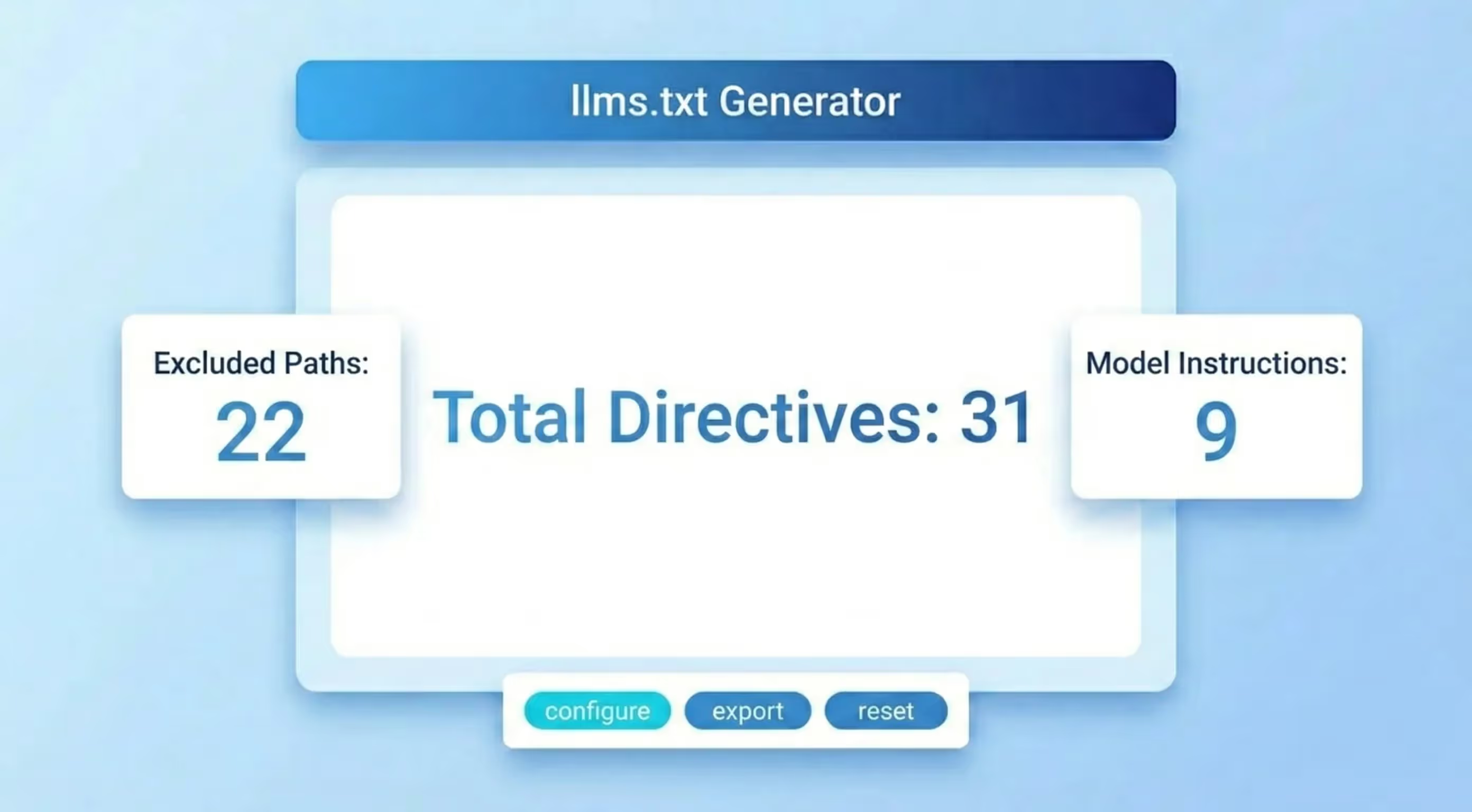
- الزحف والوصول. إذا تعذر على زواحف الذكاء الاصطناعي الوصول إلى صفحتكم، فلا قيمة لأي إشارة محتوى أخرى. يفحص التدقيق توجيهات robots، والاعتماد على العرض عبر JavaScript، ووجود ملف llms.txt.
- إجراءات مرتبة حسب الأولوية. كل ملاحظة مرتبة حسب أثرها المقدر على GEO حتى تركزوا على التغييرات التي تحسن ظهوركم في الذكاء الاصطناعي بأسرع وتيرة.
كيف تتصرفون بناء على النتائج
تحسينات GEO تتبع ترتيبا متوقعا. ابدأوا بالوصول، ثم البنية، ثم العمق:
- تأكدوا من أن GPTBot وPerplexityBot وGoogle-Extended غير محظورة في robots.txt. فتوجيه خاطئ واحد قد يمحو كل جهود التحسين الأخرى.
- أضيفوا ملف llms.txt إلى نطاقكم الجذر. يخبر هذا الملف زواحف الذكاء الاصطناعي بأي أقسام موقعكم أكثر صلة وأكثر أمانا للفهرسة.
- حولوا ادعاءاتكم الأساسية إلى جمل قصيرة تقريرية تقف وحدها دون سياق محيط.
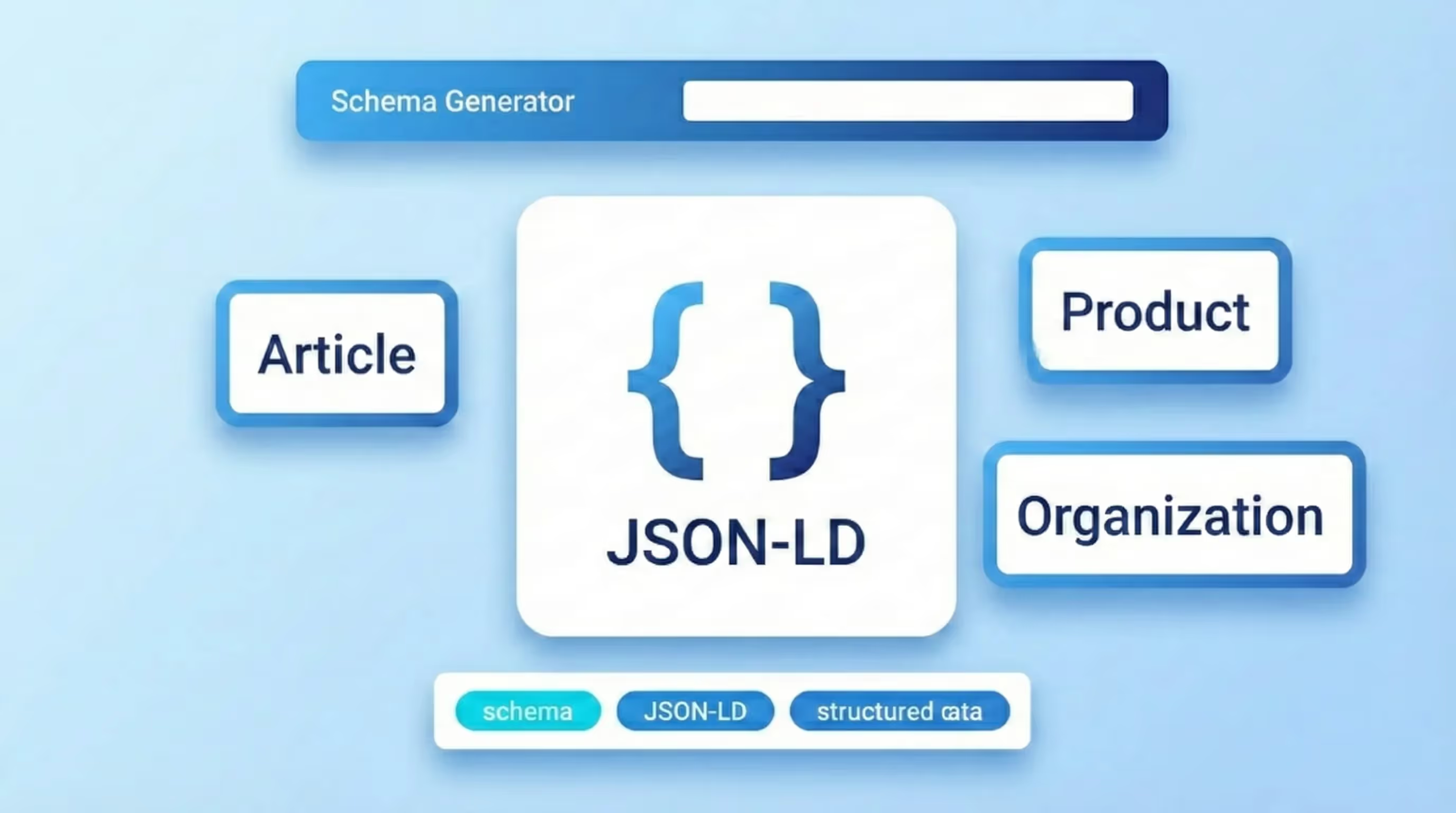
- أدخلوا Schema من نوع FAQ أو Article أو Organization في كل صفحة تريدون الاستشهاد بها. تعمل البيانات المنظمة كإشارة موثوقة لنماذج الذكاء الاصطناعي التي تحاول تقييم مصداقية المصدر.
- ابنوا سلطة موضوعية بتغطية الأسئلة الفرعية المرتبطة في صفحات داعمة وربطها بمحتواكم الرئيسي.
المعيار المرجعي لـ GEO
تظهر AI Overviews بالفعل في نحو 31% من استعلامات Google، والنتيجة في المركز الأول المعروضة تحت AI Overview تفقد ما يصل إلى 58% من معدل النقر المتوقع (Ahrefs، 300000 كلمة مفتاحية، ديسمبر 2025). في المقابل، تحول الزيارات القادمة من أدوات الذكاء الاصطناعي مثل ChatGPT وPerplexity بنسبة 7% تقريبا، أي نحو ثلاثة أضعاف متوسط الزيارات العضوية. لذلك فإن الحجة التجارية لـ GEO دفاعية (حماية زيارات SEO الحالية) وهجومية (اقتناص قناة جديدة أعلى جودة) في آن واحد.
لمراقبة GEO المستمرة، وتتبع حصة الصوت عبر أدوات الذكاء الاصطناعي، وتحسين المحتوى آليا، تقدم Sorank منصة مخصصة للوكالات والعلامات التجارية.













.webp)
.webp)









.svg)
.svg)