





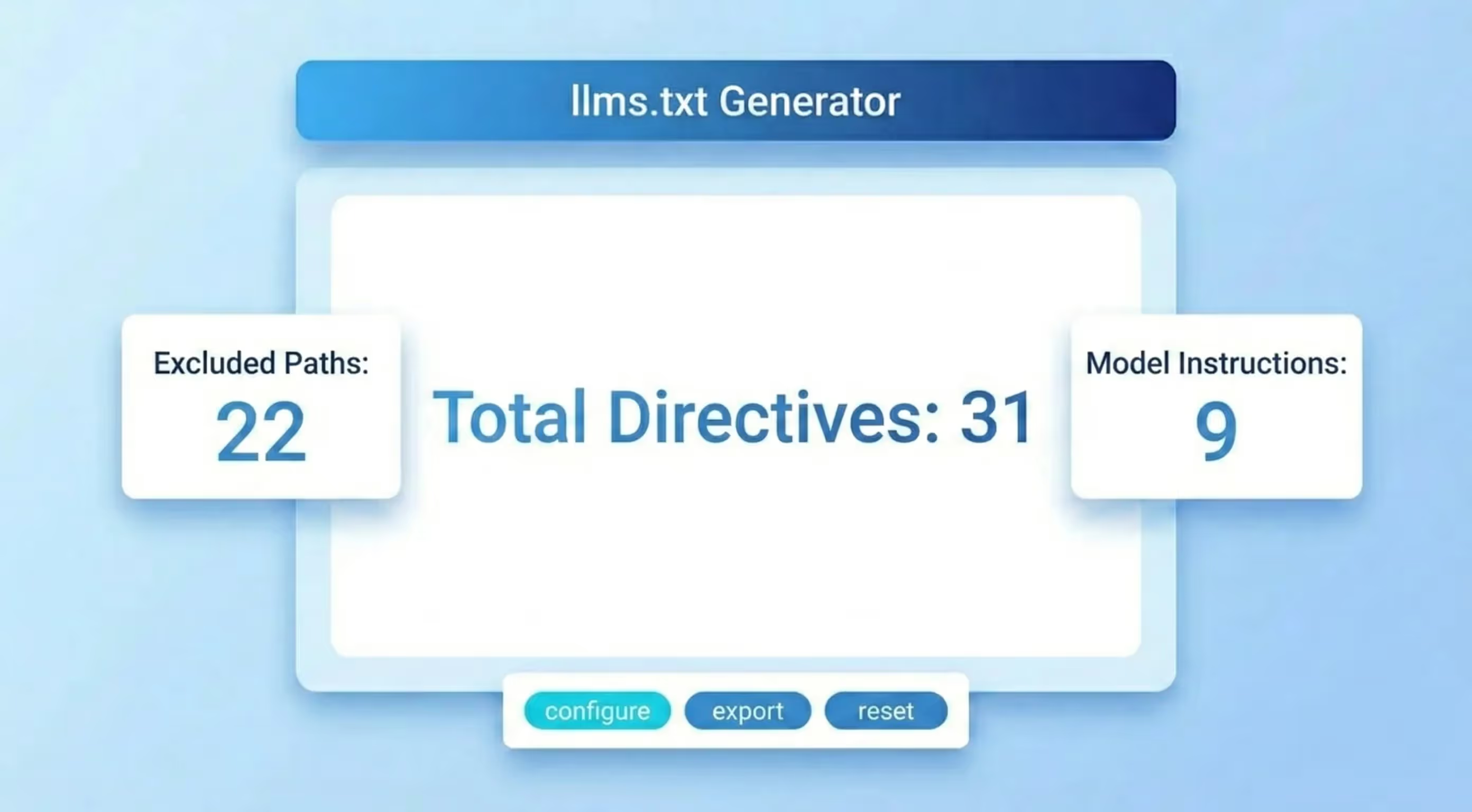
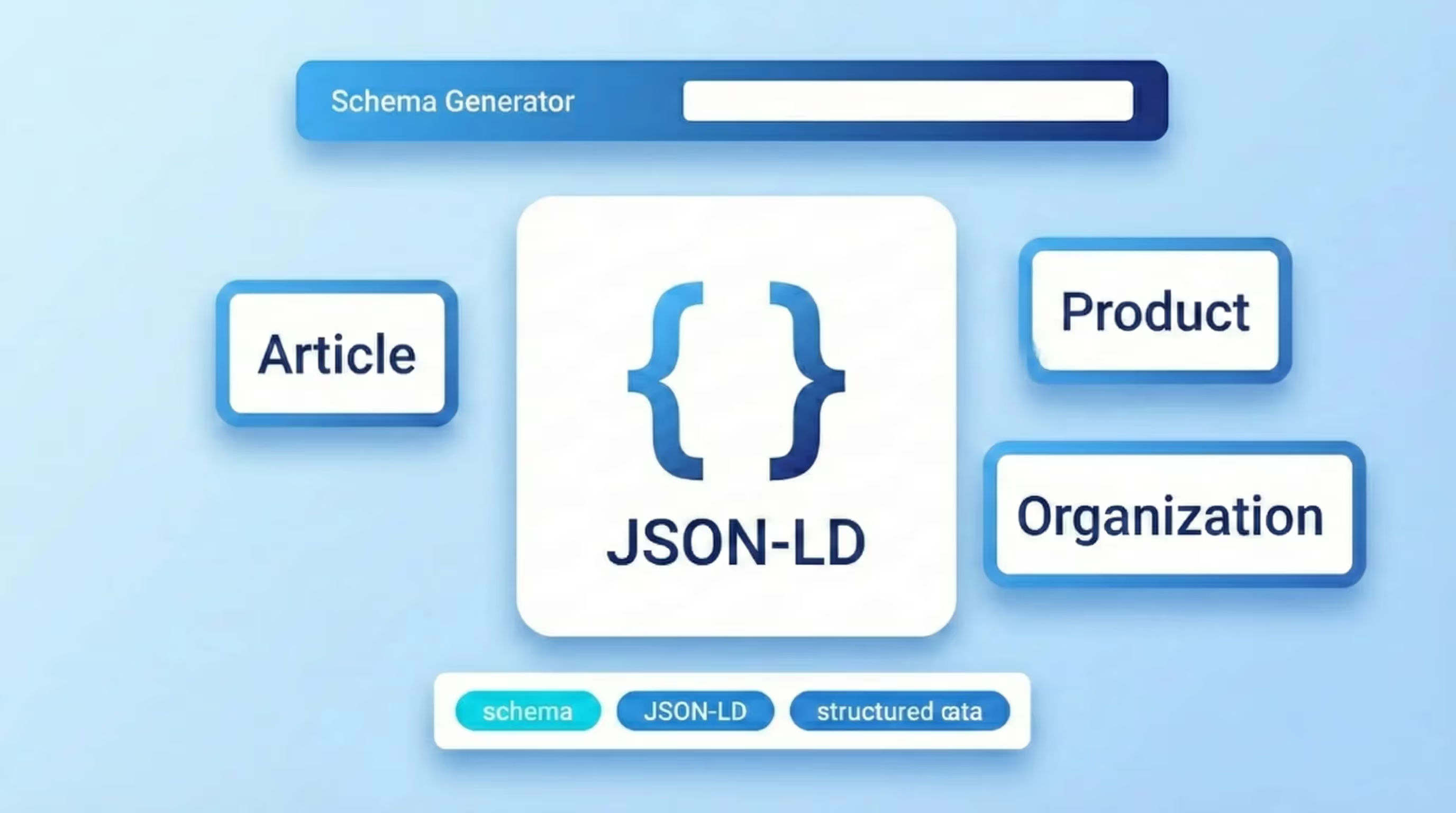
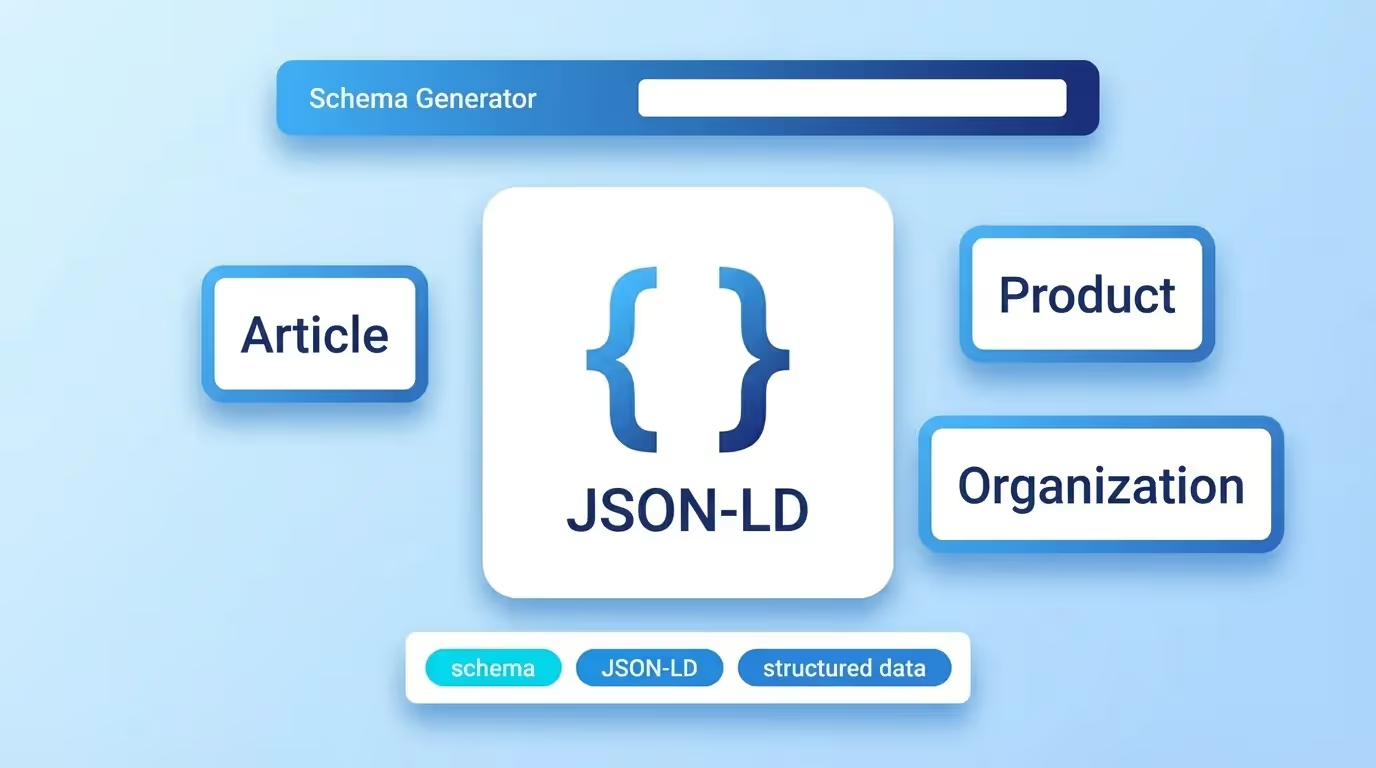
البيانات المنظّمة من أوضح الإشارات التي يمكنكم إرسالها إلى نموذج ذكاء اصطناعي عمّا تتضمنه صفحتكم، ومن أنشأها، وما الأسئلة التي تجيب عنها. فحين يكون ترميز schema.org مطبّقًا بشكل صحيح، تستطيع نماذج LLM استخراج المؤلف وتاريخ النشر وسعر المنتج وإجابات الأسئلة الشائعة وعلاقات الكيانات دون الاضطرار إلى استنتاجها من نص غير منظّم. وحين يكون غائبًا أو مشوّهًا أو يستخدم أنواعًا لا تعطيها نماذج الذكاء الاصطناعي أولوية، تصبح الصفحة أصعب بكثير على الاستشهاد بثقة. تحلّل الأداة أعلاه البيانات المنظّمة الموجودة في أي رابط تقدمونه، وتتحقق من مطابقتها لمواصفات schema.org، وتشير إلى المشكلات الأكثر ترجيحًا لخفض أدائكم في GEO.
أنواع Schema الأكثر أهمية لـ GEO
تفحص الأداة أعلاه أنواع Schema التالية وأثرها في GEO:
- Article وNewsArticle: تشير إلى أن الصفحة محتوى جوهري له مؤلف وتاريخ نشر. وهذان الحقلان وحدهما يرفعان بدرجة ملحوظة احتمال أن يعامل نموذج LLM الصفحة مصدرًا قابلًا للاستشهاد لا وثيقة ويب مجهولة.
- FAQPage: يتيح لنماذج LLM استخراج أزواج السؤال والجواب مباشرةً من الترميز دون تحليل بقية الصفحة. والصفحات التي تحمل ترميز FAQPage تظهر باستمرار في استشهادات إجابات الذكاء الاصطناعي على الاستعلامات المعلوماتية.
- Product وOffer: يمكّنان مساعدي التسوق بالذكاء الاصطناعي وخصائص مقارنة الأسعار من استخراج بيانات المنتج المنظّمة. وترميز Product الناقص أو الغائب من أبرز أسباب ضعف أداء صفحات التجارة الإلكترونية في البحث المدفوع بالذكاء الاصطناعي.
- Organization وPerson: يرسّخان هوية الكيان. وتستعين بهما نماذج LLM لتحديد الشركة أو الشخص الذي تعود إليه الصفحة، فتتحسن دقة الاستشهاد بالعلامة التجارية ويقل الخلط مع كيانات متشابهة الاسم.
- HowTo وItemList: يتيحان لنماذج الذكاء الاصطناعي عرض تعليمات خطوة بخطوة أو قوائم مرتبة مباشرةً في إجاباتها، فيرتفع احتمال ظهور محتواكم في الاستعلامات الإجرائية.
كيف تقرأون نتائج التدقيق وتتصرفون بناءً عليها
تصنّف الأداة أعلاه النتائج في ثلاثة مستويات خطورة. وإليكم كيفية التعامل مع كل مستوى:
- الأخطاء الحرجة: صياغة JSON-LD مشوّهة، أو خصائص مطلوبة غير صحيحة، أو إعلانات أنواع متعارضة. أصلحوها فورًا. فكتلة ترميز تحمل خطأ في الصياغة تتجاهلها محركات البحث ونماذج LLM بصمت.
- أنواع عالية القيمة مفقودة: الصفحة ستستفيد من ترميز إضافي غير موجود حاليًا. للصفحات المعلوماتية أضيفوا Article مع المؤلف والتاريخ. ولصفحات المنتجات أضيفوا Product مع الاسم والوصف وOffer. ولمحتوى الشروحات ضعوا الخطوات داخل HowTo.
- خصائص غير مكتملة: نوع الترميز موجود لكن حقولًا أساسية فارغة أو عامة. أضيفوا قيمًا محددة لكل خاصية موصى بها، خصوصًا datePublished وdateModified وauthor وdescription.
مرجعية حول البيانات المنظّمة واستشهادات الذكاء الاصطناعي
الصفحات التي تحمل ترميز Article وFAQPage كاملًا أرجح بكثير للاقتباس في AI Overviews وإجابات ChatGPT من صفحات مكافئة تعتمد على نص غير منظّم. وبما أن AI Overviews تظهر اليوم في نحو 31% من استعلامات Google، وأن الصفحات في المركز الأول خلف AI Overview قد تفقد ما يصل إلى 58% من النقرات المتوقعة (Ahrefs، 2025)، فإن الاستشهاد بكم داخل إجابة الذكاء الاصطناعي صار أثمن من الاحتفاظ بالترتيب الطبيعي أسفلها مباشرةً.
ولمتابعة مستمرة لتغطية الترميز لديكم وأداء الاستشهاد بكم لدى ChatGPT وPerplexity وGemini، يتتبّع Sorank ظهوركم في GEO تلقائيًا.












.webp)
.webp)










.svg)
.svg)