






הנתונים המובנים הם אחד האותות הברורים ביותר שאתם יכולים לשלוח למודל בינה מלאכותית לגבי מה שהדף שלכם מכיל, מי יצר אותו ועל אילו שאלות הוא עונה. כאשר תגיות schema.org מיושמות נכון, מודלי שפה יכולים לחלץ את המחבר, את תאריך הפרסום, את מחיר המוצר, את תשובות ה-FAQ ואת הקשרים בין הישויות בלי להסיק אותם מטקסט חופשי. כאשר הן חסרות, פגומות או משתמשות בסוגים שמודלי הבינה המלאכותית אינם נותנים להם עדיפות, הרבה יותר קשה לצטט את הדף בביטחון. הכלי שלמעלה מנתח את הנתונים המובנים הקיימים בכל כתובת שתספקו, מאמת אותם מול מפרטי schema.org ומסמן את הבעיות שעלולות לפגוע בביצועי ה-GEO שלכם.
אילו סוגי Schema חשובים ביותר ל-GEO
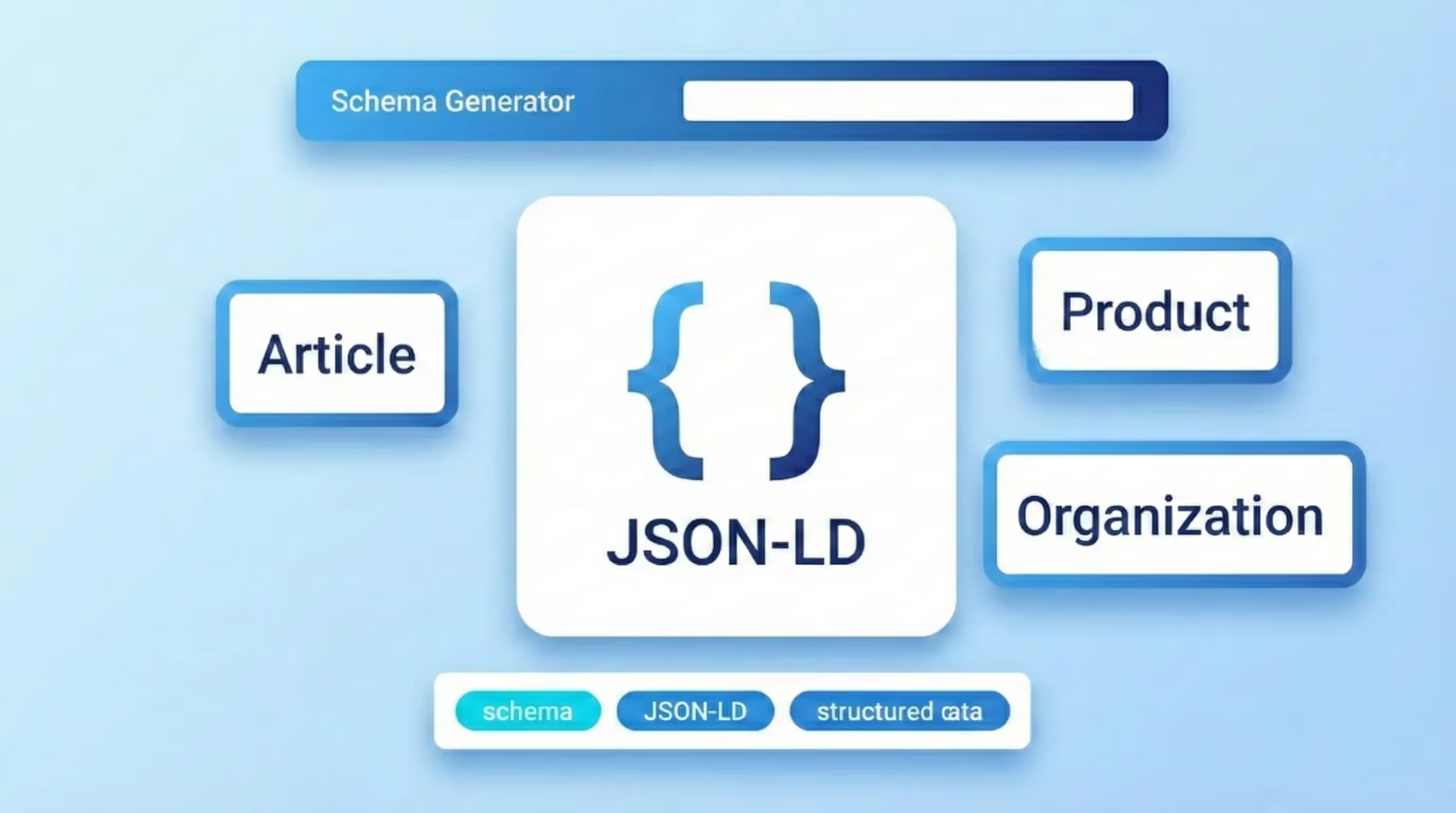
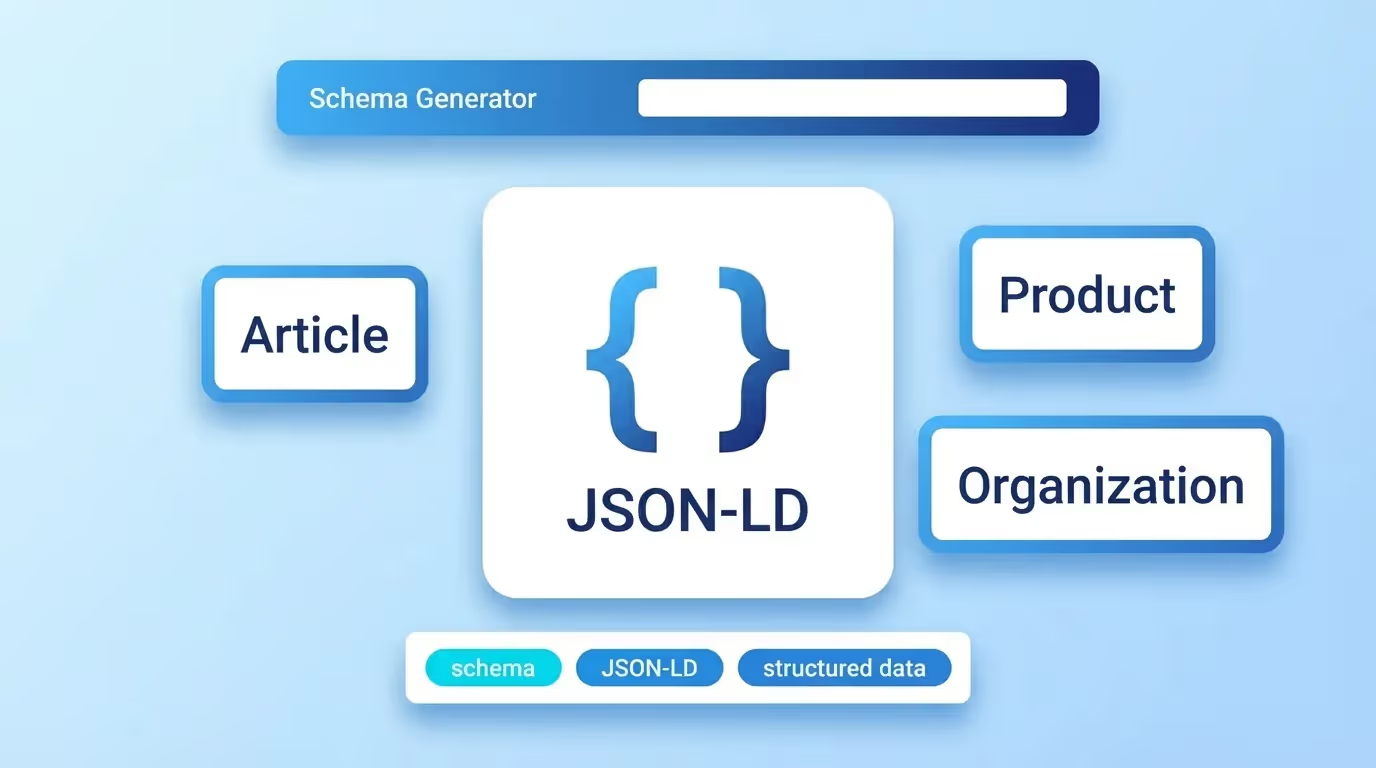
הכלי שלמעלה בודק את סוגי ה-Schema הבאים ואת ההשפעה שלהם על ה-GEO:
- Article ו-NewsArticle: מסמנים שהדף הוא תוכן מהותי שיש לו מחבר ותאריך פרסום. שני השדות האלה לבדם מגדילים משמעותית את הסיכוי שמודל שפה יתייחס לדף כמקור בר ציטוט ולא כמסמך אנונימי ברשת.
- FAQPage: מאפשר למודלי שפה לחלץ זוגות של שאלה ותשובה ישירות מהתגיות, בלי לנתח את שאר הדף. דפים עם Schema מסוג FAQPage מופיעים באופן עקבי בציטוטים של תשובות הבינה המלאכותית לשאילתות מידע.
- Product ו-Offer: מאפשרים לעוזרי הקנייה של הבינה המלאכותית ולמאפייני השוואת המחירים לחלץ נתוני מוצר מובנים. Schema חסר או חלקי מסוג Product הוא אחת הסיבות המרכזיות לכך שדפי מסחר אלקטרוני מתפקדים פחות טוב בחיפוש המונע בבינה מלאכותית.
- Organization ו-Person: מבססים את זהות הישות. מודלי שפה משתמשים בהם כדי לקבוע לאיזו חברה או לאיזה אדם שייך הדף, וכך משתפר דיוק הציטוט של המותג ופוחת הבלבול עם ישויות בעלות שם דומה.
- HowTo ו-ItemList: מאפשרים למודלי הבינה המלאכותית להציג הוראות שלב אחר שלב או רשימות מדורגות ישירות בתשובות שלהם, ומגדילים את הסיכוי שהתוכן שלכם יוצג בשאילתות של תהליכים.
איך לפרש את תוצאות הבדיקה ומה לעשות איתן
הכלי שלמעלה מקבץ את הממצאים בשלוש רמות חומרה. כך כדאי להגיב לכל אחת מהן:
- שגיאות קריטיות: תחביר JSON-LD פגום, מאפיינים נדרשים שגויים או הצהרות סוג סותרות. תקנו אותן מיד. בלוק Schema שיש בו שגיאת תחביר נדחה בשקט גם על ידי מנועי החיפוש וגם על ידי מודלי השפה.
- סוגים בעלי ערך גבוה שחסרים: הדף היה מרוויח מ-Schema נוסף שאינו קיים בו כרגע. בדפי מידע, הוסיפו Article עם מחבר ותאריך. בדפי מוצר, הוסיפו Product עם שם, תיאור ו-Offer. בתוכן מסוג מדריך, עטפו את השלבים ב-HowTo.
- מאפיינים חלקיים: סוג ה-Schema קיים אבל שדות מפתח ריקים או כלליים מדי. הזינו ערכים ספציפיים לכל מאפיין מומלץ, ובעיקר datePublished, dateModified, author ו-description.
נקודת ייחוס על נתונים מובנים וציטוטים של הבינה המלאכותית
דפים עם Schema שלם מסוג Article ו-FAQPage מצוטטים בסבירות גבוהה בהרבה ב-AI Overviews ובתשובות של ChatGPT מאשר דפים מקבילים שמסתמכים על טקסט חופשי בלבד. מאחר ש-AI Overviews מופיעים כיום בכ-31% משאילתות גוגל, ושדפים בעמדה הראשונה מתחת ל-AI Overview עלולים לאבד עד 58% מהקליקים הצפויים (Ahrefs, 2025), ציטוט בתוך תשובת הבינה המלאכותית הופך ליקר ערך יותר מהדירוג האורגני שנמצא מיד מתחתיה.
לניטור רציף של כיסוי ה-Schema שלכם ושל ביצועי הציטוט בבינה המלאכותית ב-ChatGPT, ב-Perplexity וב-Gemini, Sorank עוקב אחר נראות ה-GEO שלכם באופן אוטומטי.












.webp)
.webp)










.svg)
.svg)