



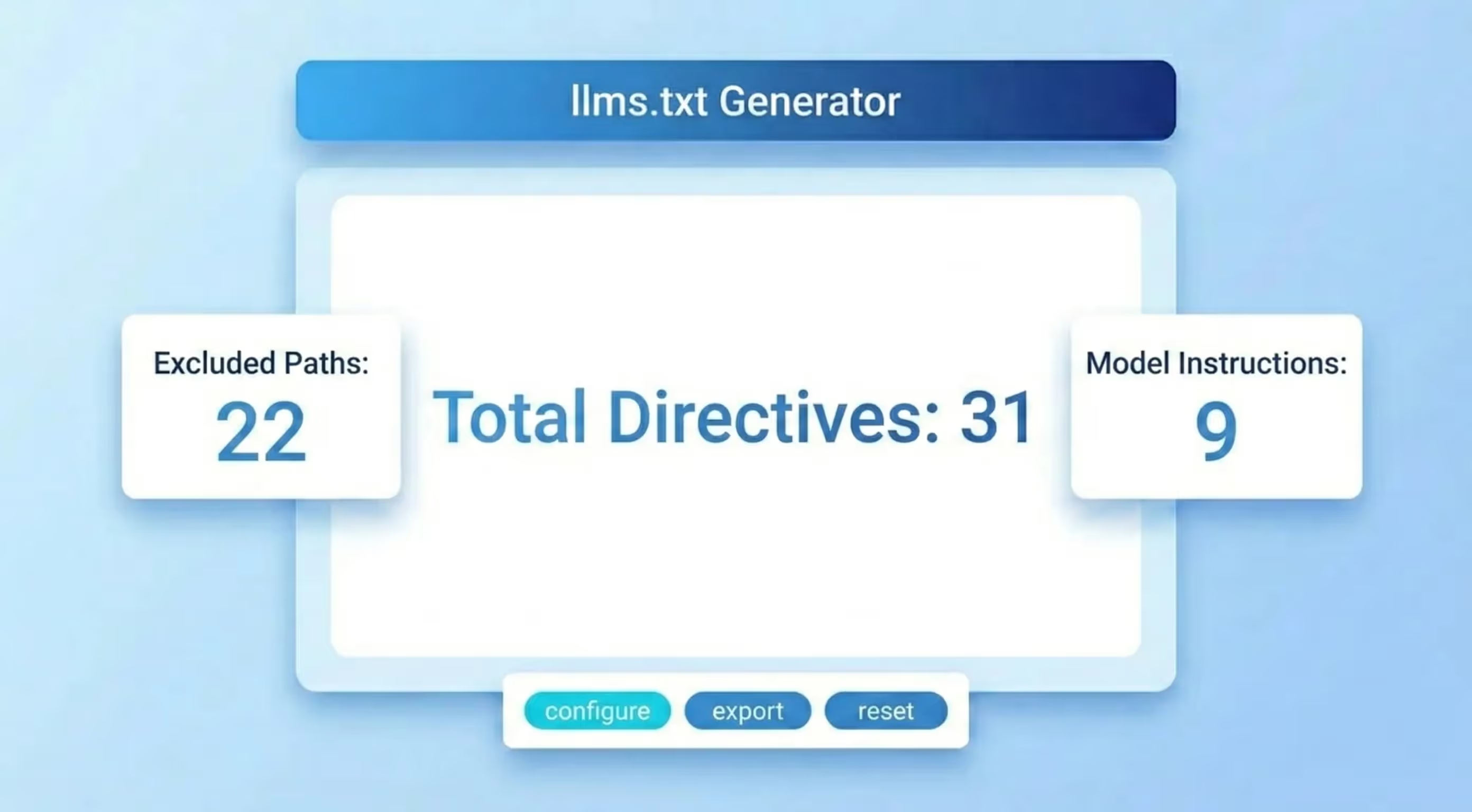
إنتاج محتوى عالي الجودة وجيد البنية لا ينفع GEO إلا إذا استطاعت زواحف الذكاء الاصطناعي الوصول إلى ذلك المحتوى ومعالجته فعلًا. فتوجيه واحد في غير موضعه داخل robots.txt، أو بنية تصيير تعتمد بكثافة على JavaScript، أو غياب ملف llms.txt، كلها قد تستبعد موقعكم بأكمله وبصمت من مسارات التدريب والاسترجاع لدى كل منصات الذكاء الاصطناعي الكبرى. تدقّق الأداة أعلاه نطاقًا تقدمونه وتتحقق مما إذا كانت زواحف الذكاء الاصطناعي الرئيسية، ومنها GPTBot وOAI-SearchBot وPerplexityBot وGoogle-Extended وClaudeBot، تستطيع الوصول إلى صفحاتكم ومعالجتها بشكل صحيح.
ما الذي يفحصه التدقيق
تقيّم الأداة أعلاه أربع فئات رئيسية لقابلية الزحف:
- توجيهات robots.txt: يقرأ التدقيق ملف robots.txt لديكم ويحدد وكلاء المستخدم لزواحف الذكاء الاصطناعي المحجوبين صراحةً، أو المحجوبين سهوًا بقواعد الأحرف البدل، أو الغائبين عن أي قائمة سماح. كما يتحقق من أن الملف نفسه متاح ومنسّق بشكل سليم ولا يتجاوز حد 500 كيلوبايت الذي تفرضه بعض الزواحف.
- وسم meta robots وترويسة X-Robots-Tag: لا يكفي أن يسمح robots.txt بالزحف إذا كانت صفحات بعينها تحمل وسم
noindexأوnoarchive، أو إذا كانت ترويسات استجابة الخادم تطلب من الروبوتات تخطي الصفحة. يفحص التدقيق المصدرين معًا. - الاعتماد على تصيير JavaScript: الصفحات التي تقدم محتواها الأساسي عبر JavaScript حصرًا تبقى غير مرئية للزواحف التي لا تنفّذ البرامج النصية. يكتشف التدقيق ما إذا كان المحتوى الرئيسي في صفحاتكم متاحًا في HTML الخام أم بعد التصيير من جهة العميل فقط.
- ملفات sitemap وllms.txt: ملف sitemap.xml جيد الصيانة يساعد زواحف الذكاء الاصطناعي على اكتشاف الصفحات بكفاءة. أما معيار llms.txt الأحدث، المبني على مثال robots.txt والمصمم خصيصًا لنماذج LLM، فيتيح لكم إعلان أقسام موقعكم الملائمة لاستهلاك الذكاء الاصطناعي وتلخيص محتواكم بصيغة تقرؤها الآلة. يتحقق التدقيق من وجود الملفين ومن سلامة تنسيقهما.
كيف تقرأون النتائج وتتصرفون بناءً عليها
تشير الأداة أعلاه إلى كل مشكلة بمستوى خطورة. وإليكم كيفية ترتيب أولويات المعالجة:
- زواحف ذكاء اصطناعي محجوبة في robots.txt: احذفوا التوجيه الذي يحجب وكيل المستخدم المعني أو ضيّقوا نطاقه. وإذا كنتم تحجبون كل زواحف الذكاء الاصطناعي عمدًا لأسباب ترخيصية، فتأكدوا من أن ذلك قرار سياسة مقصود لا حجبًا عارضًا بأحرف بدل موروثًا عن قالب نظام إدارة المحتوى.
- وسم noindex على صفحات أساسية: راجعوا كل صفحة مُشار إليها. فإذا كانت تتضمن محتوى قيّمًا تريدون الاستشهاد به، فاحذفوا توجيه noindex. وإذا كانت مستبعدة عن قصد، فتأكدوا من أن الحجب كان مقصودًا فعلًا لا توجيهًا من بيئة تجريبية بقي في مكانه بعد الإطلاق.
- محتوى لا يظهر إلا عبر JavaScript: طبّقوا التصيير من جهة الخادم (SSR) أو التوليد الساكن للموقع (SSG) للمحتوى الذي تريدون فهرسته لدى زواحف الذكاء الاصطناعي. وكحد أدنى، تأكدوا من توافر عناوين الصفحات والترويسات وأول 200 كلمة من المتن في HTML المُصيَّر من الخادم قبل تنفيذ JavaScript.
- ملف sitemap مفقود أو قديم: أنشئوا ملف sitemap.xml حديثًا يتضمن كل الروابط الأساسية، ويستبعد الصفحات المُعاد توجيهها أو الحاملة لوسم noindex، ويُشار إليه في robots.txt. وحدّثوه تلقائيًا كلما نُشر محتوى جديد.
- غياب ملف llms.txt: أنشئوا ملف llms.txt في جذر نطاقكم. وضمّنوه كحد أدنى وصفًا موجزًا لموقعكم، والمواضيع الرئيسية التي يغطيها، وروابط أهم صفحاتكم. هذه إشارة زهيدة الجهد يمكنها أن تحسّن بدرجة ملموسة طريقة تصنيف زواحف الذكاء الاصطناعي لموقعكم.
مرجعية حول وصول الذكاء الاصطناعي إلى الزحف
تظهر AI Overviews اليوم في نحو 31% من استعلامات Google، وتفقد الصفحات في المركز الأول خلف AI Overview ما يصل إلى 58% من النقرات المتوقعة (Ahrefs، 2025). والصفحات التي تلتقط تلك الزيارات المُزاحة هي الصفحات المستشهد بها داخل إجابة الذكاء الاصطناعي. وقابلية الزحف هي الشرط المسبق: فإن تعذّر على روبوت ذكاء اصطناعي الوصول إلى محتواكم، فلن يمنحكم أي قدر من التحسين داخل الصفحة استشهادًا. ولذلك يبقى إصلاح عوائق الزحف نقطة الانطلاق الأعلى مردودًا في أي استراتيجية GEO.
ولمتابعة مستمرة لقابلية الزحف لدى الذكاء الاصطناعي ولأداء الاستشهاد بكم عبر كل منصات الذكاء الاصطناعي الكبرى، يتتبّع Sorank ظهوركم في GEO وينبّهكم عند تغيّر الوصول.






.webp)
.webp)









.svg)
.svg)