





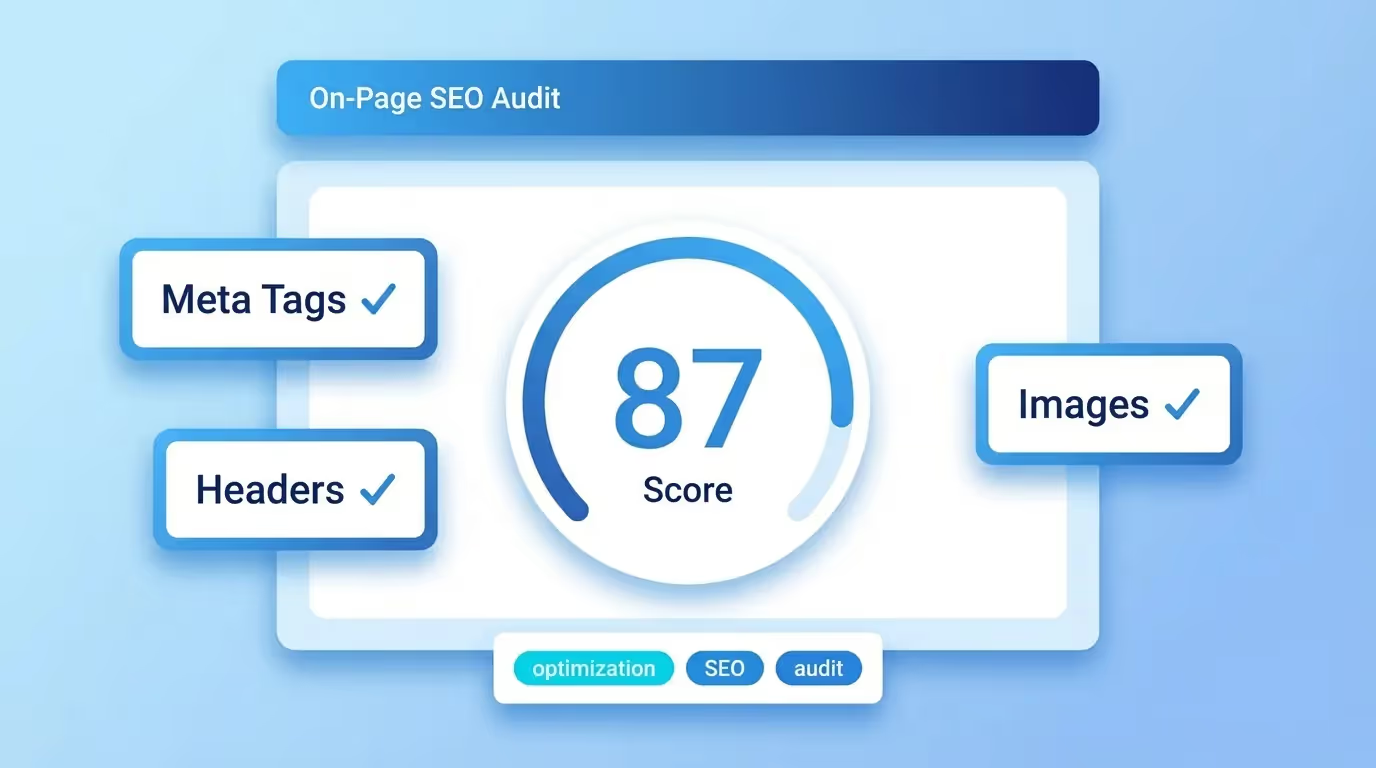
تحسين محركات الإجابة (AEO) هو ممارسة بناء محتواك بحيث تستطيع المحركات المدعومة بالذكاء الاصطناعي مثل ChatGPT وPerplexity ونظرات Google العامة استخراج إجابة مباشرة وموثوقة ونسبها إلى علامتك. تجري الأداة أعلاه تدقيقا استرشاديا لأي رابط ترسله، فتقيّم الصفحة عبر أبعاد AEO الأساسية وتعيد قائمة عمل مرتبة بالأولوية.
أدخل رابطك في الأداة أعلاه واستلم تدقيقك في ثوان.
ما يفحصه التدقيق
يقع AEO عند تقاطع SEO الكلاسيكي وتحسين المحركات التوليدية (GEO). وهو ليس مطابقا لأي منهما. فقد ترتّب صفحة جيدا في Google وتبقى غير مرئية لإجابات الذكاء الاصطناعي لأن المحتوى مدفون في نص متصل أو تنقصه الإشارات البنيوية التي تعتمد عليها النماذج اللغوية. يقيّم التدقيق أربع طبقات:
- AEO مقابل SEO مقابل GEO. يربط التدقيق كل نتيجة بفئتها حتى تعرف ما إذا كانت الفجوة تضر بترتيبك الكلاسيكي، أو بمعدل الاستشهاد بك في الذكاء الاصطناعي، أو بالاثنين معا.
- الإجابات المنظمة والأسئلة الشائعة. تفضّل النماذج اللغوية الصفحات التي تطرح سؤالا وتجيب عنه بإيجاز في الكتلة نفسها. يفحص التدقيق ترميز FAQ وأزواج السؤال والجواب الواضحة وتطابق العناوين مع الإجابات.
- الكيانات والوضوح. الكيانات المسمّاة (العلامة، المنتج، الموقع، الشخص) والجمل الوقائعية ببيانات منسوبة إشارات استشهاد قوية. يشير التدقيق إلى ترميز الكيانات الناقص وإلى المقاطع الغامضة التي لا يستطيع النموذج اللغوي اقتباسها بثقة.
- قائمة فحص التدقيق. تُعرض كل نتيجة كبند قابل للتنفيذ مع مستوى أثر مقدّر (مرتفع، متوسط، منخفض) حتى ترتّب جهدك.
كيف تقرأ النتائج وتتصرف
درجة AEO المنخفضة لا تعني أن محتواك رديء. فهي تعني عادة أن المعلومة موجودة لكنها غير معروضة بصيغة تقرأها الآلة. وإليك كيفية التعامل مع أشيع النتائج:
- أضف قسم أسئلة شائعة مخصصا بترميز FAQPage. غطِّ السؤالين أو الثلاثة التي يكتبها جمهورك فعلا في ChatGPT أو Perplexity.
- أعد كتابة ادعاءاتك الأساسية كجمل قصيرة مباشرة. وتجنّب الجمل الفرعية التي تجبر النموذج اللغوي على إعادة الصياغة بدل الاقتباس.
- رمّز كيانات مؤسستك ومنتجك ومؤلفيك بأنواع schema.org. فالكيانات التي لها مرجع في Wikipedia أو Wikidata تكسب ثقة أعلى من نماذج الذكاء الاصطناعي.
- ضع أهم إجابة في أول 100 كلمة من القسم، لا في نهايته.
- استخدم عناوين h2 وh3 واضحة تعكس صياغة أسئلة المستخدمين الحقيقية.
مرجع يستحق التذكّر
تظهر النظرات العامة من الذكاء الاصطناعي في Google اليوم في نحو 31% من الاستعلامات، والنتيجة في المركز الأول التي تظهر تحت نظرة عامة تفقد ما يصل إلى 58% من معدل النقر المتوقع (Ahrefs، 300K كلمة مفتاحية، ديسمبر 2025). لذلك فإن التحسين لمحركات الإجابة ليس تمرينا للمستقبل: إنه يحمي زياراتك اليوم بالفعل. والعلامات التي تكسب استشهادات في إجابات الذكاء الاصطناعي تستفيد أيضا من زوار بنية أعلى، بمعدلات تحويل تُقدّر بنحو 7% من الزيارات المحالة، أي نحو ثلاثة أضعاف متوسط SEO.
لتتبع تقدمك عبر الزمن ومراقبة حصة صوتك عبر ChatGPT وPerplexity وGemini، يوفر Sorank مراقبة مستمرة لـ GEO وAEO للوكالات والعلامات.












.webp)
.webp)







.svg)
.svg)