






Google Gemini משולב כיום ישירות בחיפוש של Google, והתשובות שלו מחליפות יותר ויותר תוצאות אורגניות מסורתיות בשאילתות מידע ובשאילתות טרנזקציוניות. אם המותג שלכם אינו מצוטט בתשובות Gemini, אתם מאבדים נראות ממש בראש עמוד התוצאות, לפני שנצפה קישור כחול כלשהו. הכלי שלמעלה בודק את נוכחות הדומיין שלכם בתשובות Gemini וחושף את הגורמים שקובעים אם המותג שלכם נבחר כמקור.
הזינו את הדומיין או את שם המותג שלכם בשדה שלמעלה כדי להריץ את הבדיקה.
איך Gemini בוחר ומצטט מקורות
בניגוד למודלים גנרטיביים טהורים שנשענים רק על נתוני אימון, Gemini שואב במידה רבה מהאינדקס החי של Google. זה יוצר קשר ישיר בין סמכות SEO מסורתית לבין הסתברות הציטוט ב-AI. גורמי הבחירה העיקריים הם:
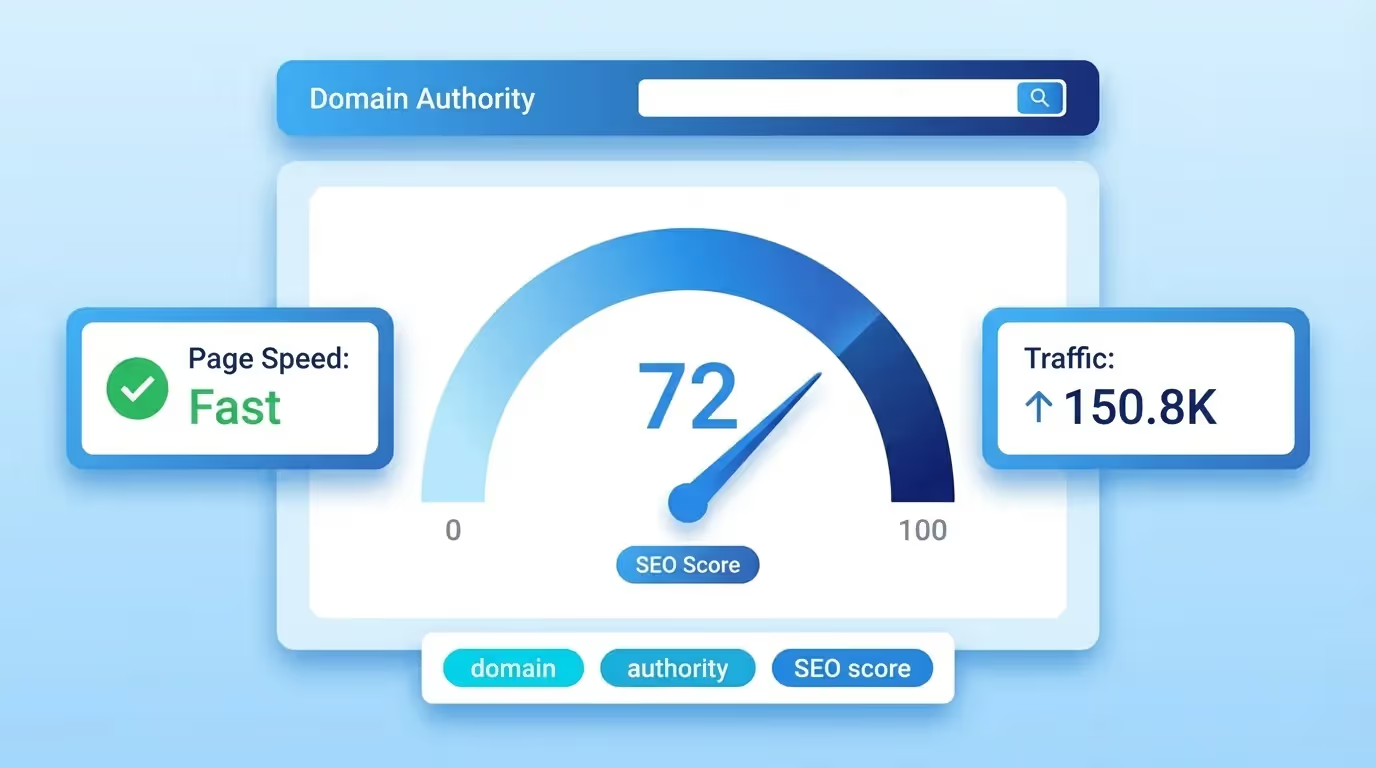
- סמכות באינדקס של Google. Gemini נוטה לצטט עמודים שכבר מדורגים היטב בחיפוש האורגני. Domain Rating, סמכות נושאית ורעננות, כולם מזינים את בחירת המקורות שלו. אתר שמצליח ב-SEO קלאסי מתחיל עם יתרון מבני לנראות ב-Gemini.
- אותות E-E-A-T. ניסיון, מומחיות, סמכותיות ואמינות מוטמעים בהנחיות האיכות של Google ועוברים ישירות ל-Gemini. ביוגרפיות מחברים, אישורים, פרופילים חברתיים מקושרים וציטוטים ממדיה אמינה, כולם מחזקים את ה-E-E-A-T.
- תוכן מובנה ומוכן לתשובה. Gemini מעדיף תוכן שקל לחלץ ממנו: הצהרות עובדתיות קצרות, כותרות ברורות (H2, H3), מקטעי שאלות נפוצות וסיכומים תמציתיים בראש העמודים. פרוזה צפופה ולא מובנית קשה יותר ל-Gemini לפרסר ולצטט במדויק.
- נוכחות בגרף הידע. מותגים שמופיעים בגרף הידע של Google, בדרך כלל דרך עמוד ויקיפדיה, פרופיל עסקי ב-Google או נתונים מובנים עם המאפיינים Organization ו-SameAs, נוטים הרבה יותר להיות מצוטטים כישויות מאומתות בתשובות Gemini.
איך לפרש את התוצאות ולשפר את הנוכחות שלכם ב-Gemini
הכלי שלמעלה מחזיר הערכת נראות עם פערים ספציפיים. כך פועלים על הממצאים הנפוצים ביותר:
- המותג אינו מזוהה כישות. צרו או עדכנו פרופיל עסקי ב-Google. הוסיפו סכמת Organization לעמוד הבית שלכם עם שם המותג הרשמי, לוגו, שנת הקמה וכתובות הפרופילים החברתיים. בקשו עמוד ויקיפדיה אם המותג שלכם עומד בקריטריוני הבולטות.
- סמכות עמוד נמוכה בנושאי היעד. זהו את שלוש עד חמש השאילתות שבהן אתם רוצים ש-Gemini יצטט אתכם. בנו עמודים סמכותיים או שפרו קיימים עם מחקר מקורי, ציטוטי מומחים וכותרות מובנות וברורות.
- E-E-A-T דל. הוסיפו פרופילי מחברים מפורטים לפוסטים בבלוג ולמדריכים. השיגו סיקור מפרסומים ענפיים מוכרים. כל אזכור חיצוני מסמן ל-Google שהמותג שלכם הוא סמכות מוכרת.
- אין פורמט תשובה שיחתי. שכתבו את פסקת הפתיחה של עמודי המפתח כתשובה ישירה לשאלה הסבירה של המשתמש. Gemini לוקח לעיתים קרובות מסגור תמציתי כזה מילה במילה לתוך התשובות שלו.
נקודת ייחוס להקשר
AI Overviews, הפורמט של Google שקרוב מאוד לתשובות Gemini, הופיעו בכ-31% מהשאילתות במאי 2025. במקביל, עמוד שמדורג ראשון מתחת ל-AI Overview עלול לאבד עד 58% מהקליקים הרגילים שלו (Ahrefs, 300000 מילות מפתח, דצמבר 2025). המשמעות היא שהתחרות האמיתית השתנתה: ציטוט בתוך תשובת Gemini שווה כיום יותר מדירוג ראשון מתחתיה.
למעקב רציף אחר הנראות שלכם ב-Gemini לצד ChatGPT ו-Perplexity, Sorank מנטר ציטוטי AI באופן אוטומטי בכל המנועים המרכזיים.












.webp)
.webp)








.svg)
.svg)