
Preferences
Privacy is important to us, so you have the option of disabling certain types of storage that may not be necessary for the basic functioning of the website. Blocking categories may impact your experience on the website. More information
Privacy is important to us, so you have the option of disabling certain types of storage that may not be necessary for the basic functioning of the website. Blocking categories may impact your experience on the website. More information

A PR agency earns press coverage, protects your reputation and handles crises. Learn what it does, how it differs from marketing and when to hire one.








Founder Sorank, 7+ years in SEO.
Summary
A PR agency is a firm that manages how an organization is seen by the media, customers, investors and the public. It earns press coverage, protects reputation, handles crisis communication and shapes key messages, working on a retainer or per project for companies that lack the in-house time, contacts or skills.
Want to go further? Ask
A PR agency (public relations agency, also called a PR firm) is an outside team you hire to get your story told by people other than you: journalists, podcasters, analysts, creators and, more and more, the AI assistants that summarize what those sources say. Advertising buys space. A PR agency earns it. That difference shapes everything the agency does, how you pay it and how you should judge its results.
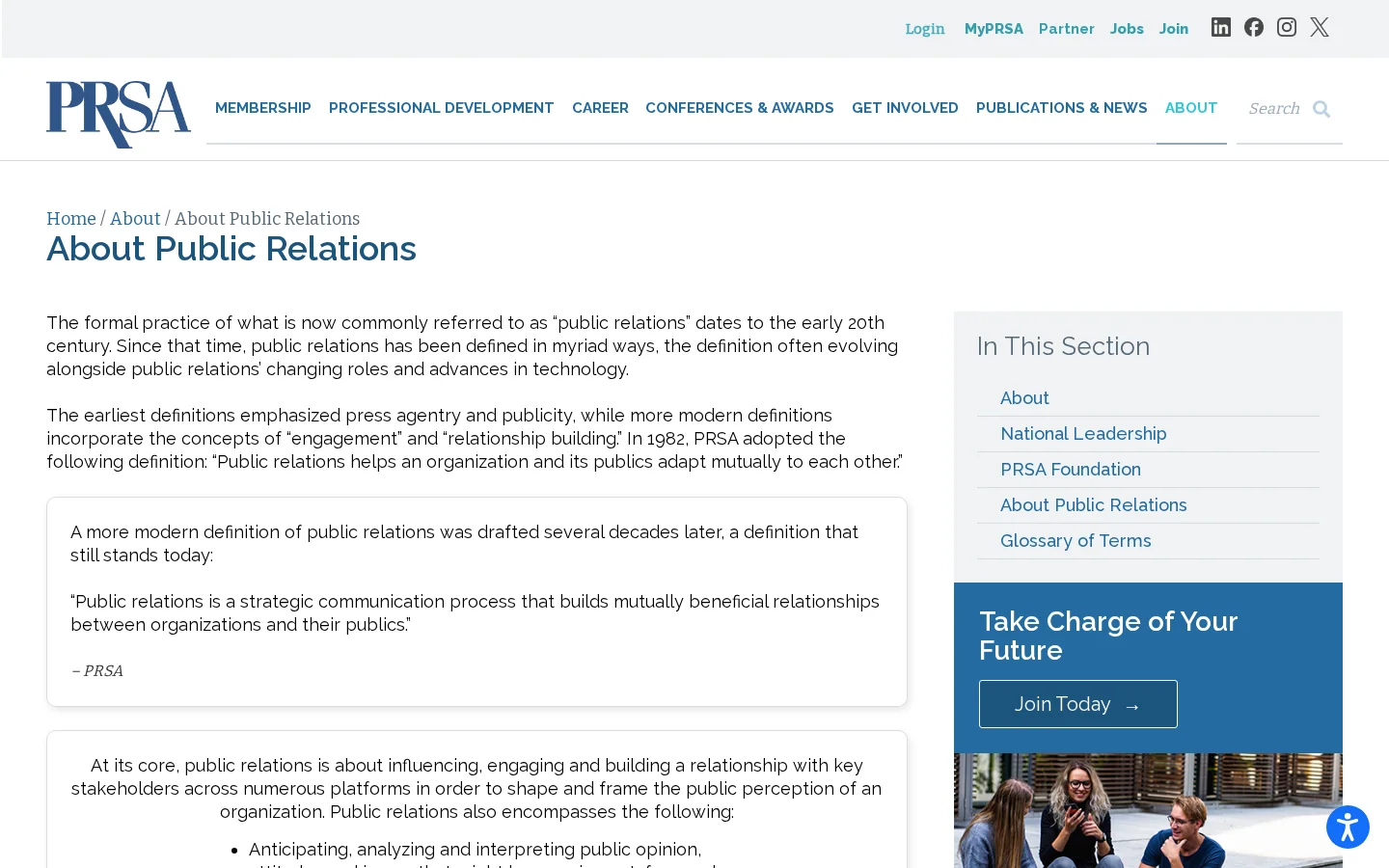
The Public Relations Society of America defines the discipline as "a strategic communication process that builds mutually beneficial relationships between organizations and their publics". A PR agency sells that process as a service, with a team of account managers, writers and media specialists who already know the reporters in your sector.
A PR agency plans and runs the communication that earns you attention you did not pay for, then protects that attention when something goes wrong. Most agencies offer the same core services, even if each one has its specialties:
The US Bureau of Labor Statistics sums up the job of the people doing this work: public relations specialists "create and maintain a positive public image" for their clients, write press releases, respond to media requests and monitor social media. The same source counts 314500 PR specialist jobs in the US in 2025, 12% of them in advertising, public relations and related services firms, which is where agencies sit.
PR earns attention through third parties, while marketing pays for or owns the channels that carry the message. Marketing controls the ad, the landing page and the email. PR convinces a journalist or an expert to talk about you, so you never fully control the final words, but readers trust them more.
| Criterion | PR agency | Marketing or ad agency |
|---|---|---|
| Main channel | Earned media: articles, interviews, mentions | Paid and owned media: ads, website, email, social |
| Control over the message | Partial: the journalist writes the story | Full: you approve every word |
| Main goal | Credibility, reputation, trust | Leads, sales, conversions |
| Typical measure | Coverage, reach, sentiment, share of voice | Clicks, cost per lead, revenue |
| Time to results | Weeks to months, hard to predict | Immediate once the budget is spent |
The two overlap more every year. Many PR agencies now sell content and social media, and many marketing agencies sell digital PR. What matters is the core skill you need: relationships with journalists, or the ability to buy and convert traffic.
PR agencies differ by size and by specialty, and the right type depends on your audience more than on the agency's fame.
Most PR agencies charge a monthly retainer, and the rest work per project or, more rarely, per placement. Each model changes the agency's incentives:
Tip
Ask for the hours and the names behind the retainer. A senior partner who pitches you and a junior who runs the account is the most common source of disappointment.
You should hire a PR agency when you have real news to share and lack the contacts or time to get it covered. Clear signs that the timing is right:
An agency is the wrong choice when you have nothing new to say, no budget for at least a few months, or a product that is not ready. No agency can make a weak story newsworthy, and coverage of a product that disappoints only speeds up the bad reviews.
Choose the agency that has already placed stories in the outlets your customers read, not the one with the best pitch deck. Before you sign, check these points:
If you are comparing agencies in France, our ranking of the best PR and media relations agencies in France lists them by specialty.
A PR agency helps SEO when its coverage produces editorial links and brand mentions on trusted sites. An article on a national news site that links to your study is one of the strongest backlinks you can get, and repeated coverage supports the trust signals described in Google's E-E-A-T quality framework.
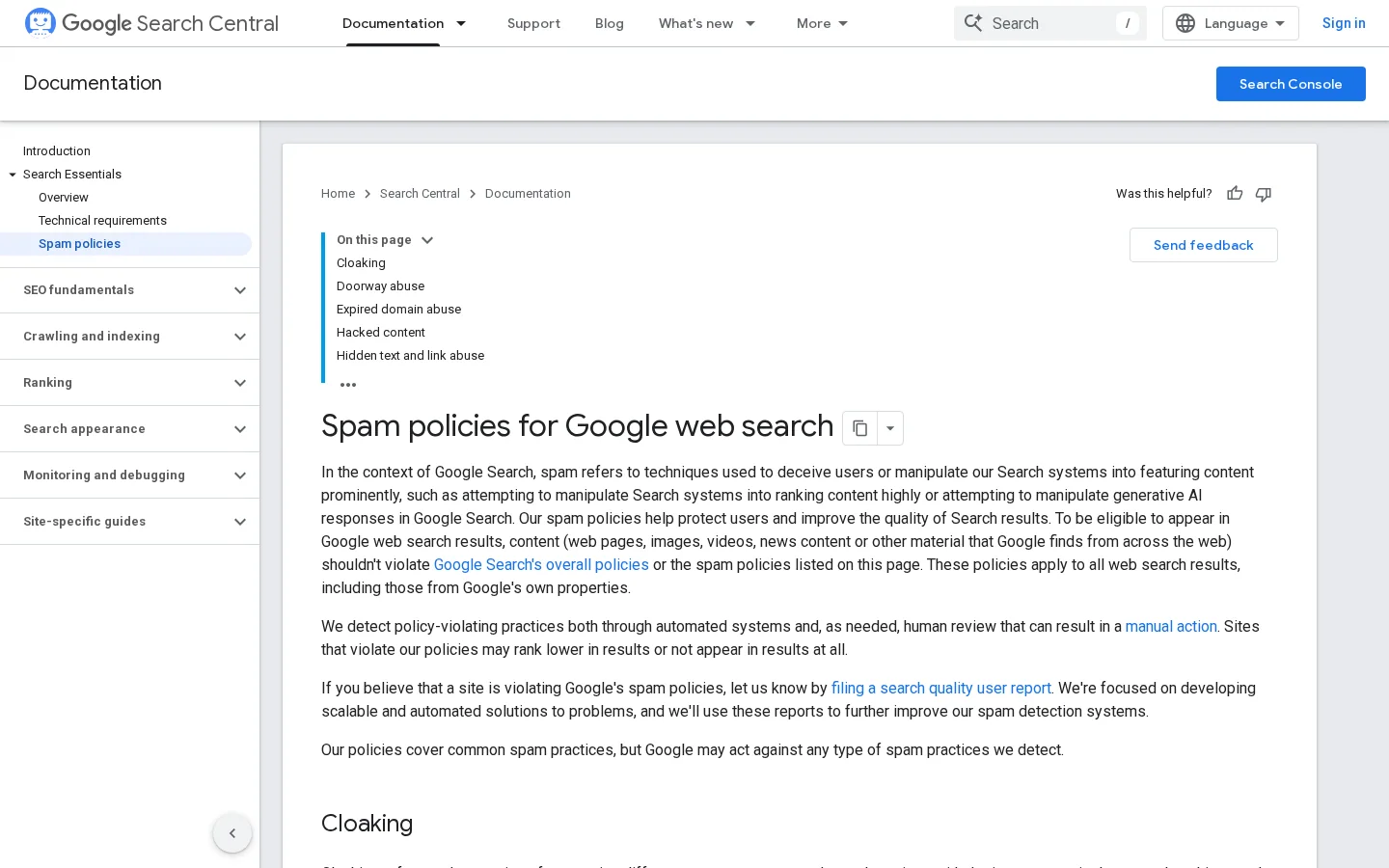
The limit is the press release itself. Google's spam policies list "links with optimized anchor text in articles, guest posts, or press releases distributed on other sites" as link spam. The value comes from journalists who choose to cite you, not from the release copied on wire sites. The article on what a press release can and cannot do for your rankings details the difference.
When an agency buys sponsored articles for you, Google asks for the link to be marked as a paid placement with the sponsored value:
<a rel="sponsored" href="https://www.example.com/study">retail pricing study</a>Most failed PR contracts come from the same few mistakes, and each one is visible early if you know where to look.
A PR agency matters for SEO and GEO because search engines and AI assistants both lean on what trusted third parties say about you. On Google, editorial links and mentions build authority. In ChatGPT, Gemini and Claude, the brands named in answers are often the ones that news sites, trade media and reviews already describe. Good PR feeds both, which is why generative engine optimization and PR now share the same targets.
To check whether coverage actually changes AI answers, Sorank's AI mention tracking shows when ChatGPT, Gemini and Claude cite your brand, so you can compare before and after a PR campaign.
A PR agency earns you coverage, protects your reputation and speaks for you in a crisis. It is worth hiring when you have real news and need contacts you do not have. Judge it on relevant placements, editorial links and how your brand shows up in search and AI answers, not on the number of mentions in a report. If you run an agency yourself, see how Sorank works for PR firms.
Sources
A PR agency earns attention through third parties such as journalists, experts and creators, so you do not control the final words. A marketing agency pays for or owns the channels (ads, website, email) and controls the message. PR mainly builds credibility, while marketing mainly drives leads and sales.
It is worth it when you have real news to share, such as a launch, a study or an expansion, and no contacts in the press. A boutique agency or a freelance consultant on a short project is often the better fit for a small budget. Without newsworthy stories, the money is better spent elsewhere.
Yes, when its coverage produces editorial links and brand mentions on trusted sites. Google treats links with optimized anchor text in distributed press releases as link spam, so the value comes from journalists who choose to cite you. Those same articles also help AI assistants name your brand.
 “I tested Sorank on a real client site and it's insane. It does everything an agency would bill you $1500 a month for. It's going into production on that client now.”

 Guillaume Guersanguersanguillaume.com“We are an Ads agency and we wanted to get our SEO back on track once and for all. Sorank gave us a clear view of our site, helped us prioritize optimizations, and properly structure our content. The tool is easy to use, well designed for a team, and very practical for centralizing tracking without having to juggle multiple platforms. A very solid foundation to start fresh with our SEO.”
 Gaspard MadouiAds Agency
 “I just let the Sorank software do its thing, and now my DR is 25 and my page is ranking higher.”
 Lucas Flandrefoundertrace.fr“I specialized in GEO thanks to Sorank. The GEO Leaderboard allows me to show my clients their position vs competitors on ChatGPT. It’s a real commercial differentiator.”
 MélanieSEO Freelance“Great service, works well for our website and helps us understand how to improve it to rank better on Google and elsewhere. Congrats, keep going, I recommend it.”
 Hugo T.E-commerce merchant



















