
Preferences
Privacy is important to us, so you have the option of disabling certain types of storage that may not be necessary for the basic functioning of the website. Blocking categories may impact your experience on the website. More information

Privacy is important to us, so you have the option of disabling certain types of storage that may not be necessary for the basic functioning of the website. Blocking categories may impact your experience on the website. More information
Learn what backlinks are, why they're crucial for SEO rankings, and how to build a strong backlink profile ethically.
.webp)
.webp)




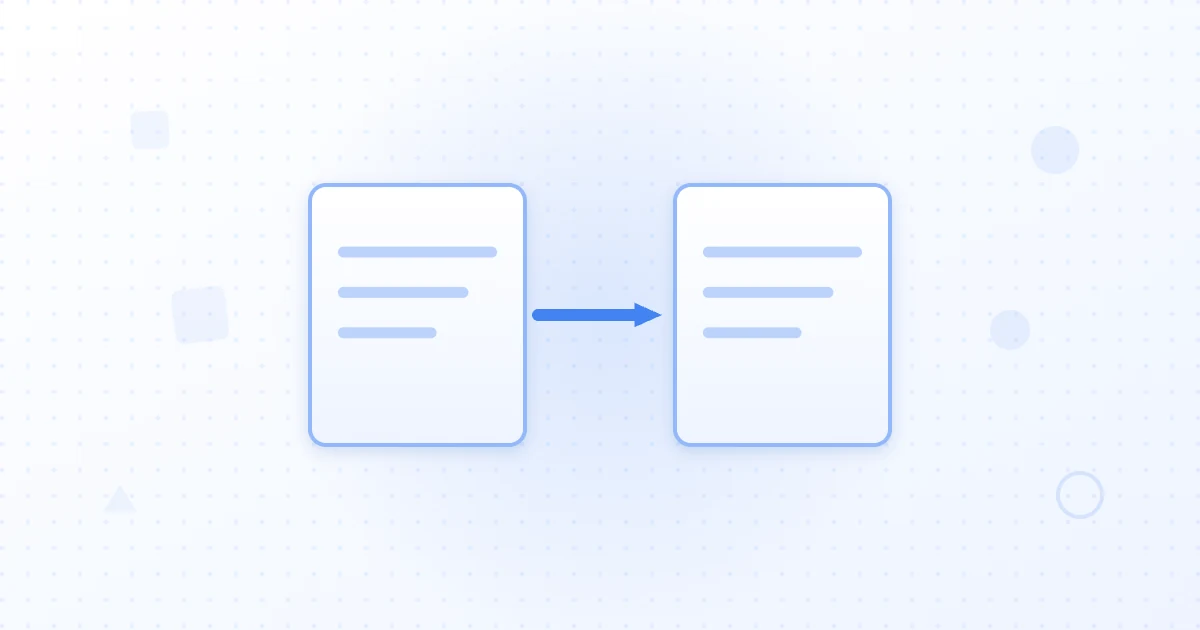

A backlink is simply a link from one website to another website. In SEO, backlinks are called "inbound links" or "incoming links" because they point toward your site. They are one of the three most important ranking factors (along with content quality and page experience) because they represent trust and authority. When a reputable website links to your content, Google interprets that as a vote of confidence, signaling that your content is credible and valuable.
In 2026, backlinks remain critical, but the strategy has evolved. Simply accumulating links from any source no longer works. Topical relevance, link context, and anchor text matter more than pure link volume. Additionally, AI search engines like ChatGPT and Perplexity now also value backlinks as signals of authority when deciding which sources to cite. Building a strong, ethical backlink profile is not optional; it's foundational to both traditional SEO and modern GEO (AI citation) success.
Google's documentation explains that backlinks act as signals of authority and relevance. When Google crawls the web, it follows links to discover and index pages. More importantly, links from high-authority pages signal to Google that a page is important and trustworthy.
Think of backlinks as citations in academic research. A research paper cited 50 times is more influential than a paper cited twice. Similarly, pages linked to by many high-authority sites become more influential in Google's algorithm. The process builds over time. As your backlink profile strengthens, your domain authority increases, making it easier to rank not just for the specific page linked to, but for all content on your domain.
Domain authority (DA) is a metric (1-100) that estimates a website's overall ranking potential based on its backlink profile. Higher DA sites can rank more easily for competitive keywords. Sites with 20+ DA can outrank sites with 40+ DA on less competitive keywords, but all else equal, higher DA wins. Link equity is the "value" transferred through a backlink. Links from high-DA sites transfer more equity.
When a high-authority site links to you, that link equity flows to your domain, boosting your authority. Internal links distribute this equity within your site. A link from a page with high authority to a page on your site gives that target page a boost. This is why internal linking strategy matters and why you should link your pillar content (main pages) to important target pages.
Ten quality links from authoritative sites beat 1,000 links from low-quality or irrelevant sites. Quality backlinks are defined by several factors: the authority of the linking site, topical relevance (is the linking site in your industry?), link placement (is the link in the main content or hidden in a footer?), and anchor text (does the link text describe your page?).
A link from the New York Times pointing to your fitness content is valuable. A link from a random spam directory pointing to your fitness content is worthless or harmful. A link in the body of an article is natural and valuable. A link in a sidebar or footer is weaker. Natural-looking links that flow with the text are stronger than forced links that feel out of place. Google's algorithms detect these quality signals automatically.
The text of a link (called "anchor text") tells Google what the linked page is about. A link with anchor text "best SEO tools" suggests the linked page is about SEO tools. A link with anchor text "click here" tells Google nothing about the page. Diverse, natural anchor text is healthiest. Too much exact-match anchor text (using your exact target keyword repeatedly) can look manipulative and trigger penalties.
Aim for a mix: branded anchor text ("Sorank"), generic anchor text ("this article"), and relevant keyword anchor text ("on-page SEO tips"). The context surrounding a link also matters. A link placed in a relevant article about SEO is more valuable than the same link in an unrelated, random post. Google's algorithms understand context and detect whether a link looks natural or forced. Build links by creating content that deserves to be linked in natural contexts, and outreach will follow naturally.
Earned links are links you didn't ask for. Someone found your content valuable and linked to it naturally. These are the most powerful links. Requested links come from outreach: you ask a website if they'd link to your content. These are still valuable if the link is topically relevant and placed naturally. Built links are links you create through guest posting, broken link building, or resource page submissions.
Avoid purchased links and link schemes. Google's guidelines prohibit buying links or participating in link exchanges for ranking purposes. These practices violate Google's Webmaster Guidelines and can result in penalties or deindexing. The safest approach is to build links by creating exceptional content and asking for links from relevant, high-authority sites. Google's guidance on link schemes explains what tactics are prohibited.
The easiest way to earn backlinks is to create content so valuable that people want to link to it. This could be original research and data, tools and resources, comprehensive guides, case studies, or interviews with industry experts. Lighthouse performance audits and detailed technical content attract links from developers and agencies who use them to inform their own work.
Make your content link-worthy by including specific examples, data, or insights competitors don't have. Create something people want to reference. Write the definitive guide on a topic. Publish original research. Create a tool others can use. When you do, journalists, bloggers, and other websites will naturally link to it. Document your content creation process on social media and share it with your industry to prompt mentions and backlinks. Over time, this consistent creation of link-worthy content builds an organic backlink profile that compounds in value.
Create a list of websites, blogs, and journalists in your industry. Look at where your competitors get links from. Follow industry leaders on social media. When you publish new content, reach out to relevant people and ask if they'd be interested in linking or mentioning your content. Personalize your outreach. Don't spam generic "we have great content" emails. Read their recent articles, understand what they care about, and explain why your content is relevant to their audience.
Guest posting is another link building tactic. Write an article for another publication, and typically they'll allow you to include a link back to your site. The link quality depends on the domain authority of the host site and relevance. A guest post on an authority site in your industry is valuable. A post on a low-quality, irrelevant site is worthless. Broken link building involves finding broken links on other sites and offering your content as a replacement. This is ethical because you're helping them fix a problem.
Regularly audit your backlink profile to understand which sites link to you, what anchor text they use, and whether those links are helping or hurting. Look for spammy links (links from irrelevant low-quality sites) that might hurt your domain authority. If you find toxic links, disavow them through Google Search Console so they don't count against you. Monthly monitoring ensures you catch problems early and opportunities quickly.
Google Search Console shows a list of external sites linking to you. Use this free data to identify your top linking domains and understand what content attracts links. Monitor your backlink count over time. Steady growth in quality backlinks should correlate with improved rankings and organic traffic.
AI systems like ChatGPT and Perplexity cite sources when answering questions. The sources they cite tend to be authoritative, well-linked sites because backlinks are a proxy for trustworthiness. Building a strong backlink profile not only helps you rank in Google but also increases the likelihood that AI systems will cite you as a source. This means backlinks now drive traffic through multiple channels: Google organic results and AI engine citations. Research on information retrieval in AI systems shows that content quality and citation frequency correlate strongly, reinforcing the value of backlinks in the AI era.
Backlinks remain one of the most powerful SEO ranking factors because they signal authority and trustworthiness to search engines. Quality backlinks from topically relevant, high-authority sites are far more valuable than quantity. The ethical way to build backlinks is to create content so valuable that people naturally want to link to it, then reach out to relevant websites and ask for links. Over time, a strong backlink profile compounds your domain authority, making it easier to rank for all your content.
Start by creating linkable content, then build outreach campaigns to get that content in front of journalists and webmasters in your industry. Track your backlink growth and quality with free tools like Google Search Console. For a comprehensive view of your backlink profile and AI mention tracking, check out Sorank's backlink and mention tracking tools.

Backlinks are one of the top three ranking factors because they represent third-party endorsement. When a high-authority website links to your page, it signals to Google that your content is trustworthy and valuable. A link from authoritative site is like a vote of confidence. The more votes you have from high-authority sites, the higher your domain authority and the better you rank for competitive keywords.
No. A link from a high-authority, topically relevant site is much more valuable than a link from a new, low-authority, unrelated site. A link from a site in your industry (topical relevance) is stronger than a link from a random site. A link in the body of an article (natural, contextual) is stronger than a link in a footer or sidebar. Quality beats quantity every time.
Build backlinks by creating content so valuable that people naturally want to link to it. This could be original research, tools, expert guides, or newsworthy content. Reach out to relevant websites, journalists, and bloggers and ask if they'd be interested in linking. Guest posting on authoritative sites is another ethical way to build links. Avoid link schemes, paid links (which violate Google's guidelines), and reciprocal link exchanges.











.svg)
.svg)