Preferences
Privacy is important to us, so you have the option of disabling certain types of storage that may not be necessary for the basic functioning of the website. Blocking categories may impact your experience on the website. More information

Privacy is important to us, so you have the option of disabling certain types of storage that may not be necessary for the basic functioning of the website. Blocking categories may impact your experience on the website. More information

Search Experience Optimization (SXO) blends SEO, UX, and conversion optimization to satisfy users after the click. Learn how SXO works.








Search Experience Optimization, or SXO, is the process of combining SEO with user satisfaction to improve a domain's organic visibility and its results. It is the evolution of SEO into a more user-centric, holistic approach that merges the technical foundation of search optimization with the human-centered discipline of user experience. Where classic SEO works to find the user, SXO works to satisfy the user after the click.
This matters because search engines increasingly judge pages by what happens after someone arrives. A page can rank well yet fail if it loads slowly, frustrates the visitor, or does not answer the query, and those failures feed back into rankings. SXO treats the post-click experience as a ranking factor in its own right, which makes it central to both modern SEO and conversion.
SXO enhances the user journey after a search click, improving usability, matching content to user intent, and encouraging actions like signups or purchases. According to SEOptimer, it combines SEO tactics, user experience principles, and conversion focus into one strategy that delivers what users need while satisfying search engines and driving business results. The aim is a page that ranks, engages, and converts rather than just one of the three.
The philosophy behind it is simple: what happens after the click is the new ranking factor. noQode frames the SXO objective as satisfying search algorithms for positioning and real users for engagement, satisfaction, and conversion at the same time. That dual focus is what distinguishes SXO from tactics that chase traffic without caring what visitors do next.
SEO is a broad set of organic tactics aimed at improving visibility and driving traffic volume, measured through rank positions and organic sessions. SXO is the part of that work focused on the user journey after the click, measured through bounce rate, scroll depth, and conversion rate. SEOptimer puts it cleanly: SEO focuses on finding the user, while SXO focuses on satisfying the user.
The two are complementary, not opposed. SEO gets the right person to the page, and SXO ensures the page earns their attention and action once they land. Strong rankings with a poor experience waste traffic, while a great experience that nobody can find never gets seen. SXO simply insists that both halves be optimized together, with search intent as the connective thread.
SXO rests on three disciplines working in concert. SEO contributes the technical and on-page foundation: schema markup, keyword optimization, and link building that earn visibility. User experience contributes mobile-friendly design, intuitive navigation, fast loading, and accessibility. Conversion optimization contributes streamlined forms, well-placed calls to action, and intent-matching content that turns interest into action.
The power comes from the synergy. Each pillar reinforces the others: good UX lowers bounce, which supports rankings; intent-matched content satisfies the query, which lifts engagement and conversion. This is why SXO is often described as the meeting point of search optimization and conversion rate optimization, rather than either one alone.
Search engines rely heavily on user signals to judge whether a page deserves its position. noQode notes that Google incorporates experience metrics as ranking factors, including Core Web Vitals such as largest contentful paint and cumulative layout shift, alongside bounce rate, session duration, and interaction depth. Pages that meet these standards show measurably better engagement.
Speed is the clearest example. noQode reports that around 68 percent of online experiences start with a search engine, yet 61 percent of users leave a site if it takes longer than three seconds to load, and pages meeting performance standards see a 24 percent lower bounce rate. Metrics like dwell time and bounce rate are the feedback loop SXO is built to improve, and they tie directly into page experience.
The business case for SXO is conversion. Because it optimizes the whole journey rather than just the click, it turns more of the same traffic into customers. SEOptimer and noQode both cite studies showing SXO-optimized sites generating roughly two to three times higher conversion rates, with some analyses claiming improvements of 200 to 400 percent versus a pure SEO approach.
That reframes the value of organic visibility. Traffic is only a means to an end, and SXO connects ranking to revenue by ensuring visitors find what they came for and are guided to act. For any site where signups or sales matter, optimizing experience is not a nice-to-have layered on top of SEO; it is what makes the SEO pay off.
SXO aligns neatly with where search is heading. As engines and AI systems prioritize genuinely helpful, satisfying content, the experience signals SXO improves overlap with the qualities that earn visibility in both classic and AI-driven search. Content that matches intent, reads clearly, and is well structured tends to perform across surfaces, not just on a results page.
For generative engine optimization, the same discipline helps. Clear, well-organized, intent-matched content is easier for AI systems to parse and trust, and a strong experience supports the engagement signals that reinforce authority. Pairing SXO with disciplined keyword research and content planning ensures each page targets a real query and then satisfies it fully.
Start with intent. Analyze the results page and research keywords to understand what users actually want, then build content that delivers it directly, guided by E-A-T principles for quality and trust. Matching content to intent is the single biggest lever for reducing bounce and increasing satisfaction.
Then optimize the experience and the path to action. Make pages fast and responsive, ensure mobile usability and accessibility, and keep navigation intuitive. Add clear calls to action and simplified forms so satisfied visitors can convert easily, support it all with sound technical work via a technical SEO audit and structured content, and measure the results so you can iterate.
SXO demands broader skills than traditional SEO. It spans technical optimization, design, content, and conversion thinking, which can be hard to coordinate across teams that historically worked separately. Without alignment, efforts can pull in different directions, optimizing rankings and experience as if they were unrelated.
Measurement also requires nuance. Conversion improvements depend on the baseline, the industry, and the offer, so headline figures like a 200 to 400 percent lift should be treated as illustrative rather than guaranteed. The reliable approach is to track a blend of experience and conversion metrics over time, attributing improvement to specific changes rather than expecting a single dramatic number.
Search Experience Optimization unites SEO, user experience, and conversion optimization around a single principle: what happens after the click matters as much as the click itself. By matching intent, speeding up pages, and guiding visitors to act, SXO improves both rankings and revenue, which is why it is increasingly seen as the user-centric evolution of SEO.
To go further, connect this with user experience and conversion rate optimization, and use Sorank's research and content planning tools to target and satisfy real search intent. Reference sources: SEOptimer and noQode.

SXO is the practice of combining SEO with user satisfaction to improve both organic visibility and what happens after the click. It merges search optimization with user experience design and conversion optimization, so a page does not just rank but also loads fast, matches intent, and guides the visitor to act. The core idea is that the post-click experience is now a ranking factor in itself.
SEO focuses on finding the user by improving rankings and driving organic traffic. SXO focuses on satisfying the user once they arrive, optimizing the journey to reduce bounce, increase engagement, and convert. SEO measures positions and traffic, while SXO measures bounce rate, scroll depth, dwell time, and conversion rate. In practice SXO is the user-centric evolution of SEO, not a replacement.
Yes, that is its main purpose. By aligning content with intent, speeding up pages, and streamlining the path to action, SXO turns more visitors into customers. Several analyses report SXO-optimized sites achieving roughly two to three times higher conversion rates than a pure SEO approach. The exact lift varies, but the direction is consistent: better experience converts better.
THEY TRIED SORANK BEFORE YOU
 “I tested Sorank on a real client site and it's insane. It does everything an agency would bill you $1500 a month for. It's going into production on that client now.”
 Guillaume Guersanguersanguillaume.com“We are an Ads agency and we wanted to get our SEO back on track once and for all. Sorank gave us a clear view of our site, helped us prioritize optimizations, and properly structure our content. The tool is easy to use, well designed for a team, and very practical for centralizing tracking without having to juggle multiple platforms. A very solid foundation to start fresh with our SEO.”
 Gaspard MadouiAds Agency
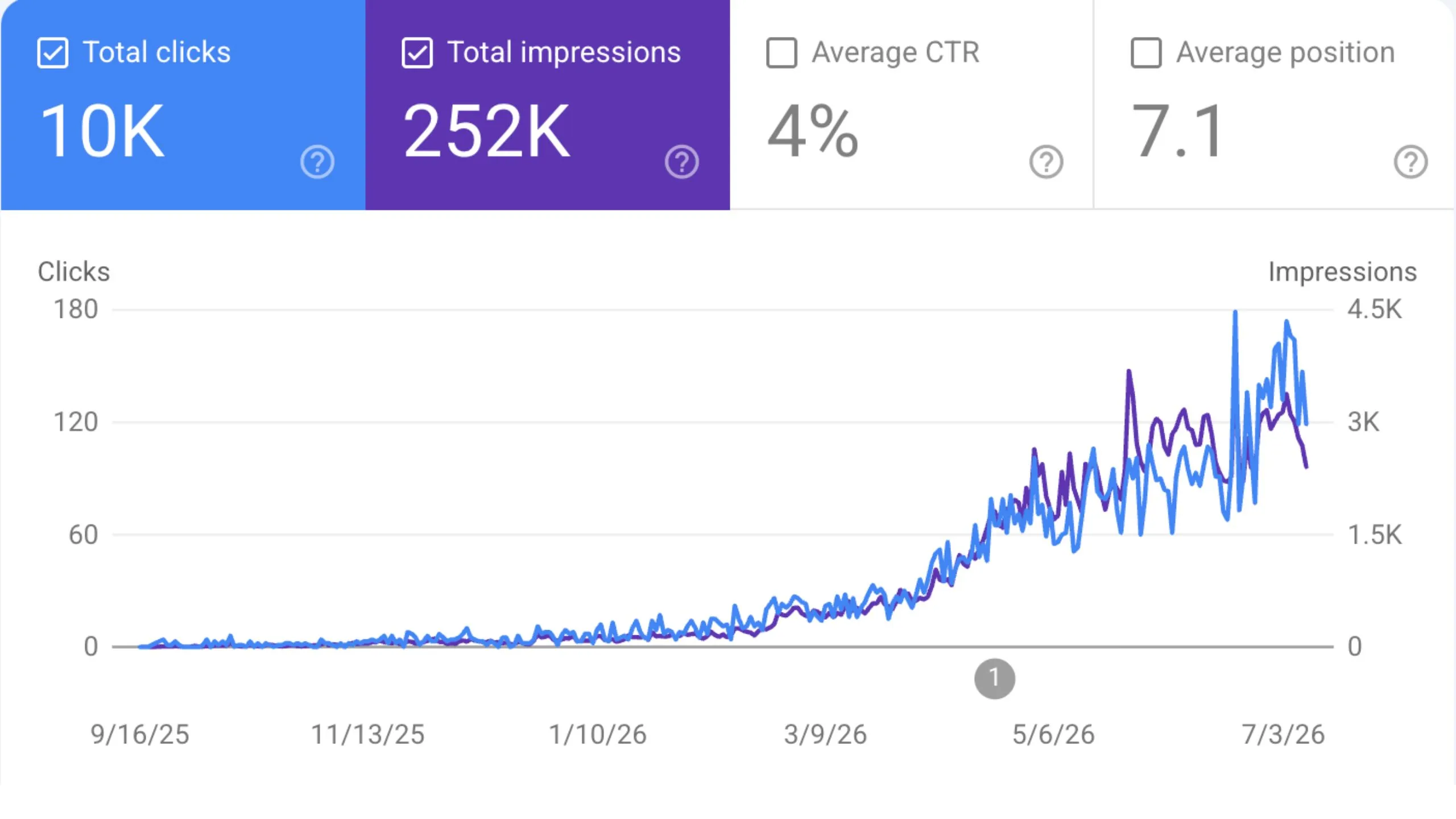
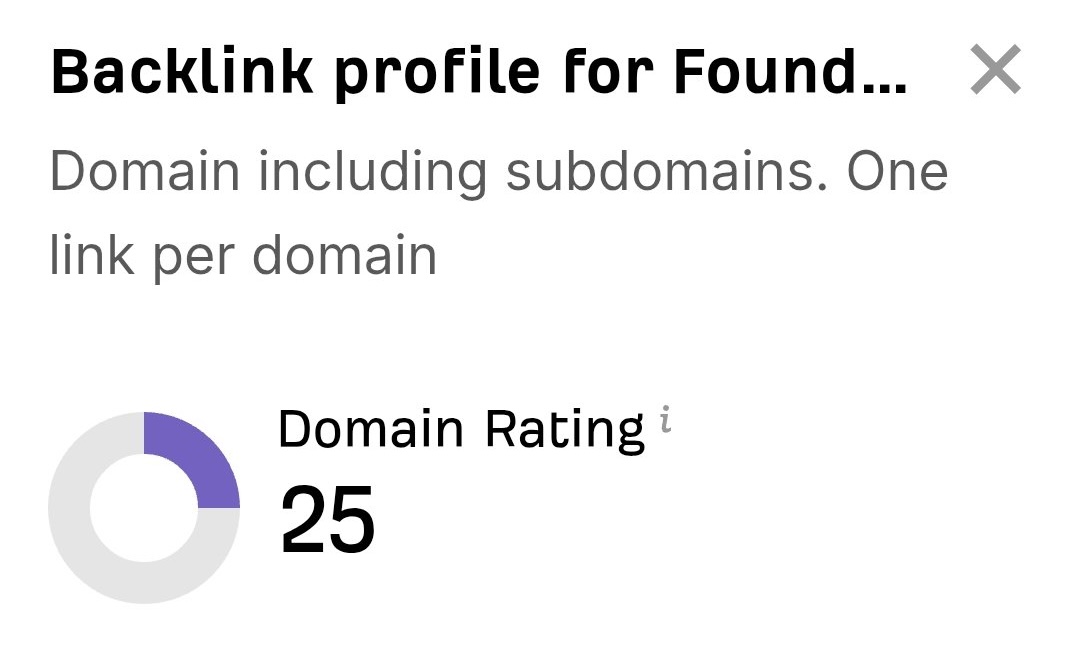 “I just let the Sorank software do its thing, and now my DR is 25 and my page is ranking higher.”
 Lucas FlandrePodcast Host“I specialized in GEO thanks to Sorank. The GEO Leaderboard allows me to show my clients their position vs competitors on ChatGPT. It’s a real commercial differentiator.”
 MélanieSEO Freelance“Great service, works well for our website and helps us understand how to improve it to rank better on Google and elsewhere. Congrats, keep going, I recommend it.”
 Hugo T.E-commerce merchant