Preferences
Privacy is important to us, so you have the option of disabling certain types of storage that may not be necessary for the basic functioning of the website. Blocking categories may impact your experience on the website. More information
Privacy is important to us, so you have the option of disabling certain types of storage that may not be necessary for the basic functioning of the website. Blocking categories may impact your experience on the website. More information

Review velocity is how fast a business gets new reviews. Learn the formula, why it matters for local rankings and sales, and how to track it.








Founder Sorank, 7+ years in SEO.
Summary
Review velocity is the rate at which a business gets new reviews. It is the number of new reviews divided by a period of time, such as a day, a week or a month. Total review count shows size. Review velocity shows whether reviews are still coming in now.
Want to go further? Ask
Review Velocity tells you how active a business looks right now. Two businesses can each have 300 reviews. If one got 25 new reviews last month and the other got none in a year, only the first one looks alive to a customer.
Review count is the total number of reviews a business has. Review velocity is how fast that number grows. A business with a high count and no recent reviews can look stale. A smaller business with steady new reviews can look more active.
| Metric | What it tells you | Example |
|---|---|---|
| Review count | Total reviews so far | 300 reviews |
| Review velocity | New reviews in a period | 25 new reviews in one month |
| Star rating | Average score of all reviews | 4.6 out of 5 |
Divide the number of new reviews by the length of the period. Use days for a daily rate, or months for a monthly rate.
Review velocity per day = new reviews / days in the periodReview velocity per month = new reviews / months in the periodSay a shop gets 12 new reviews in 30 days. Its review velocity is 12 / 30 = 0.4 reviews per day, or about 12 reviews per month. Use the same period length each time, so the numbers can be compared.
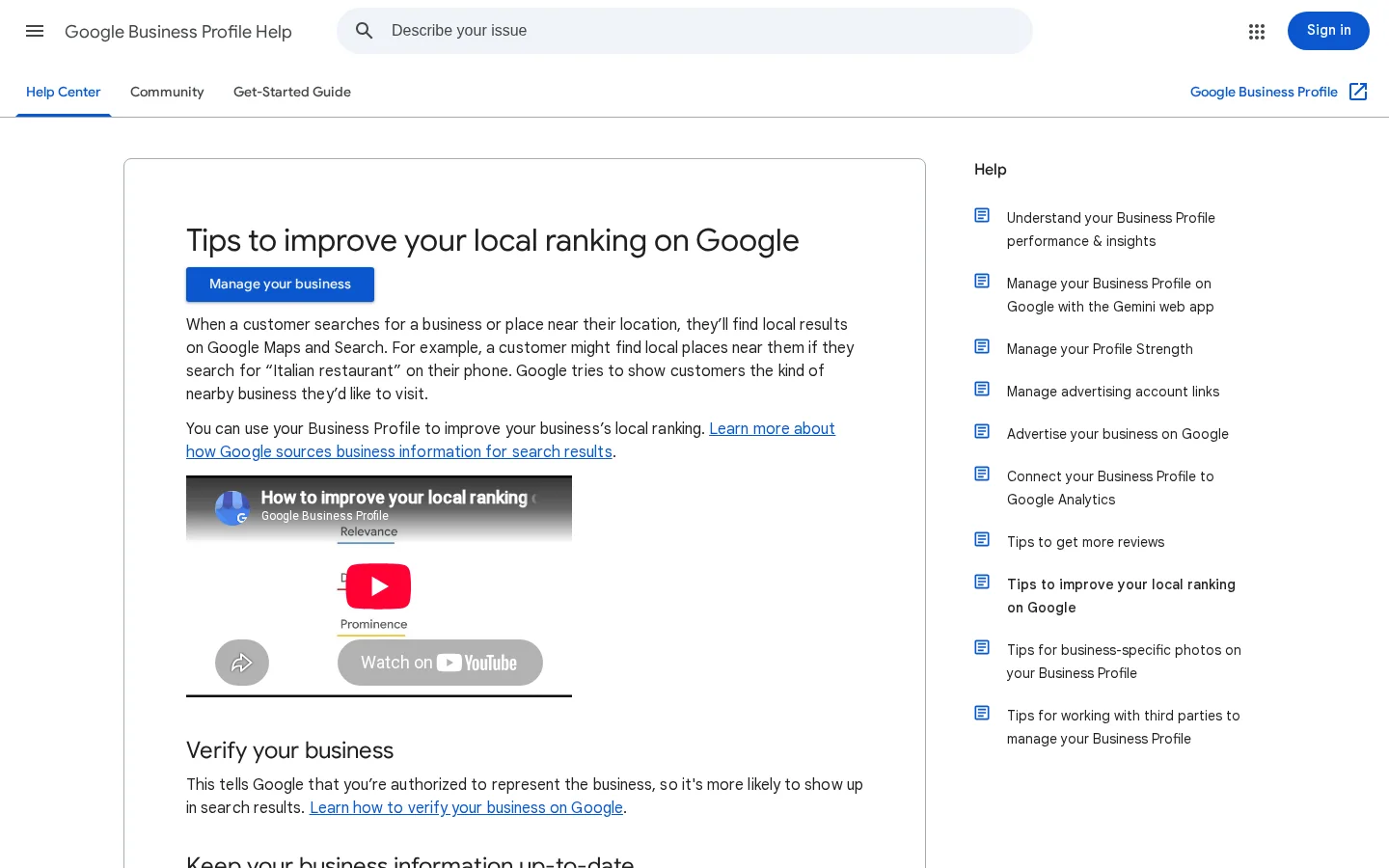
Google's help page on local ranking does not mention review velocity. It names review count and positive ratings as part of prominence. In Google's words, "More reviews and positive ratings can help your business's local ranking." Read that as a reason to keep getting reviews, not as a formula.
Velocity is still a useful sign for local SEO. A flat count tells you the profile is not growing. A rising count tells you customers are still reaching the listing and leaving feedback. Both matter if you want to appear in the local pack results for your area.
Yes, in a practical way. Buyers read reviews before they choose. Recent reviews tell a buyer that the product or service is still in use and that the business still delivers. Old reviews can describe a menu, a team or a product that has changed. A steady flow of new reviews keeps that picture current.
Reading the words in those reviews is a separate job. See sentiment monitoring for how to follow how customers feel about a brand over time.
Track it once a month with this method.
Read the line, not one month. A steady rise beats one tall month followed by silence. If you manage several locations or review sites, tools can export the dates for you. Our guide to review management software compares options.
First, check your own process. Did the review request stop going out after a staff change? Did the link disappear from receipts or emails? A drop often starts with a broken step, not with customers who stopped caring.
Second, look at the calendar. Some businesses get fewer reviews in quiet months, so compare the same months across years before you act. Then ask a few recent customers how they prefer to leave feedback. Some will use the Google link, others will answer a message. Put a short link on every receipt and in every follow-up email.
No. Google's prohibited and restricted content policy says that "Reviews or ratings that have been paid for, directly or in kind" are not allowed. It also says that incentivized or biased reviews "will be removed from Maps." The policy asks that a review "should reflect an actual experience with a business".
In the United States, the federal rule in 16 CFR 465.4 treats offering compensation tied to reviews with a set sentiment, positive or negative, as an unfair or deceptive practice. Paid reviews can cost you your profile and create legal risk at the same time.
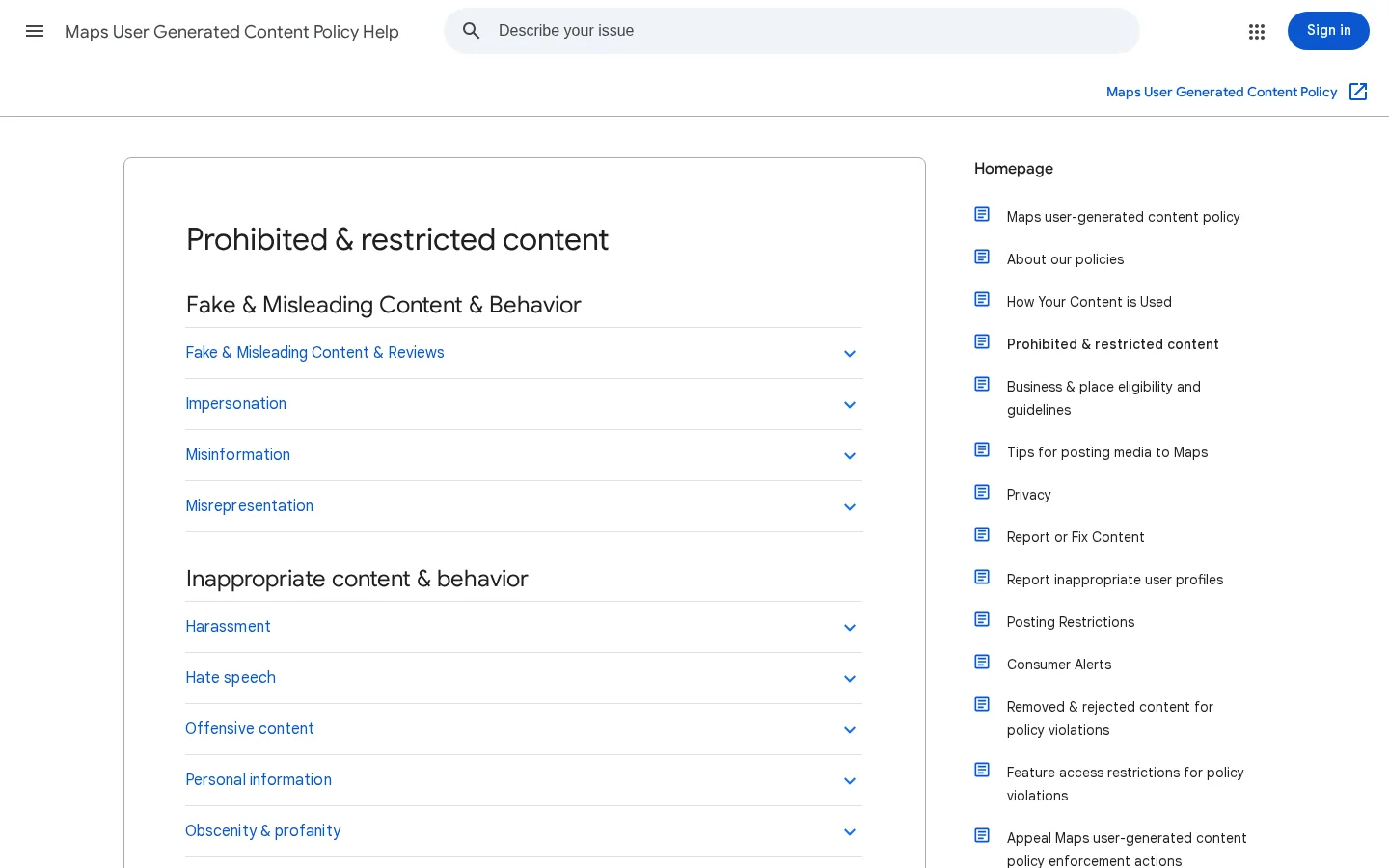
Ask every customer the same way, too. The same policy warns against selectively soliciting positive reviews from customers. Send the same request to every paying customer, not only to the happy ones.
Warning
A discount, gift or payment tied to a review breaks Google's policy, even when the review is five stars. Stop the offer, and do not swap it for another reward.
Four common mistakes hurt review velocity. Each one has a clear sign and a clear fix.
What it is: you send 100 requests in one week, then nothing for months. How to spot it: your monthly count shows one tall bar and flat months around it. How to fix it: spread the requests over the month, in small weekly batches.
What it is: you send the review link only to clients who praised you. How to spot it: almost all your reviews are five stars, and the requests went to a short list you picked by hand. How to fix it: send the same request to every customer, on the same schedule.
What it is: a discount, gift or cash offered in return for a review. How to spot it: a flyer, email or receipt that says "leave a review and get" something. How to fix it: remove the offer and keep only a plain, unpaid request.
What it is: you report the total review count and nothing else. How to spot it: the total rises slowly, and the newest review is months old. How to fix it: track new reviews each month, using the steps above.
For SEO, velocity shows that a local profile is active. Review count and rating are part of the prominence Google names, so a profile that keeps getting reviews is easier to read as current. For GEO, the question is whether AI tools name your business when a customer asks for a recommendation. Recent public reviews are one part of what they can read. To see when that changes, use AI mention tracking in Sorank, which shows when ChatGPT cites you.
Review velocity is the rate of new reviews, not the total. Calculate it over the same period each month, compare it with your past months and with a few competitors, and keep the requests fair to every customer. A steady flow of honest reviews shows customers that the business is still active.
Sources
Google does not publish a target number. Compare your own months first, since a steady rise is better than a drop. Then compare with two or three local competitors over the same period.
Neither works alone. Google's local ranking help page names review count and positive ratings, but it does not name velocity. Treat velocity as a sign of activity that sits next to your rating.
A burst of reviews in one week can look unusual. Spread your requests over the month, so the pace matches your real customer visits.
 “I tested Sorank on a real client site and it's insane. It does everything an agency would bill you $1500 a month for. It's going into production on that client now.”

 Guillaume Guersanguersanguillaume.com“We are an Ads agency and we wanted to get our SEO back on track once and for all. Sorank gave us a clear view of our site, helped us prioritize optimizations, and properly structure our content. The tool is easy to use, well designed for a team, and very practical for centralizing tracking without having to juggle multiple platforms. A very solid foundation to start fresh with our SEO.”
 Gaspard MadouiAds Agency
 “I just let the Sorank software do its thing, and now my DR is 25 and my page is ranking higher.”
 Lucas Flandrefoundertrace.fr“I specialized in GEO thanks to Sorank. The GEO Leaderboard allows me to show my clients their position vs competitors on ChatGPT. It’s a real commercial differentiator.”
 MélanieSEO Freelance“Great service, works well for our website and helps us understand how to improve it to rank better on Google and elsewhere. Congrats, keep going, I recommend it.”
 Hugo T.E-commerce merchant