Preferences
Privacy is important to us, so you have the option of disabling certain types of storage that may not be necessary for the basic functioning of the website. Blocking categories may impact your experience on the website. More information

Privacy is important to us, so you have the option of disabling certain types of storage that may not be necessary for the basic functioning of the website. Blocking categories may impact your experience on the website. More information

An AI content strategy plans content to rank in search and earn citations in AI answers. Learn the framework, components, and best practices.








Sources
AI content strategy is the discipline of planning, creating, and optimizing content so it performs in two places at once: classic search results and AI assistants like ChatGPT, Perplexity, and Gemini. Search has split in two, and a modern strategy has to win both the ranking and the citation. The core principle is that content guided by human judgment and supported by AI consistently outperforms content that is purely automated.
This matters because visibility is shifting from holding a position on a results page to being present inside AI generated answers and citations. A strategy that still optimizes only for ten blue links leaves the fastest growing discovery channel on the table, which is why the framework has evolved.
An AI content strategy is an approach that blends human judgment with AI tools to produce content optimized for both search engines and answer engines. AI handles ideation, research, drafting, and data analysis, while humans own strategy, storytelling, voice, and accountability for accuracy. The split is deliberate: machines accelerate the work, people ensure it is original and trustworthy.
It rests on a strategic foundation before any drafting begins: identifying the core questions your brand should answer, defining a unique perspective, and targeting specific audience segments. This is closely tied to an AI first content strategy, which treats AI driven discovery as a primary planning input rather than an afterthought.
Traditional content strategy centers on keywords and backlinks, optimizing for a long search journey that ends in a click. An AI oriented strategy emphasizes direct answer delivery, accuracy, verifiability, clear structure, and source attribution, because answer engines read and extract content rather than just ranking it. The shift is from keywords to intent, and from rankings to citations.
That changes the deliverable. Instead of a page built to win a position, you publish concise, clearly labeled answers to real questions, with authorship and sources, structured so a language model can interpret and quote them. Optimizing for this extraction is the heart of generative search optimization.
Start with a strategic foundation: the questions you should own and the perspective only you can offer. Then map those questions across multiple data sources, including search console queries, support tickets, community forums, and competitor gaps, so you target what people actually ask rather than what you assume. Structure each answer for extraction, with clear headings, attribution, and verifiable facts.
Use AI for outlining and drafting, never for unattended publication, and keep a human review step on every piece. Strengthen credibility signals such as author credentials and source transparency, often summarized as E-A-T, and add structured data so machines can parse your facts. Organize related answers into content clusters so depth on a topic compounds.
Depth beats breadth. Rather than thin coverage of many topics, an AI content strategy concentrates on questions where you have genuine expertise and builds them out thoroughly. A connected topical map shows how each piece relates to the others, which helps both search engines and AI assistants see you as authoritative on the subject.
Entities matter alongside topics. Mentioning the relevant people, products, and concepts clearly helps engines connect your content to their knowledge of the world, which improves how often you are surfaced. Specificity, current examples, and a distinctive point of view do more for authority than generic, hedge filled prose.
By 2026, visibility is increasingly defined by presence within AI generated answers and citations rather than position on a results page alone. A strategy that earns those citations puts your brand in front of high intent readers at the moment of research, across multiple assistants, not just one search engine. This is the practical payoff of treating GEO as a first class channel.
It also reframes measurement. Alongside rankings and traffic, you track engagement depth, conversions, and appearances in featured snippets and AI answers, which is the domain of AI search visibility. The goal becomes share of answers, and the strategy is built to grow it.
Begin by defining your core questions and unique angle, then gather real demand from search data, support channels, and community discussion. Draft with AI for speed, but verify every factual claim, since models can generate plausible but false statistics known as hallucinations. Add perspective, current examples, and a distinctive voice that competitors lack.
Structure for both audiences with clear headings, direct answers, attribution, and schema markup, then organize pieces into clusters that reinforce authority. Pair the plan with disciplined keyword research and content planning so you target genuine queries, and lean on AI content generation to scale production while keeping humans in control of quality.
The most common failure is over automation. Research shows human generated content outperforms purely AI generated content for authenticity and emotional connection, so red flags like vague phrasing, unsourced claims, repetitive structure, and missing context signal that human intervention is needed. A quality checklist that verifies every claim and demands a unique perspective keeps standards high.
Another challenge is measuring across a fragmented landscape, since presence now spans many engines that weight signals differently. The results can be substantial when execution is disciplined: one documented program drove a 365 percent increase in top 50 rankings, lifted 226 previously unranked terms to the top position, and grew organic acquisition by 61 percent. Consistency and human oversight are what make those gains durable.
An AI content strategy plans content to win both search rankings and AI citations, using AI for research, drafting, and optimization while humans own strategy, voice, and accuracy. It centers on real questions, deep topical authority, clean structure, and verifiable facts, and it measures success by presence in answers as much as positions.
To go further, connect this with an AI first content strategy and generative search optimization, and use Sorank's research and content planning tools to target the questions that matter. Reference sources: Moburst and M and R Group.

Traditional content strategy optimizes mainly for keywords and backlinks to win a ranking and a click. An AI content strategy also optimizes for inclusion in AI generated answers, emphasizing direct answers, accuracy, clear structure, and source attribution so a model can extract and cite your content. It targets intent and citations, not just positions.
No. The strongest approach uses AI for ideation, research, drafting, and optimization while humans own strategy, voice, and fact checking. Research indicates human guided content outperforms purely automated content for authenticity and trust. Treat AI output as a draft, verify every claim, and add a perspective competitors do not have.
Track more than rankings and traffic. Useful signals include engagement depth such as time on page and scroll depth, conversions, and appearances in featured snippets and AI generated answers. Generative engine optimization tools let you monitor how often you are cited across assistants, so you can see your share of answers and strengthen weak pages.
THEY TRIED SORANK BEFORE YOU
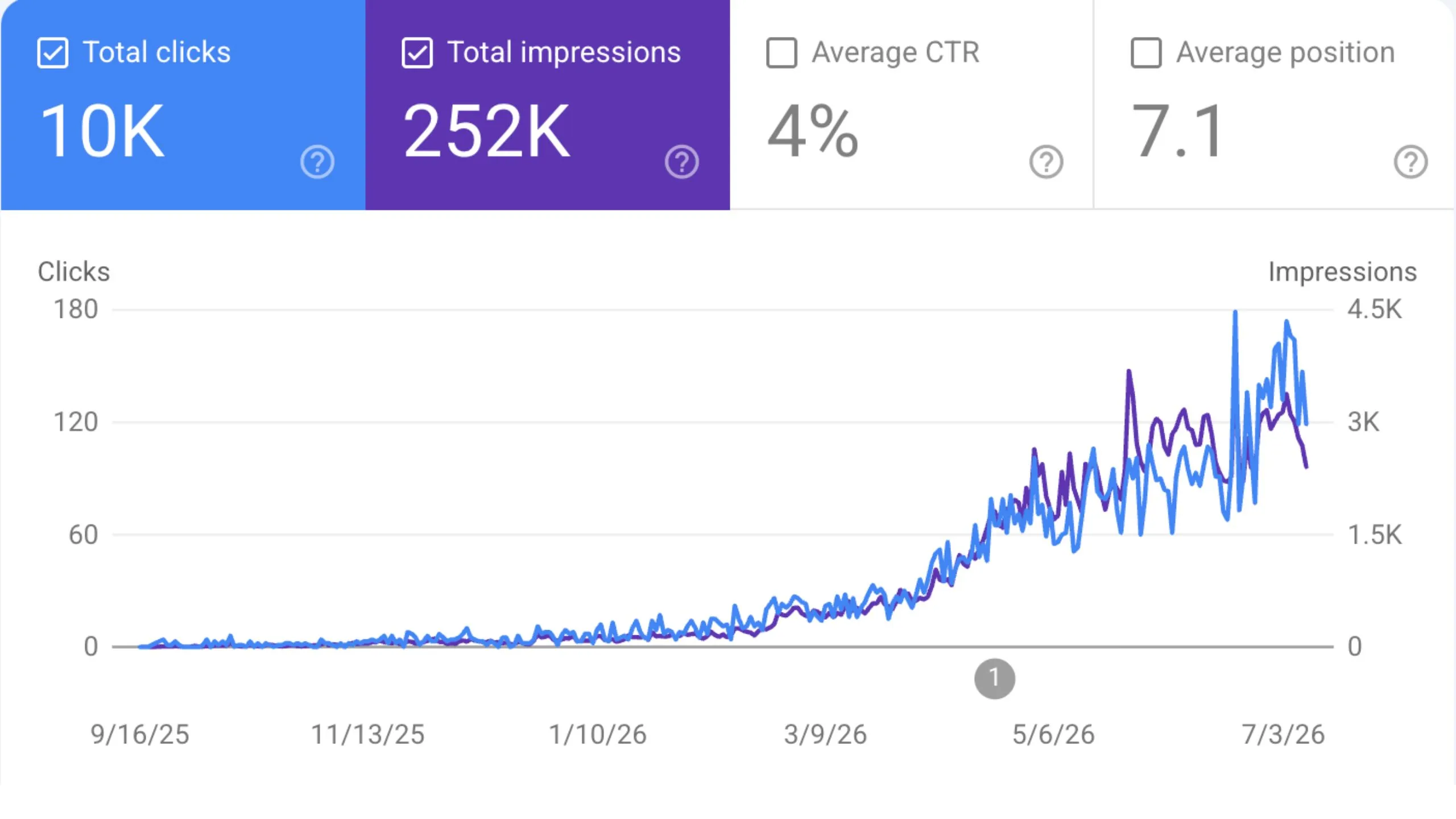
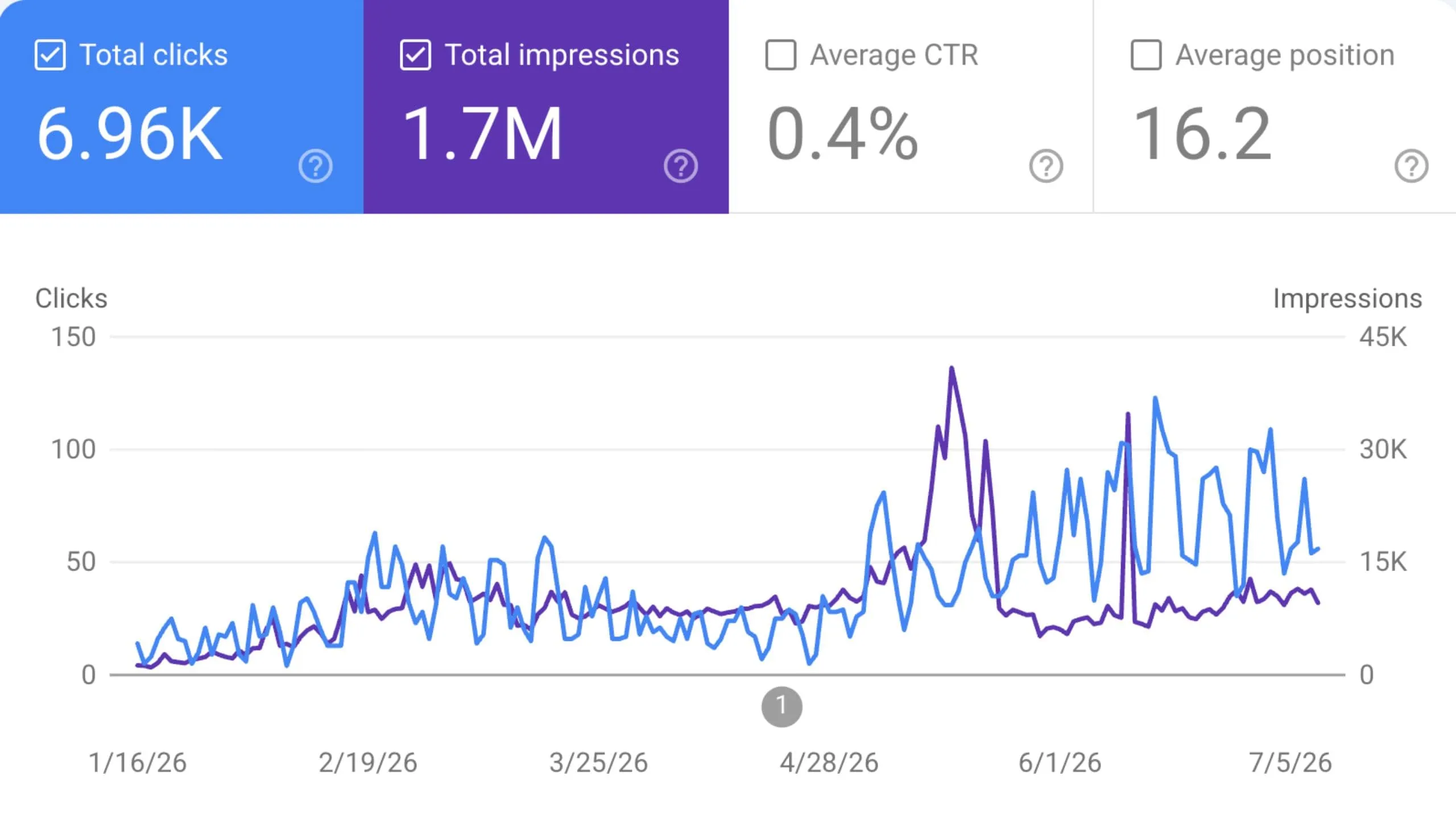
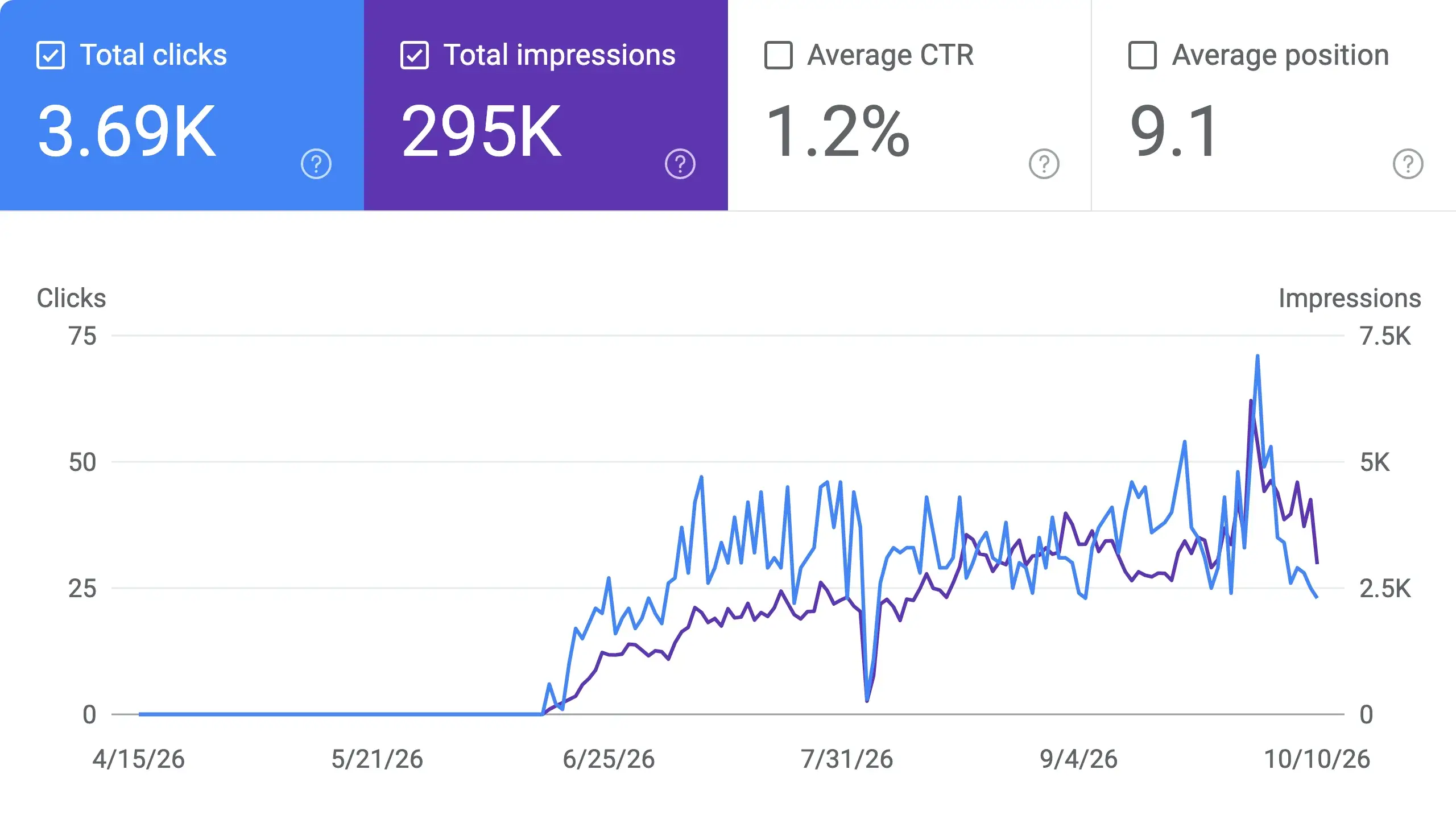
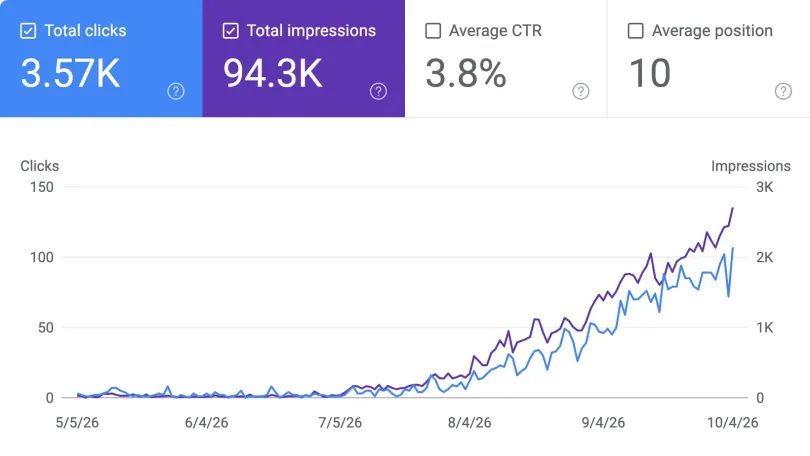
 “I tested Sorank on a real client site and it's insane. It does everything an agency would bill you $1500 a month for. It's going into production on that client now.”
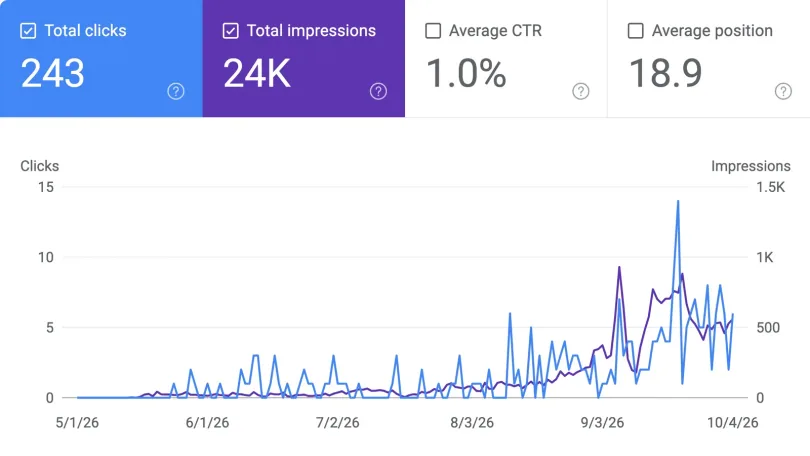
 Guillaume Guersanguersanguillaume.com“We are an Ads agency and we wanted to get our SEO back on track once and for all. Sorank gave us a clear view of our site, helped us prioritize optimizations, and properly structure our content. The tool is easy to use, well designed for a team, and very practical for centralizing tracking without having to juggle multiple platforms. A very solid foundation to start fresh with our SEO.”
 Gaspard MadouiAds Agency
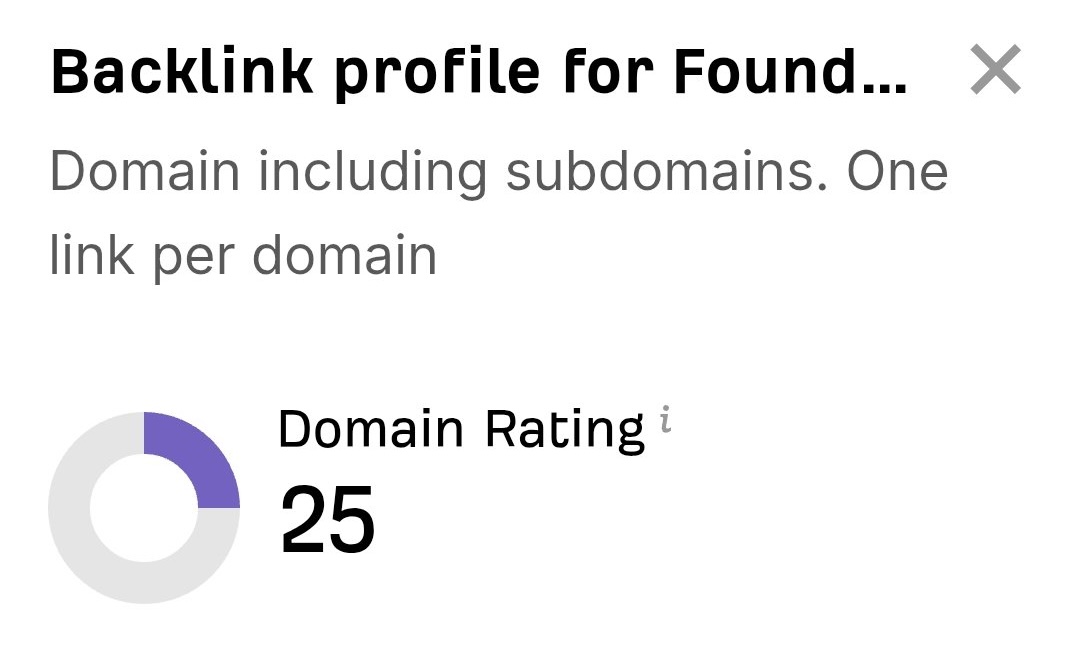 “I just let the Sorank software do its thing, and now my DR is 25 and my page is ranking higher.”
 Lucas FlandrePodcast Host“I specialized in GEO thanks to Sorank. The GEO Leaderboard allows me to show my clients their position vs competitors on ChatGPT. It’s a real commercial differentiator.”
 MélanieSEO Freelance“Great service, works well for our website and helps us understand how to improve it to rank better on Google and elsewhere. Congrats, keep going, I recommend it.”
 Hugo T.E-commerce merchant