Preferences
Privacy is important to us, so you have the option of disabling certain types of storage that may not be necessary for the basic functioning of the website. Blocking categories may impact your experience on the website. More information

Privacy is important to us, so you have the option of disabling certain types of storage that may not be necessary for the basic functioning of the website. Blocking categories may impact your experience on the website. More information

AI content generation uses machine learning to draft articles, posts, and media at scale. Learn how it works, its benefits, and its limits.








Sources
AI content generation is the practice of using artificial intelligence, usually large language models, to produce written and visual content from instructions. Instead of writing every word from scratch, a marketer gives the model a prompt and context, and the system drafts an article, a caption, an email, or an image in seconds. The human then edits, fact checks, and shapes that draft to match the brand and the goal.
This matters because content demand keeps rising while teams stay small. Done well, AI generation lets a lean team produce more without sacrificing quality, freeing people to focus on strategy, originality, and judgment. Done badly, it floods the web with thin pages, which is why understanding the method and its limits is essential.
AI content generation refers to tools that use machine learning to create, optimize, and distribute content across formats and channels. The output spans blog posts, social captions, video scripts, email campaigns, product descriptions, image alt text, and full visuals. The unifying idea is that the model produces a first version, and a person augments rather than abdicates the creative work.
It helps to separate generation from related ideas. Generation is about producing new content, while AI content detection is about judging whether text was machine made. Both rely on the same underlying model behavior, but they sit on opposite sides of the workflow: one creates, the other inspects.
Most generators are built on a LLM trained on vast amounts of text. The model learns statistical patterns in language, then predicts the most likely next words given your prompt. Because it has absorbed so many examples of tone, structure, and style, it can mimic a blog voice, a formal email, or a punchy caption depending on how you instruct it.
The quality of the output depends heavily on the quality of the input. Clear prompts, brand guidelines, examples, and source material all steer the model toward useful results. This is why prompt design and supplying good context matter so much: the model has no real understanding, so it leans on the patterns and instructions you give it to produce something relevant.
Text is the most common output: long form articles, social posts, newsletters, ad copy, and meta descriptions. Increasingly, the same tools handle images, short video scripts, and audio, which makes them useful across an entire campaign rather than one channel. Many platforms also generate supporting assets such as titles, outlines, and alt text that speed up production.
A practical pattern is to use generation for the heavy lifting of a first draft, then layer human expertise on top. The model handles volume and structure, while the writer adds first-hand experience, original data, and the nuance that makes content genuinely useful. That division of labor is what separates valuable AI assisted content from generic filler.
The clearest benefit is speed and scale. AI drafts content in seconds, which lets a small team produce far more without a matching increase in headcount. The efficiency gains are real: one team reported saving 72 hours per quarter on content performance reporting alone after integrating AI into its workflow. Surveys also show adoption is mainstream, with 71 percent of social marketers reporting they had integrated AI and automation tools, and 82 percent of those reporting positive outcomes.
Beyond speed, AI supports consistency and personalization. It can hold a uniform tone across channels, tailor messaging to audience segments using behavioral data, and surface keyword and content gap insights that strengthen AI search optimization. With around 42 percent of marketers reporting daily or weekly use for writing, these gains are now part of normal practice rather than experimental.
Search engines do not penalize AI assistance by default. Google rewards helpful content regardless of how it is produced, and targets only thin, low-value pages built to manipulate rankings. So AI generation is fine, provided the result is accurate, original, and genuinely useful to the reader.
For generative engine optimization, the bar is similar. To be surfaced and cited inside AI assistants, content needs clear structure, direct answers, and real depth. This is the domain of LLM content optimization, and it fits inside a broader AI first content strategy that treats AI as a production accelerator while keeping human judgment at the center.
Start with clear objectives and a defined brand voice, then give the model explicit guardrails so its output stays on brand. Use it for specific, well scoped tasks such as ideation, outlining, drafting, and repurposing rather than asking it to autonomously publish. Always verify accuracy and originality before anything goes live, since models can state wrong facts confidently.
Keep a human in the loop for editing and quality control, and disclose AI use where transparency matters to your audience. Pair generation with disciplined keyword research and content planning so you produce content people actually search for. A coherent AI content strategy turns scattered drafts into a connected, intentional library.
The biggest risks are accuracy and originality. Models can hallucinate facts, and their creativity is limited to the patterns in their training data, so output can feel generic or emotionally flat without human refinement. Content on sensitive topics needs especially careful review before publication.
There are also fairness and compliance concerns. Models trained on skewed data can reproduce bias, and data handling raises privacy questions under regulations like GDPR and CCPA. Treat AI output as a strong draft that requires human oversight, not a finished product, and build review steps into every workflow.
AI content generation lets teams draft, optimize, and scale content far faster than manual work, across text, image, and video. The technology is mainstream and the efficiency gains are real, but value depends on human judgment: clear prompts, brand guardrails, fact checking, and genuine added expertise. The goal is augmentation, not automation for its own sake.
To go further, connect this with a broader AI content strategy and disciplined LLM content optimization, and use Sorank's research and content planning tools to target the questions your audience actually asks. Reference sources: Sprout Social and Leadpages.

Not inherently. Google rewards helpful, high-quality content regardless of how it is produced, and only targets thin, low-value pages built to manipulate rankings. AI assisted content performs well when it is accurate, original, and genuinely useful. The risk comes from publishing unedited, generic output at scale rather than from using AI itself.
Yes. AI drafts quickly but has no real understanding, so it can state wrong facts and produce generic, emotionally flat copy. Human writers add first-hand experience, original analysis, brand voice, and fact checking that the model cannot. The most effective approach treats AI as a drafting accelerator with a human editing and approving the final piece.
Modern tools generate blog posts, social captions, email campaigns, ad copy, product descriptions, video scripts, and meta descriptions, plus images and audio. They also produce supporting assets like outlines, titles, and alt text. The best results come from using AI for the first draft and structure, then having a human refine and verify it.
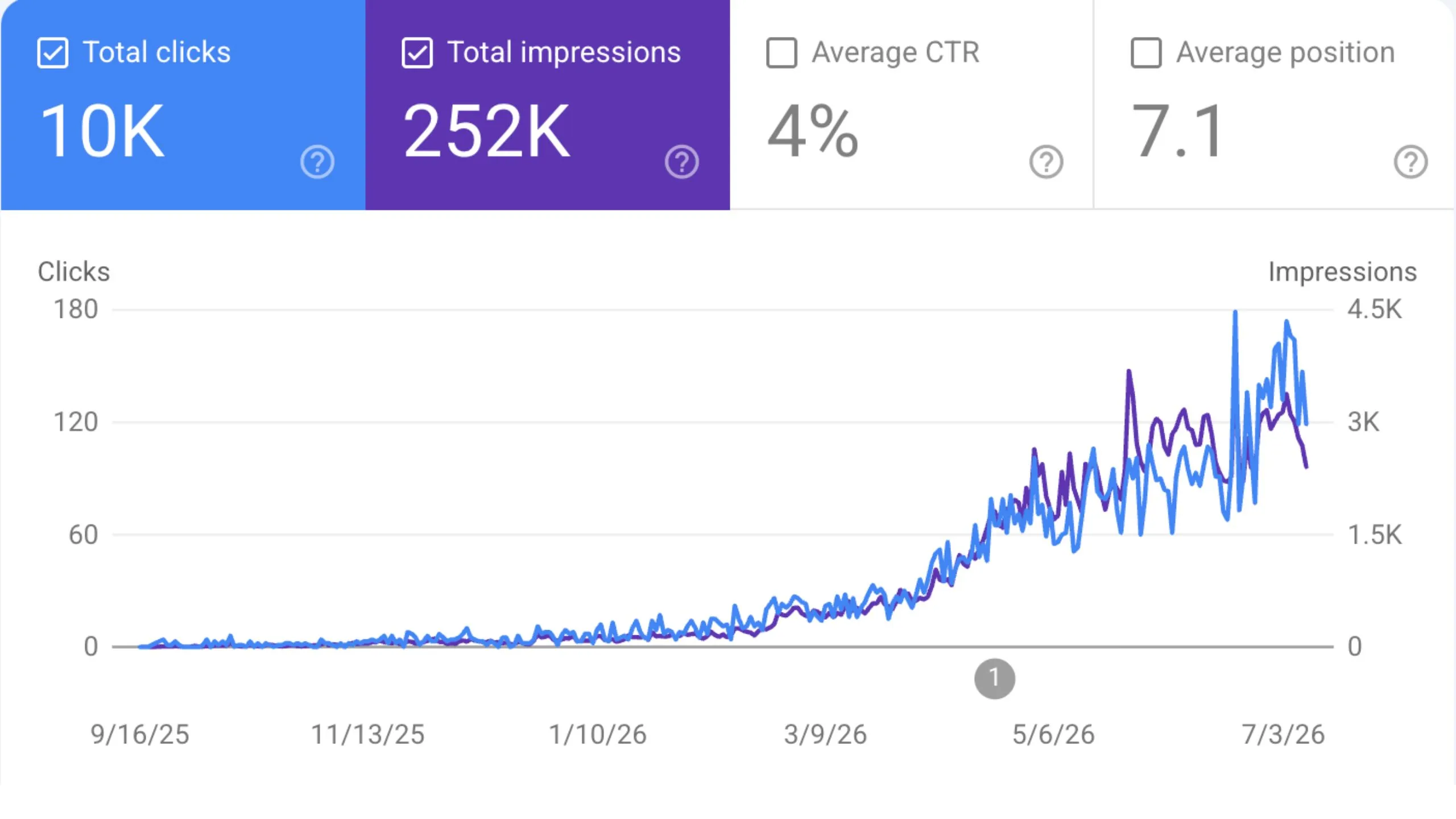
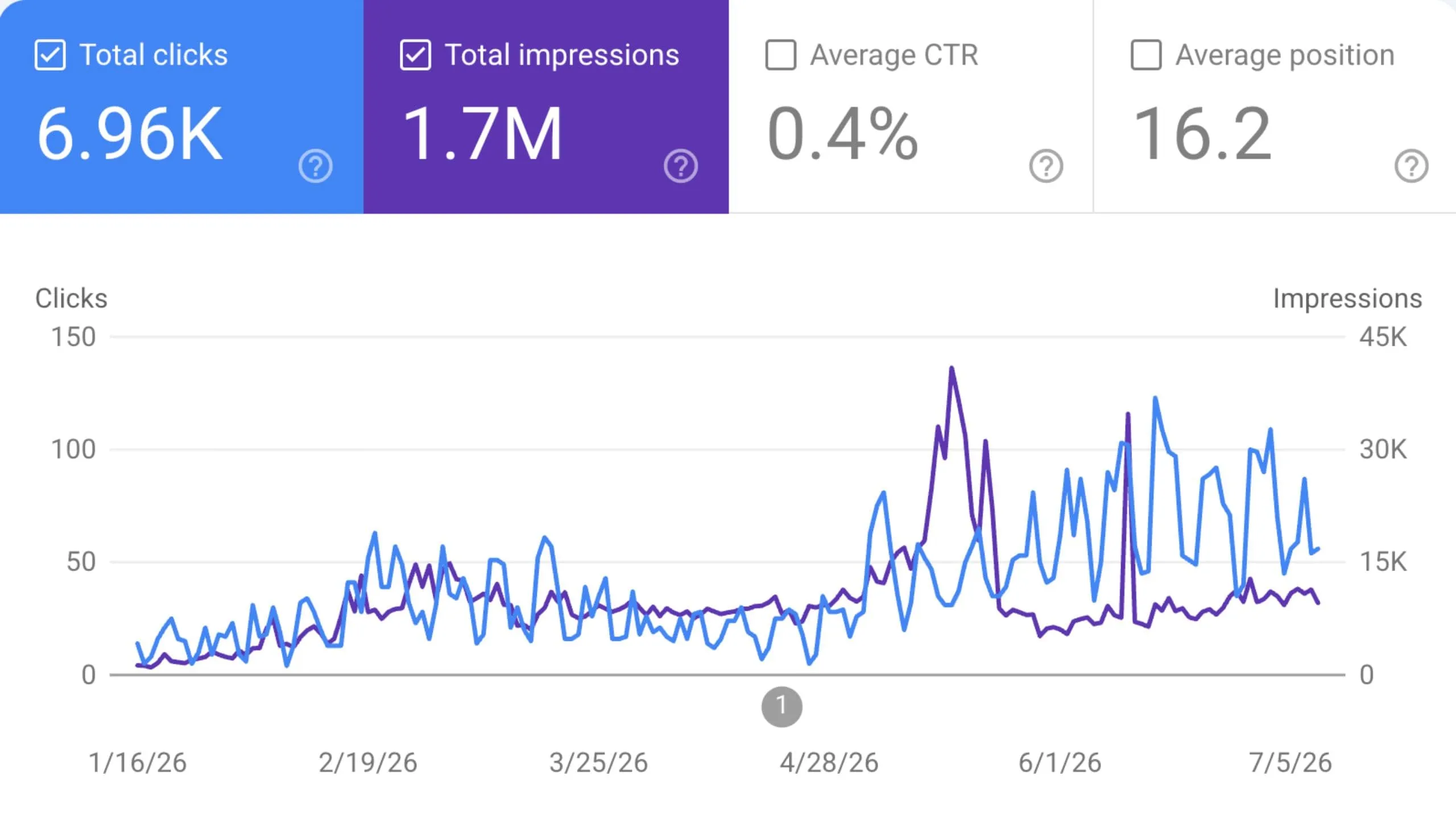
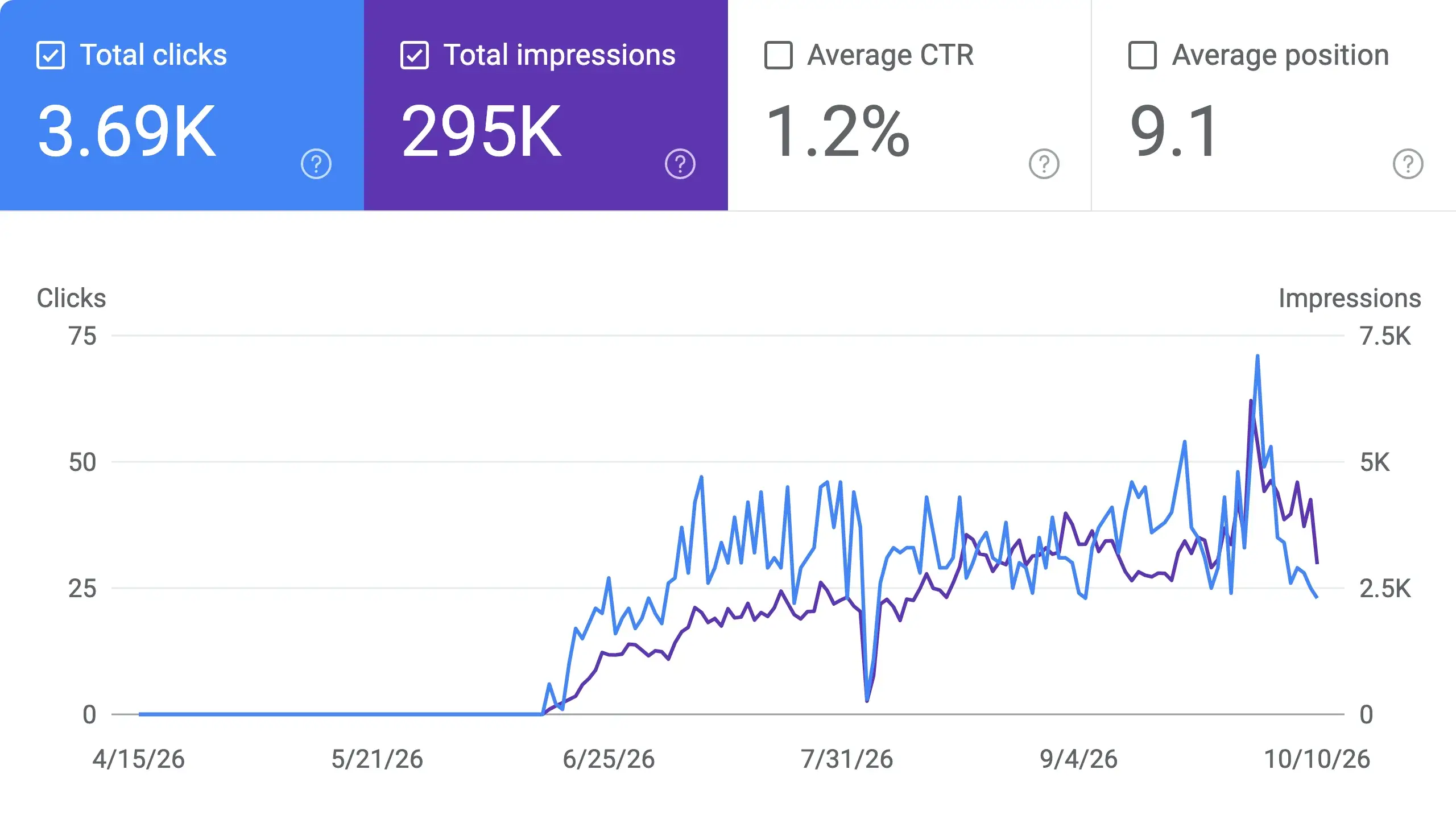
THEY TRIED SORANK BEFORE YOU
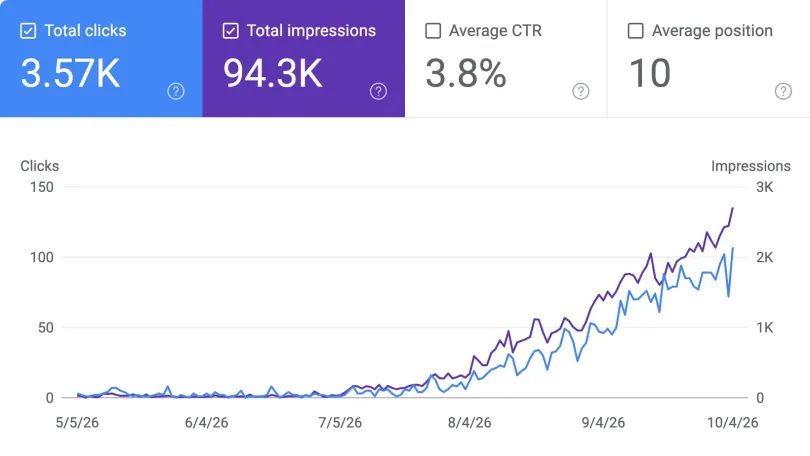
 “I tested Sorank on a real client site and it's insane. It does everything an agency would bill you $1500 a month for. It's going into production on that client now.”
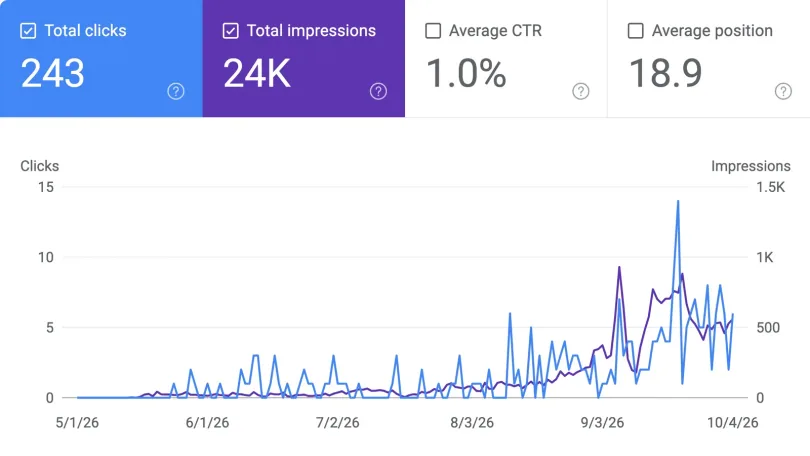
 Guillaume Guersanguersanguillaume.com“We are an Ads agency and we wanted to get our SEO back on track once and for all. Sorank gave us a clear view of our site, helped us prioritize optimizations, and properly structure our content. The tool is easy to use, well designed for a team, and very practical for centralizing tracking without having to juggle multiple platforms. A very solid foundation to start fresh with our SEO.”
 Gaspard MadouiAds Agency
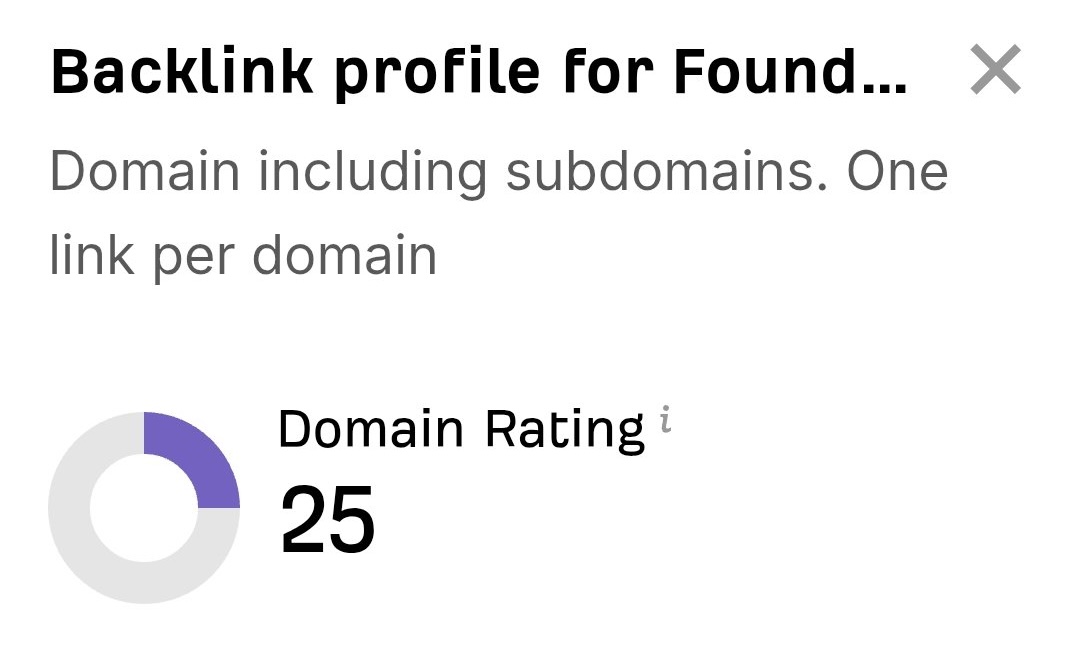 “I just let the Sorank software do its thing, and now my DR is 25 and my page is ranking higher.”
 Lucas FlandrePodcast Host“I specialized in GEO thanks to Sorank. The GEO Leaderboard allows me to show my clients their position vs competitors on ChatGPT. It’s a real commercial differentiator.”
 MélanieSEO Freelance“Great service, works well for our website and helps us understand how to improve it to rank better on Google and elsewhere. Congrats, keep going, I recommend it.”
 Hugo T.E-commerce merchant