Preferences
Privacy is important to us, so you have the option of disabling certain types of storage that may not be necessary for the basic functioning of the website. Blocking categories may impact your experience on the website. More information

Privacy is important to us, so you have the option of disabling certain types of storage that may not be necessary for the basic functioning of the website. Blocking categories may impact your experience on the website. More information

A topical map organizes content around a core subject into connected subtopics to build topical authority for search engines and AI answers.








Sources
A topical map is a strategic framework that organizes content into a network of related topics and subtopics around one central subject. Instead of publishing articles at random, you map out every piece needed to cover a subject completely, then connect those pieces with internal links. The result is a visual blueprint that shows how your core topic, its branches, and its granular details relate to one another.
This matters because search has grown sophisticated about context. Google and AI assistants like ChatGPT, Perplexity, and Gemini increasingly reward sites that demonstrate deep, comprehensive expertise rather than a single strong page. A topical map is how you build and prove that expertise, which makes it a foundational tool for both classic SEO and generative engine optimization.
A topical map is a visual representation of the relationships between the topics and subtopics within a content domain. If your central topic is digital marketing, the map would branch into subtopics such as SEO, content marketing, social media, and paid advertising, and each of those would branch again into more specific pages. The map captures both the topics and the links between them.
It is more ambitious than a single topic cluster. A cluster is one pillar page with supporting articles, while a topical map organizes an entire site's architecture around entities and their semantic relationships. The goal is complete coverage of a subject, so the map functions as the master plan that individual clusters and content clusters fit inside.
Most topical maps have layered structure. Pillar topics are the foundation subjects that define your primary areas of expertise. Subtopics expand each pillar into secondary themes, and micro-topics drill down into specific questions and niche angles. Supporting pages fill the remaining gaps so no part of the subject is left thin.
A strong map also covers the full range of search intent. Informational pages answer what and how questions, commercial pages compare options and guide research, and transactional pages drive conversions. Weaving these intent layers into one connected system means a visitor or an AI can move from learning about a subject to acting on it, all within your content, which supports clean search intent coverage.
The purpose of a topical map is to build topical authority, the signal that your site is a credible expert on a subject. Authority comes from breadth and depth together: a robust collection of how-tos, benefits, common pitfalls, and advanced techniques, not a single article. This aligns with Google's emphasis on demonstrated experience and expertise.
Search engines have become good at understanding relationships between concepts. By covering a subject thoroughly through interconnected pages, you signal that you are a reliable source, which can lift the whole topic rather than one page. This is the practical link between a topical map and entity SEO, where consistent entities across a site reinforce your standing in the knowledge graph.
Semantic SEO relies on clear relationships between entities rather than raw keyword repetition. A topical map organizes content to show how topics interconnect, so search engines can read the structure as evidence of expertise. The map turns a pile of pages into a coherent web of meaning.
This shifts keyword work from phrases to concepts. Entity-first research identifies the ideas, sub-questions, and related entities a subject contains, and the map arranges them into parent and child relationships. The outcome is content that mirrors how semantic search actually evaluates topics, and it naturally surfaces gaps to fill through content gap analysis.
Internal linking is where a topical map becomes a ranking asset. A common pattern uses three directions: pillars link down to their clusters, clusters link laterally to related clusters, and supporting pages link up to consolidate authority. This controlled flow helps distribute link equity to the pages that matter most.
Architecture reinforces the same logic. Aligning your URL and folder structure with the topic hierarchy makes the site easier for bots to crawl and for users to navigate, and it reduces keyword cannibalization by giving each topic a clear home. Anchor text should use natural semantic variations rather than repeating the same exact phrase, which keeps the linking helpful instead of over-optimized.
For generative engine optimization, a topical map does several things at once. Comprehensive coverage increases the chance that AI assistants find an answer to a specific sub-question on your site, and clear sections make that answer easy to extract for an AI overview. Consistent entities across the map help align your brand with the knowledge graph these systems rely on.
It also strengthens passage-level relevance, so individual sections can rank and be cited independently of the full page. That directly raises citation probability in generative summaries. Building a topical map is therefore a core move in any modern AI content strategy, and pairing it with disciplined keyword research and content planning keeps the plan grounded in real demand.
Begin by defining the primary subject aligned with your business goals, the one area where you want to be the recognized authority. Then conduct entity-first keyword research to gather the concepts, questions, and related entities, and group them into parent and child hierarchies of pillars, subtopics, and micro-topics.
Next, organize the hierarchy by search intent, align it to your URL structure, and plan internal links from the start rather than as an afterthought. Create a visual blueprint before publishing so the whole team can see the plan, then prioritize the highest-impact subtopics. Finally, treat the map as a living framework, auditing and refreshing it as the subject and your coverage evolve.
A topical map is the blueprint that organizes a site's content around a central subject into connected pillars, subtopics, and supporting pages, building the topical authority that search engines and AI systems reward. It turns scattered articles into a coherent web of meaning, strengthens internal linking and architecture, and makes individual sections easier to cite.
For visibility in both classic search and AI answers, comprehensive structured coverage is the goal. Connect your map with strong content clusters and a clear AI content strategy, and use Sorank's research and content planning tools to map the subtopics your audience and AI assistants ask about. Reference sources: ClickRank and TopRank Marketing.

A topic cluster is a single pillar page surrounded by related supporting articles. A topical map is broader: it organizes an entire website's content around a central subject, mapping multiple pillars, subtopics, and micro-topics along with their relationships and internal links. In short, a topical map is the full blueprint, while a topic cluster is one neighborhood within it.
Start by defining the core subject you want to be known for. Conduct entity-first keyword research to find the concepts and questions around it, then group them into a hierarchy of pillars, subtopics, and supporting pages. Organize that hierarchy by search intent, align it with your URL structure, and plan internal links before you publish. Treat the map as a living document and refresh it regularly.
Yes. Comprehensive, well-structured coverage signals expertise to both Google and AI systems. A topical map keeps your entities consistent across the site, strengthens passage-level relevance so individual sections can be cited, and increases the chance that AI assistants pull your content into their answers. Depth and clear structure are exactly what the AIs reward.
THEY TRIED SORANK BEFORE YOU
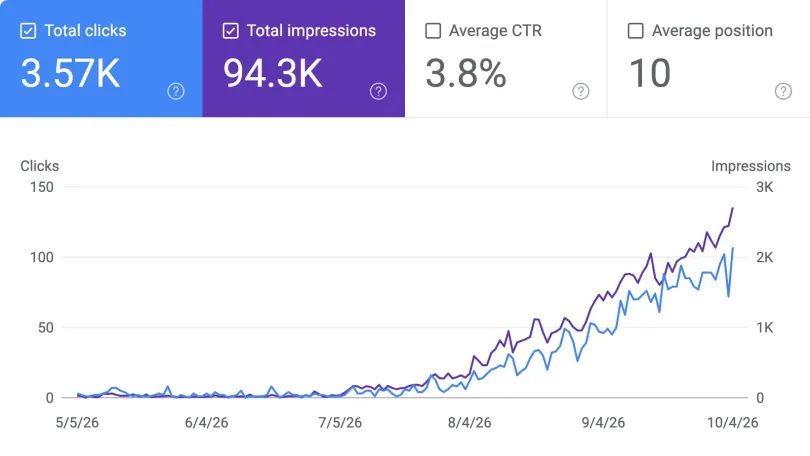
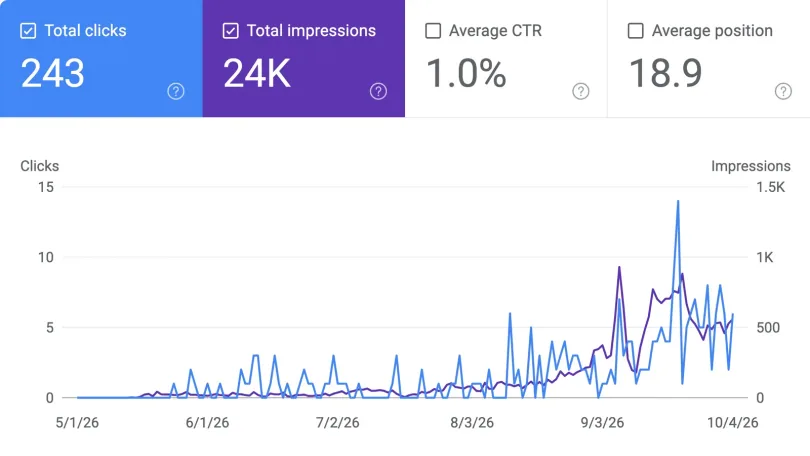
 “I tested Sorank on a real client site and it's insane. It does everything an agency would bill you $1500 a month for. It's going into production on that client now.”
 Guillaume Guersanguersanguillaume.com“We are an Ads agency and we wanted to get our SEO back on track once and for all. Sorank gave us a clear view of our site, helped us prioritize optimizations, and properly structure our content. The tool is easy to use, well designed for a team, and very practical for centralizing tracking without having to juggle multiple platforms. A very solid foundation to start fresh with our SEO.”
 Gaspard MadouiAds Agency
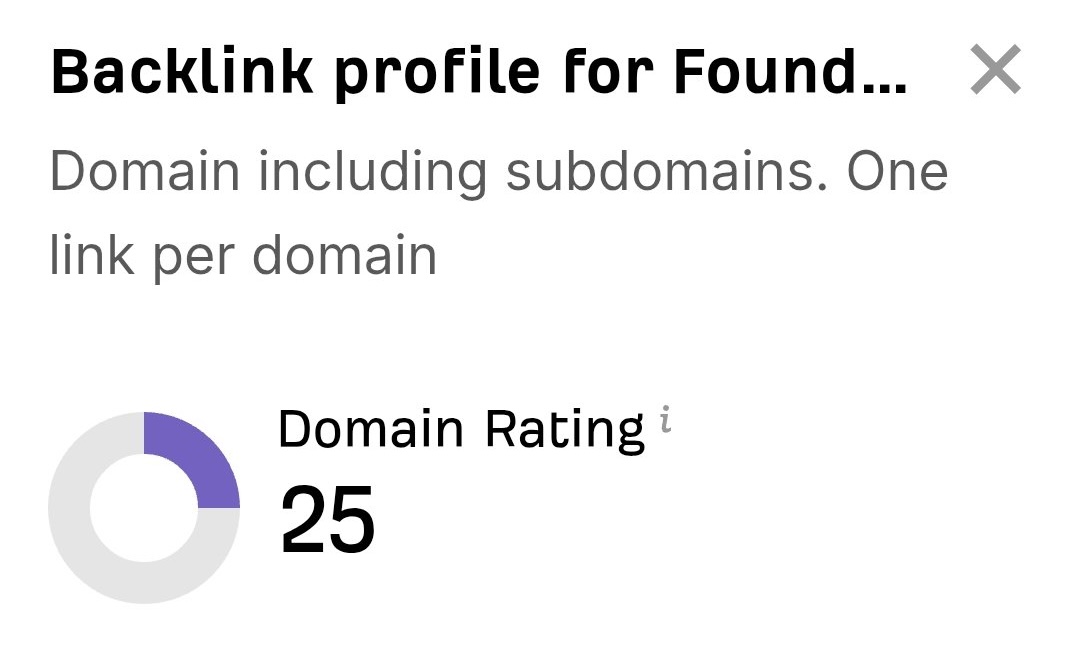 “I just let the Sorank software do its thing, and now my DR is 25 and my page is ranking higher.”
 Lucas FlandrePodcast Host“I specialized in GEO thanks to Sorank. The GEO Leaderboard allows me to show my clients their position vs competitors on ChatGPT. It’s a real commercial differentiator.”
 MélanieSEO Freelance“Great service, works well for our website and helps us understand how to improve it to rank better on Google and elsewhere. Congrats, keep going, I recommend it.”
 Hugo T.E-commerce merchant