Preferences
Privacy is important to us, so you have the option of disabling certain types of storage that may not be necessary for the basic functioning of the website. Blocking categories may impact your experience on the website. More information

Privacy is important to us, so you have the option of disabling certain types of storage that may not be necessary for the basic functioning of the website. Blocking categories may impact your experience on the website. More information
Semantic search understands the meaning and intent behind a query, not just keywords. Learn how it works with embeddings and why it matters for GEO.








Sources
Semantic search is a search technique focused on understanding the meaning or intent behind a query rather than relying on exact keyword matches. Instead of asking which documents contain the same words, it asks which documents mean the same thing. A search for "healthy dinner ideas" can surface a recipe titled "nutritious meal prep for busy nights," because the system recognizes the shared concept even with no shared words.
This shift from literal matching to meaning is the foundation of modern search and of AI assistants. By interpreting context, relationships, and intent, semantic search returns results that align with what a user actually wants, which is why it underpins everything from site search to retrieval in large language models.
Semantic search interprets the actual meaning of a query rather than using keywords. It analyzes context, the relationships between words, and the underlying intent in both the query and the documents, then returns results that match meaning. The classic example: "Why can't I log into my Netflix account?" matches an article titled "Troubleshooting Login Problems on Netflix," because the system grasps the need behind the different wording.
This is a direct answer to the limits of keyword search, which fails when users phrase things differently from how content is written. By reading for meaning, semantic search recovers the user's true search intent instead of forcing an exact string match.
The engine converts text into embeddings, which are dense numerical vectors that capture meaning. Both the query and every document are encoded with the same model, then the system measures how close the query vector sits to each document vector, commonly using cosine similarity. Documents whose vectors are nearest are ranked highest.
Because the vectors encode meaning, conceptually similar text lands close together in vector space even when the words differ. This is why embeddings are the engine of semantic search: they turn the fuzzy idea of "similar meaning" into a precise distance the machine can compute. The closer the vectors, the more semantically related the content.
In vector space, terms with related meaning naturally cluster. Words like king, queen, prince, and princess group near each other; programming terms like algorithm, function, and code cluster in their own region; synonyms sit close together. The geometry of the space encodes semantic relationships, so proximity equals similarity.
This clustering is what lets the system retrieve relevant results without keyword overlap. A query lands at a point in the space, and the nearest documents are pulled back, regardless of exact wording. The mechanics of finding those nearest neighbors is the domain of vector search, which powers semantic retrieval at scale.
The two terms overlap but are not identical. Vector search converts a query into a vector and finds the results closest in meaning based on those vectors. Semantic search often adds contextual layers on top, such as natural language understanding and knowledge graph relationships, before ranking. In short, vector search is the retrieval mechanism, while semantic search is the broader goal of returning meaning-relevant results.
Many systems blend both with keyword signals in a hybrid approach. Vector similarity captures meaning, while keyword matching anchors precision on exact terms like product names or codes. The combination tends to outperform either method alone, balancing recall from meaning with precision from literal matches.
Semantic search relies on natural language processing to understand words and their connections, including grammar, context, and disambiguation. NLP helps the system tell apart "man bites dog" from "dog bites man," a distinction keyword matching misses entirely because the words are identical.
Many systems also draw on a knowledge graph, which represents entities as nodes and their relationships as edges. Linking concepts like soccer to defender lets the engine reason about how things relate, adding a layer of structured meaning beyond what embeddings alone capture. Together, NLP and knowledge graphs deepen the system's grasp of intent.
Search engines moved to semantic understanding years ago, which is why keyword stuffing no longer works. Pages now rank for the meaning they convey, so a single well written page can match many phrasings of the same need. Optimizing for meaning, by covering a concept and its related entities thoroughly, beats targeting one exact phrase.
For generative engine optimization the link is even tighter. Assistants like ChatGPT, Perplexity, and Gemini retrieve content semantically before composing an answer, then cite the passages closest in meaning to the query. Being citable depends on your content sitting near the right concepts in vector space, which is the same logic that powers retrieval in RAG systems.
Write for topics and meaning, not isolated keywords. Cover a subject comprehensively, including synonyms, related entities, and the questions a reader naturally asks, so your content embeds near the full concept rather than a single term. Clear, self-contained passages help the system extract and match precise meaning.
Use plain, unambiguous language and consistent terminology so embeddings represent your content faithfully. Structure with descriptive headings and answer questions directly. Pairing this with disciplined keyword research and content planning ensures you cover the meaning space around a topic, not just the highest volume phrase.
Semantic search is more computationally expensive than keyword matching, because encoding text and comparing high-dimensional vectors costs more than a lookup. Embedding quality also depends on the model and the data it was trained on, so a poorly chosen model can misrepresent niche or technical content.
Pure semantic matching can sometimes lose precision on exact strings, returning conceptually close but literally wrong results for things like part numbers or specific names. This is why hybrid approaches exist. The technique shines on natural language and conceptual queries, while exact-match needs still benefit from a keyword layer alongside it.
Semantic search matches meaning rather than words, using embeddings, vector similarity, NLP, and knowledge graphs to recover what a user truly wants. It is the foundation of modern search engines and of the AI assistants now answering questions directly. For marketers, the lesson is to write for concepts and intent, covering topics deeply enough to embed near every phrasing of a need.
Connect this with strong embeddings understanding and clear search intent coverage, and use Sorank's research and content planning tools to map the full meaning space of your topics. Reference sources: Meilisearch and TechTarget.

Keyword search matches the exact words in a query against the words in documents, so it misses content phrased differently. Semantic search interprets the meaning and intent behind the query, using embeddings to compare concepts rather than strings. It can return a relevant result even when the document shares no words with the query, as long as the meaning aligns.
Embeddings are dense numerical vectors that represent the meaning of text. Semantic search encodes both the query and documents into embeddings with the same model, then measures how close their vectors are, often with cosine similarity. Because similar meanings sit close together in vector space, this lets the system retrieve conceptually relevant results without relying on shared keywords.
AI assistants like ChatGPT, Perplexity, and Gemini retrieve content by meaning before writing an answer, then cite the passages closest to the query in vector space. To be cited, your content must sit near the right concepts, which means covering a topic thoroughly with clear, unambiguous language rather than targeting a single exact keyword.
THEY TRIED SORANK BEFORE YOU
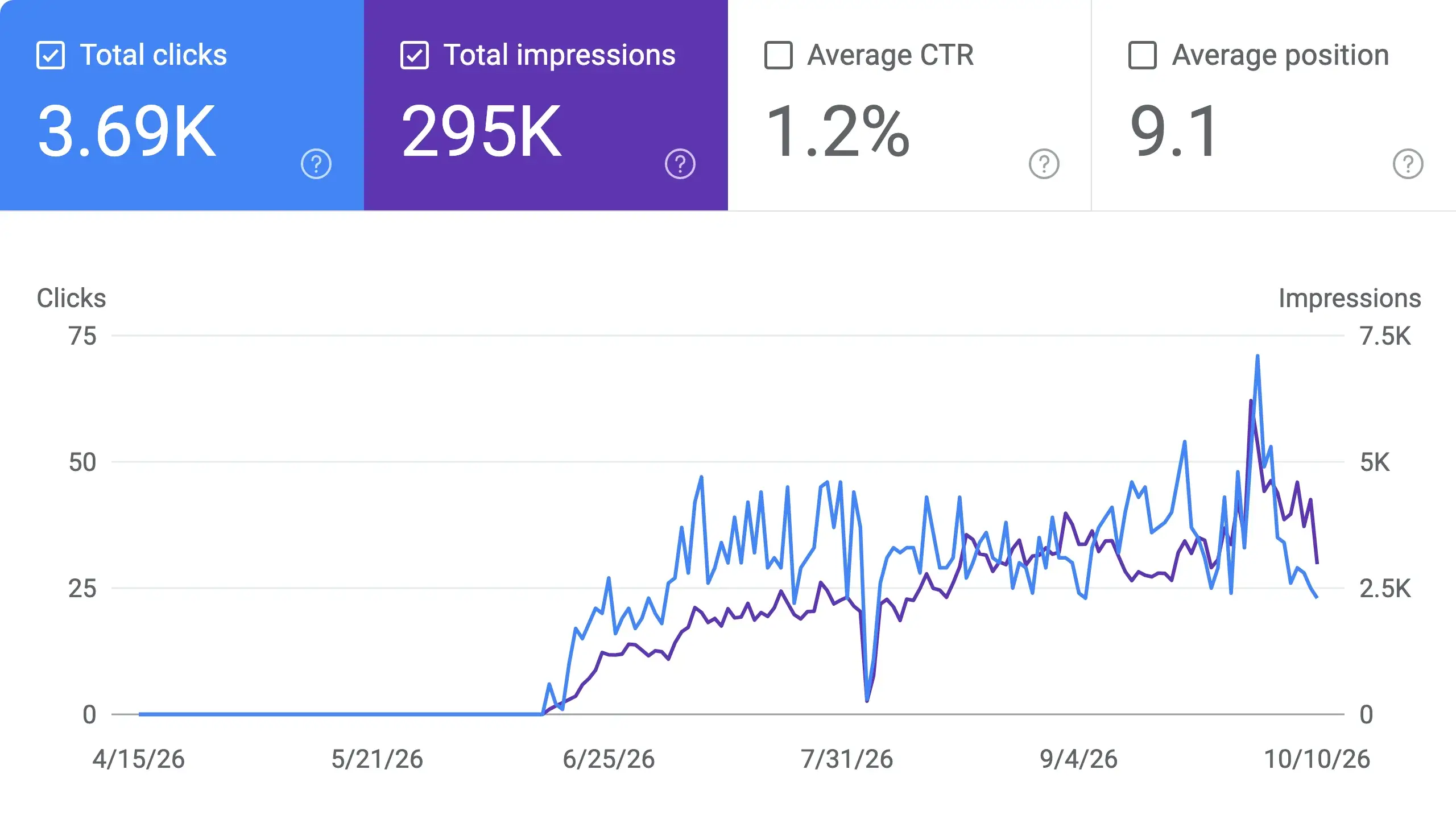
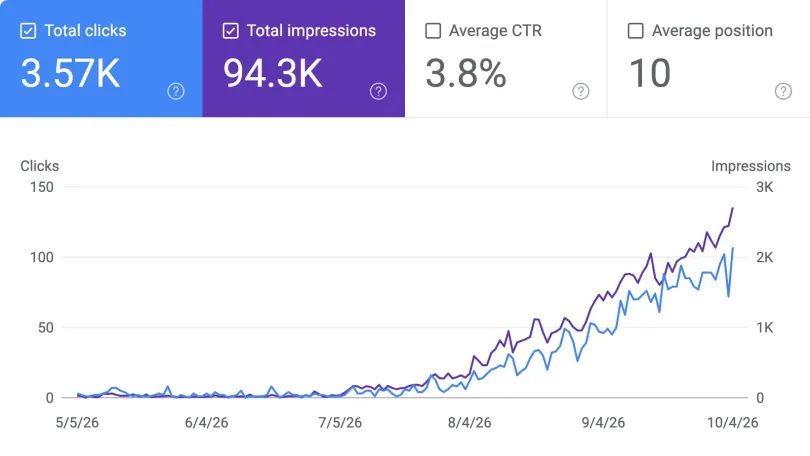
 “I tested Sorank on a real client site and it's insane. It does everything an agency would bill you $1500 a month for. It's going into production on that client now.”
 Guillaume Guersanguersanguillaume.com“We are an Ads agency and we wanted to get our SEO back on track once and for all. Sorank gave us a clear view of our site, helped us prioritize optimizations, and properly structure our content. The tool is easy to use, well designed for a team, and very practical for centralizing tracking without having to juggle multiple platforms. A very solid foundation to start fresh with our SEO.”
 Gaspard MadouiAds Agency
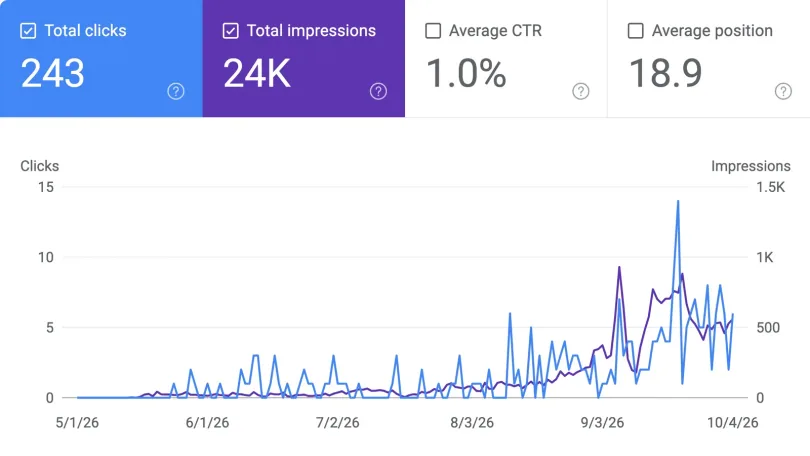
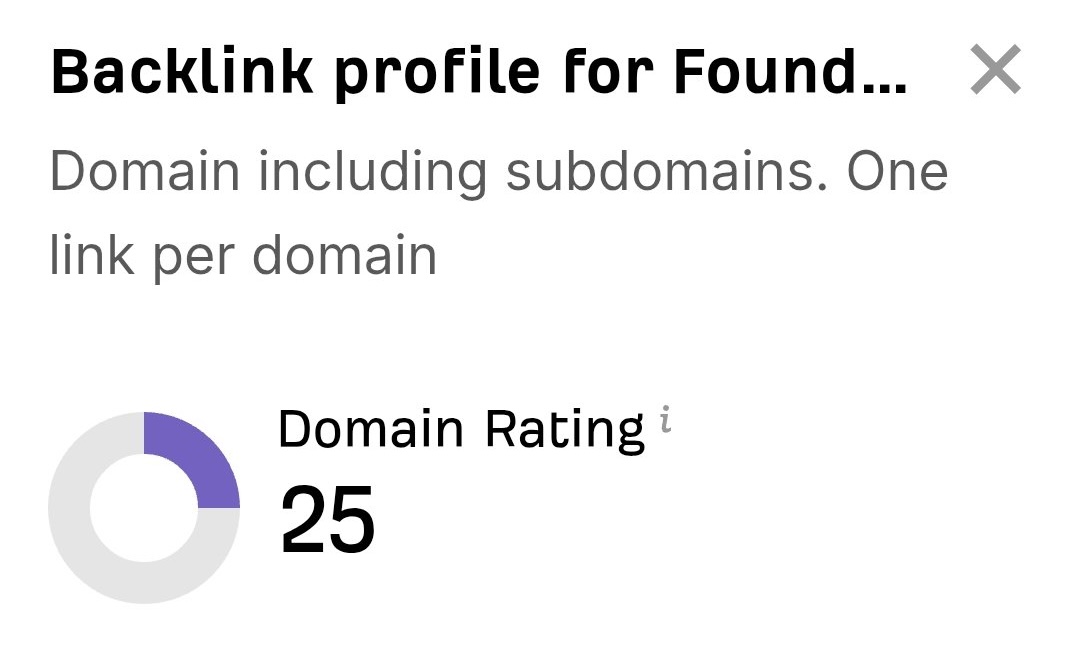 “I just let the Sorank software do its thing, and now my DR is 25 and my page is ranking higher.”
 Lucas FlandrePodcast Host“I specialized in GEO thanks to Sorank. The GEO Leaderboard allows me to show my clients their position vs competitors on ChatGPT. It’s a real commercial differentiator.”
 MélanieSEO Freelance“Great service, works well for our website and helps us understand how to improve it to rank better on Google and elsewhere. Congrats, keep going, I recommend it.”
 Hugo T.E-commerce merchant