Preferences
Privacy is important to us, so you have the option of disabling certain types of storage that may not be necessary for the basic functioning of the website. Blocking categories may impact your experience on the website. More information

Privacy is important to us, so you have the option of disabling certain types of storage that may not be necessary for the basic functioning of the website. Blocking categories may impact your experience on the website. More information

Ranking is where a page appears in search results for a query. Learn how engines order results, the main factors, and how ranking is changing.








Sources
Ranking refers to where a web page appears on a search engine results page for a specific query. This tiered visibility is what we call ranking, because it reflects how an engine judges the relevance and relative value of every page against a search. The higher the position, the more visibility and traffic a page tends to earn.
Understanding ranking matters because position is the currency of organic search. The same page can be a major traffic source at the top of page one and nearly invisible a few spots lower, which is why so much of SEO is the work of improving where pages rank.
Ranking is the ordered placement of pages in response to a query, produced by a search engine's automated systems. Google, for example, uses ranking systems that assess many factors and signals about hundreds of billions of pages to surface the most relevant, useful results in a fraction of a second. The output is the familiar ordered list, from the top result downward.
Importantly, ranking works mostly at the page level. A strong site does not guarantee every page ranks well, and a weaker site does not doom all of its pages, though site-wide signals do contribute. Each page largely earns its own position based on how well it answers the specific query.
To order results, an engine looks at signals including the words of the query, the relevance and usability of each page, the expertise of the source, and the user's location and settings. It interprets the query's meaning, finds candidate pages, scores them against these signals, and returns them in order. All of this happens almost instantly for every search.
A central goal is reading intent correctly, so the engine surfaces the format a searcher actually wants. Aligning a page with that search intent is often the difference between ranking and not, because a perfect article still loses if it answers the wrong version of the question.
Modern ranking is not one algorithm but many systems working together. PageRank, one of Google's original systems, analyzes how pages link to one another to gauge relevance and helpfulness. AI systems interpret language: RankBrain relates words to concepts, BERT reads how word combinations change meaning, and neural matching connects the concepts in queries and pages.
Other systems target specific needs, from passage ranking that scores individual sections of a page, to a reviews system that rewards original analysis, plus systems for freshness, spam, and duplicate content. One of the most influential of these signals remains the link, and the role of AI interpreters like RankBrain keeps growing.
The signals that drive ranking fall into a few broad groups. Content quality leads: engines prioritize original, comprehensive material that fully answers a topic over thin content. Links and authority matter, with diverse, relevant referring domains carrying more weight than many low-quality links. Technical performance counts too, including mobile friendliness and fast, stable loading.
These group neatly into on-page factors you control directly, off-site factors like backlinks, and technical factors like crawlability and speed. Page experience signals, covered under page experience, and security such as HTTPS round out the picture, though their individual weight is modest compared with content and links.
Marketers track ranking by position: the numeric spot a page holds for a keyword, often averaged across searches and devices. Because the same page can rank differently by location, personalization, and device, the cleaner metric is usually an aggregate rather than a single snapshot. That aggregate is what average position captures.
Position is closely tied to traffic, since higher spots generally attract far more clicks than lower ones. This is why moving a page from the bottom of page one to the top can transform its organic traffic, even though the underlying page has not changed.
For classic SEO, ranking is the objective: better positions mean more visibility, clicks, and conversions. The discipline of SEO is largely the practice of earning and defending strong rankings through better content, authority, and technical health.
In the AI era, ranking is being reframed rather than replaced. As assistants synthesize answers and cite sources, visibility increasingly means being the page an AI retrieves and references, which depends on a new set of AI search ranking factors. The good news is continuity: clear, authoritative, well-structured content that ranks well also tends to get cited, especially when paired with sound keyword research and content planning.
Focus first on content that genuinely answers the query better than competitors, matching the intent and format the results reward. Build authority through relevant, high-quality links rather than volume, and keep your technical foundation healthy with fast, mobile-friendly, crawlable pages served over HTTPS.
Then think in topics, not single keywords. Covering a subject thoroughly and linking related pages signals depth to ranking systems and gives you more entry points into both classic results and AI answers. Sustainable ranking comes from being the most useful, trustworthy resource on a topic, not from chasing any single signal.
Ranking is the position a page earns in search results, decided page by page by a web of automated systems weighing content, links, technical health, and intent. It is measured by position and tied tightly to traffic, which is why improving rankings is the heart of SEO. As AI search grows, ranking is being reframed around citation and retrieval, but the fundamentals of useful, authoritative content still win.
Build that foundation and align it with how engines and assistants read intent, using Sorank's research and content planning tools. Reference sources: Google Search Central, Semrush, and Page One Power.

Ranking is the position your page holds in search results for a query. A ranking factor is one of the many signals an engine uses to decide that position, such as content quality, backlinks, page speed, or intent match. In short, ranking is the outcome, and ranking factors are the inputs that determine it.
Mostly at the page level. Each page largely earns its own position based on how well it answers a specific query, so a strong site does not guarantee every page ranks well, and a weaker site does not doom all its pages. Site-wide signals do contribute to how an engine understands your pages, but individual page relevance is the main driver.
Yes, though it is being reframed. Traditional ranking still drives organic clicks, and pages must be indexed and eligible to rank to appear in many AI features. As assistants synthesize answers, visibility increasingly means being the page an AI retrieves and cites. The same fundamentals, useful and authoritative content, support both classic ranking and AI citation.
THEY TRIED SORANK BEFORE YOU
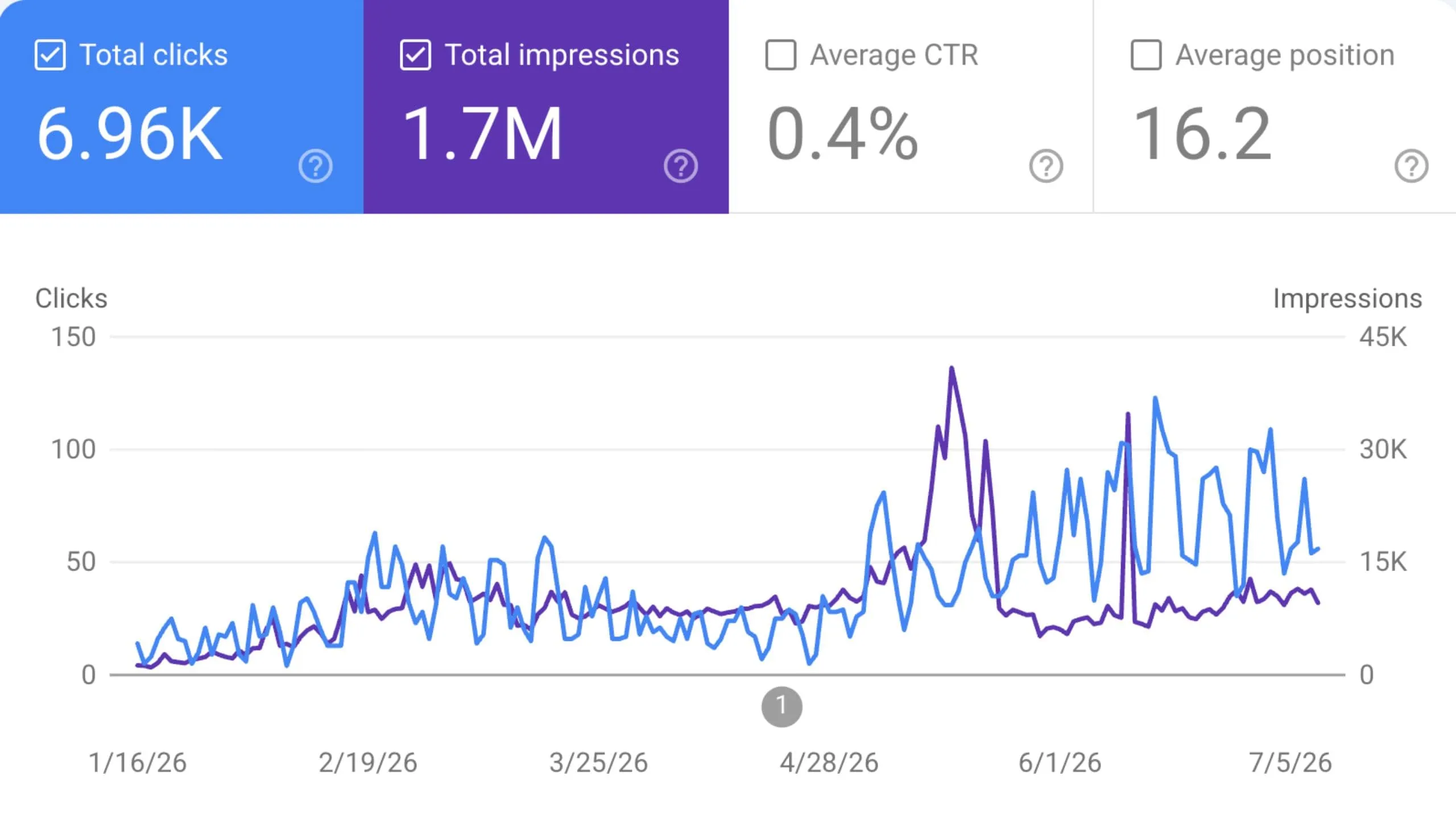
 “I tested Sorank on a real client site and it's insane. It does everything an agency would bill you $1500 a month for. It's going into production on that client now.”
 Guillaume Guersanguersanguillaume.com“We are an Ads agency and we wanted to get our SEO back on track once and for all. Sorank gave us a clear view of our site, helped us prioritize optimizations, and properly structure our content. The tool is easy to use, well designed for a team, and very practical for centralizing tracking without having to juggle multiple platforms. A very solid foundation to start fresh with our SEO.”
 Gaspard MadouiAds Agency
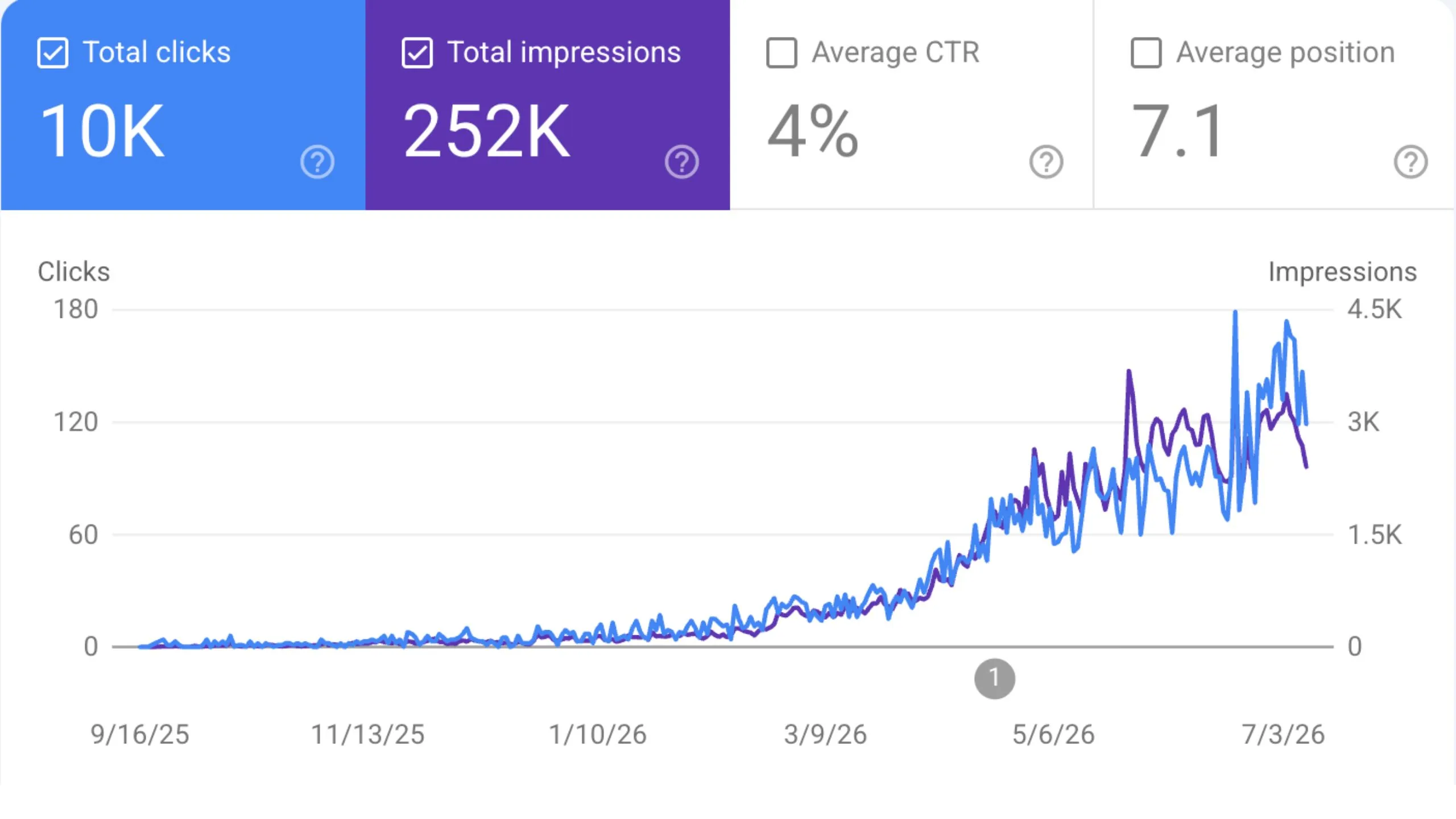
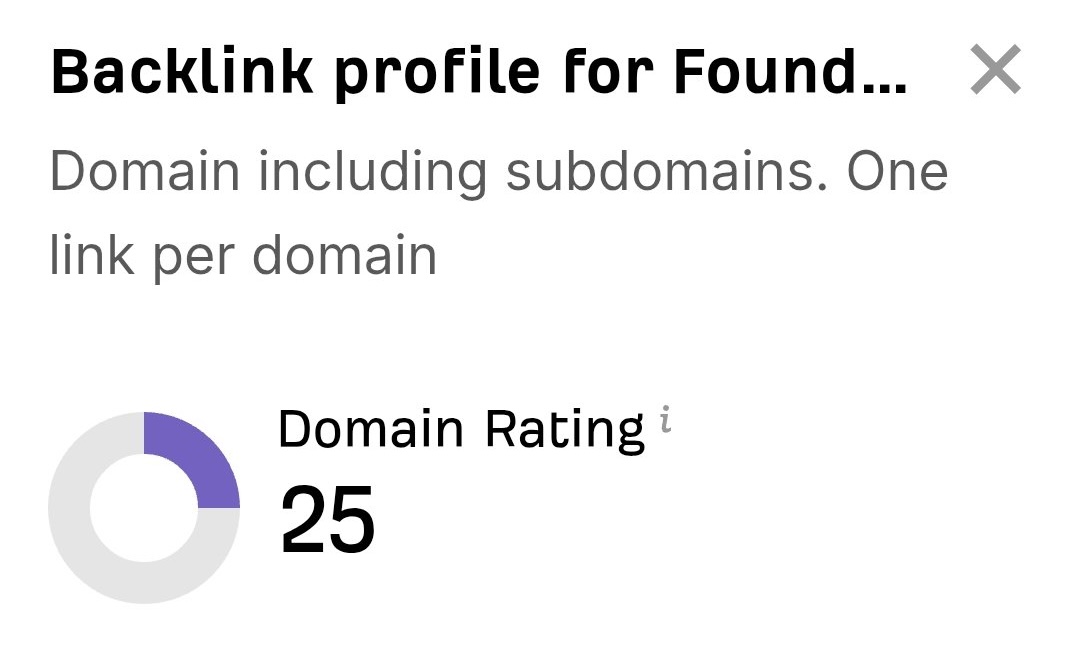 “I just let the Sorank software do its thing, and now my DR is 25 and my page is ranking higher.”
 Lucas FlandrePodcast Host“I specialized in GEO thanks to Sorank. The GEO Leaderboard allows me to show my clients their position vs competitors on ChatGPT. It’s a real commercial differentiator.”
 MélanieSEO Freelance“Great service, works well for our website and helps us understand how to improve it to rank better on Google and elsewhere. Congrats, keep going, I recommend it.”
 Hugo T.E-commerce merchant