Preferences
Privacy is important to us, so you have the option of disabling certain types of storage that may not be necessary for the basic functioning of the website. Blocking categories may impact your experience on the website. More information

Privacy is important to us, so you have the option of disabling certain types of storage that may not be necessary for the basic functioning of the website. Blocking categories may impact your experience on the website. More information

RankBrain is Google's machine learning system for understanding queries and intent. Learn how it works, why it matters, and how to optimize for it.








Sources
RankBrain is a machine learning system that helps Google understand search queries and deliver more relevant results. Google rolled it out in spring 2015 and confirmed it that October, and it marked the first time machine learning was built into the core of search. Rather than matching keywords literally, RankBrain works out what a searcher actually means and ranks pages accordingly.
Its importance was immediate. In 2015 Google called RankBrain the third most important ranking factor, behind links and content, out of roughly 200 signals. That single fact reframed SEO: pleasing an algorithm now meant satisfying user intent, not just stuffing keywords.
RankBrain is an AI system that interprets queries and helps judge which results best answer them. It was designed to solve a real problem: roughly 15 percent of the searches Google sees every day are queries it has never seen before. Exact keyword matching cannot handle truly novel phrasing, so Google needed a system that could reason about meaning.
It builds on Hummingbird, the 2013 update that shifted Google from matching strings of characters to understanding things, or entities. RankBrain added a learning layer on top, using machine learning to keep improving its interpretation of language over time.
RankBrain converts search phrases into conceptual meanings rather than treating them as literal text. It maps words into vectors, sometimes called distributed representations, so it can recognize that two differently worded queries mean nearly the same thing. This is the same family of technique that lets a system learn that Paris relates to France the way Berlin relates to Germany.
For an unfamiliar query, RankBrain guesses which known words or phrases carry a similar meaning, then groups the query with patterns it already understands. It also weighs context such as location and search trends to infer what the user wants. This reliance on embeddings to capture meaning is what makes it good at ambiguous and never-before-seen searches, and it directly serves search intent.
Beyond interpreting queries, RankBrain is widely understood to learn from how people interact with results. The signals most often cited are organic click-through rate, dwell time, bounce rate, and pogo-sticking, the pattern of a user bouncing rapidly between results looking for a better one. When users consistently abandon a result, that behavior suggests the page did not satisfy them.
The practical reading is that a page which earns clicks and keeps people engaged sends positive signals, while one users quickly leave sends negative ones. That is why strong dwell time and a healthy click-through rate are treated as proxies for relevance, even if Google does not disclose their exact weighting.
The headline statistic comes from Google itself: RankBrain guesses what the rest of the search algorithm will pick as the top result about 80 percent of the time, compared with 70 percent for human search engineers. In head-to-head tests, the system outperformed Google's own experts, which is why it was trusted with so much influence.
Originally applied only to the 15 percent of novel queries, RankBrain was expanded to be involved in essentially every query. It does not necessarily change the ranking for every search, but it is part of how Google processes them all, making it a permanent layer of the algorithm rather than a one-off update among the usual algorithm updates.
RankBrain ended the era of optimizing for exact-match keywords. Because it understands concepts, you rank by comprehensively covering a topic and matching intent, not by repeating a phrase. This pushed SEO toward thorough, well-structured content that answers the real question behind a query, which is exactly the discipline the AIs now reward too.
The continuity matters. RankBrain pioneered intent understanding, later systems like the BERT algorithm deepened language comprehension, and today AI search extends the same logic to synthesized answers. Content built to satisfy intent, supported by sound keyword research and content planning, performs across all of them.
Start with intent. Study what the results already reward for a query and produce the format that fits, whether a guide, a comparison, or a product page, then answer the core question clearly and early. Cover the topic in depth so the page resolves the search rather than sending users back to look elsewhere.
Then strengthen the signals RankBrain watches. Write compelling titles and descriptions to lift click-through rate, and keep readers engaged with clear structure, a tight introduction, and genuinely useful content so they stay rather than pogo-stick away. You are not gaming a metric; you are making a page that satisfies the searcher, which is what the system is built to detect.
RankBrain brought machine learning into the heart of Google search, interpreting the meaning behind queries, handling the 15 percent of searches that are brand new, and learning from how users engage with results. It reframed SEO around intent and topical depth rather than exact keywords, and it set the trajectory that BERT and today's AI search continue.
The durable response is content that genuinely satisfies the searcher, built with Sorank's research and content planning tools. Reference sources: Backlinko, Wikipedia, and Search Engine Journal.

RankBrain is a machine learning system Google launched in 2015 to understand what people actually mean when they search, instead of just matching keywords literally. It is especially good at interpreting unfamiliar or ambiguous queries by connecting them to concepts and patterns it already knows. Google has called it one of its most important ranking factors, alongside links and content.
RankBrain is widely understood to learn from user behavior signals such as click-through rate, dwell time, bounce rate, and pogo-sticking between results. When users quickly abandon a page, it suggests the result did not satisfy them. Google does not publish the exact weighting, so the safest approach is to genuinely satisfy intent rather than chase any single metric.
No, though they are related. RankBrain, from 2015, pioneered using machine learning to interpret query meaning and intent. BERT, introduced later, deepened Google's understanding of language and word relationships within a query, including how surrounding words change meaning. They are distinct systems that both push Google toward understanding intent rather than matching keywords.
THEY TRIED SORANK BEFORE YOU
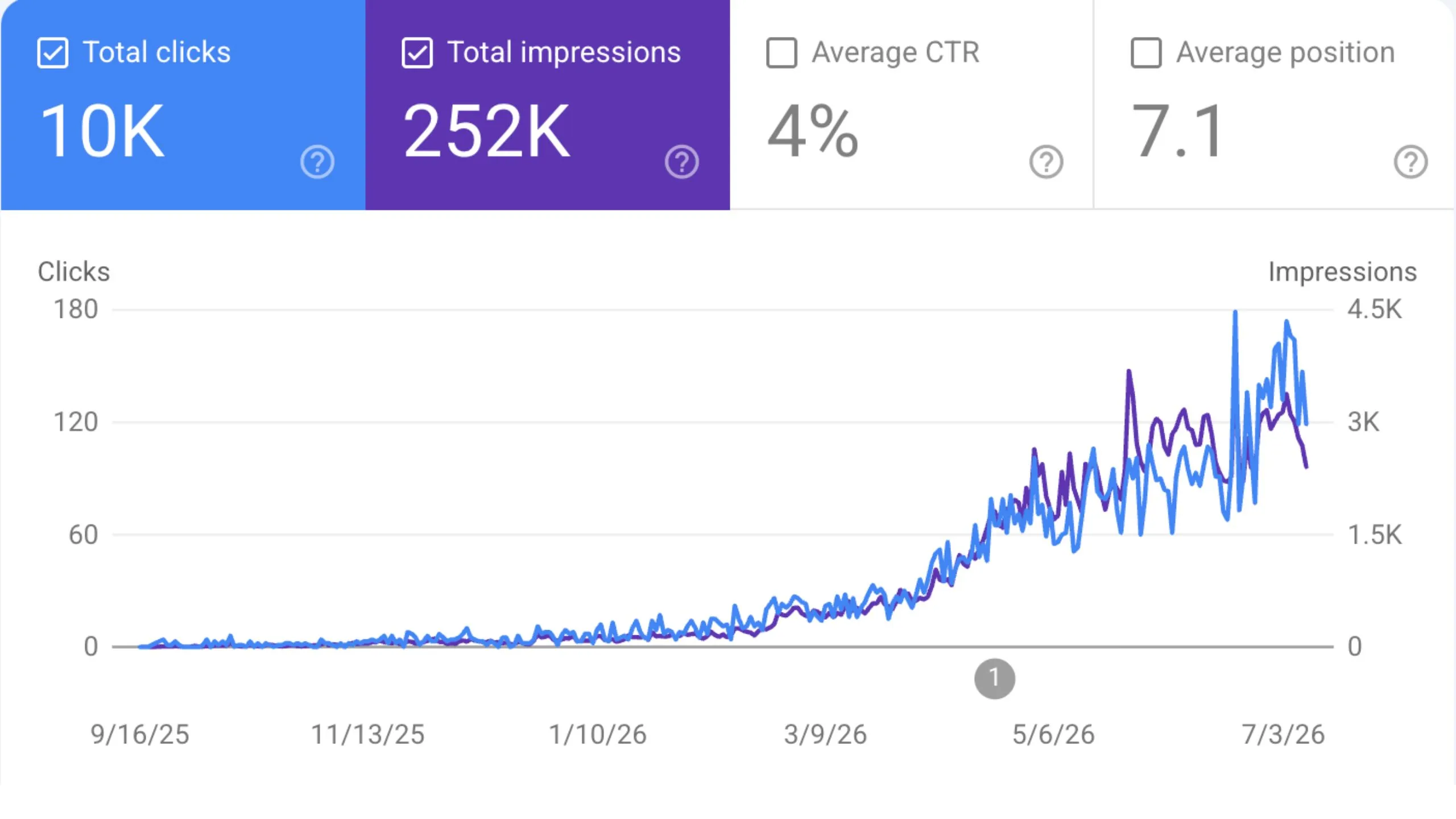
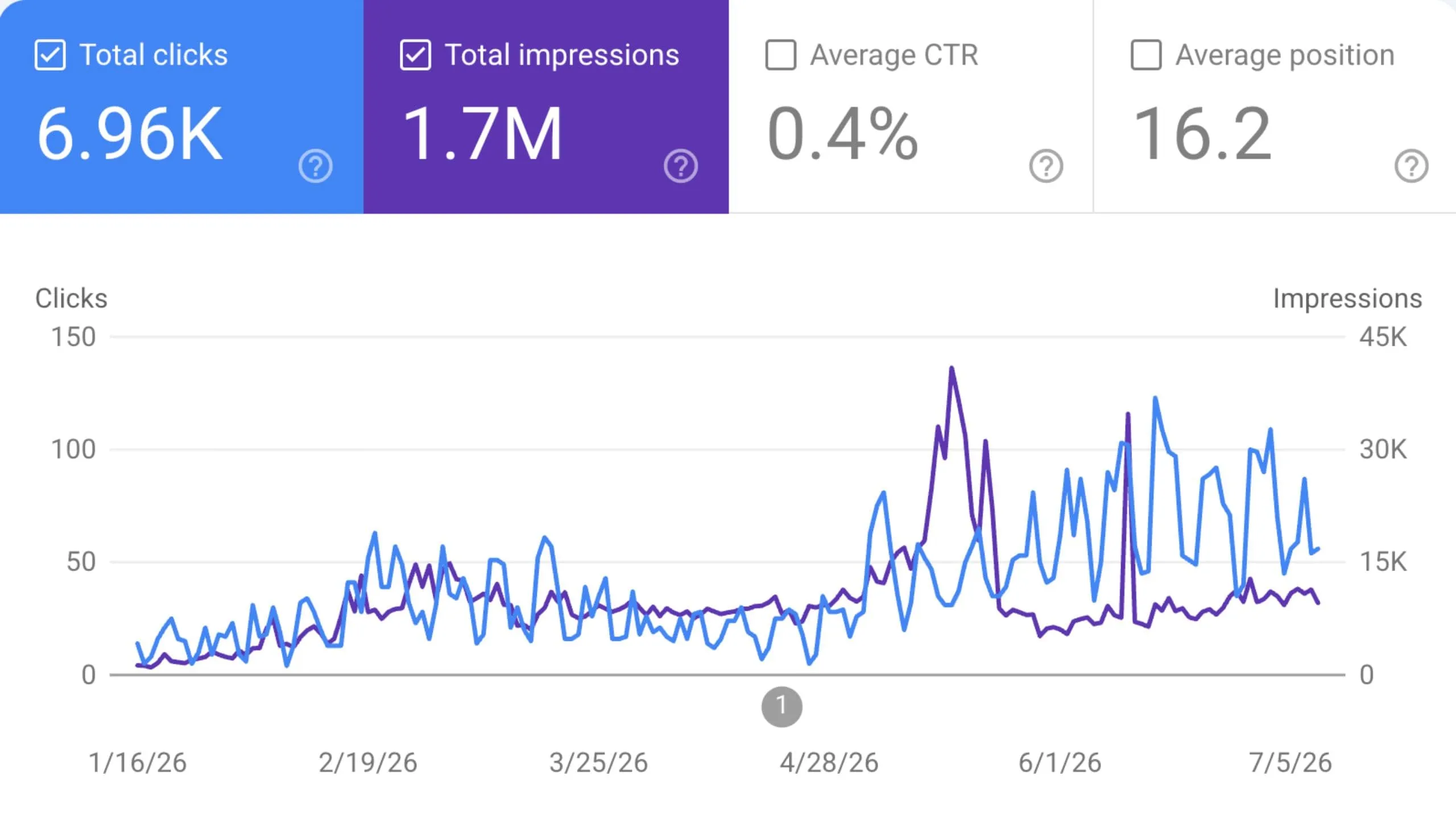
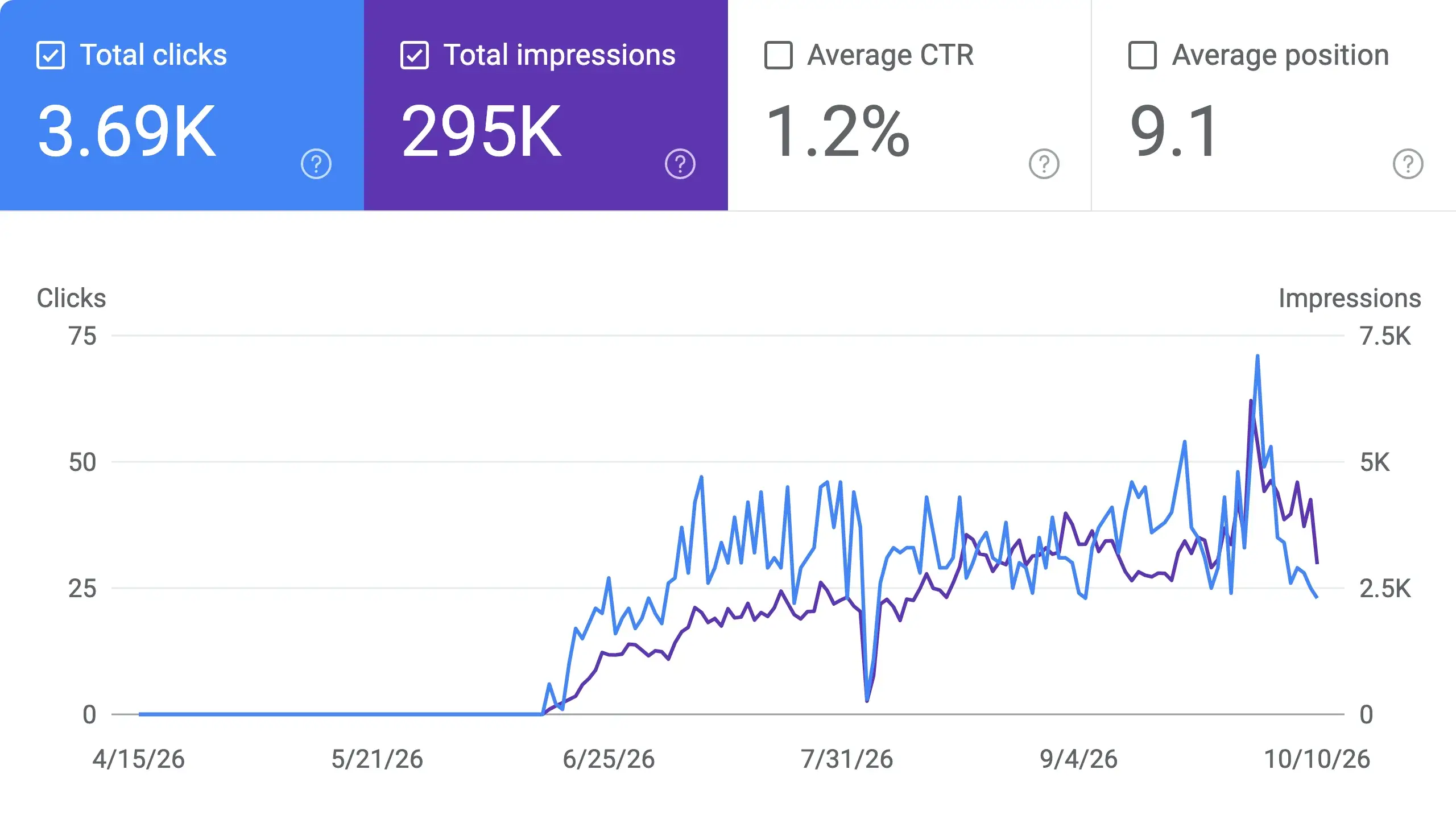
 “I tested Sorank on a real client site and it's insane. It does everything an agency would bill you $1500 a month for. It's going into production on that client now.”
 Guillaume Guersanguersanguillaume.com“We are an Ads agency and we wanted to get our SEO back on track once and for all. Sorank gave us a clear view of our site, helped us prioritize optimizations, and properly structure our content. The tool is easy to use, well designed for a team, and very practical for centralizing tracking without having to juggle multiple platforms. A very solid foundation to start fresh with our SEO.”
 Gaspard MadouiAds Agency
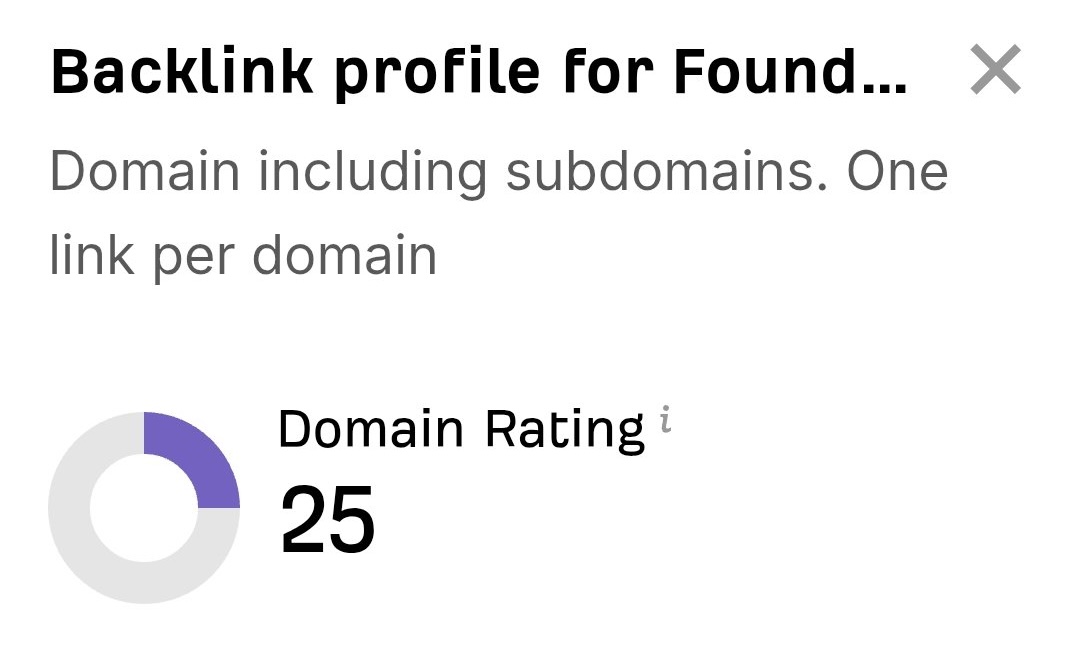 “I just let the Sorank software do its thing, and now my DR is 25 and my page is ranking higher.”
 Lucas FlandrePodcast Host“I specialized in GEO thanks to Sorank. The GEO Leaderboard allows me to show my clients their position vs competitors on ChatGPT. It’s a real commercial differentiator.”
 MélanieSEO Freelance“Great service, works well for our website and helps us understand how to improve it to rank better on Google and elsewhere. Congrats, keep going, I recommend it.”
 Hugo T.E-commerce merchant