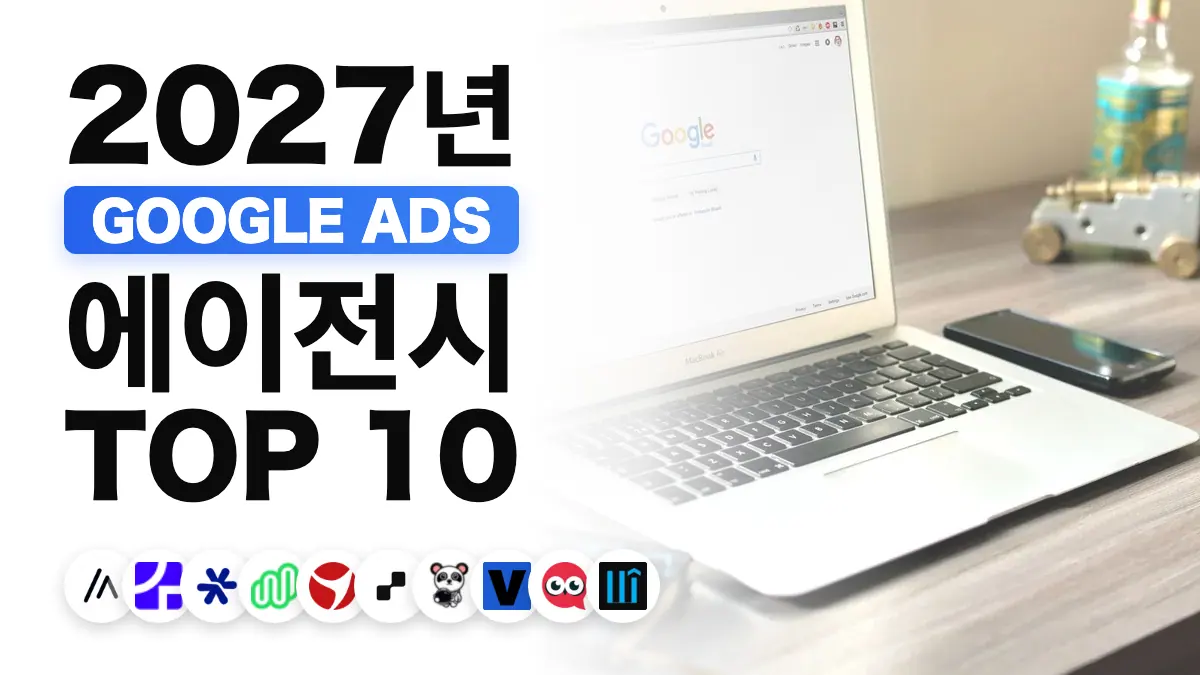
2027년 프랑스 최고의 Google Ads 대행사 10곳 순위입니다. 공개 정보만을 근거로 했으며, 시장 규모와 방법론, 한계를 함께 밝혔습니다.
도구


요약
Ad's up Consulting은 큰 계정을 운영하는 경우 프랑스 최고의 Google Ads 대행사 가운데 가장 강력한 선택입니다. 유료 검색을 고립된 채널이 아니라 전체 미디어 믹스 안의 한 가지 지렛대로 다루기 때문입니다. 입찰이 시작되기도 전에 전환 추적이 망가져 있다면 Convertix가 더 맞고, 첫 상담 전에 공개된 요금을 확인하고 싶다면 Webloom이, 큰 컨설팅 회사라면 조용히 후순위로 밀어 둘 작거나 계절성이 강한 계정을 운영한다면 Digicîmes나 Varchetta가 맞습니다. 결정적인 기준은 그 대행사가 평소에 다루는 계정 규모가 귀사와 맞느냐입니다. 작은 예산으로 큰 대행사와 계약하면 담당자의 목록에서 가장 관심을 덜 받는 고객이 되기 때문입니다.
더 알아보고 싶다면 물어보세요
프랑스 최고의 Google Ads 대행사 중에서 고른다는 것은 Google 스스로가 가장 크게 의존하는 채널의 공급자를 고르는 일입니다. Google의 모회사 Alphabet은 2025년 4분기만으로 검색 및 기타 광고 매출이 전년 대비 16.7% 늘어 630억7000만 달러에 이르렀다고 발표했으며, 이는 이 시장의 모든 대행사가 그 몫을 원하는 이유를 설명해 주는 규모입니다. 여기에서 10위 목록은 알맞은 공급자가 거의 전적으로 지출 규모에 달려 있는 시장을 걸러 내는 장치입니다. 월 2000유로를 쓰는 회사와 월 200000유로를 쓰는 회사에는 같은 조직의 다른 등급이 아니라 서로 다른 조직이 필요합니다.
검색은 프랑스 디지털 광고에서 가장 큰 단일 채널입니다. 2026년 상반기만으로 27억4000만 유로에 이르렀고 시장의 41%를 차지하며 전년 대비 12% 성장했습니다. 이 수치는 SRI, UDECAM, Oliver Wyman이 발표한 e-Pub 관측 보고서에서 나온 것으로, 프랑스 시장의 기준이 되는 측정입니다.
그 규모야말로 대행사 지형이 여러 채널에 걸쳐 수천만 유로를 조율하는 전국 규모 컨설팅 회사부터 Haute-Savoie에서 혼자 일하는 인증 컨설턴트까지 걸쳐 있는 이유이며, 이 순위가 한 가지 유형의 대행사가 모든 예산을 감당하는 척하는 대신 양쪽 끝을 일부러 모두 포함한 이유이기도 합니다. 검색은 또한 다른 어떤 채널보다 지출을 빠르게 집중시킵니다. 광고주의 경쟁사가 같은 경매에서 실시간으로 맞붙어 입찰하는 유일한 곳이기 때문이며, 이메일 캠페인이나 옥외 광고판에는 해당하지 않는 이야기입니다. 의도 또한 더 이상 검색창 하나에 갇혀 있지 않습니다. 구매자의 일부가 아예 다른 곳에서 조사를 시작하면서 Google을 대신할 검색엔진을 이해하는 일이 해마다 더 중요해지고 있습니다.
그 예산은 어느 것도 저절로 계속 일하지 않습니다. 관측 보고서가 측정한 27억4000만 유로 가운데 1유로도 캠페인이 멈추는 날 트래픽을 만들어 내지 못하며, 이것이 이 페이지 전체를 관통하는 논지입니다.
이 채널에서는 네 가지 두려움이 거듭 등장하며, 좋은 대행사는 묻기 전에 네 가지 모두에 답합니다.
1. 애초에 전환될 리 없던 클릭에 돈을 내는 것. 제외 키워드 목록이 빈약하고 게재위치 제외가 없으면, 무언가를 살 가능성이 처음부터 없던 검색과 게재위치에 예산이 타 버립니다. 어떤 검색어에 입찰할 가치가 있는지조차 확실하지 않다면 키워드 검색량이 실제로 어떻게 작동하는지부터 확인하세요.
2. 예산을 승인받게 해 준 검증된 리드 대신 클릭수와 노출수를 보여 주는 것. 매출은 그대로인데 트래픽만 늘어나는 것은 사업에 아무런 성과도 내지 못하면서 진전을 보여 주는 전형적인 방식입니다.
3. 계약이 끝나는 순간 전환 이력을 잃는 것. Google이 직접 낸 Smart Bidding 문서는 자동 입찰 전략이 경매 시점에 계정의 전환 데이터로 학습한 머신러닝을 사용한다고 분명히 밝히고 있습니다. 그 이력은 대행사가 아니라 귀사가 소유한 계정 안에 있어야 하며, 그렇지 않으면 새 공급자는 처음부터 시작하게 됩니다.
4. 시니어 컨설턴트가 팔고, 여유 있는 아무나 실무를 맡는 것. 실제로 입찰을 조정하고 광고 문구를 쓰고 잠재고객을 구성하는 사람은 계약한 뒤가 아니라 계약하기 전에 자리에 있어야 합니다.
각 대행사가 스스로 공개한 내용에만 적용한 네 가지 기준을 이 순서대로 사용했습니다. 이 목록의 모든 홈페이지는 2026년 8월에 검토했으며, 유료 검색 대행사는 포지셔닝, 요금, 소유 구조가 빠르게 바뀌므로 이 페이지는 90일마다 재검토하도록 예정되어 있습니다.
1. 유료 검색이 서비스 항목이 아니라 이름 붙은 전문 영역인가. 컨설팅 조직, 인증받은 전문가, 또는 이름 붙인 자체 플랫폼을 내건 대행사가 먼저이고, Google Ads를 여러 항목 가운데 하나로 나열하는 종합 대행사가 그다음입니다.
2. 추적과 데이터를 명시적으로 밝히는가. 이제는 서버 사이드 추적과 깨끗한 전환 데이터가 수동 입찰 조정보다 중요합니다. Google이 직접 낸 Performance Max 문서가 하나의 캠페인 유형만으로 이미 검색, YouTube, 디스플레이, Discover, Gmail, 지도 지면에 단일 자동 입찰 계층을 통해 도달한다고 확인해 주기 때문입니다. 그 계층에 제대로 데이터를 공급하는 일이 이제 업무의 대부분입니다.
3. 특정 예산 규모에 맞는가. 전국 규모 컨설팅 회사부터 혼자 일하는 인증 컨설턴트까지 매우 다른 계정 규모를 다루는 대행사를 일부러 포함했고, 하나의 기준으로 서로 줄 세우는 대신 어느 곳이 어느 쪽인지 밝혔습니다.
4. 사이트가 살아 있고 명확한가. 이 목록과 아래의 더 넓은 표에 있는 모든 홈페이지가 살아 있는지, 그리고 일반적인 지역 대행사 페이지가 아니라 실제 유료 검색 전문 영역을 설명하는지 확인했습니다.
일부러 하지 않은 것: 이 홈페이지들에 공개된 운용 예산, 고객 수, 수익률 수치는 옮기지 않았습니다. 어느 것도 외부에서 검증할 수 없으며, 이 업계에서는 그것이야말로 팔리고 있는 주된 것이기 때문입니다.
Ad's up Consulting은 스스로를 유료 검색, 소셜 광고, 오가닉 검색, 프로그래매틱 디스플레이 전략의 컨설팅 회사로 소개하며, 데이터 컨설팅 조직을 두고 단일 채널 성과보다 미디어 믹스와 시너지에 초점을 맞춘다고 밝힙니다. 미디어 믹스 조율은 큰 광고주에게 실제로 필요한 서비스입니다. 어려운 질문은 대개 다음 1유로를 어느 채널에 줄 것이냐이기 때문입니다.
이런 경우에 적합: 실행보다 채널 간 조율이 더 중요할 만큼 예산이 큰 광고주. 전략 논의 없이 계정만 운영해 줄 사람을 원한다면 그 컨설팅 성향은 잘 맞지 않습니다.
Adenlab은 현대 검색의 모든 지렛대를 하나의 전략으로 묶으며, 이름 붙인 네 가지 축과 자체 플랫폼 및 데이터 생태계를 갖추고 사람들이 검색하는 모든 곳에서 일관된 가시성을 확보해야 한다고 주장합니다. 이 채널에 벌어지고 있는 일에 대한 정확한 진단입니다. 검색은 여러 엔진, 스토어, 어시스턴트로 흩어지고 있고, 유료 검색을 그 자체로 완결된 예산으로 다루는 것은 점점 인위적인 일이 되고 있습니다.
이런 경우에 적합: 고객이 한 엔진에서만이 아니라 여러 곳에서 검색하는 광고주. 같은 폭넓음 때문에, 고전적인 검색 캠페인만 촘촘하게 운영하기를 원하는 구매자에게는 필요 이상으로 넓은 제안으로 보일 수 있습니다.
Convertix는 유료 검색과 유료 소셜 성과에 특화된 Lyon 소재 대행사로, 인증받은 전문가, 이름 붙여 내건 서버 사이드 추적 역량, 무료 30분 진단을 갖추고 있습니다. 홈페이지에 서버 사이드 추적을 명시하는 경우는 드물고, 이는 밝혀 두기에 알맞은 항목입니다. 이 채널에서는 이제 측정이 곧 지렛대이기 때문입니다.
이런 경우에 적합: 전환 데이터가 불완전하다고 의심하는 광고주. Lyon에 기반을 둔 지역 팀이므로, 다른 지역에 있다면 대면 미팅이 얼마나 필요한지 견주어 볼 만합니다.
Webloom은 Paris 소재 오가닉 및 유료 검색 대행사로, 검색, 생성형 검색, 유료 캠페인을 결합해 엔진과 어시스턴트 전반에서 가시성을 만들며, 필요별로 투명한 요금을 공개합니다. 이 시장에서 요금 공개는 그 자체로 차별점이 될 만큼 드뭅니다.
이런 경우에 적합: 첫 미팅 전에 가격을 알고 싶은 회사. 고정된 공개 요금 체계는 복잡한 사정이 있는 계정에서 업무 범위를 협의할 여지가 적다는 뜻이 될 수 있습니다.
Yateo는 16년 동안 컨설팅, 디자인, 획득 영역에서 일해 왔으며, 오가닉 검색, 유료 검색, 소셜 광고와 함께 사이트, 애플리케이션, 도구의 설계까지 다루고 ROI를 조직 원리로 내겁니다. 캠페인에는 문제가 없고 랜딩 페이지가 문제일 때, 둘 다 다시 만들 수 있는 대행사가 더 빠른 길입니다.
이런 경우에 적합: 유료 캠페인이 연결된 페이지 때문에 제약을 받는 광고주. 디자인과 획득을 아우르는 그 폭은 유료 검색 전문 회사만큼의 순수한 입찰 관리 깊이는 덜하다는 뜻이 될 수 있습니다.
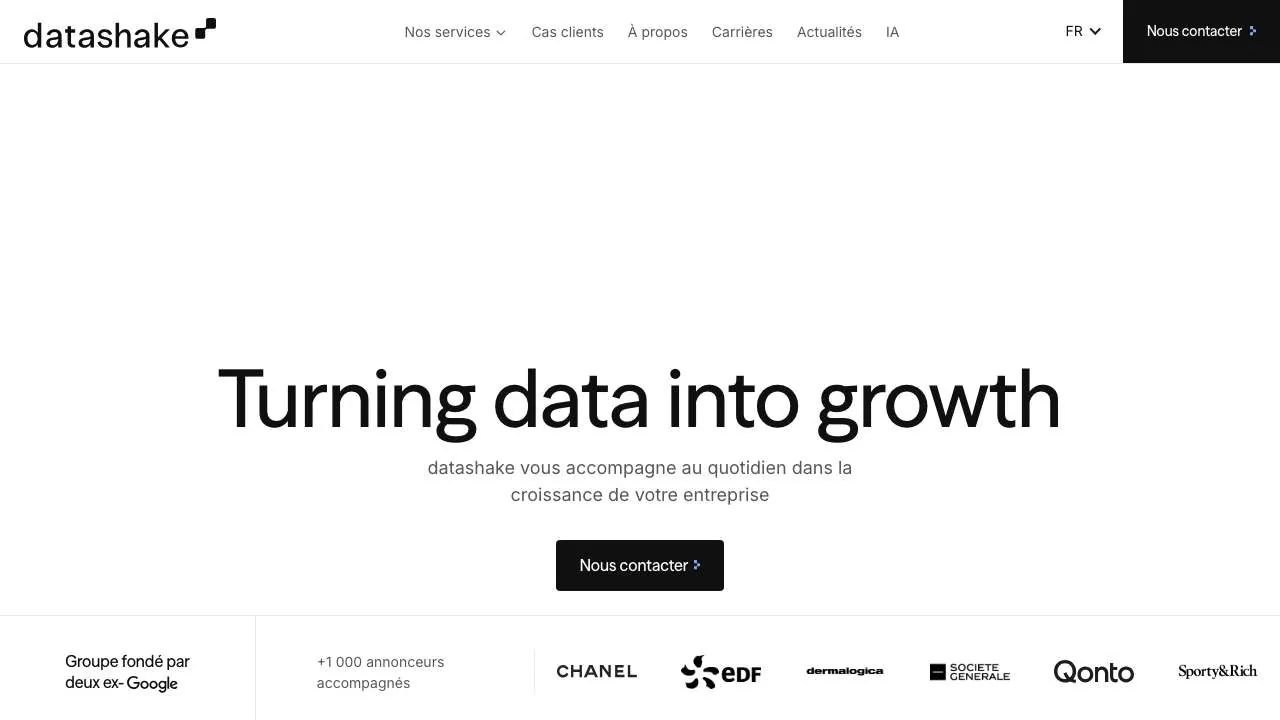
datashake는 유료 검색과 유료 소셜, 오가닉 및 생성형 검색, AI 크리에이티브 스튜디오, 이메일 발송, 데이터와 추적을 아우르는 디지털 가속 그룹이며, 데이터를 무게중심으로 내겁니다. 지금 이 채널에는 맞는 우선순위입니다. 캠페인은 고객에 대해 무엇을 알려 주느냐만큼만 좋아지기 때문입니다.
이런 경우에 적합: 캠페인을 개선하기 전에 측정 체계부터 다시 세워야 하는 광고주. 더 큰 그룹 안의 한 조직이라는 점은 유료 검색 전문 인력이 전담이 아니라 여러 다른 서비스에 나뉘어 투입된다는 뜻이 될 수 있습니다.
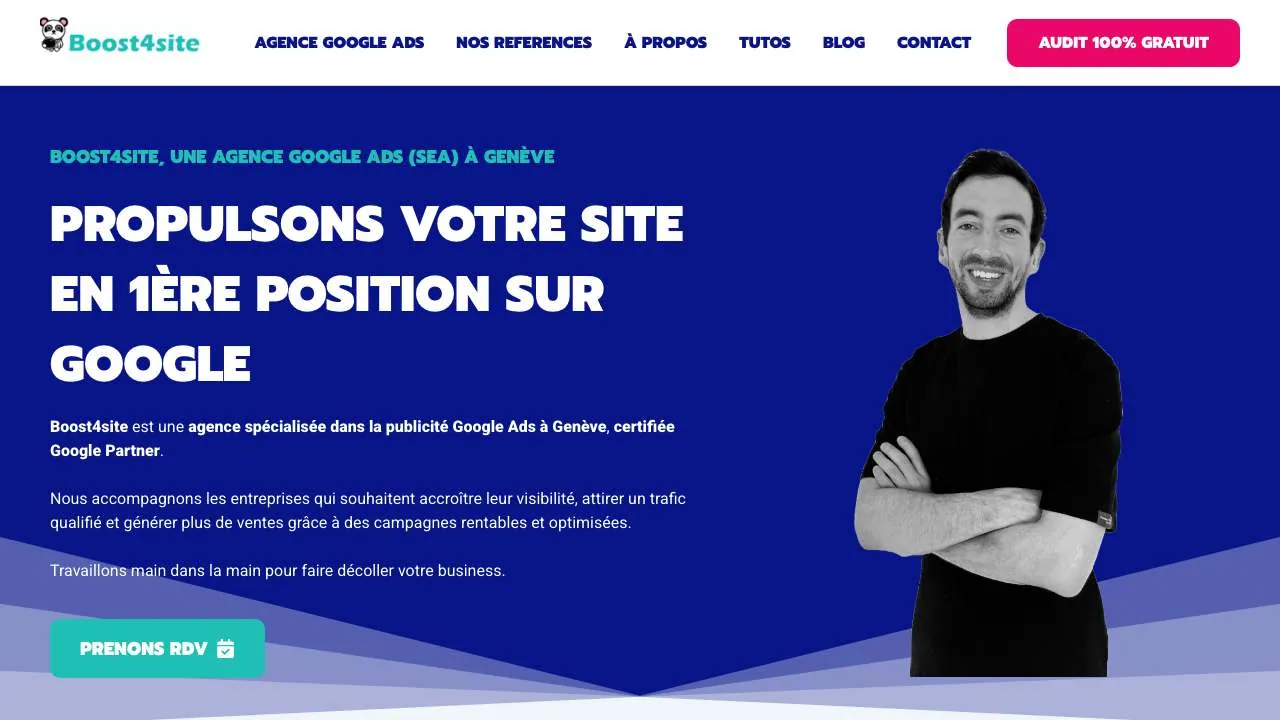
Boost4Site는 Geneva에 있는 유료 검색 대행사로 이 플랫폼만 전문으로 다루며, 조건 없는 무료 진단을 제공하고 이 채널이 사업에 무엇을 해 주고 무엇을 해 주지 못하는지 솔직하게 설명합니다. 프랑스 기업 상당수가 스위스로 판매하고 있고, 그곳의 경쟁 비용과 언어 구성이 현지 전문가를 둘 만큼 다르기 때문에 여기에 포함했습니다.
이런 경우에 적합: 스위스 시장에 광고하는 회사. 단일 플랫폼, 단일 국가에 집중한다는 점은 여러 시장에 걸쳐 멀티 채널 예산을 운영하는 광고주에게는 좁은 선택이 됩니다.
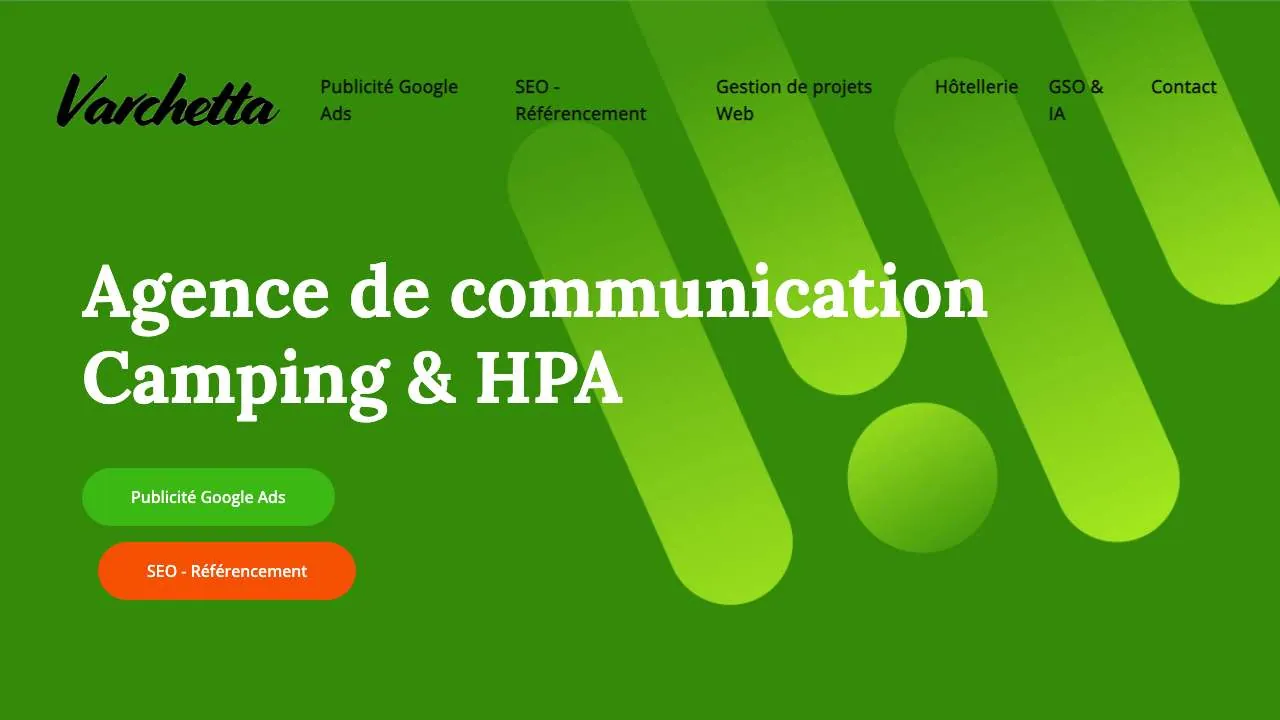
Varchetta는 관광, 캠핑장, 야외 숙박업을 위한 오가닉 및 유료 검색에 특화된 웹 마케팅 대행사로, 예약을 목표로 내겁니다. 한 해 전체가 몇 번의 예약 시기에 결정되는 업종에는 그 시기를 아는 대행사가 필요하며, 종합 대행사는 그것을 귀사의 비용으로 배웁니다.
이런 경우에 적합: 캠핑장, 야외 숙박업, 계절성 관광 사업. 바로 그 업종 집중이 관광 밖의 사업에는 잘못된 선택이 되는 이유입니다.
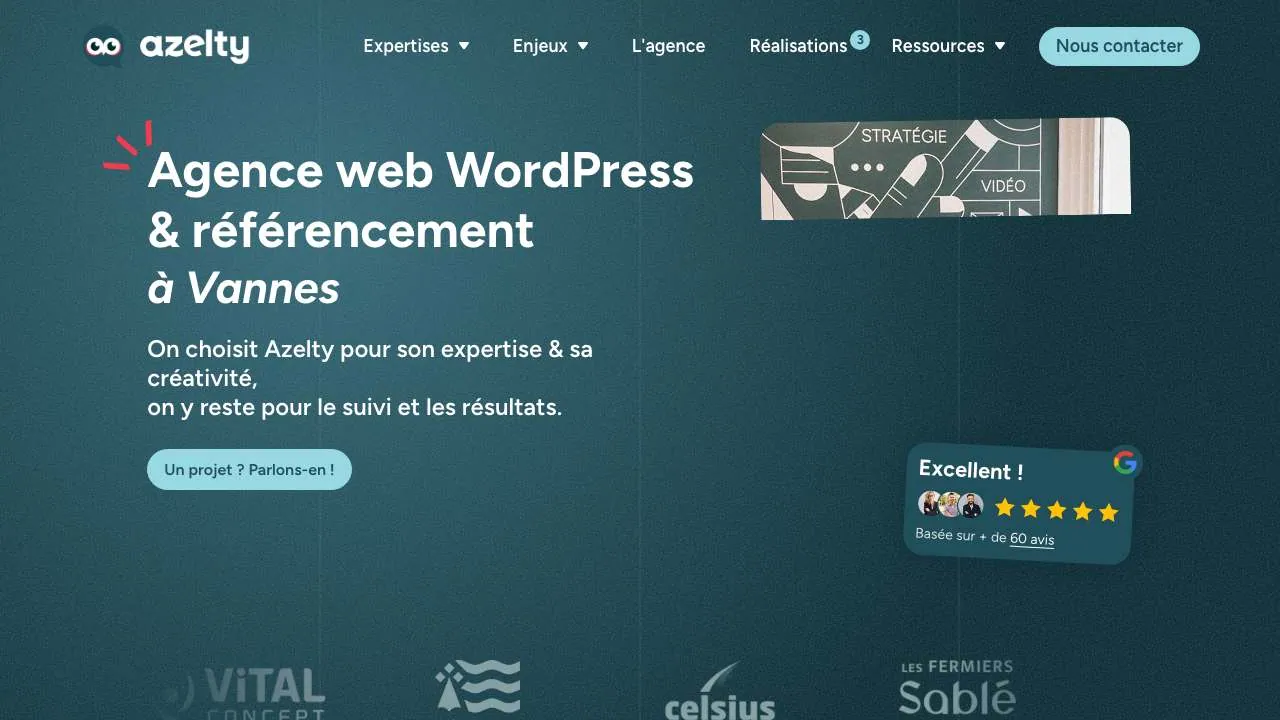
Azelty는 Vannes에 있는 웹 대행사로 사이트 제작과 재구축을 오가닉 및 유료 검색과 함께 전문으로 다루며, 모든 전문성을 한데 모은 단일 파트너를 자처합니다. 지역 사업체에는 전화를 받아 주는 공급자 한 곳이 그렇지 않은 전문가보다 나은 경우가 많습니다.
이런 경우에 적합: 디지털 공급자 한 곳을 원하는 중소 규모 지역 사업체. 종합 웹 대행사인 만큼 유료 검색 전문성이 전담 컨설팅 회사만큼 깊지는 않을 가능성이 큽니다.
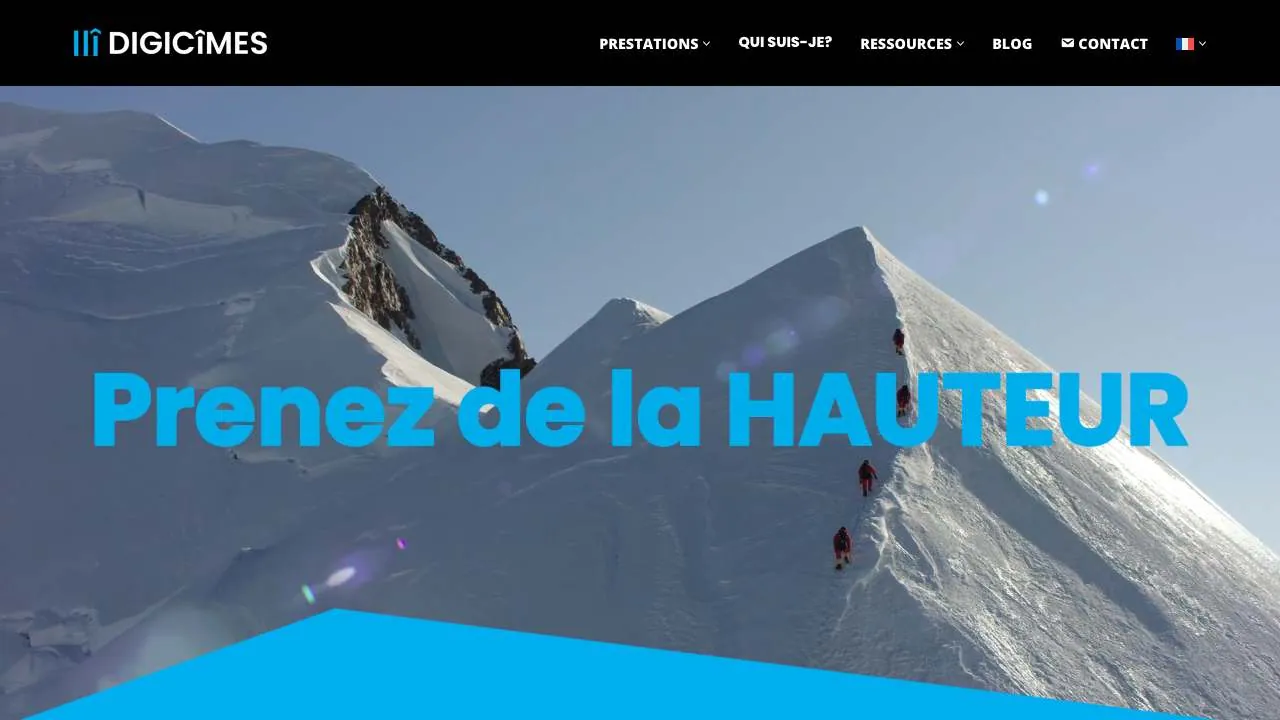
Digicîmes는 Haute-Savoie에서 사이트 제작, 오가닉 검색, 유료 검색 최적화를 다루며, 사이트에 인증 컨설턴트의 이름을 밝혀 두고 있습니다. 작은 계정에는, 적은 예산이 여유 있는 아무에게나 넘겨지는 대행사보다 이름이 밝혀진 인증 전문가 한 명이 더 나은 결과인 경우가 많습니다.
이런 경우에 적합: 계정 담당 팀보다 경험 많은 한 사람이 필요한 적은 예산. 같은 1인 규모는 계정이 여러 사람이 동시에 붙어야 할 만큼 커지는 순간 한계가 됩니다.
아래 기준은 누가 이길지 확인하기 전에 정했으며, 모든 칸은 2026년 8월 기준으로 각 대행사가 자체 사이트에 공개한 내용을 반영합니다. 대행사가 공개하지 않은 항목은 추측하지 않고 그렇다고 적었습니다.
| 대행사 | 범위 | 명시된 예산 적합도 | 서버 사이드 추적 명시 | 공개된 진입점 |
|---|---|---|---|---|
| Ad's up Consulting | 유료 검색, 소셜, 오가닉, 프로그래매틱, 데이터 컨설팅 | 대형 계정, 미디어 믹스 조율 | 공개 안 함 | 공개 안 함 |
| Adenlab | 유료 검색, 오가닉, 생성형 검색, 자체 플랫폼 | 공개 안 함 | 공개 안 함 | 공개 안 함 |
| Convertix | 유료 검색과 유료 소셜 | 공개 안 함 | 예, 명시적으로 밝힘 | 무료 30분 진단 |
| Webloom | 오가닉, 유료 검색, 생성형 검색 | 공개 안 함 | 공개 안 함 | 공개된 요금 |
| Yateo | 컨설팅, 디자인, 유료 및 오가닉 검색, 소셜 | 공개 안 함 | 공개 안 함 | 공개 안 함 |
| datashake | 유료 검색, 유료 소셜, 오가닉, 생성형 검색, AI 크리에이티브, 데이터 | 공개 안 함 | 예, 데이터와 추적 명시 | 공개 안 함 |
| Boost4Site | 유료 검색만 | 스위스 시장, 규모로는 밝히지 않음 | 공개 안 함 | 조건 없는 무료 진단 |
| Varchetta | 관광 분야 오가닉 및 유료 검색 | 업종 특화, 규모로는 밝히지 않음 | 공개 안 함 | 공개 안 함 |
| Azelty | 사이트 제작, 오가닉 및 유료 검색 | 중소 규모 지역 | 공개 안 함 | 공개 안 함 |
| Digicîmes | 사이트 제작, 오가닉 및 유료 검색 | 적은 예산, 이름 밝힌 컨설턴트 | 공개 안 함 | 공개 안 함 |
“공개 안 함” 칸은 역량의 공백이 아니라 공개 정보의 공백으로 읽으세요. 이 가운데 몇 곳은 홈페이지에 적지 않았을 뿐 분명히 서버 사이드로 전환을 추적하고 있으며, 솔직하게 알아내는 방법은 직접 물어보는 것입니다.
어떤 제안서보다 빠르게 후보를 추리는 세 가지 질문이 있으며, 각각 위의 두려움 하나에 대응합니다.
1. 매일 실제로 입찰과 크리에이티브를 관리하는 사람은 누구입니까? 계정을 판 사람이 아니라 그 사람을 계약 전에 만나 보세요. 이 업계에서 둘 사이의 간극은 실망의 가장 큰 단일 원인입니다.
2. 어떤 전환을 선언하며, 가중치는 어떻게 둡니까? 오늘날 유료 검색에서 가장 중요한 기술적 질문 하나입니다. 검증된 판매가 아니라 양식 화면 조회를 향해 최적화되는 계정은 훌륭한 리포트와 형편없는 사업 성과를 만들어 냅니다.
3. 계약이 끝날 때 계정, 픽셀, 전환 이력은 누구의 것입니까? 귀사의 것이어야 하고, 대행사는 사용자로 들어와 있어야 합니다. 그 이력이 자동 입찰을 작동하게 하는 요소이며, 새 공급자에게 이전되지 않습니다.
모든 것을 정리해 준다고 주장하는 순위는 쓸 수 없으므로, 세 가지 한계를 분명히 밝힙니다.
공개 정보만을 근거로 했습니다. 각 대행사가 공개한 내용을 읽고 2026년 8월에 사이트가 살아 있는지 확인했습니다. 캠페인을 하나도 진단하지 않았고, 운용 예산을 검증하지도, 수익률 수치를 확인하지도 않았습니다. 홍보는 서툴지만 실행은 뛰어난 대행사는 여기에서 저평가됩니다.
귀사의 예산이나 전환 주기는 알 수 없습니다. 월 200000유로 규모의 전국 계정에 맞는 대행사가 월 2000유로 규모의 지역 사업체에도 맞는 경우는 드뭅니다. 위의 이런 경우에 적합 항목이 순위 숫자보다 중요합니다.
시간이 지나면 낡습니다. 이 시장에서는 인증, 팀, 요금이 빠르게 바뀌고, Google 자체의 입찰 상품도 그에 맞춰 바뀝니다. 이 페이지는 90일마다 재검토하며, 검토 시점은 방법론에 밝혀 두었습니다.
소프트웨어 회사가 내는 페이지에서 정직하게 말할 부분입니다. 협상, 특정 계정에 대한 판단, 또는 플랫폼 자체와의 관계가 필요한 모든 영역에서는 대행사가 소프트웨어를 앞섭니다. Google이 운영하는 경매도 기본적으로 중립적인 시장은 아닙니다. 프랑스 경쟁당국은 2021년 6월 Google이 경쟁 플랫폼보다 자사 광고 기술을 우대했다는 이유로 2억2000만 유로의 과징금을 부과했으며, 이는 광고주가 입찰해 들어가는 이 체계를 이해관계가 걸린 당사자가 운영하고 있다는 사실을 일깨워 줍니다. 그런 시각으로 계정을 읽어 내고, 계정 정지에 이의를 제기하고, 담당자와 문제 제기 경로를 협의하는 일은 오늘날 어느 것도 자동화되지 않으며, 그렇지 않다고 주장하는 쪽은 무언가를 팔고 있는 것입니다.
소프트웨어가 더 잘하는 부분은 반복적이고 구조적이며 끝이 없는 일입니다. Google이 직접 낸 Performance Max 문서는 검색, YouTube, 디스플레이, Discover, Gmail, 지도 전반의 입찰, 예산 배분, 나아가 크리에이티브 조합까지 하나의 자동 캠페인 안에서 Google AI로 돌아간다고 이미 확인해 주고 있습니다. 한때 대행사의 핵심 기술이던 수동 입찰 손질은 거의 사라졌습니다. 사람에게서 사야 할 것으로 남은 부분은 경매 밖에 있습니다. 입찰 대상이 되는 것과 같은 질문에서 상위에 노출되는 페이지를 만들어, 그 수요 가운데 매달 경매에서 사야 하는 몫을 줄이는 일입니다.
그것이 Sorank가 자동화하는 일입니다. 대행사가 아니라 소프트웨어입니다. 키워드 리서치, 글 작성, 내부 링크, 사이트 발행, 그리고 누구에게서 사야 하는지 물었을 때 AI가 내놓는 답변에 얼마나 자주 등장하는지 추적하는 일까지 합니다. 요금은 월 99유로부터이며, 3일 무료 체험이 제공되고 가입 시 카드 등록이 필요합니다. 먼저 이야기를 나누고 싶다면 상담을 예약하세요.
하나만 추천한다면 이렇습니다. 채널 간 조율이 진짜 결정이 될 만큼 예산이 크다면 Ad's up Consulting, 다른 무엇을 고치기 전에 측정이 잘못되었다고 의심된다면 Convertix, 업종을 아는 사람들과 일하고 싶은 작거나 계절성이 있는 사업이라면 Varchetta나 Digicîmes입니다.
그리고 대행사를 제안 내용에 맞추기 전에 예산에 맞추세요. 이 시장에서 가장 흔한 실수는 작은 계정이 큰 대행사와 계약하는 것이며, 그 계정은 조용히 담당자의 목록에서 가장 관심을 덜 받는 고객이 됩니다.
프랑스에는 이 분야에 신뢰할 만한 대행사가 100곳이 넘습니다. 아래는 거듭 언급된 다른 이름들입니다.
| 대행사 | 웹사이트 | 스스로 공개한 내용 |
|---|---|---|
| Eskimoz | eskimoz.fr | 여러 국가에 걸쳐 유료 미디어, 프로그래매틱, 리테일 미디어를 다루는 검색 획득 대행사 |
| Blinked | blinked.fr | 유료 검색, 유료 소셜, 프로그래매틱 전반의 미디어 컨설팅 및 운영 대행사 |
| Orixa Media | orixa-media.com | 오가닉 검색, 유료 검색, 소셜 광고를 통합하는 미디어 및 검색 대행사 |
| JVWEB | jvweb.fr | 검색, 유료 미디어, 디스플레이를 아우르며 데이터 및 AI 조직을 갖춘 디지털 마케팅 대행사 |
| Digimood | digimood.com | 성과를 기준으로 운영하는 검색, 유료 검색, 소셜 광고, 프로그래매틱 |
| Pickers | agence-pickers.fr | 2016년부터 이어 온 유료 검색, 검색, 소셜 광고, 콘텐츠 전반의 디지털 획득 |
| Agence 90 | agence90.fr | 검색, 유료 검색, 마켓플레이스 전반에 인증받은 전문가를 둔 디지털 마케팅 대행사 |
| AE2 | ae2agence.com | 2006년부터 이어 온 Nantes 웹 대행사로, 주요 스토어 플랫폼 인증을 갖추고 유료 검색을 다룸 |
| Impulse Analytics | impulse-analytics.com | 국제적인 팀을 갖추고 유료 미디어, 콘텐츠, 오가닉 검색, 데이터를 결합하는 디지털 퍼포먼스 대행사 |
인접한 두 시장에는 이 블로그에 별도의 순위가 있습니다. 프랑스 최고의 SEO 대행사 10곳과 프랑스 최고의 Meta Ads 대행사 10곳입니다.
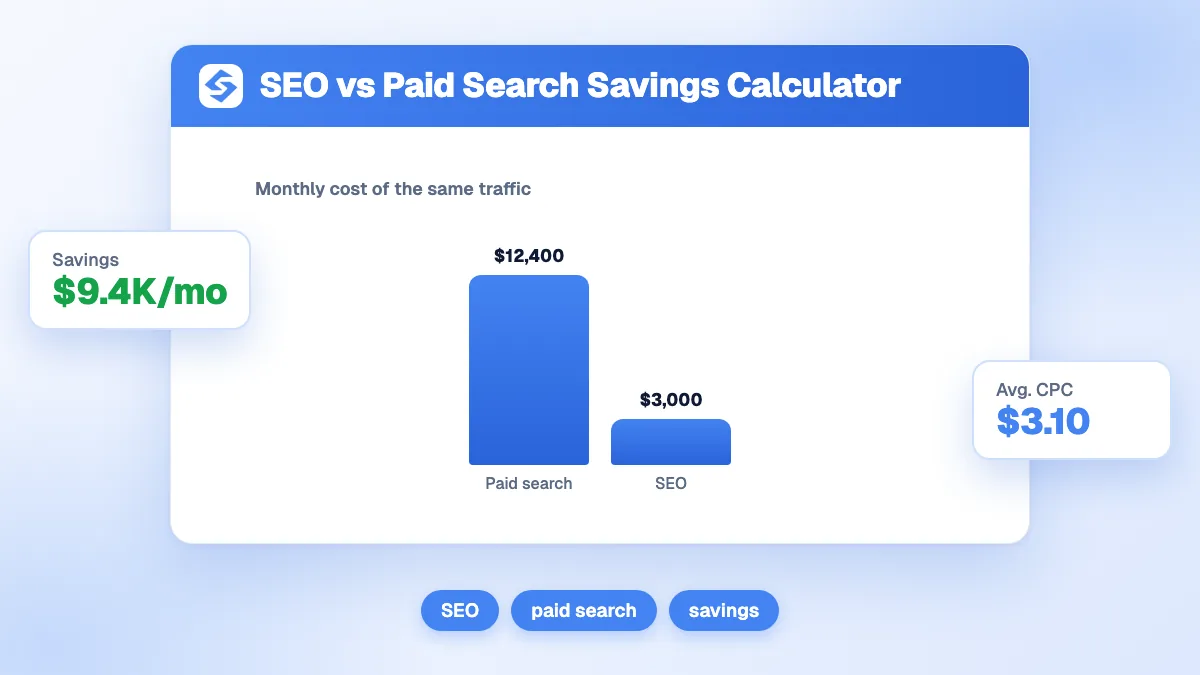

두 가지 모델이 주를 이룹니다. 월 고정 수수료, 또는 미디어 예산의 일정 비율이며, 대개 10%대 초반이고 지출이 늘수록 비율은 내려갑니다. 작은 계정은 고정 수수료가 더 나은 경우가 많습니다. 적은 예산의 몇 퍼센트로는 제대로 된 관심을 살 수 없기 때문입니다. 그 수수료로 실제로 월 몇 시간을 사는 것인지, 그리고 그 시간을 누가 쓰는지 물어보세요.
플랫폼의 자동화된 형식은 정확한 전환 데이터와 합리적인 제약 조건만 공급되면 이제 대부분의 계정에서 과거의 수동 구조보다 더 잘 작동합니다. 업무는 입찰에서 공급으로 옮겨 갔습니다. 전환 품질, 제품 피드 정비, 잠재고객 신호와 제외 설정입니다. 여전히 입찰 관리를 앞세워 제안하는 대행사는 플랫폼이 대부분 알아서 하는 일을 설명하고 있는 것입니다.
다른 어떤 채널보다 빠르며, 그것이 이 채널의 가장 큰 장점입니다. 구매 의도가 높은 검색어에 잘 만들어진 캠페인은 첫 주에 문의를 만들어 낼 수 있습니다. 수익성은 더 오래 걸려 보통 한 분기가 필요합니다. 계정이 최적화되려면 충분한 전환 이력이 쌓여야 하고, 초기 몇 주 동안 낭비된 지출을 다시 벌어들여야 하기 때문입니다. 첫 달은 성과가 아니라 데이터 품질로 판단하세요.
 AI 콘텐츠 브리프 생성기
 FAQ 스키마 생성기
 AI 블로그 글 아이디어 생성기
 구조화 데이터 검사기
 대체 텍스트 검사기
 내부 링크 분석기
 백링크 챌린지
 AI 메타 설명 생성기
 AI 블로그 제목 생성기
 Google 색인 가능성 검사기
 AI 글 개요 생성기
 UTM 링크 생성기
 키워드 클러스터링 도구
 canonical 태그 검사기
 XML 사이트맵 생성기
 깨진 링크 검사기
 AI SEO 제목 생성기
 제목 점수 분석기
 검색 결과 미리보기
 리디렉션 검사기
 hreflang 생성기
 제목 구조 분석기
 HTTP 헤더 검사기
 Favicon 추출기
 SEO 트래픽·매출 예측 계산기
 SEO 예산 계산기
 순위 상승 시뮬레이터
 키워드 기회 점수 계산기
 GEO 콘텐츠 투자 계산기
 고객 생애 가치 계산기
 CTR 계산기
 AI 트래픽 가치 계산기
 AI 점유율(SOV) 계산기
 Gemini 순위 도구
 ROAS 계산기
 오가닉 트래픽 가치 계산기
 로컬 SEO ROI 계산기
 링크 빌딩 비용 계산기
 키워드 밀도 계산기
 고객 획득 비용 계산기
 글 1편당 비용 계산기
 이탈률 계산기
 AI 인용률 계산기
 LLM용 구조화 데이터 진단
 llms.txt 생성기
 사이트맵 검사기
 SERP 변동성 센서
 단어 카운터
 Schema 마크업 생성기
 키워드 리서치 도구
 SEO 손익분기점 계산기
 읽기 시간 계산기
 오가닉 트래픽 추정기
 ChatGPT 추천 트래픽 추정기
 AI 가시성 점수 계산기
 AI 가독성 검사기
 SearchGPT 준비도 검사기
 ChatGPT가 내 웹사이트를 추천하지 않는 이유
 URL 추출기
 웹페이지 Markdown 변환기
 robots.txt 생성기
 Open Graph 미리보기
 온페이지 SEO 점검
 LTV 대비 CAC 비율 계산기
 GEO ROI 계산기
 전환율 계산기
 AI 크롤러 접근 감사
 AI 검색 가시성 테스트
 페이지 용량 검사기
 URL 슬러그 생성기
 메타 태그 생성기
 이미지 압축기
 파비콘 생성기
 도메인 권위 검사기
 SERP CTR 계산기
 이커머스 SEO ROI 계산기
 콘텐츠 마케팅 ROI 계산기
 AI 비가시성 비용 계산기
 AI 개요 검사기
 robots.txt 검사기
 AI SEO 진단
 Perplexity 순위 검사기
 답변 엔진 최적화(AEO) 진단
 ChatGPT 가시성 체커
 백링크 분석 도구
 SEO 대 유료 검색 절감액 계산기
 SEO 점유율(SOV) 계산기
 SaaS SEO ROI 계산기
 백링크 ROI 계산기
 llms.txt 검증 도구
 LLM 인용 검사기
 GEO 진단
 SEO ROI 계산기
 키워드 가치 계산기
먼저 Sorank를 경험한 사람들
 “2년 동안 제 고객의 100%는 LinkedIn에서 왔습니다. 매일 게시물을 올리고, 댓글을 달고, DM으로 후속 연락을 하고… 알고리즘에 완전히 의존하는 방식이었습니다. SEO를 해야 한다는 것은 알았지만 늘 미뤘습니다. 시간이 오래 걸리고, 너무 기술적이며, 제 일이 아니라고 생각했기 때문입니다. Sorank와 함께 드디어 첫걸음을 내디뎠습니다. 4개월 만에 아무것도 게시하지 않고도 매달 15건의 오가닉 리드를 확보하고 있습니다. 아직 LinkedIn과 50 대 50은 아니지만, 자동 운영으로 성장하는 두 번째 리드 채널이 생겼다는 사실에 훨씬 마음이 놓입니다.”
 Valentin Thomy콜드메일 대행사“Sorank는 저희가 고객사에 제공하는 성과를 완전히 바꿔 놓았습니다. 이제 AI가 실제로 사용하는 키워드를 파악하고, 특정 경쟁사가 인용되는 이유를 이해하며, 이전에는 전혀 보지 못했던 기회를 발견합니다. 고객사는 더 빠른 순위 상승, AI 답변에서의 더 나은 가시성, 그리고 실행하는 모든 작업에 대한 더 명확한 ROI를 확인합니다.”
 Benjamin Rouxovirank.com
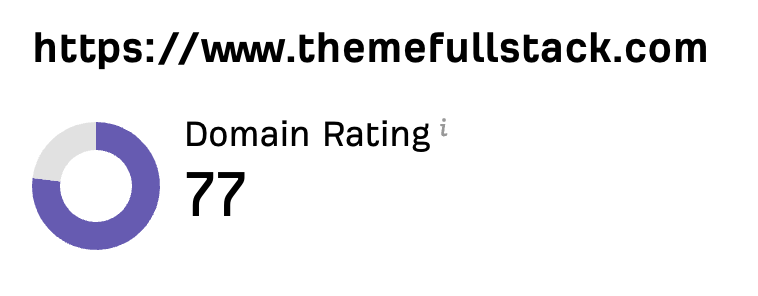 “저는 마케터가 아니라 개발자입니다. 제 Shopify 테마는 입소문과 광고로만 팔리고 있었습니다. Sorank 덕분에 드디어 SEO를 어떻게 구조화하고 상위에 노출되는 글을 어떻게 써야 하는지 이해했습니다. 진단 결과 제품 페이지가 너무 느리다는 사실이 드러났습니다. 2개월 만에 오가닉 트래픽이 두 배가 되었고, 사람들이 Shopify 테마를 검색할 때 ChatGPT 답변에 등장하기 시작했습니다. 그 모든 것을 주당 약 2시간으로 해냈습니다.”
 Thème FullStackthemefullstack.com“Sorank는 저희 SEO 대행사의 운영 방식을 완전히 바꿔 놓았습니다. 모든 것이 한곳에 모이고 자동화되어 고객사마다 들이는 시간이 훨씬 줄었습니다. 예전에 몇 시간씩 걸리던 작업이 이제 몇 분이면 끝나고, 덕분에 드디어 사업 안에서 일하는 것을 멈추고 사업 위에서 일하기 시작할 수 있게 되었습니다.”
 Océane Bondismaison-leverage.com