


환경 설정

개인정보 보호는 저희에게 중요합니다. 웹사이트의 기본 기능에 반드시 필요하지 않은 특정 유형의 저장소는 사용자가 직접 비활성화할 수 있습니다. 카테고리를 차단하면 웹사이트 이용 경험에 영향을 줄 수 있습니다. 더 보기

모든 쿠키 허용

LLM Citation Checker: How Often Do AI Models Cite Your Domain?

Check if and how often major AI language models cite your domain across answers, and get a clear methodology to improve your citation rate.

Thibault Besson-Magdelain, Sorank 설립자

저자 소개

Thibault Besson-Magdelain

Sorank 설립자, 5년 이상의 SEO 경력 보유, GEO 전문가.

Learn everything to know on LLM Citation Checker !

생성일
4/9/26
최종 업데이트:
4/9/26
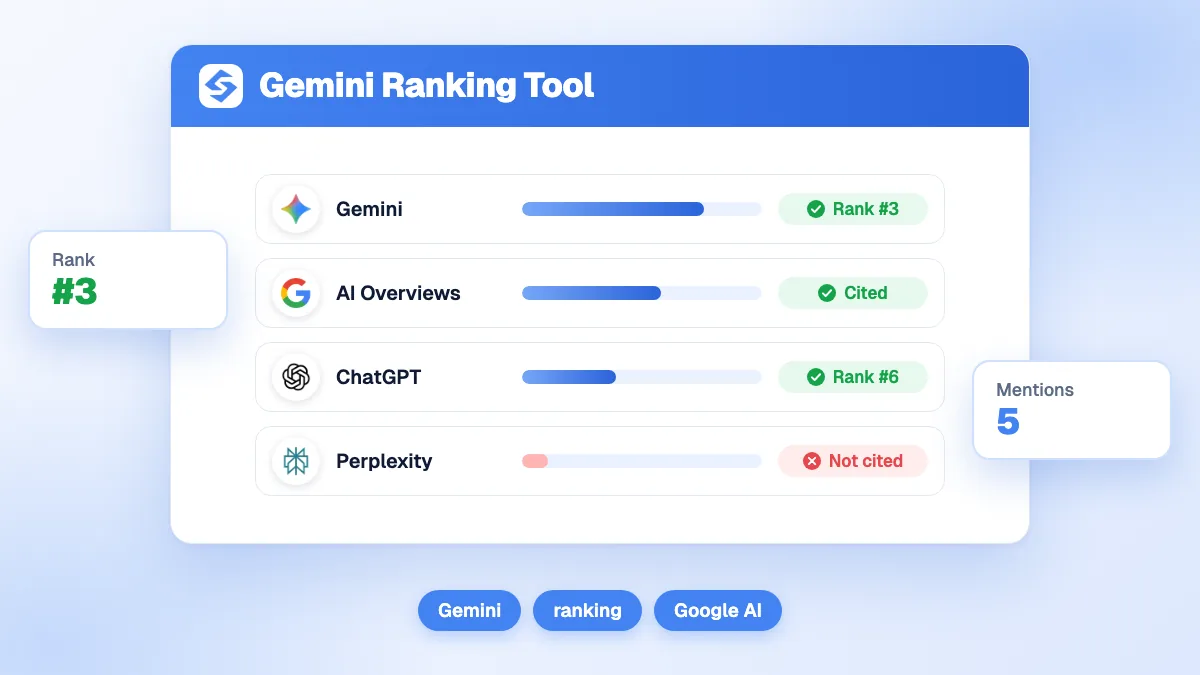
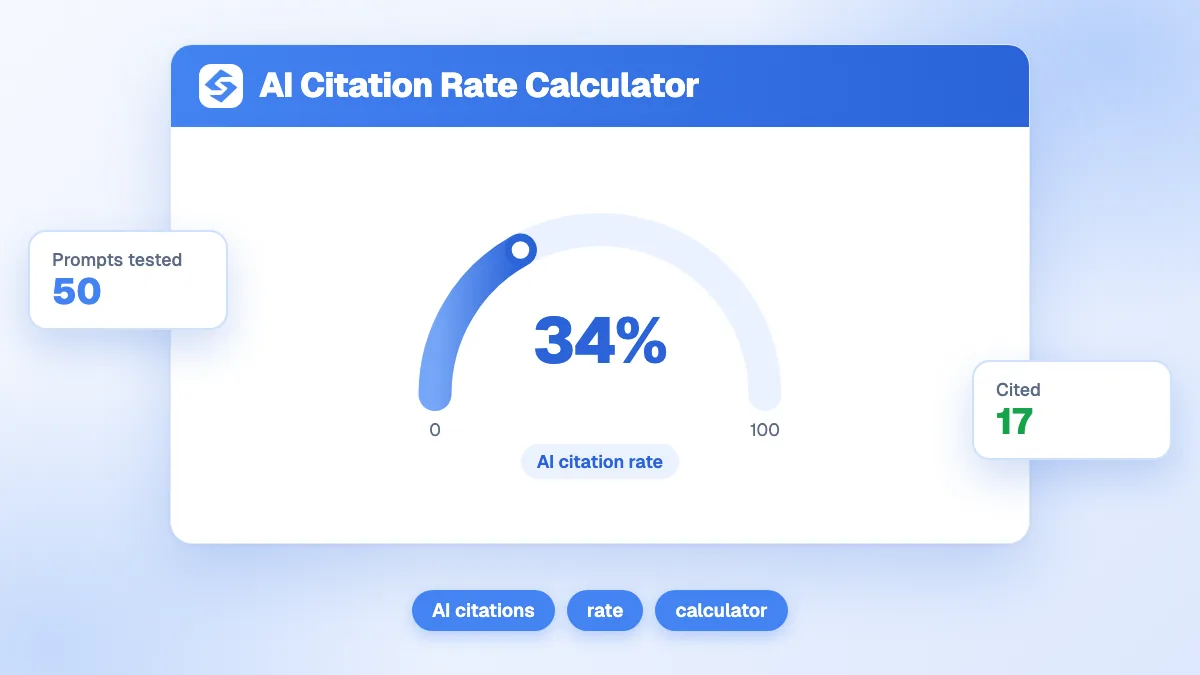
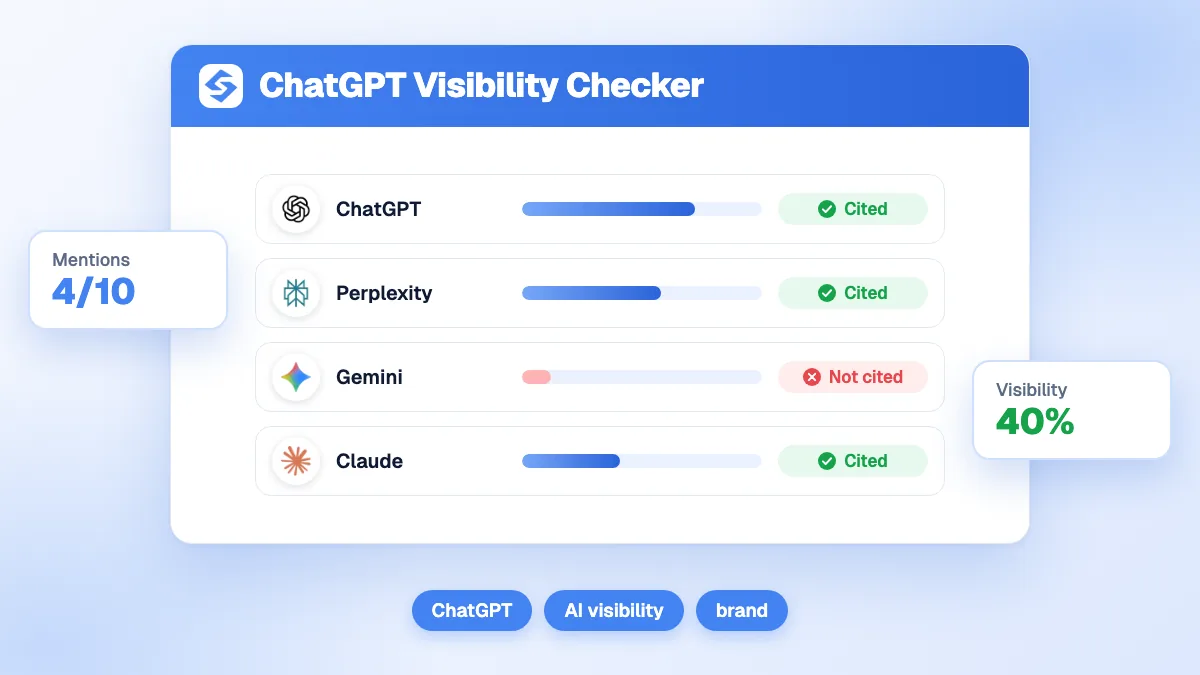
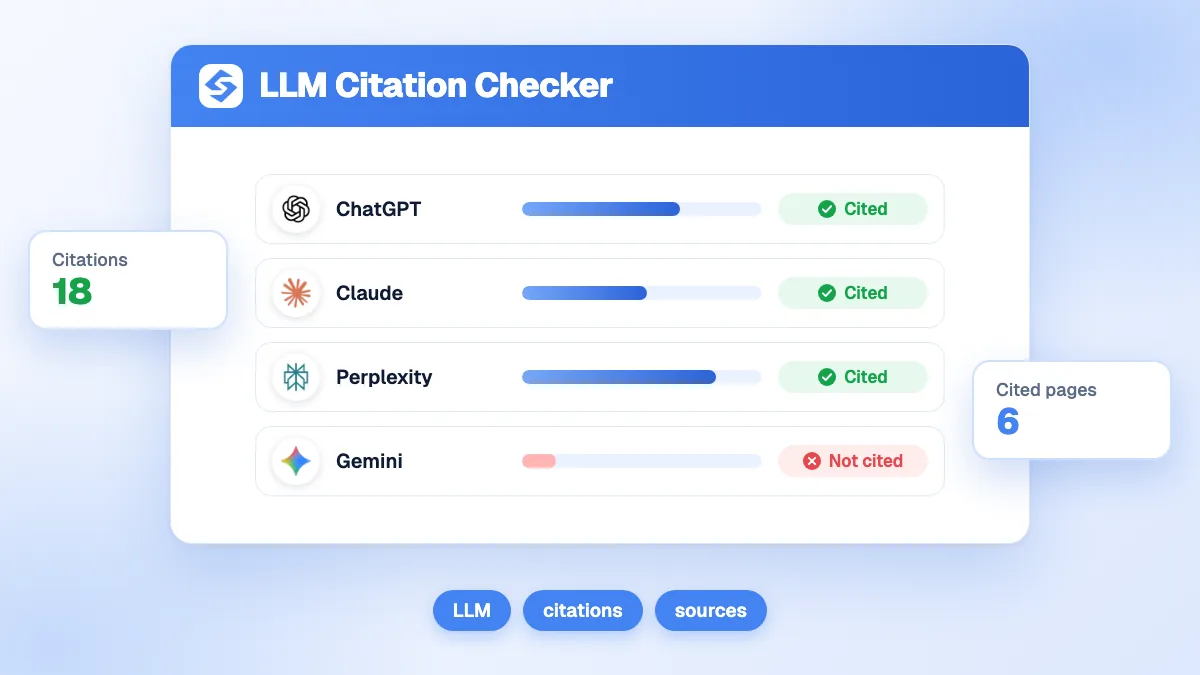
Screenshot of the LLM Citation Checker tool showing citation frequency data for a domain across multiple AI engines

A citation by an AI language model is a new form of brand visibility. When ChatGPT, Perplexity, Gemini, or another LLM names your domain or quotes your content in an answer, it delivers a recommendation with an authority weight that a traditional search ranking cannot replicate. The tool above measures how often major LLMs cite your domain across a representative set of queries and shows where your citation rate stands relative to what is possible.

Enter your domain in the field above to run the citation check.

What an LLM citation is and why it matters

An LLM citation occurs when a language model explicitly references your domain as a source of information in its generated response. This can take several forms:

  • A named source link (common in Perplexity, Bing Copilot, and SearchGPT), where the model attaches a footnote or inline link to your page alongside the text it drew from.
  • A brand mention by name, where the model says something like "According to [your brand]..." without a live link, often in models operating from training data.
  • A paraphrase attribution, where the model restates a fact from your content and notes the originating source.

Citations matter for three reasons. First, they deliver direct referral traffic with conversion rates averaging around 7% -- roughly three times the typical organic search rate. Second, they build brand authority: repeated mentions across AI answers teach users to associate your domain with expertise in a given topic. Third, they create a compounding effect: the more an LLM cites you, the more likely it is to do so again, because citation frequency reinforces the model's learned associations about your brand's credibility.

A simple methodology for tracking LLM citations

The tool above automates a measurement approach that you can also replicate manually for validation:

  1. Define your query set. Choose 20 to 30 queries that represent the topics your brand should own: product category questions, how-to queries, comparison queries, and brand-specific questions.
  2. Run each query across major LLMs. Test ChatGPT, Perplexity, Gemini, and any engine relevant to your sector. Record whether your domain is cited in each response.
  3. Calculate citation frequency. Divide the number of responses citing your domain by the total number of responses. A 20% citation rate means one in five relevant AI answers mentions your brand.
  4. Track over time. Re-run the same query set monthly. Improvements in citation rate are the clearest signal that your GEO strategy is working.

How to improve your LLM citation rate

Once the tool above shows your current citation rate, the following actions address the most common gaps:

  • Publish citable content. Original data, research studies, and expert opinions are the content types LLMs are most likely to reference. Generic explainer articles are less likely to be cited than a page containing a statistic, a methodology, or a unique point of view that is not found elsewhere.
  • Structure answers clearly. Each page should open with a concise answer to the primary question, followed by supporting detail. LLMs extract and cite the clearest, most self-contained statements they can find.
  • Build cross-platform authority. Mentions on Wikipedia, Wikidata, well-ranked third-party sites, and industry databases train LLMs to treat your brand as a recognised source. A training-data citation strategy requires sustained off-site presence.
  • Ensure crawl access for all major AI bots. Check your robots.txt for blocks on GPTBot, PerplexityBot, Google-Extended, and ClaudeBot. A bot that cannot read your pages cannot learn to cite them.
  • Use consistent brand naming. If your domain, company name, and product names vary across pages, LLMs may fail to consolidate them into a single entity. Use the same official name everywhere.

For automated, ongoing tracking of your citation rate across all major AI engines, Sorank monitors LLM citations continuously so you can measure the impact of every content update.

자주 묻는 질문

What is the difference between an LLM citation and a traditional backlink?

A backlink is a link from one website to another that passes SEO authority and can drive referral traffic. An LLM citation is a reference by an AI model in its generated text -- it may or may not include a clickable link depending on the engine. Both build brand authority, but an LLM citation delivers referral traffic with a higher conversion rate because the user has already received a curated AI recommendation before visiting your site.

Can I be cited by an LLM without being on the first page of Google?

Yes. LLMs do not simply reproduce Google's top ten. Training data citations depend on the content available at the time of model training, and live retrieval citations depend on the relevance and quality of your page for a specific query. A page that ranks on page two organically can still be cited if it contains the clearest, most specific answer to a given question.

Is a high citation rate always better?

A high citation rate on relevant queries is desirable. However, citations in unrelated topic areas can create confusion about your brand's positioning. Focus citation-building efforts on the three to five topic clusters that represent your core business, and track citation share specifically within those clusters rather than across all possible queries.

기타 무료 SEO 도구