Preferences
Privacy is important to us, so you have the option of disabling certain types of storage that may not be necessary for the basic functioning of the website. Blocking categories may impact your experience on the website. More information

Privacy is important to us, so you have the option of disabling certain types of storage that may not be necessary for the basic functioning of the website. Blocking categories may impact your experience on the website. More information

Turn your Magento website into a GEO friendly asset. Use proven methods to get your pages indexed and cited by major AI assistants with GEO tips.










































Tools


Ready to turn your Magento website into a GEO-friendly asset and use proven methods to get your pages indexed and cited by major AI assistants with GEO tips? It's realistic in 2026 when you align Magento with AI‑first discovery. In this guide, you'll see how to re‑architect your store for AI visibility, citations, and trust, without sacrificing classic SEO performance.
Generative Engine Optimization (distinct from traditional SEO, as covered in our SEO vs GEO comparison) is the practice of shaping your content, data, and authority so AI systems can understand, trust, and cite you. For Magento stores, GEO stretches beyond rankings: you're optimizing to be quoted in AI overviews, referenced by AI, and surfaced inside conversational answers. That requires crisp entities, verified facts, machine‑readable context, and distribution across sources models learn from.
Treat your site like a data‑and‑knowledge provider. Every page should declare clear entities (brand, products, categories, people), persistent IDs, and factual claims, wrapped in robust structured data. You still need crawlability and speed, but GEO adds semantic clarity, evidence, and off‑site corroboration. The payoff: more mentions, links, and direct traffic from AI answers. Use topic planning tools such as keyword research and structure clusters with topical cluster generator to map your entity coverage.
Begin with two audits: 1) an AI citation audit, where, when, and how your brand is mentioned in leading assistants; 2) a crawl/index audit, how Google and Bing fetch, render, and index your Magento URLs. Map your top queries and "prompts behind the keywords" to define GEO intents. Use keyword research tools with GEO focus and expand prompts systematically to cover nuanced intents. Run a structured geo seo audit to surface indexation gaps, schema issues, and entity ambiguities. Centralize findings inside a geo seo dashboard and benchmark your category against a geo leaderboard for share‑of‑answer.
On Magento, verify that category (PLP), product (PDP), CMS pages, and blog posts are indexable, canonicalized, and internally linked. Fix thin, duplicate, or orphaned URLs. Ensure dynamic rendering mirrors server‑rendered output. AI systems reward stable URL patterns and consistent factual output. Expand prompts systematically with keyword query fan out ia to cover nuanced intents.
Speed, stability, and rendering fidelity are prerequisites for AI parsing. Use full‑page cache and Varnish, optimize images with next‑gen formats, lazy‑load intelligently, and keep CLS, LCP, and INP within Core Web Vitals thresholds. Minify, defer non‑critical JS, and reduce client‑side hydration. For headless builds, provide server‑side rendered HTML for primary content blocks so crawlers and AI parsers can see facts without executing heavy scripts.
Harden canonical logic. Enforce canonical tags on PDPs, resolve faceted navigation bloat with parameter handling, and consolidate session or tracking parameters. Keep robots.txt permissive for key directories while blocking duplicate print views, internal search, and test environments. Submit fresh XML sitemaps for products, categories, blog, images, and videos, regenerate nightly so inventory and availability stay current.
Magento's layered navigation can explode URL counts. Decide which facets deserve indexation (e.g., canonical brand collections) and which should be parameterized and noindexed. Standardize trailing slashes and ensure only one canonical per intent. Use pagination rel attributes where appropriate and an ItemList schema on PLPs to help AIs understand product sets and ranking context.
For multi‑store or multi‑language, implement hreflang at the store‑view level and ensure localized content has localized schema. Keep sitemaps per store view for clean submission and troubleshooting.
Add comprehensive schema markup via JSON‑LD for Organization, WebSite (with SearchAction), BreadcrumbList, Product, Offer, AggregateRating, Review, ImageObject, VideoObject, HowTo, and FAQPage (placed on genuine Q&A sections, not spammed). For store policies, use ReturnPolicy and MerchantReturnPolicy; for logistics, ShippingDetails; for sustainability or material claims, use additionalProperty on Product. This semantic scaffolding feeds search engines and helps AIs extract verifiable facts.
Back claims with evidence. If you assert "2‑day shipping," cite a policy page. If a product is "medical‑grade," link to certification. Include author bios with credentials on guides and comparisons. Mark up reviews with pros/cons. Precision beats puffery in GEO because AIs prefer verifiable, source‑linked facts.
Organize around entities and intents, not just keywords. Build topic hubs that explain core concepts your shoppers ask about. Each hub should include a summary, deep dives, comparisons, and implementation guidance, interlinked with consistent anchor text. Place a concise, extractable answer at the top of each article to earn summarization. Use short sentences, active voice, and convert complex specs into scannable facts that can be quoted. Draft outlines quickly with blog article generator and expand them into authoritative resources.
On PDPs, enrich above the fold with a one‑sentence value statement, key specs, price, availability, compatibility, warranty, and unique angles. Add "good for" use‑cases, alternatives, and "compares to" edges. Include a compact Q&A cluster mapped to real user prompts. This creates text blocks that AIs can cite directly and increases topical authority.
In 2026, AIs lean on E‑E‑A‑T signals to decide which merchants to trust. Our agency guide for SEO and GEO covers author verification and trust signals in detail. Publish named authors with roles, credentials, and profiles linked on the Organization page. Provide transparent pricing, returns, shipping, and support. Add a press page and standards/certifications page. Use Organization schema with sameAs links to strong profiles on platforms like LinkedIn to anchor your entity in the open knowledge graph. Track your authority growth with domain authority tracker.
Show experience: original photos, short demo videos hosted on YouTube, test data, and lab results where relevant. Host downloadable spec sheets. The more original, attributable assets you provide, the more likely AIs will cite your page over generic competitors.
GEO is not only on‑site. Secure editorial backlinks from trusted industry sites, buying guides, standards organizations, and comparison blogs. Pitch data‑backed resources that are citation‑worthy. Contribute expert commentary on Reddit and other Q&A platforms and forums respected by AI crawlers. Monitor citation growth tied to ai cited backlinks and improve coverage with seo competitor spy insights.
Where possible, syndicate product feeds to Merchant Centers, marketplaces, and knowledge bases. Distribute summaries to developer docs (if technical), and high‑authority directories. The goal is discoverability and cross‑validation so generative models repeatedly encounter your brand as a reliable source.
Ensure product data is clean, consistent, and complete. Normalize attributes (dimensions, materials, compatibility, certifications) and expose them as key‑value facts both in the HTML and in Product schema. Keep Offer details, price Currency, price, availability, itemCondition, accurate and refreshed. Provide unique, descriptive filenames and alt text for images. Use VideoObject for demos with a text transcript, since AIs increasingly read transcripts for quotes.
Maintain strong internal linking from topic hubs to PDPs and back. Use comparison pages with tabular spec deltas and schema. If you publish benchmarks or test results, include a methodology section that can be cited, improving your odds of appearing in summary answers.
Map the prompts customers actually ask: "best X for Y," "X vs Y," "how to fix Z," "is X compatible with Y," "what's the difference between A and B." Build pages that answer these cleanly with evidence and links to products. Add concise "TL;DR" blocks for extractability. Mirror user phrasing in headings and early sentences so retrieval models match intent to your page. Use ai mention tracking to see how assistants paraphrase your brand and claims.
Add light conversational elements, on‑page Q&A modules tied to real queries, not fluff. Keep answers under 60 words when possible to fit excerpt windows. This helps both snippets and AI summaries.
Track beyond blue links. Monitor "share of answer" in AI tools: how often you're cited, the placement of your link, and which claims AIs quote. Measure mentions in source cards and footnotes. Centralize KPIs in a geo seo dashboard, correlate with conversions, and benchmark against a geo leaderboard. Tie your work to classic metrics, impressions, clicks, conversions, plus AI citation rate, prompt coverage, and entity recall.
Close the loop monthly: identify winning content patterns (concise intro answers, evidence density, authoritative links), replicate them, and prune or improve underperformers. Update high‑value pages quarterly to signal freshness.
1) Indexation: validate canonical rules, filter parameter handling, and noindex on internal search; 2) Sitemaps: split into product/category/content/image/video; automate regeneration; 3) Performance: FPC/Varnish, image optimization, JS deferral, server‑side rendering for critical content; 4) Schema: Organization, WebSite, BreadcrumbList, Product, Offer, AggregateRating, Review, ReturnPolicy, ShippingDetails, FAQPage/HowTo where appropriate; 5) Content: entity hubs, comparisons, PDP Q&A, concise extractable summaries; 6) E‑E‑A‑T: author bios, policy transparency, certification pages; 7) Distribution: feeds, syndication, outreach for citations; 8) Measurement: AI citation tracking, prompt coverage, conversion tie‑back. Accelerate topic coverage with topical cluster generator and content planning with keyword research.
If you operate multi‑store, keep store‑view‑specific content, currencies, and schema in sync. On headless stacks, ensure robots, sitemaps, and schema are rendered server‑side and accurate at first paint. Maintain a changelog for schema updates to debug drops in AI citations.
Don't stuff FAQs with invented questions; AIs detect filler. Avoid duplicating manufacturer copy, rewrite with original testing and comparisons. Don't over‑mark with schema that the page doesn't support; misaligned markup erodes trust. Resist creating thousands of low‑value filtered pages; curate and consolidate instead. And never hide key facts behind tabs that require JS to render without fallback HTML.
AI systems evolve fast. Maintain a living list of your priority entities and claims. Refresh pillar pages and PDPs with new proof points. Watch how different engines cite sources and adjust structure accordingly. Consider structured summaries, short, bullet‑like sentences in prose, that are easy to quote. Keep governance tight so price, availability, and policy pages never contradict your product schema.
Finally, cultivate community inputs, reviews with depth, UGC photos, and post‑purchase Q&A. These signals not only lift conversions but also provide varied, human‑sounding text that models like to reuse and cite.
For a comprehensive framework on integrating GEO with your overall marketing strategy, consult our agency guide for SEO and GEO.
If you also run other storefronts or content sites, apply the same GEO patterns with platform‑specific templates: bigcommerce, clickfunnels, joomla, kajabi, kartra, lovable, podia, prestashop, shopify, squarespace, systeme-io, webflow, wix, woocommerce, and wordpress. Consistent entity modeling, schema, and prompt‑aligned content will raise your cross‑network share of answer.
Prioritize which PDPs deserve enriched evidence, which hubs can win summaries, which policy pages need markup, and where your entity is misrepresented across the web. Track progress with ai mention tracking and roll improvements into your geo seo dashboard.
Magento can be a powerful GEO asset when you combine technical excellence, semantic rigor, and authority building. Ship fast pages that AIs can parse, wrap them in rich semantics, answer real prompts concisely, and prove your claims with evidence and distribution. In doing so, you'll earn citations in AI answers, not just rankings, and future‑proof your visibility as search becomes conversational.

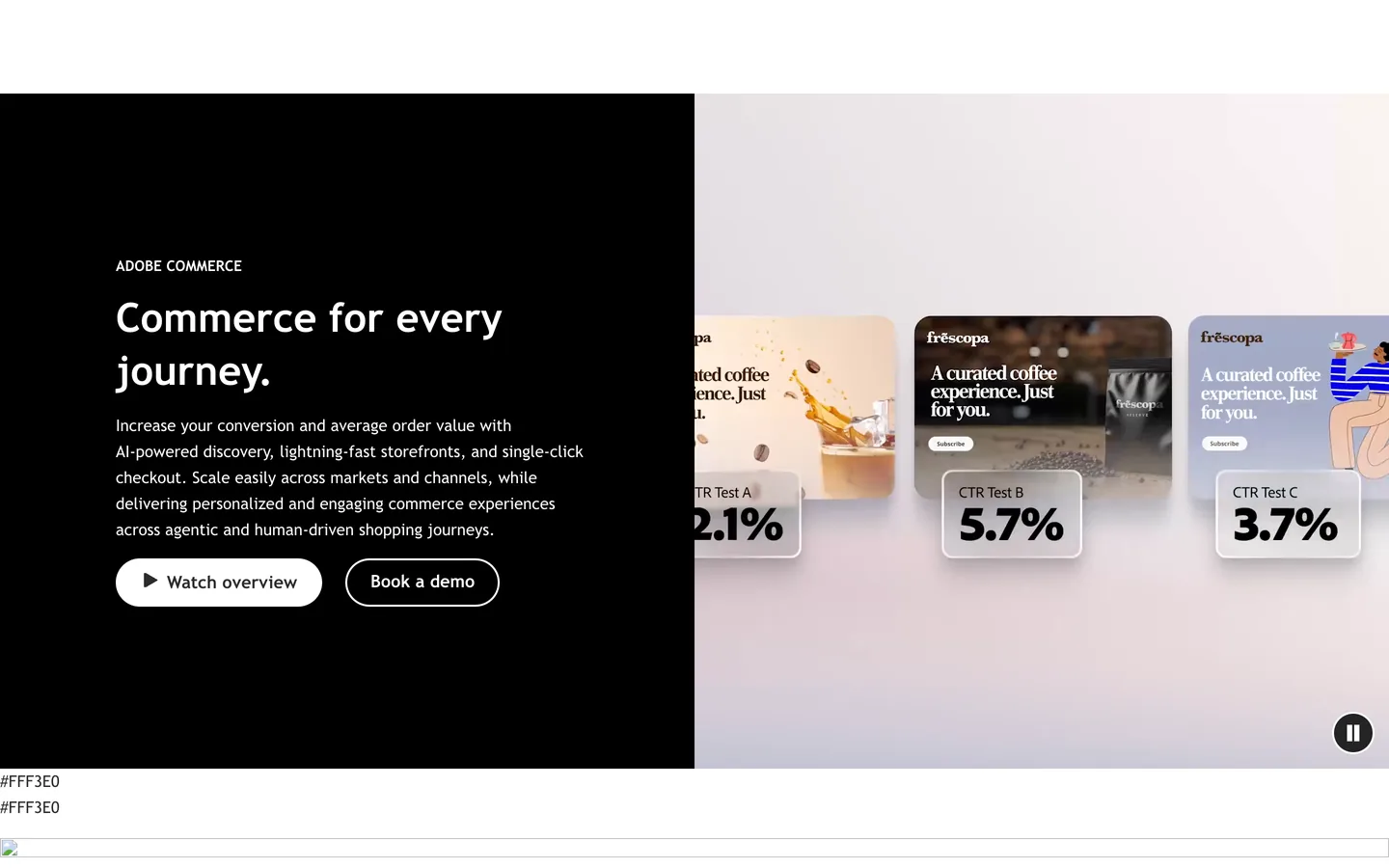
Magento (Adobe Commerce) offers robust technical capabilities for GEO. Implement comprehensive JSON-LD schemas (Product, AggregateRating, FAQPage, BreadcrumbList) through custom modules or extensions. Write detailed product descriptions covering specifications, benefits, comparisons, and use cases. Create content clusters around product categories with buying guides and expert reviews. Ensure fast loading and clean semantic HTML output. Use Magento's multi-store functionality for dedicated content hubs.
Key extensions for GEO include Amasty Rich Snippets (for comprehensive structured data), Mageplaza SEO Suite (for schema markup and XML sitemaps), and MageWorx SEO Suite (for advanced metadata management). For content creation, use Magefan Blog to publish AI-friendly content. Product review extensions generating authentic customer feedback are essential, as the AIs heavily weight social proof. Combine these with proper technical configuration and regular content creation.
Magento excels at B2B GEO thanks to advanced catalog management, custom attributes, and flexible content architecture. B2B buyers increasingly use AI assistants to research solutions. Create detailed product specifications, technical documentation, and comparison guides the AIs can reference. Use Magento's category system to build strong topical authority. Implement comprehensive schema markup on all product, category, and content pages. Group content into logical themes to reinforce subject-matter authority.
THEY TRIED SORANK BEFORE YOU
 “I tested Sorank on a real client site and it's insane. It does everything an agency would bill you $1500 a month for. It's going into production on that client now.”
 Guillaume Guersanguersanguillaume.com“We are an Ads agency and we wanted to get our SEO back on track once and for all. Sorank gave us a clear view of our site, helped us prioritize optimizations, and properly structure our content. The tool is easy to use, well designed for a team, and very practical for centralizing tracking without having to juggle multiple platforms. A very solid foundation to start fresh with our SEO.”
 Gaspard MadouiAds Agency
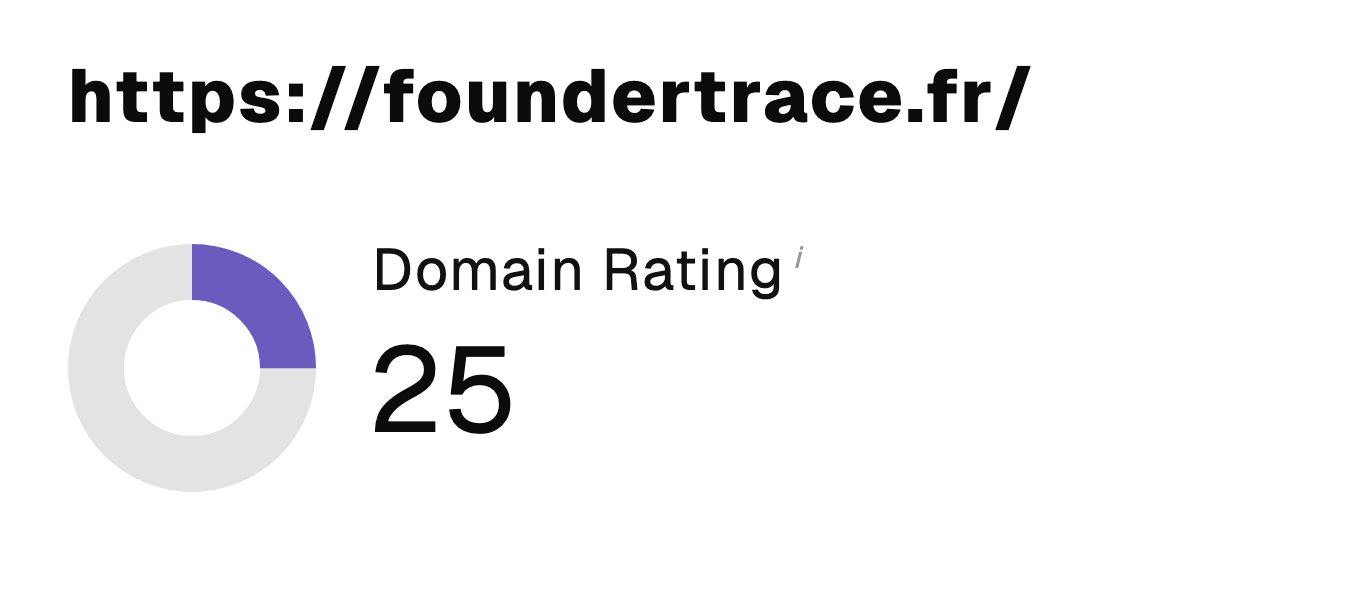 “I just let the Sorank software do its thing, and now my DR is 25 and my page is ranking higher.”
 Lucas Flandrefoundertrace.fr“I specialized in GEO thanks to Sorank. The GEO Leaderboard allows me to show my clients their position vs competitors on ChatGPT. It’s a real commercial differentiator.”
 MélanieSEO Freelance“Great service, works well for our website and helps us understand how to improve it to rank better on Google and elsewhere. Congrats, keep going, I recommend it.”
 Hugo T.E-commerce merchant