Preferences
Privacy is important to us, so you have the option of disabling certain types of storage that may not be necessary for the basic functioning of the website. Blocking categories may impact your experience on the website. More information

Privacy is important to us, so you have the option of disabling certain types of storage that may not be necessary for the basic functioning of the website. Blocking categories may impact your experience on the website. More information

Optimize your Kartra website for GEO visibility. Discover how to make AI systems identify your brand and display your pages in results in AI results.










































Tools


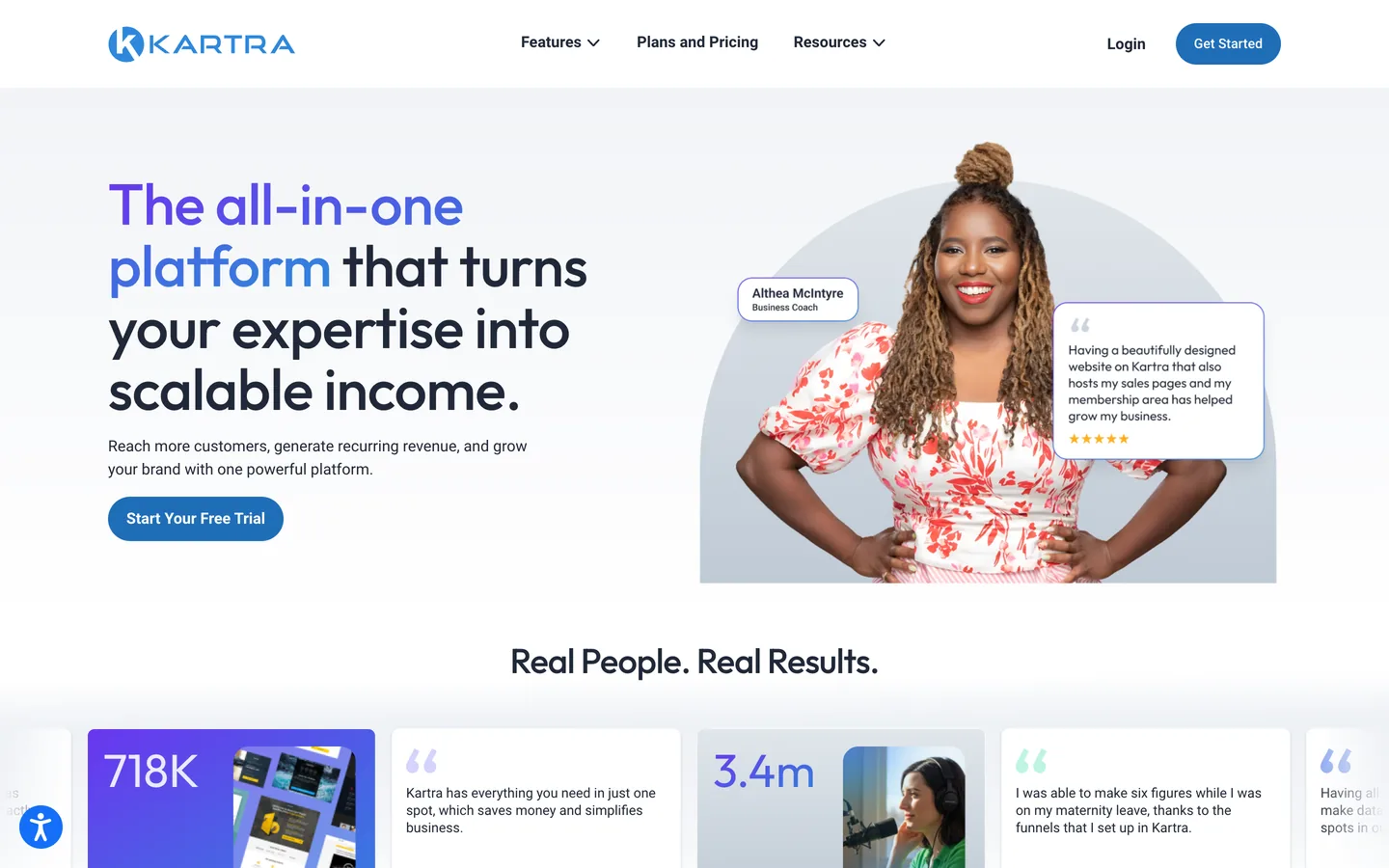
Ready to optimize your Kartra site for GEO visibility so AI systems reliably identify your brand and surface your pages in their answers? You want your pages cited by AI, not buried on page two. You can make AI assistants name and link to you by aligning content, structure, and authority. In this guide, you'll learn how to architect Kartra for AI-first discovery and citations.
AI systems now synthesize answers and cite sources they trust, so your Kartra pages must be machine-readable, semantically explicit, and entity-consistent. Traditional SEO still drives crawls, but GEO determines whether ChatGPT, Gemini, Bing Copilot, and Perplexity can recognize your brand and return your URLs as supporting evidence. The playbook: optimize entities, structure, topical coverage, and authority signals across Kartra and your broader web footprint. Our agency guide for SEO and GEO walks through how professional agencies structure these initiatives at scale.
Before editing pages, capture the real prompts your audience uses inside AI tools. Aggregate queries from sales calls, support chats, and on-site search. Cluster by intent (how-to, comparison, pricing, integration, troubleshooting). This becomes your coverage model. Use keyword query fan out ia to expand and group prompts, then map clusters to specific Kartra pages and modules for complete coverage.
Open Kartra Page Builder → Page Settings → SEO. Set concise, entity-led titles. Write descriptive meta descriptions that echo the target prompt cluster. Create clean slugs (lowercase, hyphenated, intent-driven). Enable indexing for public pages; noindex thank-you or utility pages. Add Open Graph titles, descriptions, and images aligned to your AI summary line. These fundamentals set the groundwork for GEO.
AI parsers reward explicit structure. Use one clear H2 per topic block and ensure each paragraph answers a discrete sub-intent. Start with a short, direct summary stating the page's purpose and audience. Use scannable lists only when needed; prioritize tight, declarative sentences. Repeat critical terms naturally in headings and lead sentences to help models anchor meaning, practical entity optimization at the page level.
Define your organization and author entities consistently across Kartra and external profiles. Inject Organization, Website, and WebPage schema via Settings → Tracking/Code → Header. Reference official profiles with sameAs links (LinkedIn, Crunchbase, X, YouTube, GitHub, Wikipedia if available). Add logo, brand colors, contact points, and an About page with a clear value proposition and leadership bios. These cues help engines place you in the knowledge graph and disambiguate similarly named brands.
Implement JSON-LD for Organization, Website (with SearchAction), WebPage (with primaryEntityOfPage), Article for blog posts, Product/Service for offers, and BreadcrumbList. Add HowTo, FAQ, and Review schema only when the content genuinely matches. Include sameAs and knowsAbout for topical alignment. These structured data signals are consumed by AI systems for context and trust.
Create hub pages for each core topic and link to child pages that address distinct intents. Use descriptive anchor text that mirrors user prompts. Add "Further reading" sections to prevent orphan pages. Keep hub pages concise, explanatory, and rich with internal links to build topical authority and make your site architecture easy for AI crawlers to model. Consider using topical cluster generator to plan hub-and-spoke structures.
The AIs cite content that is definitive, current, and verifiable. Lead with quotable summaries. Provide step-by-step procedures, tight comparisons, and clearly described pros/cons. Cite sources where appropriate and show update dates. Use unique data points and evidence-backed opinions. Demonstrate E-E-A-T with author credentials and links to original research. When scaling production, seed drafts with blog article generator and fact-check rigorously.
Upload crisp images with descriptive file names and alt text tied to the target intent. Host brief videos or audio clips with full transcripts on the page. Transcripts broaden semantic coverage and boost the odds that AI extracts an authoritative snippet, especially for how-tos and demos. Use captions and on-page summaries so key points are immediately machine-visible.
Keep a consistent top menu across all Kartra pages. Avoid duplicate titles and thin variants. Minify scripts, lazy-load heavy assets, and compress images to achieve fast TTFB and stable CLS. Faster, stable pages get crawled and cached more reliably. Ensure mobile parity since many AI browsing agents emulate mobile-first rendering.
For variant URLs created by tracking parameters or campaign links, enforce canonical tags to the primary page. In Kartra, add canonicals via the header code block or custom settings. Use consistent UTM schemes and noindex gated or duplicate pages. Clean consolidation increases the chance a single strong URL is cited by models.
Supplement classic keyword research with entity research. Identify people, organizations, tools, frameworks, and locations that co-occur in authoritative discussions. Weave those entities into headings and copy naturally. Add "mentions" sections referencing standards bodies, benchmarks, and APIs with outbound links. This places your page in the correct semantic neighborhood, a core GEO tactic for 2026. Understanding the difference between SEO and GEO helps you focus your entity research efforts strategically.
Secure high-quality editorial links from industry publications, standards groups, universities, and reputable directories. Pursue podcast features and conference recaps with backlinks. Maintain consistent NAP across listings. Sponsor or contribute to data studies that earn citations. Track earned authority with domain authority tracker, and focus on sources likely to appear as ai cited backlinks. Benchmark rivals with seo competitor spy to identify realistic link gaps.
Publish summaries on LinkedIn Articles, Medium, and niche communities with canonical links back to Kartra. Upload slide decks to SlideShare and videos to YouTube with complete descriptions and links. Refer to our LinkedIn strategy for GEO to understand how to structure content for AI discovery on social platforms. Submit to relevant knowledge bases and open datasets. The more high-trust nodes that reference you, the more likely the AIs are to fetch and cite your content.
Use Kartra automations to segment visitors by intent and route them to pages aligned with their prompts. Trigger follow-up emails that link to specific topical pages, deepening behavior signals. Tag contacts based on content viewed; this engagement data can correlate with higher model confidence when your domain is re-crawled by AI browsing agents.
Add clear author bios, editorial guidelines, and a last-reviewed date on all knowledge pages. Include privacy, accessibility, and security statements. For regulated verticals, link to certifications and display registration numbers. These trust markers influence which pages AIs deem safe to cite in health, finance, and legal contexts.
Track branded and non-branded prompts in AI tools to see if you are cited, linked, or summarized. Monitor server logs for AI-specific user agents and headless browsers. Watch for referral traffic from AI portals and chat UIs. Centralize reporting in a geo seo dashboard, monitor mention share with ai mention tracking, and benchmark category exposure using a public geo leaderboard.
Run an initial geo seo audit to baseline AI citations and entity coverage. Map audience prompts to your page inventory. Restructure pages with summary-first intros and logical subheads. Implement comprehensive schema across Organization, Website, WebPage, Product/Service, HowTo, and FAQ where applicable. Expand content to cover missing entities and sub-intents. Launch a targeted authority program for editorial links and brand mentions. Distribute summaries on high-trust platforms. Monitor citations, refine structure, and iterate.
Open each page with a two- to three-sentence abstract that answers the core query. Add a "Key points" line listing outcomes or steps in plain language. Conclude sections with a one-sentence takeaway. These patterns help models extract clean, attributable snippets that appear in AI overviews and chat answers.
Schedule quarterly refreshes for evergreen pages and immediate updates for product, pricing, and integration content. Add "Updated on" metadata in copy and schema. Update internal links to reflect new clusters. Freshness helps models prefer your page over older sources when composing current answers.
If you show comments or testimonials on Kartra pages, moderate aggressively. Stale or low-quality UGC dilutes topical precision. Prefer curated Q&A sections where you publish authoritative answers marked up with FAQ schema. Maintain a high signal-to-noise ratio so AI parsers encounter only authoritative content.
If you operate in multiple regions, separate pages by locale and reflect that in URLs. Add hreflang tags in the header code. Align addresses, currencies, and legal disclaimers per region. Regional precision helps AI select the correct page when users specify location in prompts.
Run on HTTPS with valid certificates. Ensure pages pass basic accessibility checks (contrast, alt text, keyboard navigation). Maintain high uptime and fast response times. Some AI crawlers deprioritize unstable or inaccessible sources; technical hygiene increases crawl confidence and long-term inclusion in model source sets.
Avoid keyword stuffing, AI-written fluff without fact-checking, and duplicate pages chasing micro-variants. Don't rely on images of text for important concepts. Don't hide crucial details behind render-blocking scripts. GEO prioritizes clarity and verifiability; anything that clouds meaning or provenance reduces citation likelihood.
If parts of your stack live off Kartra, follow GEO optimizations tailored to each platform: wordpress, shopify, webflow, wix, squarespace, magento, woocommerce, prestashop, bigcommerce, joomla, kajabi, podia, systeme-io, clickfunnels, and lovable. Consistent schema, entity alignment, performance, and internal linking standards across your CMS mix prevent signal decay.
Confirm a unique, intent-led title, H2 structure, and summary-first intro on every page. Implement Organization, Website, WebPage, and content-type schema via header code. Ensure entity consistency and sameAs links across profiles. Build hub-and-spoke internal linking for every topic cluster. Publish authoritative, source-backed content with visible authors and update dates. Maintain fast performance, clean canonicals, and noindex on non-public pages. Execute an ongoing link and brand-mention program. Track AI citations and iterate monthly.
Treat Kartra as a structured, entity-first knowledge base rather than just a funnel builder. When AI systems can unambiguously identify your brand, extract definitive answers, and cite your pages, you gain durable, compounding visibility inside AI answers, where decisions increasingly happen. Use an end-to-end GEO process to operationalize, measure, and improve so your brand stays seen, cited, and trusted in 2026 and beyond.

Start with the page settings: in the Kartra Page Builder, open Page Settings, then SEO, and set an entity-led title, a meta description that echoes the prompts your buyers ask, and a clean slug, and enable indexing on public pages. Structure each page for AI readability with a short summary-first intro, one clear H2 per topic, and tight declarative sentences. Add Organization, Website, WebPage, and content-type JSON-LD schema with sameAs links through Kartra's header code, and set canonical tags on variant URLs. Then publish source-backed content with visible authors and update dates, link your topic hubs to their child pages, and earn editorial links and brand mentions, because the AIs cite the pages they can identify and trust.
Create comprehensive blog content answering questions people ask AI assistants about your niche. Write detailed product and service descriptions with specific benefits, features, and use cases. Build FAQ pages addressing common questions with clear, concise answers. Publish case studies with real data and results. AI assistants like ChatGPT and Perplexity favor authoritative, factual content with specific data points over generic marketing copy.
While Kartra's automation doesn't directly impact AI search visibility, it supports your GEO strategy indirectly. Use email marketing to drive engagement with your content, increasing social signals and brand mentions. Create evergreen webinar content repurposed as authoritative blog posts. Build a membership area with valuable educational content establishing your brand's expertise. Combine the platform's marketing strengths with a solid content strategy that builds the external authority signals the AIs use to decide which sources to cite.
THEY TRIED SORANK BEFORE YOU
 “I tested Sorank on a real client site and it's insane. It does everything an agency would bill you $1500 a month for. It's going into production on that client now.”
 Guillaume Guersanguersanguillaume.com“We are an Ads agency and we wanted to get our SEO back on track once and for all. Sorank gave us a clear view of our site, helped us prioritize optimizations, and properly structure our content. The tool is easy to use, well designed for a team, and very practical for centralizing tracking without having to juggle multiple platforms. A very solid foundation to start fresh with our SEO.”
 Gaspard MadouiAds Agency
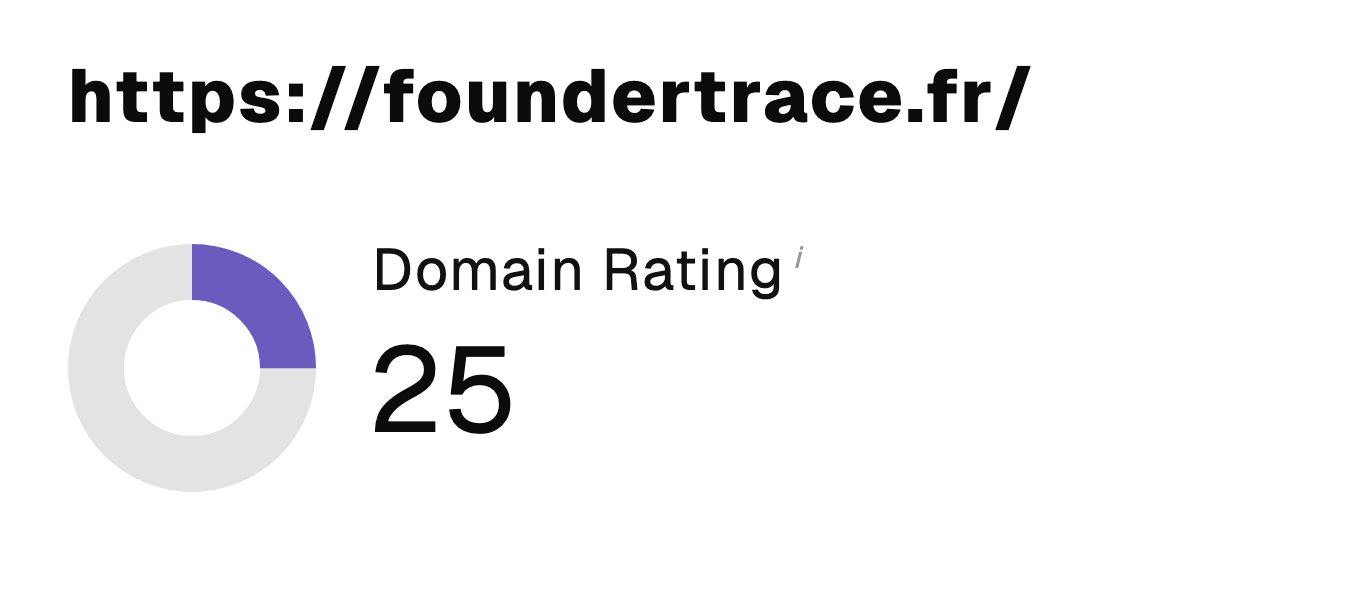 “I just let the Sorank software do its thing, and now my DR is 25 and my page is ranking higher.”
 Lucas Flandrefoundertrace.fr“I specialized in GEO thanks to Sorank. The GEO Leaderboard allows me to show my clients their position vs competitors on ChatGPT. It’s a real commercial differentiator.”
 MélanieSEO Freelance“Great service, works well for our website and helps us understand how to improve it to rank better on Google and elsewhere. Congrats, keep going, I recommend it.”
 Hugo T.E-commerce merchant