
Preferences
Privacy is important to us, so you have the option of disabling certain types of storage that may not be necessary for the basic functioning of the website. Blocking categories may impact your experience on the website. More information

Privacy is important to us, so you have the option of disabling certain types of storage that may not be necessary for the basic functioning of the website. Blocking categories may impact your experience on the website. More information
Use Claude Code for SEO and GEO: 5 real workflows to write articles, build free tools, audit sites, create videos, and publish straight to your CMS.
.webp)
.webp)




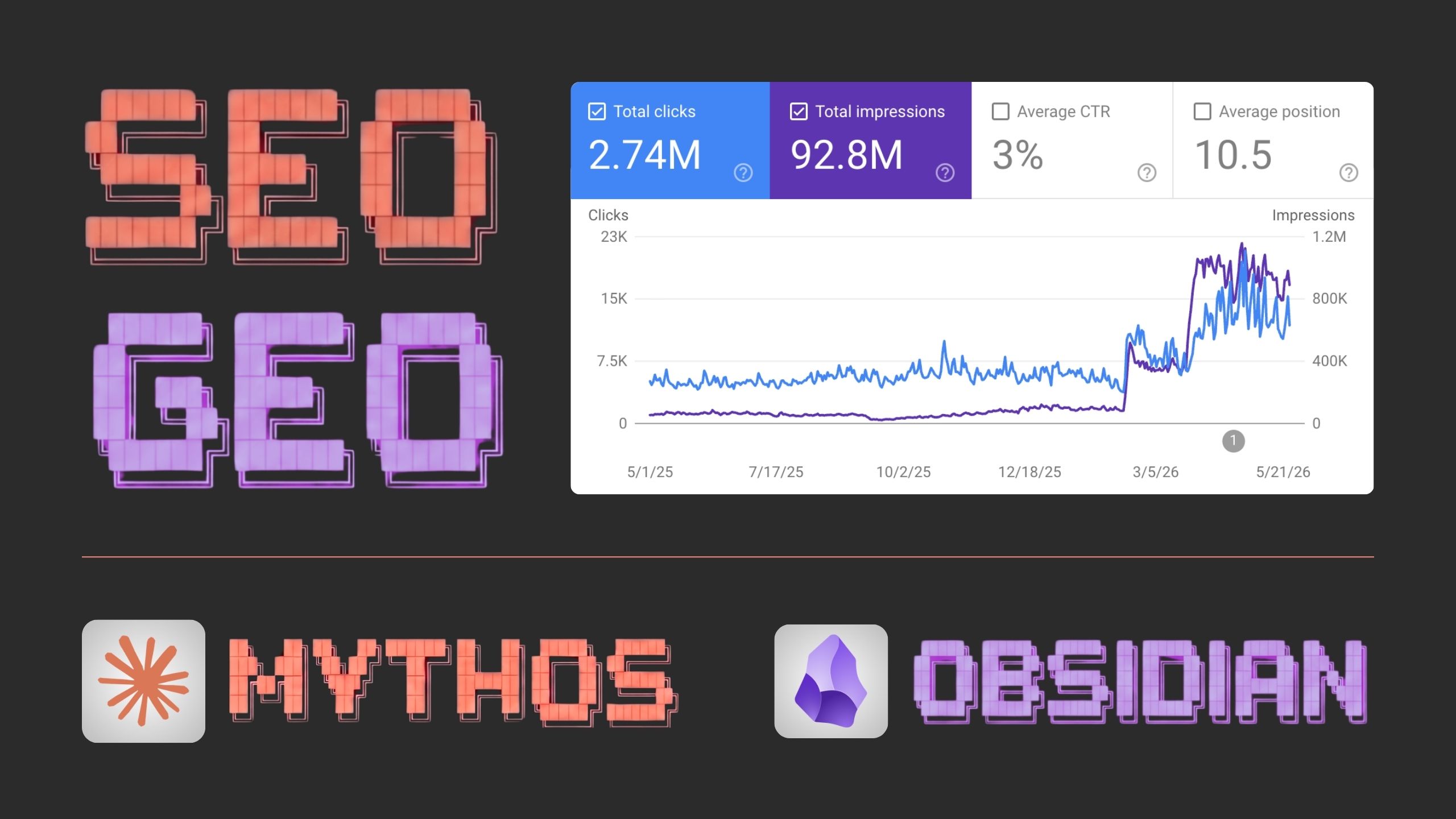

Artificial intelligence has changed both how search works and how the work behind search gets done. Search engine optimization, or SEO, is no longer only about Google. A growing share of your traffic now comes from AI assistants like ChatGPT, Perplexity, Gemini, and Claude. Optimizing for those assistants has its own name: Generative Engine Optimization, or GEO. At the same time, the way you produce SEO and GEO content has changed just as fast, because an agent like Claude Code can now write, build, audit, and publish for you.
Six months ago, getting Claude to handle specialized work meant building a custom skill for almost every task. Today the base model writes and codes so well on its own that many of those skills are optional. A few skills still matter, because they carry something the model cannot guess on its own: your method, your audit grid, your video rules, and your exact publishing setup.
This guide walks through 5 real workflows used to run Sorank, the SEO and GEO platform built for agencies. For each one you will see the exact prompt, what Claude produces, and a clear answer to the question every content team is asking right now: does this task need a skill, or not?
Claude Code is Anthropic's agent for real work on a computer. Instead of only chatting, it reads your files, writes and edits code, runs commands, and connects to outside systems like your content management system (CMS) through connectors. You describe the outcome you want in plain language, and it carries out the steps.
For an SEO and GEO team, that turns a single operator into a small production line. With the right prompt, Claude Code can:
Before the workflows, three terms are worth defining clearly, because Claude Code helps with all three:
The common thread is structure. Content that is well organized, well defined, and easy to parse ranks better in Google and gets quoted more often by AI assistants. Claude Code is good at producing exactly that kind of structure, which is why it fits SEO and GEO work so well.
A skill is a small, reusable package of instructions and knowledge you install so Claude follows a specific method on demand. Think of it as a recipe the model loads whenever a task matches.
The shift in 2026 is simple. For broad tasks like writing an article or coding a tool, the base model is strong enough that a skill adds little: clear instructions and a good example are enough. For narrow, opinionated tasks, a skill is the difference between generic output and output that matches your standard every single time. The art now is knowing which is which, and the five workflows below draw the line in practice.
Two of these workflows need no skill at all. Three of them are far stronger with one. Here is each workflow, the prompt behind it, and the verdict.
Content is the engine of both SEO and GEO, and writing is where the base model shines. You do not describe your house style in detail. You point Claude at pages you already published and ask it to match them.
Prompt: Write a new article for my GEO and SEO glossary, on the term Generative Engine Optimization. In English. First read two or three published articles in the collection and reuse their structure, length, headings, and internal linking. Avoid em dashes. Give me the full text, ready to review.
Claude reads the existing items, learns your heading pattern and tone, and returns a finished draft in the same shape. Because it copies real pages rather than a written brief, the output already fits your site and needs only a light review.
Skill needed? No. Modern Claude writes and matches an existing style on its own. A writing skill becomes useful only when you want to enforce a very specific editorial process across a whole team.
Free tools, such as a meta tag generator or an llms.txt checker, are powerful traffic magnets. Each one is an indexed page that captures searches and sends visitors toward your trial. Building them used to be a project. Now it is a prompt.
Prompt: Add a new free SEO tool to my repository: an AI Readiness Checker that takes a URL and returns a heuristic score (llms.txt presence, structured data, headings, meta tags, page weight). Follow the existing pattern: a handler function in the worker plus its route, and a styled embed file modeled on an existing one. Keep the anti-bot protection and the per-IP limit. Use brand color 4383f2. Code locally, and wait for my approval before deploying.
Claude opens the repository, reads how the other tools are built, and adds the new one the same way. It respects your security pattern and your brand color without being told twice, because the existing code already shows it how.
Skill needed? No. The repository itself is the instruction set. Claude reads your conventions and follows them, so coding inside an established project rarely needs a skill.
When a prospect asks for an opinion on their site, you want a consistent, thorough audit every time, not a different checklist depending on the day. This is where a skill earns its place.
Prompt: /audit-seo-sorank https://example-prospect.com
The audit skill carries a fixed grid of checks, built from real audits run over many demo calls: technical health, on-page tags, images, structure, keywords, content depth, AI visibility, conversion, local signals, and more. Claude applies the whole grid and drafts the reply to the prospect in your voice.
Skill needed? Yes. The base model knows general SEO, but it cannot guess your exact grid and the order you check things in. The skill encodes that method so the audit stays complete and repeatable.
Short feature videos explain your product better than text, and they feed your social channels. Producing them blends two specialized jobs: turning a script into a visual plan, and coding the animation cleanly.
Prompt: Here is the script for my next feature video: [paste the script]. Turn it into a motion design video: first a scene by scene description, then the code. Respect my video rules: light background, brand color, real screen recordings played in full, and on-screen text synced word by word to the real voice-over.
One skill translates the script into a scene by scene plan that follows your video rules. A second skill brings deep knowledge of the video framework, so the animation is built correctly rather than by trial and error. Together they save hours per video.
Skill needed? Yes. Both the visual planning and the framework details are specialized. Skills give Claude that expertise on demand, which raw prompting cannot match.
The last step is putting finished content live. A CMS has a strict schema: fields, slugs, locales, and rules about what belongs where. Get one detail wrong and the item breaks.
Prompt: Publish this article in my blog collection in Webflow: create the item (title, slug, rich text body, meta description), fill the right fields for each language, and leave it as a draft for me to review before publishing.
The publishing skill knows your collections, your fields, and your locales. It creates the item in the right place, formats the rich text correctly, and leaves it as a draft so a human reviews before anything goes live.
Skill needed? Yes. Writing the article needs no skill, but pushing it into a structured system safely does. The skill, and the CMS connector behind it, keeps the integration clean.
| Workflow | Skill needed? | Why |
|---|---|---|
| 1. Write blog and glossary articles | No | The model writes and matches an existing style on its own. |
| 2. Build free SEO tools | No | The repository conventions already guide the model. |
| 3. Run an SEO and GEO audit | Yes | Encodes your fixed audit grid, which the model cannot guess. |
| 4. Create feature videos | Yes | Specialized visual planning and video framework knowledge. |
| 5. Publish to your Webflow CMS | Yes | Safe integration with a strict schema and locales. |
When you face a new task, four questions settle it:
In short: skills are for your method and your systems, not for tasks the model already does well.
Yes. Claude Code reads your published articles and reproduces their structure, tone, and internal linking on its own, so a custom writing skill is optional. A skill becomes useful when you want to enforce one strict editorial process across a whole team.
SEO optimizes your pages for classic search engines like Google. GEO, or Generative Engine Optimization, optimizes your content so AI assistants like ChatGPT, Perplexity, and Gemini cite and recommend your site in their answers. The two reinforce each other, and clear structure helps both.
Use a skill when you want Claude to apply your own repeatable method: a fixed audit grid, your video production rules, or your exact CMS publishing schema. For general writing and coding, the model handles the task without a skill.
Claude Code turns one operator into a content team. It writes the articles, builds the tools, audits the sites, produces the videos, and publishes to your CMS. Skills sit on top for the tasks that deserve your method, while writing and coding run skill free. That balance is the real lesson: use fewer skills, and use them where they count.
Ready to apply these workflows to real rankings? Sorank publishes 30 search-optimized articles per site every month and tracks your visibility across Google and AI assistants like ChatGPT and Perplexity. Start with a 3-day free trial, then €99 per month per site, and let your content compound.

Yes. Claude Code reads your published articles and reproduces their structure, tone, and internal linking on its own, so a custom writing skill is optional. A skill helps when you want to enforce one strict editorial process across a whole team.
SEO optimizes your pages for classic search engines like Google. GEO (Generative Engine Optimization) optimizes your content so AI assistants like ChatGPT, Perplexity, and Gemini cite and recommend your site in their answers.
Use a skill when Claude must apply your own repeatable method: a fixed audit grid, your video production rules, or your exact CMS publishing schema. For general writing and coding, the model handles it without a skill.
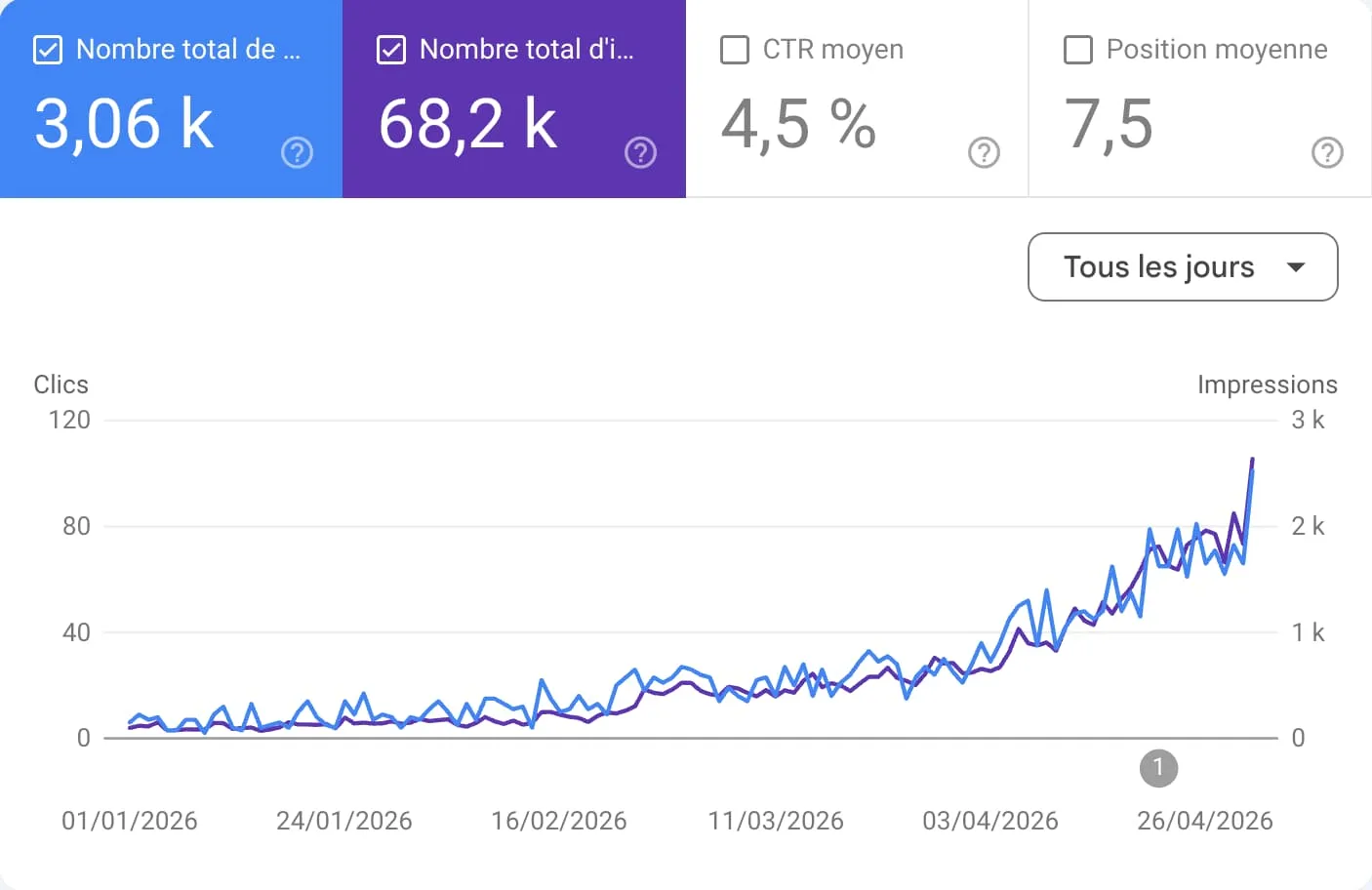
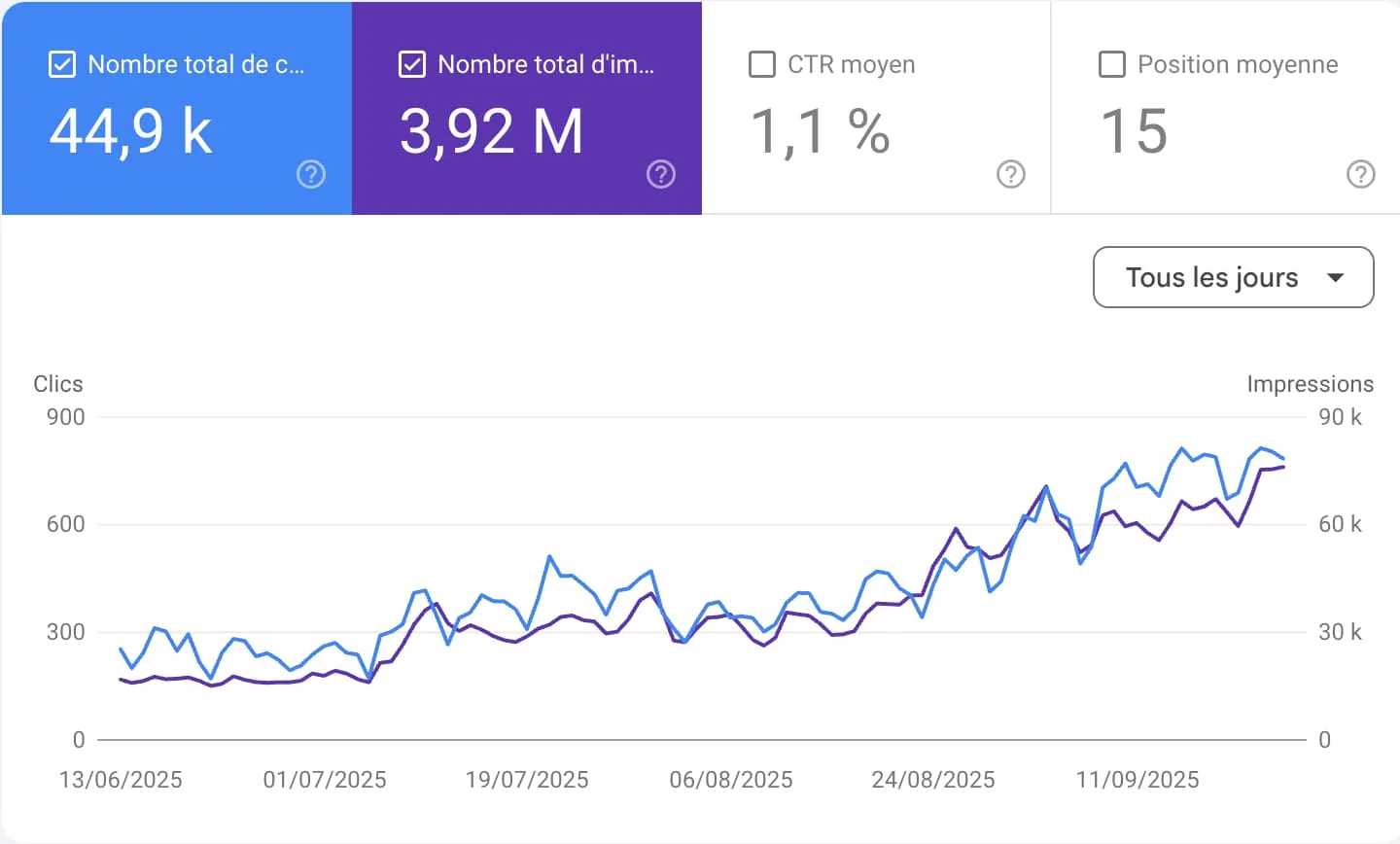
See how businesses like yours multiplied their organic traffic in months with Sorank.















.svg)
.svg)