
Preferences
Privacy is important to us, so you have the option of disabling certain types of storage that may not be necessary for the basic functioning of the website. Blocking categories may impact your experience on the website. More information

Privacy is important to us, so you have the option of disabling certain types of storage that may not be necessary for the basic functioning of the website. Blocking categories may impact your experience on the website. More information
Sorank generates SEO-optimized articles and get you high-authority backlinks to rank your website on Google and AI.

.webp)
.webp)









.webp)
.webp)






YOUR PROBLEMS
SEO Agency are higly overpriced.

SEO Softwares demand too much time.

AI tools are not stable to bring results.


Use one tool for all your SEO & GEO
HOW IT WORKS
We extract untapped keywords from sites in your niche, and AI models.

 17%2.4K
 30%590
 39%880

 27%2.4K
13%590
27%2.4K
13%590
Your SEO content is automatically generated & published on your CMS.



Safely boost your domain authority with links across our 3k+ users sites.
THEY WIN WITH SORANK
Add your website, and Sorank finds the keywords and writes a fully optimized article with sources, internal links, and images. The one below took 2 minutes. Yours can be next.
10 Benefits of Matcha for Entrepreneurs
Discover the 10 science-backed benefits of matcha for entrepreneurs: sustained energy, sharper focus, stress resilience, and more. Fuel your ambition with matcha.

A 2022 review published in the journal Nutrients confirmed what high performers have suspected for years: matcha enhances cognitive function, reduces stress markers, and supports cardio-metabolic health. For entrepreneurs running on tight deadlines and high stakes, that is not a luxury. It is a competitive advantage.
Yet most founders still reach for their third espresso by 2 PM, only to crash an hour later. The benefits of matcha go far beyond a caffeine fix. From sustained mental clarity to immune support, this vibrant green powder offers a toolkit built for the entrepreneurial lifestyle.
Sustained Energy Without the Crash
Coffee spikes your energy, then drops it. Matcha works differently. The caffeine in matcha, roughly 25 to 35 mg per serving, binds with L-theanine, an amino acid that slows caffeine absorption into the bloodstream. The result is a steady release of energy that can last four to six hours.
For entrepreneurs juggling pitch meetings, product reviews, and investor calls, this matters. No jitters before a presentation. No 3 PM slump during a strategy session. Just clean, consistent fuel.
L-theanine promotes the production of alpha brain waves, the same pattern seen during meditation and deep focus. Scientists call this state "calm alertness", a combination impossible to achieve with coffee alone. When caffeine delivers awakening and L-theanine delivers composure, the synergy creates something uniquely productive.
Sharper Focus and Mental Clarity
Can a cup of tea actually make you think better? Research suggests yes. A study published in Food Research International found that participants who consumed 4 g of matcha powder showed improvements in attention and reaction time compared to a placebo group.
Matcha contains up to five times more L-theanine than standard green tea, thanks to the shade-growing process that forces leaves to produce more of this calming amino acid. L-theanine crosses the blood-brain barrier and modulates glutamate receptors, neurotransmitters essential for learning and memory.
For founders navigating complex decisions daily, this translates into fewer mental fog episodes, faster problem-solving, and better retention during long working sessions. Combined with caffeine, L-theanine does not just calm you down. It sharpens you up.

A Powerful Antioxidant Shield
Entrepreneurs often sacrifice sleep, skip meals, and live under chronic pressure. Oxidative stress accumulates. Matcha offers a potent counterbalance.
Because you consume the entire tea leaf in powdered form, matcha delivers a significantly higher concentration of catechins than steeped green tea. The dominant catechin, EGCG (epigallocatechin gallate), is one of the most studied natural antioxidants. A review in Molecules confirmed that matcha's unique composition of phenolic acids, quercetin, rutin, and chlorophyll exceeds that of other green tea varieties.
These antioxidants neutralize free radicals caused by pollution, screen time, and stress, three constants in an entrepreneur's life. They protect cells from premature aging and may lower the risk of chronic diseases linked to oxidative damage.
Quality matters, though. Our organic ceremony-grade matcha is hand-harvested from young shoots in Nishio, Japan, which preserves the highest concentration of antioxidants and eliminates bitterness.
Stress Resilience Under Pressure
Entrepreneurship is a stress marathon. Investor rejections, hiring challenges, cash flow anxiety, the cortisol never stops flowing. Matcha offers a biochemical buffer.
A clinical trial published in the journal Nutrients demonstrated that matcha with a high theanine-to-caffeine ratio significantly reduced stress markers in human participants, measured through salivary alpha-amylase activity. The study showed that theanine's calming effect can counteract the stimulatory impact of caffeine when the ratio is right.
Unlike coffee, which triggers a cortisol spike, your body's primary stress hormone, matcha promotes cortisol regulation. L-theanine stimulates dopamine and serotonin production, the two neurochemicals responsible for mood stability and emotional resilience. A comprehensive review of 15 studies comparing beverages found that tea increased cortisol by only 20% above baseline, while coffee raised it by 50%.
For an entrepreneur facing a board meeting or a tough negotiation, the difference between controlled calm and caffeine-fueled anxiety can shape the outcome.
Metabolism and Weight Management Support
Long hours at a desk, irregular meals, and late-night work sessions wreak havoc on metabolism. Matcha can help tilt the balance.
A 2020 review concluded that consuming green tea alongside dietary measures and exercise can reduce body mass index when taken consistently. The mechanism is twofold: EGCG increases the rate of fat oxidation during physical activity, while caffeine provides a mild thermogenic boost.
This does not make matcha a miracle weight loss product. But for entrepreneurs who already exercise and eat reasonably well, adding a daily matcha can support their efforts. The catechins in matcha have been shown to increase the body's calorie-burning rate throughout the day, a passive benefit that compounds over time.
Immune System Fortification
Getting sick when you are bootstrapping a company is not just inconvenient, it is costly. Matcha's EGCG content has well-documented antiviral and anti-inflammatory properties.
Catechins act as natural antimicrobials. According to research reviewed by Harvard Health, polyphenols found in matcha demonstrate anti-inflammatory effects, while catechins may help lower oxidative stress and prevent inflammation. Matcha also contains vitamin C, which synergizes with rutin to support the circulatory system.
Building a startup demands showing up every day. A stronger immune system means fewer sick days, faster recovery, and consistent performance when your team depends on you.
Heart Health for the Long Game
Entrepreneurship is a long-term bet. Your cardiovascular system needs to keep up. Green tea consumption has been consistently linked with a lower risk of cardiovascular disease compared to coffee. The compounds in matcha, similar to those in green tea but more concentrated, support this protective effect.
Catechins help reduce LDL ("bad") cholesterol and lower blood pressure. A meta-analysis published in the European Journal of Nutrition confirmed these cardio-protective benefits across multiple studies. Matcha also contains rutin, a bioflavonoid that further supports arterial elasticity and healthy circulation.
For founders working 60-plus-hour weeks, investing in cardiovascular health today pays compounding dividends for decades. A daily matcha ritual is one of the simplest deposits you can make. Our complete guide to matcha benefits covers the science behind each of these effects.
The Ritual Advantage: Mindfulness Built Into Your Day
This is the benefit most articles overlook, and arguably the most valuable for entrepreneurs.
Preparing matcha is not instant. You measure the powder, heat the water to the right temperature, and whisk it with a bamboo chasen. This two-minute process forces you to pause. To be present. To breathe.
In a world of back-to-back Zoom calls and Slack notifications, that forced pause is a form of micro-meditation. Buddhist monks have used matcha for centuries precisely for this reason, not just for the caffeine, but for the ritual itself. Samurai warriors drank it before battle to achieve focused calm.
Entrepreneurs who build rituals into their day, morning journaling, a walk, or preparing matcha, report better decision-making and lower burnout rates. The act of making matcha becomes an anchor, a daily signal that says: slow down, recalibrate, then perform. If you are new to the ritual, our preparation guide walks you through every step.
A Smarter Alternative to Coffee Culture
The startup world runs on coffee. Co-working spaces smell like espresso. Investor meetings happen over lattes. But coffee's energy model, spike, crash, repeat, contradicts what high-performance science actually recommends.
Matcha's energy curve is fundamentally different. Where coffee activates your sympathetic nervous system (fight-or-flight mode), matcha supports the parasympathetic system, which governs calm and emotional balance. A review by WebMD notes that matcha's catechins and caffeine may offer mild benefits for weight loss and management, while also supporting heart and brain health.
Many entrepreneurs who switch to matcha for two weeks report less anxiety, better sleep, and steadier productivity throughout the day. The transition does not require abandoning coffee entirely. Even replacing one cup per day introduces measurable benefits.
The real question is not whether you can afford to drink matcha. It is whether you can afford the cognitive cost of not optimizing your daily fuel.
Conclusion
The entrepreneurial edge is not always found in a new tool, a hack, or another productivity app. Sometimes, it sits in a small bowl of vibrant green powder. From sustained energy and sharper focus to stress resilience and long-term heart health, the benefits of matcha align precisely with the demands of building something from nothing.
Research confirms what Japanese monks and samurai understood centuries ago: the combination of L-theanine and caffeine creates a unique state of calm, alert performance. For founders, that state is not optional, it is essential.
With our organic, hand-harvested matcha sourced directly from Japanese farmers, we make it easy to integrate this ritual into your ambitious routine. Start with our ceremony-grade matcha and experience the difference clean energy makes.
Questions Frequently Asked
One to two cups per day is the ideal range. This provides roughly 50 to 70 mg of caffeine and enough L-theanine to sustain focus for four to six hours. Avoid drinking matcha after 4 PM to protect sleep quality.
Matcha and coffee deliver energy differently. Coffee provides a faster, more intense spike but often leads to jitters and a crash. Matcha releases caffeine gradually, paired with L-theanine for sustained calm focus. For tasks requiring deep concentration over several hours, matcha has a clear advantage.
Significantly. Ceremony-grade and premium matcha are made from young, hand-picked leaves grown in shade, which maximizes L-theanine and antioxidant content. Lower-grade matcha from older leaves tastes more bitter and contains fewer beneficial compounds. Always choose organic, stone-ground matcha from reputable Japanese farms.
Can You Get a Driving Licence at 16 in France?
Can you obtain a Category B driving licence from the age of 16? Discover the rules for accompanied driving (AAC), exam requirements and the benefits for young drivers.

In France, over 1.5 million candidates take the driving test each year, according to figures from the French Road Safety Authority. For many young people, getting their licence as early as possible means independence, access to employment and freedom. But can you really get a driving licence at 16?
The short answer: no, not to drive on your own. However, 16 is a pivotal age on the path to getting your licence. It is the age at which you can take the theory test through the standard training route and continue accompanied driving if you started at 15. Here is everything you need to know to plan your journey.
What the law says: the licence at 17, not 16
Contrary to popular belief, it is not possible to obtain a Category B driving licence at 16 in France. The decree of 20 December 2023 lowered the minimum age for obtaining a driving licence from 18 to 17, not to 16. This measure came into effect on 1 January 2024.
In practice, a 17-year-old can now take the practical test, obtain their licence and drive independently on French roads. Before this reform, you had to wait until 18, even if you had passed the test earlier through accompanied driving.
So, what can you do at 16? Quite a lot, actually. This age marks a key stage in the learning process, when you actively prepare to get your licence as soon as you turn 17.
At 15 and 16: the steps available before the licence
The journey towards your driving licence begins well before the practical test. Here is what you can do from the age of 15 and 16:
The early driver training programme is the most common way to start early. It allows you to drive with an experienced supervisor, under specific conditions, for at least one year and 3,000 km before taking the practical test.
If you have already passed your school road safety certificate (ASSR) at secondary school, you already have a useful prerequisite for the rest of your journey.
Accompanied driving (AAC): the recommended route
Among the various training options, the AAC delivers the best results. The first-time pass rate reaches approximately 75%, compared to 57% for standard training, according to data from the French Road Safety Authority.
Requirements to start the AAC
To enrol in accompanied driving, several criteria must be met:
How the accompanied phase works
Once you have your AFFI, you drive with your supervisor for at least one year and must cover a minimum of 3,000 km on French roads. Two mandatory educational appointments with a driving instructor are required:
Varying your driving conditions is essential: country roads, motorways, night driving and driving in the rain. This variety of experience is one of the major strengths of the AAC in producing safer drivers.

Who can be a supervisor and what are the rules?
The supervisor does not need to be a professional driving instructor. It can be a parent, a family member or even a friend. You can also have several supervisors.
However, each supervisor must meet three conditions:
During accompanied driving, specific speed limits apply: 110 km/h on motorways, 100 km/h on dual carriageways, 80 km/h on other roads and 50 km/h in built-up areas.
An "accompanied driving" sticker must be displayed at the rear left of the vehicle. In the event of a roadside check, the learner must be able to present the licence application form, the vehicle registration certificate and the supervisor's driving licence.
The driving test: what to expect at 17
From your 17th birthday, you can take the practical driving test. The exam lasts approximately 32 minutes and consists of several phases: driving in built-up areas, outside built-up areas, manoeuvres and technical vehicle checks.
To be called for the test, you must have:
If you pass, you will receive a driving test certificate (CEPC) valid for 4 months, while you wait for your permanent licence. If you want to optimise your preparation, an intensive driving course can complement your AAC programme.
The probationary licence: what changes for young drivers
Regardless of the age at which you pass, the licence issued is a probationary licence. This means specific rules apply during the first years of driving:
| Criteria | Standard probationary licence | After AAC |
| Probationary period duration | 3 years | 2 years |
| Initial points balance | 6 points | 6 points |
| Maximum motorway speed | 110 km/h | 110 km/h |
| Maximum blood alcohol level | 0.2 g/l | 0.2 g/l |
The major advantage of the AAC is the reduction of the probationary period to 2 years instead of 3. If no points are deducted during this period, you reach the full balance of 12 points. You can find out more about how the probationary licence works and its day-to-day implications.
A post-licence course (additional training) can also be taken between 6 and 12 months after obtaining your licence to further shorten this period.
Insurance and liability: what to plan for
Obtaining a licence at 17 raises practical questions, particularly regarding insurance. Insurers are free to set their own rates for young drivers who are minors. The good news: candidates who completed accompanied driving generally benefit from a reduced insurance surcharge compared to those who took the standard route.
From a legal standpoint, two types of liability coexist:
Before driving on your own, make sure your insurance policy covers a 17-year-old driver. An extension of cover is often required.
Driving abroad: watch out for local rules
A licence obtained at 17 in France does not automatically allow you to drive in another European country. The minimum driving age depends on the regulations of each EU member state. In most countries, it remains set at 18.
Before any trip abroad, it is essential to check the local legislation. The Your Europe portal provides information on driving conditions in different European countries.
During the accompanied driving phase, driving outside French territory is strictly prohibited.

Funding your licence: financial support available for young people
The cost of a driving licence averages 1,800 euros in France, a significant budget for a 16 or 17-year-old and their family. Several schemes exist to help reduce the cost:
Checking with your local town hall or youth employment centre is a good first step to identify the support available in your area. To enrol at a driving school, comparing offers and payment options is an essential step.
Conclusion
While the phrase "driving licence at 16" is a common search term, the reality is more nuanced. In France, 16 is the age from which you can take the theory test through the standard route and build up valuable experience through accompanied driving. The licence itself can be obtained from the age of 17 since 1 January 2024. The AAC remains the most effective route: a 75% first-time pass rate and a probationary period reduced to 2 years.
The best advice? Start learning at 15 so you are ready on your 17th birthday. Every kilometre driven with a supervisor is an investment in your future safety. To plan your journey, explore the supervised driving options and get started now.
What Is Query Fan-Out? How AI Search Rewrites the Rules of SEO
Query fan-out is the technique AI search engines use to split one query into multiple sub-queries. Learn how it works, why it matters for SEO, and how to optimize for it.
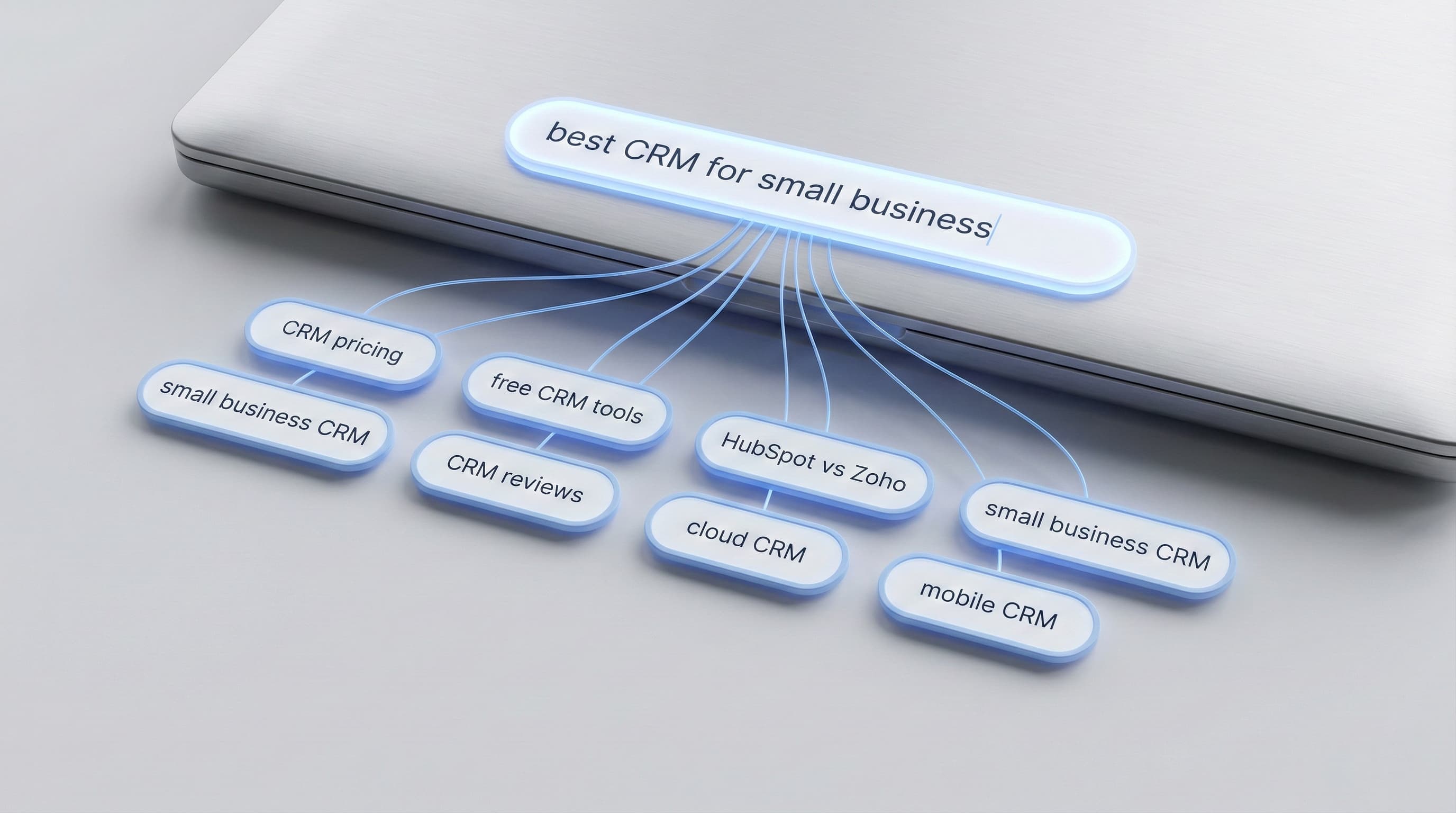
When someone types a question into Google AI Mode, ChatGPT, or Perplexity, the system does not simply match keywords to web pages. It breaks that single query into a constellation of related sub-queries, searches for each one simultaneously, and synthesizes the results into a single response. This process is called query fan-out, and it represents the most significant shift in search architecture since mobile-first indexing.
For SEO professionals and marketing teams, understanding query fan-out is no longer optional. Research from iPullRank confirms that AI search queries now average 70 to 80 words, compared to just 3 or 4 on traditional Google. The old model of optimizing for a single keyword no longer captures the full picture. This article explains what query fan-out is, how it works across platforms, and what you need to do about it.
What Is Query Fan-Out?
Query fan-out is an information retrieval technique where AI search systems expand a single user query into multiple, distinct sub-queries. Instead of treating a search as one isolated request, the AI decomposes it into several related angles, executes all of them in parallel, and combines the retrieved information into a comprehensive response.
Consider a user searching for "best CRM software for small businesses." A traditional search engine returns a ranked list of pages matching that phrase. An AI system using query fan-out generates sub-queries such as "best free CRM tools," "CRM with email automation," "HubSpot vs Zoho for small teams," and "CRM pricing comparison 2026." Each sub-query surfaces different sources, and the AI synthesizes the most relevant passages into one answer.
Google officially described this mechanism at Google I/O 2025, explaining that AI Mode uses a custom version of Gemini to break questions into subtopics and issue multiple queries simultaneously on the user's behalf. The technique is also documented in Google's Thematic Search patent, filed in December 2024, which refers to fan-out queries as "themes."
How Query Fan-Out Works Under the Hood
The mechanics of query fan-out follow a structured sequence that happens entirely on the backend, invisible to the user.
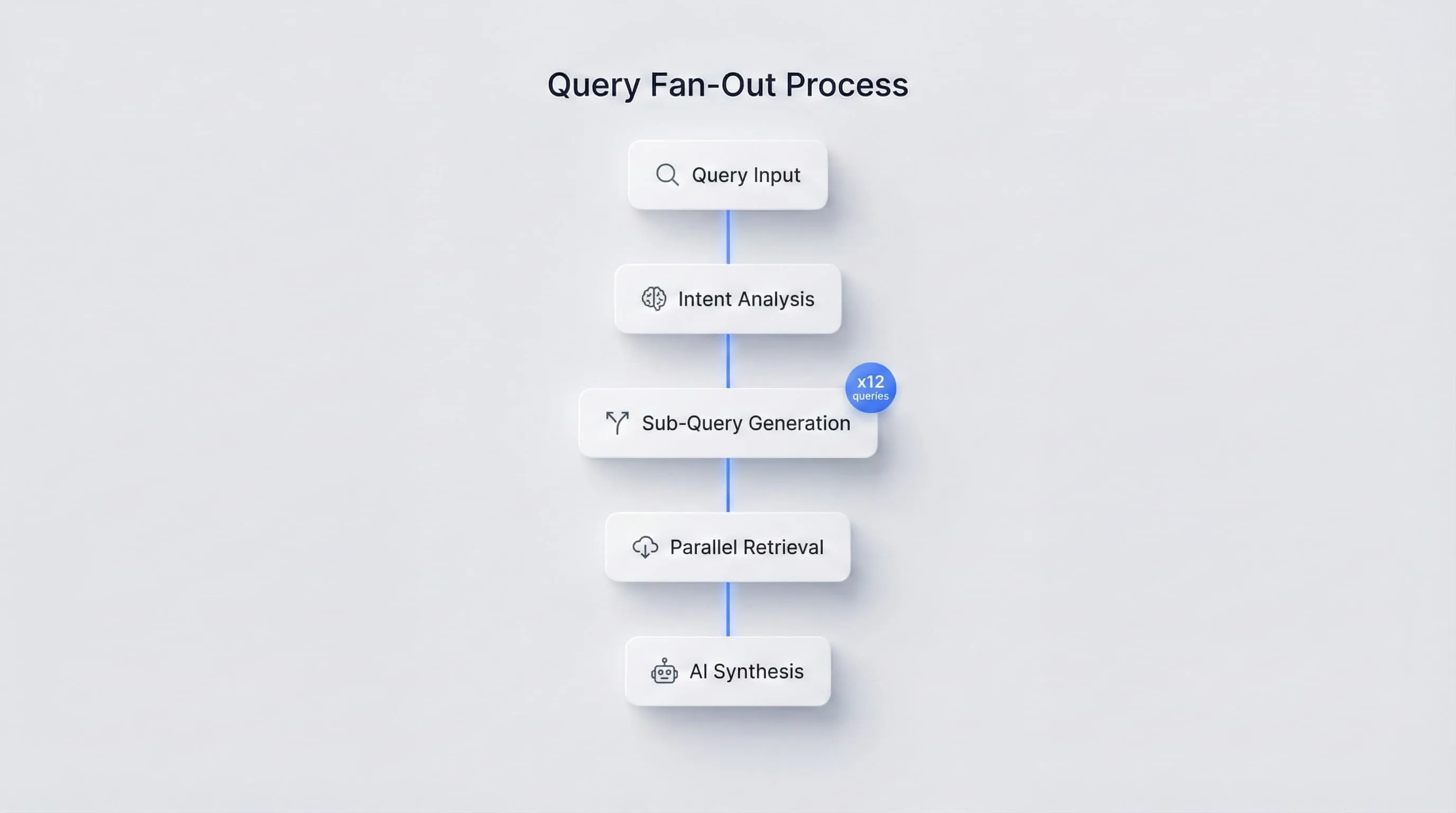
Step 1: Query analysis. The AI model receives the user's input and evaluates whether it requires decomposition. Simple factual queries ("What time is it in Tokyo?") may not trigger fan-out. Complex, multi-faceted questions almost always do.
Step 2: Sub-query generation. The LLM generates multiple sub-queries designed to cover different facets of the original question. Google's patent identifies eight distinct query types the system can produce, ranging from comparative queries to implicit follow-up questions.
Step 3: Parallel retrieval. All sub-queries execute simultaneously across multiple data sources. For Google AI Mode, this happens across Google's own infrastructure, Knowledge Graph, and Shopping Graph. For ChatGPT, retrieval runs through Bing. Parallel execution is critical because running 15 queries simultaneously takes roughly the same time as running one.
Step 4: Passage extraction and ranking. Rather than evaluating entire web pages, AI systems identify and extract specific passages that best answer each sub-query. This is called passage-based retrieval, and it means a single paragraph buried deep in your content can be surfaced and cited.
Step 5: Synthesis and response generation. The AI combines the most relevant passages into a coherent, structured response with inline citations linking back to source material.
Which Platforms Use Query Fan-Out?
Query fan-out is not exclusive to Google. It has become the standard retrieval architecture across all major AI search platforms, though each implements it differently.
Google AI Mode uses a custom Gemini model specifically designed for query decomposition. Standard queries generate 8 to 12 sub-queries, while Deep Search scenarios can issue hundreds. Google made this public at I/O 2025 and has since upgraded the system with Gemini 3, which performs even more searches and understands intent more precisely.
ChatGPT executes fan-out through Bing's search infrastructure. When browsing is enabled, the model generates multiple search queries visible in the interface. Users can observe this directly using browser extensions that reveal the sub-queries ChatGPT fires behind the scenes.
Perplexity transparently displays its fan-out process, showing users the sub-queries it generates and the sources it consults. This makes it particularly useful for understanding how AI search decomposes intent.
Google AI Overviews also leverage fan-out, though in a more limited capacity than full AI Mode. The system generates thematic groupings and pulls passage-level information from multiple sources to construct the overview panel.
Why Query Fan-Out Matters for SEO
Query fan-out fundamentally breaks the traditional SEO model. The shift can be summarized in one comparison:
Old model: One query leads to one SERP. Pages ranked 1 through 10 receive traffic.
New model: One query generates 10 to 20 sub-queries. Hundreds of pages are retrieved. The AI selects the best passages and cites 3 to 8 sources.
This has several concrete implications for content strategy.
First, topical authority now outweighs single-keyword rankings. Research published by Surfer SEO analyzed over 173,000 URLs and found that pages ranking for multiple fan-out queries are 161% more likely to be cited in Google's AI Overviews. Coverage across a topic cluster matters more than position one for a head term.
Second, passage-level optimization becomes essential. AI systems do not evaluate entire pages. They extract specific passages that directly answer sub-queries. This means every section of your content needs to deliver standalone value, with clear definitions, specific data points, and structured formatting that makes extraction easy.
Third, fan-out queries are inherently unstable. Only about 27% of fan-out queries remain consistent across repeated searches for the same prompt. Chasing individual sub-queries is not a scalable strategy. Building comprehensive topical coverage is.
How to Optimize Your Content for Query Fan-Out
Adapting to query fan-out requires a shift from keyword-centric to topic-centric content strategy. Here are the core principles.
Build topical clusters, not isolated pages. Organize your content around broad themes, with each page covering a specific subtopic. Internal linking between cluster pages signals comprehensive coverage to both Google and AI systems. Sites with 80%+ topical coverage retain 85.4% of their AI visibility despite fan-out query instability, according to research from WordLift.
Structure content for passage retrieval. Use clear headings, concise definitions at the start of sections, and self-contained paragraphs that answer specific questions. AI systems extract passages, not pages. Each section should be independently valuable.
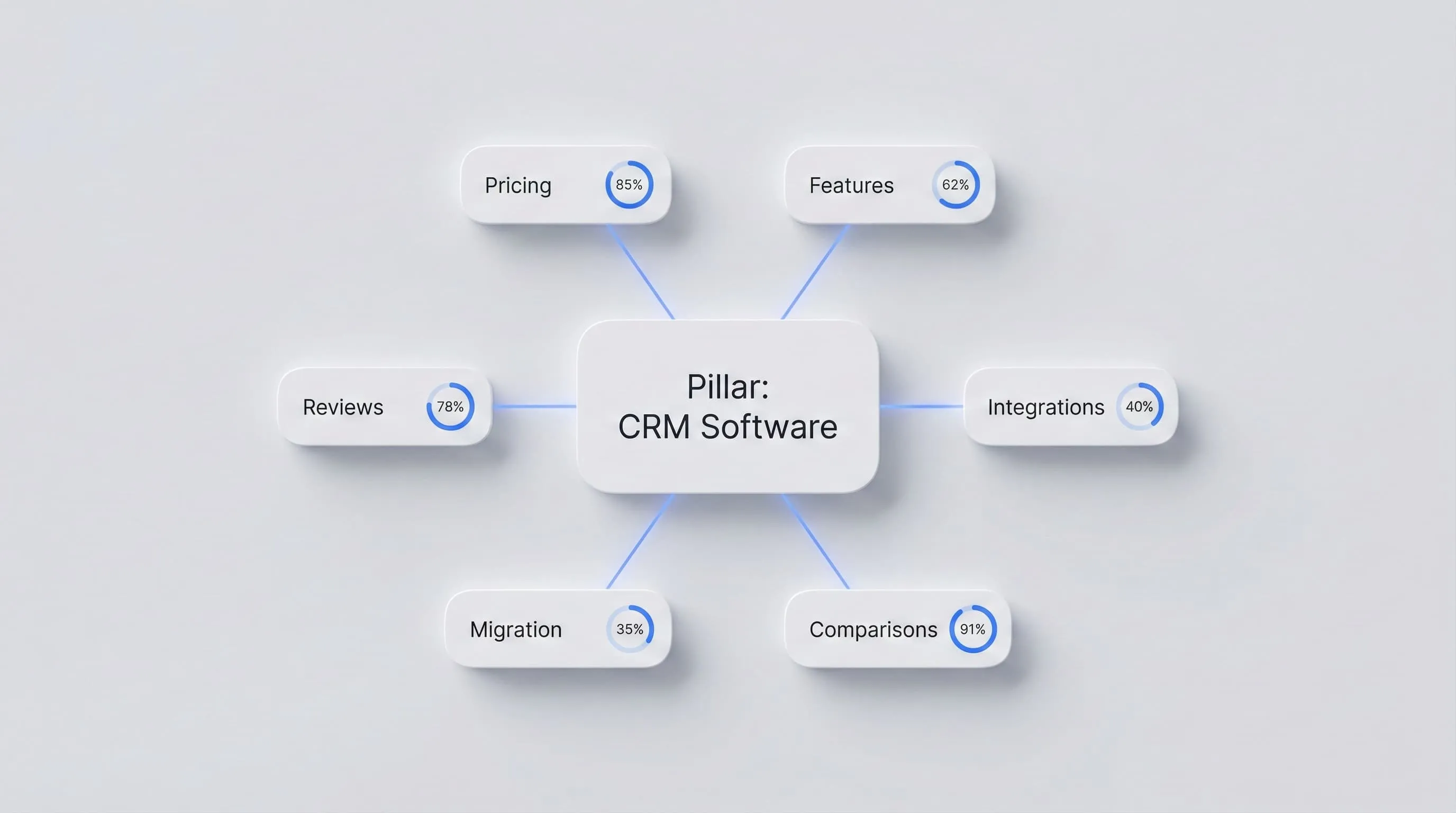
Answer adjacent questions proactively. If you are writing about "best CRM for small businesses," also address pricing comparisons, feature breakdowns, integration capabilities, and migration considerations within the same piece or across linked pages. These are the sub-queries AI will generate.
Use structured data markup. Schema types like FAQPage, HowTo, and Article help AI systems understand your content's structure and extract relevant passages more efficiently. This increases the probability of citation across fan-out sub-queries.
Monitor your AI visibility, not just Google rankings. Traditional rank tracking only tells part of the story. You need to track how often AI systems cite your content, in what position, and for which prompts. Sorank's Keyword Query Fan-Out tool is built specifically for this purpose, analyzing the exact keywords AI models use when generating answers in your market and revealing opportunities that traditional SEO tools cannot detect.
Query Fan-Out vs Traditional Search: Key Differences
Understanding the distinctions between traditional search and fan-out-driven AI search helps clarify why existing strategies need updating.
In traditional search, one query produces one set of ranked results. The search engine evaluates full web pages, matches them against keywords, and ranks them by relevance and authority signals like backlinks. Users click through to websites to find information.
In AI search with fan-out, one query produces 10 to 20 synthetic sub-queries that execute in parallel. The system retrieves passages, not pages, from potentially hundreds of sources. An LLM then synthesizes these passages into a single response, citing 3 to 8 sources directly. The user may never visit any of the cited websites.
This shift has a critical business implication. As Digiday reports, AI Mode is designed in a way that makes external clicks difficult to obtain. All the sub-searches happen without user awareness, and the synthesized answer often satisfies the query entirely. For marketers, this means brand visibility within AI responses, through citations and mentions, becomes as strategically important as organic click-through traffic.
The Role of Topical Authority in a Fan-Out World
Topical authority has always mattered for SEO. With query fan-out, it becomes the primary driver of AI visibility.
When an AI system fans out a query, it searches for information across multiple subtopics simultaneously. If your site covers the entire semantic scope of a subject, through pillar pages, supporting articles, and comprehensive resource guides, you become a candidate for citation on multiple sub-queries from a single user prompt.
This is why topical cluster generators have become essential tools. They map the semantic landscape of your niche, identify content gaps, and provide a structured publishing roadmap that builds authority systematically rather than randomly.
The data supports this approach. Pages that rank for multiple fan-out queries dramatically increase their citation probability across AI platforms. And because fan-out queries are stochastic, meaning they vary across users and sessions, broad topical coverage provides resilience that single-keyword optimization cannot match.
Measuring Success in the Age of Query Fan-Out
Traditional SEO metrics remain important, but they no longer tell the complete story. Query fan-out optimization requires additional measurement approaches.
AI citation volume. Track how frequently AI systems cite your content across platforms, including ChatGPT, Perplexity, Google AI Overviews, and Gemini. This is the most direct indicator of fan-out visibility.
Citation position. Monitor whether you are cited first, second, or lower in AI responses. First mentions carry disproportionate weight in user attention and trust.
Share of AI voice. Compare your AI visibility against competitors for key topics. Understanding who dominates AI responses in your market reveals both threats and opportunities. Sorank's GEO Leaderboard provides exactly this competitive intelligence, ranking brands by how often AI models mention them for specific prompts.
Topic-level rankings. Track rankings not for individual keywords, but for topic clusters and related fan-out queries. A page can rank poorly for a head term but still be heavily cited because it covers subtopics comprehensively.
Brand mention sentiment. Analyze how AI systems portray your brand. Neutral citations, positive recommendations, or inclusion in negative contexts all shape consumer perception through AI-generated answers.
Conclusion
Query fan-out is not a temporary trend. It is the foundational architecture of how AI search systems retrieve and synthesize information. Every major platform, from Google AI Mode to ChatGPT and Perplexity, uses this technique to deliver comprehensive answers from a single user prompt.
For SEO professionals, the strategic response is clear: stop optimizing for isolated keywords and start building comprehensive topical authority. Structure content for passage-level extraction. Monitor your AI visibility alongside traditional rankings. And use tools specifically designed for this new paradigm.
Sorank's Keyword Query Fan-Out feature analyzes the exact semantic patterns AI models rely on in your market, revealing the sub-queries and keywords that drive citations. If you want to understand how AI search sees your niche and where the gaps are, start your free trial and see the data for yourself.
Frequently Asked Questions
AI Overviews are the output, the summarized answer a user sees at the top of Google results. Query fan-out is the process that powers them. When Google generates an AI Overview, it uses fan-out to break the query into sub-queries, retrieve relevant passages from multiple sources, and synthesize them into the overview panel. AI Mode uses fan-out more aggressively, generating more sub-queries and providing longer, more detailed responses.
Yes, partially. Tools like Perplexity transparently display the sub-queries they generate. For ChatGPT, browser extensions such as Keyword Surfer can reveal the search queries fired behind the scenes. Sorank's Keyword Query Fan-Out tool takes a different approach by analyzing the keywords AI models repeatedly use when generating answers in your niche, giving you a map of the semantic patterns that drive citations.
No. Query fan-out optimization enhances traditional SEO rather than replacing it. The majority of AI citations still come from pages that rank well in traditional search results. Strong technical SEO, quality backlinks, and well-structured content remain foundational. What changes is the strategic layer on top: instead of targeting individual keywords, you build comprehensive topic coverage that positions your content to be cited across multiple fan-out sub-queries simultaneously.
THEY TRIED SORANK BEFORE YOU
We are an Ads agency and we wanted to get our SEO back on track once and for all. Sorank gave us a clear view of our site, helped us prioritize optimizations, and properly structure our content. The tool is easy to use, well designed for a team, and very practical for centralizing tracking without having to juggle multiple platforms. A very solid foundation to start fresh with our SEO.

Gaspard Madoui

I specialized in GEO thanks to Sorank. The GEO Leaderboard allows me to show my clients their position vs competitors on ChatGPT. It’s a real commercial differentiator.

Mélanie
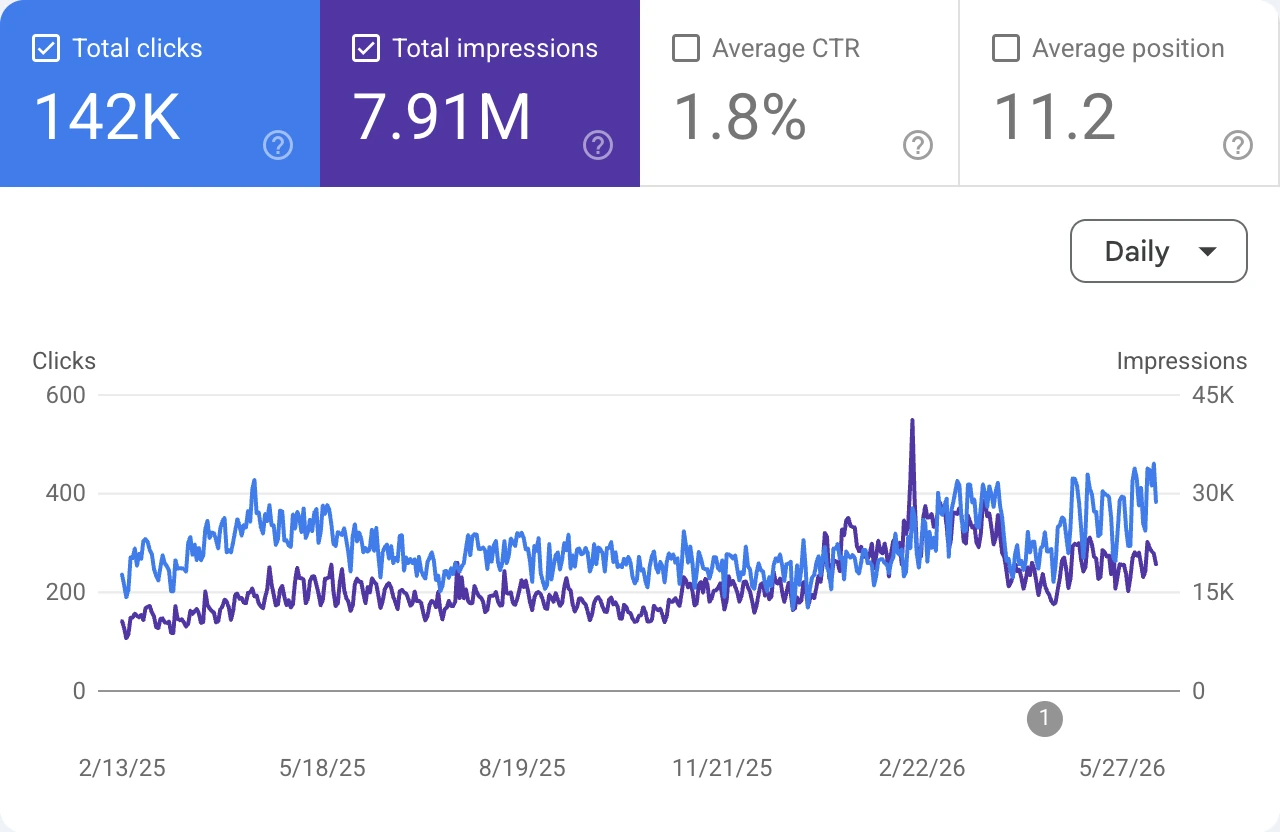
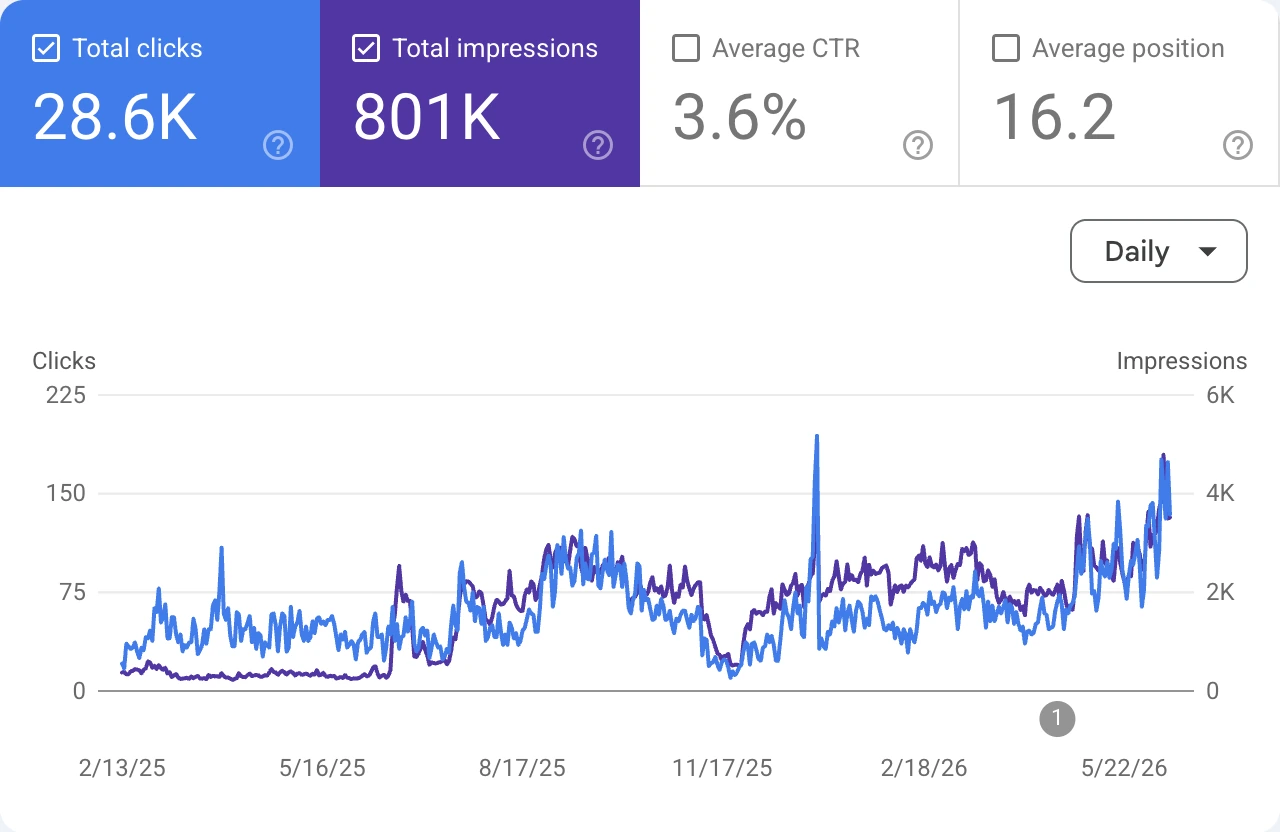
I’m a developer, not a marketer. My Shopify theme was selling only through word-of-mouth and ads. With Sorank I finally understood how to structure my SEO and write articles to rank. The audit showed my product page was too slow. In 2 months, my organic traffic doubled and I’m starting to appear in ChatGPT answers when people search for Shopify themes. All of that with about 2 hours per week.

Thème FullStack
Great service, works well for our website and helps us understand how to improve it to rank better on Google and elsewhere. Congrats, keep going, I recommend it.
.webp)
Hugo T.
For 2 years, 100% of my clients came from LinkedIn. Posting daily, commenting, DM follow-ups… totally dependent on the algorithm. I knew I needed to work on SEO but always postponed it: too long, too technical, not my job. With Sorank, I finally took the step. In 4 months, I generate 15 organic leads per month without posting anything. It’s not 50/50 with LinkedIn yet, but I sleep better knowing I now have a second lead source growing on autopilot.
.avif)
Valentin Thomy
I manage our dealership’s website and it had dozens of issues: slow pages, 404 errors, missing tags. We were losing rankings every month without understanding why. The Sorank audit detected everything in 5 minutes. I sent the report to our web provider with the priority fixes. We regained our rankings and traffic picked back up. Perfect for someone non-technical like me!
.avif)
Xavier Breull
I’m a CMO for a SaaS and I manage acquisition in a very competitive market. We were investing heavily in our product but not working on our SEO. No visibility on our real competitors, no tracking of our presence in AI. Sorank showed us our positioning vs competitors, which keywords to target, and GEO opportunities we had completely ignored!
.avif)
Louis RAPP
Great solution to manage SEO without headaches. Audits are fast, the interface is clear, and you quickly see which actions to implement. It has become an essential tool to track and improve the SEO of my sites. I highly recommend it.

Xav
I used Sorank for a client who needed SEO and it clearly made my life easier. I can quickly audit a site, track my projects, and keep a clear overview without multiplying tools. The onboarding is fast and the interface is great.
.avif)
Céline Maurin
Very good version 2, I recommend it.
.avif)
Antoine Verhille
I was skeptical at first, but this is the best SEO tool I’ve ever used. The interface is clear, audits are fast, and the recommendations are easy to implement. I’ve saved hours and hours managing SEO and tracking performance. I recommend it to all my entrepreneur friends who run an agency or work independently.

Noah
Blown away by Sorank’s performance. After testing many solutions on the market, I was amazed by how quickly our articles started ranking in the SERP. The results are concrete and much faster than anything we’ve experienced so far. It has been an excellent surprise for our team. We are confidently renewing our trust and highly recommend Sorank to agencies that demand fast and measurable results.

Patrick Perret
Finally, an all-in-one platform to efficiently manage and deliver my SEO services. Clear interface, well-designed tools, and a real time-saver on a daily basis. Great work on your part, thank you !

Celio Fabiano
We’re a development agency and we use Sorank to run on-page audits on our clients’ Shopify stores. It helps us quickly identify optimization opportunities, structure fixes, and collaborate more easily with clients on the SEO side. Very useful to complement our technical support 🔥

Younes Yahya
Sorank has transformed the results we deliver to our clients. We now identify the keywords AI really uses, understand why certain competitors get cited, and spot opportunities we were completely missing before. Our clients see faster rankings, better visibility in AI answers, and clearer ROI on every action we take.

Benjamin Roux
Sorank completely changed the way our SEO agency operates. We now spend far less time on each client because everything is centralized and automated. What used to take hours now takes minutes, which finally allows us to stop working in the business and start working on the business.

Océane Bondis
Great tool for a marketing agency ! Super quick to use to audit a website, detect slow pages, and identify what content needs to be added and where.

Thomas Giraud


START GROWING IN ONE CLIC










FRENCH REVIEW TRANSLATED WITH AI.
All the tools you need to dominate Google and AI search, without lifting a finger.
20 SEO ArticlesWith sources, internal links and realistic AI images.
Backlink Exchanges Automated backlink acquisition among 3k+ users.
AI Mentions Tracking Monitor 300 ChatGPT, Perplexity & Gemini prompts.
Keyword Research Discover AI fanout keywords in your niche.
GEO & SEO Audits Complete technical health and AI visibility reports.
GSC, GA4 & CMS Sync Connect your website for auto-publishing.

At least $1,500/month
6-month minimum contract
No idea of the results they will bring
Maximum 10 Articles & Backlinks per month
Don't know who works on your website
MINIMUM COST:
$9,000
3-day free trial, then $99/month
Cancel anytime
Fully transparent SEO & GEO Dashboard
20 Articles + AI Tracking + Backlinks per month
Keep your strategy and data private
MINIMUM COST:
$99

Sorank is an autopilot SEO and GEO platform that writes AI-first articles, builds high-authority backlinks, and fixes your technical errors so your website ranks on both Google and AI models (ChatGPT, Perplexity, Claude, Gemini, Grok). One tool, one subscription, zero manual SEO work.
You connect your site in 5 minutes (WordPress, Shopify, Webflow, Wix, or custom webhook). Sorank runs a full technical + AI visibility audit, finds your keywords, then generates and publishes AI-first articles while acquiring contextual backlinks from our network of 2,000+ users. Everything runs in the background with a monthly report delivered to your inbox.
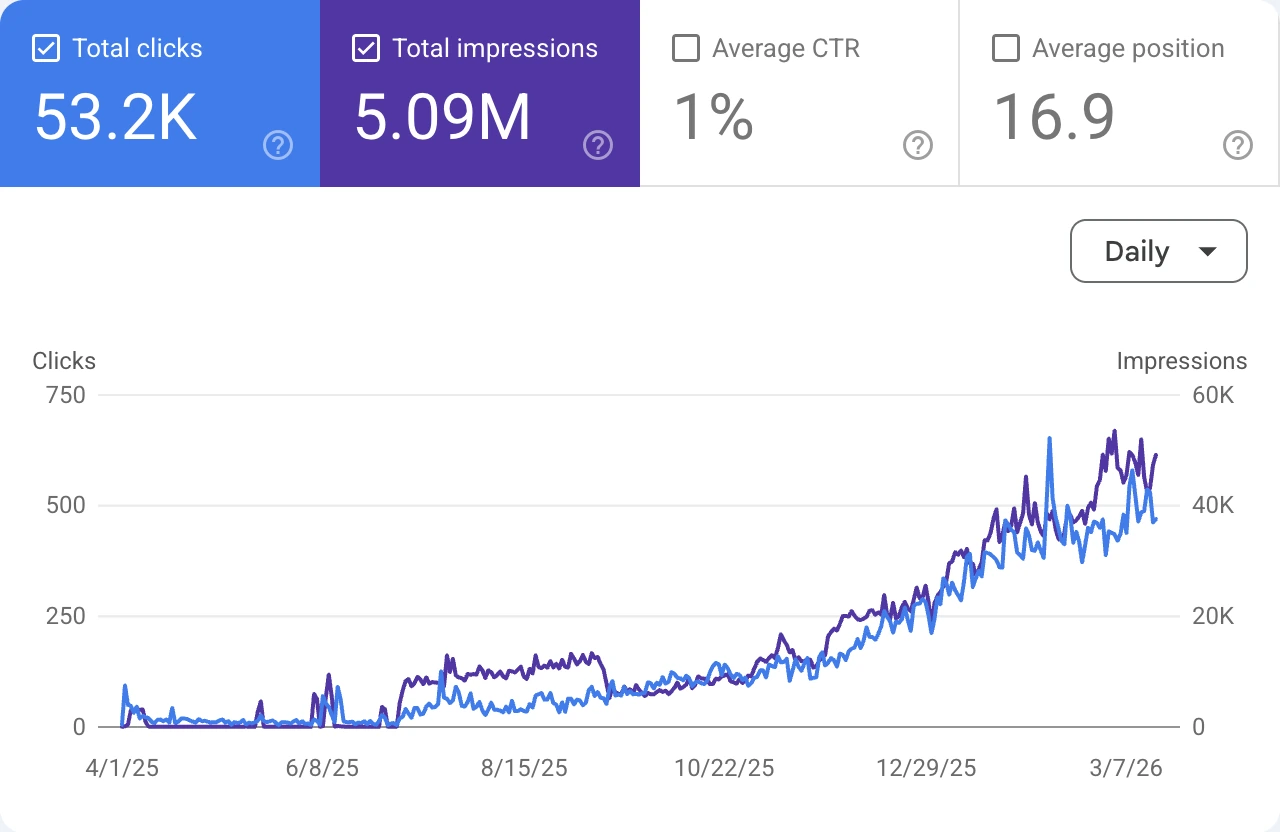
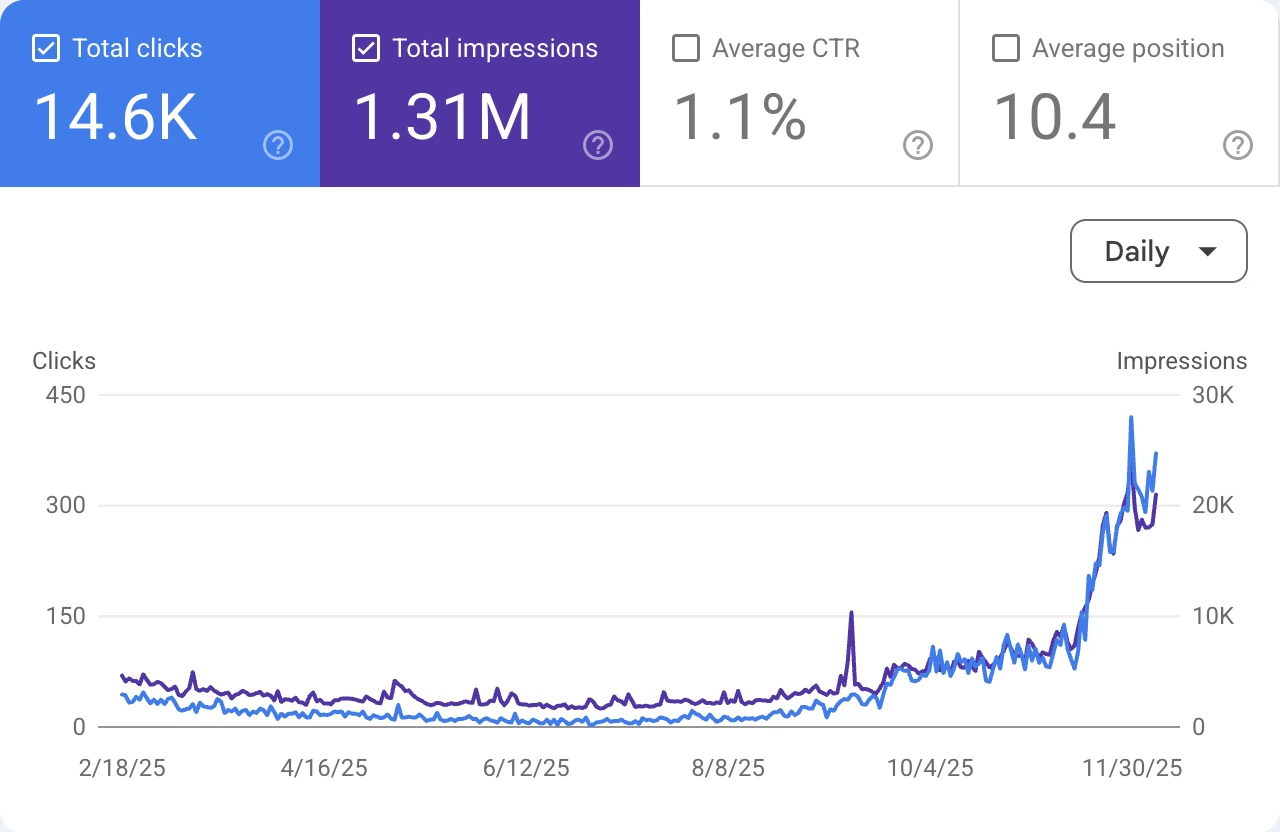
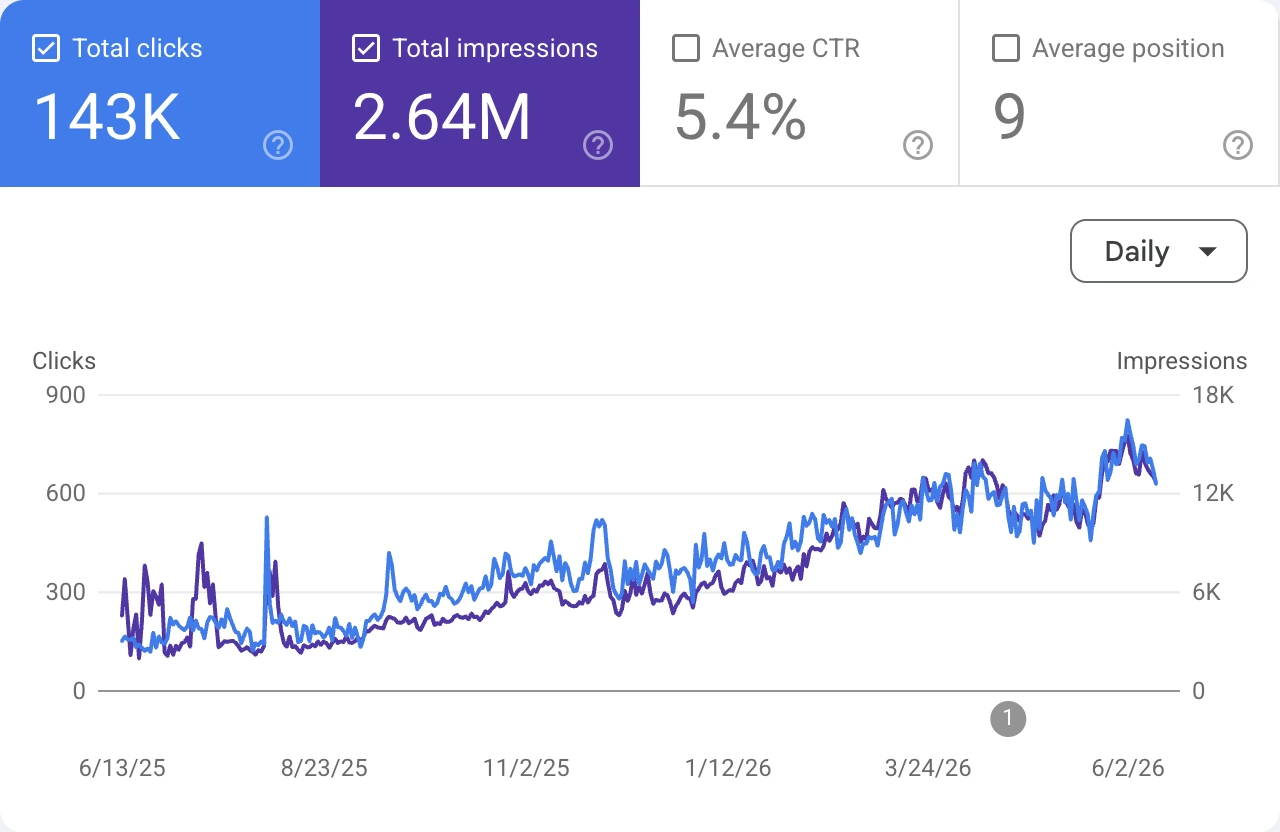
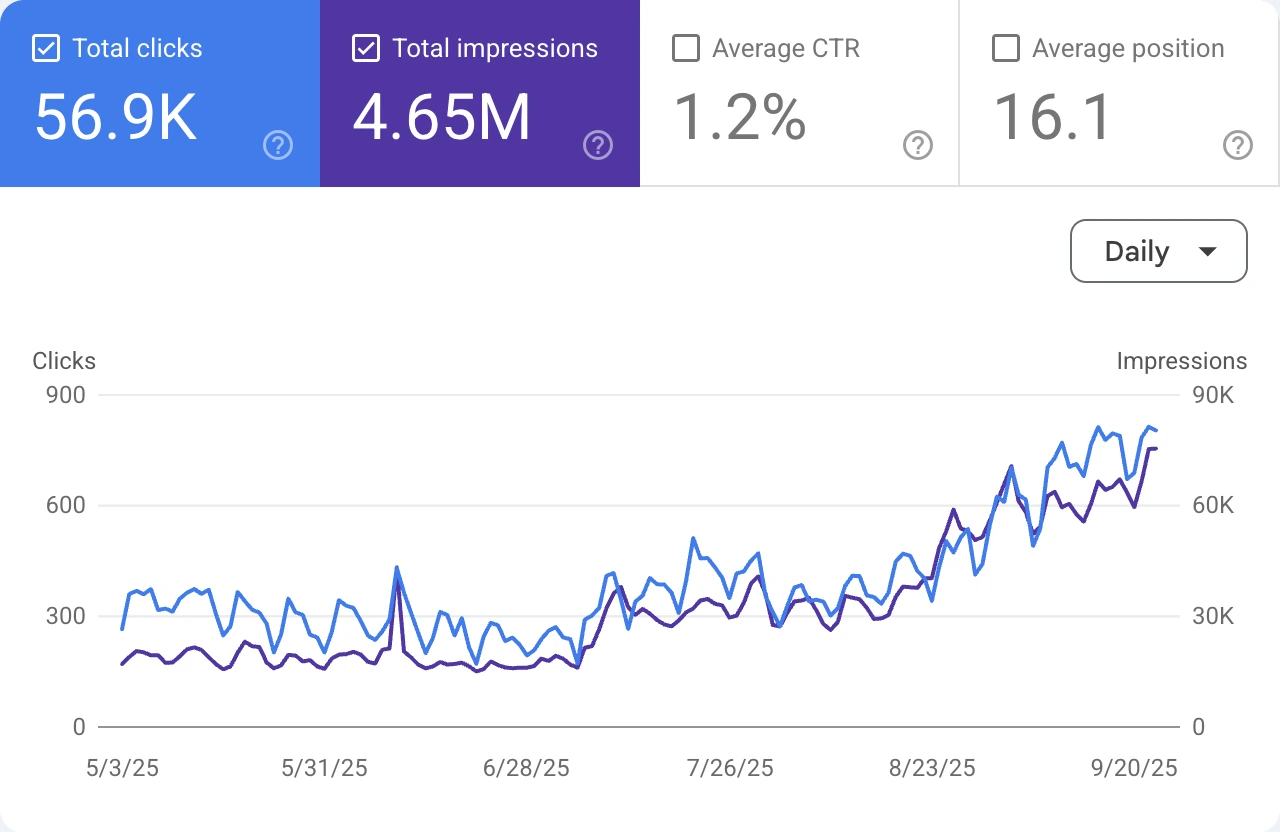
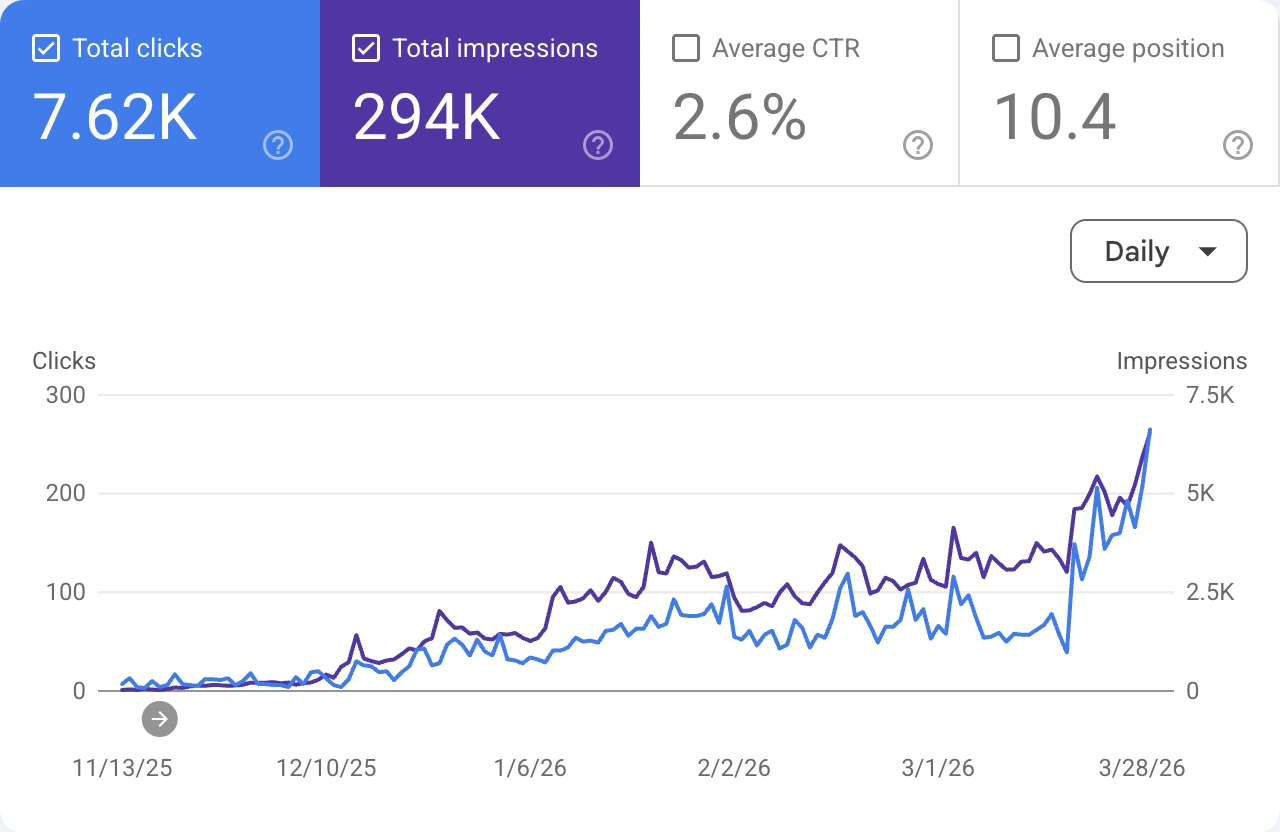
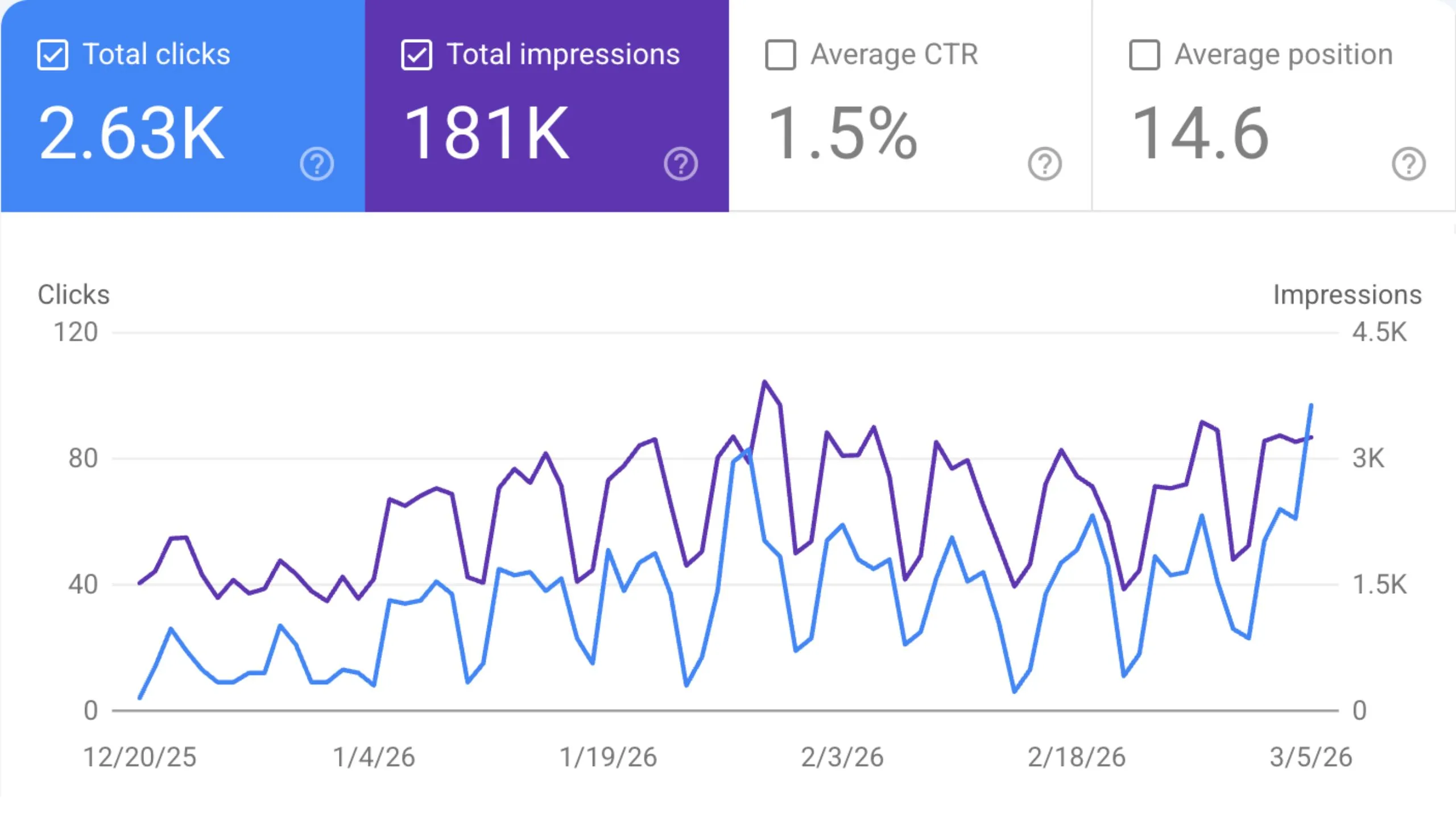
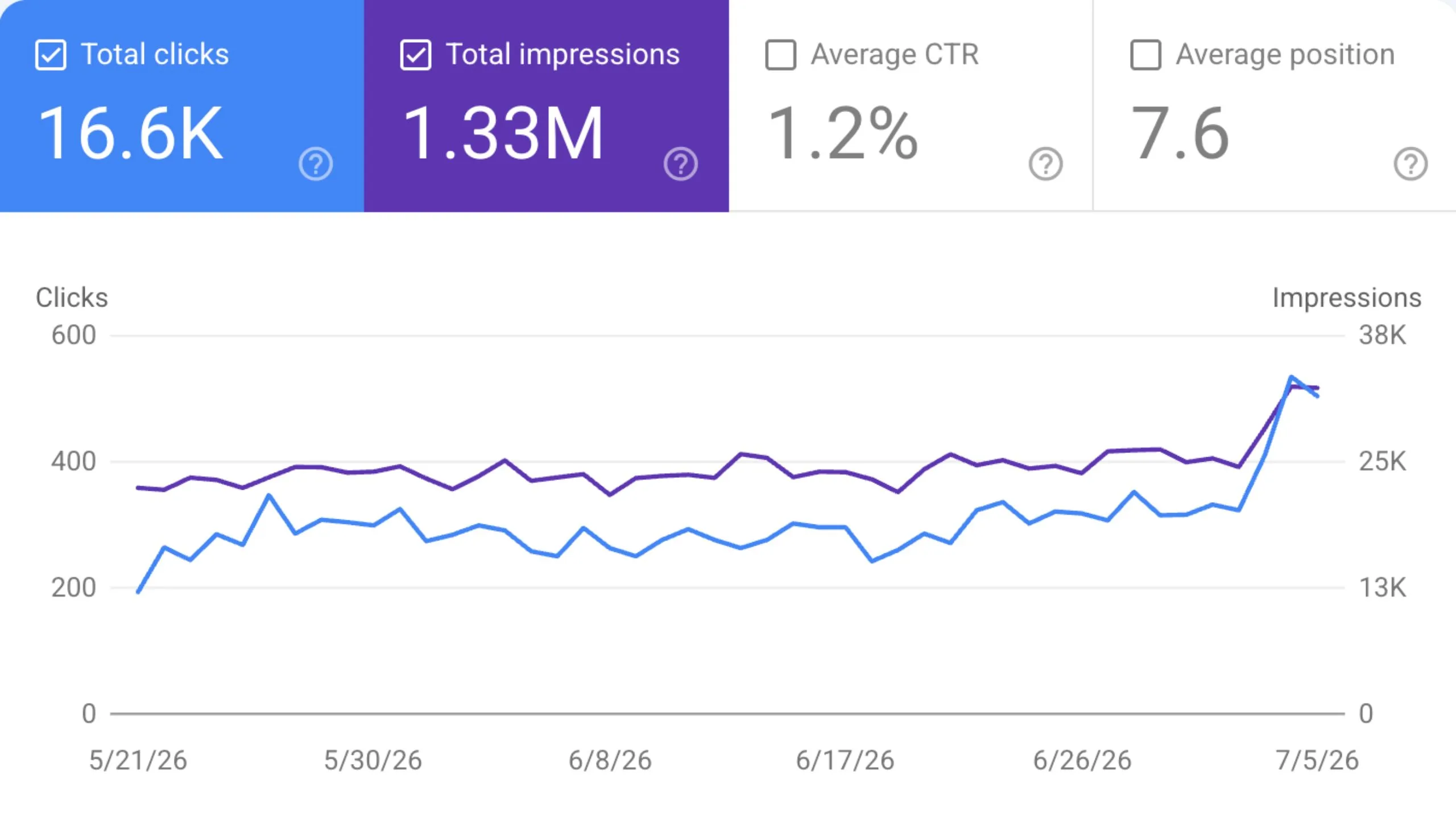
First AI citations appear around 3 weeks. Google traffic ramps in 2 to 3 months as your pages index and backlinks land. The compounding effect (more articles, more backlinks, more authority, more citations) becomes powerful around month 6. Real example: Lacreme.ai went from 300 to 700 visitors per day in under 4 months with Sorank.
Sorank runs a private network of 3,000+ real sites with real traffic. When another user in a relevant niche publishes, we insert a natural, contextual link to your site, and vice versa. No PBN, varied anchors, vetted domains, fully aligned with Google's link-building guidelines.
Yes, 100%. Articles, images, and backlinks generated for your site are fully yours to keep, edit, or republish, even if you cancel your subscription.
Almost nothing. Connect your site, validate your audience, and either approve the topics Sorank suggests or let it run fully automatically. You can intervene whenever you want, but you don't have to.
Yes. You can run as many websites as you want from a single account, but each site needs its own €99/month subscription because the full system (audits, article engine, backlinks, AI tracking, social content) runs specifically for one domain. Everything stays centralized in one dashboard, and most users find that the ROI on one site pays for several subscriptions within 3 to 6 months once compounding kicks in.
20 AI-first articles per month per website. Each one includes sources, internal links, your custom tone of voice, and 3 realistic AI images. No watermarks, no fluff.
Yes. Every article is fully structured for Google (titles, meta tags, H2/H3, schema, internal links, external citations) and written in an EEAT-compliant human tone. Our live demo article scores 94/100 on SEO quality with a full human-grade read.
Yes. Articles can be saved as drafts in your CMS so you can review, edit, or approve before publication. Or you can let Sorank publish automatically on the schedule you choose.
Yes, that's the core of our GEO engine. Articles are structured the way LLMs parse content (clear sources, factual claims, structured data) so ChatGPT, Perplexity, Claude, Gemini and Grok start surfacing your brand. You can track every citation directly in your dashboard across 300 monitored prompts.
Yes. AI traffic converts 2 to 3× better than Google because the AI recommends your brand directly instead of showing 10 competing links. Users arrive with pre-built trust, and AI-search users skew toward decision-makers and early adopters, exactly the profile that buys.
Yes, and it doesn't just detect them: an AI agent automatically patches them within Google's recommendations. Page speed, Core Web Vitals, mobile usability, schema, indexation, broken links, all handled in the background.
Yes. AI Mention Tracking monitors 300 prompts across ChatGPT, Perplexity, Claude, Gemini and Grok, so you see exactly when your brand gets cited and how visibility trends over time. The GEO Leaderboard also shows where you rank versus your direct competitors in AI answers.




.webp)






















.svg)
.svg)